





























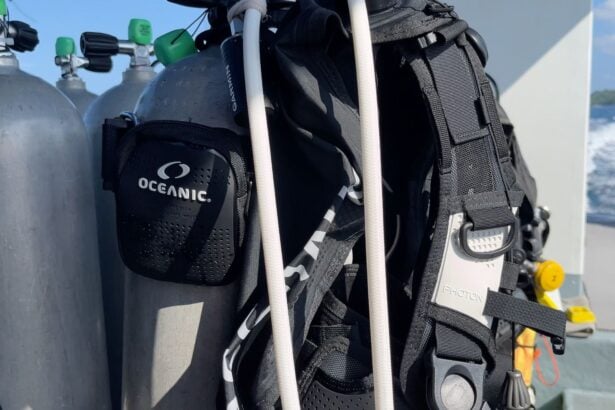


Diving With the Oceanic Photon Air and How We Tested
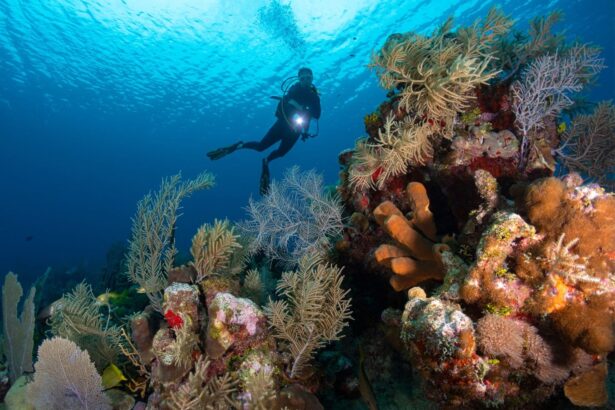
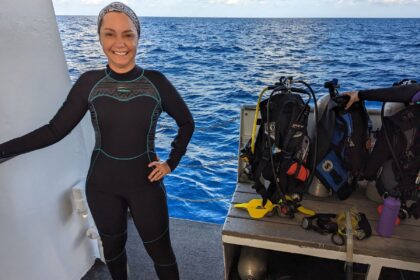
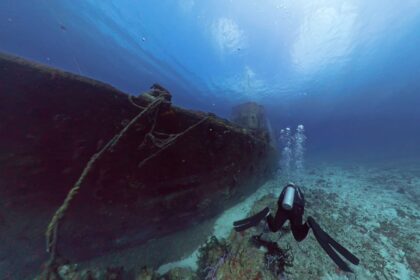
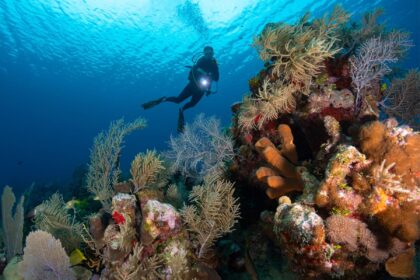
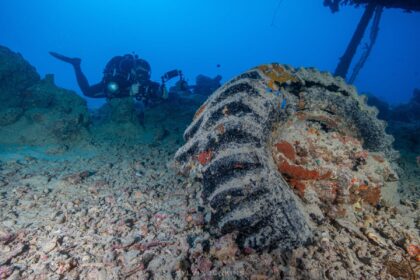
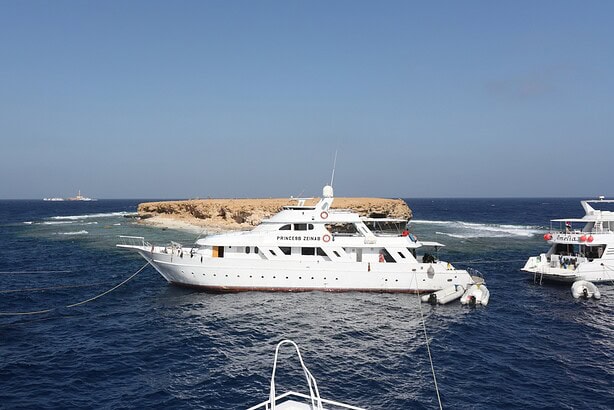
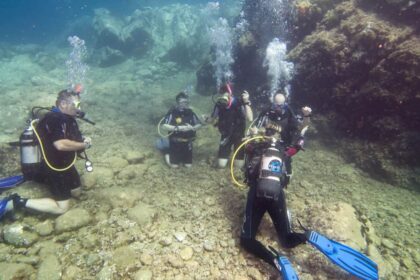
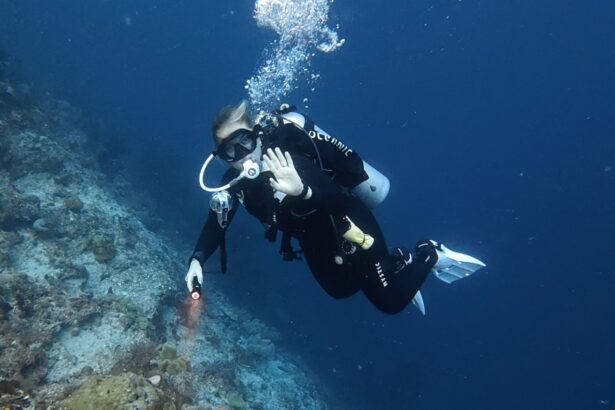
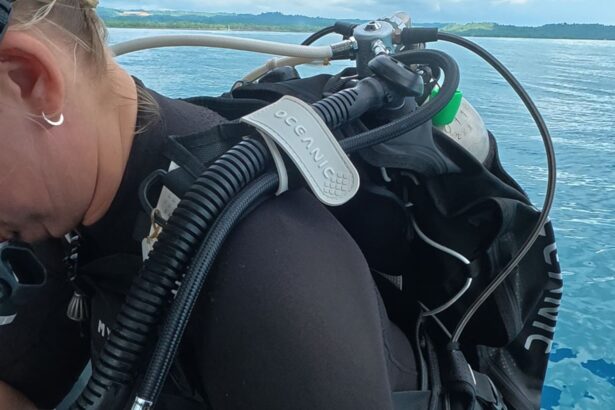
I tested the Oceanic Photon Air in size XS/S over about 50 dives during a three-week trip in Indonesia. Nearly all the dives were back-rolls from small RIBs or standard dive boats, barring a few shore-entry house reef dives. During my trip, I paid most attention to travel practicality, fit, trim, storage, and how the BCD behaved when I was diving with a camera.
I also did one cold-water drysuit dive, which gave a useful contrast and highlighted some of the Photon Air’s limitations. The main one was the weight pockets, which were just big enough to accommodate the extra weights I needed. If I had needed a few more kgs, I would have had to wear a weight belt as well.

One of the clearest takeaways was how well the Photon Air suited warm-water, multi-dive-shop vacation diving. The BCD’s fast-drying, low-bulk design made repacking gear constantly between the liveaboard and land-based destinations noticeably easier.
Popular BCD Comparisons
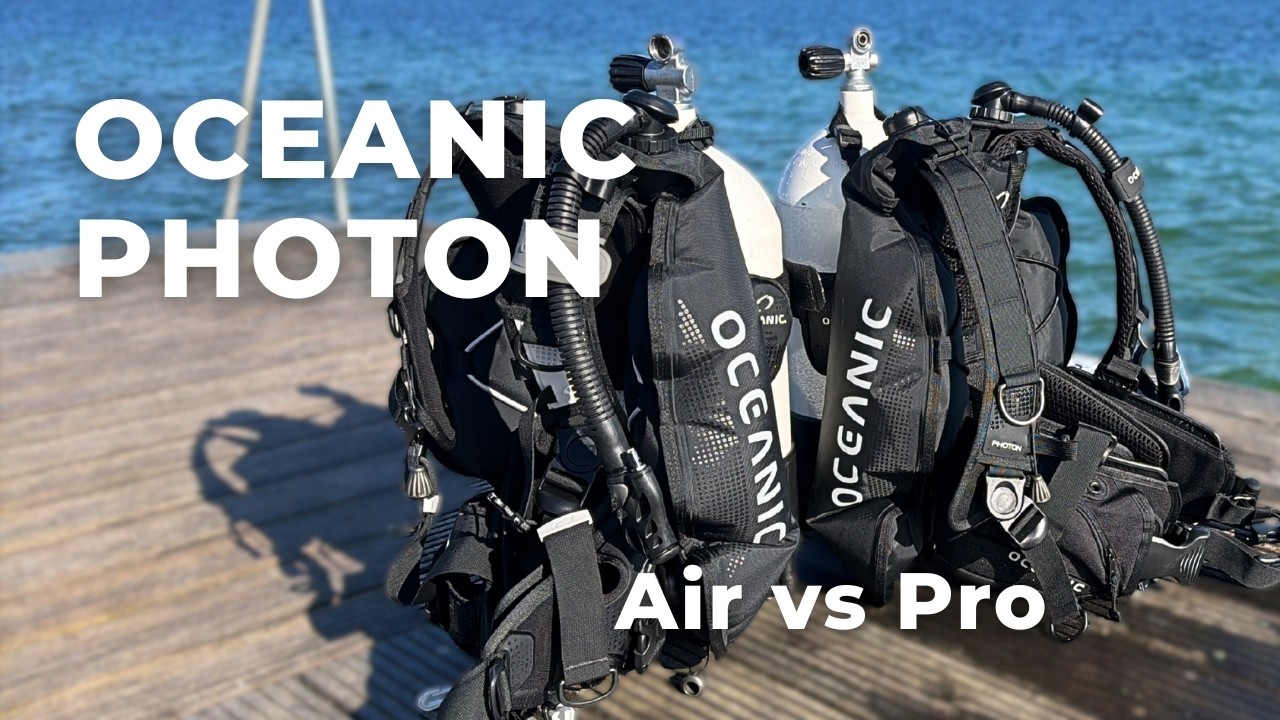
Oceanic Photon Air vs Oceanic Photon Pro
If you like the overall Oceanic Photon concept but want more support and integrated features, the Photon Pro is the more full-featured option. It has more padding, a more substantial tank setup, and better overall convenience for divers who want integrated systems and a more solid-feeling BCD.
The Photon Air is the lighter, simpler sibling. It is the one to choose if travel weight and packability matter more than pockets, heavier-duty support, or cold-water flexibility. The Pro feels more rounded; the Air feels more stripped back.
Aqualung Zuma vs Oceanic Photon Air
The Aqualung Zuma is probably the closest comparison in feel and purpose. Both are lightweight, minimal travel BCDs aimed at divers who want less bulk. The Zuma feels comparable in concept, though I do think it offers a bit more padding in places.
The Photon Air stands out for how flat it packs and how adjustable the fit is. If you want a travel BCD with a very clean back-inflate feel, the Photon Air makes a strong case. If you want a bit more softness and familiarity, the Zuma may appeal more.
Fit and Comfort of the Oceanic Photon Air

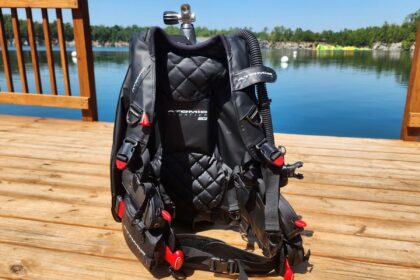
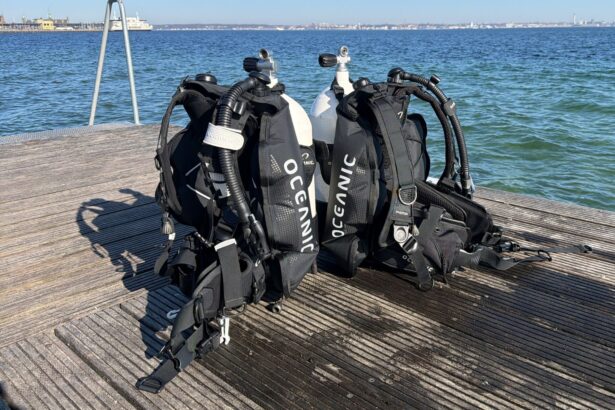
When I first opened the Oceanic Photon Air, I liked it immediately. It has a minimal, subtle design that really suits my preferences. I tend to gravitate toward more stripped-back BCDs, and although I have looked at backplate-and-wing systems before, I have never been especially keen on the extra setup and tinkering they can involve. The Photon Air gives off some of that same streamlined appeal, but in a package you can pretty much dive straight away.
Comfort was one of Photon Air’s stronger points. Over long dive days, it felt light and unobtrusive, and I had no real pressure points, rubbing, or restriction. Because I prefer more minimal BCDs, the overall fit and feel suited me well.

The Photon Air, like the Pro, has a modular design, so I could shorten or lengthen the shoulder straps at the backplate. I have a short torso, so being able to shorten the strap length was a nice touch. The shoulder and waist straps are easily configured using a pin-like system that requires no tools and can be adjusted in a few minutes.
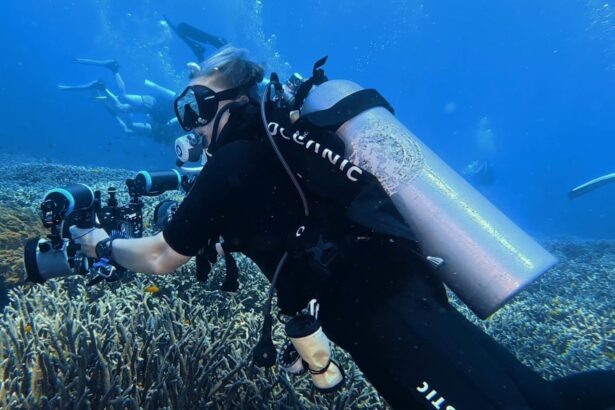
That said, because the Photon Air is so minimal and flexible, it does not stay anchored around your hips the way a more structured BCD does. With my smaller torso, and without a crotch strap, the BCD could ride up and the tank would hit the back of my head. I would have loved for the crotch strap to be included rather than treated as an optional extra.

Also design-wise, the Photon Air can be customized with color kits, and that’s something that I really liked. Luckily I have white fins and white regs, so I actually really liked that it had the white accents on my particular BCD.
Travel and Packability

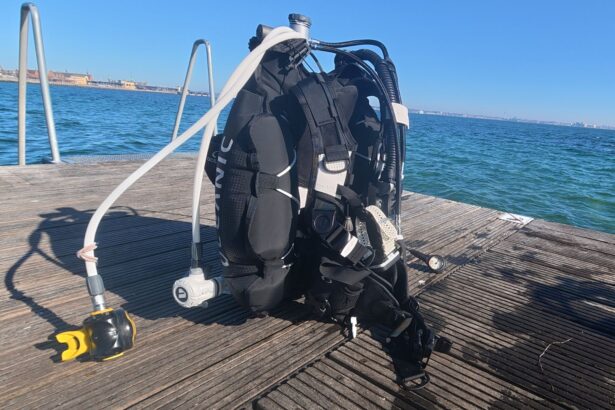
I tested the Oceanic Photon Air in size XS/S over about 50 dives during a three-week trip to Indonesia. The travel side of the performance was one of its biggest strengths. With frequent moves during my trip, the Photon Air packed down extremely well. Once fully deflated, the rear bladder flattens nicely, and because there is no bulky side inflation like on a jacket BCD, it sits much flatter in luggage.
The shoulder straps are mostly mesh with thin foam, so they dry quickly too. Even if the BCD was not completely dry before I had to repack, it never felt like a major issue because it remained well-aerated. Since I was traveling for three weeks and repacking constantly, having a genuinely travel-friendly BCD was a big plus.
Trim and Stability

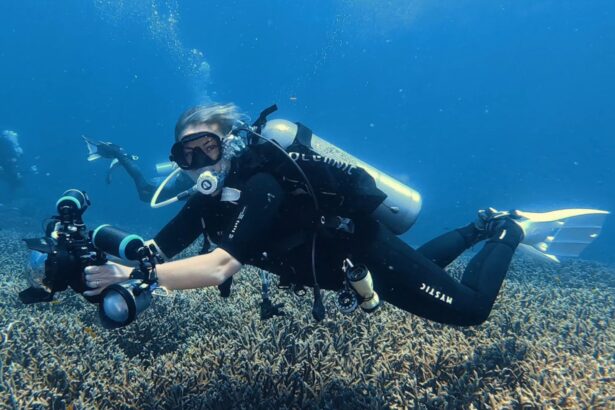
The Photon Air performed very well as a warm-water travel BCD. Underwater, it felt balanced, light, and easy to dive. I had no trouble maintaining trim or buoyancy, and I particularly liked how little it interfered with movement.
That mattered even more when diving with a camera, because bulkier BCDs that inflate around the sides can get in the way of your arms and upper body. The Photon Air never felt cluttered or overbuilt in the water.
Rear-inflation layout and trim-weight options helped here. With small ditchable waist weights and rear trim pockets, I was able to fine-tune the balance and get a clean position in the water.
Weight Integration
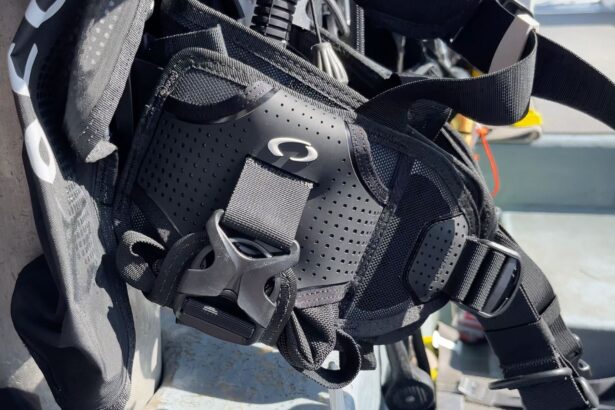
The Photon Air uses two dump-able weight pockets that hold up to 5 lb (2.3 kg) per side, plus two 5-pound trim-weight pouches at the rear for balance tuning. Lift is 34 lbs./15 kg, which is plenty for warm-water diving but starts to feel more limited once you move into heavier drysuit weighting. The dumpable waist weight pockets are buckle-released so even though there are small zippered pouches to stash weights into, you don’t have to use them.
I also did one cold-water drysuit dive, which gave a useful contrast and highlighted some of the Photon Air’s limitations. The main one was the weight pockets, which were physically too small to accommodate larger weights. This confirmed that this is really a travel and warm-water BCD, not an all-conditions option.
Mounting and Storage
The Oceanic Photon Air is pretty stripped back in this area. There are six plastic D-rings on the Air, no pockets, and no mounting system for a knife like there is with the Pro. Oceanic sells the Photon Air as a modular travel BCD, with optional extras like a storage pocket, Oceanic+ phone housing holster, and color kits. That tells you straight away that this is meant to be a lightweight platform rather than a feature-heavy BCD with lots of built-in storage.

In use, that was one of the main weak points for me. There are no proper pockets, which became an issue whenever I wanted to stash rubbish, a torch, or small accessories. Like with many minimal BCDs, extra gear such as a DSMB just ends up clipped off a D-ring, which is okay.
The octo-holder was my biggest issue. The Photon Air comes with a clip that sits low near the base of the BCD, and during muck diving in Lembeh, the alternate sometimes hung low enough to pick up sand. A small alternate pocket above the weight pockets would have been a much better solution.
Durability and Build Quality
Oceanic uses UV-resistant 420D nylon with a durable 3D mesh construction on the Photon Air, along with techno-polymer hardware and tank-band components. The idea is clearly to keep the BCD light, quick-drying, and travel-friendly, rather than overbuilt or heavily padded.

In use, the materials felt strong but still flexible, and the BCD gave a good impression from the start. That said, it is definitely simplified in places. The shoulder straps are quite thin and could use a bit more padding, especially compared with something like the Photon Pro. So while the build quality felt solid overall, some comfort refinements have clearly been sacrificed in favor of lower weight and better packability.
Surface Behavior

With 34 lbs./15 kg of lift in the women’s XS/SM and MD/LG sizes, the Photon Air has enough buoyancy for the kind of warm-water travel diving it is designed for.
At the surface, I had no real complaints in tropical conditions. Since the Air is not jacket-style and has a minimal waistband, it did have a tendency to ride up at the surface. What would have helped me in particular is a crotch strap to keep the BCD lower on my body and help lift me better.
The real limitation occurred when I tried it in a heavier cold-water setup. Since I needed more lead than the system comfortably supported, surface lift felt lacking. So, while it is absolutely fine for warm-water travel diving, it’s not the BCD I would choose if I had to carry a lot of weight or wanted more support at the surface.
Value for Money

The Oceanic Photon Air makes sense if you value the things it does well. You are paying for a lightweight, travel-oriented design that dries quickly, packs flat, and feels good underwater. In that respect, it delivers.
Where the value becomes debatable is in the missing practical touches. There are no pockets and I do think the crotch strap is something some divers will want straight away. The Air does feel like the sort of BCD where add-ons may start to feel necessary rather than optional.Though I would not frame it as a bargain, it is still good value for the right diver. If your priority is warm-water travel diving and a clean, minimal setup, the Photon Air earns its place. If you want a more complete out-of-the-box package, then its price may feel harder to justify.
Specs & Features
| BCD style | Back-inflate |
|---|---|
| Lift capacity | 34 lbs./15.42 kg |
| Integrated weights | Yes |
| Max weight capacity | 5 lbs./2.3 kg per pocket |
| Number of D-rings | 6; plastic |
| Trim pockets | 2; 5 lbs./2.3 kg per pocket |
| Backplate type | Plastic |
| BCD weight | 6.4 lbs./3 kg |
| Pockets | No |
Yes. The Oceanic Photon Air is best suited to warm-water travel diving thanks to its low weight, quick-drying materials, and flat-packing back-inflate design. It worked especially well on a multi-stop Indonesia trip where gear had to be unpacked and repacked often.
Yes, both the Oceanic Photon Air and Pro have separate male and female models. The female designs have a shorter backplate and smaller waistbands. The women’s sizes are XS/S and M/L, and the men’s include a XL/XXL size.
The Photon Air is best for divers who want a lightweight, minimal BCD for tropical trips, liveaboards, and general travel diving. We found it to also be a good fit for photographers or anyone who prefers a streamlined setup that stays out of the way underwater.
 Take a moment to look at this.