


Confession. I’ve been out of the water for a while. An embarrassingly long time, in fact. To remedy the situation, I’ve planned a trip to well-known dive destination Saba. But to get my feet wet—so to speak—I’ll spend a few dive days in St. Maarten first—you must fly through this bustling Caribbean hub to get to Saba, so I figure, why not?
As I kit up on my first day of diving in St. Maarten—in all new gear, mind you—I have more than a passing case of nerves. But I needn’t have worried. Two easy, enjoyable days of diving in St. Maarten are just what the doctor ordered. From the moment I hit my deflator hose and descended, all I can think is “it feels good to be back.”
The Friendly Island
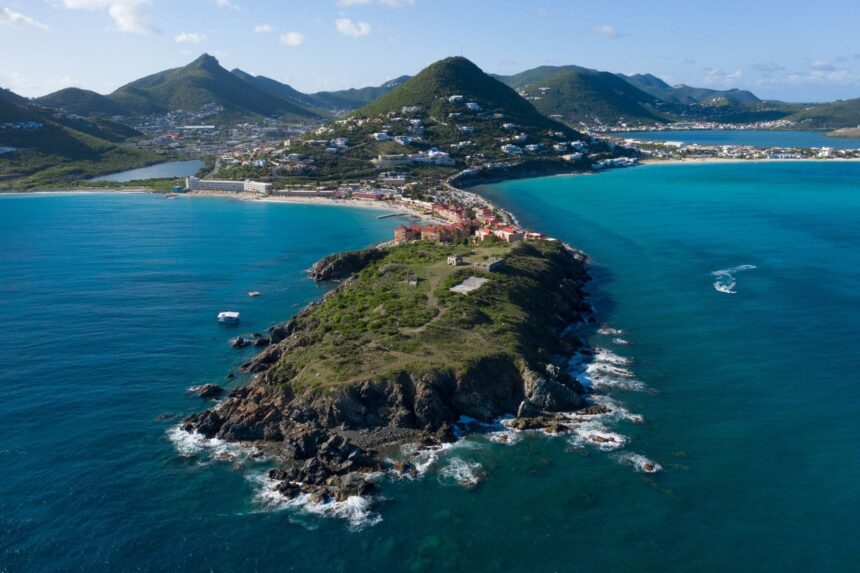
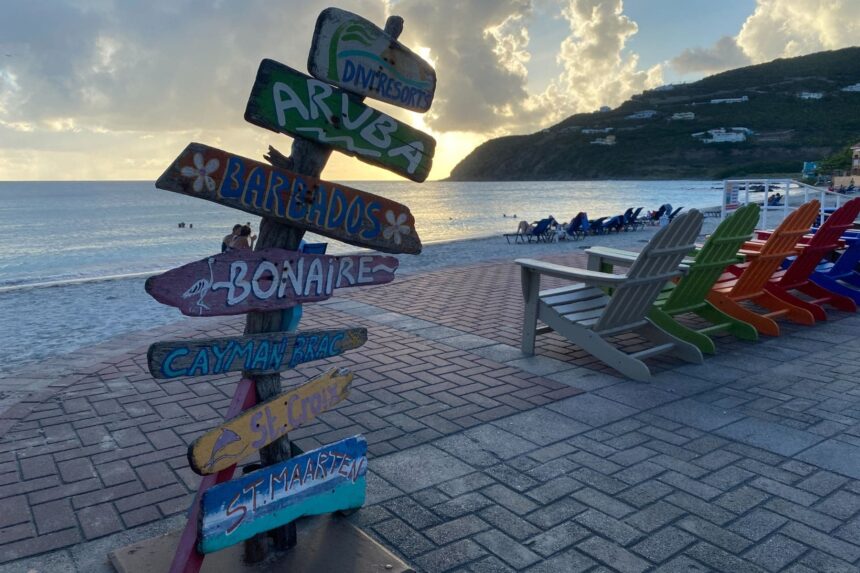


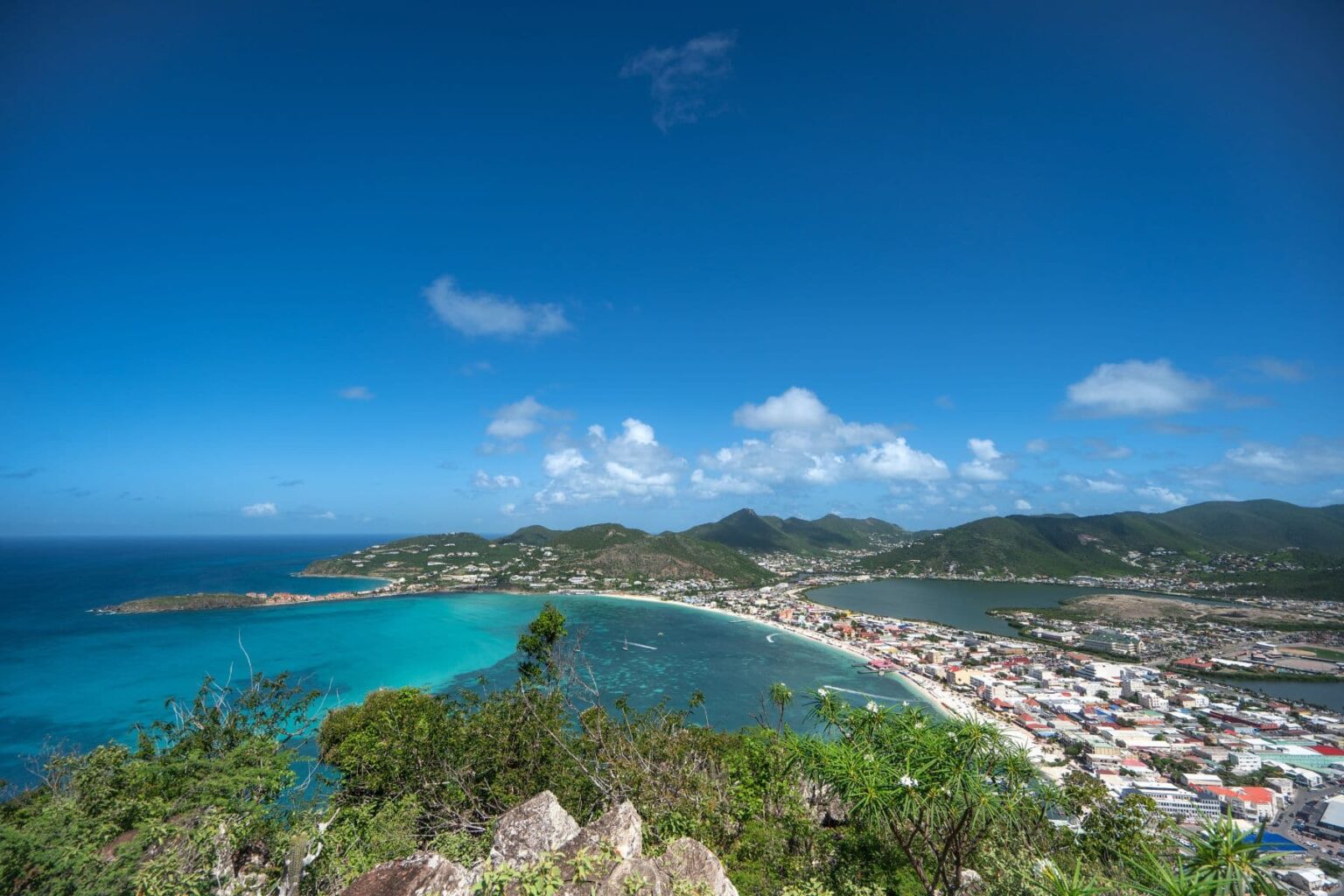
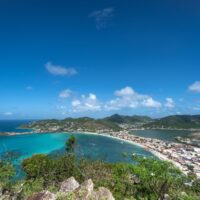
I haven’t been to St. Maarten since 2012, so I’m curious to see what this Caribbean hotspot has been up to since then. Billed as “the Friendly Island,” it’s home to over 80 nationalities and two distinct sides. Dutch St. Maarten, where I’m staying, occupies the island’s southern half, while French St. Martin occupies the north.
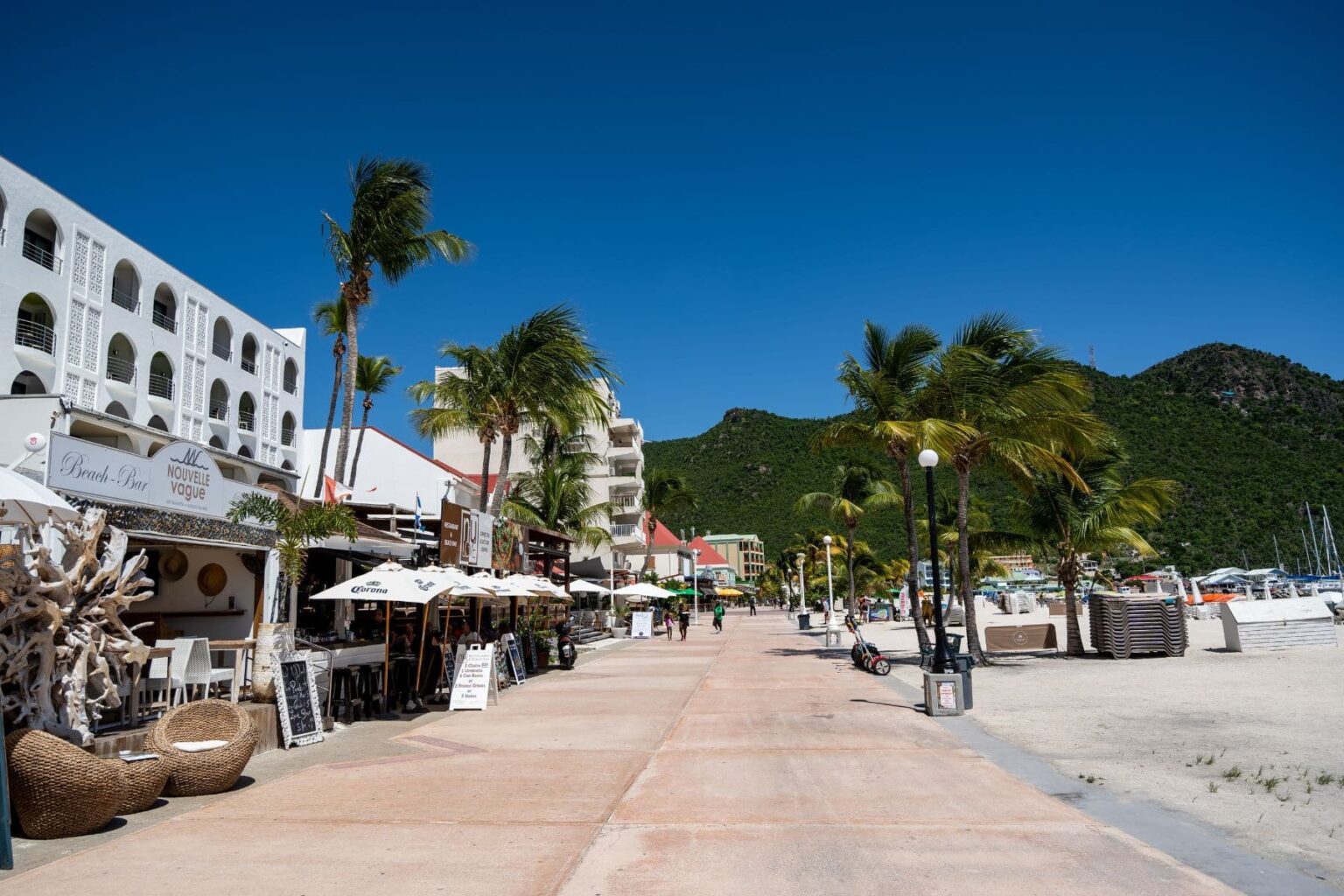
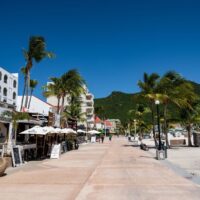
My side of the island is known for casinos, shopping, beach bars, and nightlife, while the French side is a bit quieter, with lots of gourmet restaurants and quiet stretches of sparkling white sand.
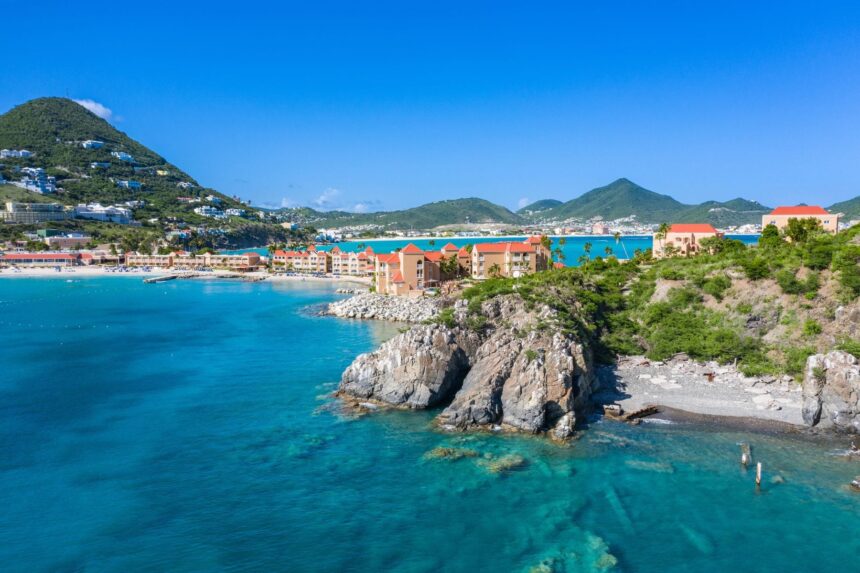
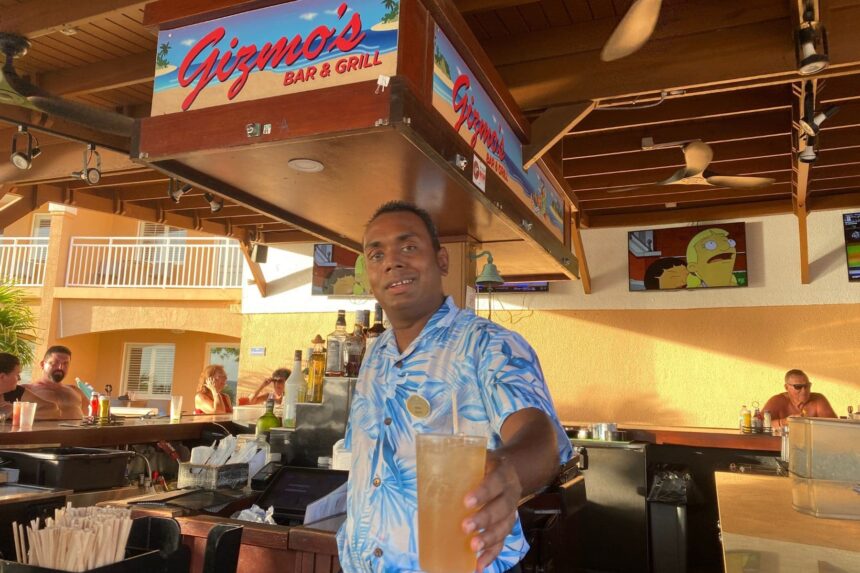


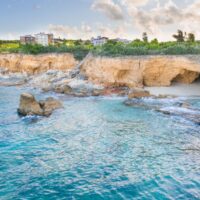
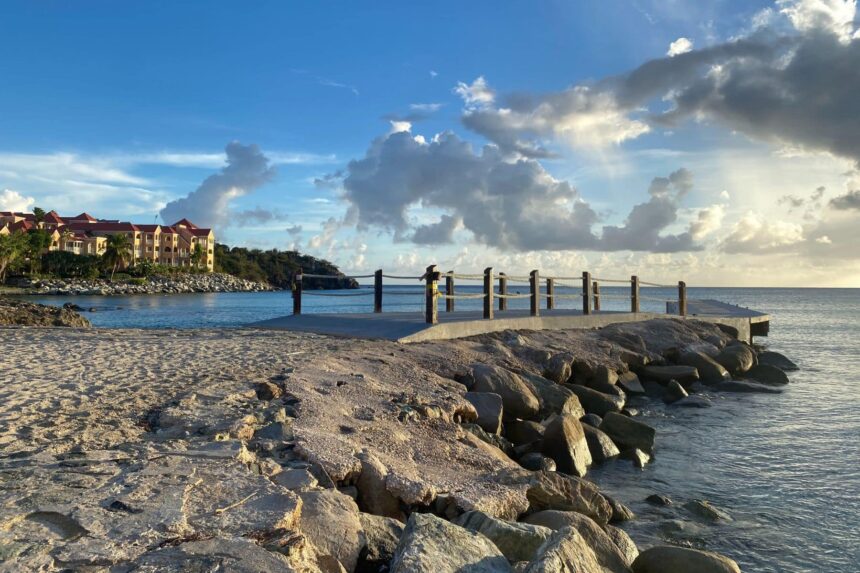
Speaking of sparkling white sand, occupying one of the sweetest stretches on St. Maarten you’ll find Divi Little Bay, my home for the next three days. I’m in the newer Oceans at Divi Bay rooms, but even with just north of 300 rooms spread out along the white sand of Little Bay, it’s unlikely you’ll feel crowded by other guests. After arrival, my first stop for dinner is Gizmo’s, the resort’s beach bar that’s named for the resident parrot who makes himself at home on the seat right next to me.
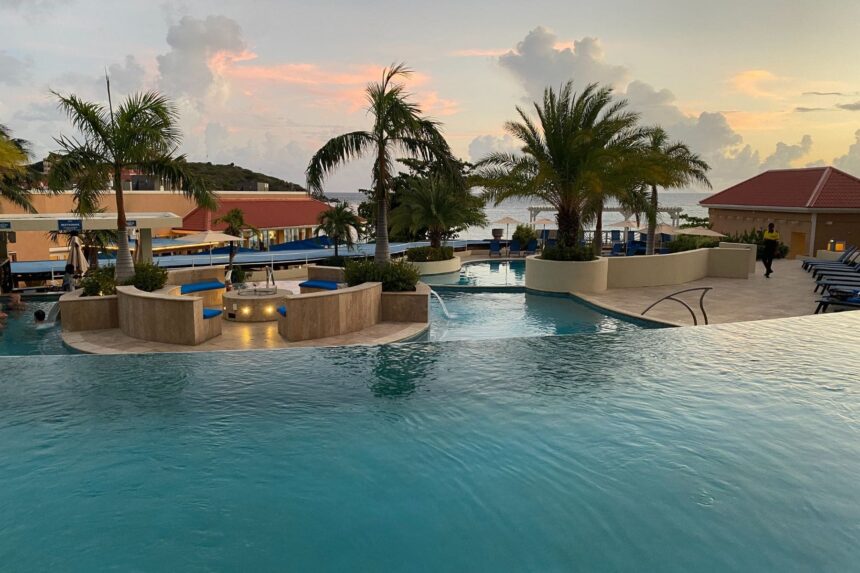


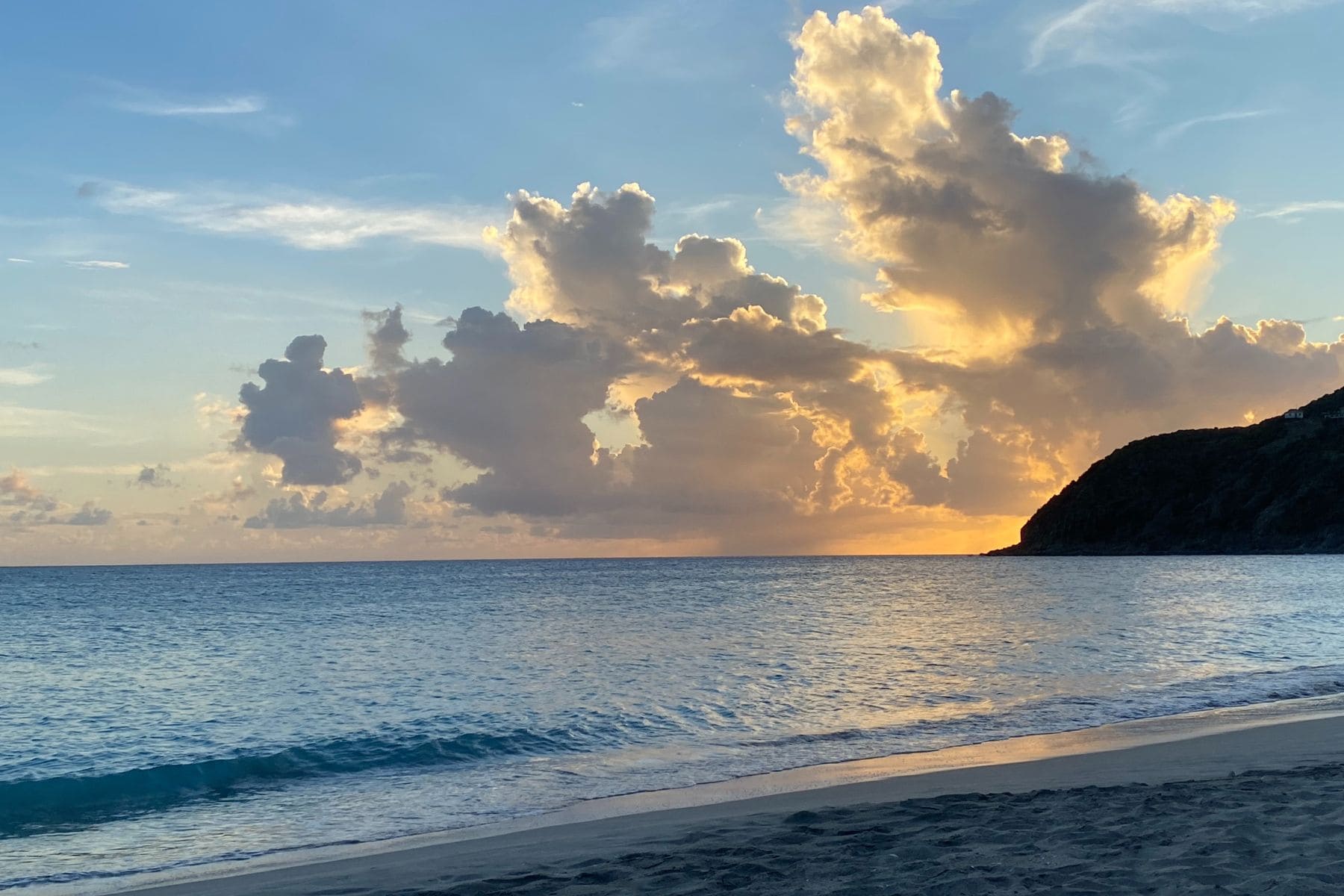
After witnessing one of the most spectacular sunsets I’ve ever seen, I slip into my swimsuit for a quick dip in the pureocean pool just outside my room, a multi-level aquatic oasis with an infinity edge and swim-up bar. For now, though, I call it an early night to prepare for blowing bubbles the next morning.
Diving St. Maarten
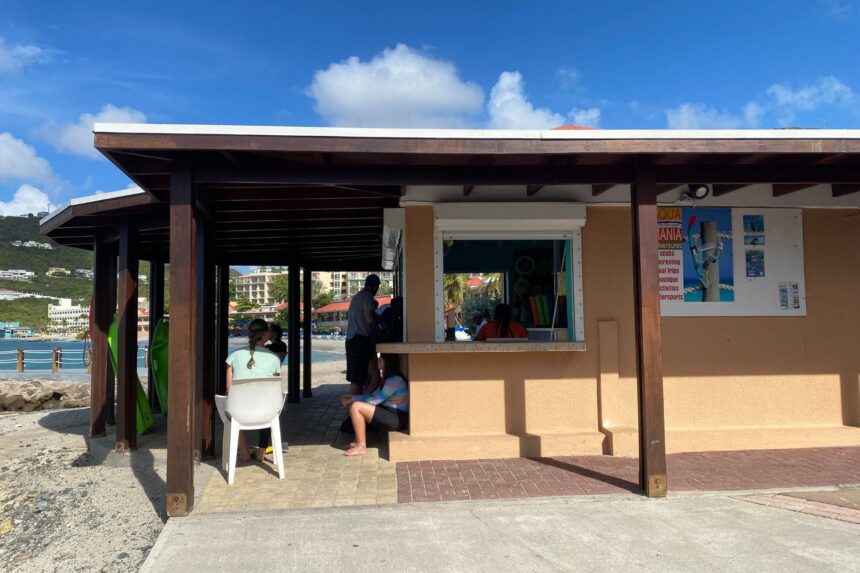
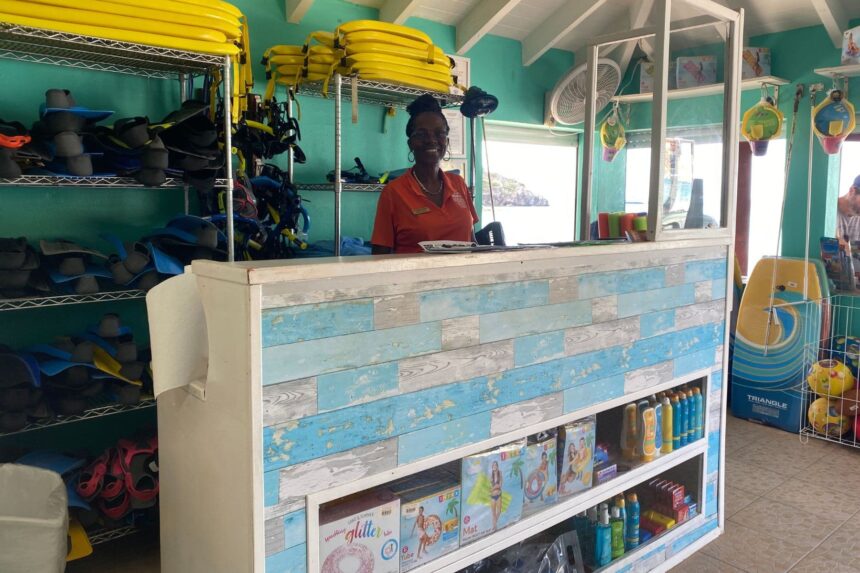


I leave my room at 8:25 for an 8:30 pickup time at Aqua Mania Adventures, which has a shop right on the Divi property, plus one in Simpson Bay. Though St. Maarten is not known for diving, Aqua Mania manager Debby Steyn, who meets me in the shop, tells me that’s actually part of the appeal.
“There’s an overwhelming wealth of other activities here too,” she says. “If one person dives, and the other doesn’t, they won’t be bored.”
And, she adds, it’s the perfect place for me to calm those out-of-water-jitters before heading to Saba. “Because it’s outlying reef and wreck diving in only 40-50 feet, it’s an easy place to enjoy.”
I certainly intend to as I board the Dive Machine with 12 other divers and our guides for the day, instructors Josh and Tomas, from South Africa and Canada respectively.
Almost all of the 20-odd dive sites on St. Maarten are on the protected south and southeast sides of the island, and it’s to one of these we’re headed—perhaps St. Maarten’s most well-known dive site, the HMS Proselyte.
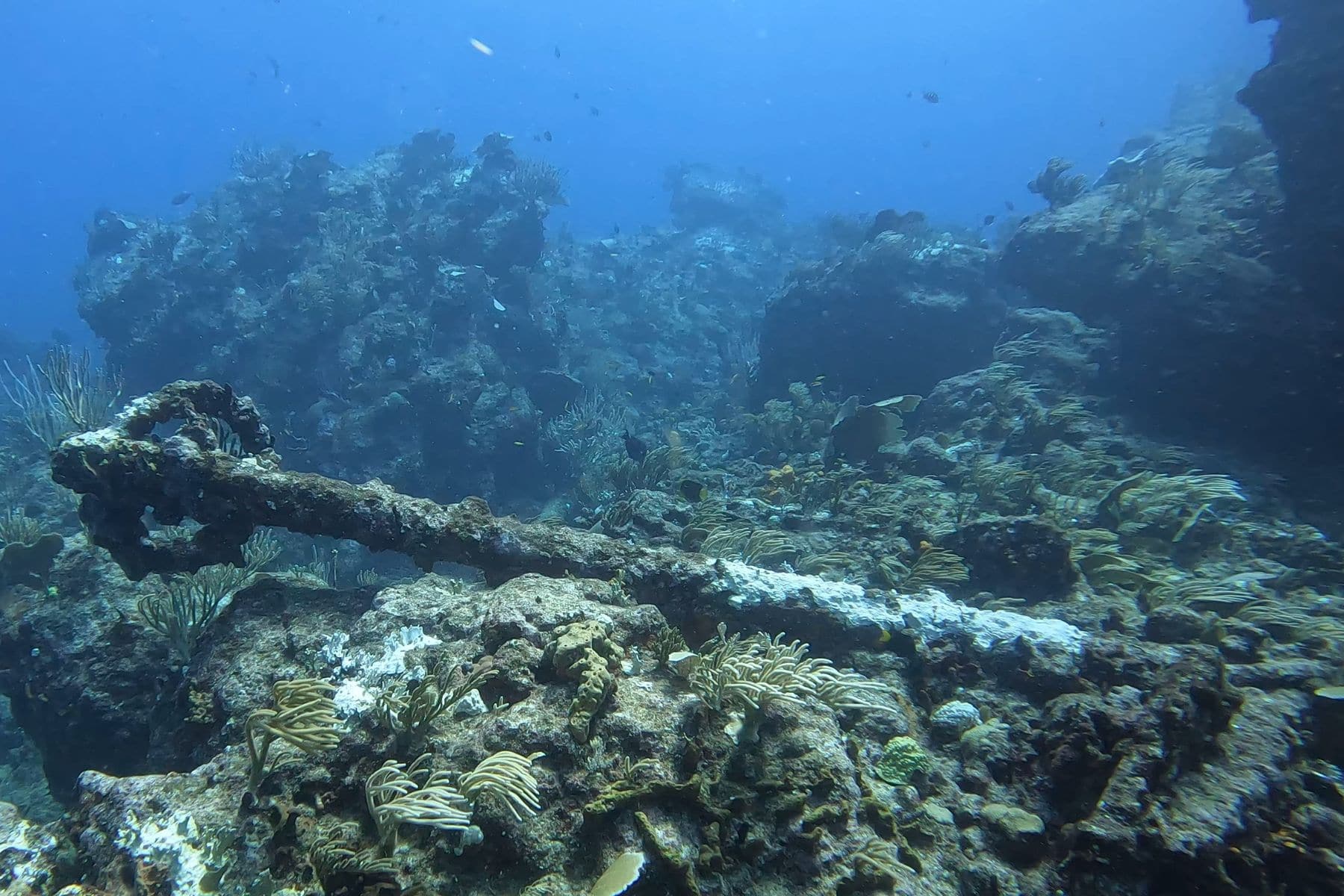
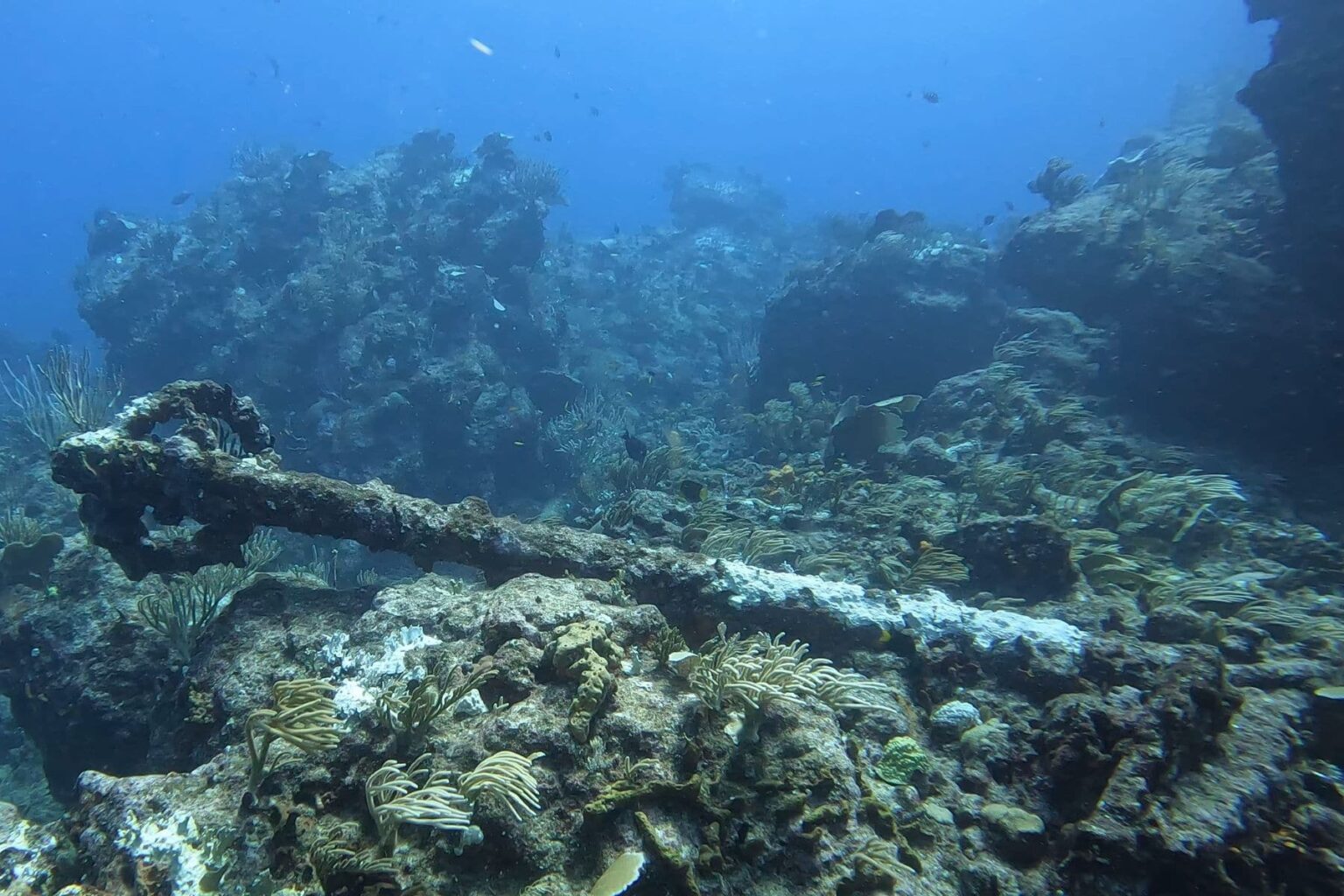
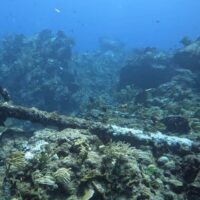
Built in 1770 and wrecked in 1801 on its way from St. Kitts to St. Martin, the HMS Proselyte went down in about 60 feet (18 m) of water after striking the Man of War Shoal. Although none of the wooden wreck remains, you’ll find a dozen cannons and three enormous anchors, all encrusted with hard corals and part of the surrounding reef.
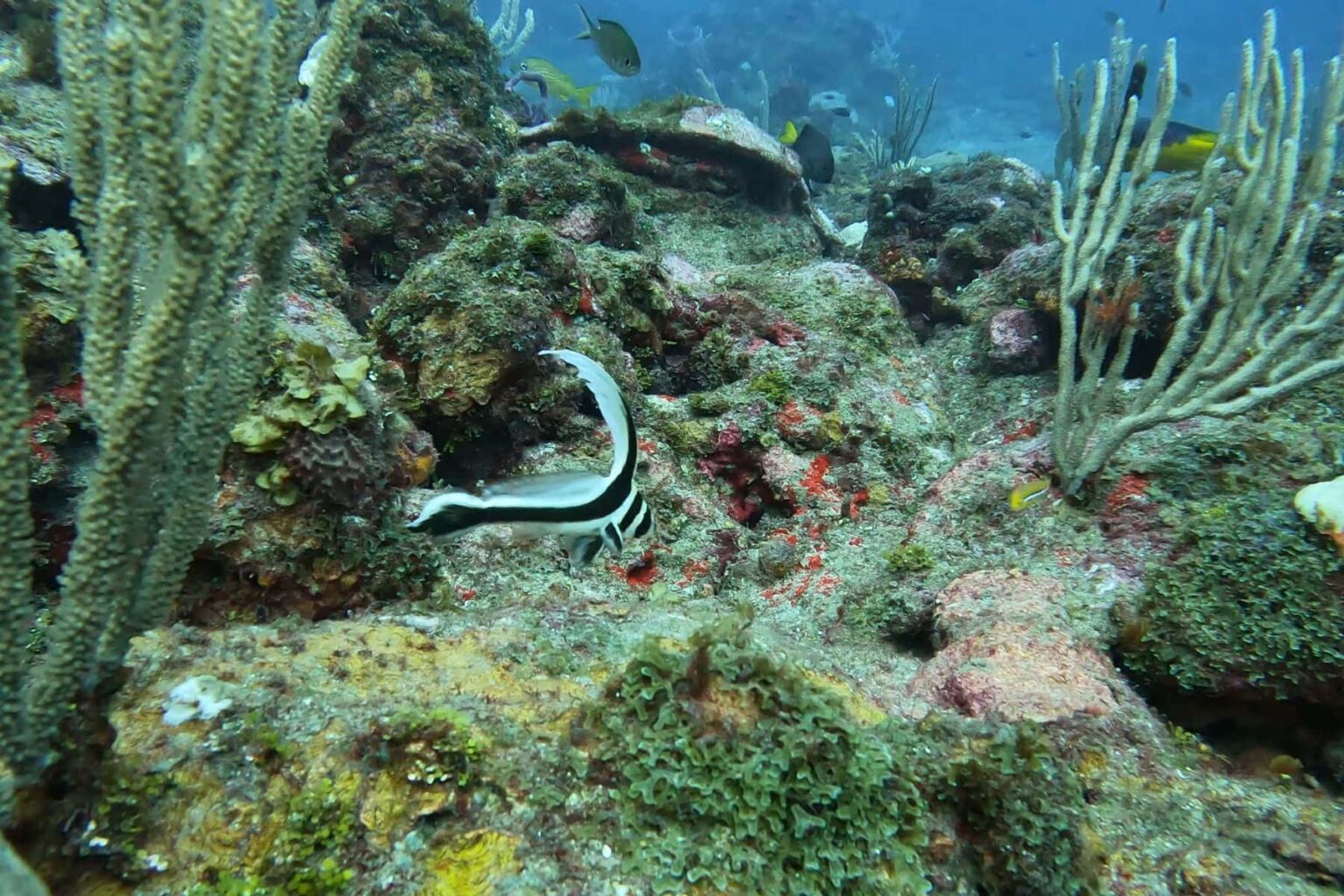
One giant stride later, and I’m in the water. There’s no current (there rarely is on St. Maarten dives); the vis is great at around 50 feet (15 m), and the sun is lighting up all the surrounding coral and swaying sea fans. As I inspect one of the anchors and train my GoPro on a turtle wedged into a crevice, I wonder what kept me out of the water so long.
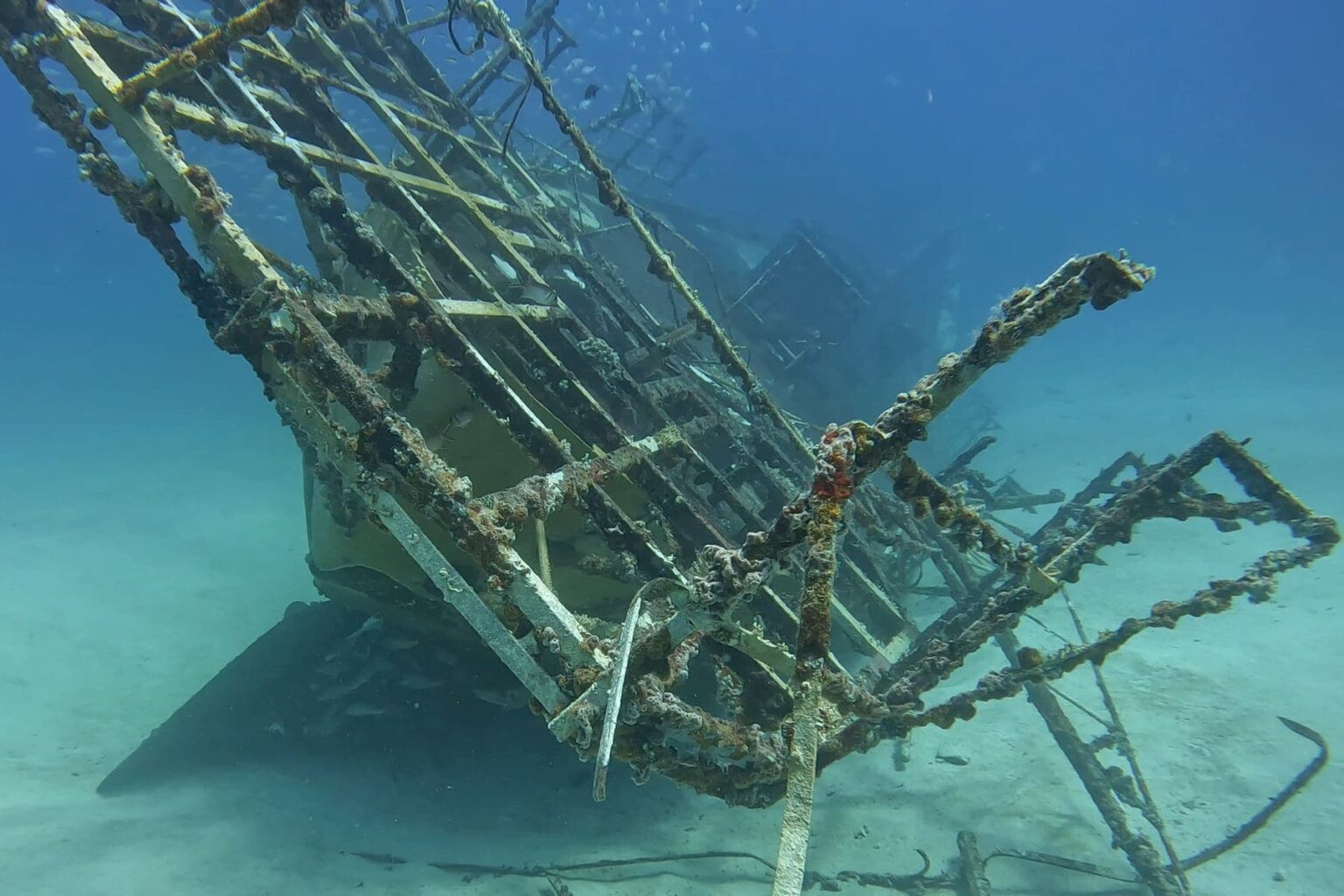
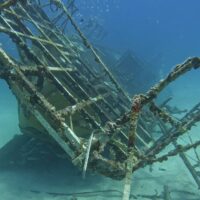
Our second dive of the day, at a site called the Bridge, is just as lovely. Part of the old Simpson Bay Bridge, this metal structure was sunk here to create habitat—and it’s doing a smashing job.
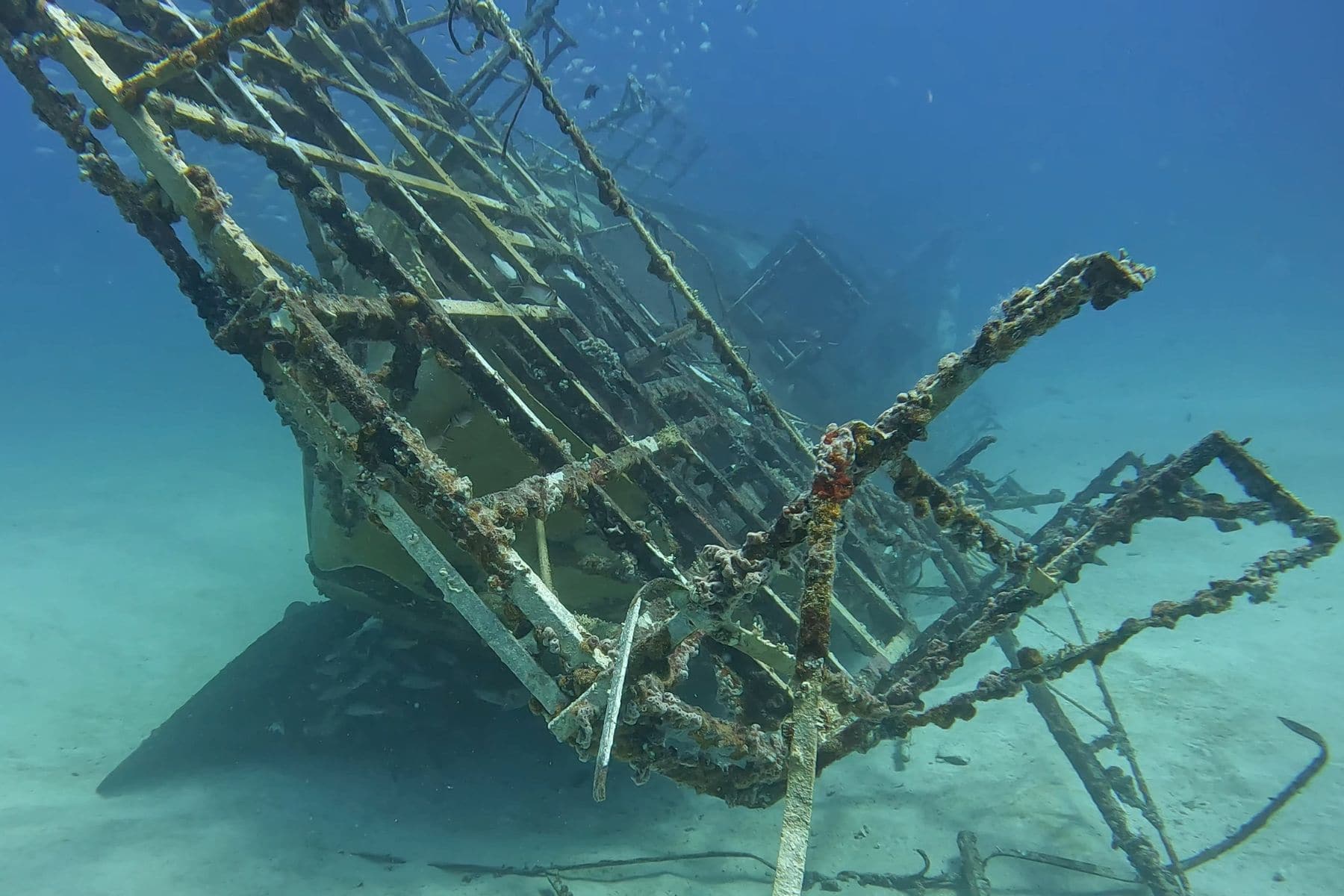
With several other nearby yachts purpose-sunk for the same reason, the site is bursting with life, including octopus frequently hiding in the mooring piling, dinner-table sized stingrays, reef sharks, and various tropical fish flitting in and out of the Bridge structure.
That night over a phenomenal dinner in Grand Case on the French side, I can’t help but congratulate myself on my decision to dive St. Maarten before Saba, and I wonder what the next day will hold.
After breakfast at the Divi, I meet Josh and the dive boat at the dock to find out. This day’s dives include the Carib Cargo, underwater since 1996.
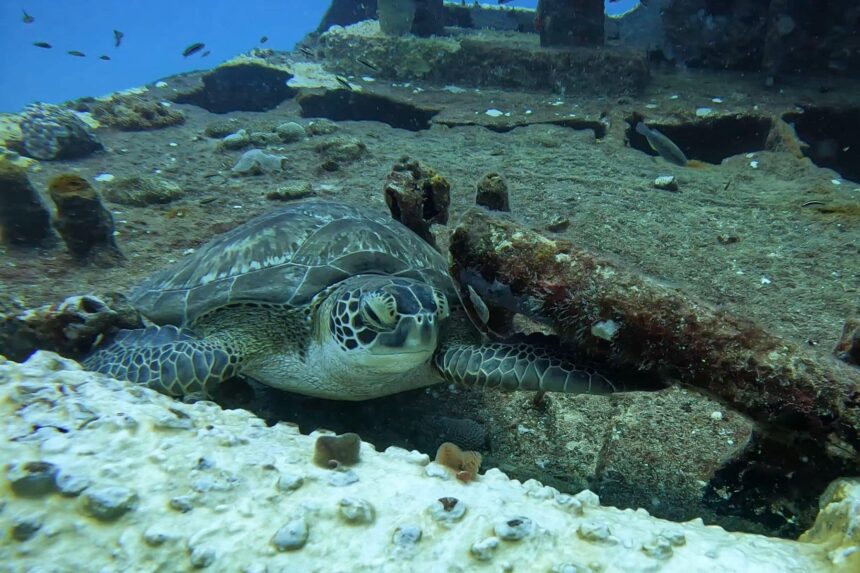
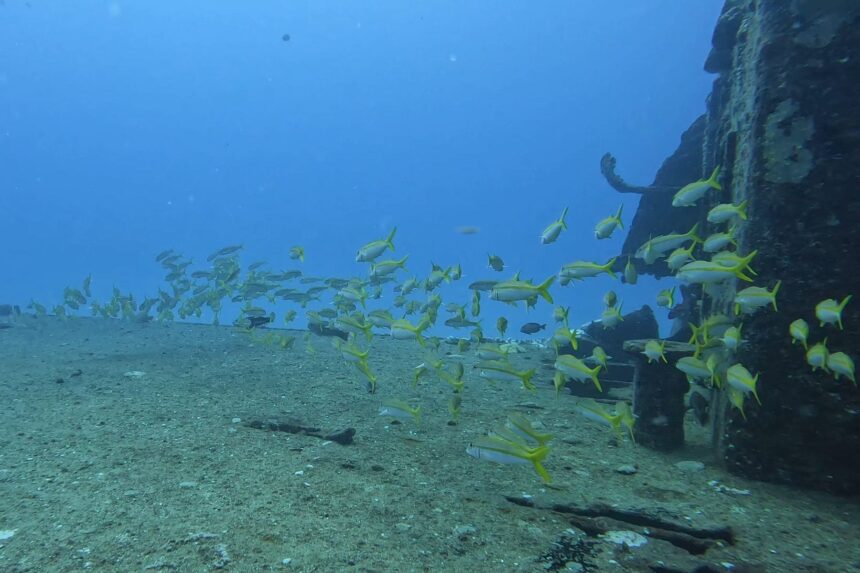


Vis is once again spectacular, though there is quite a bit of surge over the wreck thanks to a recent storm. We soon spot a huge green sea turtle that Josh has nicknamed Crush, who obligingly sits completely still while our excited party acts like paparazzi with our cameras.
Schools of snapper sway in the surge on the boat’s deck, and another lovely dive ends with a curious reef shark who seems to be checking us out as much as we are him.
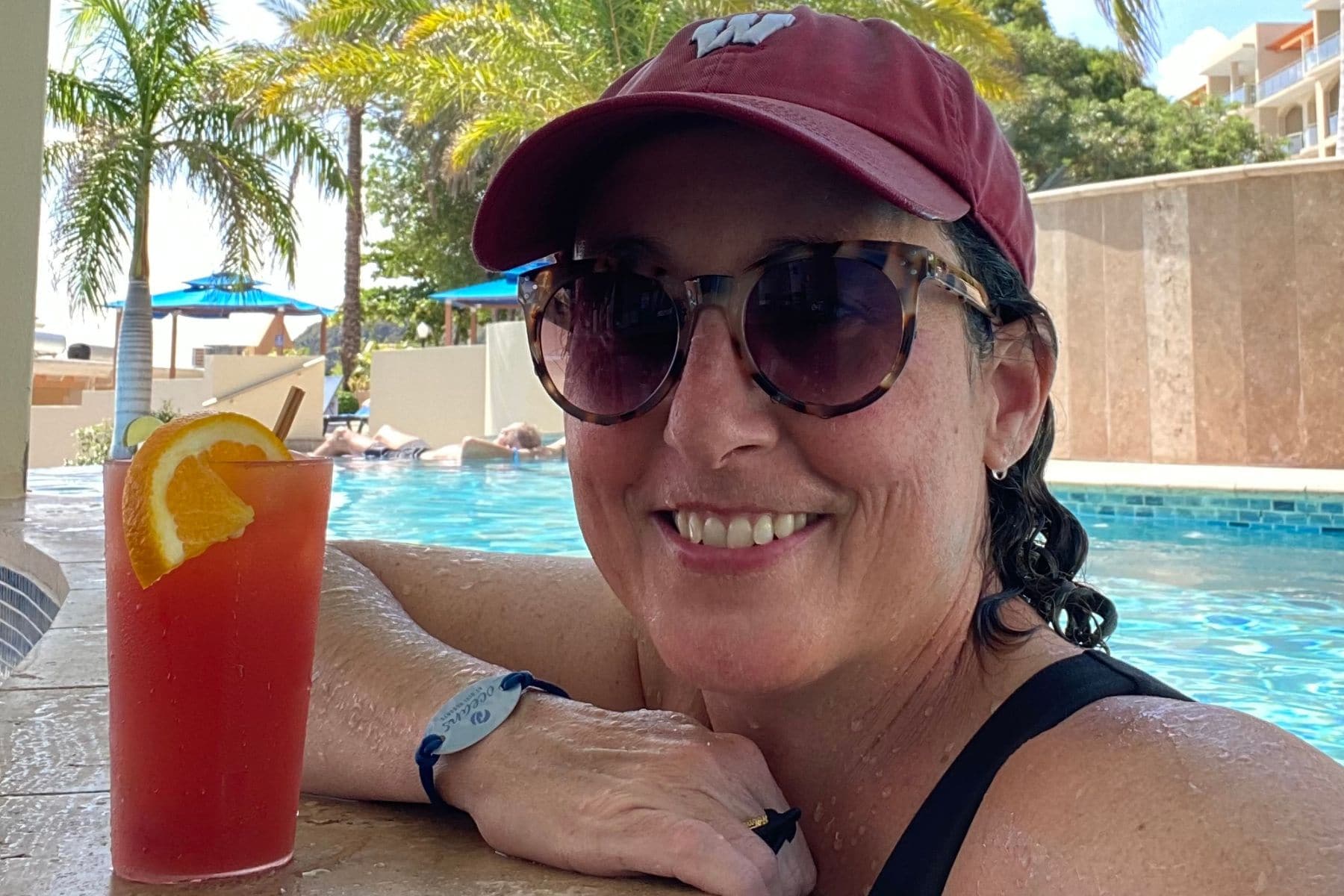
After a fun afternoon at the aforementioned swim-up bar, chatting all things diving to anyone who’ll listen, I spend the evening relaxing at the resort. Though I could easily dive a few more days in St. Maarten, I’m ready for my introduction to Saba, determined to find out if it lives up to the nickname “Unspoiled Queen.”
The Unspoiled Queen
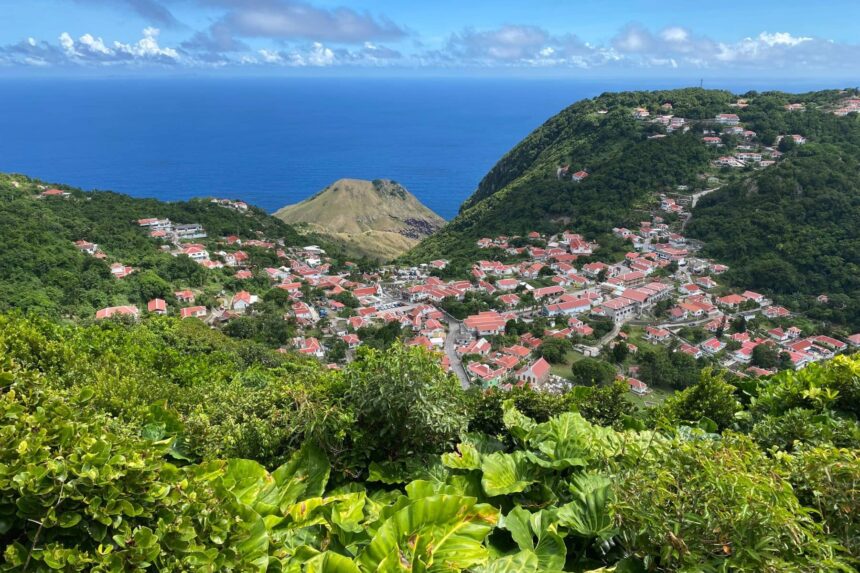


Although Saba is just a 12-minute flight or 90-minute ferry ride away, two islands could hardly be more different—a bustling Caribbean hub, St. Maarten offers 37 beaches, countless gourmet restaurants, nightlife, casinos, and enough duty-free shopping to max out your credit card.
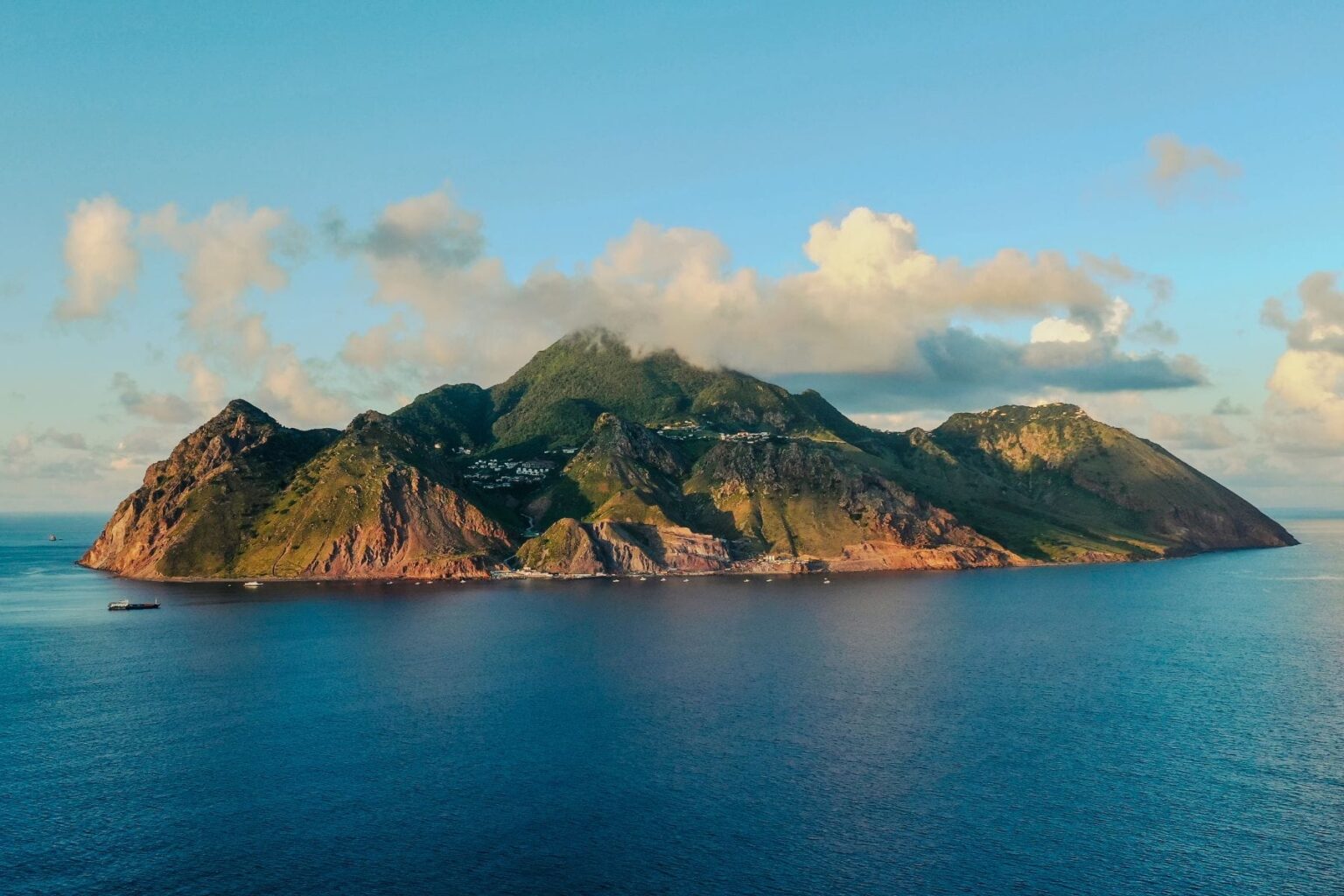
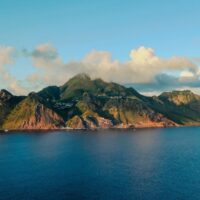
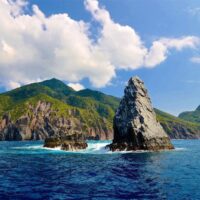
Saba, on the other hand, offers five square miles of peace and quiet, with nary a beach in sight. The entire island is a dormant volcano, rising straight up out of the sea to an elevation of 2,910 feet (887 m) atop Mount Scenery. It’s the highest point within the Kingdom of the Netherlands, of which this postage-stamp sized island is the smallest special municipality.
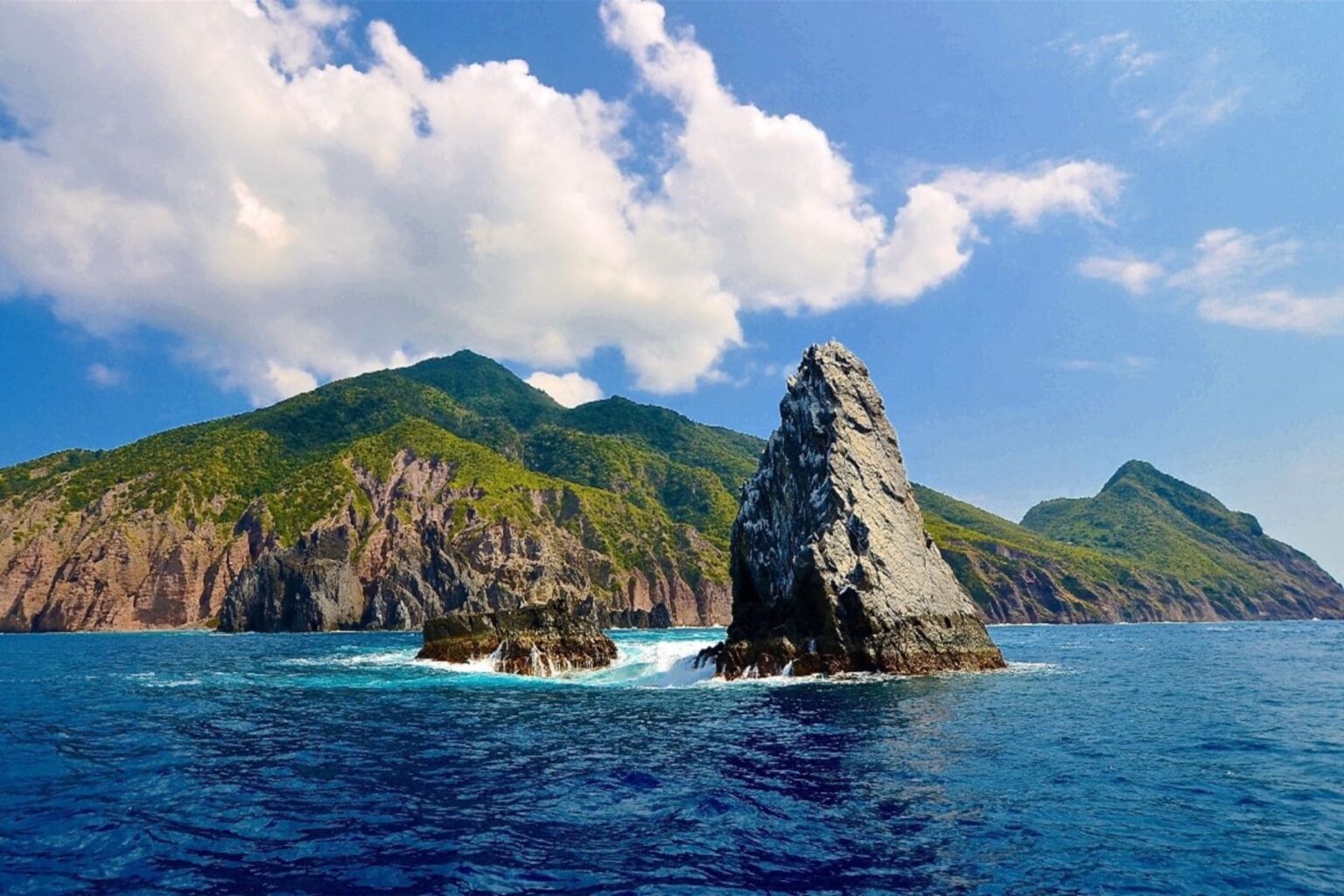
Covered in lush, green rainforest and criss-crossed with hiking trails, Saba’s steep scenery is so lovely and dramatic that the island’s silhouette was used in the original 1933 “King Kong” movie as the setting of Kong’s Skull Island home. And, as you can imagine, that drama continues underwater on the island’s plunge to the seabed 1,000 feet below.
But the drama really starts—at least for those who arrive by air—before they even land. On a hot tip, I take a seat right behind the pilot on the right side of our tiny Winair plane to get a front-row seat for landing. With so little flat terrain, there’s little space for a runway, thus, you’ll find the shortest commercial one in the world at Juancho E. Yrausquin Airport, measuring only 1,312 feet (400 m) long.
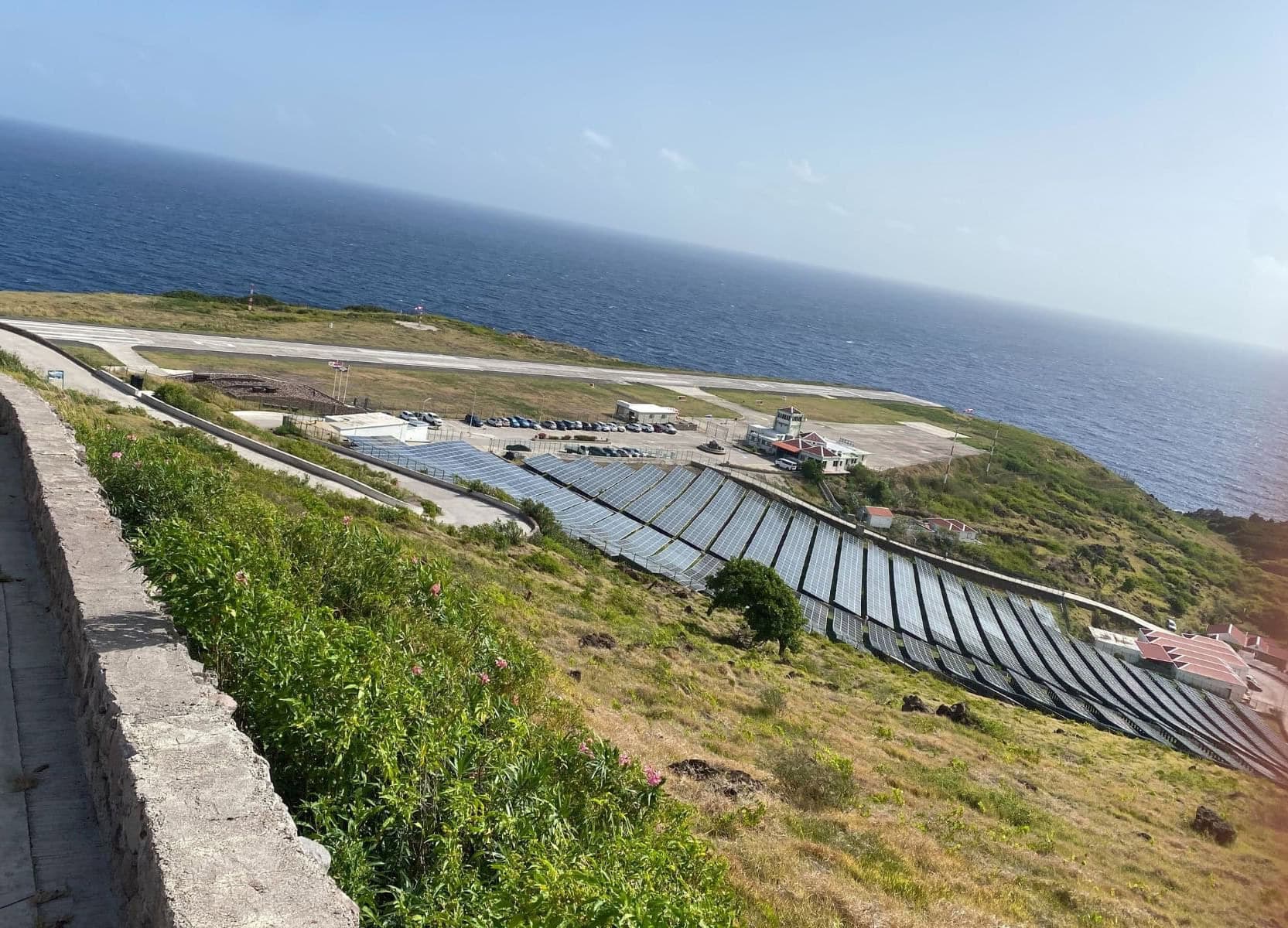
The landing does not disappoint, and with the adrenaline still surging, I hop into my taxi to Juliana’s Hotel, tucked into Windwardside, the main tourist hub and one of two primary settlements on this island of around 2,000 people.


For most of its populated history, there was no road on Saba—it was thought the terrain was just too steep for building. Luckily, in the 1930s, one man thought that was wrong. Self-taught local engineer Josephus Lambert Hassell took a correspondence course and dedicated himself to constructing what’s now known as “the Road.”
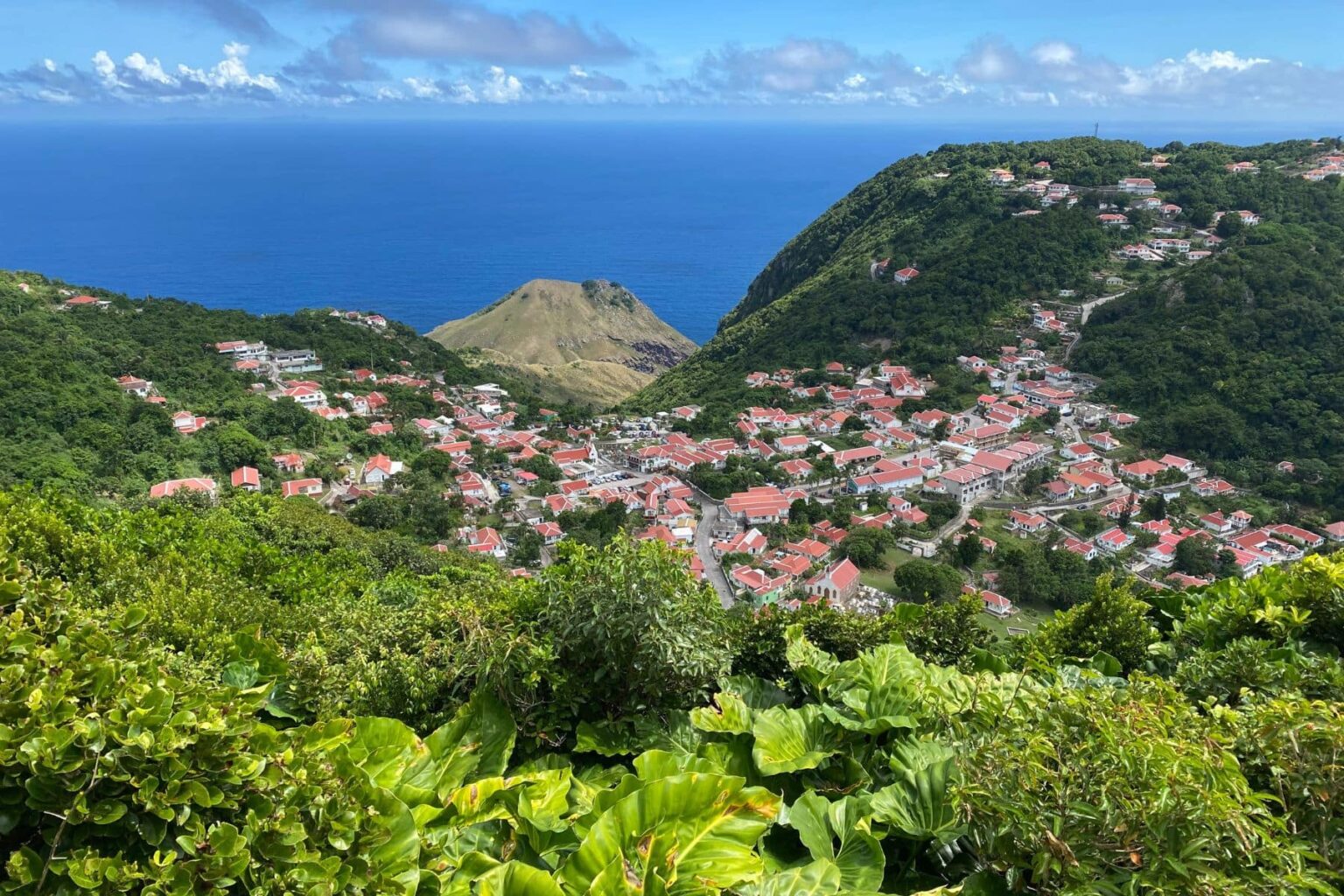
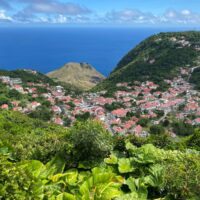
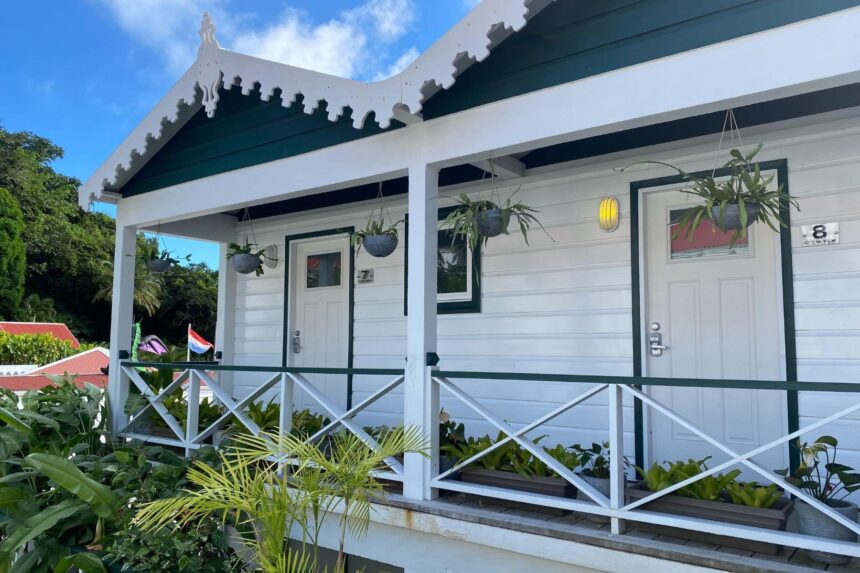
Finished in 1963, the Road now covers about 8.7 steep, switchback-filled miles (14 km), along which I’m now traveling to Juliana’s. Located 800 feet above sea level, this charming hotel gently whispers of the Old Caribbean, with whitewashed walls, wide wooden decks, lush gardens, pretty green shutters, and red tile roofs. In both towns and tucked into the hills here and there, all the buildings on Saba follow the same aesthetic, making for a picturesque scene.
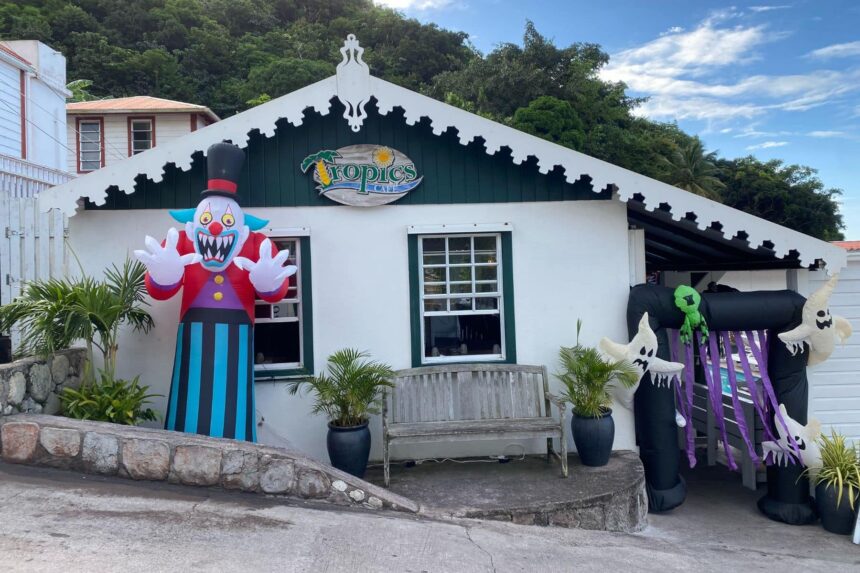
After a delicious dinner at Juliana’s onsite restaurant, the Tropics Cafe, I once again call it an early night before my first dive day tomorrow.
Diving Saba

Though I’m excited to get underwater, a storm recently came through and now with the surge, surface chop, and strong westerly wind, most of the island’s dive sites are unmanageable, though if you visit on a liveaboard, you’ll have a better chance of trying multiple times on the island’s best sites.
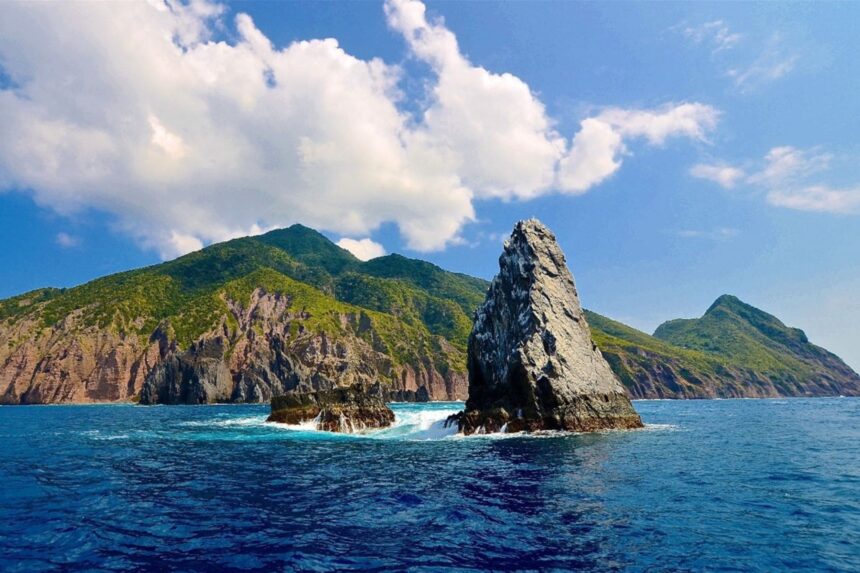
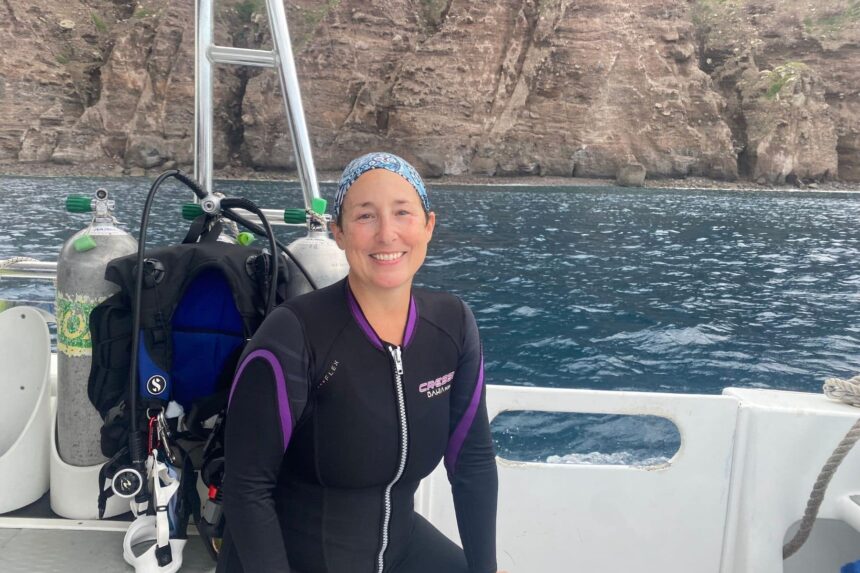


Today, we’ve moored at Diamond Rock, a near-shore rocky outcropping that starts at around 80 feet (24 m) and rises above the surface. After the briefing, I get my first look at the underwater Saban landscape and … the visibility is terrible.
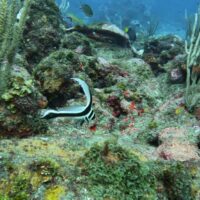
We descend to 80 feet (24 m) and slowly circumnavigate the pinnacle. Up close, there’s lots to see, including filefish, a few lobsters, and several stingrays cruising along the sand. We accidentally disturb a slumbering turtle before making the final turn around the rock and starting our ascent.

The second dive of the day, at Big Rock Deep, offers a bit better vis, but a mild current keeps us swimming in a square pattern near the mooring line. Nonetheless, we do manage to spot a seahorse swaying gently next to his hard-coral home.
On another dive day, I join the Sea & Learn Foundation, which puts on a month-long program each October in Saba aiming to protect the island’s natural environment and cultural heritage.
Activities include lectures and hands-on experiences, both topside and underwater, and today, we splash in with shark scientist Erwin Winter, among others, to look for sharks at a dive site called 50/50.
Because we’ve got a lionfish catch tube filled with fish bycatch, it doesn’t take long to attract them. Two nurse sharks who live on the site—Tammy and Michelle—swim by to say hi, and a few minutes later two Caribbean reef sharks join the party, making for a nice ending to my time underwater.
Topside Delights
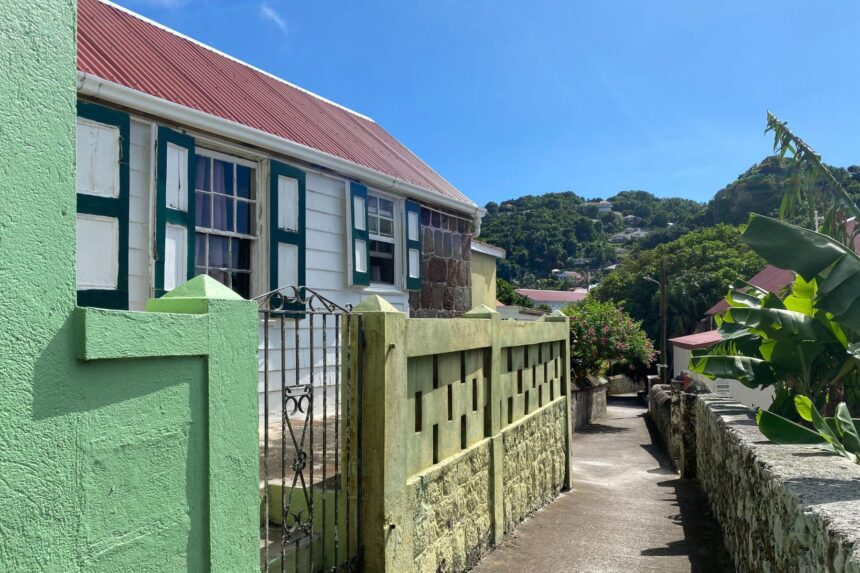
Even if you’re here to dive, don’t sleep on the topside natural beauty and arts scene that Saba offers. I begin my island stay with a visit to JoBean Glass Art, the studio of the singular JoBean Chambers, who’s been a fixture on the island for 32 years.
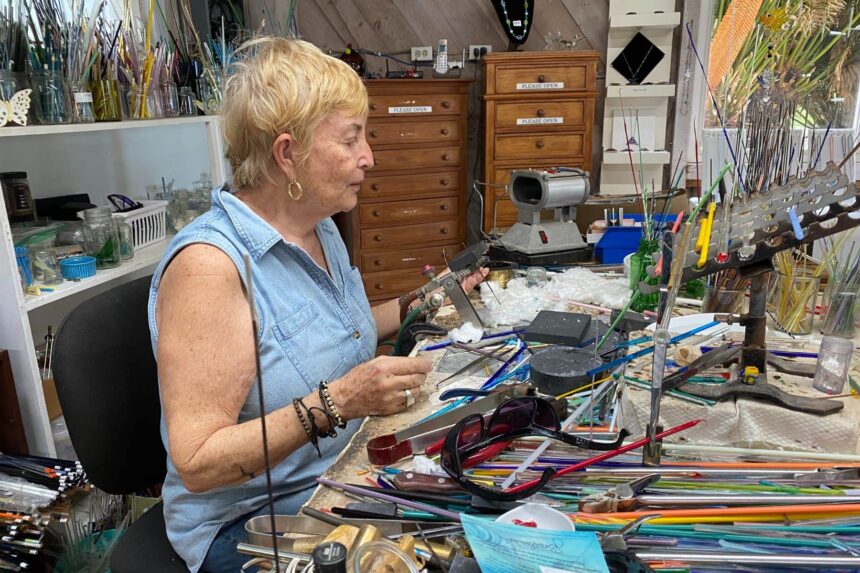
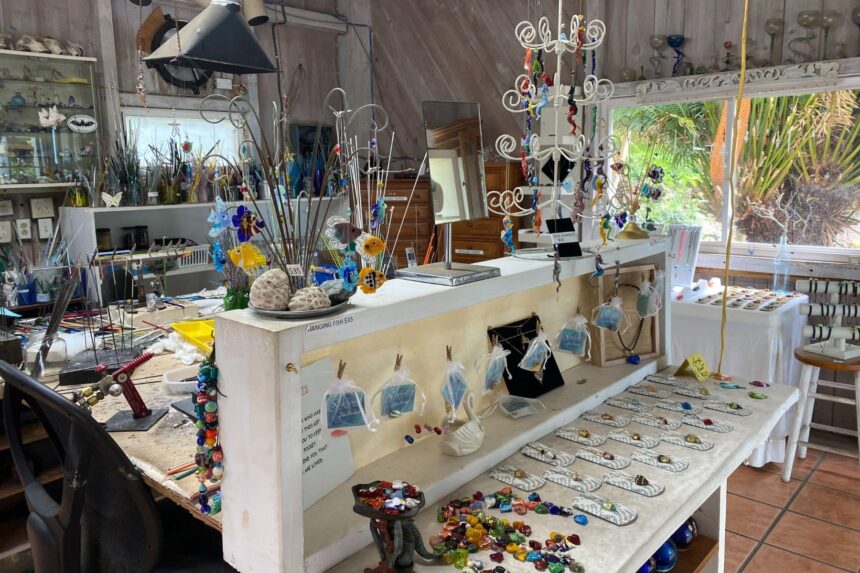


Full of humor and vivid stories about life on the island, JoBean conducts bead-making workshops for Saba’s guests and tourists and sells her own hand-made art out of the studio. “I’m equally as fun as scuba diving,” she tells me as we get started, and she’s not wrong. I make several beads—”you’re a natural,” she says—and even if she’s just flattering me, I have a blast.
On the last day, I spend my time off-gassing climbing part of the Mount Scenery Trail, which features 1064 steps to the top. I’m climbing only as far as Mas Cohones, which features a much more manageable 274 steps and a nearly guaranteed view of surrounding islands.
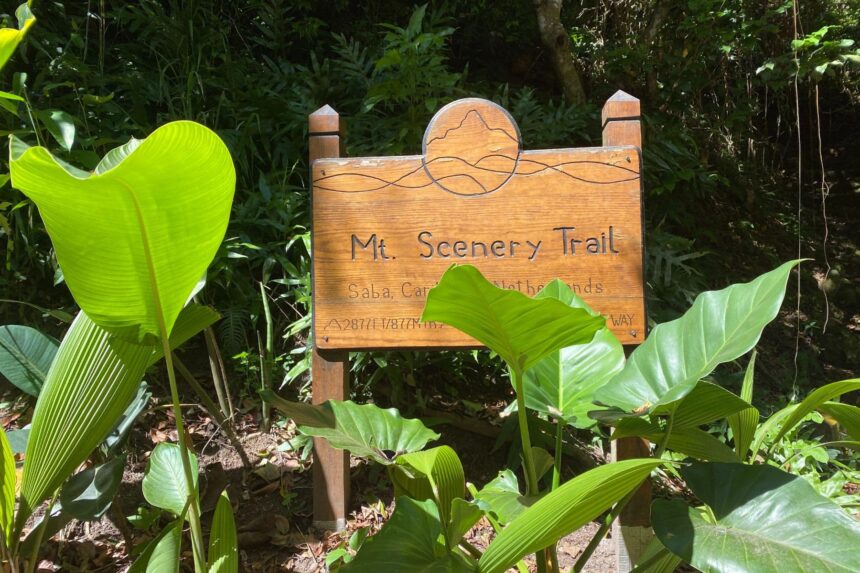
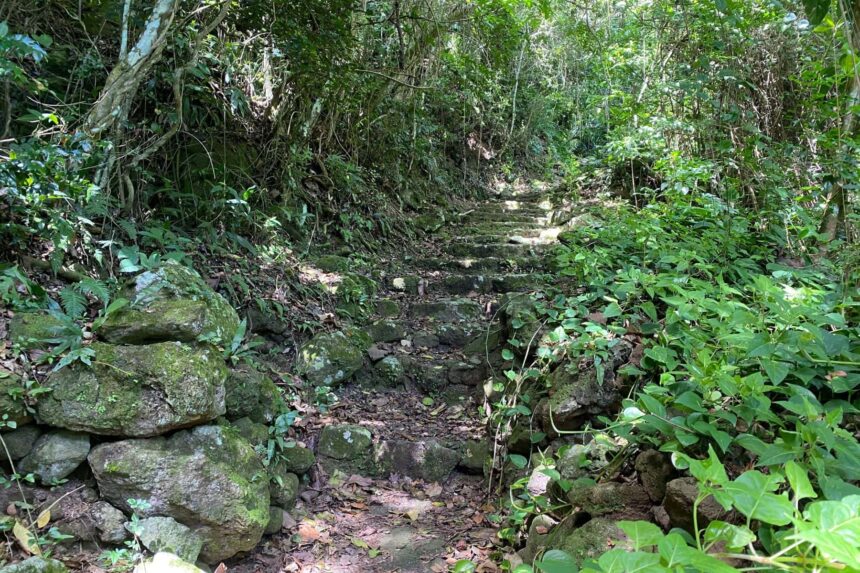
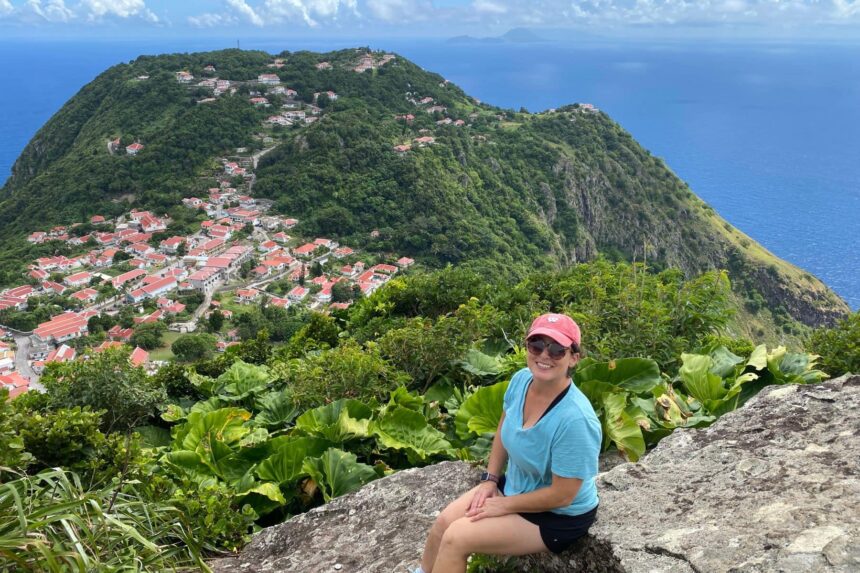


Local guide James Johnson is a ninth generation Saban who’s intimately familiar with all the island’s 23 hiking trails. He leads me through the cool tropical forest, sharing stories of Saba and its natural beauty.
We reach the top, and the view is spectacular as promised. About halfway down the trail we spot the increasingly rare bridled quail dove on a tree above. The population is struggling, having suffered a significant decline since Hurricane Irma. James says I’m lucky to have seen one—which is just how I feel now that I’ve discovered the Unspoiled Queen.
 Take a moment to look at this.


