


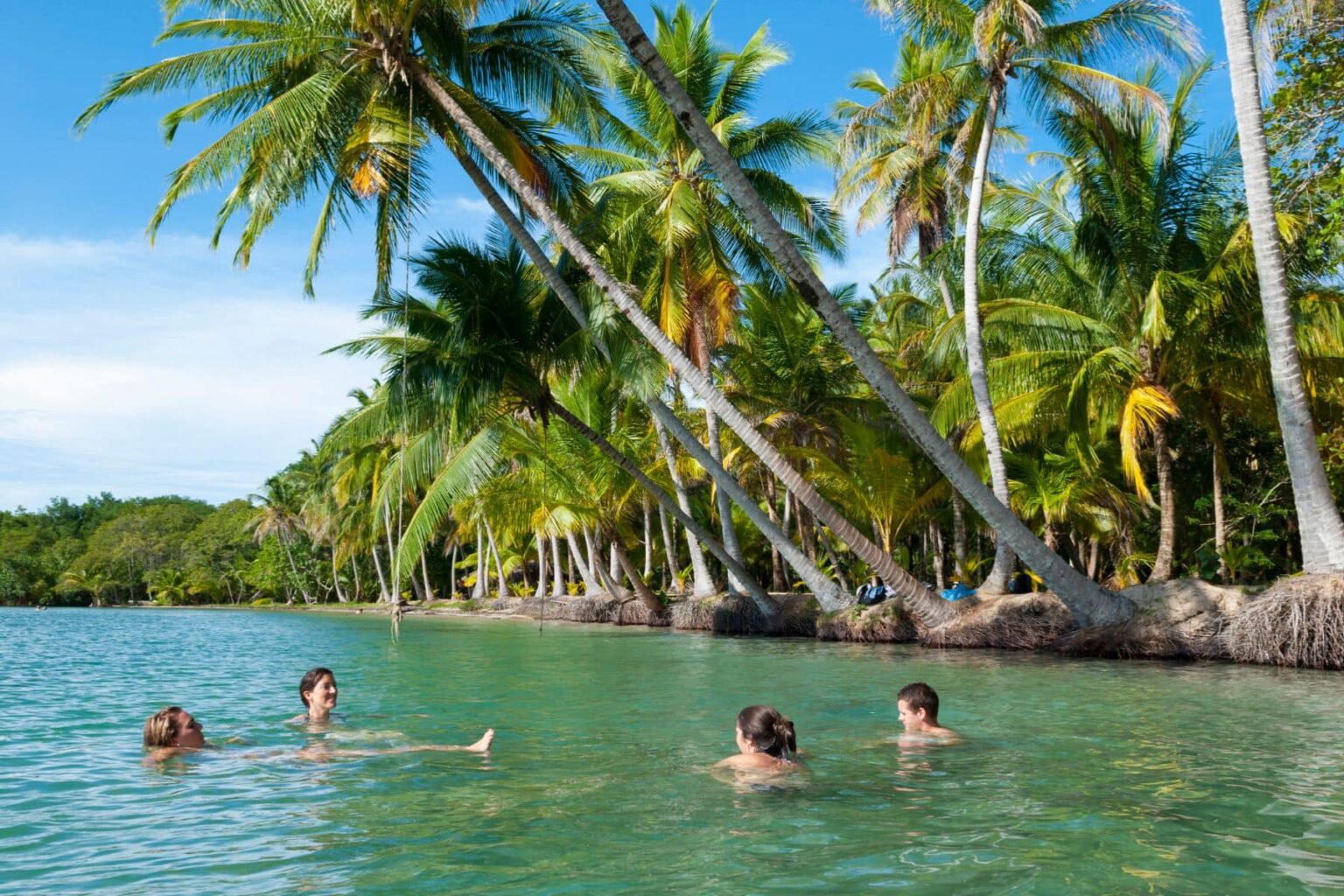

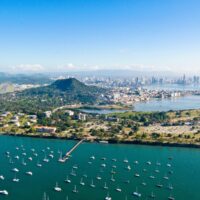
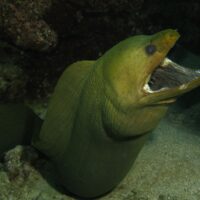
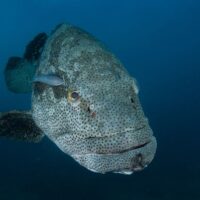
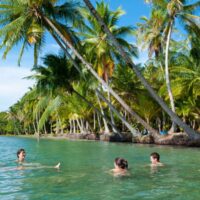
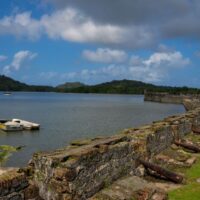
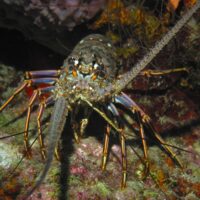
Diving in Panama means choosing your flavor: Pacific drifts with sharks and rays or Caribbean coral gardens with easy entries. The Pacific side (Coiba National Park, Gulf of Chiriquí, Pearl Islands) brings currents, seamounts, and big-animal encounters; the Caribbean (Bocas del Toro, Portobelo/Isla Grande) offers gentler reefs and seasonal glassy days.
This guide focuses on what matters to divers: what makes Panama special, the best time to visit each area, how to reach each hub, and where to stay that actually works with early departures, rinse tanks, and secure gear storage.
What makes diving in Panama special?
Panama links the tropical Eastern Pacific to the Caribbean, so you can chase pelagics one day and soft corals the next without leaving the country. Coiba’s islands and seamounts sit in nutrient-rich flow, which fuels baitballs, reef sharks, and seasonal visitors like whale sharks and mantas.
Located in the Gulf of Chiriquí, Coiba National Park protects 38 islands and extensive marine habitat; access is managed and day boats stage from Santa Catalina, keeping reefs uncrowded. Thermoclines and current are normal here—part of why the big life shows up.
On the Caribbean side, Bocas del Toro and Portobelo/Isla Grande deliver calm sea windows with clear, warm water over patch reefs, walls, and spur-and-groove systems. Offshore days unlock advanced seamounts like Tiger Rock when seas go flat.
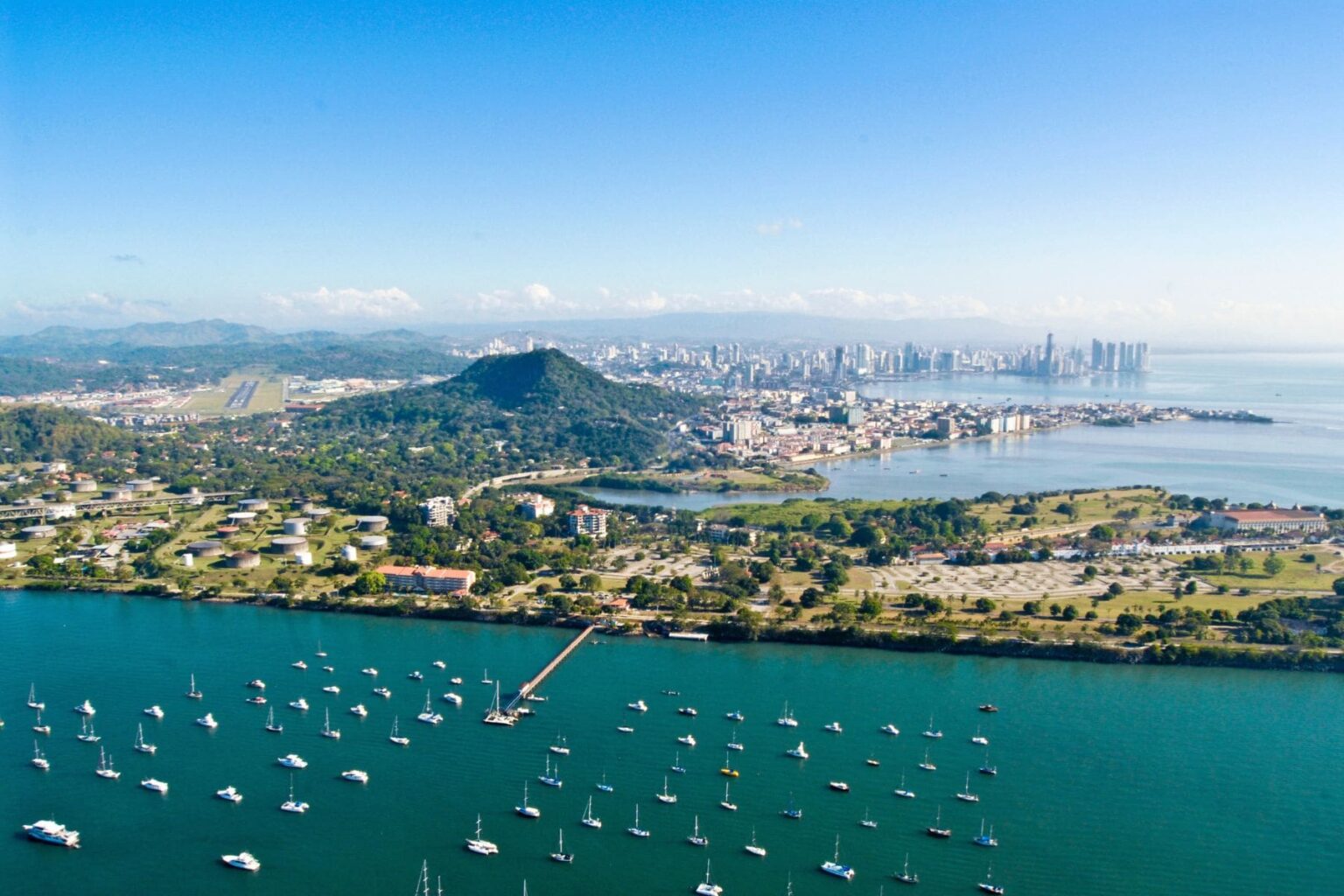
Finally, the Pearl Islands near Panama City make an easy Pacific hop: short ferries, abundant schooling fish, and a real chance of seeing humpbacks from the surface in season.
Best time to dive in Panama
Pacific: Coiba National Park & Gulf of Chiriquí (Santa Catalina/Boca Chica)
- December–April (dry season): Water 79–86 F (26–30 C) at the surface with cool thermoclines 64–75 F (18–24 C) possible March through June; visibility is generally best then. Expect current and blue-water safety stops at advanced sites. Humpbacks are more likely from July–October, with a smaller January–March pulse.
- May–November (rainy): Warmer surface water and more plankton can hinder visibility; seas are livelier, but reefs are lush and crowds thin.
Pacific: Pearl Islands (Panama City/Contadora)
- December–January (Dry/best window): often brings the clearest water; typical visibility 25–35 feet (7–12 m) and temps 75–84 F (24–29 C).
- February–April: sees upwelling; nutrient surges can drop temps and bump current—great for schooling fish. June–October is prime for humpbacks (surface sightings from the boat are common).
Caribbean: Bocas del Toro
- February–April and September–October (best windows): deliver the calmest seas and clearest visibility; water is ~82°F (28°C). Tiger Rock opens most reliably in the Sep–Oct lull.
- Alternate window: The rest of the year is diveable, but swell and rain can limit offshore runs.
Caribbean: Portobelo/Isla Grande (Colón)
- August–September (best window): can be unusually calm here as Atlantic storms pull wind away; water stays warm and clear. December–April is also popular with generally lower rainfall.
Bottom line: Newer divers will love Bocas del Toro or Portobelo in their calm windows; advanced divers should time Coiba for December through April if they want clearer water and big-animal potential.
Top 7 dive sites in Panama
Wahoo Rock (Coiba National Park)
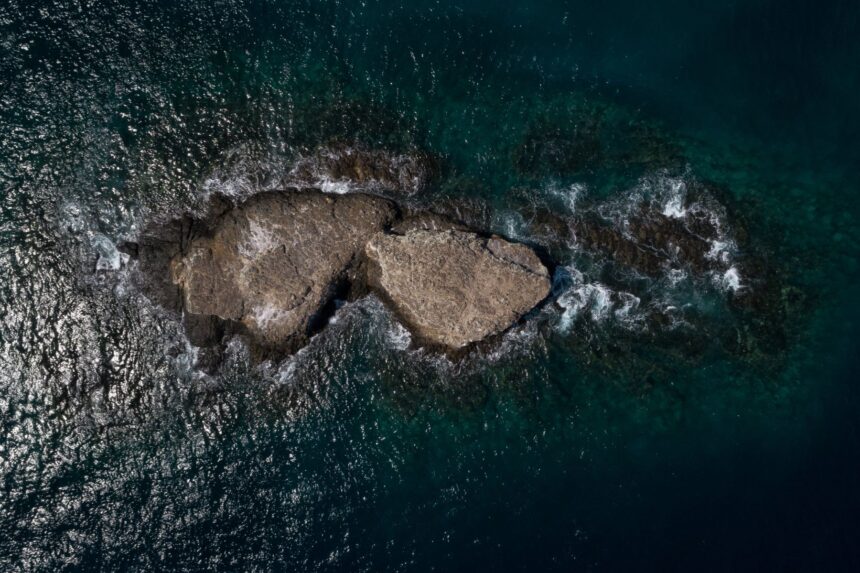
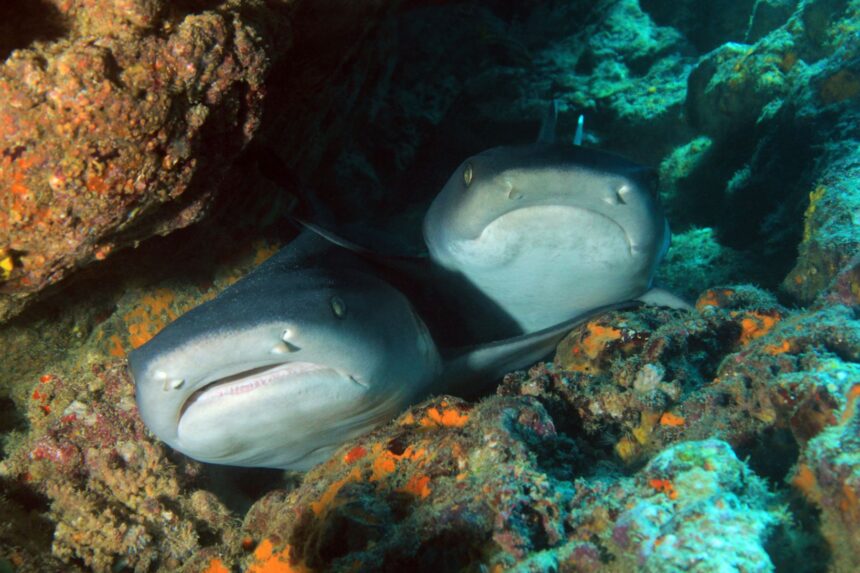


This advanced site is an offshore seamount that sits near Isla Afuera. It’s usually a full-day run from Santa Catalina, taking roughly 1.5 hours by fast panga. You drop on the up-current side, settle around 40 to 60 feet (12–18 m), and hug the wall as it steps down toward 100 feet (30 m). Expect current and blue-water safety stops when it’s pumping.
What you’ll see at Wahoo Rock
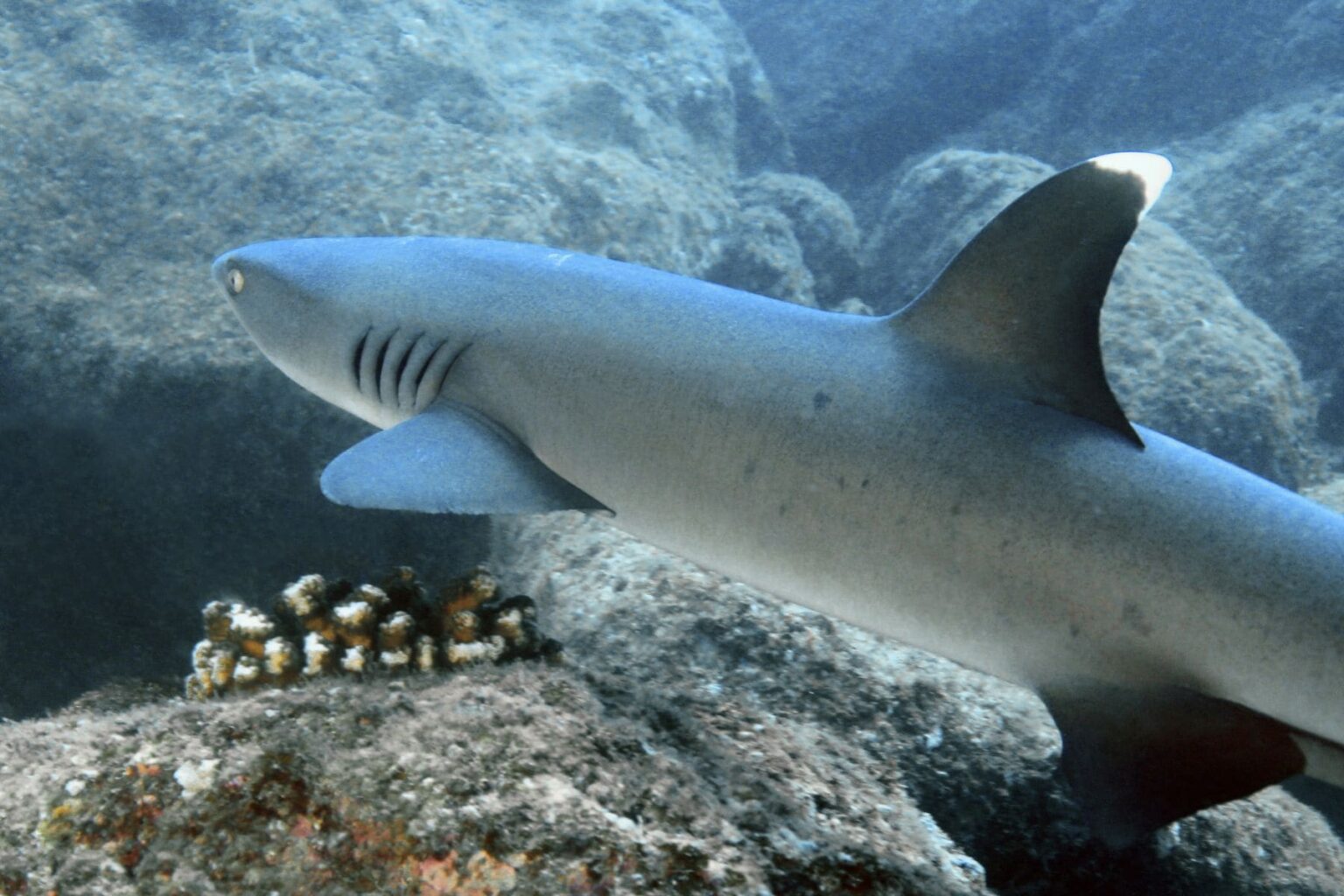
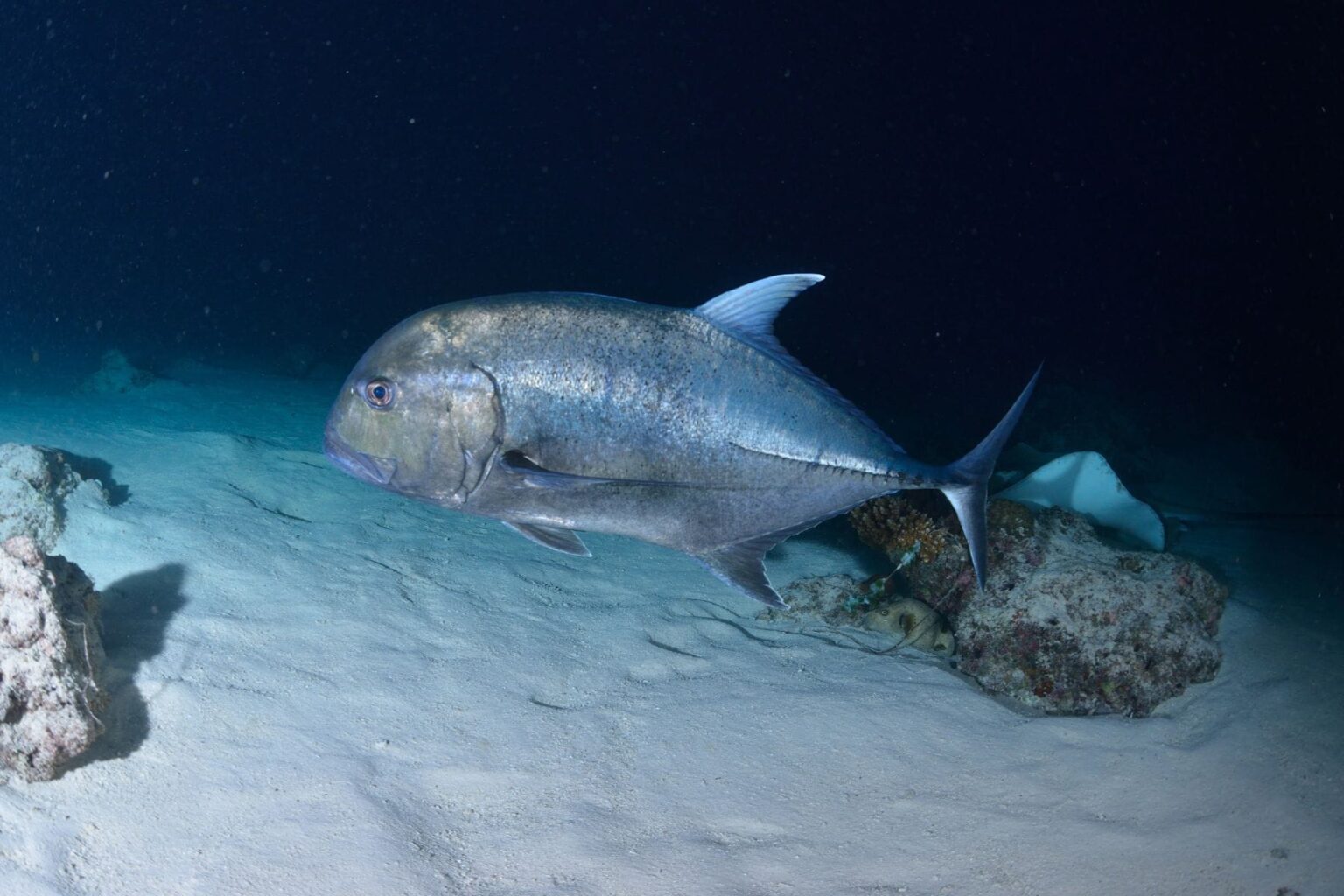
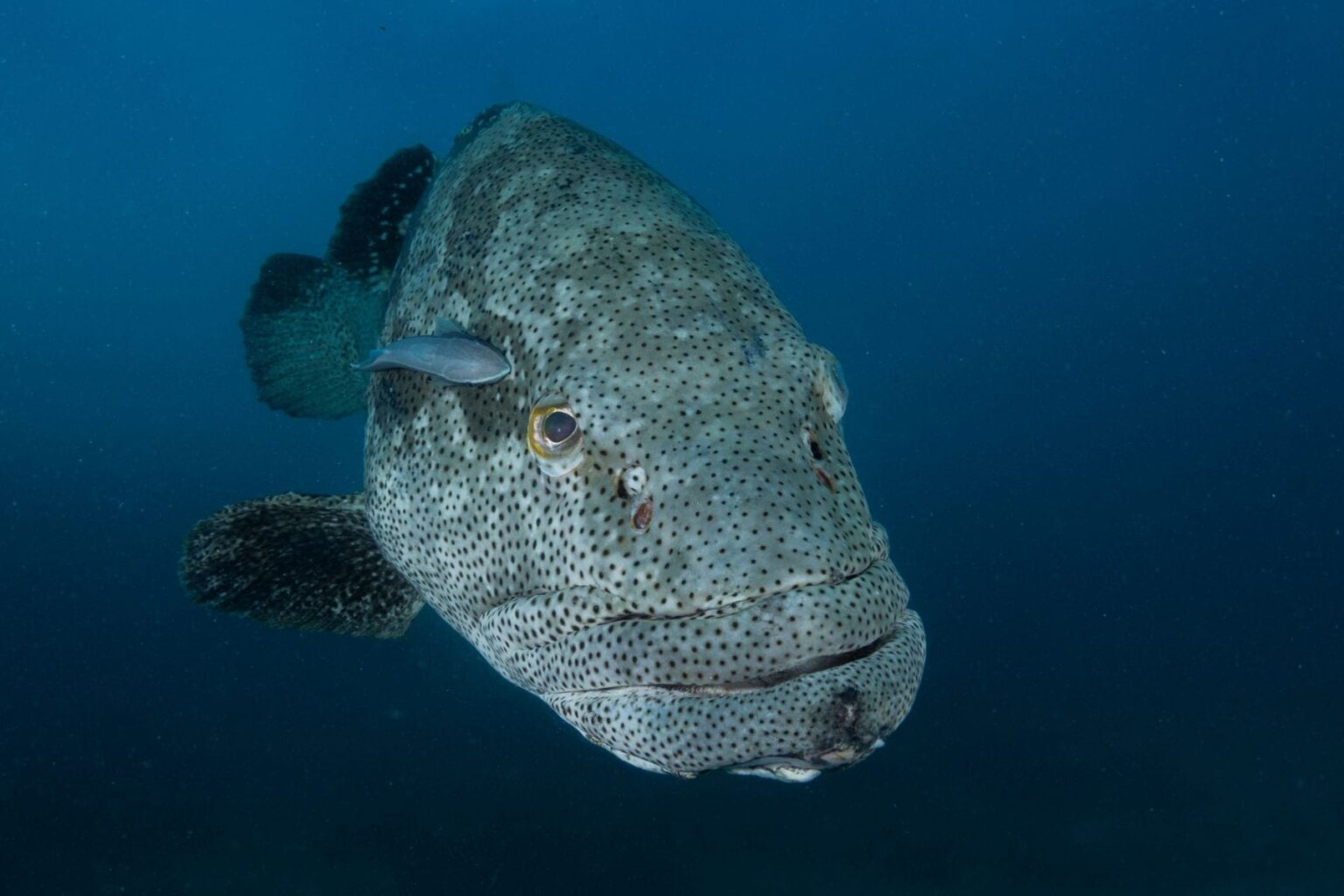
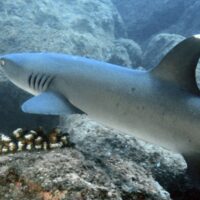
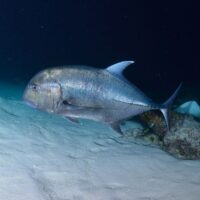
Expect schooling jacks, whitetip reef sharks, big snapper, and—on the right day—mobulas, mantas, or a passing whale shark. Cleaning stations light up when the flow is right.
Isla Iglesias (Coiba area/Coibita)
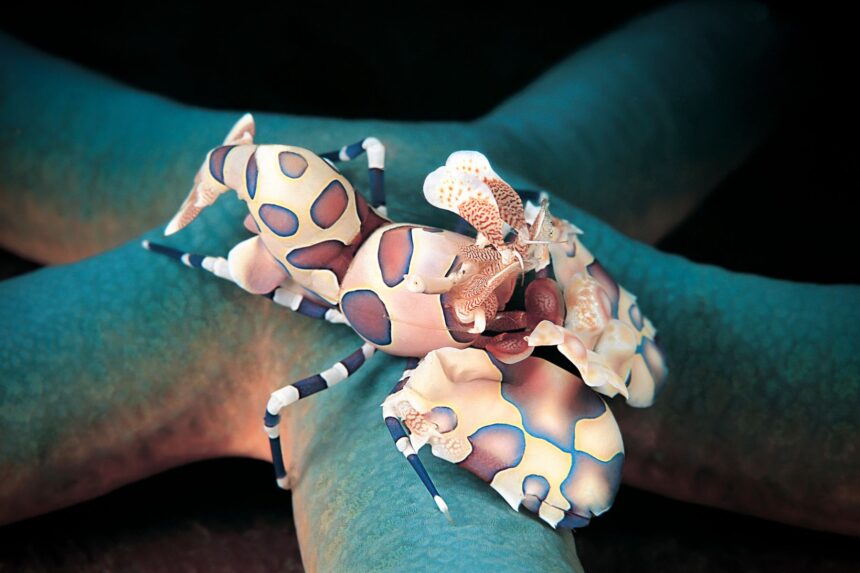
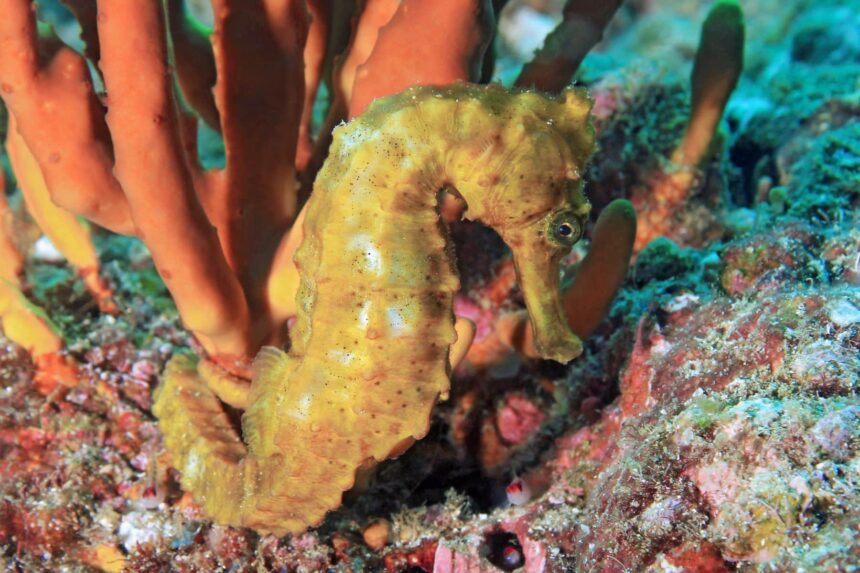


A favorite inside the park, this easy and protected site is a great warm-up for the more challenging Coiba sites. Entries are simple, with most of the action between 30 to 50 feet (9–15 m) along a gentle slope that’s often shielded from the strongest current. Great for checkouts or long, relaxed bottom times.
What you’ll see at Isla Iglesias
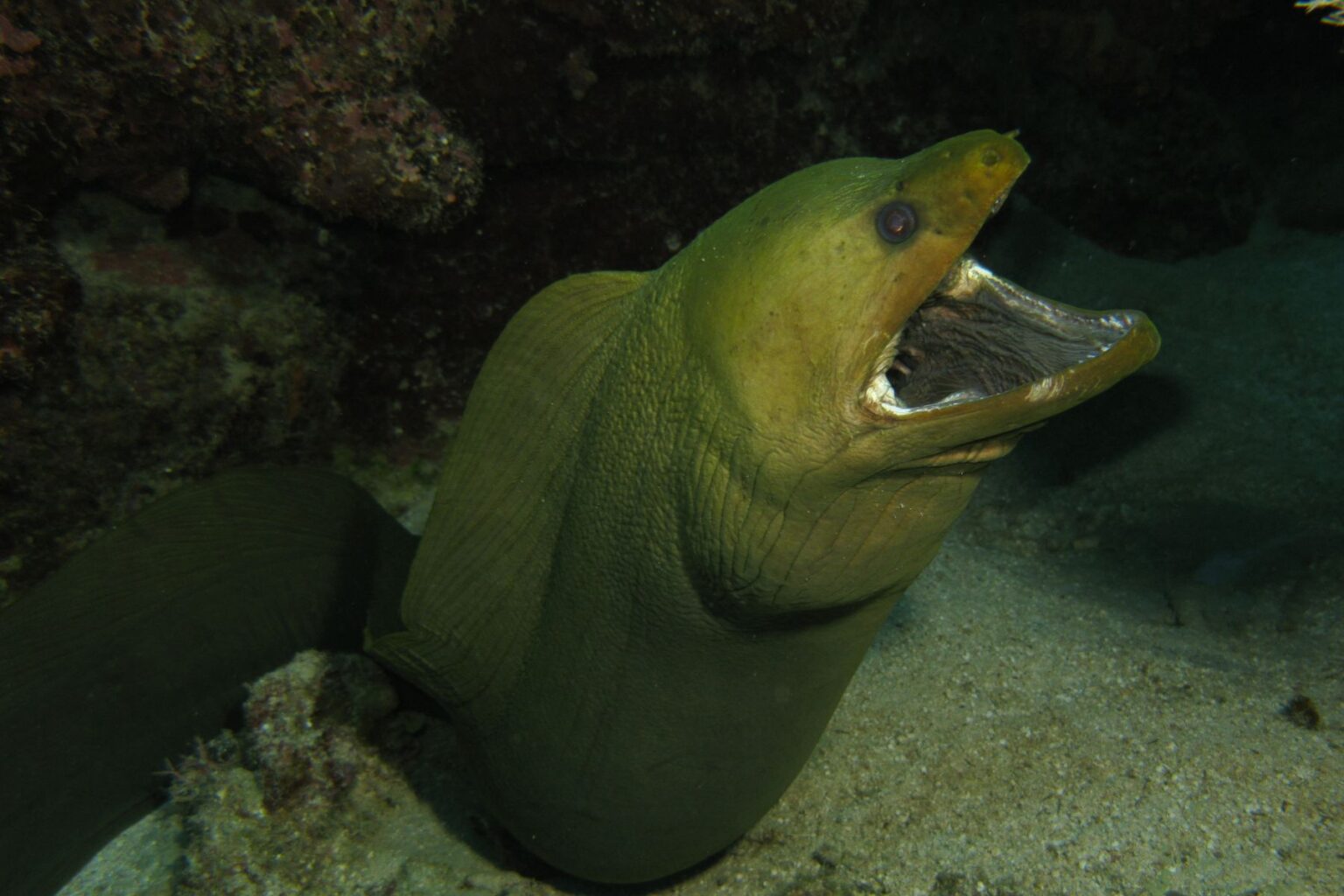
You’ll see hard-coral gardens, pufferfish, schools of grunts, and frequent turtle fly-bys in the shallows when the surge is mild. Night dives can turn up hunting octopus and eels.
Granito de Oro (Coiba National Park)
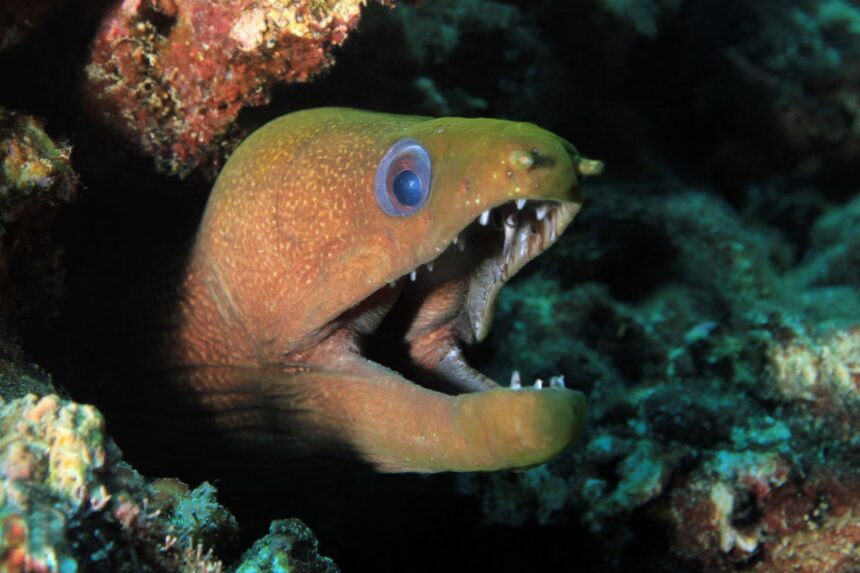
This tiny islet is a shallow show-stopper accessible by day boats from Santa Catalina. You’ll fin around the entire rock in one dive, spending most of the time in 15 to 40 feet (5–12 m) with easy entries and light surge on calmer days.
What you’ll see at Granito de Oro
Watch green turtles grazing, whitetip reef sharks in the channels, and clouds of reef fish hovering over hard corals—perfect for newer divers and photographers who like sunlight and color.
Tiger Rock (Bocas del Toro)
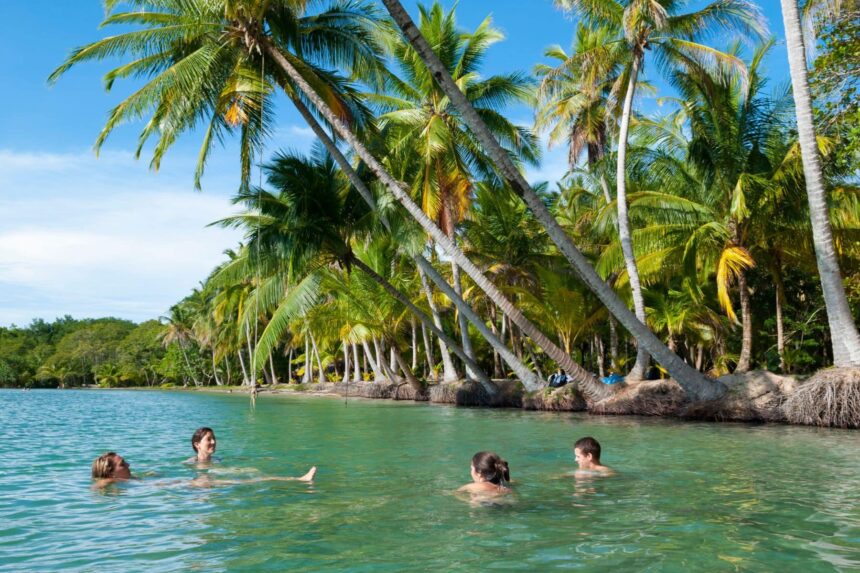
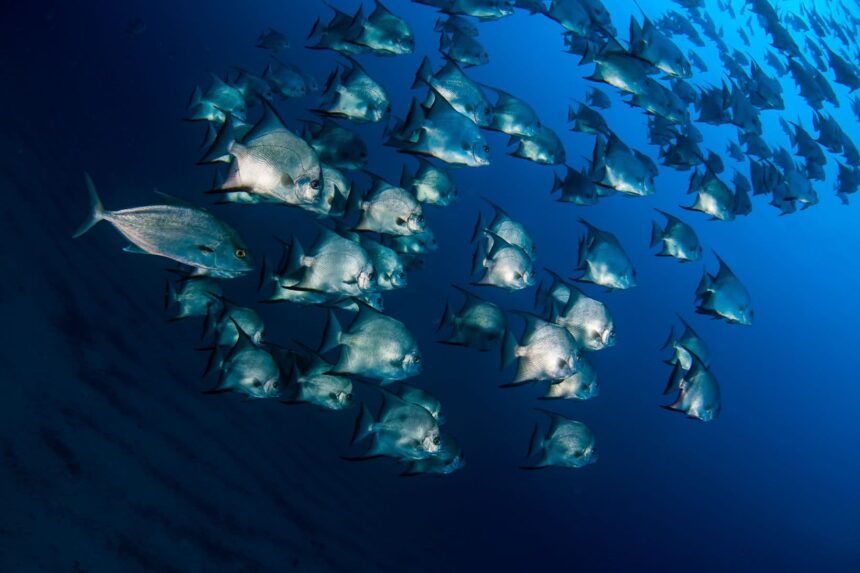


This advanced/seasonal dive is an offshore seamount that operators hit when the Caribbean goes flat—most reliably in September and October. Dives start around 60 feet (18 m) and can reach 140 feet (42 m) for experienced, qualified divers. Plan for current and blue-water ascents.
What you’ll see at Tiger Rock
Pelagic days bring mantas, big schools, and shark traffic around the pinnacles, with jacks and barracuda stacking up in the flow.
Hospital Point (Isla Solarte, Bocas del Toro)
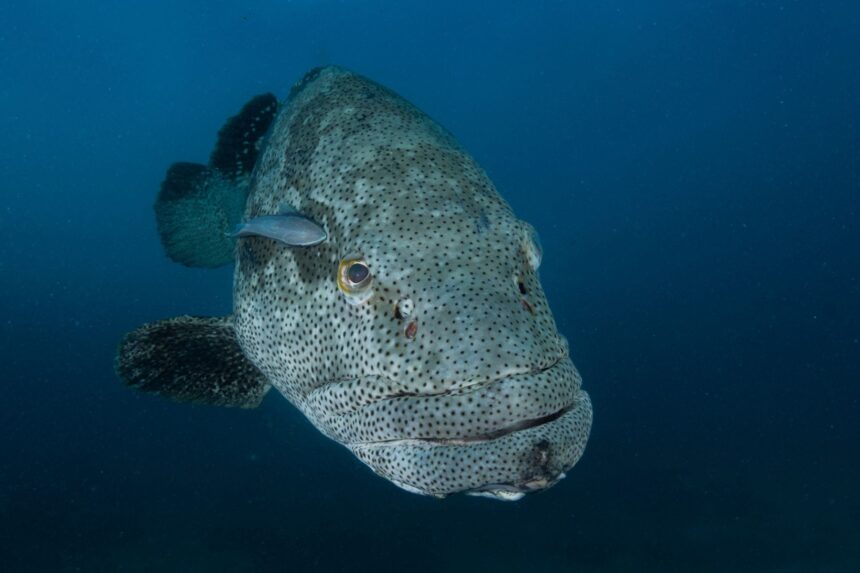
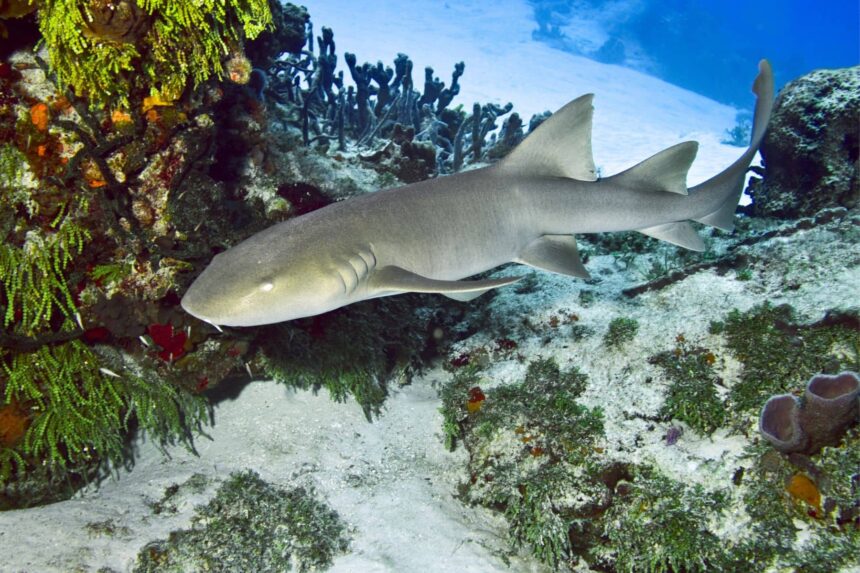


Just outside Bocas Town, boats make the hop to this calm, close-by site in about five to 10 minutes. You’ll start in a sheltered cove, then follow the reef edge from 20 to 60 feet (6–18 m). It’s an easy drift when there’s a bit of push, and a relaxed meander when it’s calm.
What you’ll see at Hospital Point
Turtles, nurse sharks tucked under ledges, and healthy hard-coral “condos” are packed with grunts and wrasse. Night dives turn up lobsters and hunting octopus.
Drake Island (Portobelo)
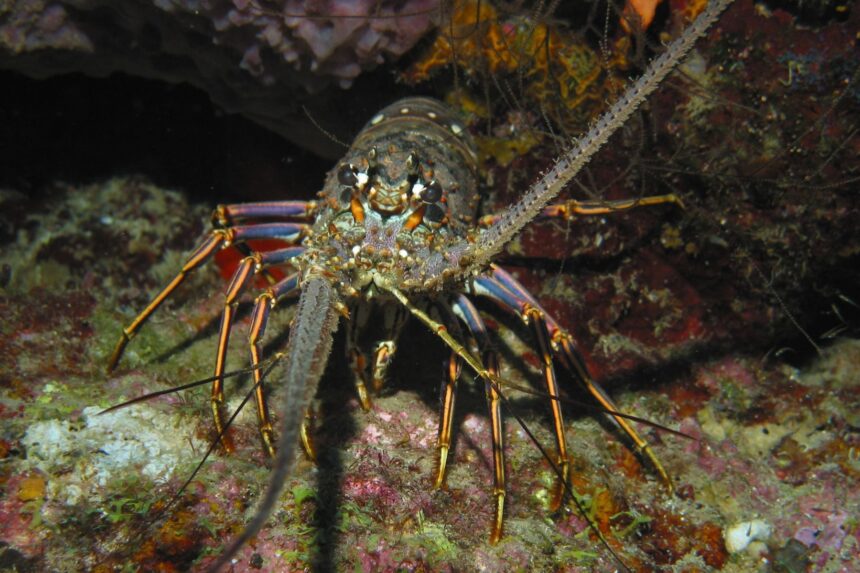
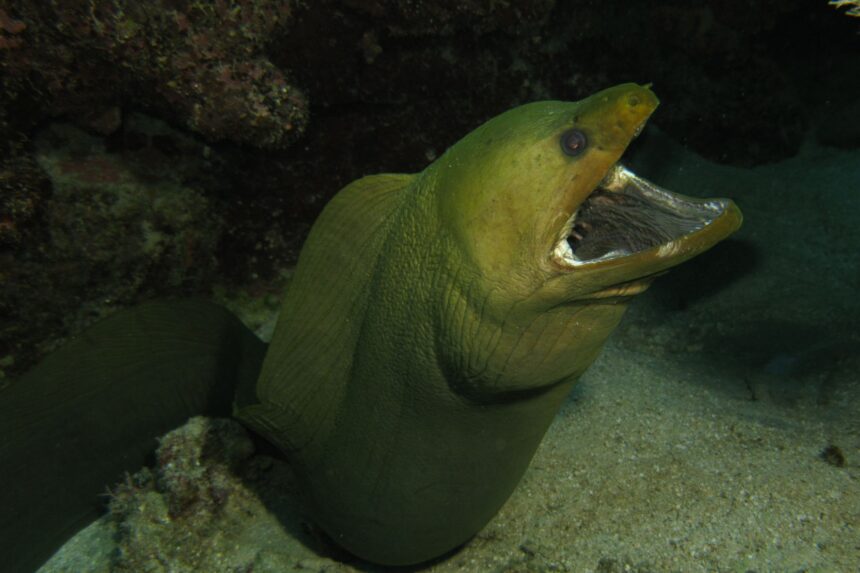


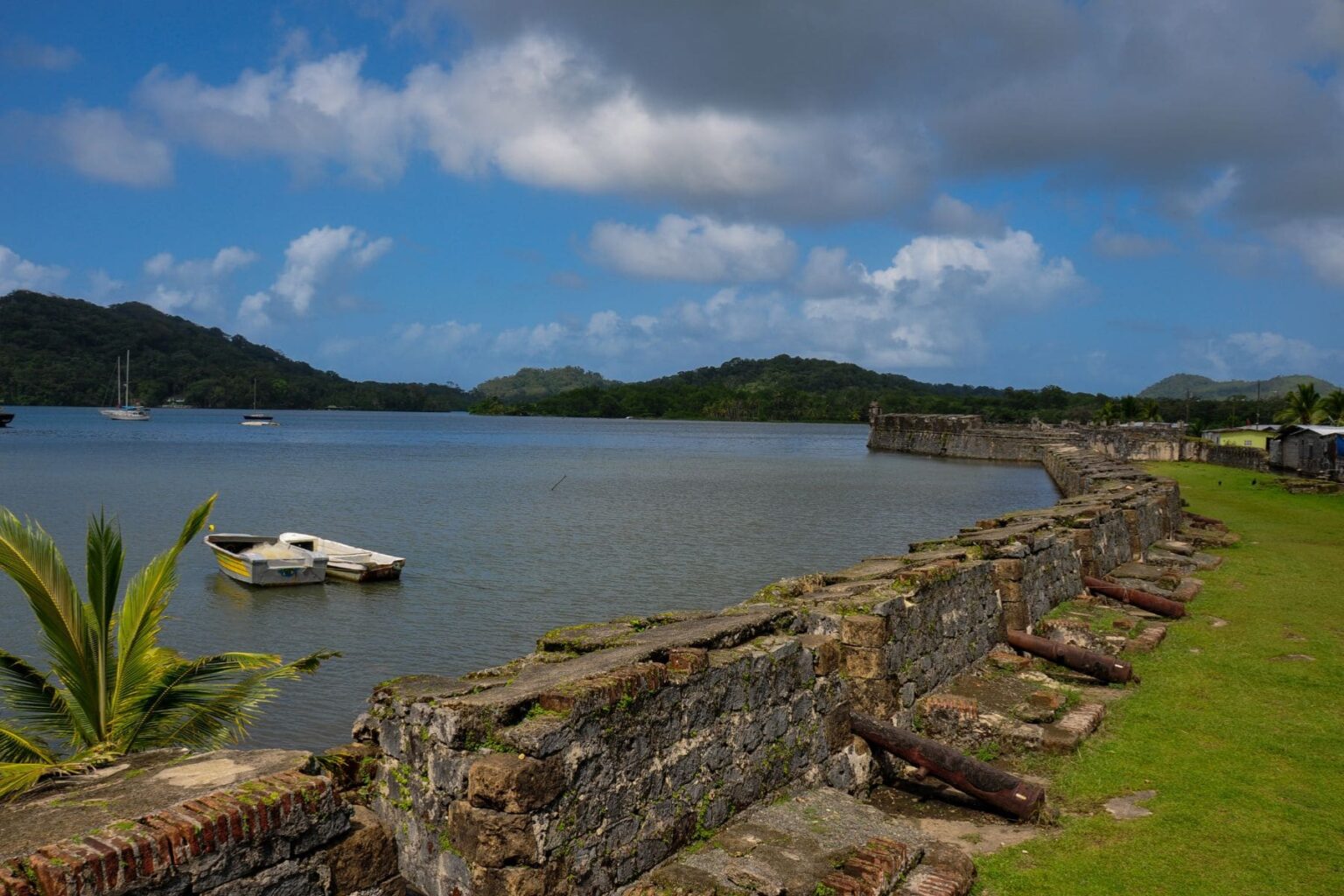
From Portobelo’s waterfront it’s a short ride to Drake Island and this classic reef dive, usually chosen on fair-weather days. Most dives trace the island’s coral flank in the 30 to 70-foot (9–21 m) range with minimal current, though outside faces can get livelier.
What you’ll see at Drake Island
Watch for sponges in a rainbow of colors, reef fish life, and frequent turtle sightings. Nearby deeper options and small wrecks are often paired as a second dive when conditions allow.
Contadora, Chapera & Pacheca Reefs (Pearl Islands)
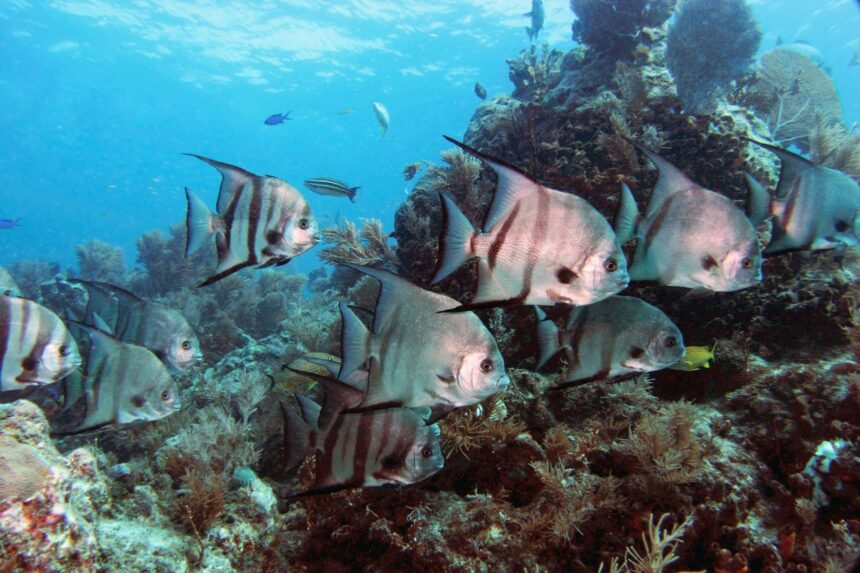
Base yourself on Isla Contadora and zip 10–25 minutes by panga to neighboring reefs for some easy Pacific Island hops. Typical dive plans stay within 30 to 60 feet (9–18 m) with average visibility around 25 to 35 feet (7–12 m). Expect gentle to moderate current and simple back-roll entries.
What you’ll see around Contadora
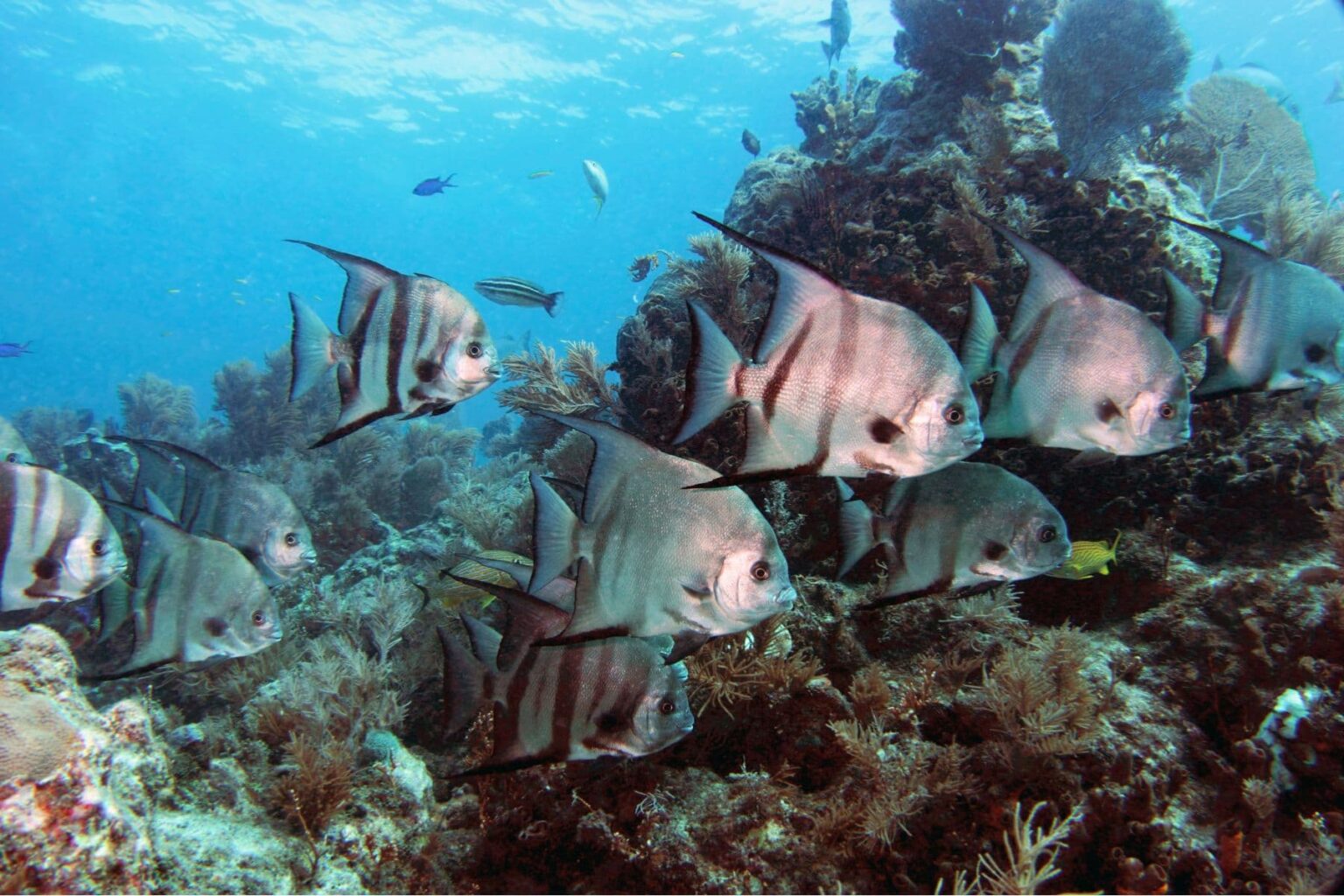
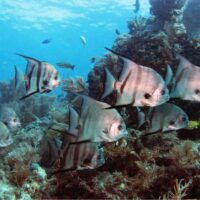
You’ll see big schools of surgeonfish and grunts, whitetip reef sharks, rays, and lively reef structure near the Boyarena sandbank and Chapera’s fringe when the tide is right.
How to get to and around Panama
Airports & entry
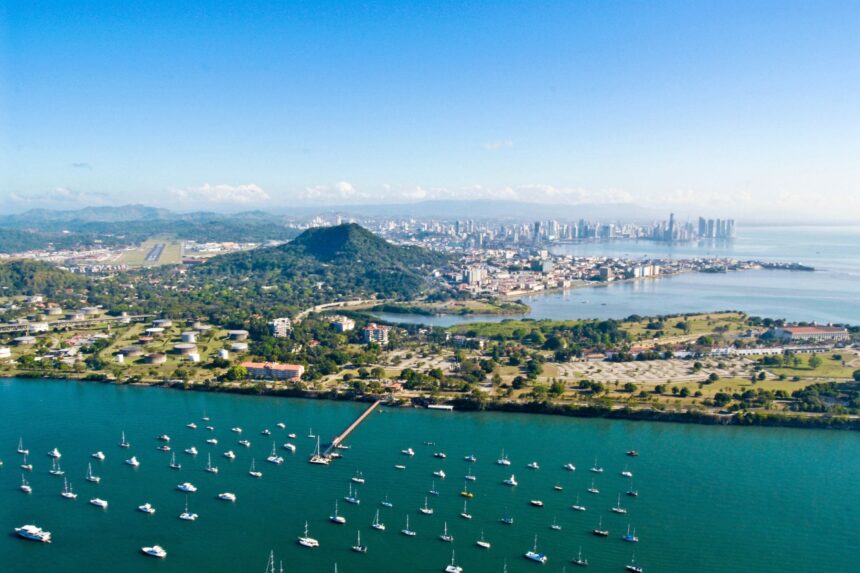
Tocumen International Airport (PTY) in Panama City is the main gateway to the country. To reach Bocas del Toro on the Caribbean, the fastest hop is a ~1:00 hr flight from Albrook Airport (PAC) to BOC (Isla Colón); there are multiple daily nonstops.
For the Pacific west coast (Coiba/Gulf of Chiriquí), you can drive from Panama City or fly to DAV (David) and transfer by road to Boca Chica. Most Coiba trips stage from Santa Catalina. Pearl Islands are best reached via ferry from Panama City’s Amador Causeway to Contadora.
Getting around
Panama’s interior is stitched together by the Pan-American Highway. Around Panama City, the Corredor Sur/Norte toll roads are 100% electronic (PanaPass)—rental cars usually have the tag; without it you’ll detour through city traffic. Outside the metro area (e.g., toward Santa Catalina) the Pan-Am itself isn’t tolled.
Regional hubs & transfers
- Santa Catalina (for Coiba day boats): From Panama City to Santa Catalina is roughly 180 miles (290 km) and 4–6+ hr depending on traffic west of the city. Most operators meet at 7:30–8:00 AM for full-day runs, so you’ll want to spend the night before your dives in Santa Catalina. Boats to Coiba are ~1 to 1:15 hours each way.
- Boca Chica (for Gulf of Chiriquí): Fly into David then drive 1 to 1.5 hours to marinas. Seas are generally calmer inside the gulf.
- Bocas Town/Bastimentos (for Bocas del Toro): Easiest is the one-hour flight (PAC→BOC). Overland, it takes 10 to 11 hours by bus or car to Almirante, then a 30- to 45-minute water taxi to Isla Colón.
- Portobelo/Isla Grande: From Panama City it’s a ~1.5- to 2.5-hour drive (traffic-dependent) to Portobelo’s waterfront. Day boats hit inner-bay reefs in moderate seas and run outside on calmer days.
- Pearl Islands (Contadora): Board the Sea Las Perlas ferry at Amador, which takes about 1.5 hours to Contadora with same-day return options. Once there, small pangas reach nearby reefs in minutes.
Where to stay in Panama
Santa Catalina (Coiba): Choose a guesthouse within five to 10 minutes from the beach/boat launches, with gear rinse tanks, shaded drying racks, early breakfasts, and secure storage. Parking is useful if you self-drive; ask about generator/backup power in smaller lodges.
Boca Chica (Gulf of Chiriquí): Marina-adjacent inns and island eco-lodges typically offer private docks, rinse areas, and boat-based schedules. Many bundle 2- or 3-tank days with lunch and have easy parking by the jetty.
Bocas Town/Bastimentos: In Bocas Town, diver-friendly hotels sit steps from the docks with on-site gear rooms and early coffee. On Bastimentos, eco-lodges often include panga transfers. Confirm rinse/drying space and weather plans for offshore days.
Portobelo/Isla Grande: Look for seafront guesthouses with house boats, rinse tanks, and shaded patios for drying gear. Early breakfasts and secure parking make quick turnarounds to the pier easier.
Contadora (Pearl Islands): Choose small hotels or villas near the main beach and dive pangas. You want gear storage, fresh-water rinse, and flexible breakfast for ferry days. Beaches are walkable; carts or small taxis move luggage.
Final thoughts on diving in Panama
Panama splits cleanly into Pacific big-animal drifts (Coiba/Gulf of Chiriquí), Caribbean reef days (Bocas/Portobelo), and easy-access island hops (Pearl Islands).
If you love current, sharks, and thermoclines, Coiba in December–April is the move; if you prefer warm, calm water and colorful coral, aim for Bocas or Portobelo in February–April or September–October.
The Pearl Islands are perfect for short stays out of Panama City, with simple logistics and seasonal whale action. The honest caveat: visibility on both coasts is seasonal, and offshore days are weather-dependent—plan your window, and you’ll be rewarded.
 Take a moment to look at this.


