


 SUNBREEZE Resort
Sunbreeze Hotel: Belize Barrier Reef on Your Doorstep
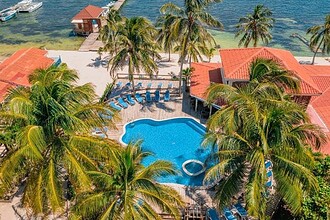
A seafront stay on Ambergris Caye with the Belize Barrier Reef less than a mile out. Sunbreeze keeps it simple: roll out of bed, gear up, and dive one of the Caribbean's great reefs, then come back to the pool. Diving, snorkeling, and honeymoon packages on offer.
 See here
Win Free Scuba Gear
We test new gear weekly and give most of it away to newsletter subscribers.
🤿 Join our newsletter to learn how you can get your hands on some free scuba gear!
New giveaways every month!


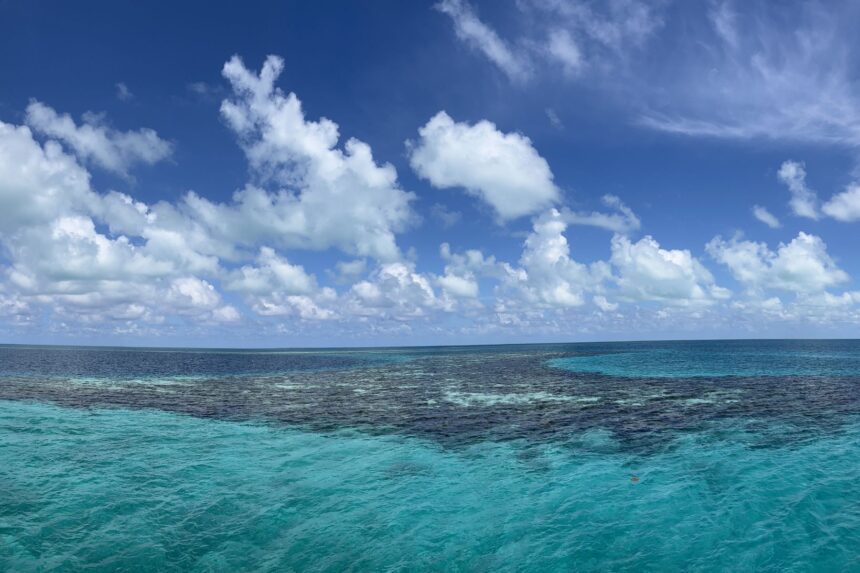
Belize sits on the Caribbean coast of Central America, with a long chain of cayes, offshore atolls, mangroves, and reef walls running parallel to the mainland. The country is best known underwater for the Belize Barrier Reef, part of the wider Mesoamerican Reef system, and for the Great Blue Hole on Lighthouse Reef Atoll. Divers from across the globe flock to see this natural wonder of the underwater world, made famous by Jacques Cousteau and his team onboard the Calypso, who investigated the site in the early 70s.
Whether you’re a novice diver or you’ve got hundreds of dives under your (weight) belt, diving in Belize has something to offer everyone. Most diving takes place from boats that leave Caye Caulker, Ambergris Caye, or Placencia, heading for the local barrier reef. Those who want to eat, sleep, and dive should check out one of Belize’s liveaboards, which offer unparalleled access to the underwater world.
That said, here’s DIVEIN’s pick of the best diving in Belize.
What makes diving in Belize so good?
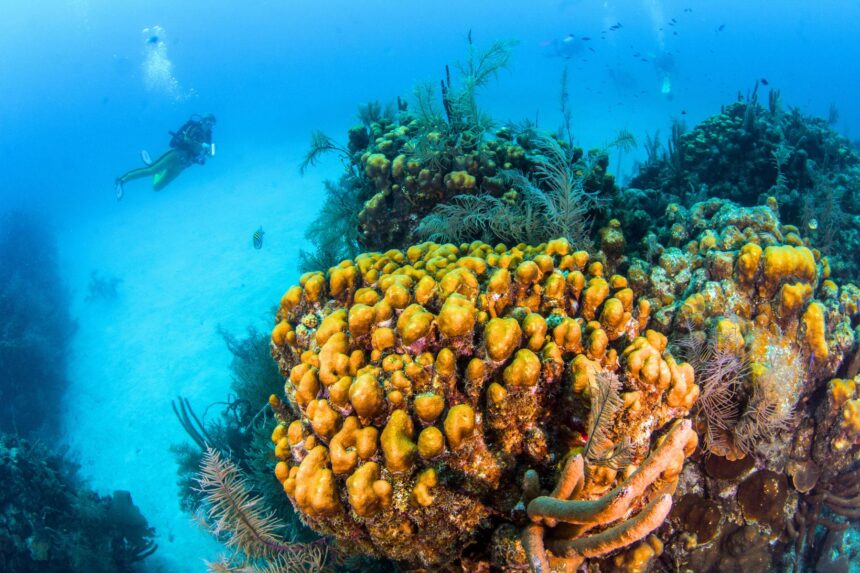
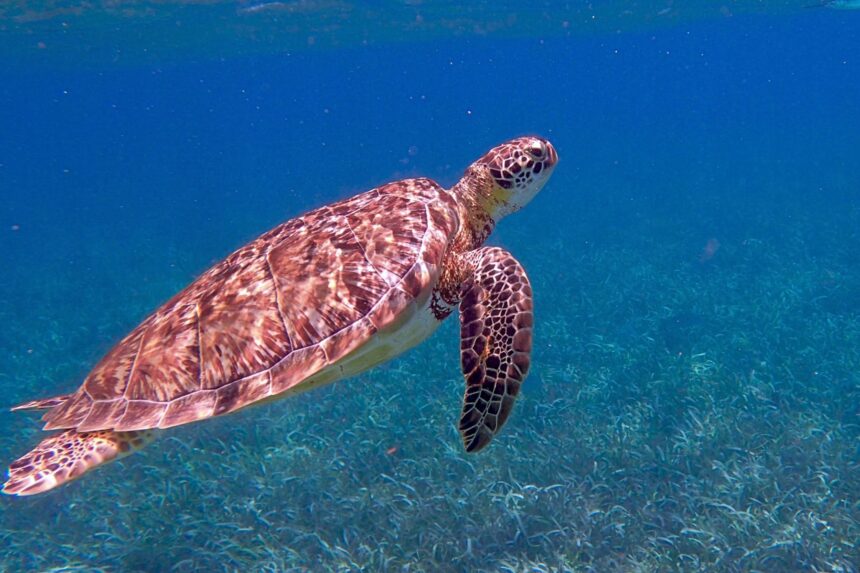
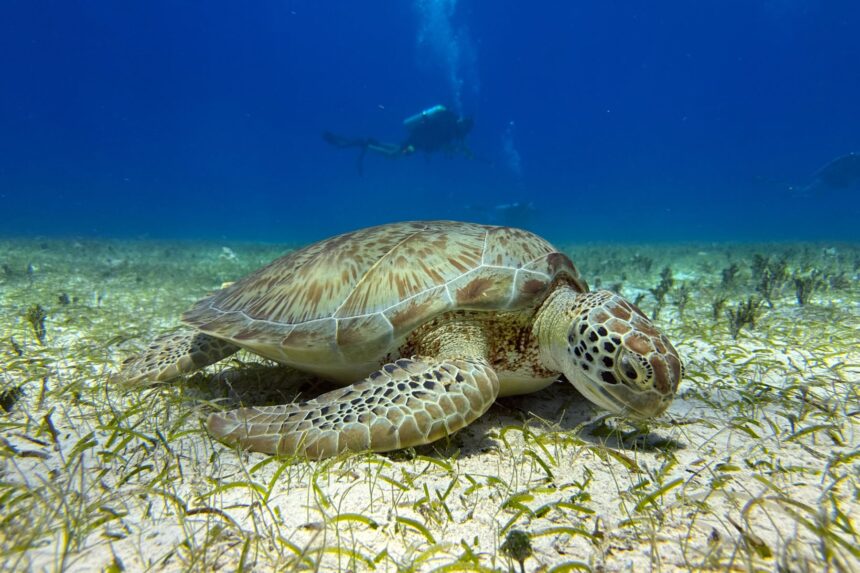
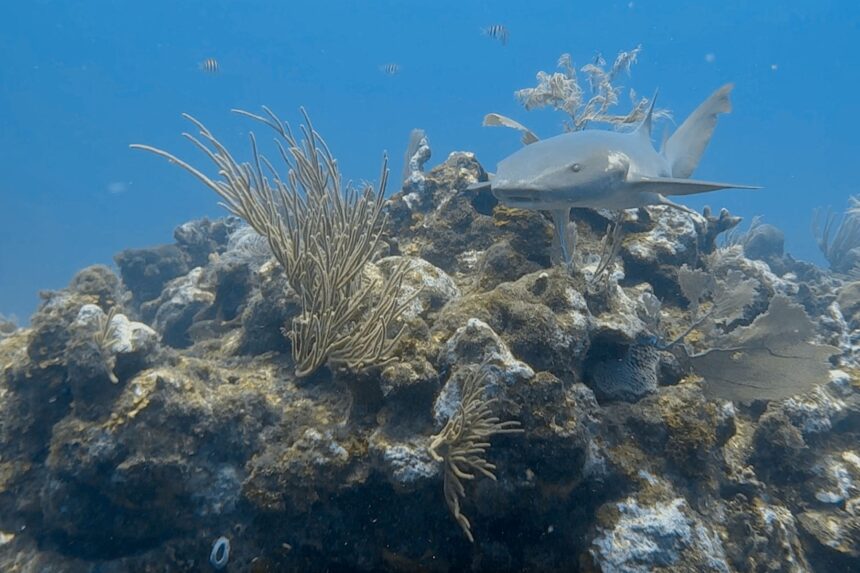
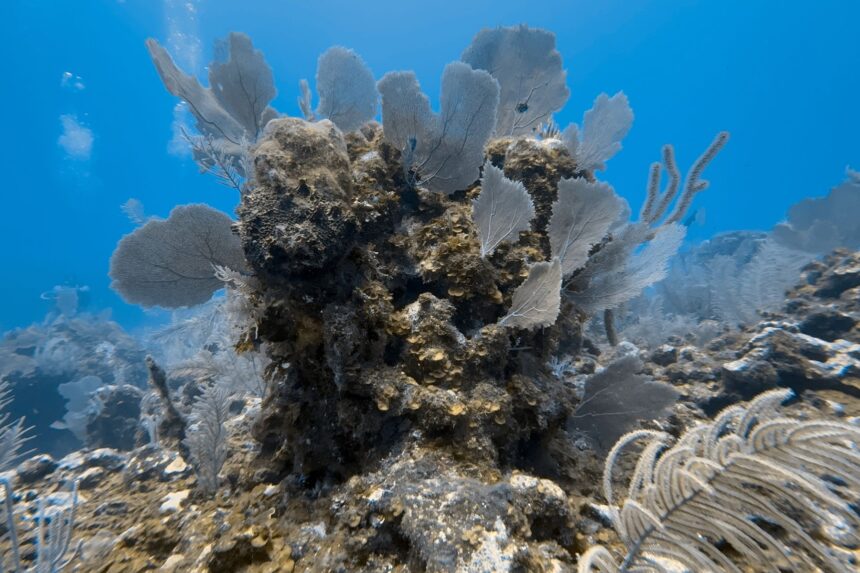
What makes Belize so good for diving is the variety packed into one coastline. Placed along the Mesoamerican Reef, Belize abounds in world-class diving and is home to one of the best dive sites in the world, the Great Blue Hole. Aside from the Great Blue Hole, divers here can expect warm, clear water, plenty of marine life and far from the crowded Caribbean Seas. This vast and varied reef system is home to large corals, towering sponges, plenty of sharks and turtles, and crystal clear water so you don’t miss a moment.
Where to dive in Belize
Belize diving can be split into northern, central, and southern regions. In the north, Ambergris Caye and Caye Caulker are the main hubs for easy-access reef diving, including Hol Chan Marine Reserve, Shark Ray Alley, and trips to the Great Blue Hole. In between northern and central Belize, dive sites such as Turneffe Atoll and Lighthouse Reef are possible via longer day trips, but liveaboards are also worth considering.
Central Belize includes Dangriga and Glover’s Atoll for more varied reef, wall, and atoll diving. In the south, Placencia is the main dive base, especially for Gladden Spit and seasonal whale shark trips. For the top 9 recommendations, we have gone from north to south, including some specific dive sites, such as the Great Blue Hole, and regions, such as Turneffe Atoll.
Esmeralda Canyons

Esmeralda Canyons is one of the best-known dives off Ambergris Caye, accessible by boat from San Pedro in about 30 minutes depending on conditions. The site features coral ridges and canyons, a common landscape in the region, locally referred to as fingers. Divers weave between coral formations, hover over sandy channels, and follow the reef contours. Expect moderate depths and good visibility, though surge and current can vary with weather.
Things to See:
The canyons create hiding places for green moray eels, lobster, crabs, and small reef fish. Butterflyfish, damselfish, and nurse sharks are regular sightings, and the swim-throughs make the site especially appealing for photographers. Move slowly through the reef architecture and look into the ledges rather than rushing from canyon to canyon.
Highlights:
- Coral canyon topography close to Ambergris Caye
- Good chance of nurse sharks, groupers, and eels
- Photogenic multi-level reef structure
Type: Coral canyons, reef, swim-throughs
Skill level: Intermediate
Access: Boat
Hol Chan Marine Reserve

Hol Chan Marine Reserve sits just south of San Pedro and offers 7 square miles of coral reefs, seagrass beds, and mangrove forests. Hol Chan means “little channel,” referring to the natural cut through the reef. The dive is generally shallow sand and seagrass, with outcrops and hard and soft coral. Since it is accessible, colorful, and full of fish life, Hol Chan works well for newer divers and snorkelers.
Things to See:
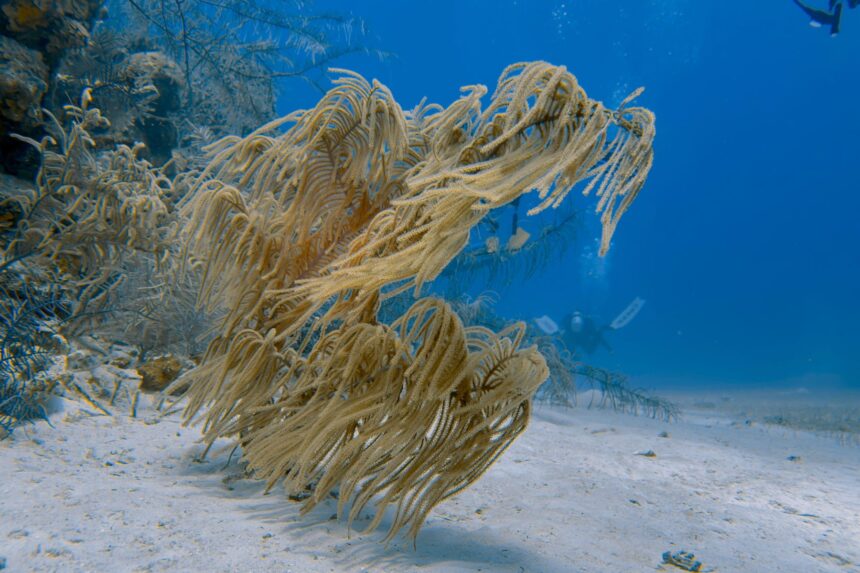
Hol Chan’s calm conditions are good for aspiring photographers who want beautiful subjects and great light. Among the fan corals and sea plumes, it’s common to see dense schools of snappers and groupers. Often eagle rays, turtles, and nurse sharks pass through the area as well. Stay aware of boat traffic and currents, and let the guide set the route through the channel.
Highlights:
- Protected marine reserve with dense fish life
- Shallow reef and channel diving
- Excellent option for newer divers
Type: Reef, channel
Skill level: Beginner
Access: Boat
Shark Ray Alley

Shark Ray Alley, a shallow seagrass site, lies just south of Hol Chan. Many snorkeling trips visit this spot, as well as divers on their surface intervals. Historically, fishermen cleaned their catch here before returning to the mainland, attracting nurse sharks and southern stingrays. Today it is one of Belize’s most recognizable marine encounters, with clear, shallow water and animals that often approach boats quickly.
Things to See:
The main attraction is, of course, the close encounter with nurse sharks and rays. Fish such as jacks gather around the action, and the shallow depth makes the scene bright, warm, and easy to observe. The encounter can feel intense because the animals come close, so keep your hands to yourself, avoid crowding the rays, and choose operators that follow responsible wildlife practices.
Highlights:
- Close nurse shark and stingray encounters
- Very shallow and snorkel-friendly
- Easy add-on to a Hol Chan trip
Type: Shallow sand flat
Skill level: Snorkelling, beginner
Access: Boat
Turneffe Atoll

Turneffe is Belize’s largest atoll and one of the country’s most varied dive areas. Rather than a single site, it is a large marine-protected system of mangrove islands, lagoons, coral gardens, and deeper drop-offs. Dive-wise, there are resorts on Turneffe Atoll, you can join day boats from Ambergris Caye, or visit via liveaboard. Conditions range from calm, shallow reefs to more-exposed wall dives, so there is something for everyone.
Things to See:
The atoll’s mangroves feed a productive reef system where loggerhead turtles, Caribbean reef sharks, eagle rays, and Caribbean reef life are common.Turneffe’s topography offers coral canyons, swim-throughs, and walls decorated with barrel sponges and soft corals. Turneffe Atoll is a strong choice for divers who want multiple days of different profiles without repeating the same underwater scenery.
Highlights:
- Belize’s largest and most varied atoll
- Walls, coral gardens, and lagoons
- Good mix of beginner and advanced sites
Type: Atoll, reef, wall, drift, coral canyons
Skill level: Beginner to advanced
Access: Boat, resort boat, liveaboard
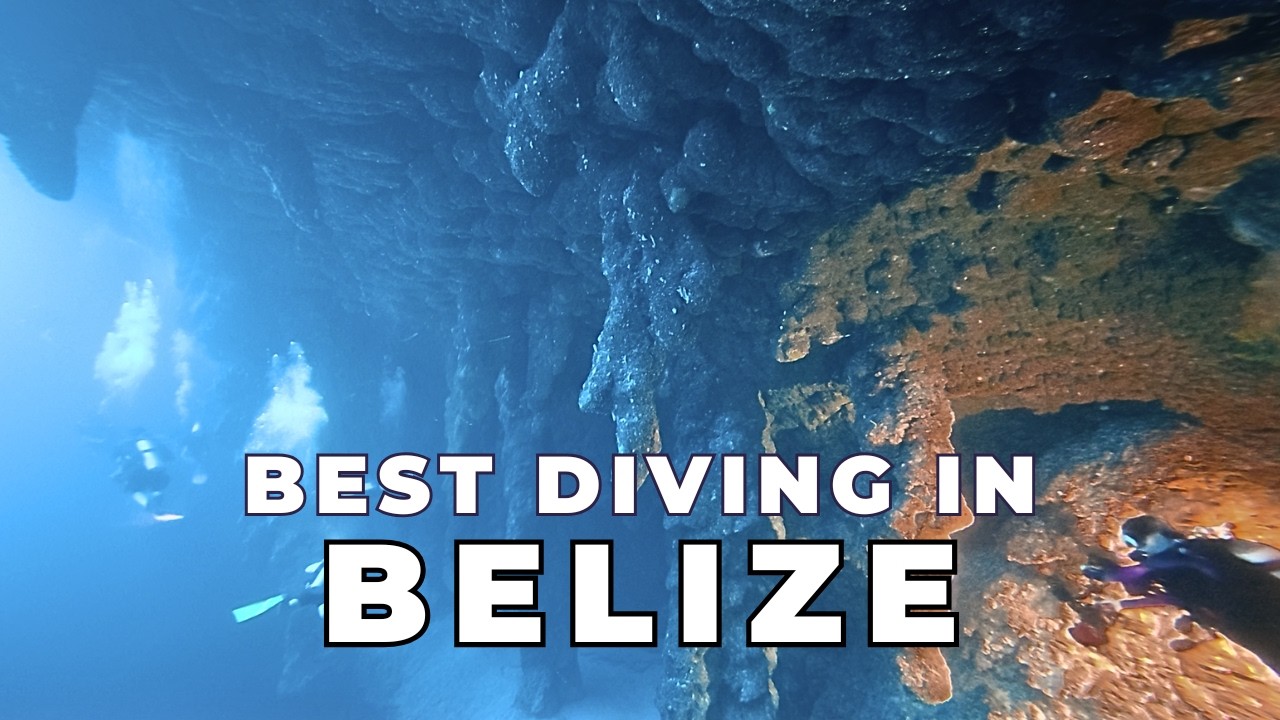
The Great Blue Hole

The Great Blue Hole is Belize’s crown jewel and one of the most famous underwater sinkholes in the world. It lies on Lighthouse Reef Atoll, far offshore, and day trips often involve a long boat ride unless you are staying closer to the atoll or traveling by liveaboard. The dive is all about geology and scale rather than reef fish density. Divers descend to 100-130 feet (30-40 m) along its vertical wall toward its submerged stalactites.
Things to See:
Wildlife-wise there isn’t much to see at the Blue Hole, but its mysterious appeal comes from the sharp contrast between the surrounding turquoise reef and the cavernous hole itself. Reef sharks sometimes gather near the rim, but inside the Blue Hole the main event is the ancient cave structure.
A truly unique experience allows divers to weave around massive stalactite columns with the hole’s opening above like a second sky. This is a controlled deep dive, so stay close to the guide, monitor depth and gas, and avoid treating it like a casual reef dive.
Highlights:
- World-famous marine sinkhole
- Huge stalactites and dramatic geology
- Bucket-list where recreational divers can experience a cave-like system
Type: Sinkhole, deep dive, topography
Skill level: Advanced
Access: Boat or liveaboard
Half Moon Caye

Another site on the Lighthouse Reef is Half Moon Caye, one of Belize’s most beautiful surface interval stops as well as a strong dive site. Boats often visit after the Great Blue Hole, giving divers a chance to move from deep sinkhole geology to a bright reef wall. The dive commonly starts in shallower coral gardens before reaching the wall, with good visibility and plenty of light in the upper sections.
Things to See:
Expect angelfish, butterflyfish, wrasse, and reef fish packed around hard and soft coral structures. Hawksbill turtles and blacktip reef sharks may appear along the wall, as well as larger Caribbean reef sharks and eagle rays off in the blue. Be sure to bring your binoculars for the surface interval as Half Moon Caye is one of the Western Hemisphere’s largest nesting colonies of the red-footed booby.
Highlights:
- Classic reef wall dive
- Beautiful coral, sponges, and garden eels
- Excellent surface interval on Half Moon Caye
Type: Reef wall, coral garden
Skill level: Intermediate
Access: Boat or liveaboard
South Water Caye Marine Reserve
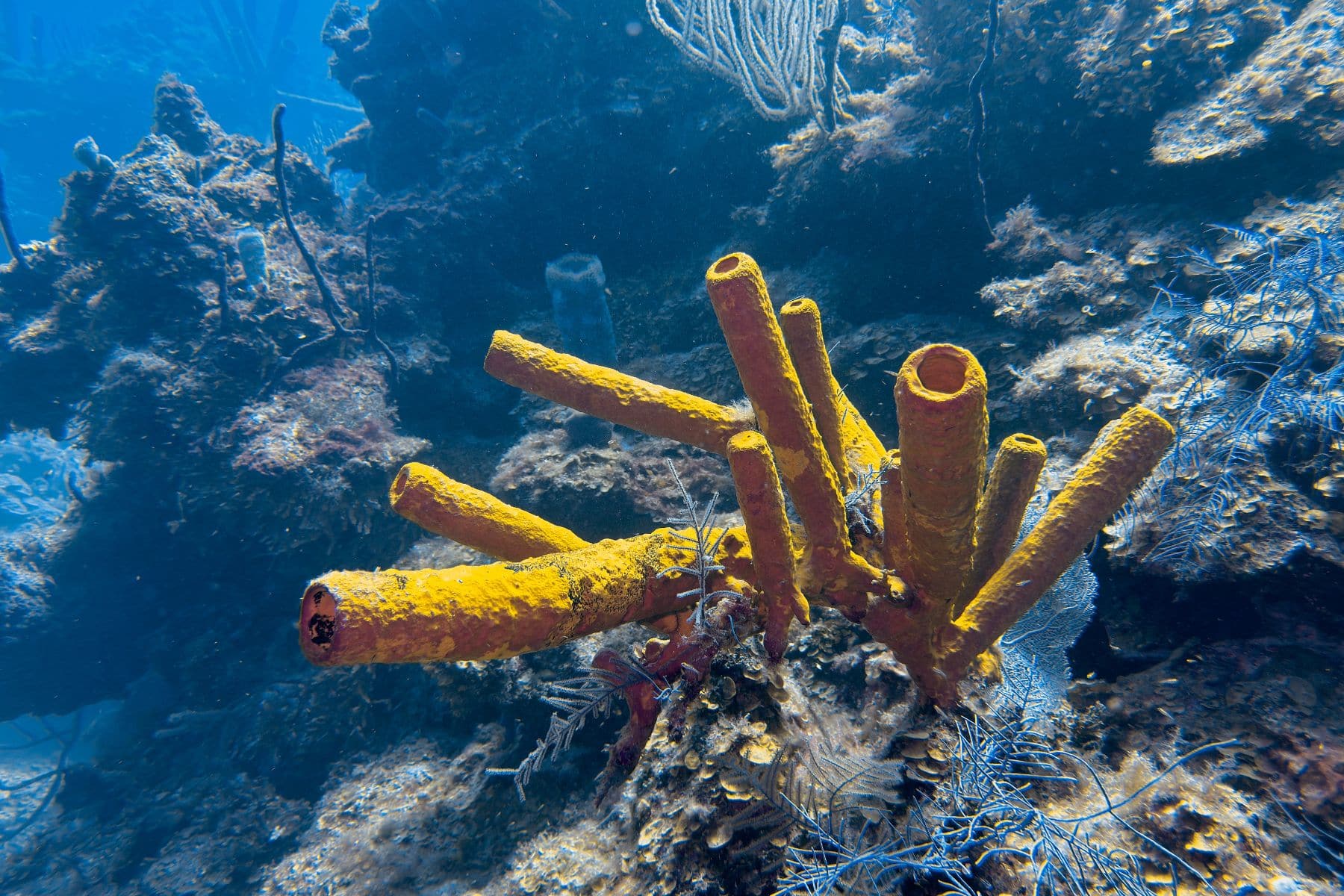
South Water Caye Marine Reserve protects a long section of Belize’s central barrier reef, with access from areas such as Dangriga, Hopkins, and nearby cayes. The reserve includes reef walls, spur-and-groove formations, seagrass, and mangroves. It is a good choice for divers who want beautiful reef diving without traveling all the way to the far offshore atolls.
Things to See:
On the reef look for nudibranchs, crustaceans, and reef fish, with rays, barracuda, turtles, and sharks moving along the outer walls. This mix of mega and macro marine life make it a popular site for liveaboards and photographers. Macro photographers can work the coral and sponge life, while wide-angle divers can watch the blue for pelagic movement.
Highlights:
- Large central barrier reef marine reserve
- Mix of megafauna and macro life
- Accessible from southern mainland bases
Type: Reef, wall, marine reserve
Skill level: Beginner to advanced
Access: Boat
Glover’s Atoll
Glover’s Atoll is one of Belize’s three offshore atolls and one of the more-remote dive areas in the country. The marine reserve surrounds a lagoon filled with patch reefs and pinnacles, while the outer rim drops into deep ocean water. Divers usually visit via liveaboard, resort day boat, or longer transfers from the mainland. Their reward is clear water, few crowds, and a strong sense of wild diving, far from the mainland.
Things to See:
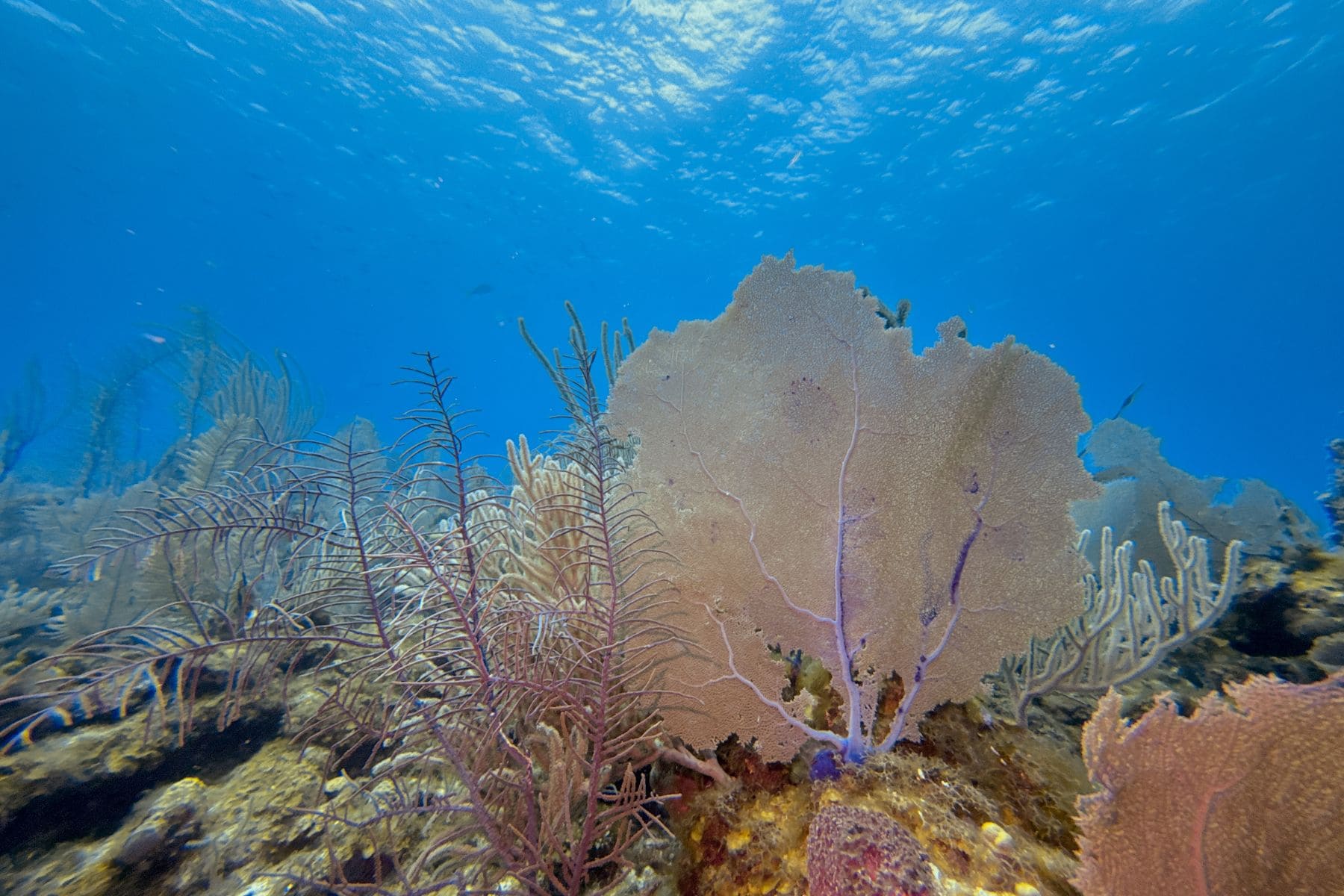
The atoll is known for its healthy reef structure of gorgorian sea fans, tube sponges, staghorn coral, and abundant reef fish. Eagle rays, turtles, blacktip reef sharks, and occasionally dolphins may appear in the blue. With hundreds of patch reefs inside the lagoon and extensive wall dives around the rim, Glover’s suits divers who want variety, isolation, and long views across clear water.
Highlights:
- Remote atoll with excellent visibility
- Great variety for photographers
- Strong potential for rays, turtles, and sharks
Type: Atoll, reef, wall, lagoon pinnacles
Skill level: Beginner to advanced
Access: Boat, resort boat, liveaboard
Gladden Spit
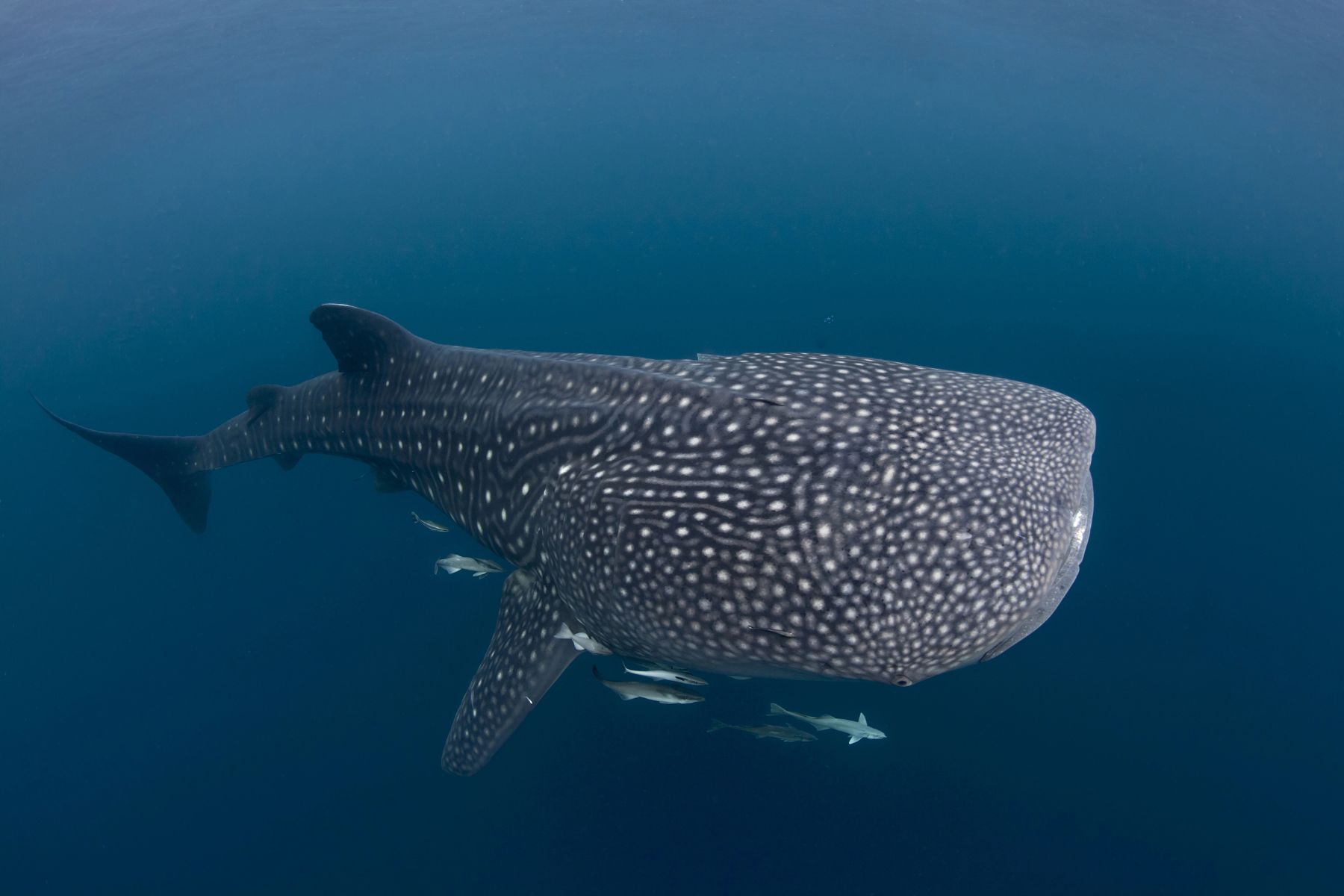
Gladden Spit lies off Placencia in southern Belize, inside the Gladden Spit and Silk Cayes Marine Reserve. It is best known for seasonal whale shark sightings, specifically linked to fish spawning events around full moons in spring. Conditions can involve blue-water swimming, current, and deeper profiles, so it is better suited to divers with some experience and comfort away from the reef.
Things to See:
The site is a spawning area for snapper and other reef fish, which can create dramatic clouds of life in the water column. Whale sharks are the famous draw, though sightings are never guaranteed. Divers may also see reef sharks, rays, schooling fish, and healthy southern reef life around the reserve. Go with realistic expectations: the marine reserve is worthwhile even when the biggest fish in the sea does turn up.
Highlights:
- Famous for whale sharks
- Fish spawning events around full-moon periods
- Best reached from Placencia
Type: Blue-water
Skill level: Intermediate to advanced
Access: Boat
About Belize
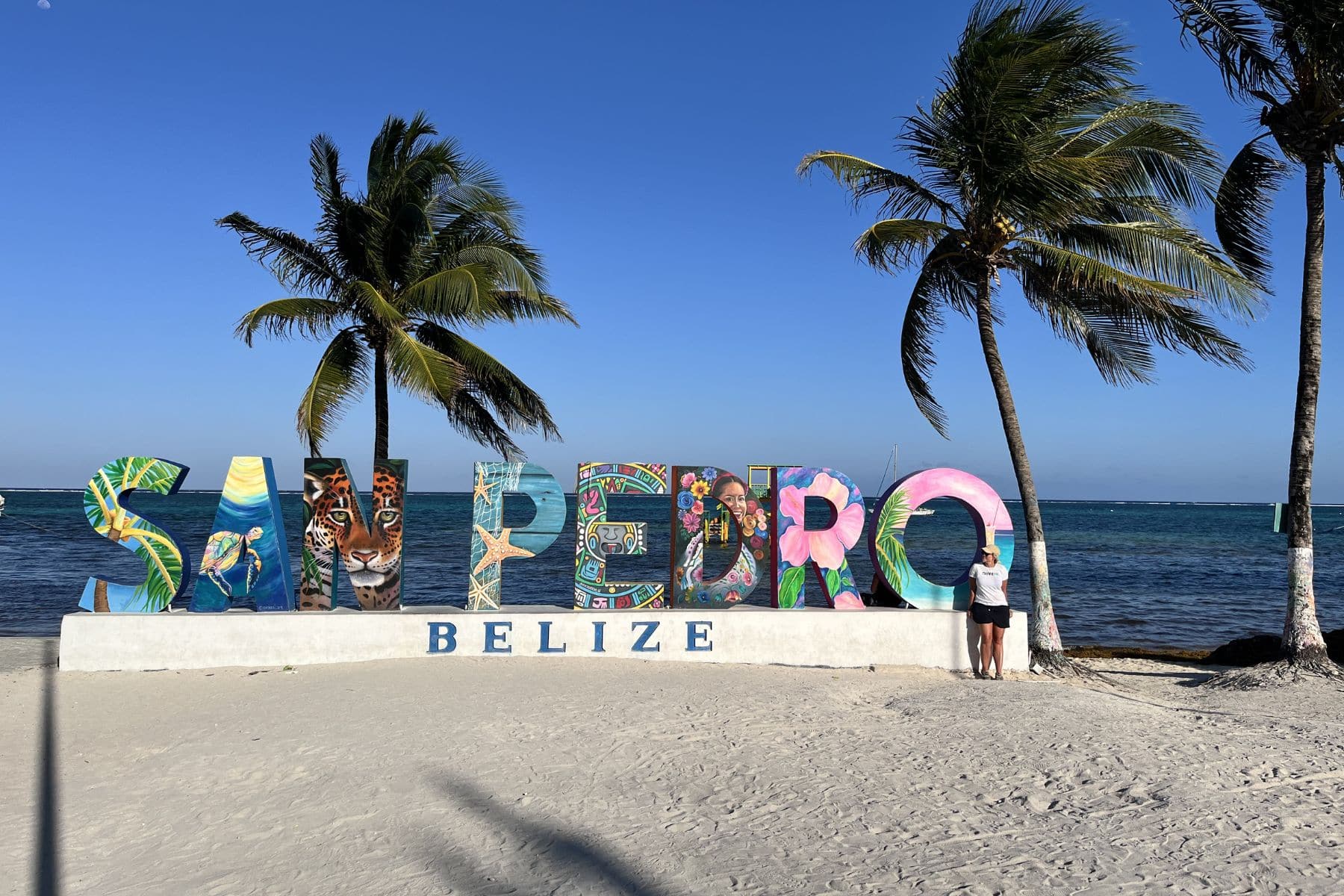
Belize is a small Central American country with a Caribbean coastline, hundreds of cayes, and a relaxed island culture. For divers, the main decision is where to base yourself. Close to Belize City are Ambergris Caye and Caye Caulker, which are convenient for northern reef sites and day trips to the atolls. Hopkins, Dangriga, and Placencia are better for central and southern reef diving. Costs vary widely, from simple guesthouses and casual beach bars to private island resorts and liveaboards.
Belize diving is predominantly boat-based, and many of the best sites are inside marine reserves with park fees and guide rules. Remote atolls and southern sites will involve longer crossings, so liveaboards are the best option.
The dry season from roughly November to April is the most popular time to visit, with calmer weather and easier travel conditions. The wet season can still offer good diving, but storms, wind, and runoff can affect plans. Water temperatures are generally warm, with a 3 mm wetsuit useful for repetitive dives. Away from diving, Belize is ideal for snorkeling, sportfishing, birdwatching, jungle trekking and Maya archaeological sites.
 Take a moment to look at this.



I am interested in learning to scuba dive. Is it possible to learn and then dive on a 5 day trip
Hi Ken,
Yes, most PADI or SSI dive centers will teach you on 4 days. Check out our guide on Scuba Certification to learn more: https://www.divein.com/articles/scuba-certification/
what days do you go to turneffe atoll?