





Women’s scuba wetsuits vary significantly in fit and performance, and not all models deliver the same warmth, flexibility, or comfort once you are in the water. Differences in torso length, shoulder width, and hip design can have a major impact on seal, mobility, and insulation, and the wrong fit often leads to cold flushing, restricted movement, or discomfort during a dive.
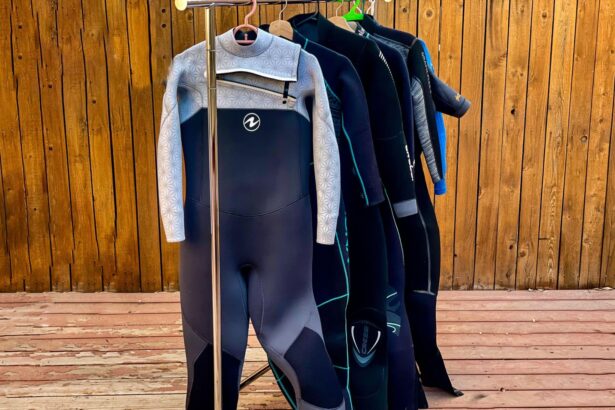
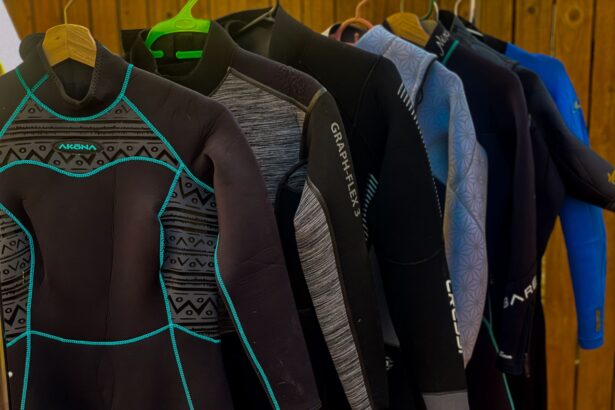
At DIVEIN, our team tested 12 women’s wetsuits across both warm and cold water conditions. Each suit was evaluated using consistent criteria, including fit across a range of body types, thermal performance at depth, ease of donning and doffing, seal quality at the wrists and ankles, and durability after repeated use. Based on this hands-on testing, we selected the best women’s wetsuits for 2026 to help you find the right fit and performance for your diving conditions.
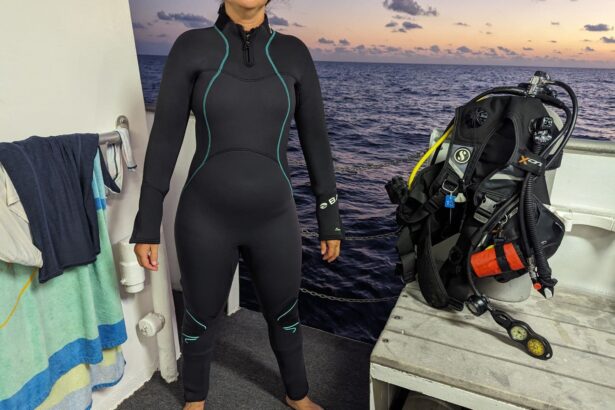
Cressi Bahia Flex
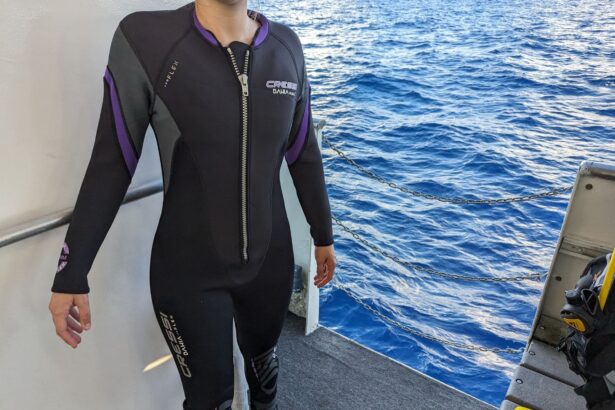
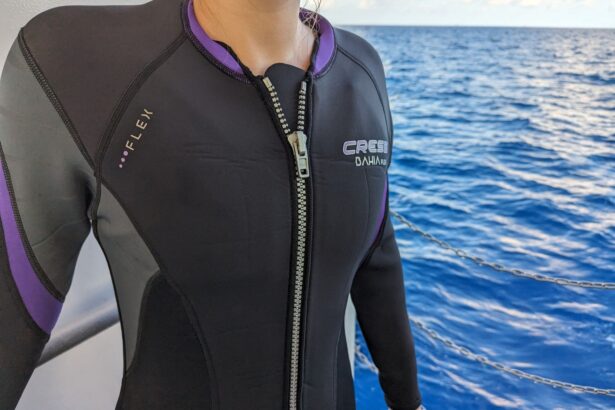
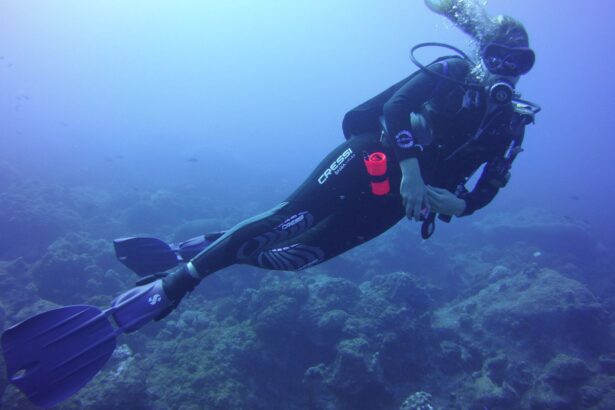
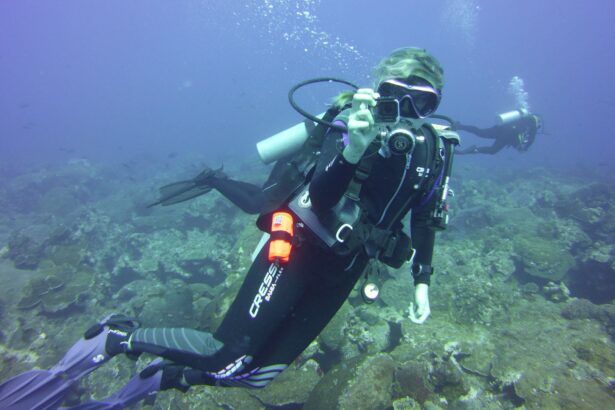
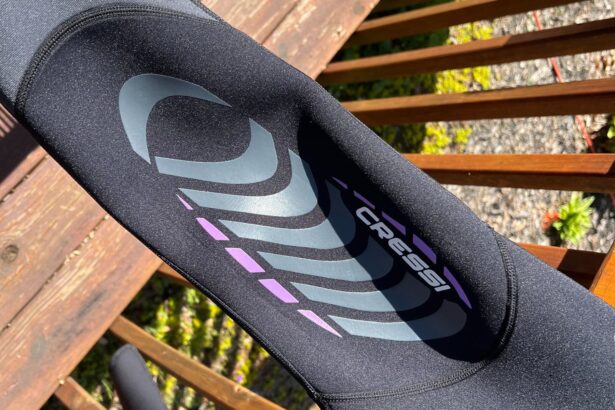
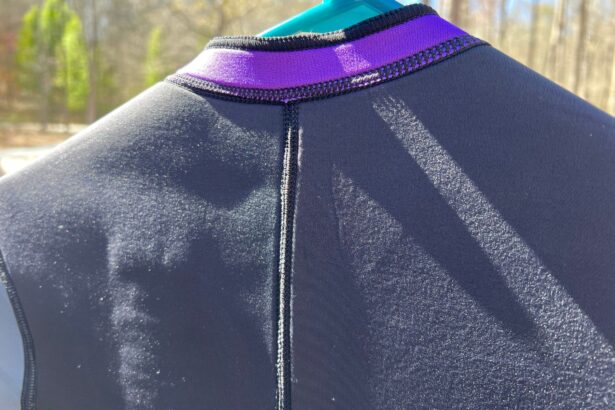
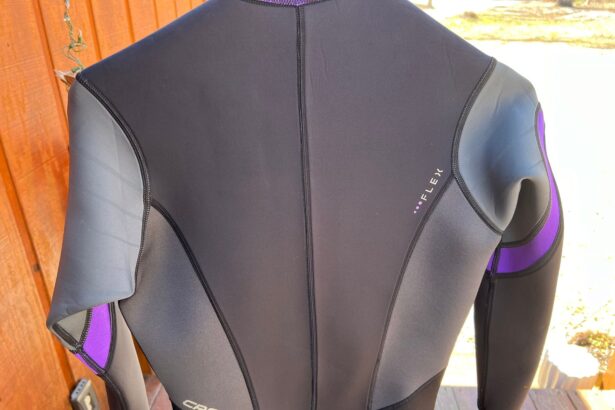
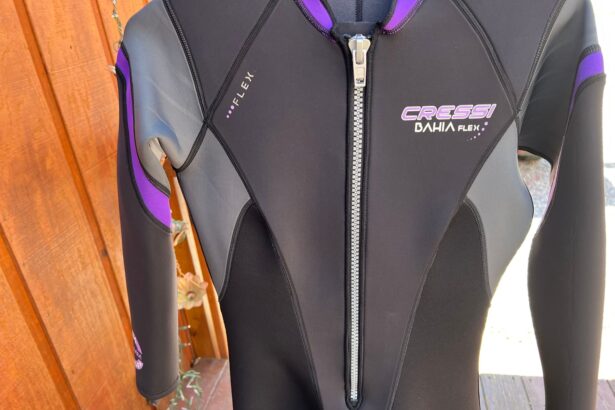


Cressi Bahia Flex Wetsuit review
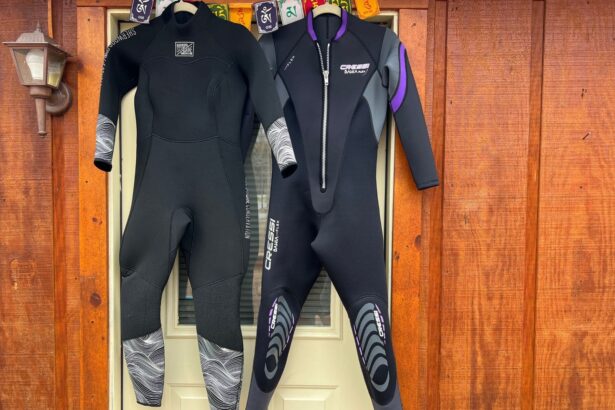
The Cressi Bahia Flex 3/2 mm is a reasonably-priced, comfortable women’s wetsuit for warm-water diving or other water activities. Designed to provide flexibility and a fit like a second skin, the Bahia Flex offers a great fit for a variety of body shapes and sizes.
Some of DIVEIN’s favorite features include the front-zipper and comfort of the Cressi Bahia Flex wetsuit—this stylish suit may just be our new go-to.
Akona
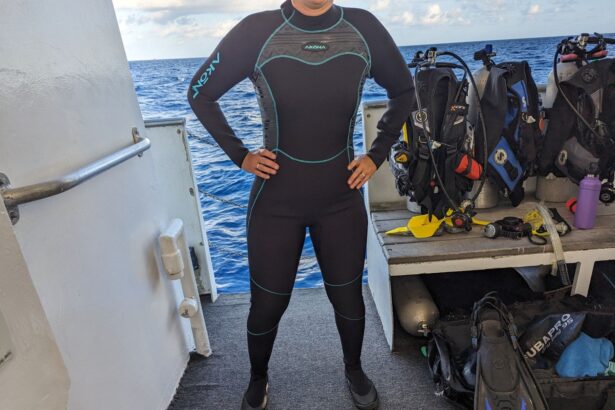
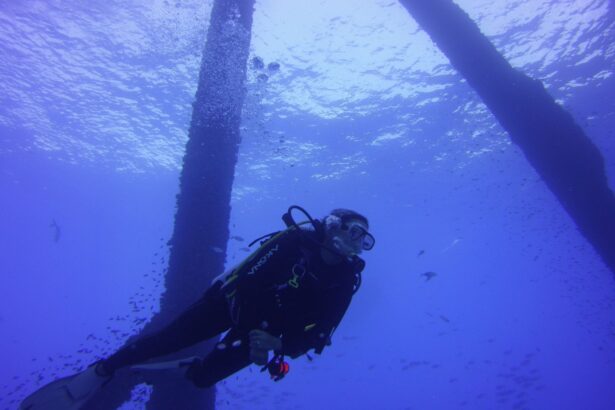
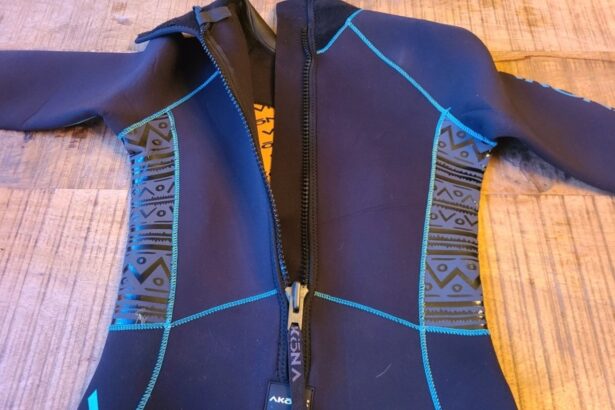
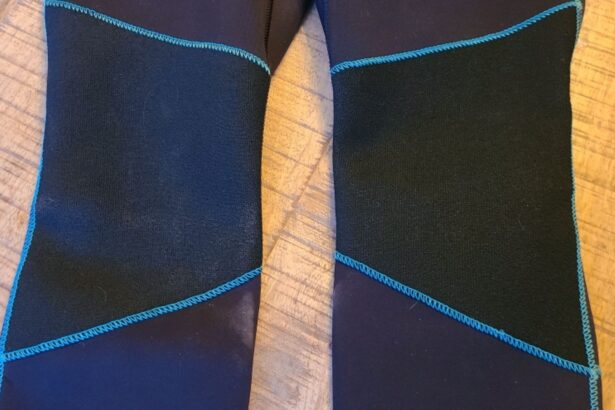
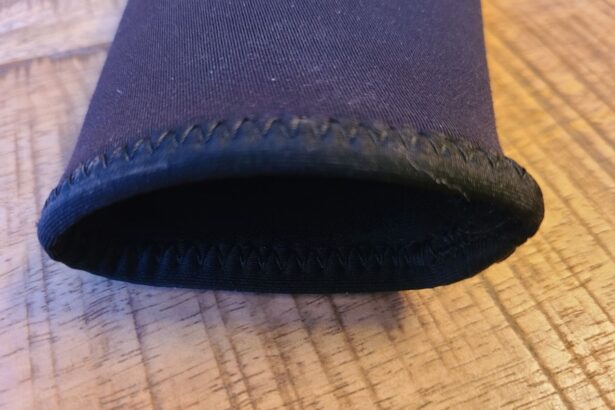


Akona Womens Wetsuit review
Designed to fit women of all shapes and sizes, the Akona Women’s Classic back-zip wetsuit is one of the most comfortable wetsuits on the market. This wetsuit is made of non-petroleum-based neoprene, which makes it both environmentally friendly and increases stretch.
DIVEIN’s favorite feature on the Akona Classic is the four-way stretch of the wetsuit, making it extremely comfortable and an excellent choice for women of all shapes and sizes.
ScubaPro Everflex Yulex Dive Steamer
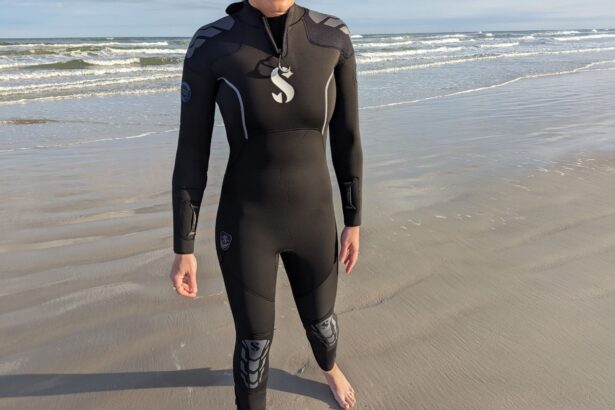
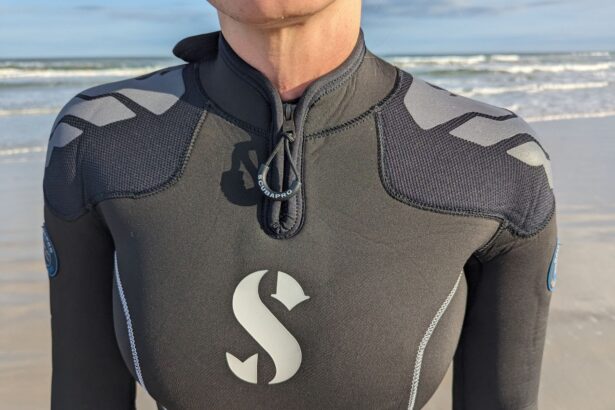
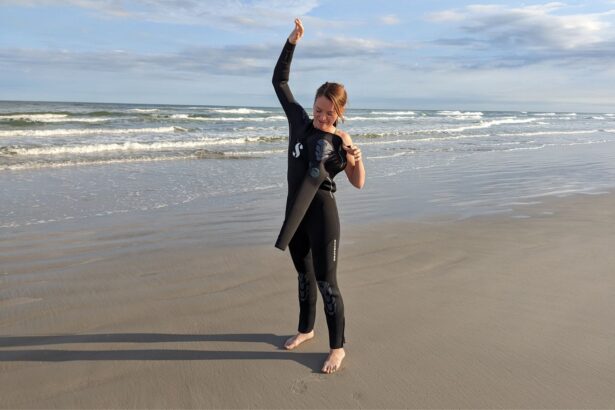
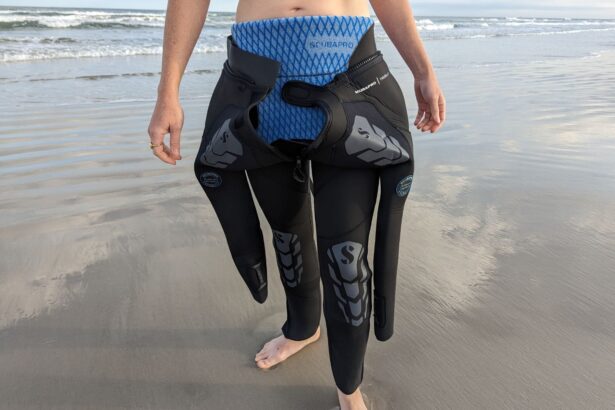
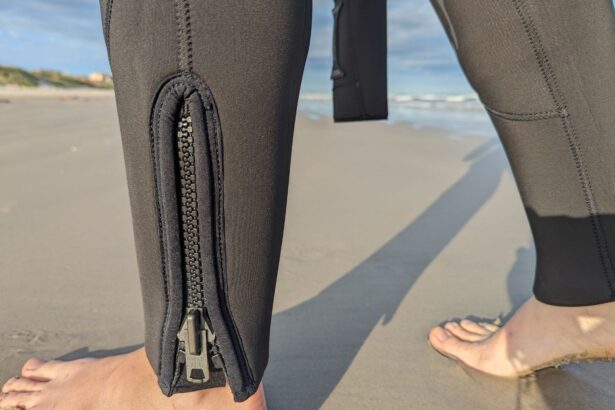
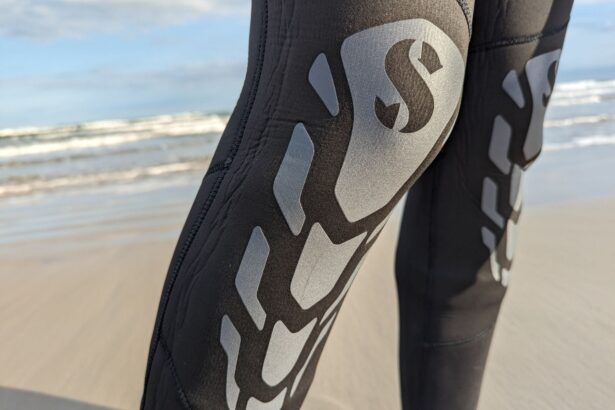
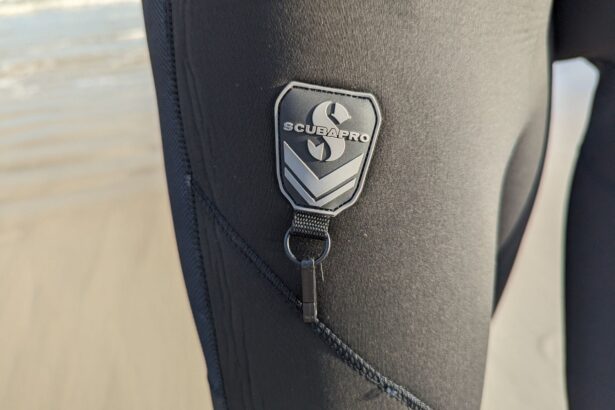
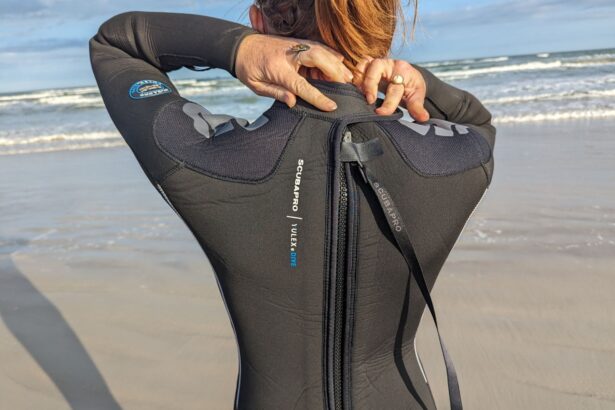
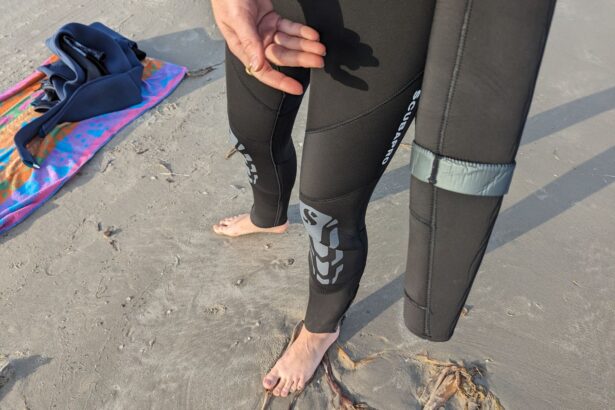
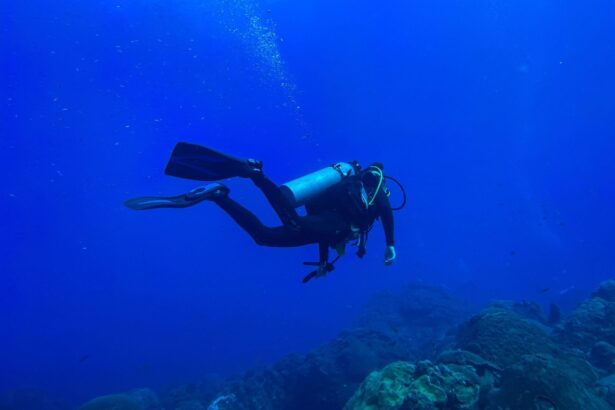


ScubaPro Everflex Yulex Dive Steamer Womens Wetsuit review
The ScubaPro Everflex Yulex Dive Steamer is an investment piece designed to last throughout your diving career. This wetsuit provides unmatched durability, a sleek style, and guaranteed warmth. Plus, this wetsuit is made from a plant-based rubber foam, which is better for people and for the environment than neoprene—a win-win.
Some of our favorite features include the variety of thicknesses and sizes available, the inner fleece lining, and the durability of this wetsuit.
Akona Tropic
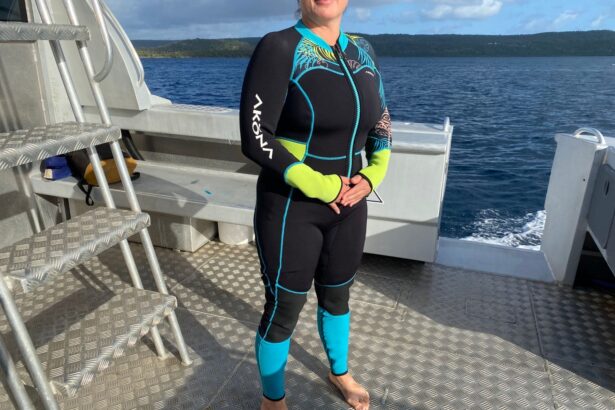
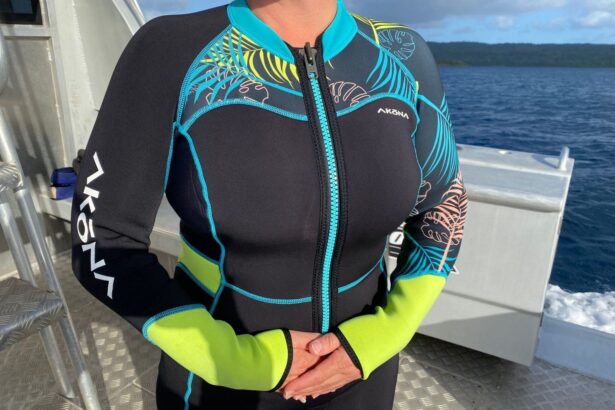


Akona Tropic Womens Wetsuit review
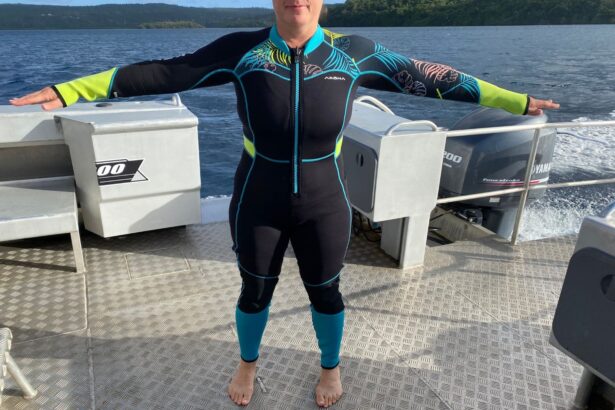
Form follows function in the bold-yet-sturdy Akona Tropic women’s wetsuit. This fun 3/2 mm front-zip suit is the ideal travel companion for warm-water adventures or a week on a tropical liveaboard. Colorful tropical foliage imprinted across the shoulders and arms, plus neon color blocks on the sleeves and legs ensure that you’ll stand out both topside and underwater.
Bottom line, this suit is not only fun to wear, it’s also durable and offers just the right amount of exposure protection for warm-water divers who are tired of basic black.
BARE Nixie Ultra
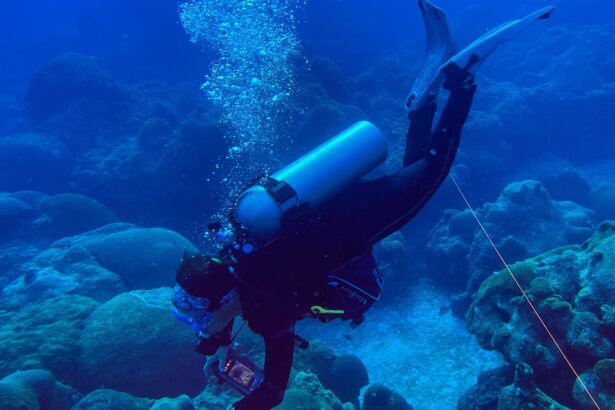
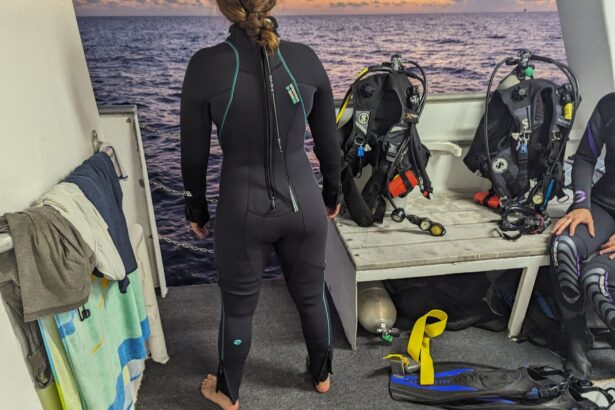
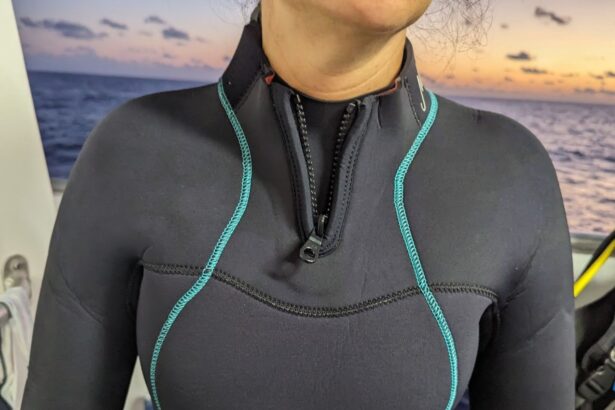


BARE Nixie Ultra Womens Wetsuit review
The BARE Nixie Ultra 5 mm wetsuit is a top-quality option for divers who want to stay cozy in cooler waters. This suit features OMNIRED infrared technology, which uses 13 minerals to transform your body heat into warming infrared rays.
It also has full-stretch neoprene panels that adapt to your body shape and movement, plus a variety of added features for extra watertight seals, durability, and performance that the BARE brand is known for. The Nixie Ultra 5 mm suit combines the best in wetsuit technology for warmth and comfort to make your dives more enjoyable.
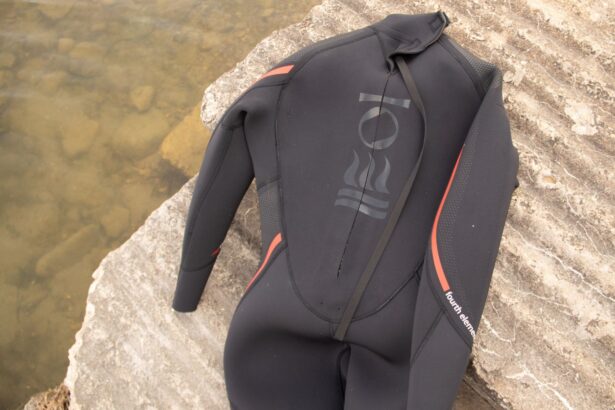
Fourth Element Proteus II


Where to buy
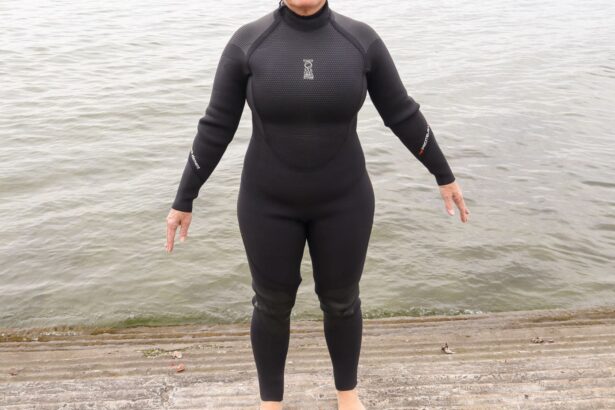
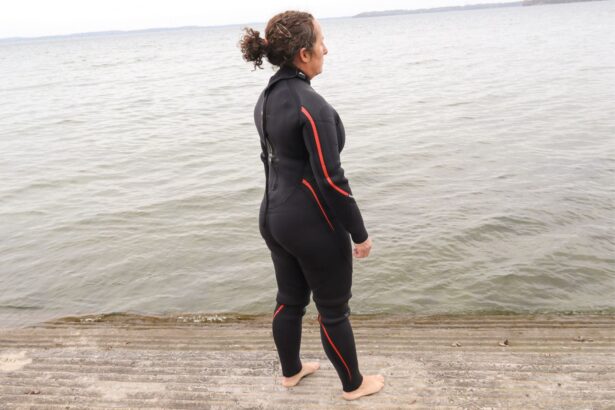
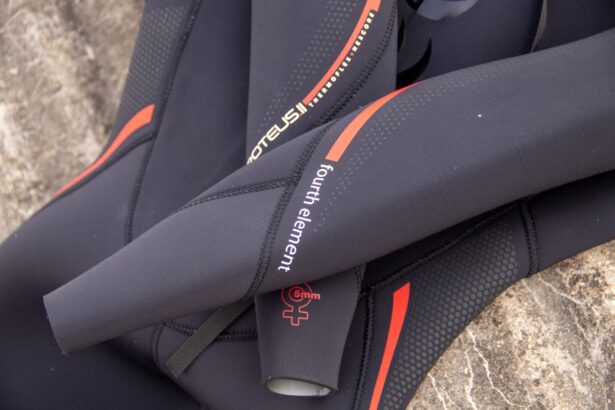
Fourth Element Proteus II Womens Wetsuit review
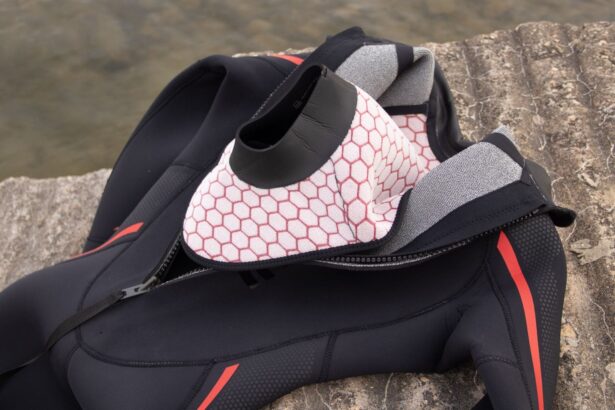
One of the warmest wetsuits on the market, the Fourth Element Proteus II will not let you down in chilly water. This 5 mm suit features a super-cozy—albeit somewhat constricting—Hydrolock inner neck seal and Glideskin wrist seals, which work together to keep water ingress to a minimum.
Fourth Element is known for eco-friendly bona fides, and the Proteus II fits right into this ethos. The suit uses a limestone-based neoprene with “Eco Carbon Black,” which in turn uses scrap rubber from tires.
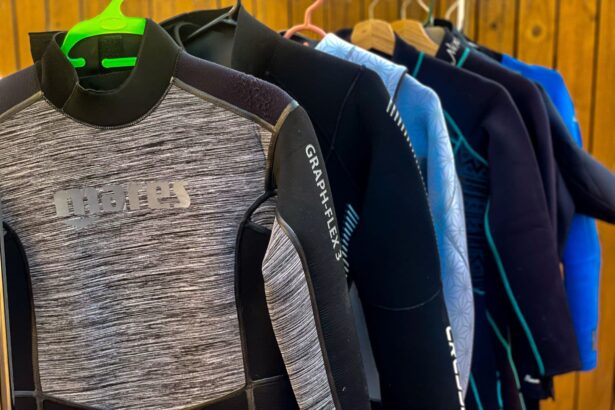
Mares Graph-Flex
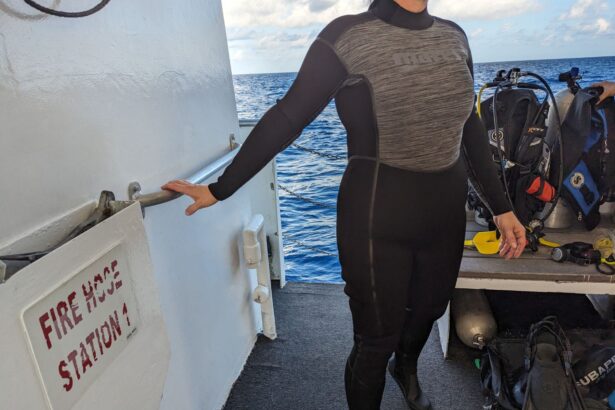
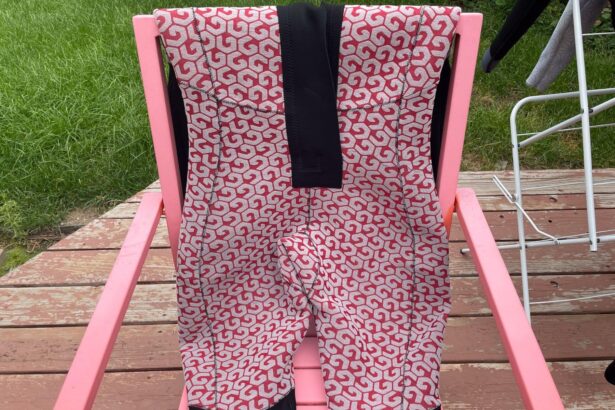
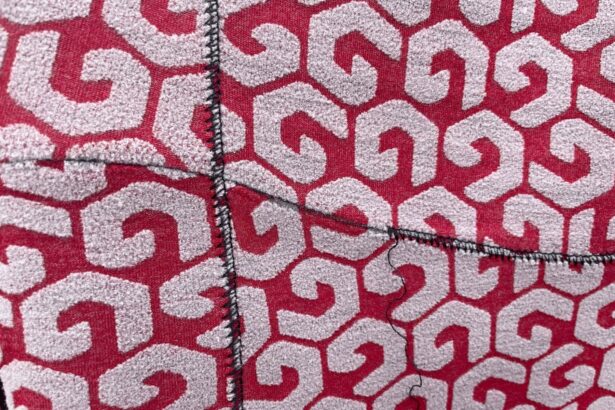
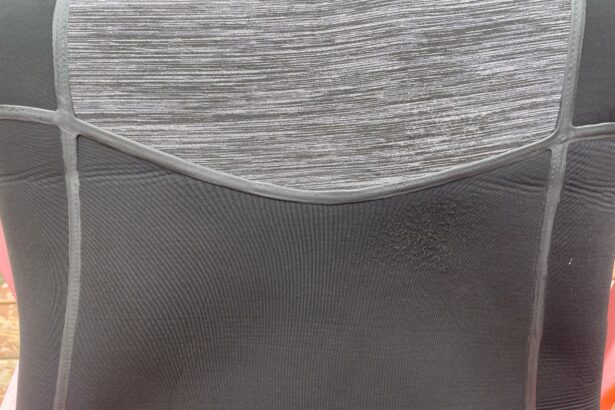
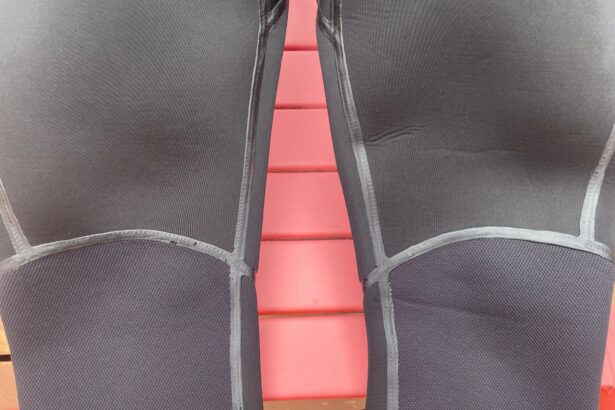


Mares Graph-Flex Womens Wetsuit review
The Mares Graph-Flex is described by the company as one of the warmest wetsuits on the market. With graphene fibers woven into the inner layers, wearers can expect stretch and warmth while diving. This suit is best for divers who get cold easily during dives. However, while overall comfortable in and out of the water, the velcro around the neck does rub if not perfectly aligned.
Our favorite feature of the Mares Graph-Flex is the unique graphene material, which both traps and reflects heat.
Aqualung HydroFlex
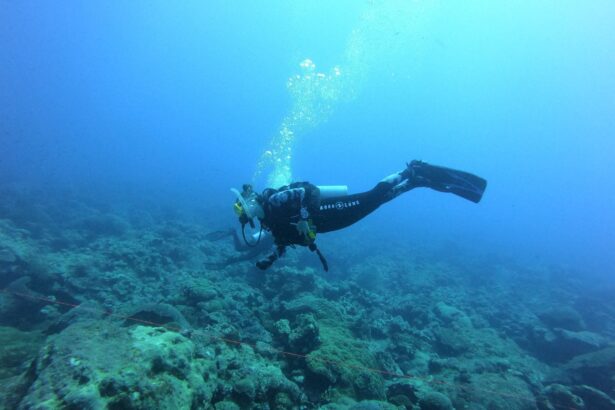
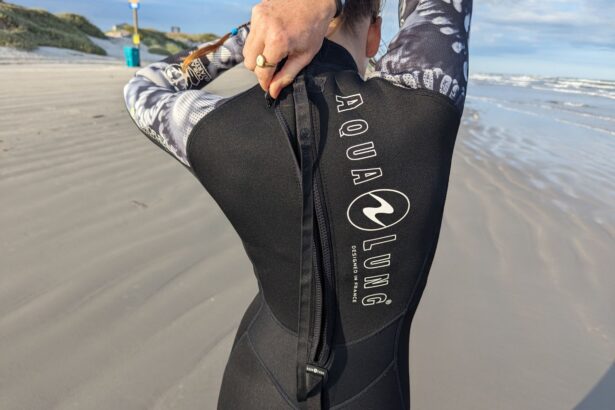
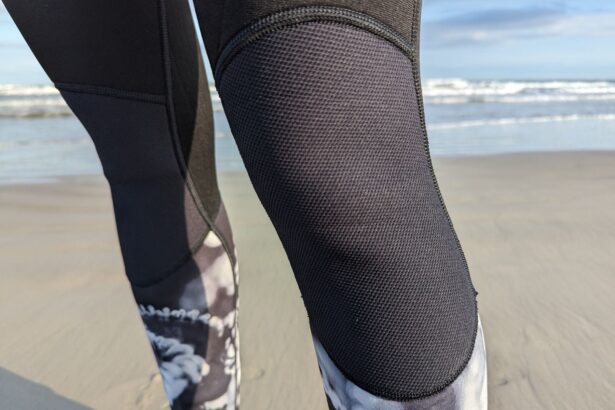
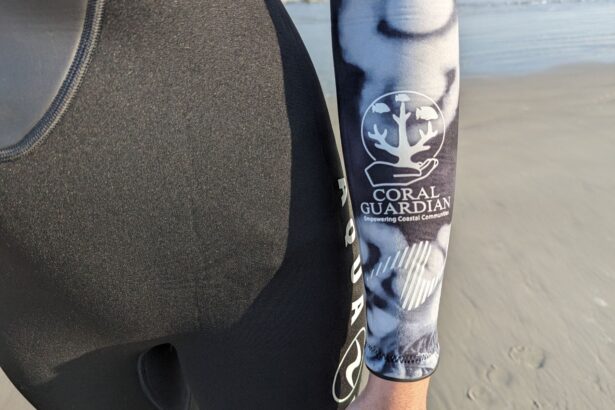


Aqualung HydroFlex Womens Wetsuit review
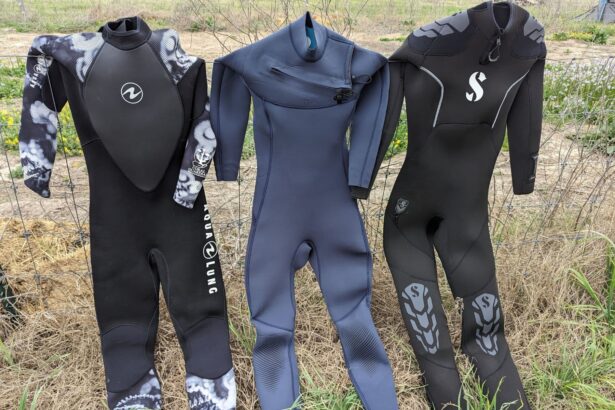
With exceptional comfort, incredible stretch, and mobility on another level, the Aqualung HydroFlex is an excellent everyday suit. Made with 3 mm super-stretch, petroleum-free neoprene that offers 250% more stretch than standard materials, Aqualung has delivered high-quality performance. They have also formed partnerships to support coral reef conservation, and the HydroFlex comes with a striking pattern of macro coral printed on the arms and legs.
Sherwood Scuba Marine Conservation
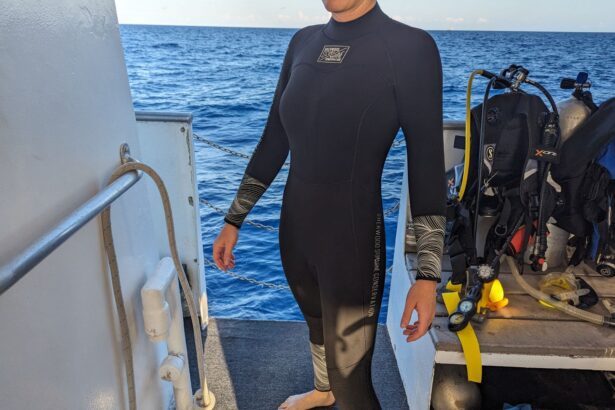
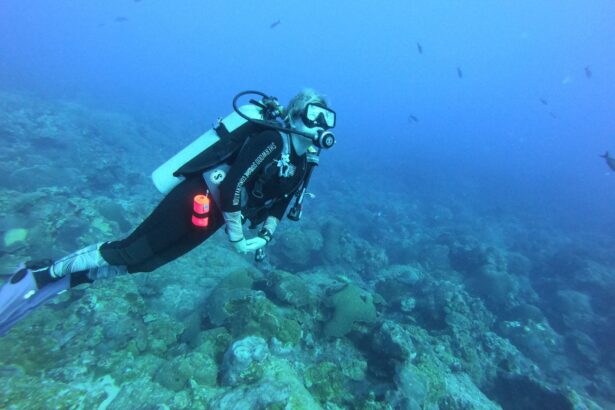
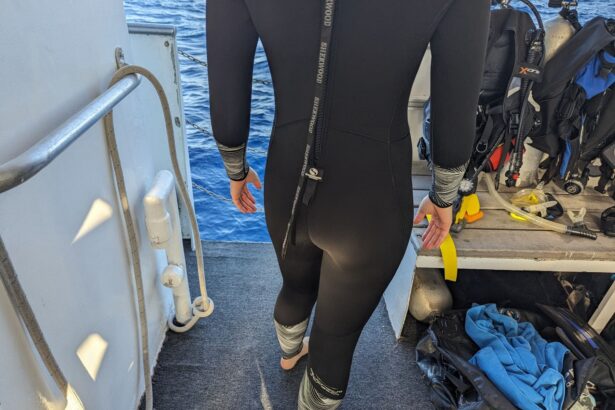
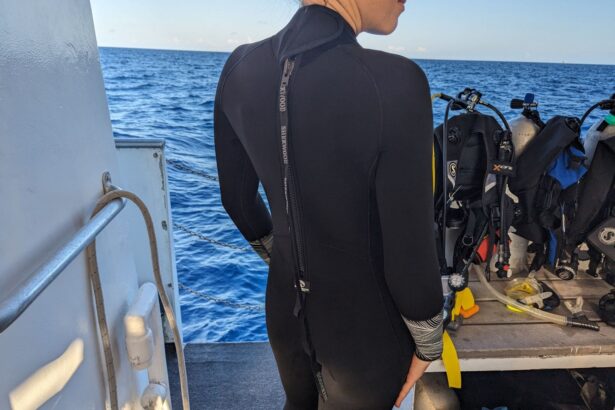
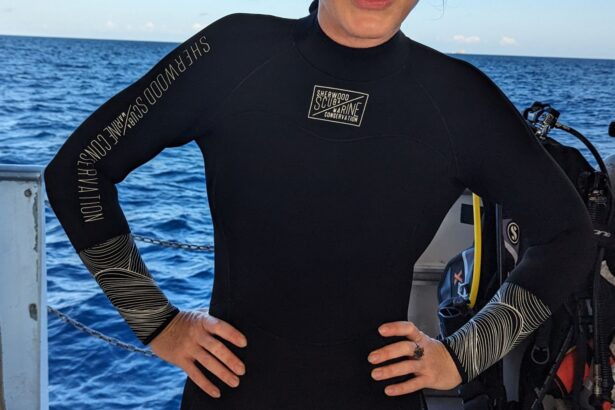


Sherwood Scuba Marine Conservation Womens Wetsuit review
The Sherwood Scuba Marine Conservation women’s wetsuit is a versatile suit for diving in different seasons that also makes a statement of commitment to protecting the ocean and its life.
Its name reflects a mission to raise awareness and funds for various marine conservation and research initiatives led by non-profit organizations around the globe, a good focus for any diver wanting to see vibrant coral reefs into the future.
This 5 mm wetsuit is also made of Quantum Stretch neoprene, which offers a snug and comfortable fit, and has a simple back-zip design for easy wearing and removal.
Aqualung XSCAPE
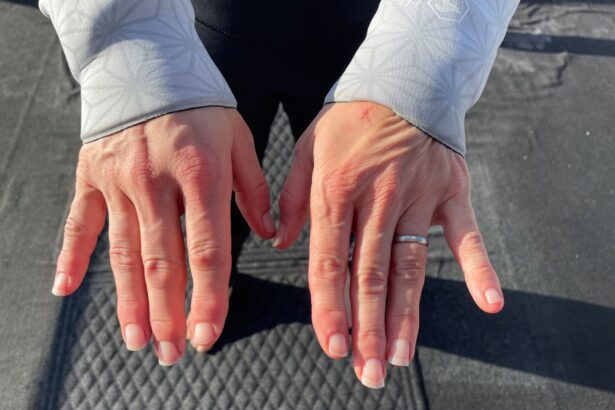
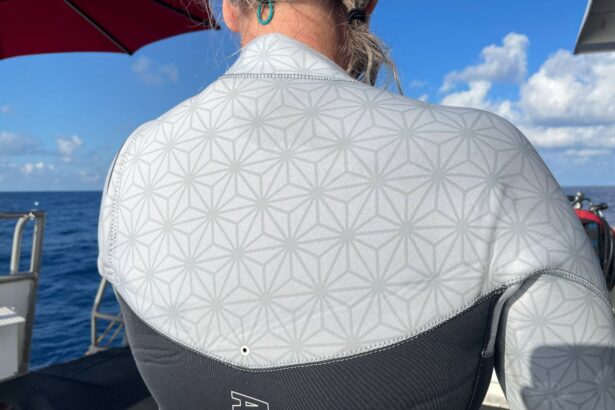
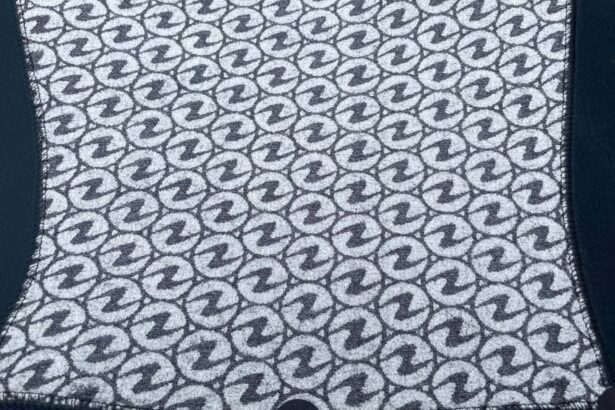


Where to buy
Aqualung XSCAPE Womens Wetsuit review
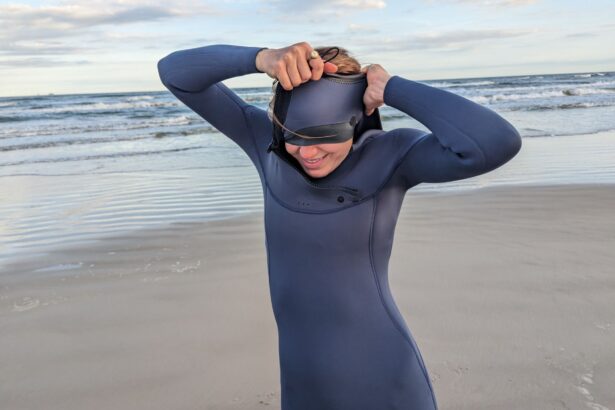
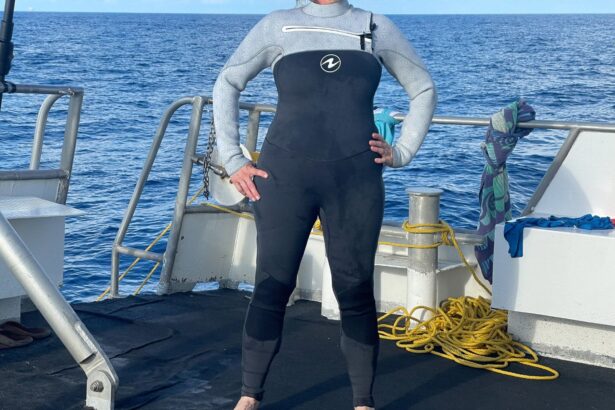
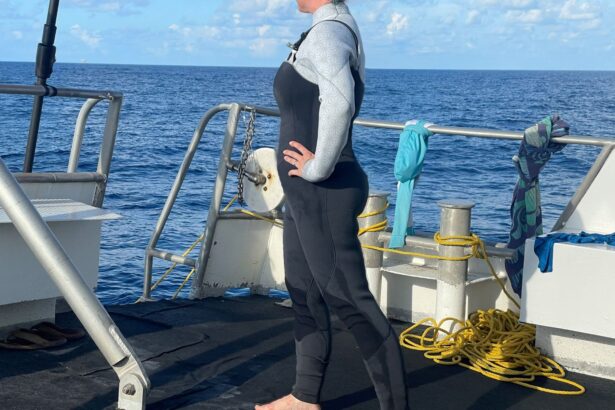
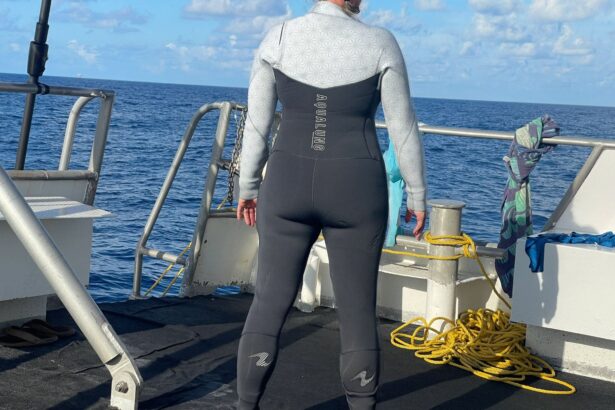
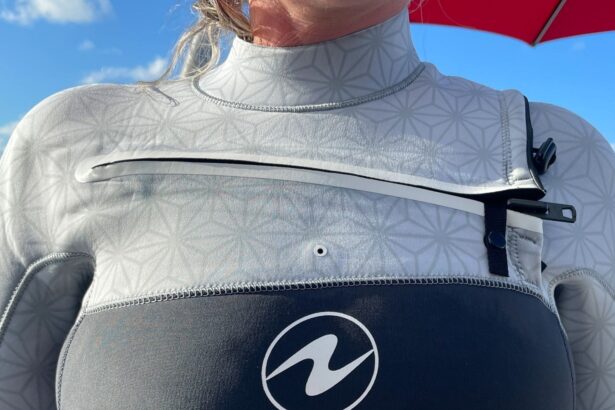
The Aqualung XSCAPE is simply a really beautiful, sleek wetsuit. It’s extremely flexible and comfortable when on—though donning and doffing the suit does take some help, thanks to the unique surf-style chest zip.
The fabric liner is made of Yulex, which is in turn made of recycled plastic bottles, thereby promoting sustainability. This suit is best for shore dives and for divers without stiff shoulders, as it can be difficult to get over the shoulders and through the neck entry point.
Some of DIVEIN’s favorite features include the surf-like style of the suit and the flexible material.
Fourth Element Surface
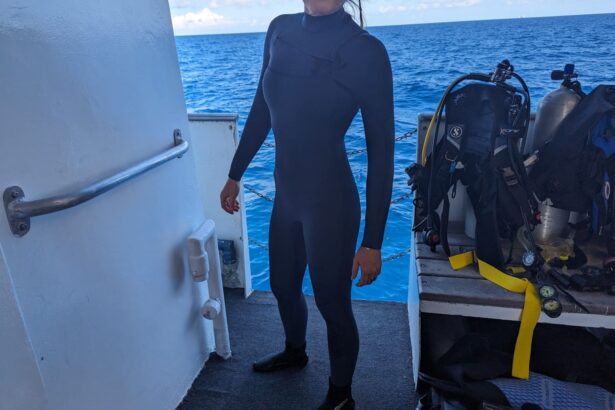


Where to buy
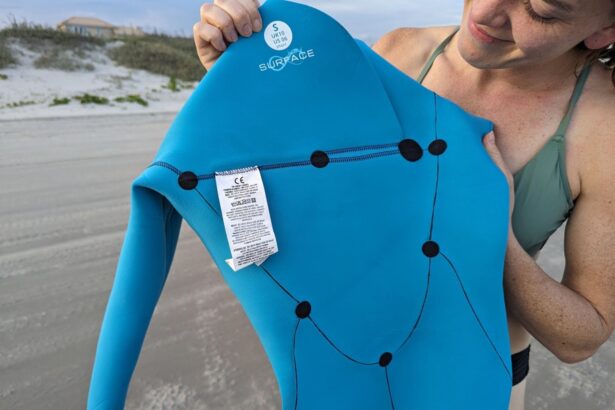
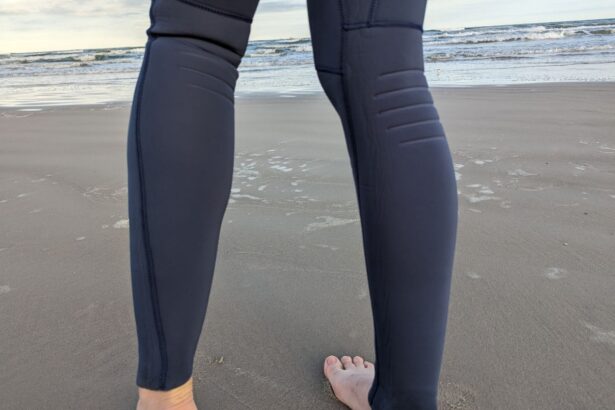
Fourth Element Surface Womens Wetsuit review
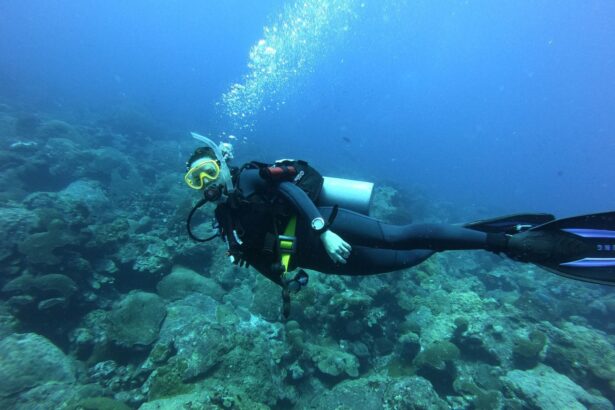
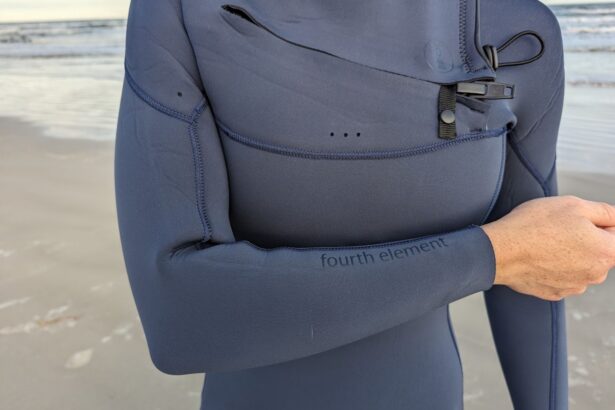
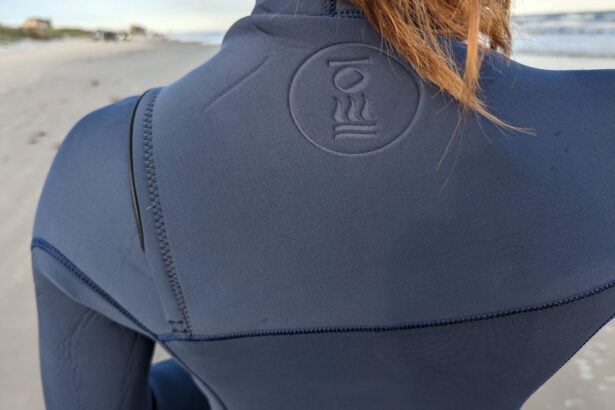
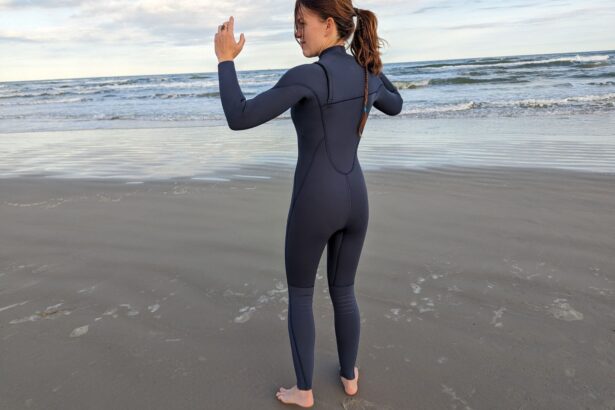
Designed for a full range of water sports, the Fourth Element Surface women’s wetsuit delivers sleek and snug mobility, including when fully immersed and scuba diving at depth.
The chest zip may require some extra effort to put on and take off, but it is worth it for the cozy and watertight fit if you’re not going to be in and out of your suit all day. The Surface suit also offers a stylish look in a beautiful, deep-ocean blue and is made with an “Ocean Positive” approach, using eco-friendly materials such as Yulex Pure sustainable rubber, recycled lining, and water-based glues and inks.
Cressi Otterflex


Where to buy
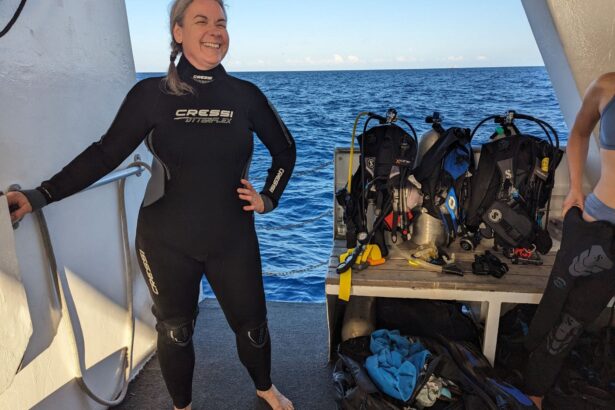
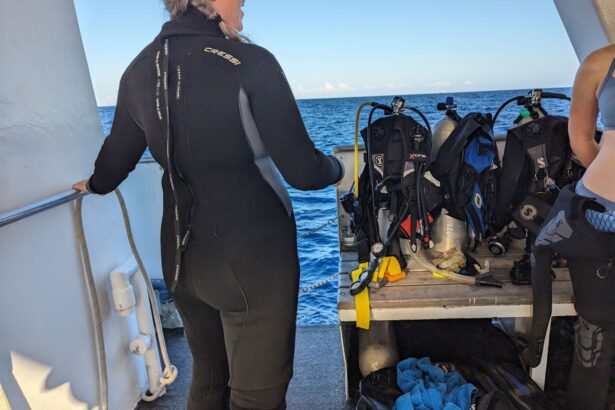
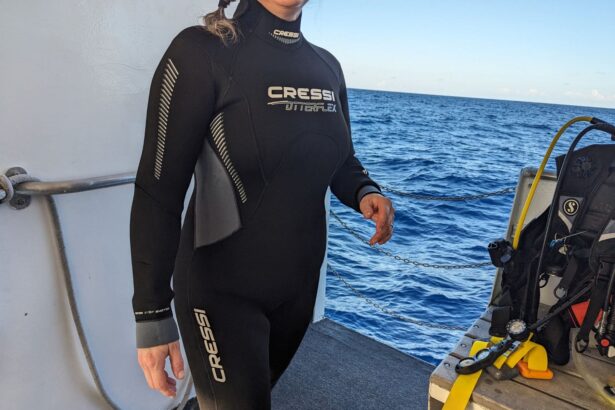
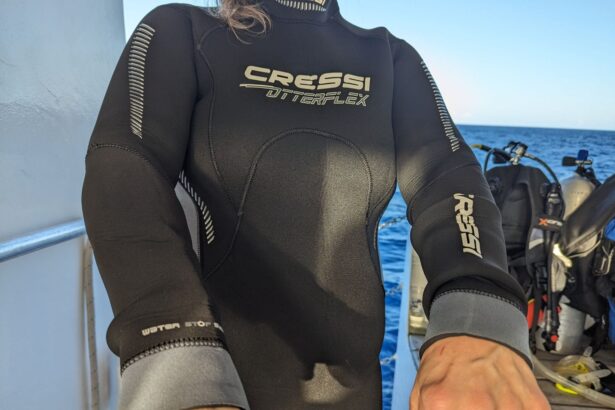
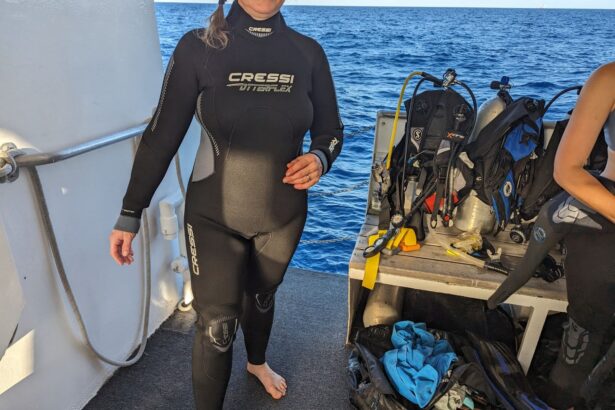
Cressi Otterflex Womens Wetsuit review
The Cressi Otterflex 5mm wetsuit is a comfortable multi-season option that offers snug protection from the elements in the ways that count – warmth and water-tight seals.
Cressi’s “water-stop system” enhances the suit’s seal at entry points, ensuring that a warm layer of water is maintained close to your skin by effectively reducing environmental exchange. Coupled with durable, double-lined 5 mm neoprene construction, the Otterflex promises a comfort level that meets the essential expectations of divers across the board.


Best Women’s Wetsuits Buyer’s Guide
Wetsuit comfort can make or break a dive—correct sizing, thickness, and overall material can make a huge difference in what makes a wetsuit the right fit for an individual diver. As women, a correct fit means more than choosing a size off the rack. We need to ensure that a wetsuit can accommodate our curves while also making us feel confident both in and out of the water. Here’s what to consider as a female diver while looking for a new wetsuit:
What makes a wetsuit “for women?”
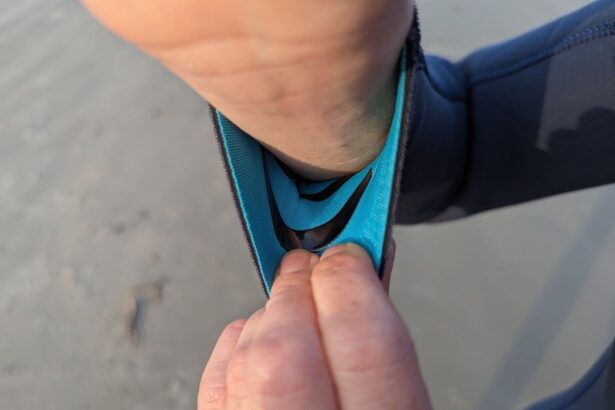
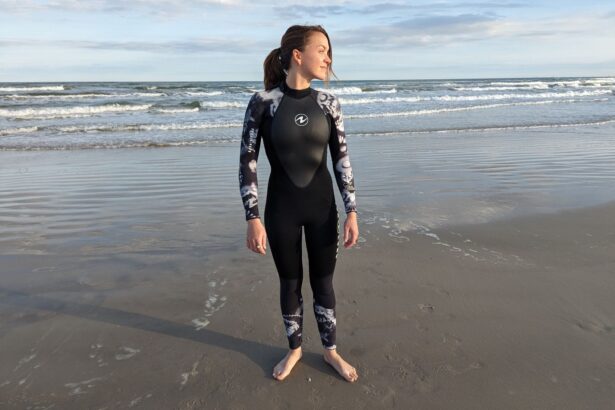
Women are shaped differently than men. We have curves and those, at times, can make it challenging to wear a skin-tight piece of clothing. Women’s wetsuits typically have an anatomical cut, which accounts for hips and a chest. These suits provide more room in these areas, which also ensures that the areas around the ankles and wrists are snug enough to prevent water from entering.
Women’s suits also have seams and patterns that accentuate an hourglass figure. These help women feel more confident while wearing a wetsuit by highlighting the curves that make us special.

Choose a thickness
Choosing the appropriate wetsuit thickness depends on two main factors: first, the water temperature that you plan to dive in and second, how easily you get cold on a dive. While the first factor is key in choosing the correct gear for your dive, the second factor is just as important for your comfort.
While some divers only need a 3 mm wetsuit in more tropical waters, you may prefer a 5 mm if you chill easily during longer dives or are on a liveaboard, for example, where you may be in and out of the water all day.
The thickness of a wetsuit is always measured in millimeters (mm). Warm-water suits range from 1.5 mm to 4 mm thick. Temperate-water wetsuits range from 4 mm to 6 mm, and cold-water wetsuits are generally 7 mm or thicker. Some suits come in two parts, such as farmer John overalls and a long-sleeved jacket, which means you’ll have a double layer of neoprene over your core.
Choose a material
Wetsuits are typically made of neoprene. However, manufacturers are moving more toward environmentally-friendly materials, including recycled materials and water-based glues. The key things to look for in wetsuit material are thickness and flexibility.
Flexibility is a key for range of movement, overall comfort, and ease of putting on and taking off. Look for wetsuits that are described as having flexible or stretchy materials, as those will be the ones that provide the most comfort.

Choose the right fit
Let’s be honest—women’s sizing is comically inconsistent and the same is true for wetsuits, unfortunately. When deciding which size to order, it is always best to look at the manufacturer’s size chart. However, even then, it can be difficult to choose the right size.
Sticking points—quite literally—for women are typically in the hips and chest. When deciding on the best size, it is usually best to start with the measurements on the widest part of your body. However, you want to make sure that there is still a snug fit around the neck, ankles, and wrists so that water does not leak in.
Wetsuits should fit snugly on your body. If it’s too loose you’ll get cold fast, but if it’s too tight, you’ll feel like a piece of shrink-wrapped sausage and suffer from restricted movement.
A note on that last point: Many people think their wetsuit is way too tight but forget that it will loosen up when it’s in the water. Also, keep in mind that many manufacturers combine thicker neoprene on the torso with thinner neoprene in key areas. This provides more flexibility in a suit.
Also note that in this guide, we’ve only covered full-length wetsuits ranging from 3 mm to 7 mm, not shorties, skins, or semi-dry suits. Shorties or skins are best for very warm water, and a semi-dry suit, which lets in only a little water that then warms to your body temperature, are best for very cold water.
Choose a style
While most wetsuits feature back-zips, there are many different styles and placements for zippers on wetsuits. Front-zip, back-zip, and no-zipper wetsuits are three common designs you may encounter while shopping. Each style has its pros and cons, and ultimately, it is up to personal preference. Here is a breakdown of each:
Front-zip wetsuits
Front-zip wetsuits like the Akona Tropic or Cressi Bahia Flex feature a zipper closure running down the chest. Front-zip wetsuits are favored for their ease of entry and exit, as the zipper placement allows for a wider opening, making it simpler to put on and take off the suit.
Divers may prefer this design if they are prone to topside sea sickness, need to go to the bathroom frequently, or feel claustrophobic if there is tightness around the neck. However, depending on the wetsuit, some users find that having the zipper in the front can cause some discomfort as they bend forward, or may experience some gapping. These suits also will not be quite as warm as a back-zip suit, thanks to the lack of neck seal.

Back-zip wetsuits
The zipper runs along the back on these traditional wetsuits, which are the most common style found in scuba diving. Examples include the BARE Nixie and Mares Graph-Flex. They provide better sealing around the neck, minimizing water entry, and are generally easier to adjust for a snug fit.
However, the zipper placement at the back can sometimes make it challenging to reach and it has the potential to catch hair for those divers with longer locks. These suits are also harder to get into and out of quickly if you’ll be in and out of the water all day.
Top-entry wetsuits
Top-entry wetsuits are also known as chest-zip wetsuits, and they offer an alternative design to traditional front-zip and back-zip styles. These wetsuits feature a diagonal or horizontal zipper across the chest area, such as the Aqualung XSCAPE and Fourth Element Surface.
They provide a secure closure while allowing for increased flexibility and range of motion compared to other wetsuit designs. One of the main advantages of top-entry wetsuits is their superior sealing capability, which minimizes water entry and enhances warmth retention.
The absence of a zipper along the back reduces the likelihood of flushing, where water enters through the zipper, thus maintaining insulation in cold waters. Additionally, the streamlined design of chest-zip wetsuits reduces bulkiness and offers a more comfortable fit, particularly around the neck.
However, some users may find top-entry wetsuits slightly more challenging to put on and take off compared to front-zip designs, as the zipper placement may require more flexibility and maneuvering.
Women’s Wetsuits FAQs
Wetsuit thickness depends on water temperature and how easily you get cold. In warm water above 82F (28C), a 1–3 mm wetsuit or shorty is usually enough. For moderate conditions between 68–77F (20–25C), a 3–5 mm wetsuit is the most common choice. In cold water below 60F (15C), most divers use a 5–7 mm wetsuit or switch to a drysuit. Many women prefer slightly thicker wetsuits for added warmth and comfort on longer dives.
A women’s wetsuit is designed for female body proportions, with more room in the hips and chest, a narrower waist, and a shorter torso. This creates a closer fit that reduces water flushing and improves warmth. Unisex wetsuits are typically based on men’s sizing, which can lead to gaps or pressure points. A properly fitted women’s wetsuit is usually warmer, more comfortable, and easier to move in.
A women’s wetsuit should fit snugly like a second skin without restricting breathing or movement. There should be no loose areas around the lower back, shoulders, or behind the knees, as gaps allow cold water to circulate. The suit may feel tight when dry but will loosen slightly in the water. A proper fit is essential for warmth, since wetsuits rely on a thin layer of water that your body heats.
Both front-zip and back-zip wetsuits are suitable for scuba diving. Back-zip wetsuits are more common and easier to put on, making them a popular choice for beginners. Front-zip wetsuits often provide a better seal and more flexibility across the shoulders, which can improve comfort and reduce water entry. The best option depends on fit, comfort, and how easy the suit is for you to get on and off.
You can use a surfing wetsuit for scuba diving, but it is not ideal. Surf wetsuits are designed for surface activity and flexibility, not for long dives at depth. They typically have fewer seals and less insulation, which can lead to faster heat loss. A scuba-specific wetsuit provides better warmth, durability, and protection for repeated dives.
To find the right women’s wetsuit size, use your height, weight, chest, waist, and hip measurements and compare them to the brand’s size chart. Sizing varies between manufacturers, so always check individual charts. A proper fit should be snug without restricting movement or breathing. If you are between sizes, choose based on your body shape and how the suit feels when worn.
The best women’s wetsuit for cold water is typically a 5–7 mm full suit with sealed seams, a snug collar, and tight wrist and ankle seals to limit water entry. Many divers add a hooded vest or separate hood for extra insulation. A well-fitted suit designed specifically for women will retain heat more effectively. In very cold conditions, a drysuit is often the better choice.
Rinse your wetsuit with fresh water after every dive to remove salt, sand, and chlorine. Use a wetsuit cleaner occasionally to prevent odors and maintain neoprene condition. Dry it inside out first, then finish drying the outside, keeping it out of direct sunlight. Store your wetsuit on a wide hanger in a cool, dry place to avoid creasing and extend its lifespan.
 Take a moment to look at this.


