


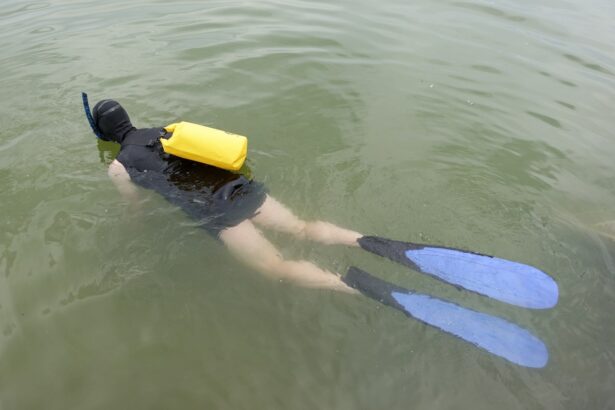
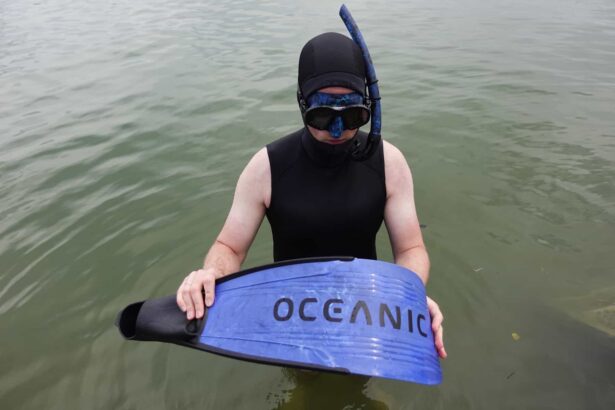
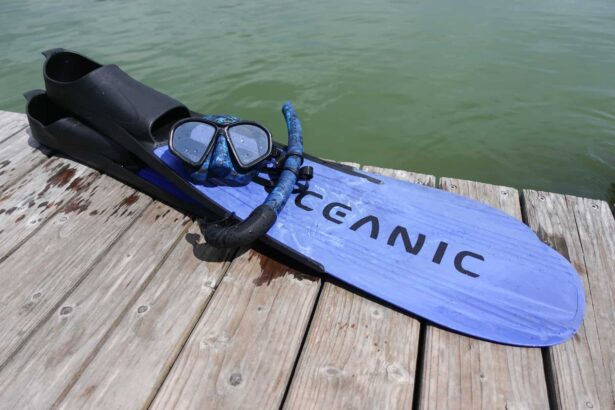


Freediving fins vary widely in real-world performance, and not all models deliver the same efficiency, power, or comfort in the water. Differences in blade materials, stiffness, and foot-pocket design can significantly impact energy transfer, kick efficiency, and fatigue, especially as you dive deeper or extend your bottom time.
At DIVEIN, our team has been reviewing dive gear since 2009 and tested 11 freediving fins across plastic, fiberglass, and carbon fiber builds in open-water conditions. Each pair was evaluated using consistent criteria, including blade response, foot pocket comfort, and energy efficiency across repeated dives. Based on this hands-on testing, we selected the best freediving fins for 2026, covering options for beginners, intermediate spearfishers, and advanced freedivers, along with a detailed buyer’s guide to help you choose the right setup.
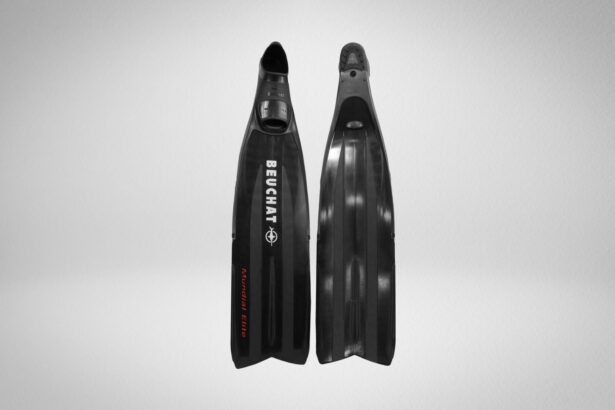
Beuchat Mundial Elite
Where to buy
Beuchat Mundial Elite Skindiving and Freediving Fin review
We’re starting this guide off strong with one of the best entry-level freediving fins out there to date, the Beuchat Mundial Elites.
These Beuchat Freedive Fins have a stiff full foot construction with concentrated but dynamic propulsion, making them ideal for larger or heavier beginners. These fins will appeal to all those looking to try out freediving, in full confidence that comfort and power will not be an issue.
The Beuchat Mundial Elites are one of the best entry-level freediving fins available today. To summarize, features such as the strong full foot design, the interchangeable, portable, and upgradeable medium stiffness blade, and the stabilizer blades for enhanced control make them great.
It’s a highly recommended pair of freediving fins for beginners who are heavier (170-200 lbs) or more athletic (ie. stronger). These fins will appeal to anybody interested in giving freediving a try since they will provide both comfort and power.
Oceanic Predator


Where to buy
Oceanic Predator Skindiving and Freediving Fin review
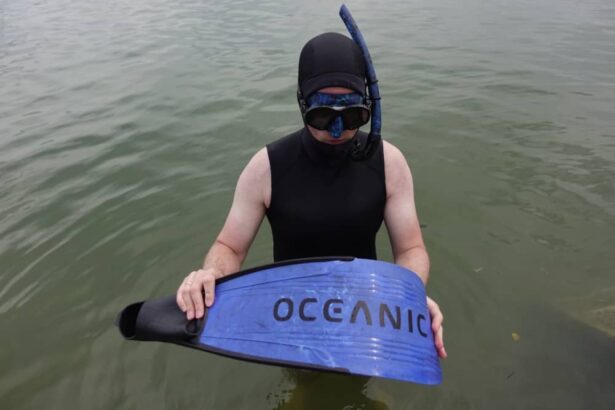
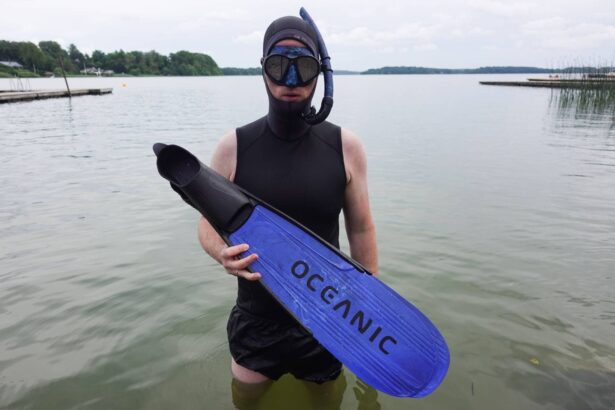
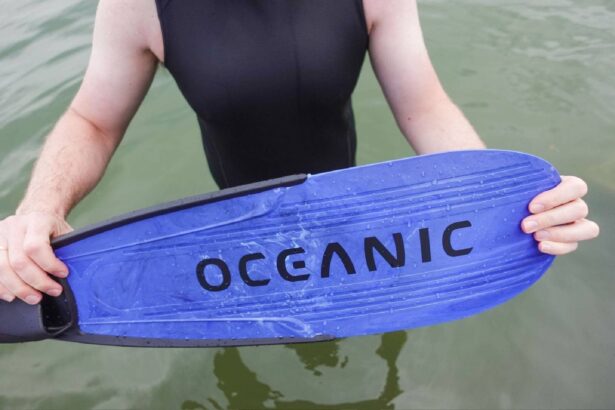
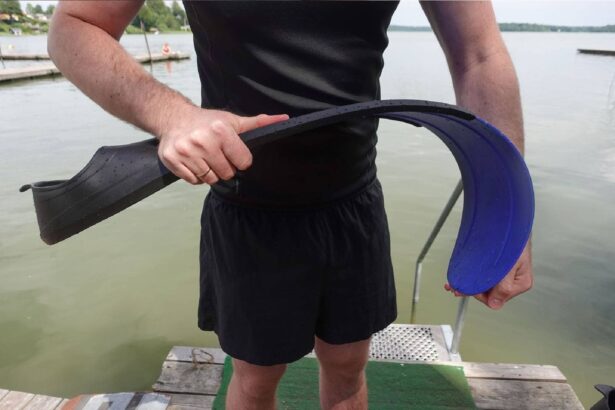
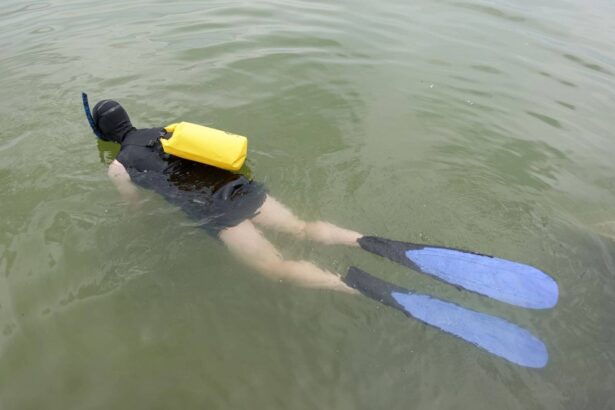
Excellent for the entry-level free diver, the Oceanic Predator Freediving Fins exhibit a rigid design with a focused yet dynamic propulsion. Apnea divers and spearfishers alike looking for a relaxed and elegant finning experience will be interested in these fins.
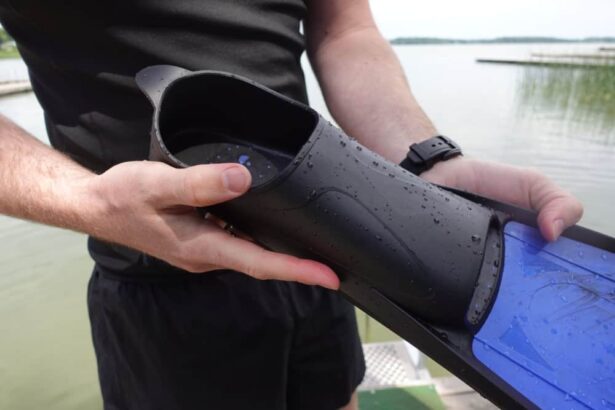
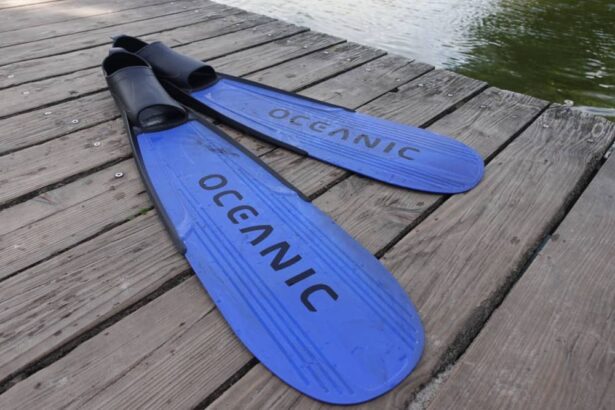
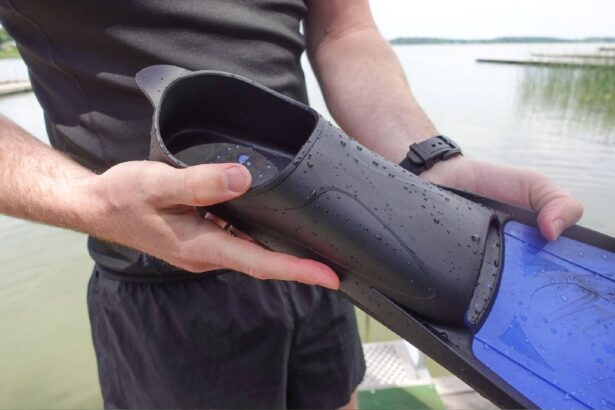
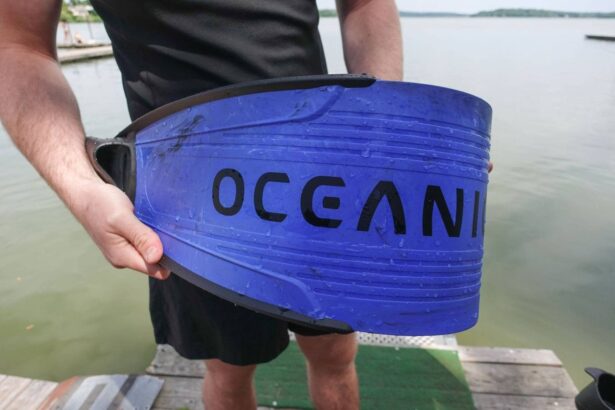
Apnea divers and spearfishers alike looking for a relaxed and elegant finning experience will be interested in these fins. The Oceanic Predators come in a full-foot design, including a handy heel tab for pulling the fins on and off with greater ease. The long blade is ribbed, allowing for a streamlined motion in the water as well as greater efficiency.
You may have noticed that these freediving fins are not designed with an interchangeable fin blade, meaning that some of the benefits for traveling and upgrading are therefore lacking from this product.
What we find with fully integrated blade fins such as the Oceanic Predator fins is that the power transfer is extremely focused and efficient as no energy is lost through screws, clips on the side rails and they are notably lighter than many other separate blade designs.
Combined with the soft stiffness feature of the blade, we recommend these freediving fins for any beginner looking to get into freediving and spearfishing.
Cressi Gara Modular Impulse
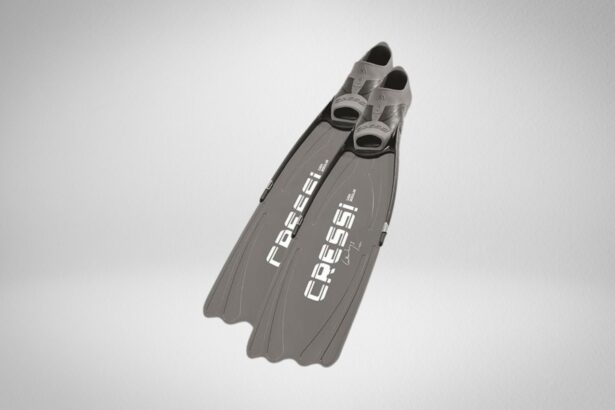
Cressi Gara Modular Impulse Skindiving and Freediving Fin review
One of our favorite freediving fins on the market, the Cressi Gara Modular Impulse fins with fiberglass blades are ideal for efficient use of energy. They also hit a nice price-for-performance mark.
The fin boasts many thought-out and purpose-built features which tell you the manufacturers were thinking about delivering superior performance, in and out of the water.
The three words that come to mind with this product are efficiency, comfort, lightweight.
We weren’t too sure what to expect when trying these fins on but, boy did they impress. While the stiffness of the fiberglass blade is on the softer side, you may still elicit an incredible snap response from them.
Additionally, the blades are complemented with water rails along the side of the blade to prevent any lateral sliding which can be useful to weaker freedivers. What’s more is that–as implied in the name–these fins have a modular design which means that the interchangeable blade can be upgraded to carbon fiber in the future
for optimal performance.
Mares X-Wing
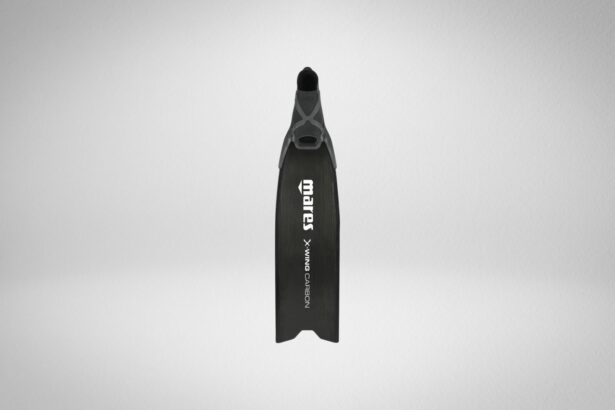
Mares X-Wing Skindiving and Freediving Fin review
For the more seasoned freedivers and even professionals, the Mares X-Wing Carbon has one of the most responsive blades on the market.
With an incredibly snug foot pocket that’s excellent for a small, high kick frequency. This particular product has the widest blade of the Mares X-Wing family at 20cm, making it particularly powerful for experienced and athletic individuals.
A removable blade is so nice for traveling too.
Upon being lucky enough to try this exquisite pair of freediving fins, we are confident that ‘you get what you pay for’ with the Mares X-Wing Carbon. The benefits of wearing such a high-quality product are experienced right from the get-go; you will find the elastic heel tab on the back of the foot pocket makes life easy when donning the fins and we even took off the interchangeable blade to walk around our boat with ease, taking only two minutes to re-attach.
Omer Stingray EVO
Where to buy
Omer Stingray EVO Skindiving and Freediving Fin review
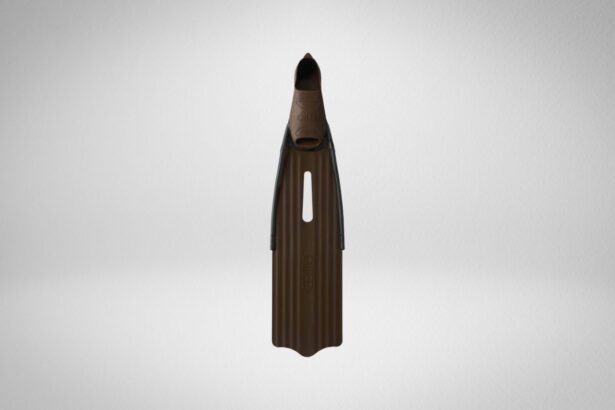
The Omer Stingray line has delivered one of its more unique and interesting designs in the new EVO product, ideal for spearfishing mainly, but also freediving. This will appeal to more experienced finners.
The new khaki brown color makes them visible on the surface, but you remain camouflaged when hunting down on a sandy seabed. The long keyhole in the center of the blade improves performance by channeling water and directing the blade during movement.
In addition, the hole reduces the amount of force required to move the fin in the blade’s less ‘active’ section, as most of the elastic energy is released at the tip.
Omer has pulled this one out of the bag, producing one of the best freediving fins on the market. Low-modular polypropylene material is used to create these Stingray fins. As a result, they have a medium firmness that is an ideal balance between being overly soft or rigid, great for a strong or heavy beginner.
The blade’s water ribs are the first thing you’ll notice in your first dive with these fins as the water is more efficiently directed; giving you more control and spring simultaneously.
Finally, what’s cool is that, while a traditional full-foot design is included, the boot-to-blade angle sits at 22 degrees instead of the typical 15 or 17-degree angle. Research has shown that this design enhances your range of motion, which is the most effective way to increase your forward propulsion.
MAKO Freedive Hunter
Where to buy
MAKO Freedive Hunter Skindiving and Freediving Fin review
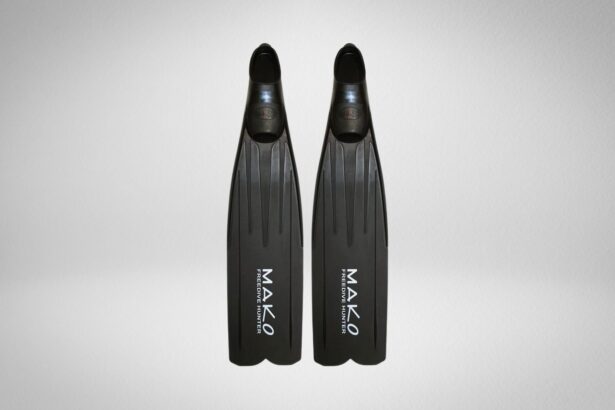
The Mako Freediving Hunter freediving fins offer excellent performance for beginners as they are comfortable and easy to use. A lot of quality for the price here.
These freediving fins are of excellent quality and feature fixed blades (permanently connected to the foot pockets). The foot pockets are soft where needed for comfort, yet firmer around the metatarsal area for enhanced energy transmission.
The blade is composed of a polypropylene composite material that is both flexible and robust and is intended to maximize thrust and stability. These freediving fins are certainly in the running for the spot of best price to quality ratio on the market.
In addition to hunting gear, it’s clear that MAKO Spearguns make some excellent freediving fins. A polypropylene composite material is used for the fins in the Hunter line, which is intended to provide both propulsion and stability. As a result, freedivers can propel themselves as much as possible, experiencing an impressive spring with each kick, while using the least amount of effort.
Finally, we found these fins to be truly comfortable; it is obvious that to create the foot pocket, MAKO drew on their many years of diving expertise. To improve comfort, certain sections have been made softer, while others have been stiffened for optimum flexibility and efficiency.
Bare Predator
Where to buy
Bare Predator Skindiving and Freediving Fin review
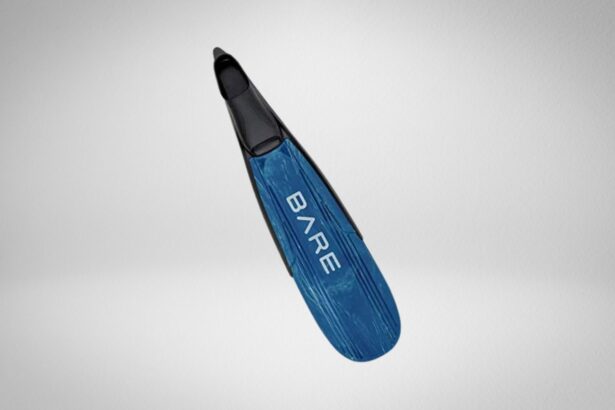
The new Bare Predator Freediving Fins include a complete foot design and an expanded blade, which provide a solid kick and optimum comfort for freedivers.
Every stroke is propelled efficiently thanks to the medium stiffness blade. The Bare Predator Freediving Fins were designed specifically for underwater hunters who are looking for some speed. These freediving fins don’t come with replaceable fin blades, as you’ve likely already observed.
BARE Predator fins are a great example of a completely integrated blade fin, which eliminates the need for screws, clips, and side rail clips – all potential points of energy leak if they get loose. They are also far lighter than many other separate blade designs, which makes them a great choice for traveling and upgrading.
For those who are new to freediving and spearfishing, we propose these freediving fins, which include a soft stiffness characteristic in the blade.
Mares Razor Matrix
Mares Razor Matrix Skindiving and Freediving Fin review
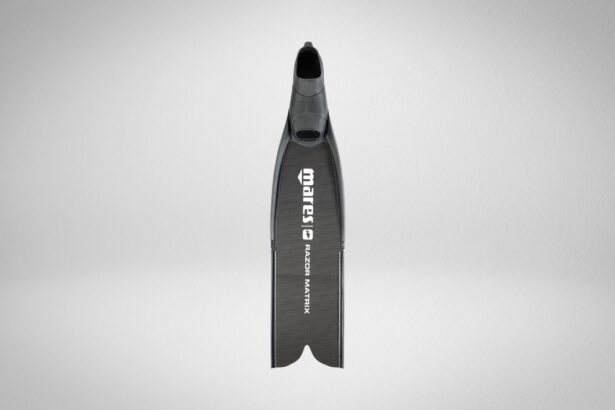
The blade of the new Mares Razor Matrix freediving fins are made up of layers of carbon fiber and glass fiber.
With replaceable blades, these fins are ideal for experienced freedivers. The side-rail and stinger design improves water flow toward the V-shaped tip, improving propulsion and decreasing leg stress due to the design. As a word of advice, however, make sure you wear a 3mm neoprene sock with these to avoid any risk of forming blisters – what a way to ruin a dive day!
These high-quality fins provide an unrivaled acceleration and reaction combination because the blade boasts varying thicknesses along its length, finishing with a fishtail tip to create an outstanding parabolic bend.
This product is ideal for both advanced and experienced freedivers who know how to make the most of the technical detail in these fins.
Cressi Gara Modular Sprint
Cressi Gara Modular Sprint Skindiving and Freediving Fin review
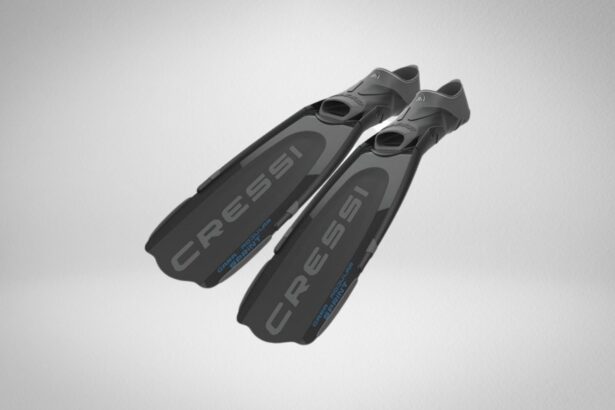
These next freedive fins ooze quality, especially for competitive freedivers looking for speed who can really use the technical details to their advantage.
The Cressi Gara line has once again impressed with another stunning pair of freedive fins. The Cressi Gara Modular Sprint fins were designed utilizing costly finite element software packages that enable the design of very complex and high-caliber sections.
As if that’s not enough, Cressi developed their elastomer thermoplastic compound and can maintain quality right from the start of the material production line. The blades provide a novel method of elastic potential energy storage and release, substantially helping the freediver’s leg movement and ensuring an increase in power.
What’s the difference between Cressi’s Modular Spring vs Modular Impulse? While they have similarities in material composition, blade detachability, water rails, and even price, the ‘devilfish’ is in the detail, as they say. In short the Modular Spring provides speed while the Modular Impulse offers energy efficiency.
The Modular Spring fins, you’ll find, are essentially almost 20cm shorter and angled slightly lower than the Modular Impulse freediving fins, creating a more prominent spring in the flutter kick as the boot-to-fin energy transfer is more focused. The Modular Spring fins are ideal for freedivers looking for improved propulsion and speed, at the risk of spending more energy than with the efficient Modular Impulse Freediving Fin.
MAKO Women’s Competition Freediver II
Where to buy
MAKO Women’s Competition Freediver II Skindiving and Freediving Fin review
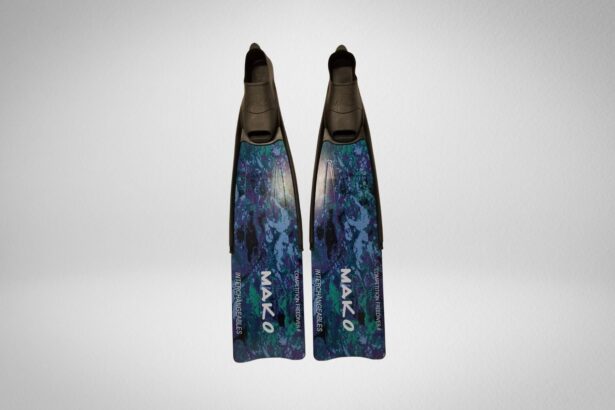
Women with smaller feet have, in the past, lacked access to high-quality freediving fins that fit properly. MAKO set to work after noticing a trend in their FAQs among competitive women freedivers.
As with other high-quality MAKO freediving fins, these foot pockets are made with materials that vary in stiffness to achieve the best performance in both comfort and energy transfer.
In addition, the blades are designed with a soft stiffness which is recommended for people with small builds. Finally, one can’t ignore the gorgeous camo design feature on the blade which is sure to attract a few compliments.


Buyer’s Guide to Freediving Fins
When you watch all those insane 200m plus depths achieved by freedivers on youtube, what is the first you notice? It’s their fish-like fins!
You can’t help but be mesmerized by the way they parabolically bend when a freediver uses them. Apart from looking cool, have you ever wondered why freediving fins are so much longer than regular swimming or scuba fins? Freedivers actually use elongated freediving fins instead of scuba fins for technical reasons.
Moving through water requires displacing it, and since freediving fins have a bigger surface area, they do it with greater force. Known as the ‘snap’, a freediver gets a second surge of force from the end of the freediving fin’s blade, which makes them more efficient.
However, length unfortunately is not the only criterion to look out for when buying your next pair of freediving fins and the number of options available might be a bit daunting. Here is a guide on what you should look out for when choosing freediving fins:
Blade Types
Fixed Blade Fins
Fins for freediving beginners are generally bi-fins with a fixed blade. This is when the blades are firmly connected to the foot pockets. As an entry-level freediving fin, these fixed thermoplastic blades are ideal. They are cheap and long-lasting, but as you develop, you may discover that they get stiff and less responsive.
Fins With Interchangeable Blades
Due to performance and practical considerations, intermediate and advanced freedivers tend to use freediving fins with interchangeable blades (also known as modular freediving fins). Buying modular freediving fins is a fantastic idea from many perspectives since you can start with the less expensive, less reactive thermoplastic blades and advance to more powerful fiberglass or even carbon blades as you gain experience and control.
An additional benefit of modular bi-fins is that you may purchase the foot pockets and blades separately. This means you can mix and match foot pockets from different brands, or blades from different brands. If in doubt, check with the manufacturer.
Monofins
Monofins are also worthy of mention. They were designed in order to produce maximum power production with minimal effort. CWT (constant weight discipline) fins are mostly used for pool training and competitions as it is difficult to change direction with a monofin. Therefore these are not suitable for beginners or even intermediates as they are not designed for enjoyment and exploration. It’s worth considering keeping monofin training if you feel like you would like to improve your fin abilities.
Material
Blade Materials
Once you have made your decision about the type of blade you want, it will be time to add the material make-up to your decision-making process. There are three main types of materials used in freediving fins and we’ve listed them here with pros and cons, just for you.
| Thermoplastic Polymer (Recommended for beginners) | Fiberglass (Great for advanced freedivers and spearfishers) | Carbon Fiber (Used for competitions) | |
|---|---|---|---|
| Pros | Durable Low price | Very effective Reasonable pricing | Incredible efficiency High performing Light |
| Cons | Less efficient Cold water rigidity | Can be scratched easily | Very Costly |
Blade Stiffness
Having the most expensive blades in the world won’t make you more efficient if the stiffness isn’t right for you. If the blade material is too soft you won’t be able to get much force out of your fins, whereas if they are too hard even the strongest swimmers in the world will exhaust themselves before they hit any kind of record.
There is a common misconception among freedivers that deeper dives require stiffer fin blades. In actuality, the stiffness should match your musculature.
It is suggested that freedivers who are beginners or who weigh less than 150lbs use soft-blade fins. If you are a larger freediver, or perhaps if you are advanced and have developed a good technique with those new calf muscles, medium stiffness is the most popular choice.
Getting the Right Fit
Generally speaking, all freediving fins will have a closed heel foot pocket design for the optimum power transmission and are available in a variety of colors and styles.
Your fins act as an extension of your legs, therefore your foot pockets need to be snug enough to keep your fins in place to transfer as much energy as possible from your legs through to the blade tip. As a rule of thumb, the more comfortable your feet are, the more efficient your strokes will be.
You can tighten them up by wearing thicker neoprene socks or using fin keepers if they’re a little too loose. When it comes to comfort vs power, a high-quality freediving fin will include a softer flexible material at the ankle, bridge and at the toes, but a harder, strengthened material where it counts for better energy transmission.
We usually suggest renting or borrowing a variety of freediving equipment and testing it out before making a purchase.
Finally, always test on new fins before entering the water, and kick your foot a little to ensure they’re not moving at all – getting a blister on your heel is a pretty nasty way to start your day at sea.
How We Test
At DIVEIN, our freediving fin recommendations are based on structured, in-water testing rather than spec sheets alone. We evaluate each fin across three core performance areas: blade response, foot pocket comfort, and real-world efficiency in open water.
Blade Response Testing
We assess how each blade transfers energy from the diver’s kick into forward propulsion. Testing is conducted using consistent kick cycles to evaluate snap, rebound speed, and stiffness profile. Softer blades are analyzed for ease of use and efficiency at lower effort levels, while stiffer blades are tested for power output and depth performance. We also compare materials (plastic, fiberglass, carbon fiber) to measure responsiveness and energy return under load.
Foot Pocket Comfort Evaluation
A high-performance blade is useless if the foot pocket causes discomfort or pressure points. We test each fin both barefoot and with neoprene socks where applicable, focusing on fit, arch support, toe box space, and long-duration comfort. Extended swim sessions help identify hotspots, cramping risk, and how well the pocket transfers power without excessive foot fatigue.
Open-Water Efficiency Testing
Pool testing is useful, but freediving happens in open water. We evaluate fins in real conditions to measure glide efficiency, energy consumption, and propulsion over distance. This includes surface swimming, descent phases, and sustained kicking at depth. We pay close attention to how quickly a diver fatigues, how well the fin maintains momentum between kicks, and how it performs across different skill levels—from beginners to experienced spearfishers.
By combining controlled testing with real-world use, we’re able to identify which fins truly deliver efficient propulsion, comfort, and performance where it matters most.
Frequently Asked Questions about the Freediving Fins
Freediving fins are long, flexible fins designed for maximum efficiency with minimal effort. Compared to shorter scuba fins, they generate more propulsion per kick, allowing freedivers to conserve oxygen and move smoothly through the water. They are typically used with a slow, controlled kicking style rather than rapid finning.
Yes, long freediving fins are generally better for beginners because they improve efficiency and reduce fatigue. Entry-level plastic fins are more forgiving and durable, making them ideal for learning proper technique before upgrading to fiberglass or carbon fiber blades.
Most freediving fins range from about 70 to 90 cm in blade length. Longer fins provide more power and efficiency, which is ideal for depth and distance. Shorter long-blade fins may feel easier to control for beginners, while experienced divers often prefer longer blades for maximum performance.
Yes, fin choice has a significant impact on performance. Longer, more responsive fins reduce energy use, improve glide, and help you dive deeper or stay down longer. Upgrading from basic plastic fins to fiberglass or carbon fiber can noticeably improve efficiency.
Higher-end fins can be worth it for frequent divers. Fiberglass and carbon fiber fins are lighter, more responsive, and more efficient than plastic. However, beginners often do just fine with affordable plastic fins until they refine their technique.
Fin stiffness should match your strength, technique, and diving style. Soft blades are best for beginners and relaxed diving because they require less effort. Medium stiffness offers a balance of power and efficiency for most divers. Hard blades are designed for strong, experienced freedivers who need maximum propulsion, especially in deeper or current-heavy conditions.
Carbon fiber fins are lighter and more responsive, offering the highest performance and efficiency. Fiberglass fins are slightly heavier but more durable and forgiving, making them a popular middle-ground option. Carbon is best for advanced divers focused on performance, while fiberglass suits most recreational freedivers.
Freediving fins can be used for snorkeling and are excellent for covering distance efficiently. For scuba diving, they are less practical because they are harder to maneuver in tight spaces and require a different kicking style. Most scuba divers prefer shorter fins for better control.
Wearing neoprene socks can improve comfort, prevent blisters, and provide a better fit, especially in cooler water. Many divers wear thin socks even in warm conditions to reduce friction inside the foot pocket.
Bi-fins are traditional fins worn on each foot and are easier to learn, making them ideal for most freedivers. Monofins connect both feet in a single blade and use a dolphin kick motion, offering greater speed and efficiency but requiring more technique and training.
Freediving fins should fit snugly without causing pain or pressure points. Your toes should lightly touch the end of the foot pocket without curling. A secure fit is critical for efficient power transfer, and sizing may change if you plan to wear neoprene socks. Always check brand-specific size charts, as fit can vary.
 Take a moment to look at this.

