



 EMPEROR Liveaboard
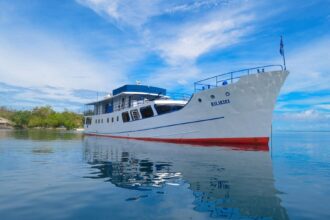
Emperor Bilikiki: Untouched Solomon Islands
The legendary Bilikiki has spent 30-plus years exploring the Solomons' untouched reefs, WWII wrecks, and the macro-rich Russell and Marovo island chains. Ten-day trips into one of the last truly remote dive frontiers left on the map. Wild, quiet, unforgettable.
 See here
Win Free Scuba Gear
We test new gear weekly and give most of it away to newsletter subscribers.
🤿 Join our newsletter to learn how you can get your hands on some free scuba gear!
New giveaways every month!


The least visited country in the Coral Triangle, the Solomon Islands is a string of nearly 1000 beautiful tropical islands in the shimmering blue seas of the South Pacific. Home to amazingly healthy coral, shoals of fish, huge sea fans, pelagics, countless critters on its walls, wrecks, seamounts, caves, coral gardens, and mangroves, the Solomon Islands has so much of everything and way too many brilliant dive sites to really just list 12.
What makes scuba diving in the Solomon Islands so good?
Imagine a magical place, not only part of the legendary Coral Triangle—with all the beauty and life that it brings—but also one of the least visited and dived destinations in the world. You’ll have dive site after dive site to yourself, and what you see underwater will leave you either encouraging all your dive buddies to visit immediately—or keeping the secret to yourself so that it stays a hidden treasure.
Diving in the Solomon Islands is incredibly diverse, both in terms of marine flora and fauna, and in terms of types of dive sites accessible on a single trip. The conditions are also great year-round apart from January and February when it can rain a lot. Water temperatures stay consistently in the 83-85 F (28-29 C) range; visibility is generally great; seas are flat; and currents are mild.
Topside you’ll find a fascinating native culture, staggeringly beautiful tropical islands and decaying reminders of WWII battles to explore. And did we mention that the Solomon Islands are almost undived, with only a handful of operators in the country? You’ll rarely see another dive group on the same dive site, let alone on an entire trip.
Nggela (Florida) Islands and Guadalcanal
Wreck lovers shouldn’t miss the stretch of water between the main island of Guadalcanal and Nggela (also called Florida) Islands, which has been called Iron Bottom Sound since Allied Forces bestowed the nickname after the Battle of Guadalcanal from 1942–1943 during WWII.
There are plenty of diveable wrecks in Iron Bottom Sound, but the Nggela Islands also offer amazing reefs, prolific fish life, and excellent critters.
Hirokawa and Kinugawa Maru
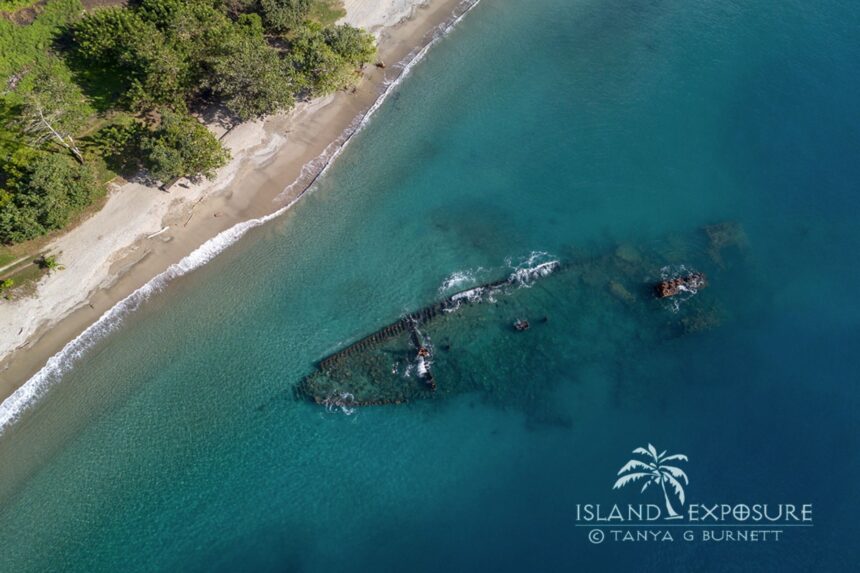
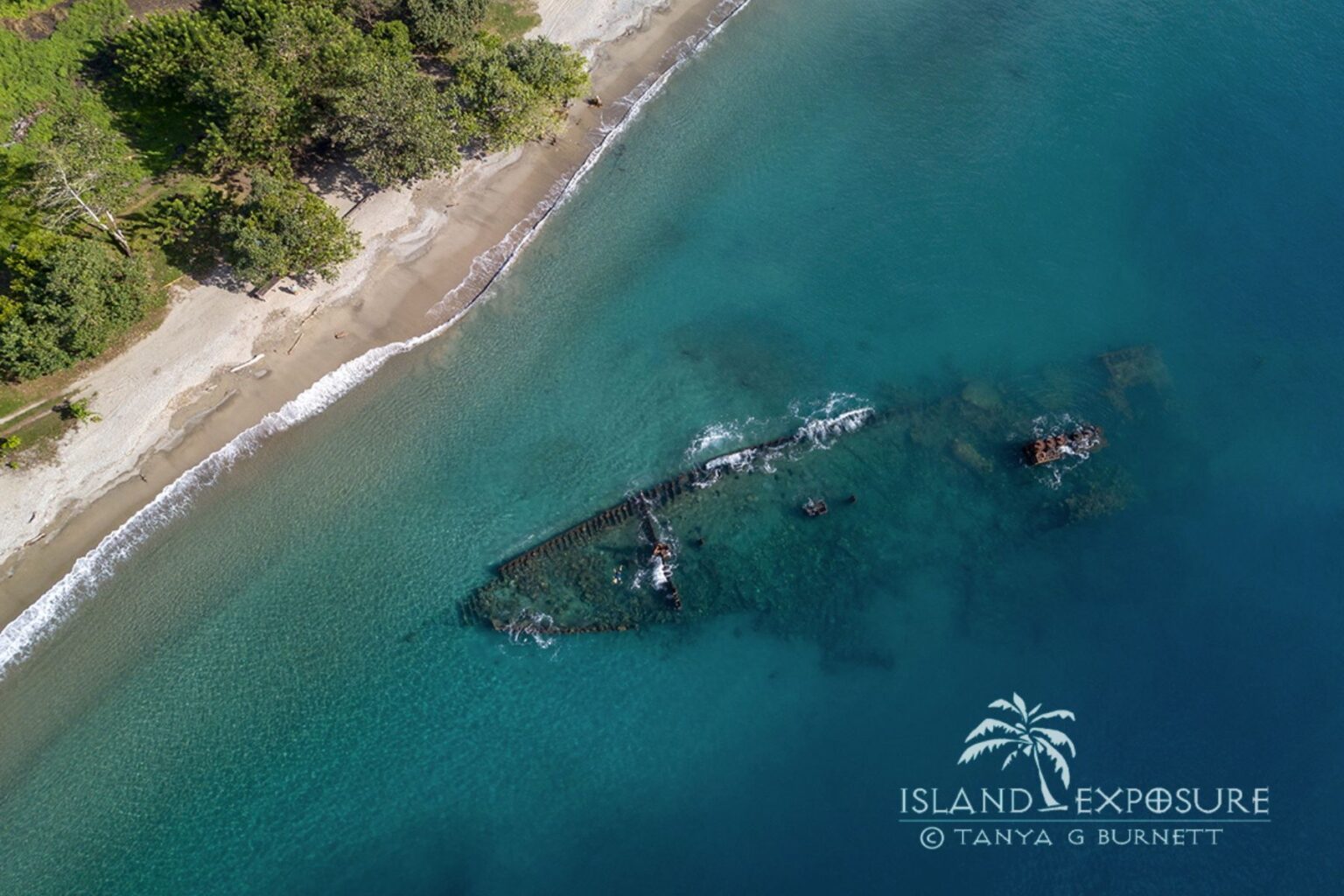
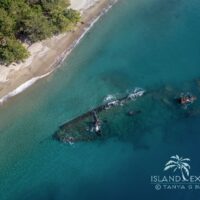
Better known locally as “the Bonegis,” these are two Japanese WWII freighters that were run aground on Bonegi Beach, just 20 minutes from the capital of Honiara and accessible as shore dives. The 505-foot-long (154 m) Hirokawa Maru rests on its side at 33 to 180 feet (10 to 55 m) of depth. The wreck is still penetrable and also home to an amazing amount of life.
The equally impressive Kinugawa Maru measures 443 feet (135 m) long and actually sits out of the water with the stern in 75 feet (23 m) of water. It’s a popular snorkel spot but also a great dive for both history and marine life buffs.
Twin Tunnels
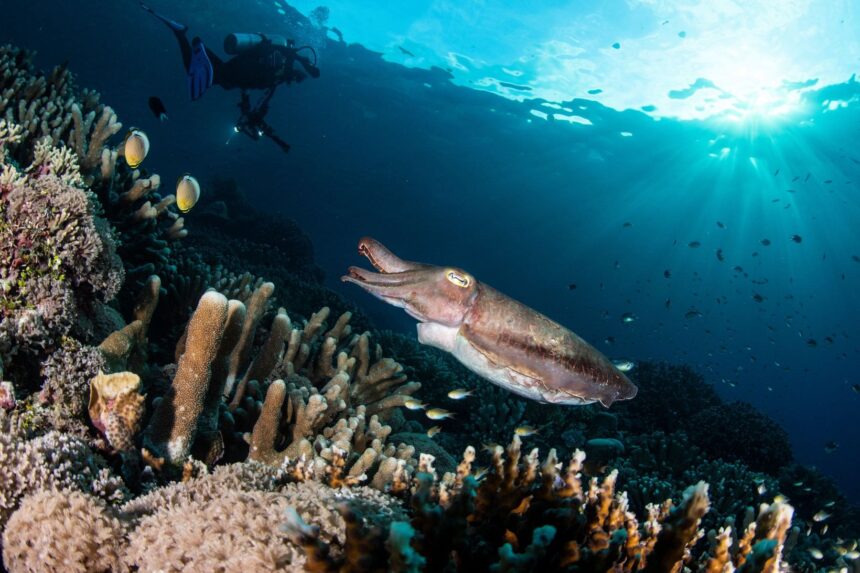
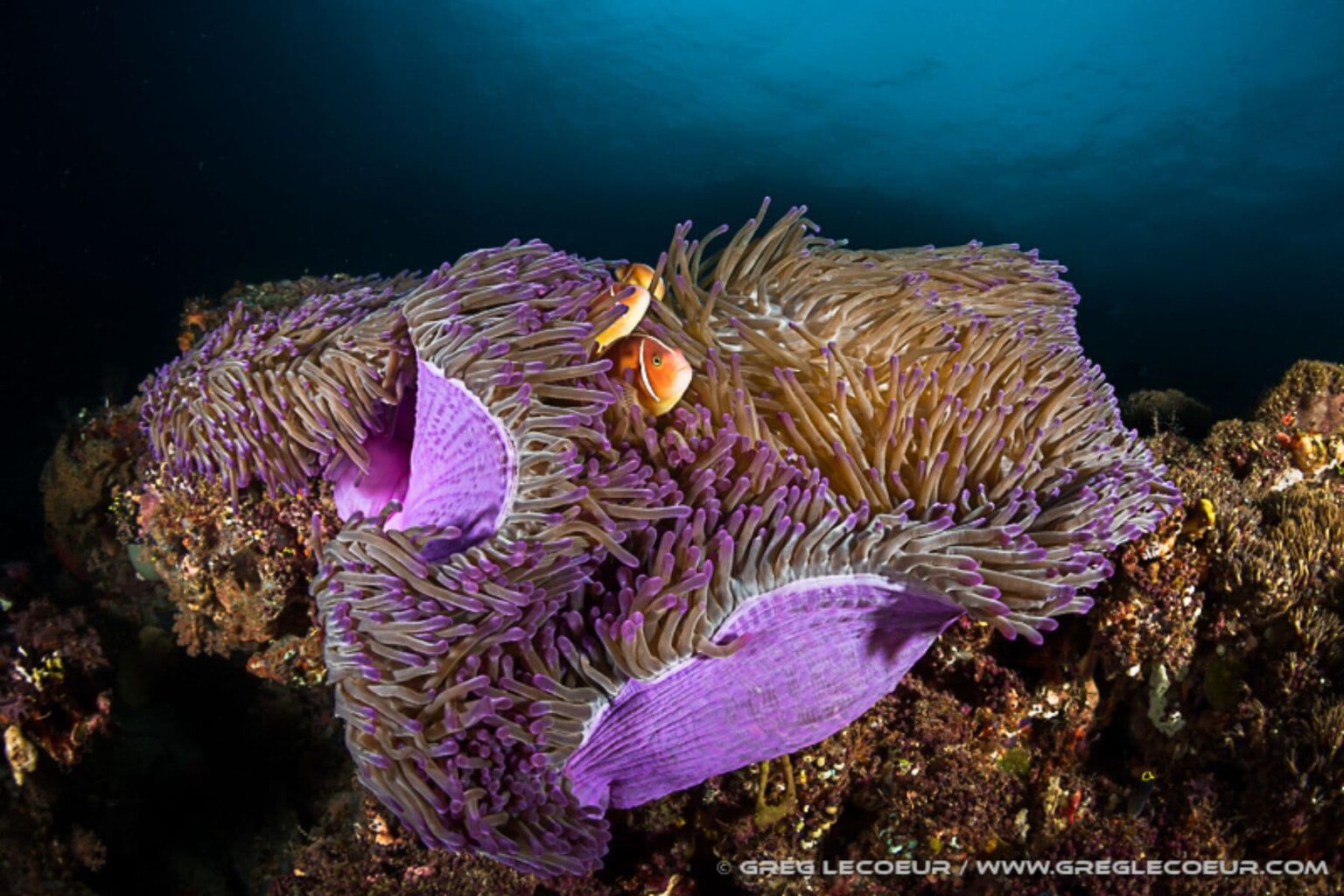
Descend straight down in either of two ancient lava tubes that go from the top of this seamount down into a small, fish-filled cave at 115 feet (35 m). There, you’ll exit the cave onto a sheer wall covered in fans and fish and patrolled by gray reef sharks. On your way back up, check out the top of the seamount, which is home to schools of snapper, loads of anemones, mantis shrimp, cuttlefish, and lots of beautiful coral.
Maravagi
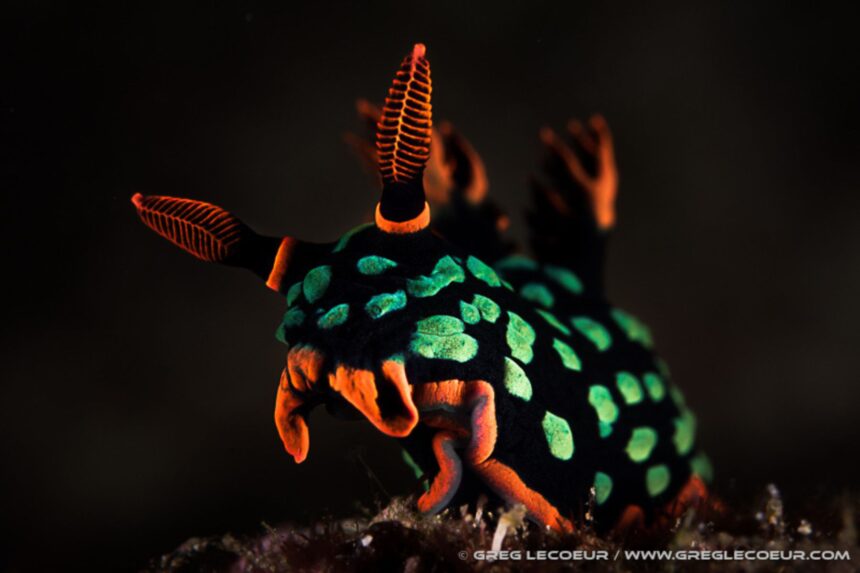
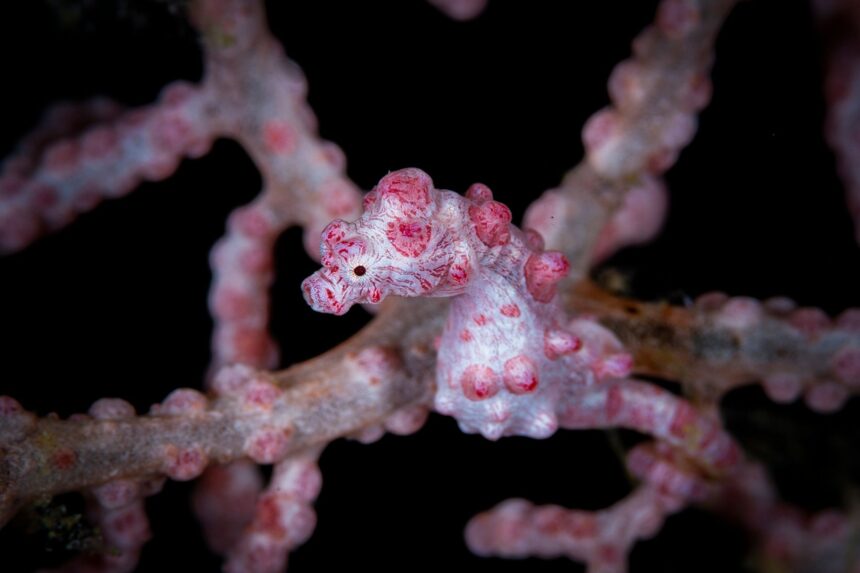


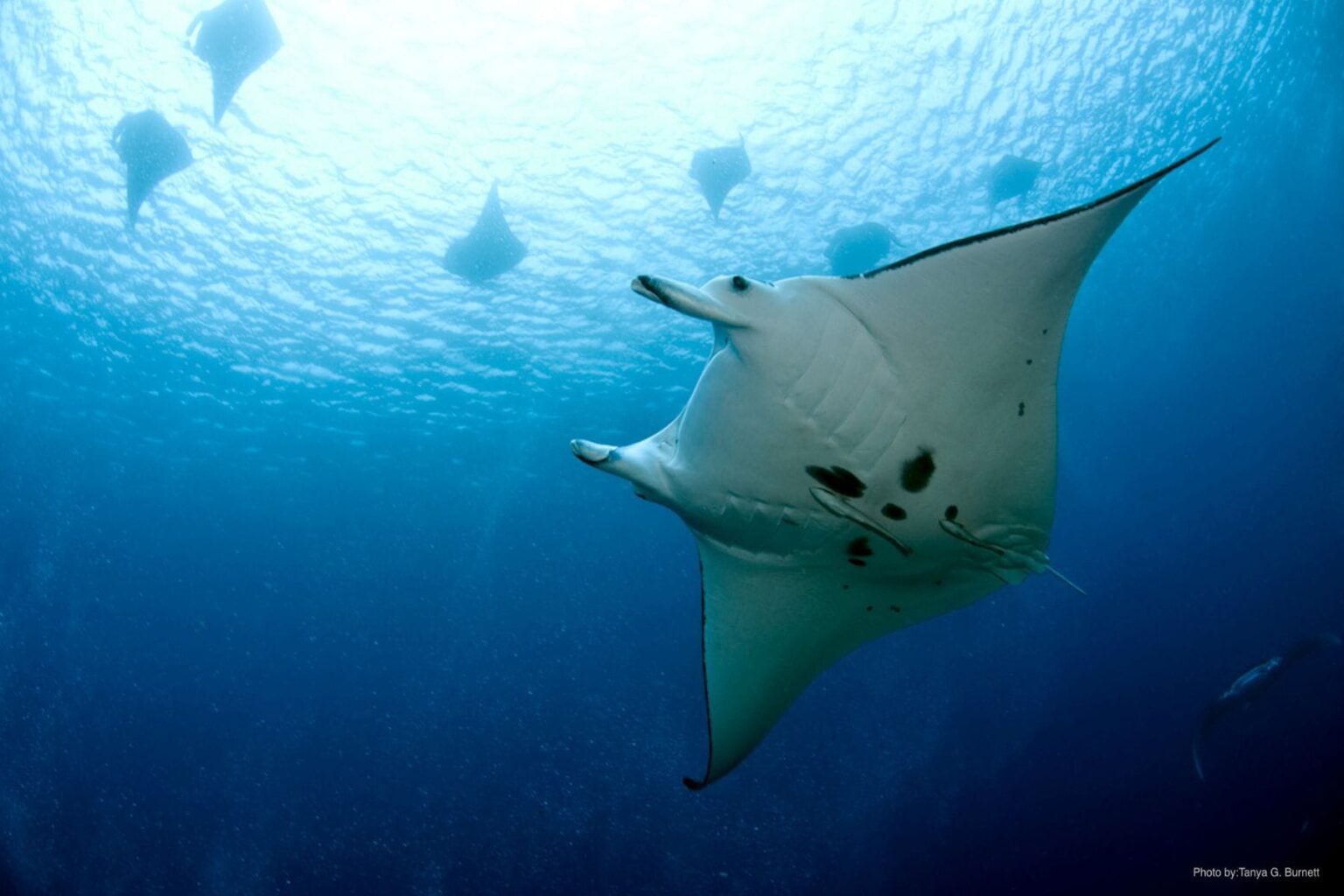
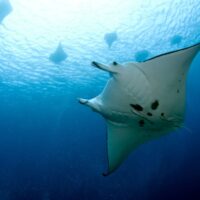
There are two sites you can dive here—first, a sandy bay with batfish, schooling reef fish and amazing macro life including demon stingers, ghost pipefish, seahorses, and cuttlefish. Once you’ve seen enough small stuff, head over to the Devil’s Highway where, when the current is right, manta rays can be seen feeding in the channel.
Type: Reefs, wrecks, walls
Skill Level: All levels
Access: Bonegi wrecks are shore dives; other sites are boat dives.
Russell Islands
The Russell Islands are one of the least developed areas of the Solomons and their lush, tropical central islands are fringed with tiny islands and plunging sheer walls. Here you’ll also find amazing hard-coral gardens, points, wrecks, and breathtakingly scenic caves.
Leru Cut
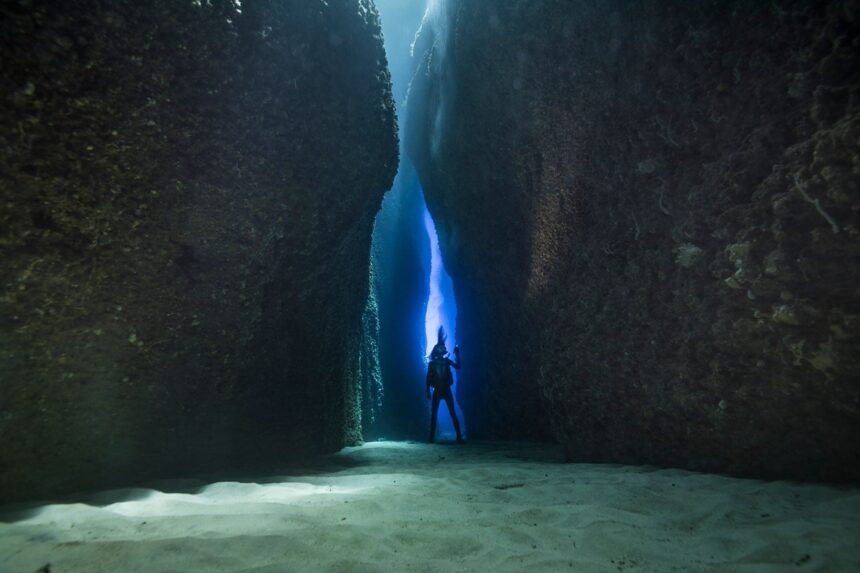
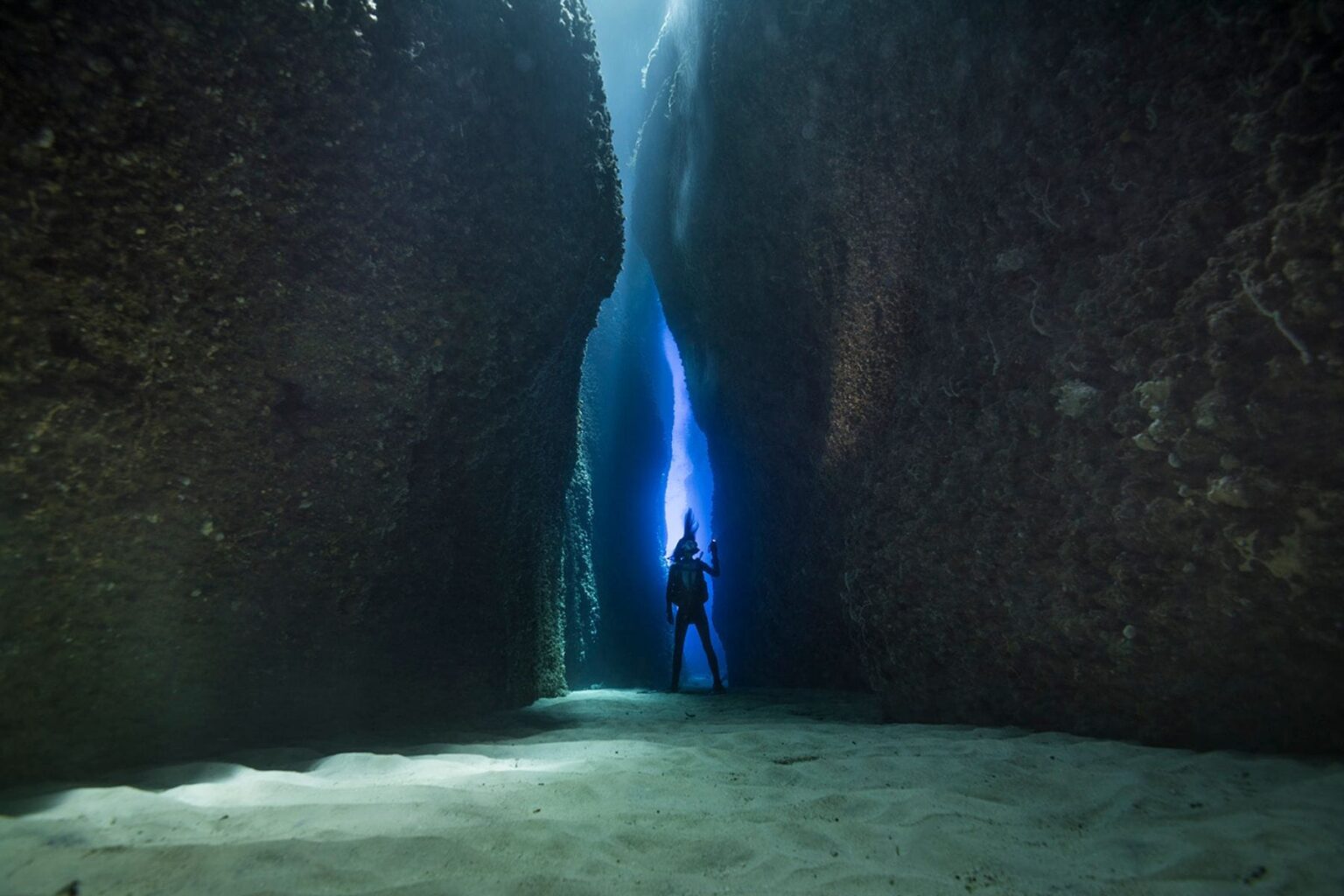
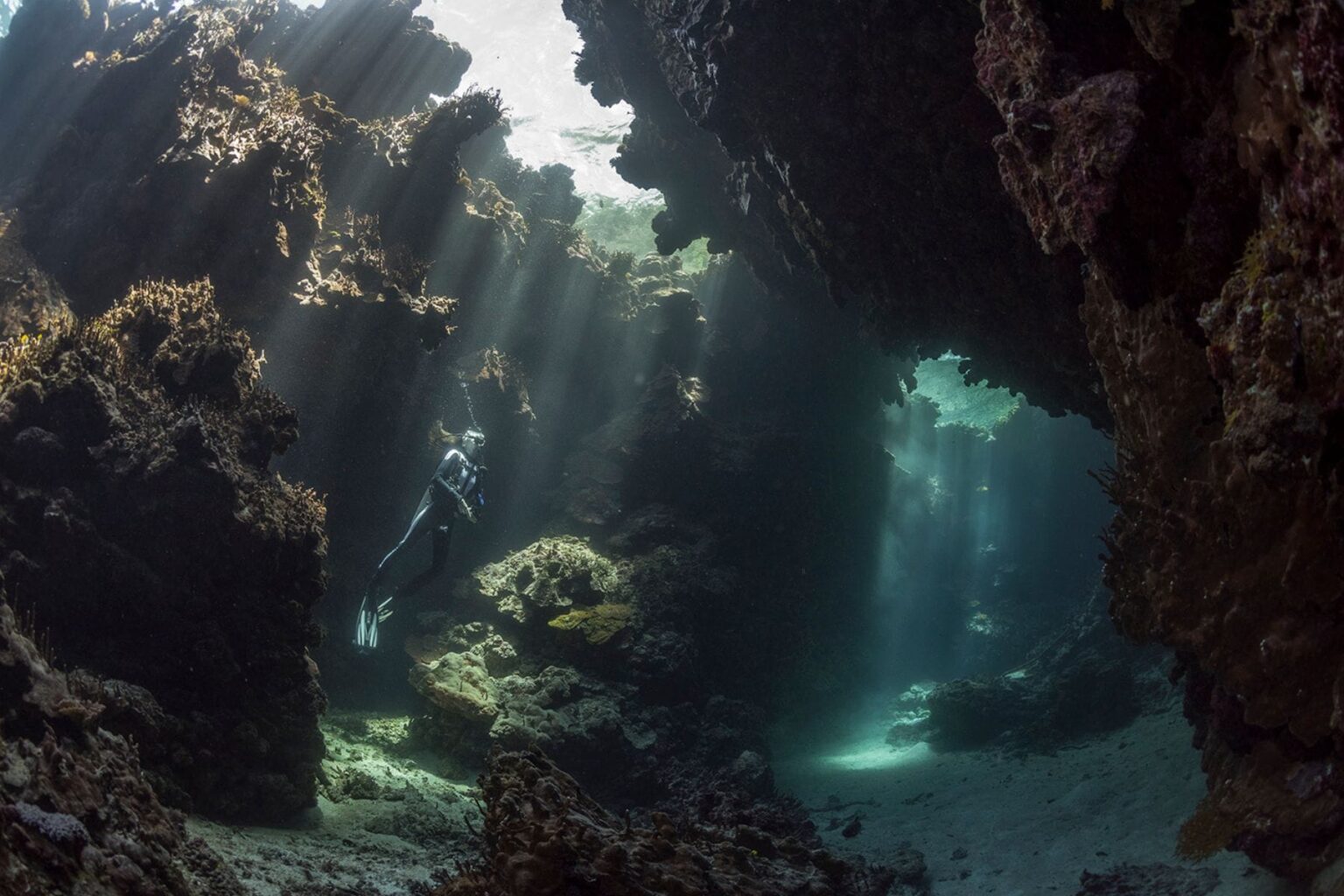
One of the Solomons’ most iconic dive sites, Leru Cut is a must on any liveaboard trip. At the right time of day, light beams shine down into this long, narrow channel, creating an ethereal scene and an awesome photo. Surface at the end to see the sheer vine-covered cliffs and take in the surreal atmosphere. After the cut, a steep wall, covered in gorgonian fans, makes for an exceptional drift dive.
White Beach
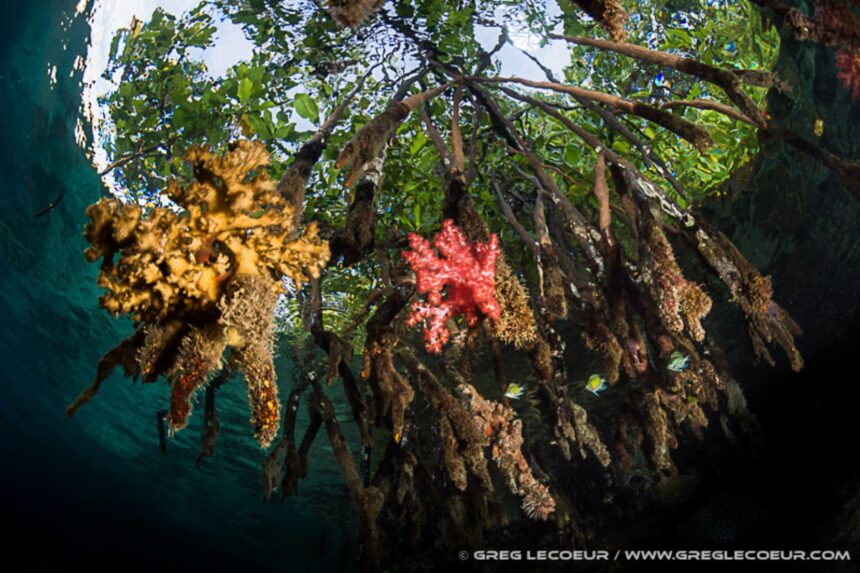
Although White Beach was the codename for the American WWII base here, there’s no beach at all. There are, however, the remnants of the trucks, tractors, bombs, and other machinery that was bulldozed into the ocean once the Americans moved further through the South Pacific. Now, all of this ordnance provides excellent marine life habitat, with a nearby mangrove shoreline acting as a nursery for small critters as well.
Karumolun
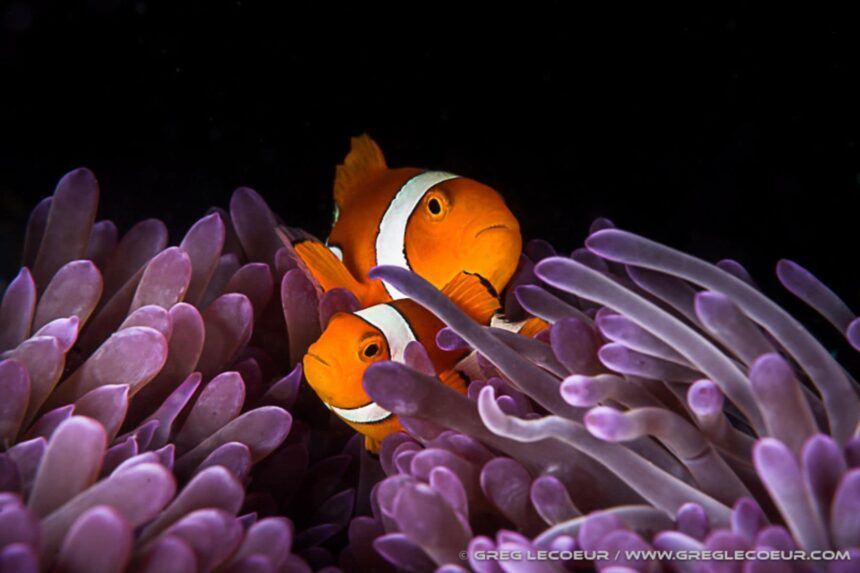
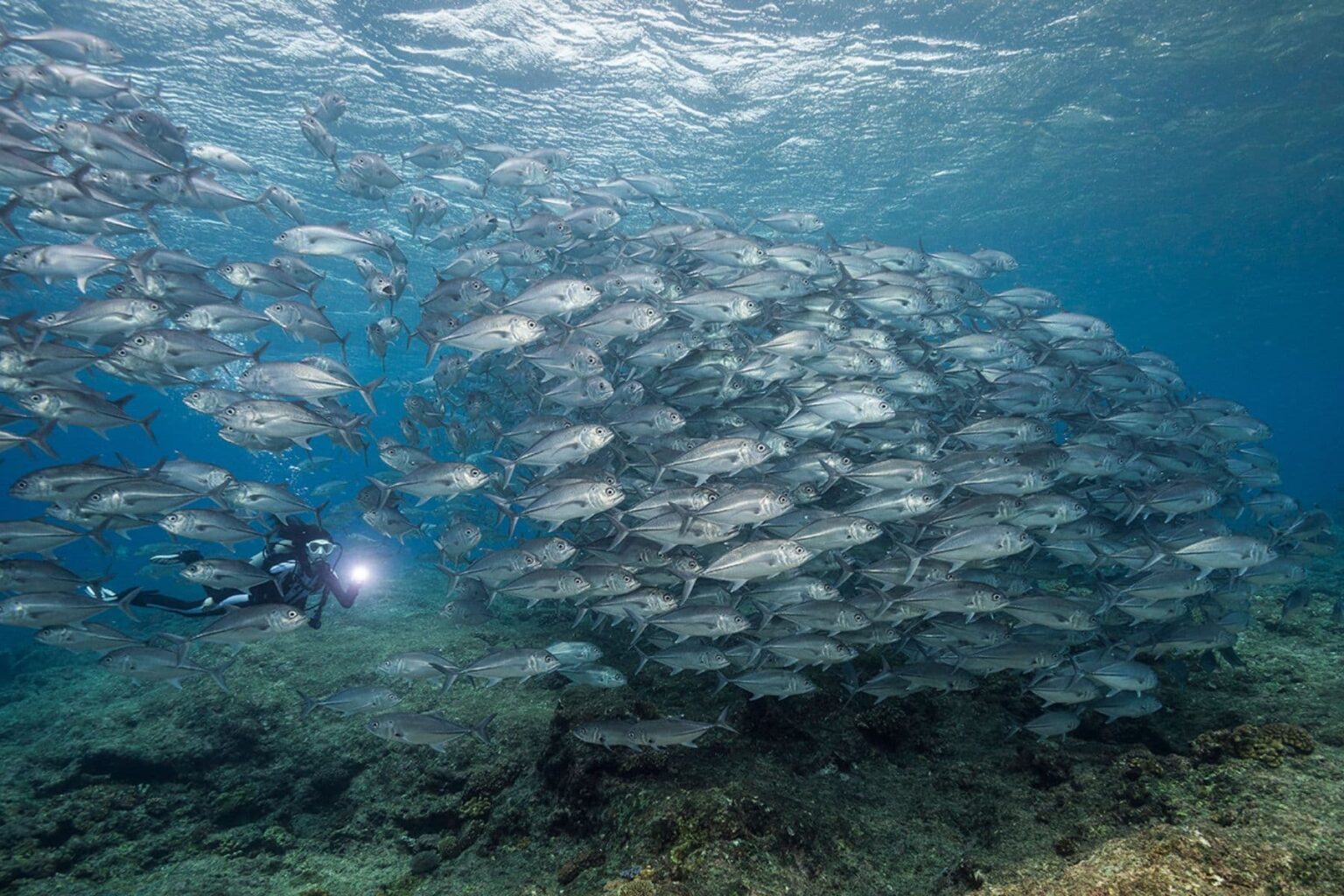
Because the island chief allows no fishing here, Karumolun Point is home to enormous schools of fish, along with sharks and tunas when the current is running. The other end of the island has some of the most amazing coral imaginable and you’ll be accompanied on your dive by the batfish that like to escort people about the site. The village here is also famous for its traditional singing, dancing, and flip-flop powered panpipe music.
Mary Island
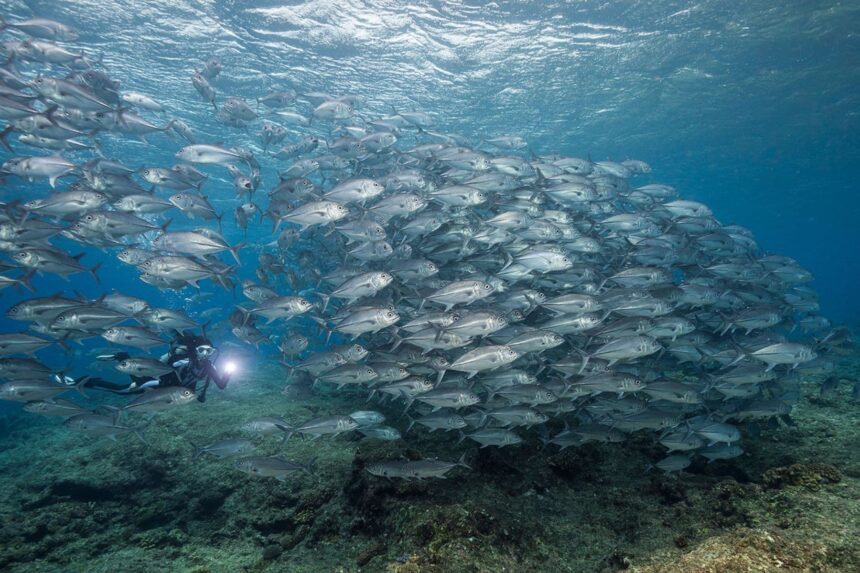
Between the Russell Islands and Marovo Lagoon is Mary Island, the uninhabited top of an extinct volcano. There are several dive sites here, the best being Barracuda Point. Here you’ll find schooling barracudas, jacks and snappers, sharks, turtles, tunas, and even the odd oceanic manta.
Type: Reef, cave, wrecks, walls
Skill level: All levels
Access: Liveaboard only
Western Province
The Western Province is a large area stretching from Gizo in the west to Marovo Lagoon in the east. Marovo Lagoon is the largest double barrier-reef enclosed lagoon in the world and a real treat both above and below the water.
It’s also famed for its local wood carvers, so it’s a great place to pick up a souvenir of your trip. Further west are Munda and Gizo that—as well as some truly great diving—have some fascinating history and, rather handily, airports.
Toa Maru
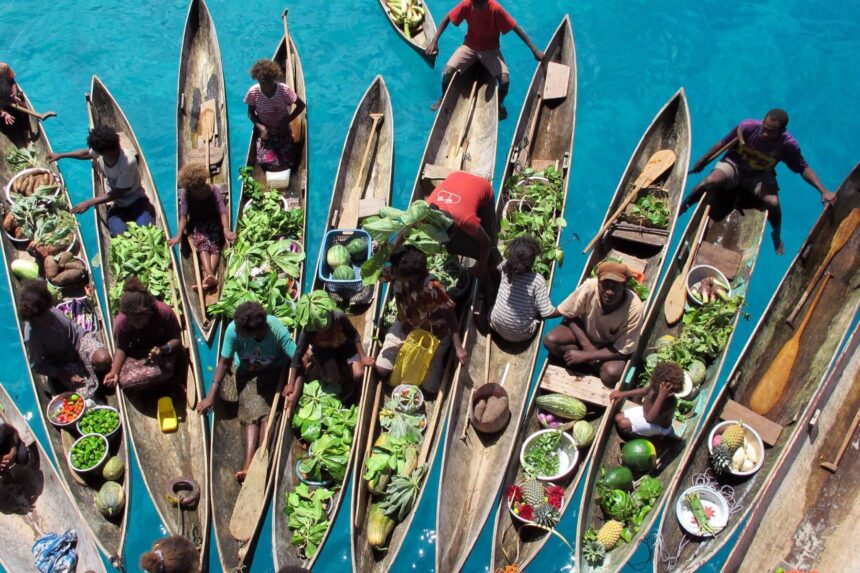
Near Gizo, the 427-foot (130 m) Toa Maru was a Japanese transport ship that sank during WWII. The wreck now sits 23 to 115 feet (7 to 35 m) and, along with the impressive wreck structure, there are still many artifacts onboard. Keep your eyes peeled for sake bottles, a motorbike, a tank, and ammunition. For more experienced divers some sections are still penetrable.
Uepi Point
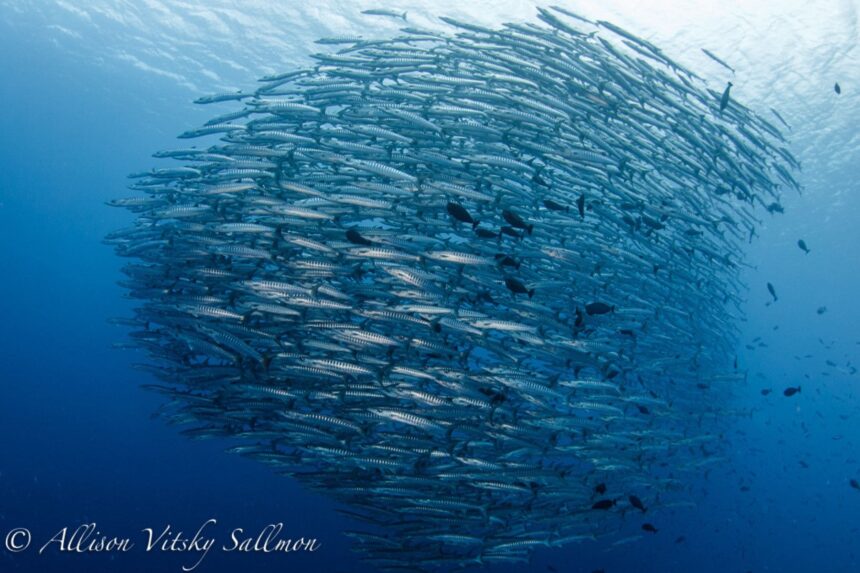
On the famous Uepi Island in Marovo Lagoon, this point attracts large schools of barracudas and jacks, as well as sharks and rays. There is a beautiful wall and a healthy coral garden too, both home to even more amazing marine life including the staggering array of colorful tropical fish that make the Solomons’ reefs so vibrant.
Kicha
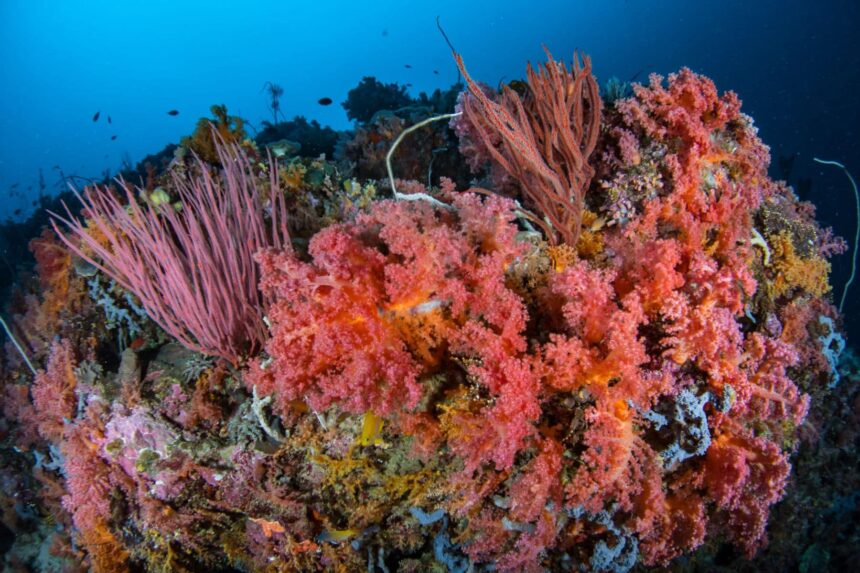
Kicha, a small island outside of Marovo Lagoon, has amazing hard corals in the shallows and giant gorgonian fans deeper. The fish life is prolific, with schools of jacks, barracudas, fusiliers, bumphead parrotfish, sharks, and curious batfish. It’s made even more awe inspiring by the soundtrack you’ll hear of the rumbling underwater volcano Karachi, just 15 miles away.
Mbulo Caves
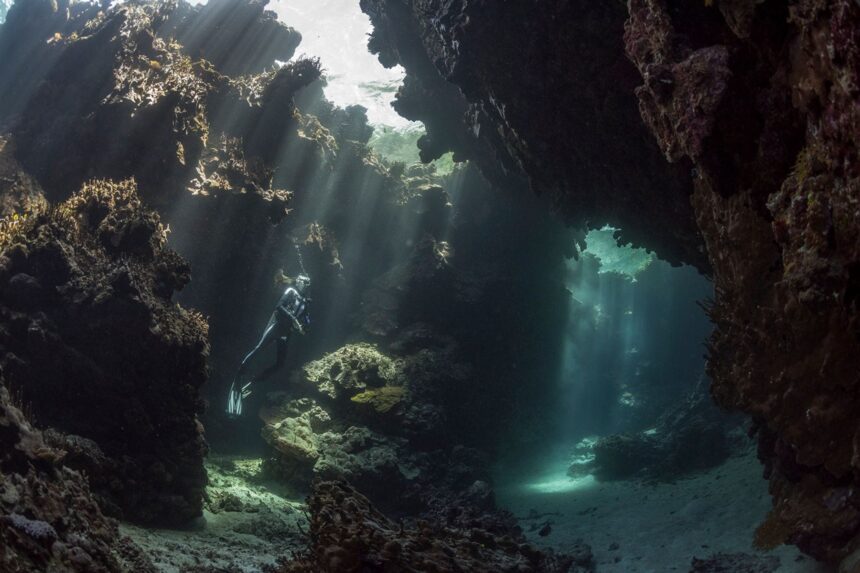
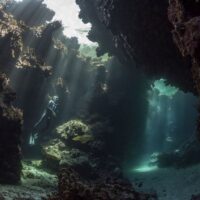
A series of connected, open, shallow caves create a magical sight when the sun shines down through the cracks above to form a stunning experience of light beams, atmospheric spaces, and turquoise blue openings. If that isn’t enough there are also coral gardens so healthy you’ll feel you’ve stepped—or swum—back in time.
Shark Point
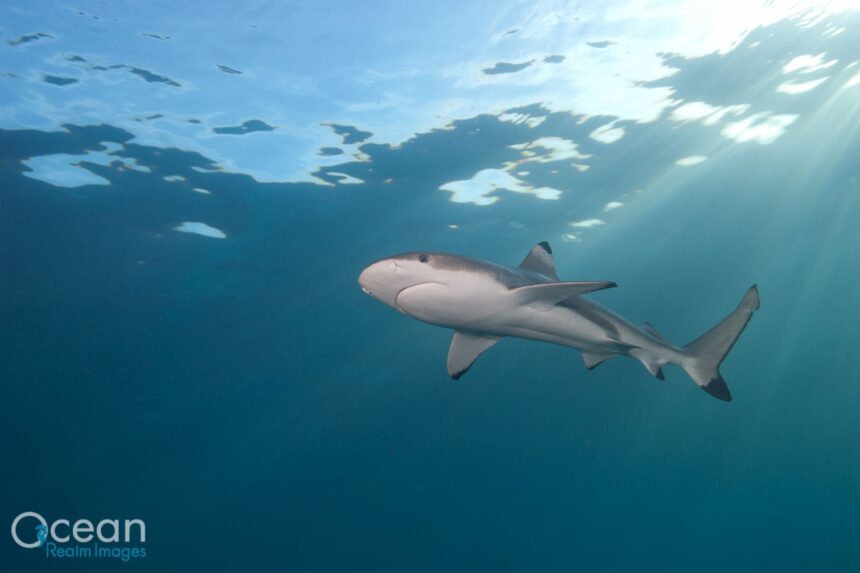
Dived from Munda, this point catches some current and goes down to depths of 230 feet (70 m). It is the most reliable place in the Solomons for you to see hammerheads but also has other great pelagic life like barracudas, rays, and several other species of shark.
Type: Wall, wreck, cave, drift
Skill level: All levels
Access: Boat
About the Solomon Islands
The Solomon Islands are situated three hours northeast of Australia between Papua New Guinea and Fiji, just south of the equator and tucked within the southeastern corner of the Coral Triangle. This chain of nearly 1,000 lush, tropical islands is separated by deep, clear waters.
The Solomons are also a very undeveloped country for tourism, with a limited number of visitors and accommodation options. There are a few western-style hotels and resorts—mostly in the capital of Honiara—but a liveaboard dive boat is typically your best bet to see the most of the magical underwater landscape.
The Solomons Islands feature hot tropical weather year-round, except January and February during the rainy season. Water temperatures are consistently warm. Visitors can reach the Solomons via Fiji, Australia, Papua New Guinea, and Vanuatu.
Flying through Australia or Fiji is typically the best option for most visitors, and there are flights several days a week from each. As well as diving, the Solomons attracts a few visitors with an interest in WWII history, as well as snorkelers, surfers, kayakers, and those looking to get very off the beaten track.
 Take a moment to look at this.


