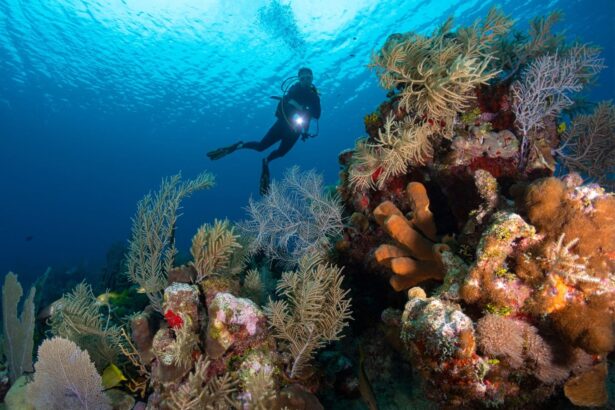
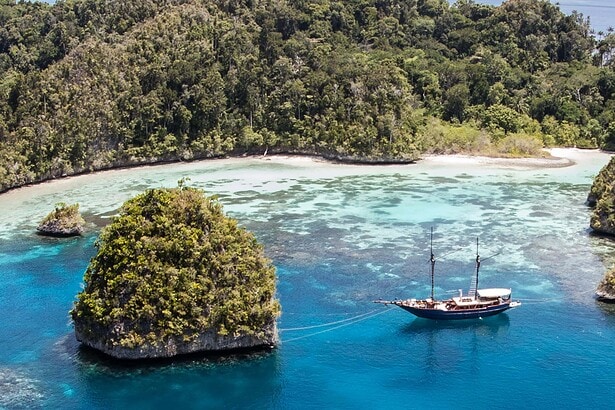








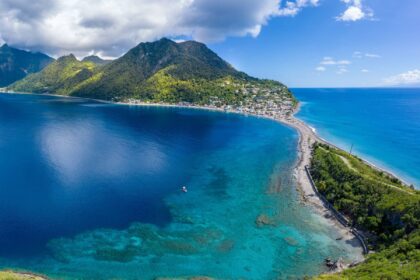
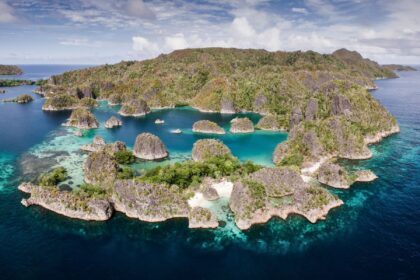
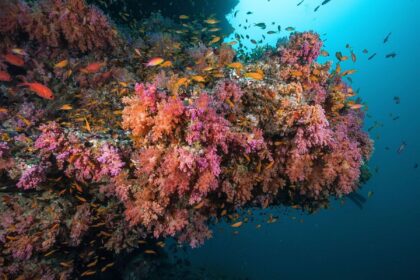
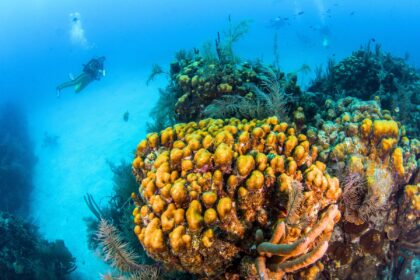
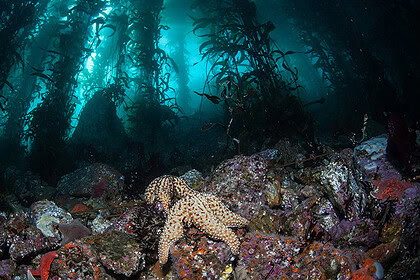
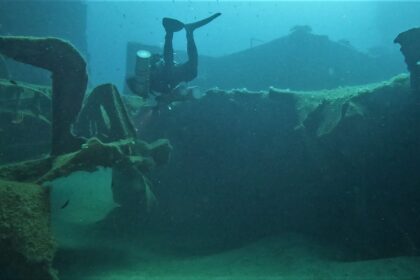
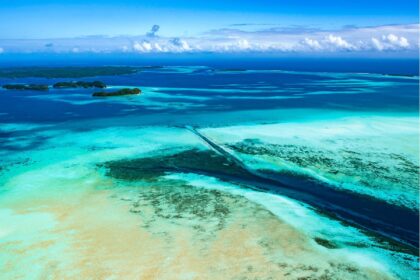
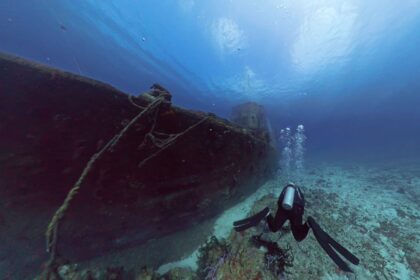
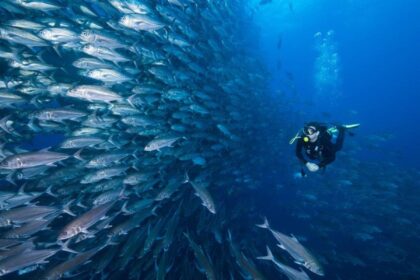
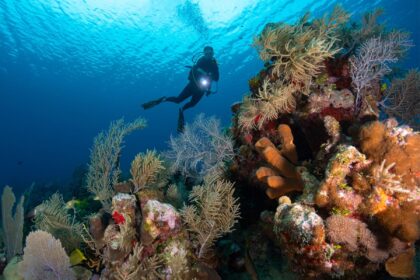
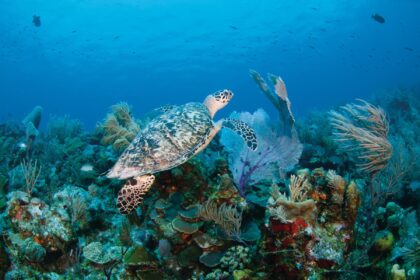


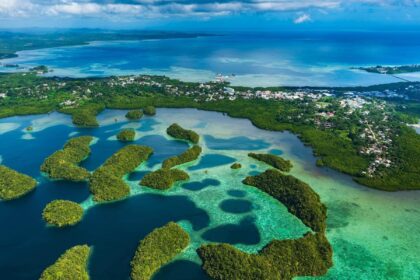
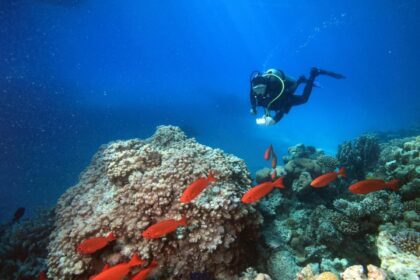

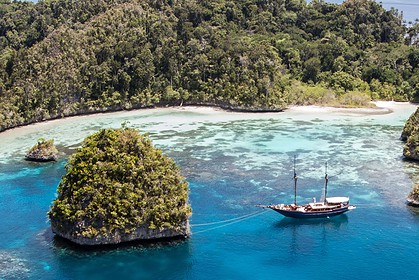










How would you describe scuba diving heaven? When it comes to tropical diving, Indonesia’s Raja Ampat fits the bill. Stunningly green islands rise from clear blue seas and warm waters teem with marine life. Raja Ampat—Indonesian for ‘Four Kings’—sits right at the heart of the Coral Triangle, which is home to the world’s greatest diversity of marine species.
Divers can see 75% of all coral species here, more than 550 in total. Plus, who could resist the combination of spotting large megafauna encounters while searching for the rarest macro life in the ocean—on the same diving day?
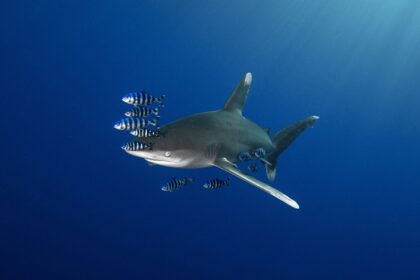
Scuba diving in Raja Ampat means you may encounter orcas, Bryde’s whales, manta rays, and five different turtle species while also hunting for nudibranchs, blue-ringed octopuses, and colorful mantis shrimp. Read on for more on our top 11 dive sites in Raja Ampat.
What makes Raja Ampat so good for diving?
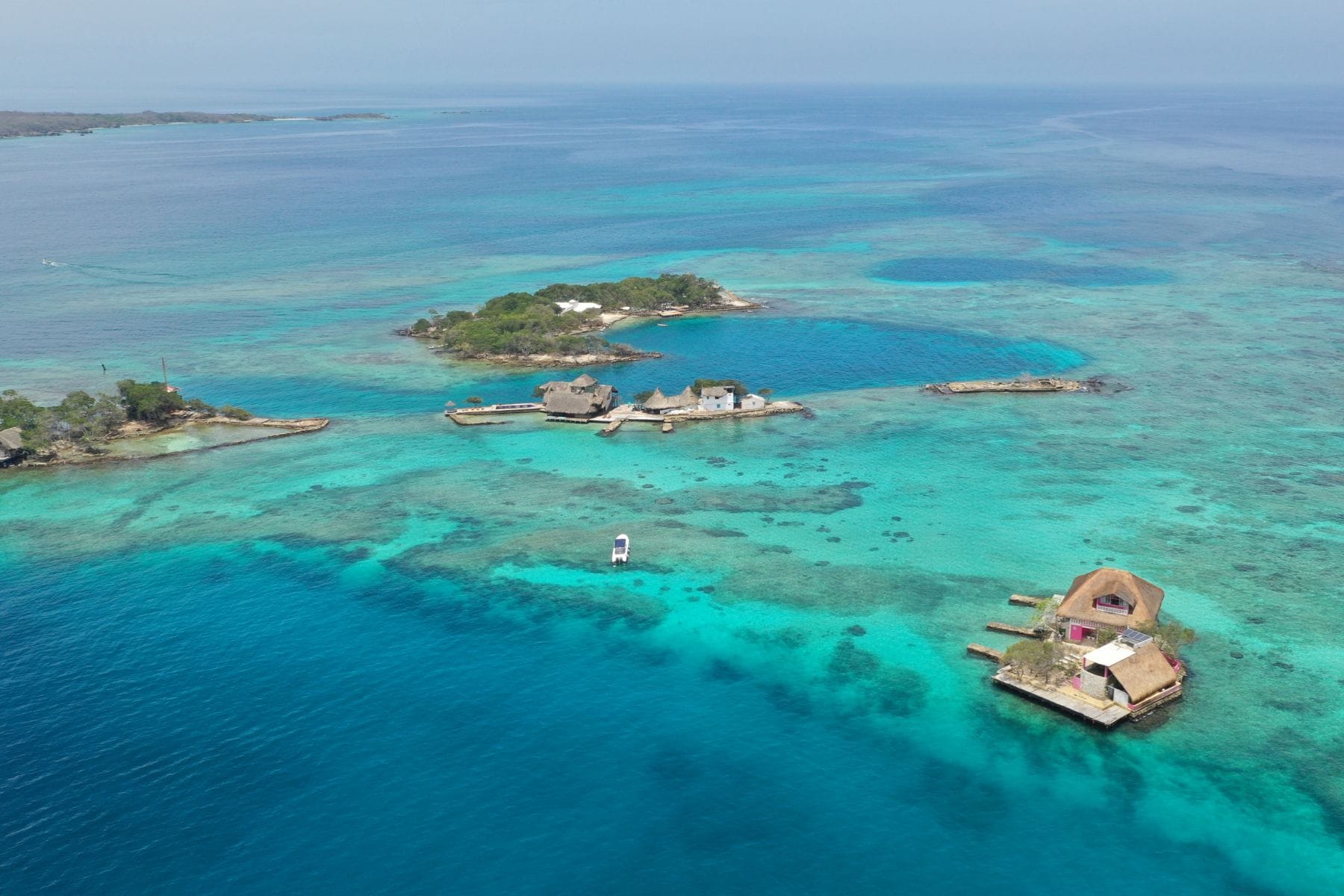
Raja Ampat is a smaller archipelago within the Indonesian archipelago. Located in the east of Indonesia, over 1,500 small islands and shoals are part of the “Four Kings.” They are spread out around the four main islands, Misool, Salawati, Batanta, and Waigeo, as well as a few more around a smaller island, Kofiau.
Together with Komodo, Raja Ampat regularly features on lists of the world’s leading diving destinations. Its reputation is fully deserved thanks to a combination of colorful, healthy corals, schooling fish, some of the world’s largest species of megafauna—and some of the rarest small species, too. While you should expect some current and even strong currents on specific dive sites, Raja Ampat generally offers more gentle diving than Komodo.
Four Kings


Let’s start with the dive site that was named after the entire region. Four Kings takes divers on an underwater journey of four pinnacles, rising up from around 100 feet (30 m) almost to the surface. The shallowest of the pinnacles starts at 23 feet (7 m).
Three of the pinnacles are connected by a ridge, creating truly unique topography for divers to admire and an ideal playground for countless species.
The colorful soft corals on these pinnacles will have you mesmerized from the moment you descend. As you pull their eyes away from the corals, watch for schooling predators. Barracuda and trevally are common here, but this is also an excellent place to watch turtles graze.
Reef fish love to hide in the crevices of the pinnacles. At the same time, it’s worth trying to see past the obvious and look for highly camouflaged macro species.
Highlights:
- Perfect dive site for all abilities
- Stunning soft coral pinnacle tops
- Great chance to see schooling pelagic species
Type: Pinnacle dive
Skill level: All levels
Access: Boat


Dive sites don’t come much more remote than the small islet of Boo. Aside from divers, few visitors make it to these shores. The variety of marine life here is incredible, but this dive site is also a firm favorite because of its unique topography.
Starting from the surface, it appears that there are two individual rocks. Underwater, however, these two massive swim-throughs connect the rocks and allow divers to enter the reef. Looking toward the exit of the swim-through, divers will understand how this site got its name. Many iconic pictures of the area were taken here.
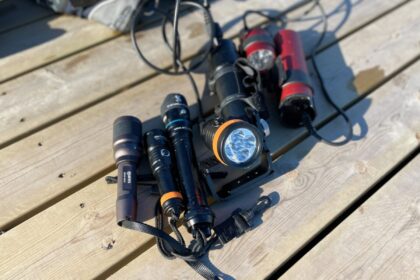
Imagine a rainbow of soft coral to get an idea of what a dive around Boo Windows would look like. This is a great site for wide-angle photographers, and it’s worth bringing a dive light to experience the rainbow effect of the soft coral here.
The swim-throughs are large enough for several divers to enter at the same time, and the windows allow plenty of daylight into the area. The reef itself drops gently to depths between 15 and 30 feet (5 to 10 m) before it becomes a fairly steep wall that drops to the bottom of the sea at around 110 feet (30 m).
Highlights:
- Experience a soft coral reef covering the entire spectrum of rainbow colors
- Cool swim-throughs offering window-like views at each end
- Plenty of fish life to see on the deeper reef
Type: Reef dive
Skill level: All levels
Access: Boat
Shadow Reef


Located south of Boo, this is another one of the most popular dive sites in Raja Ampat, and there are plenty of reasons for that. This submerged pinnacle attracts thousands of fish rising up from deeper areas of the sea to hunt closer to the surface.
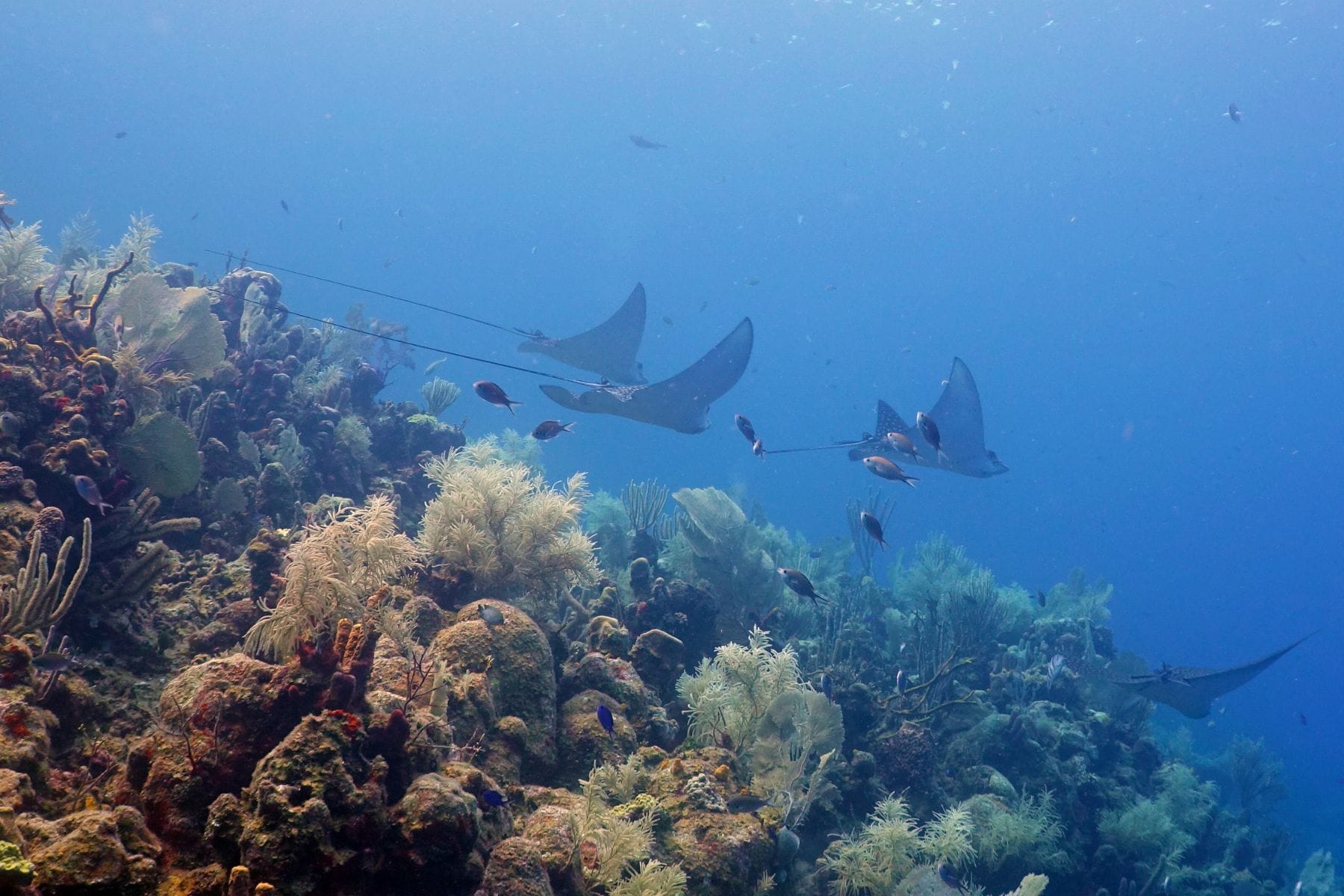
Shadow Reef is also a cleaning station for pelagic species, where massive oceanic manta rays and smaller manta rays visit to allow cleaner wrasse to remove parasites from their skin. Divers simply need to find a good spot on the reef and watch these giants drift by.
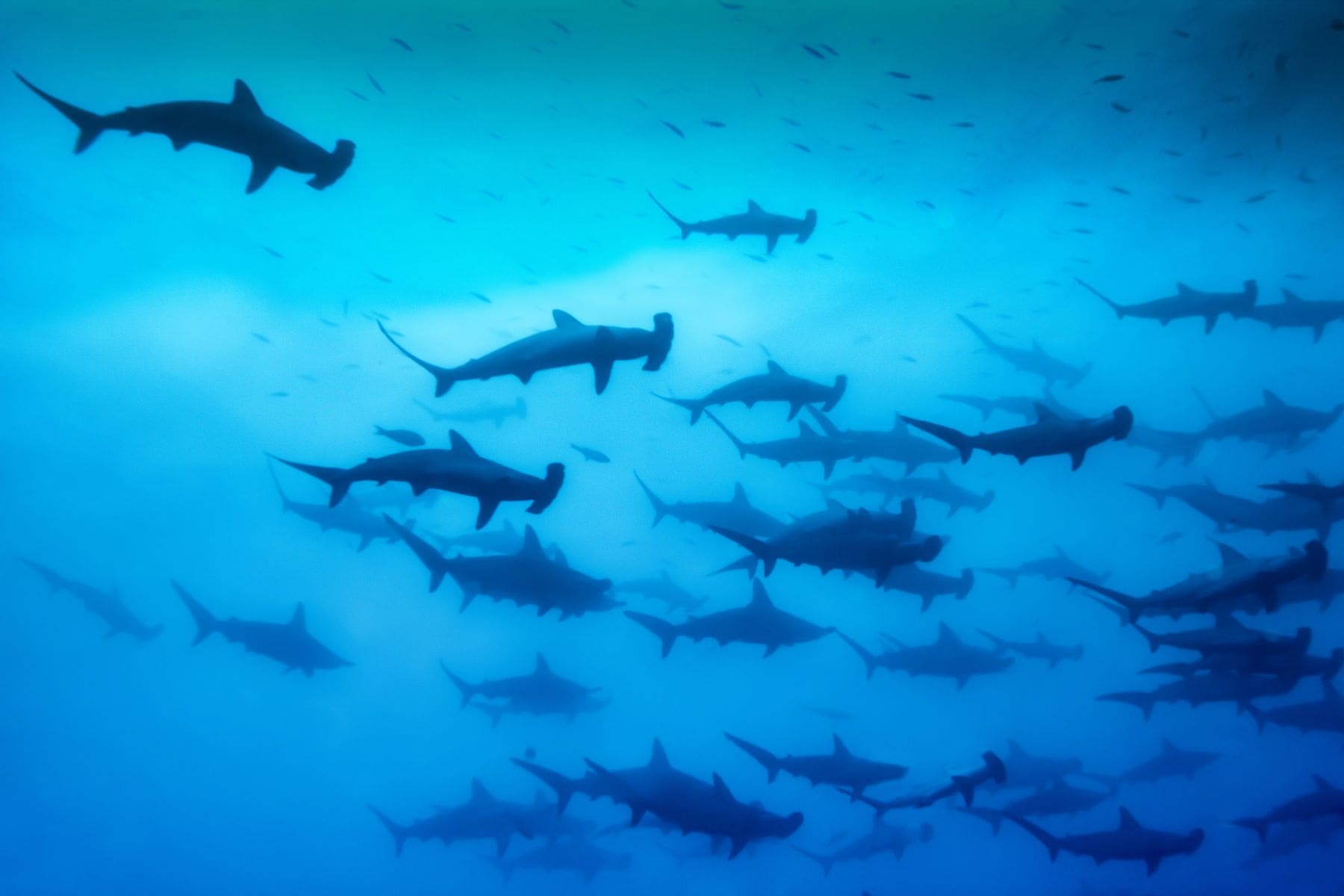
As if that was not enough to make for a great dive, whitetip reef sharks, Napoleon wrasse, and other pelagic species also gather near this pinnacle. Experienced dive guides will tell divers to watch the blue beyond the reef, too, because this is a great spot for even larger megafauna.
Highlights:
- Manta ray cleaning station
- Chance to see even larger megafauna in the blue
Type: Pinnacle dive
Skill level: All levels
Access: Boat
Citrus Ridge


Prepare to see soft and hard corals in all colors of citrus fruit you can imagine. From bright yellows to rich oranges and fiery reds, this site will have photographers excited every minute of the dive. Aside from citrus colors, expect deep greens and spectacular shades of purple.
To experience these colors at their best, it’s worth bringing an underwater light to enhance the nuances of this underwater rainbow. It will also help you appreciate the colors of the smaller fish on this reef and might give you an edge when it comes to spotting smaller species hidden in the coral.
Now, imagine the perfect aquarium for macro photographers, and you’ll have a good idea of Citrus Ridge. Thousands of glassfish, parrotfish, butterflyfish, and surgeonfish make their home here, but divers may also see batfish and even schools of barracuda.
If you have gas to spare, spend some time looking closely at what is hidden in the coral. Different species of frogfish live on this reef, and they’re masters at camouflage.
Highlights:
- Perfect aquarium diving with rainbow-colored corals and thousands of small fish
- Chance of spotting frogfish hidden in the coral
- Bring an underwater light
Type: Reef dive
Skill level: All levels
Access: Boat
Cape Kri


Cape Kri holds the world record for the highest number of species counted on a single dive. In 2012, marine biologist Gerald R. Allen recorded 374 species in this location off the northeast edge of Kri island.
Marine life is so abundant here because several different currents converge around the island. Cape Kri is one of the dive sites where reef hooks are advisable, and divers need to be experienced. These currents bring an unparalleled variety of flora and fauna to the area.
This is an excellent dive site to see sharks, including gray, blacktip, and whitetip reef sharks. Take the time to look under overhangs and into small cave areas and you may be rewarded with a wobbegong shark spotting.
Aside from spending time with sharks, watch for huge schools of pelagic species around this reef. Great barracuda, trevally, mackerel, and fusiliers are some of the most regularly spotted species. Cape Kri also delivers for macro fans with tiny shrimp and crabs hidden among the coral.
Highlights:
- Spectacular, current-swept dive site for macro and wide-angle divers
- Great for shark-spotting
- Bring a reef hook to watch large species comfortably
Type: Reef dive
Skill level: Intermediate
Access: Boat
Arborek Jetty


Picture being surrounded by thousands of fish and not knowing where to look first. That’s Arborek Jetty in a nutshell. Divers regularly become surrounded by schooling reef fish here, offering underwater photographers excellent opportunities for stunning images.
This dive site is fairly shallow and accessible for relatively new divers, as well as delivering an outstanding experience for advanced divers. It’s even worth going for a snorkel around the jetty in between dives.
Named after the adjacent local village, Arborek Jetty is also a starting point for visits to the local area. It’s a great way to complement your diving experience.
There is a beautiful reef here, too, but few divers ever spend much time looking at it. If you get a chance to look past the fish, take it.
Highlights:
- Schooling fish surrounding divers for every minute of the dive
- Shallow dive site allowing for long dive times
- Snorkel-friendly
Type: Reef dive (jetty)
Skill level: All levels
Access: Boat and shore
Mioskun


Mioskun is a pinnacle dive that is usually a great place to introduce beginners or less experienced divers to Raja Ampat. Currents are generally light, although they can pick up at times, so make sure you talk to your dive guide if you’re feeling nervous.
The pinnacle itself rises from 82 feet (25 m) to just below the surface, giving divers of all levels plenty to explore.
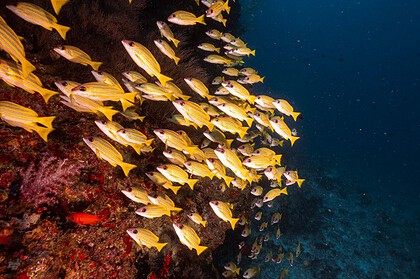
Prepare to be surrounded by yellow snappers. This pinnacle is famous for being home to schools at all depths. You might also hang with schools of trevallies and fusiliers. If you’re heading for the deeper portions of the pinnacle, carefully check in cracks and crevasses for wobbegong sharks.
For eagle-eyed divers (or those with an eagle-eyed guide), it’s worth looking for seahorses and tiny crabs on the Gorgonian fans. While you’re looking into smaller spaces, you may also see coral groupers, shrimp, and moray eels.
Highlights:
- Yellow snappers whichever way you turn
- Wobbegong sharks hiding in small cracks toward the bottom of the pinnacle
Type: Pinnacle dive
Skill level: All levels, often beginner-friendly
Access: Boat
Sardine Reef


Sardine Reef is an enormous oval underwater pinnacle that reaches from just below 80 feet (25 m) to 15 feet (5 m). It’s over 600 feet (200 m) long, which makes it large enough to split oncoming currents. The water funnels along the northern and southern sides of the pinnacle, giving divers a chance to watch marine life play on these currents.
As a general rule, currents bring nutrients and therefore attract fish and other marine species. Around the top of this pinnacle, you can find the dense, healthy coral that is so typical for Raja Ampat, with countless small fish hiding between the coral branches.
As you descend, you’ll find yourself surrounded by butterflyfish, sweetlips, and snappers. Barracuda, giant trevallies, and Spanish mackerel come here to hunt. Take a look into the pinnacle’s cracks to spot octopus, wobbegong sharks, and scorpionfish, and don’t forget to watch the deeper blue water for different species of shark.
Highlights:
- One of the largest pinnacles in the area
- Excellent coral cover with lots of small fish hiding among shallow coral branches
- Don’t miss octopus and wobbegong sharks hiding in the smaller cracks
Type: Pinnacle dive
Skill level: Intermediate
Access: Boat
Melissa’s Garden


This beautiful coral garden is a must-see on any trip to Raja Ampat in our opinion. Just drifting over the coral reef and taking in the different colors could easily fill several dives, but there is more to see and do here.
If you haven’t seen wobbegong sharks on your previous dives, this dive site offers you one of the best chances to spot these strange-looking creatures. The trick is to look for an animal that is so well-camouflaged that it almost blends into the seabed or the background—but not quite.
In Melissa’s Garden, wobbegongs tend to sleep on the ocean floor, hidden in caves and under ledges. Watch out for whiskers and splotchy brown patterns that give them away. From May to October, manta rays also frequent this reef, and you can see great barracudas here. Clownfish fans will love the anemone cover that allows many different species of ‘Nemo’ to make their home in this area.
Highlights:
- Beautiful, expansive coral garden
- Great chance of spotting wobbegong sharks
- Anemones and clownfish galore
Type: Reef dive
Skill level: All levels
Access: Boat
Blue Magic


Located between Mioskun and Cape Kri, this site is invisible from the surface. Underwater, a pinnacle rises from around 100 feet (30 m) to 25 feet (7 m) below the surface. Aside from spectacular hard and soft coral, you can find Gorgonian sea fans and plenty of colorful sponges.
Because this pinnacle is the only underwater structure for quite some distance, it’s also popular with larger species. Massive schools of barracuda, blacktip, whitetip, and gray reef sharks are among the predators passing by. On the pinnacle itself, you have a good chance of spotting an octopus trying to hide among the coral.
However, the manta rays that come to the cleaning station are definitely the main attraction at Blue Magic. Divers can simply hook onto the reef and watch them glide by, taking care not to touch these gentle giants as they pass mere inches away.
Highlights:
- Manta ray cleaning station
- Excellent opportunity to see different shark species and huge schools of barracuda
Type: Pinnacle dive
Skill level: Intermediate
Access: Boat
Manta Ridge


This dive site is a must-see if you’re in Raja Ampat between November and April. During those months, Manta Ridge becomes one of the busiest cleaning stations around.
With a maximum depth of 65 feet (20 m), divers tend to have plenty of time to hook onto the reef and simply watch mantas glide by. Here, it’s all about enjoying close encounters with manta rays, though you should be prepared to deal with currents.
Highlights:
- Lots of manta rays circling divers
- Excellent dive site during the season
Type: Reef dive
Skill level: Intermediate to experienced
Access: Boat
About Raja Ampat
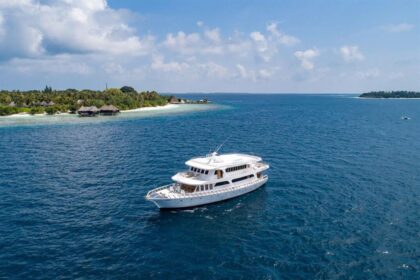
It’s hard to choose the best location for diving in Indonesia, but Raja Ampat—together with Komodo—usually tops pretty much every list. Diving is possible year-round, but some dive sites are seasonal. Divers can choose between doing day dives from one of the dive centers in the area or booking a liveaboard trip to explore a wider area.
Diving conditions vary between the seasons. October to May is often considered to be the best time to dive this area because it’s drier with less rain and calmer seas. However, visiting outside of those months gives you a better chance of escaping the crowds and having dive sites to yourself. Still, dive site choices may be a little more limited during the low season.
Although Komodo is better known for currents, the submerged pinnacles of Raja Ampat can be prone to currents, too. Most operators recommend using reef hooks on the more challenging dives. Saying that, you can complete your Open Water Diver course in the area, and there are plenty of sheltered sites to explore, too.
While you’re in Raja Ampat, don’t miss out on land excursions, taking in the spectacular scenery of rocks and small islands. It’s also worth exploring the local villages and learning about life in this remote area. This is a place that leaves a lasting expression above and below the water.