




Turkey, also called Türkiye, sits at the crossroads of Europe and Asia, where the Mediterranean and Aegean seas meet along a coastline steeped in thousands of years of history.
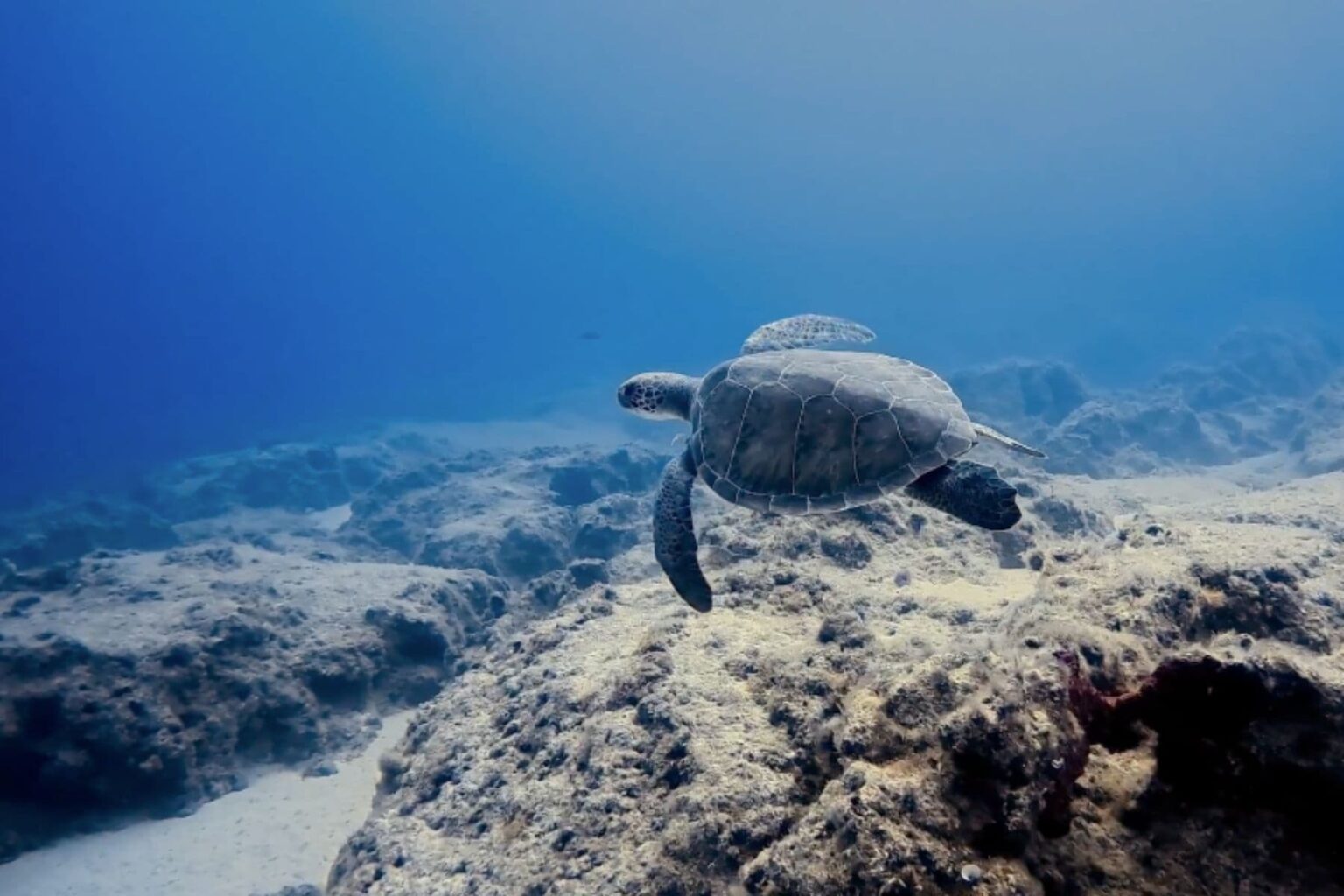
From the coastal cities of Antalya and Bodrum to the fishing village of Kaş, Türkiye features crystal-clear waters, plenty of turtles, and underwater archaeological sites spanning from antiquity to World War II.
When the diving is done, Turkish cuisine has all the best that the Mediterranean has to offer.
What makes scuba diving in Turkey so good?
Turkey offers three compelling reasons to dive here: incredible history beneath the surface, from 20th-century wrecks to ancient ruins; easy accessibility with direct flights from European hubs; and remarkable dive-site variety from caves and tunnels to reefs teeming with loggerhead turtles and barracuda.
The best diving in Turkey includes WWII vessels, sunken aircraft, and ancient cargo ships across depths suitable for all skill levels. The rocky coastline creates dramatic underwater topography with caves, tunnels, and wall dives.
Visibility can be between 50-100 feet (15 to 30 feet) with mild currents, making Turkish waters ideal for beginners and experienced divers while offering fewer crowds than other Mediterranean destinations.
Let’s dive into some of our top picks for the best diving in Turkey.
Saint Didier

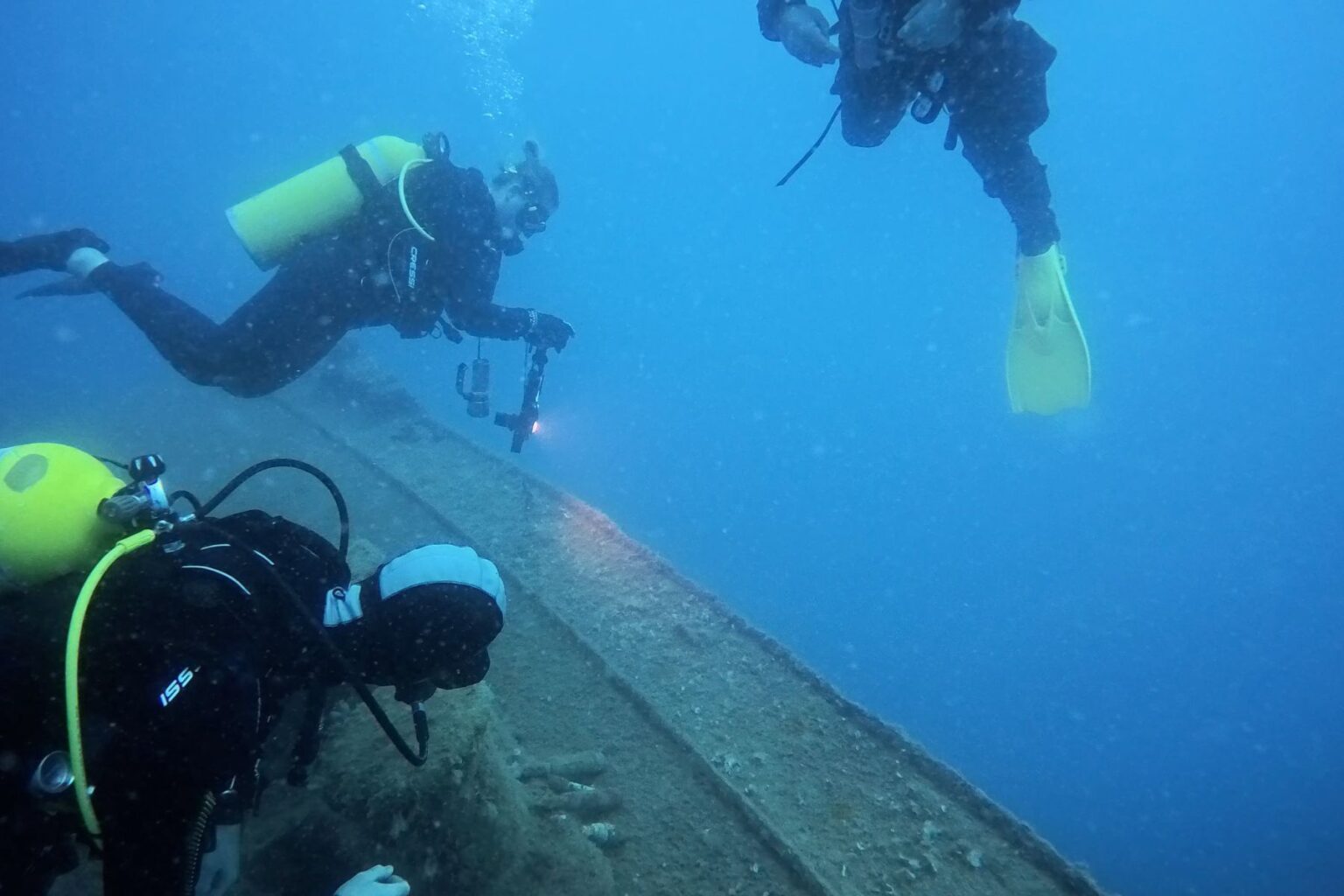
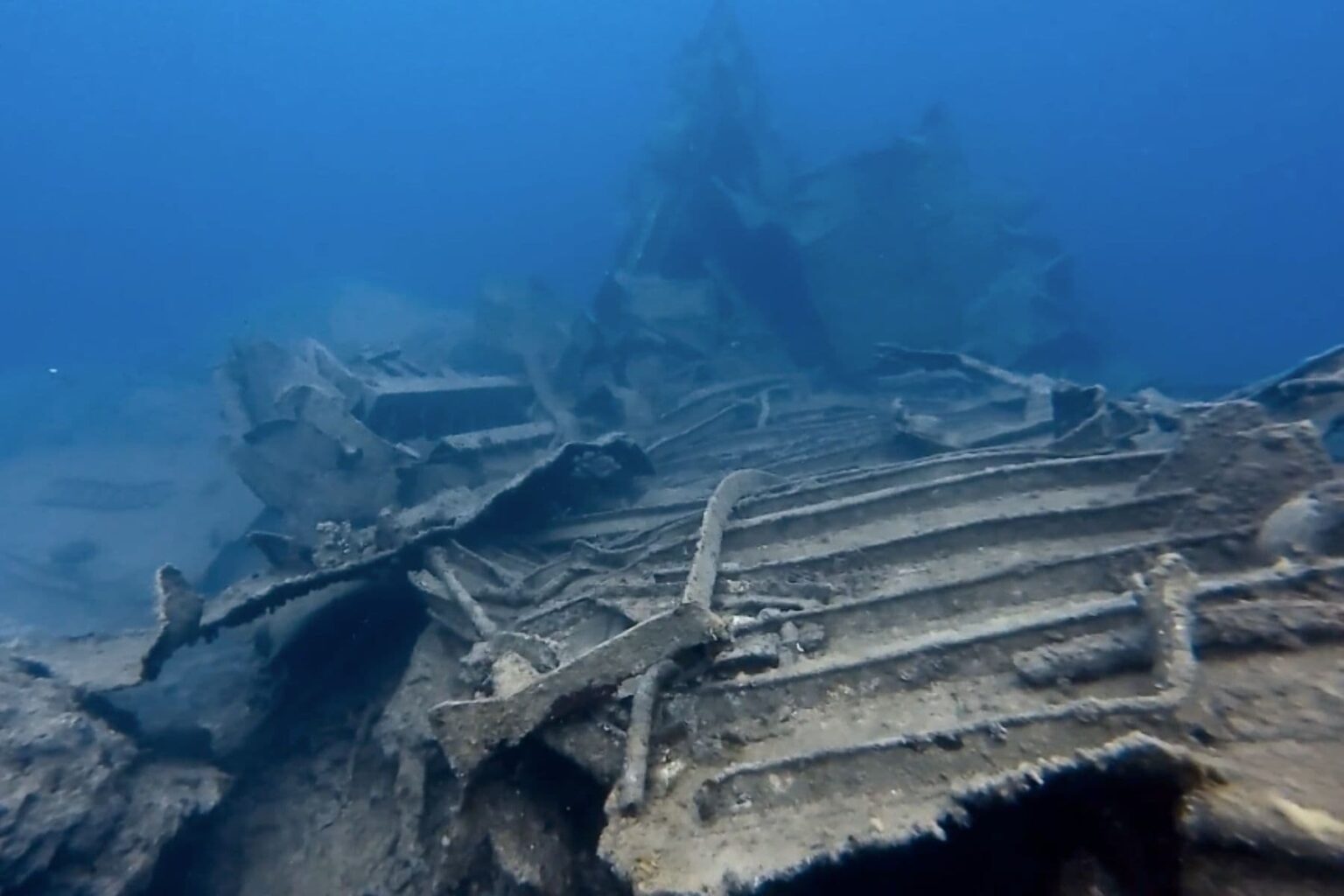
The Saint Didier, a massive French cargo ship sunk by British aircraft in 1941 during World War II, stands as Turkey’s largest diveable wreck. Located just a short boat ride from Antalya’s bustling harbor, this 315-foot-long (96 m) vessel rests in 100 feet (30 m) on a sandy bottom.
The wreck remains remarkably intact, with its cargo holds containing fascinating artifacts including rifles, bombs, and even jeeps from the wartime era. The site offers excellent penetration opportunities for advanced divers, while the exterior provides plenty to explore for intermediate divers.
Things to See:
Inside the Saint Didier’s cavernous holds, divers discover a time capsule of wartime history frozen underwater. Large groupers patrol the ship’s superstructure, while schools of barracuda circle overhead in the blue water.
Octopuses have made homes in the vessel’s nooks and crannies, and loggerhead sea turtles occasionally cruise past this artificial reef. The ship’s impressive size means multiple dives are needed to fully explore its secrets, from the engine room to the bridge structure.
Highlights:
- Turkey’s largest diveable wreck at 315 feet (96 m) long
- Well-preserved WWII artifacts and cargo
- Excellent penetration diving for advanced divers
Type: Historic wreck dive
Skill Level: Intermediate to advanced
Access: Boat
Three Islands (Üç Adalar)
Despite its name, Three Islands actually consists of four small islands, creating one massive diving area with nine distinct reefs and two underwater caves. Located 45 minutes by boat from Kemer Marina, near Antalya, this protected diving zone offers depths ranging from 10 to 200 feet (3 to 61 m) across varied underwater terrain.
The area’s remote location and marine-protection status have created pristine conditions with great marine biodiversity. Rocky reefs drop dramatically to sandy bottoms, creating perfect habitat for both large pelagic species and smaller reef creatures.
Things to See:
The Three Islands area comes alive with massive stingrays gliding over sandy patches and schools of tuna cutting through the blue water. Large moray eels emerge from rocky crevices, while barracuda form impressive hunting formations.
Lucky divers might encounter the endangered Mediterranean monk seals that occasionally visit these remote waters. The underwater topography features dramatic walls dropping to 100 feet (30 m), covered in colorful marine growth and providing endless exploration opportunities for underwater photographers.
Highlights:
- Nine separate reef systems in one area
- Two underwater caves for exploration
- Potential Mediterranean monk seal encounters
Type: Multi-level reef and cave diving
Skill Level: Beginner to advanced
Access: Boat
DC-3 Aircraft Wreck

One of Turkey’s most unique dive sites, the DC-3 aircraft sits upright on a sandy bottom at 65 feet (19 m) deep near the charming town of Kaş. This perfectly intact passenger plane was intentionally sunk to create an artificial reef and has become a magnet for marine life.
The aircraft’s accessibility and photogenic appeal make it ideal for underwater photography, while its moderate depth allows for extended bottom times. The surrounding area features additional attractions including ancient amphorae and natural rock formations.
Things to See:
Swimming through the DC-3’s cabin provides a surreal experience as fish now occupy the cockpit. A laptop on a desk seems eerie in the peaceful and open cabin.
Sea turtles frequently visit the wreck, creating unique photo opportunities against the aircraft’s distinctive silhouette. The nearby seafloor reveals scattered ancient pottery, adding archaeological interest to this already fascinating dive site.
Highlights:
- Intact passenger aircraft on sandy bottom
- Unique underwater photography opportunities
- Ancient amphorae scattered nearby
Type: Wreck
Skill Level: Intermediate
Access: Boat
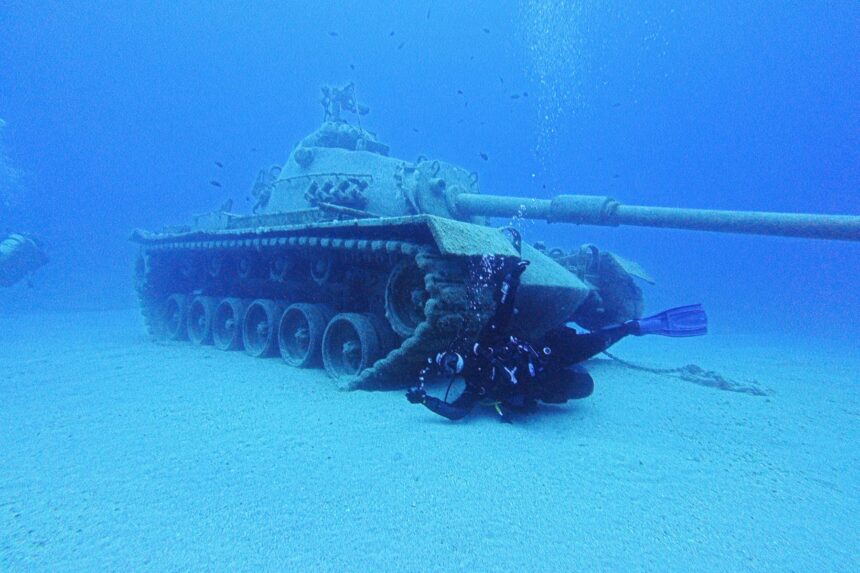
Tank Wreck

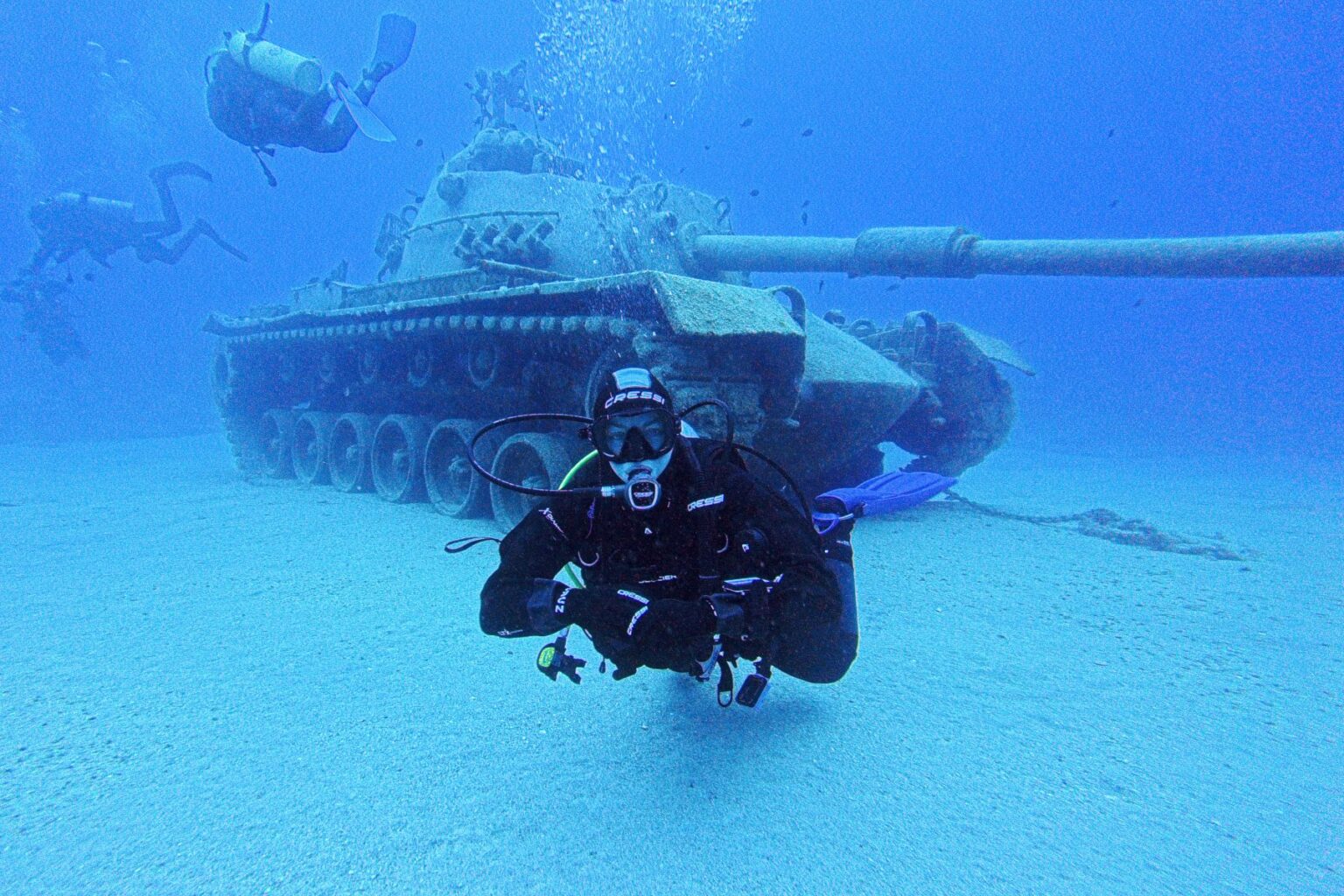
Adding to Kaş’s reputation as a wreck-diving destination, the Tank Wreck features an American M42 Duster military tank resting in 70 feet (21 m). This unusual dive site has made a strange artificial reef that is quite fun to take pictures with.
The tank sits on a rocky slope surrounded by Mediterranean marine life, creating an otherworldly diving experience. Strong currents occasionally sweep the area, bringing nutrients that support abundant fish populations.
Things to See:
The tank’s cannon and tracks remain clearly visible, now covered in marine growth and serving as shelter for countless fish species. Large schools of barracuda often circle overhead while smaller reef fish dart in and out of the tank’s openings.
Octopuses have claimed the tank’s interior, putting on impressive camouflage displays for observant divers. The surrounding rocky terrain hosts colorful sponges and sea fans, creating a vibrant underwater landscape around this piece of military history.
Highlights:
- WWII military tank at 70 feet (21 m)
- Excellent marine life congregation point
- Dramatic rocky terrain surrounding wreck
Type: Wreck
Skill Level: Intermediate
Access: Boat
Aladdin’s Cavern
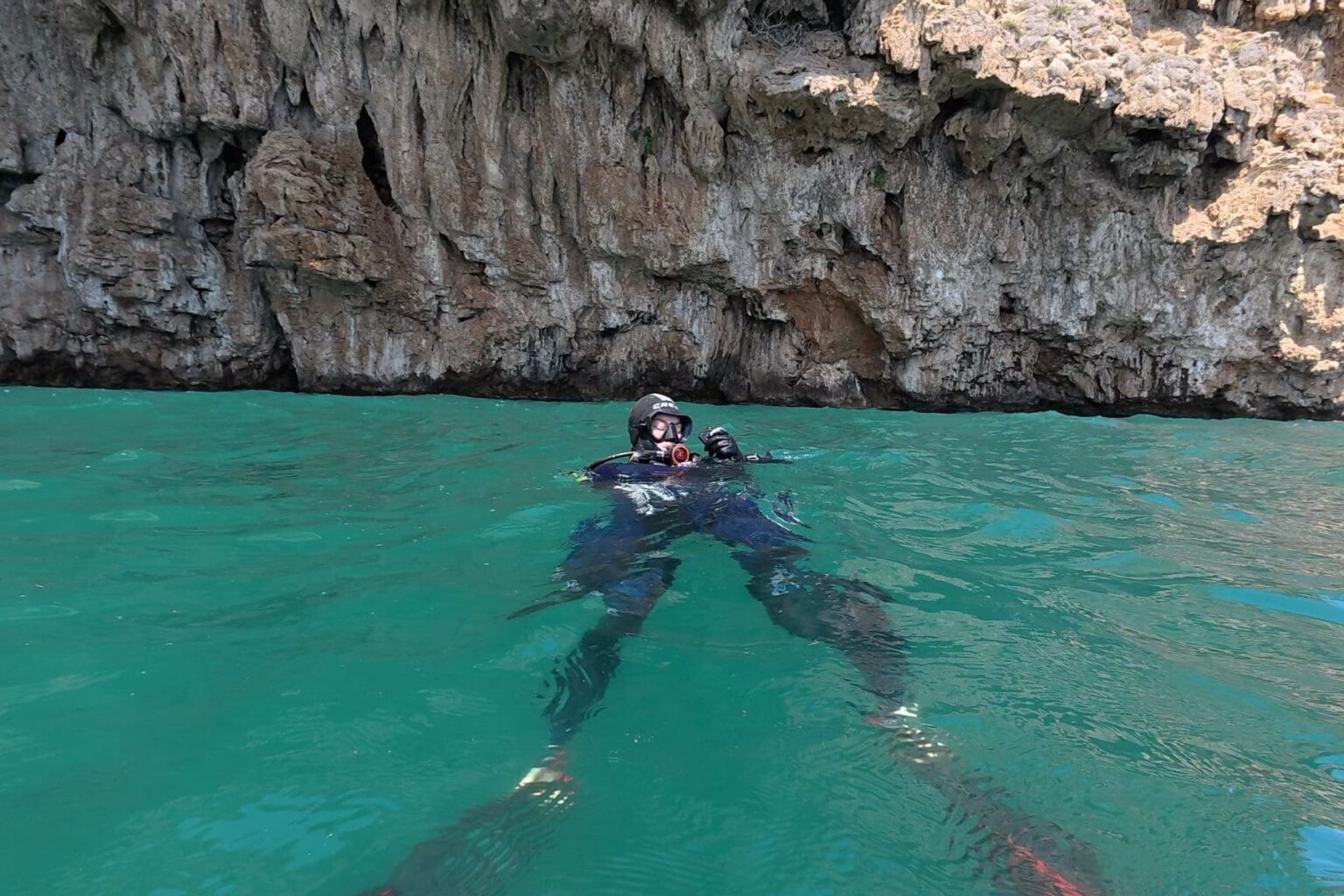
Aladdin’s Cavern in Fethiye offers one of Turkey’s best wall dives, with a stunning vertical drop decorated with colorful corals and sponges. The highlight of this site is the cavern system where divers can surface inside an air-filled chamber known as the “Turkish Bath.”
This unique geological formation provides crystal-clear waters with visibility often exceeding 100 feet (30 m). The wall dive begins at 30 feet (9 m) and descends to over 130 feet (40 m), offering diving opportunities for all experience levels.
Things to See:
The cavern’s interior creates a magical underwater cathedral where sunlight filters through openings in the rock ceiling. Outside the cavern, the wall teems with life including large groupers, hunting barracuda, and graceful sea turtles.
Colorful sponges and soft corals coat the vertical surfaces, while schools of anthias add brilliant splashes of color. The site’s protected status ensures healthy fish populations, with moray eels and octopuses frequently spotted in rocky crevices.
Highlights:
- Surface inside an underwater cavern
- Spectacular wall dive with 100+ foot (30 m) visibility
- Colorful coral and sponge formations
- Beginner-friendly swim-throughs
Type: Cavern and wall dive
Skill Level: Beginner to advanced
Access: Boat
Three Tunnels
The Three Tunnels site features a series of natural swim-throughs carved by centuries of wave action into the rocky coastline near Fethiye. These underwater passages range from 20 to 80 feet (6 to 24 m) deep, creating an adventure playground for divers who enjoy exploring tight spaces and dramatic rock formations. The tunnels connect larger chambers and emerge onto walls decorated with marine life, offering varied diving experiences within a single site.
Things to See:
Swimming through the interconnected tunnel system feels like navigating an underwater maze, with shafts of sunlight penetrating from above. Large groupers often guard tunnel entrances while schools of smaller fish use the passages as highways between feeding areas.
The tunnel walls support colonies of colorful sponges and sea fans, creating natural galleries of marine art. Ancient pottery shards scattered around the site add archaeological interest to this geological wonderland.
Highlights:
- Natural tunnel and swim-through system • Multiple depth levels for all divers • Ancient artifacts scattered throughout
Type: Tunnels and swim-throughs
Skill Level: Intermediate
Access: Boat
Bodrum Reef Systems
The waters around Bodrum host over 20 distinct dive sites featuring healthy reef systems, dramatic walls, and abundant marine life. These rocky reefs extend from 50 to 115 feet (15 to 35 m) deep, creating diverse habitat zones that support everything from large pelagic species to tiny macro creatures.
The area’s protected status and nutrient-rich currents have maintained healthy fish populations despite Mediterranean-wide challenges from overfishing and invasive species.
Things to See:
Bodrum’s reefs come alive with massive schools of barracuda, creating silvery tornadoes in the water column while large groupers lurk in shadowy overhangs. The rocky surfaces support colorful parrotfish, triggerfish, and wrasse that add constant movement and color to every dive.
Moray eels peer from crevices while octopuses perform impressive camouflage displays across the reef surfaces. Night dives reveal hunting lionfish and large-scaled scorpionfish emerging from their daytime hiding spots.
Highlights:
- Over 20 dive sites accessible from harbor
- Walls dropping from 50 to 115 feet (15 to 35 m)
- Excellent night diving opportunities
Type: Reef and wall diving
Skill Level: Beginner to advanced
Access: Boat
Gallipoli WWI Wrecks
The Gallipoli Peninsula is just a few hours from Istanbul. Here there are 216 shipwrecks from the historic 1915 campaign, making it one of the world’s most significant underwater battlefields. These World War I vessels range from 20 to 230 feet (6 to 70 m) deep, offering diving experiences for recreational divers through technical diving specialists.
The wrecks provide sobering reminders of this pivotal battle while serving as artificial reefs that support marine ecosystems in the Dardanelles Strait.
Things to See:
The Gallipoli wrecks offer unique insights into naval warfare history, with vessels from multiple nations scattered across the seabed. Marine life has colonized these artificial reefs over more than a century, creating fascinating combinations of history and biology. Schools of fish shelter in ship’s structures while sea anemones and sponges decorate metal surfaces.
The clearer, cooler waters of the Dardanelles provide excellent visibility for exploring these underwater monuments to a significant moment in world history.
Highlights:
- 216 known WWI shipwrecks
- Depths from 20 to 230 feet (6 to 70 m)
- Significant historical diving experience
Type: Wreck
Skill Level: Beginner to technical
Access: Boat
About Türkiye
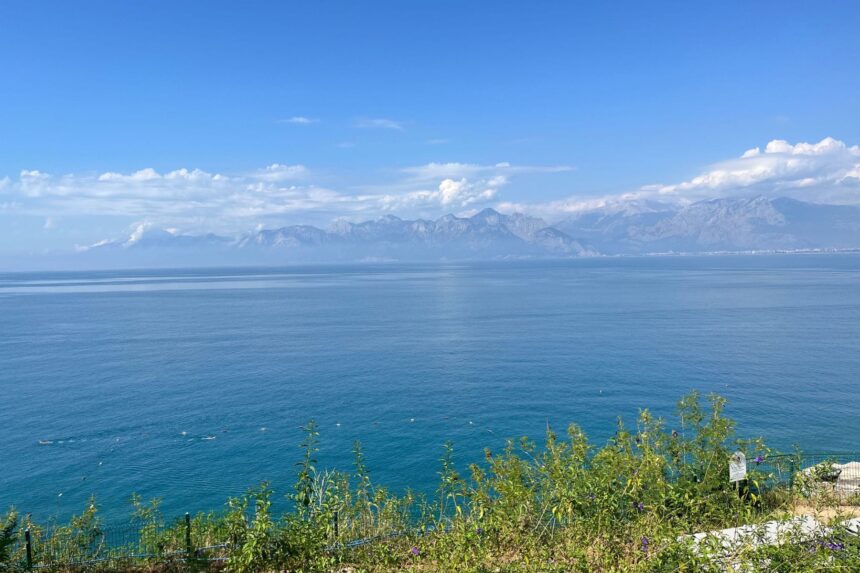
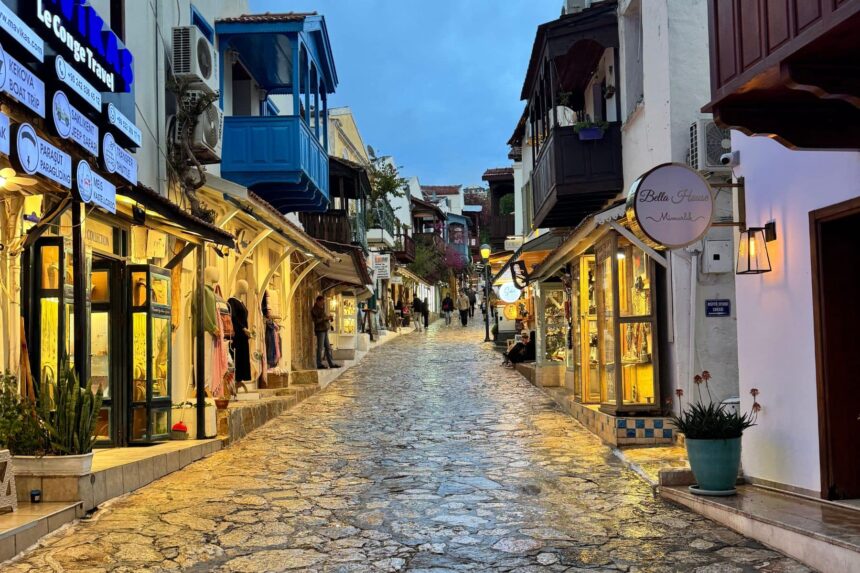


Türkiye occupies a unique position bridging Europe and Asia, with over 5,000 miles of coastline along the Mediterranean, Aegean, and Black Seas. The diving areas concentrate along the southern Mediterranean coast, where warm waters, clear visibility, and dramatic rocky topography create ideal conditions for underwater exploration.
Türkiye offers excellent value for diving vacations, with affordable accommodations ranging from budget-friendly pensions to luxury resorts, all supported by renowned Turkish hospitality that makes visitors feel welcome from arrival to departure.
The best diving season runs from May through October, with peak conditions between June and September when water temperatures reach 75-80 F (24 to 27 C) and visibility peaks at 60-100 feet (18 to 30 m).
July and August bring the warmest waters and highest likelihood of turtle encounters, though these months also see the most crowds and highest temperatures on land.
Spring and fall offer excellent diving with fewer tourists, making them ideal for photographers and divers seeking more solitude.
Türkiye’s diving infrastructure is well-developed, with professional dive centers operating throughout the coastal regions. Most diving is boat-based with day trips featuring two-tank dives and lunch intervals, though shore diving opportunities exist near major centers.
The country’s central location makes it easily accessible from Europe, with direct flights to Istanbul, Antalya, and Bodrum, followed by short domestic connections or scenic coastal drives to diving destinations.
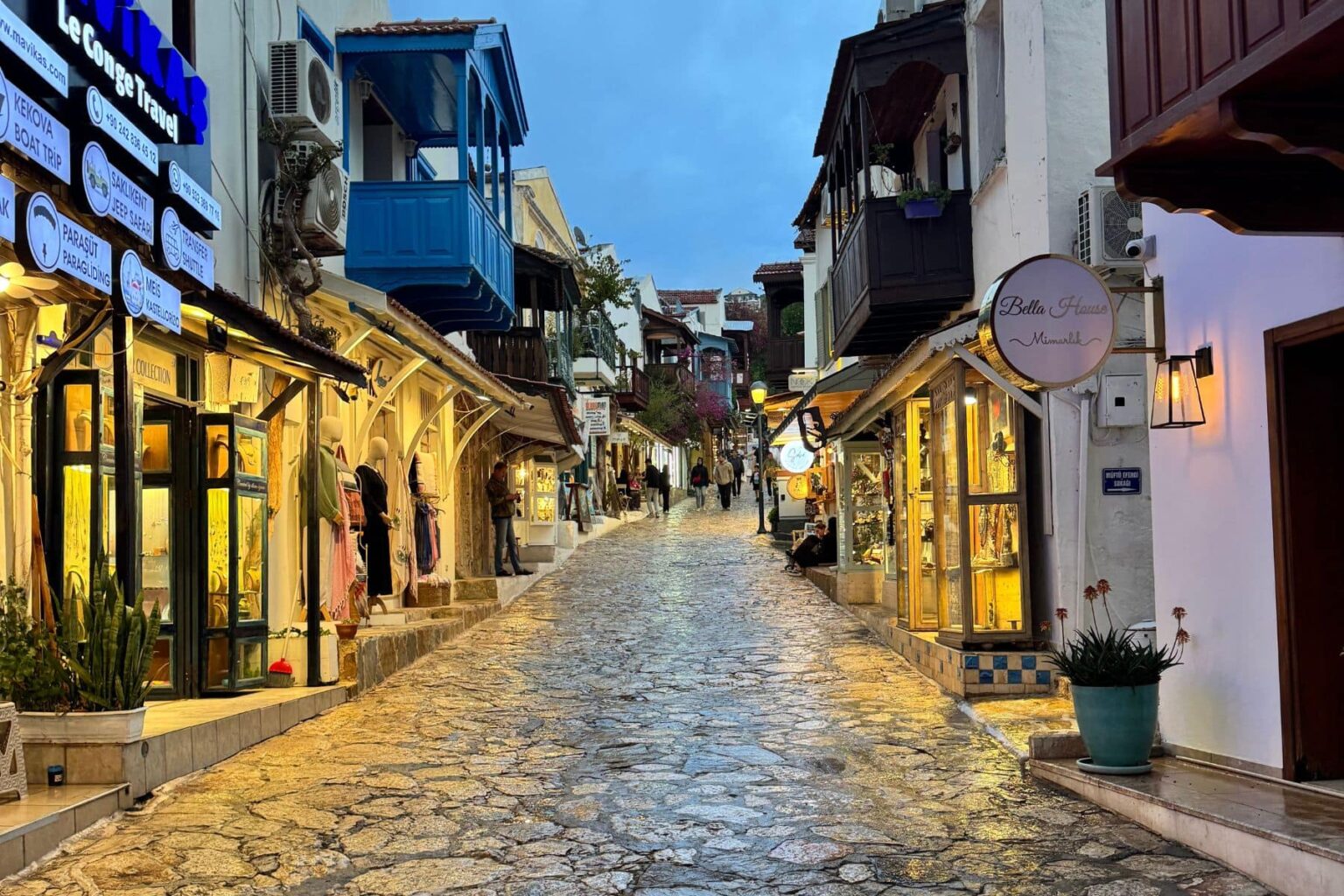
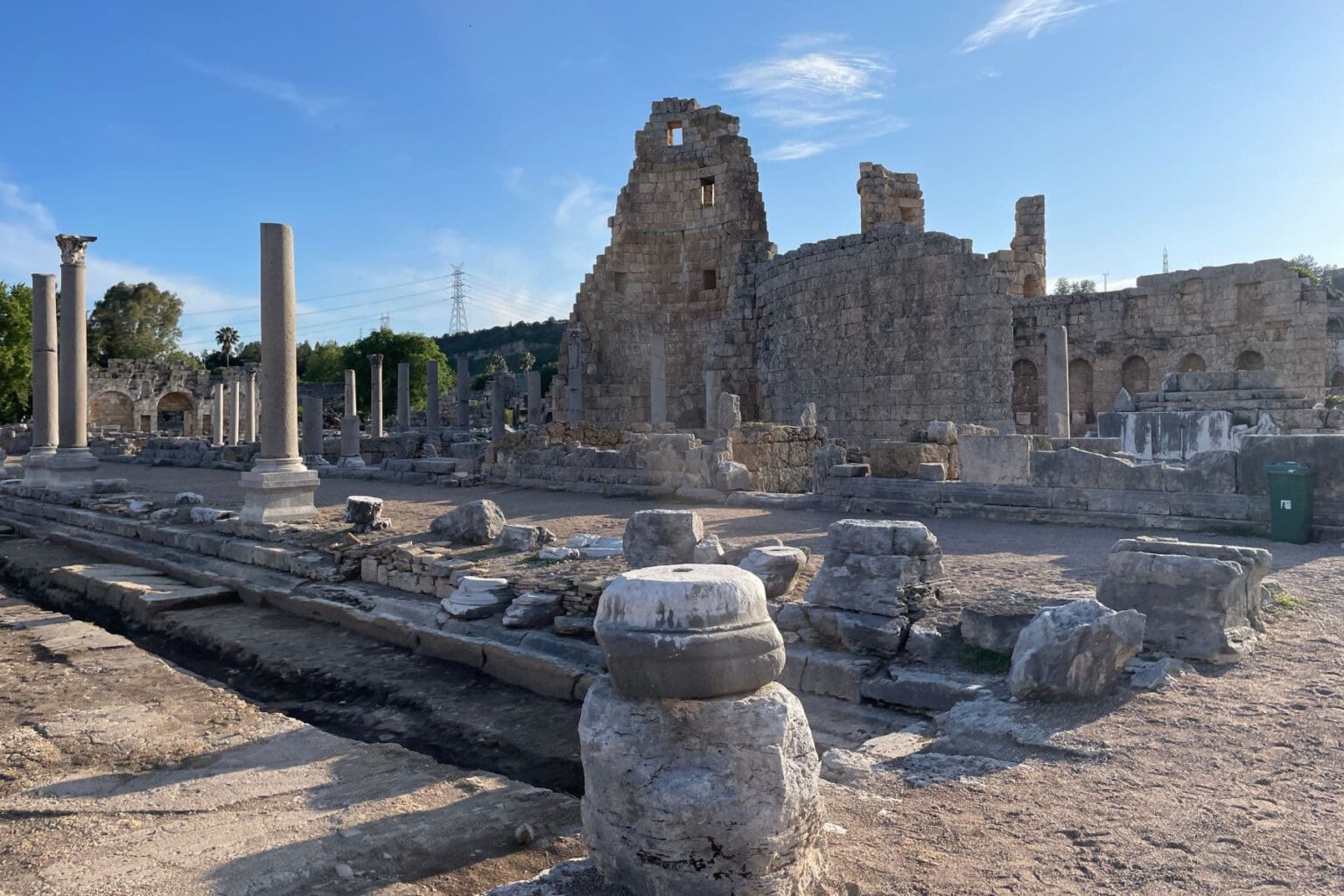
Beyond diving, Türkiye offers incredible historical sites, seriously delicious food, vibrant bazaars, and cultural experiences that create unforgettable travel memories both above and below the surface.
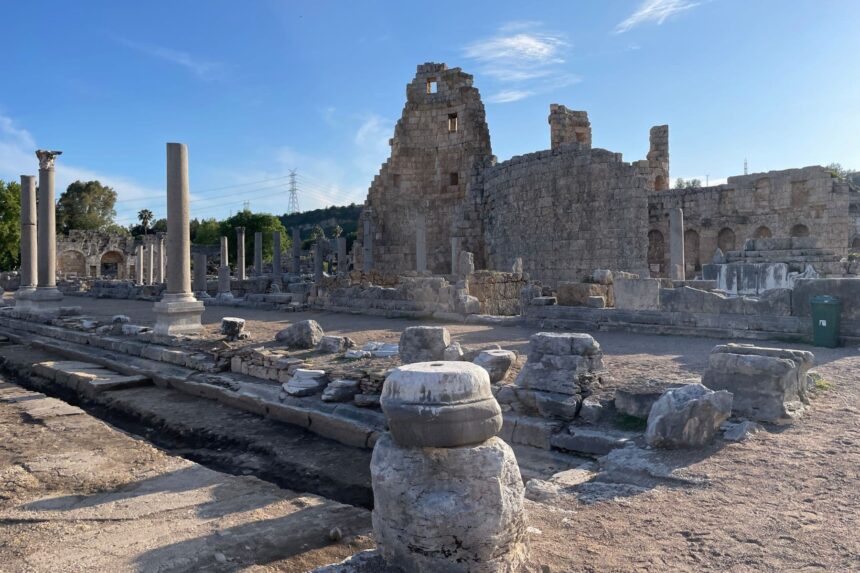
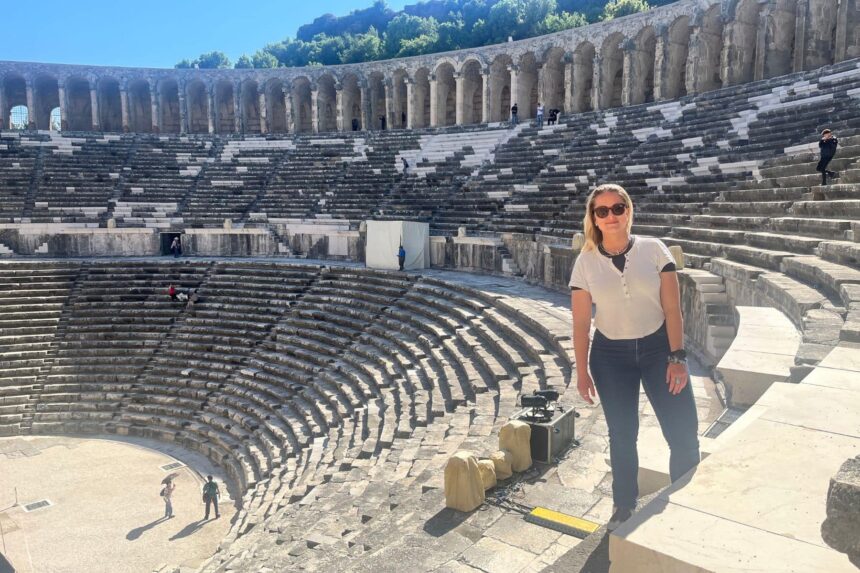
We have an amateur historian on our team who couldn’t get enough of the ancient sites and ruins we visited when we weren’t diving. Beyond that, everyone loved the food, too.
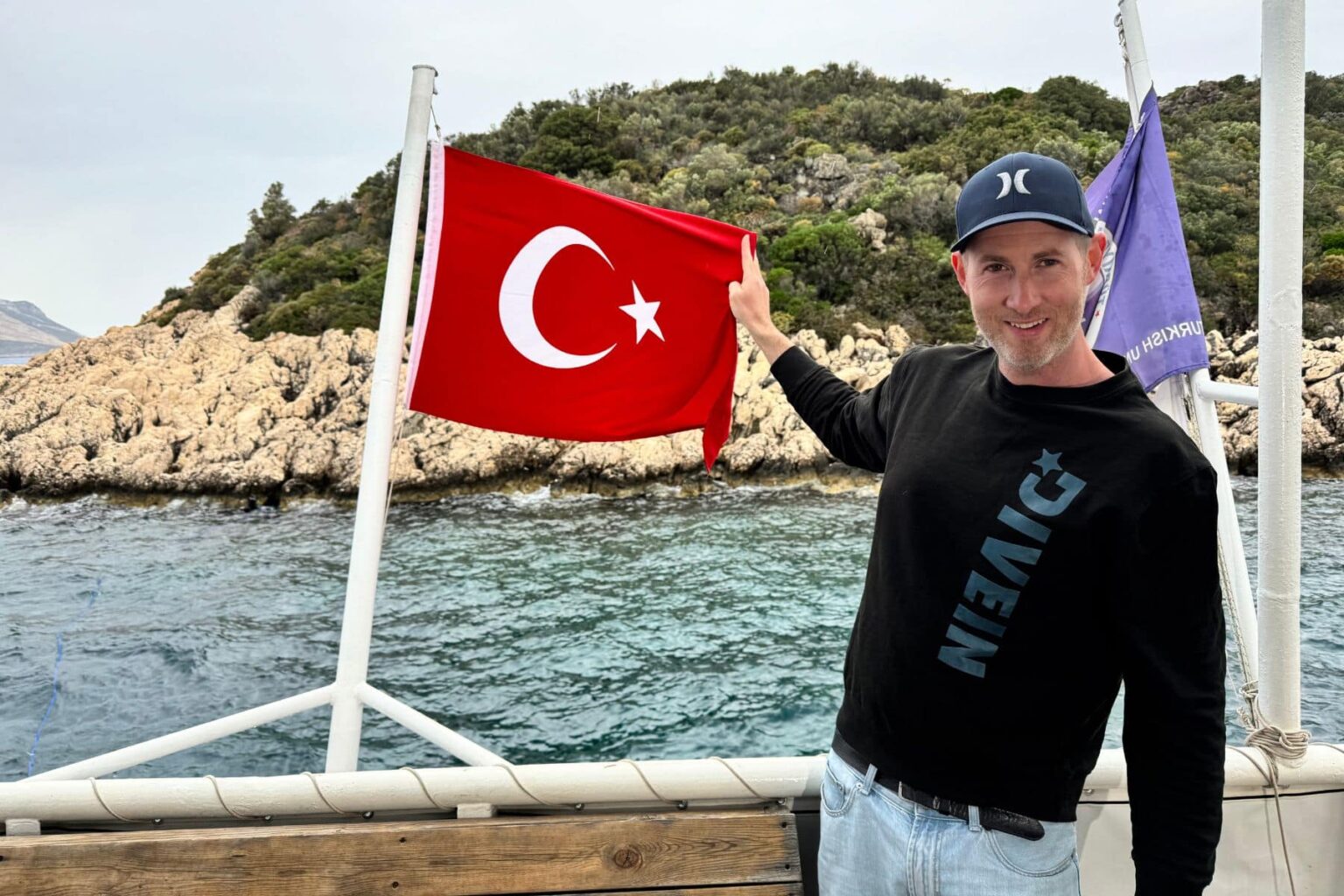
In case you’re worried about the politics of the country, our experiences there only convinced us that Turkish hospitality is a real thing of value. Coastal areas, in particular, are very open and welcoming.
 Take a moment to look at this.


