
For many of us, Australia is about as far from home as we can get, making what goes on Down Under feel like a whole different world. Thanks to its massive size and tucked-away location, Australia has become a melting pot for all sorts of wildlife.
No matter where you go, creatures above and below the waterline are curiously unique—from the iconic kangaroos to the fairytale-esque leafy seadragon. For scuba divers, the impressive Great Barrier Reef is the greatest appeal, but Australia is no one-hit wonder. To the west is the just-as-amazing Ningaloo Reef and down south in Victoria are endless shipwrecks.
What makes Australia so good for diving?
Australia is situated south of the marine-rich Coral Triangle and the marine biodiversity of this famous region is reflected from Australia’s Northeastern coastline and the Great Barrier Reef. This phenomenal reef system is the largest living structure on Earth, stretching for over 1,429 miles (2300 km). It features an endless variety of dive sites, making it a great place to do your open water certification.
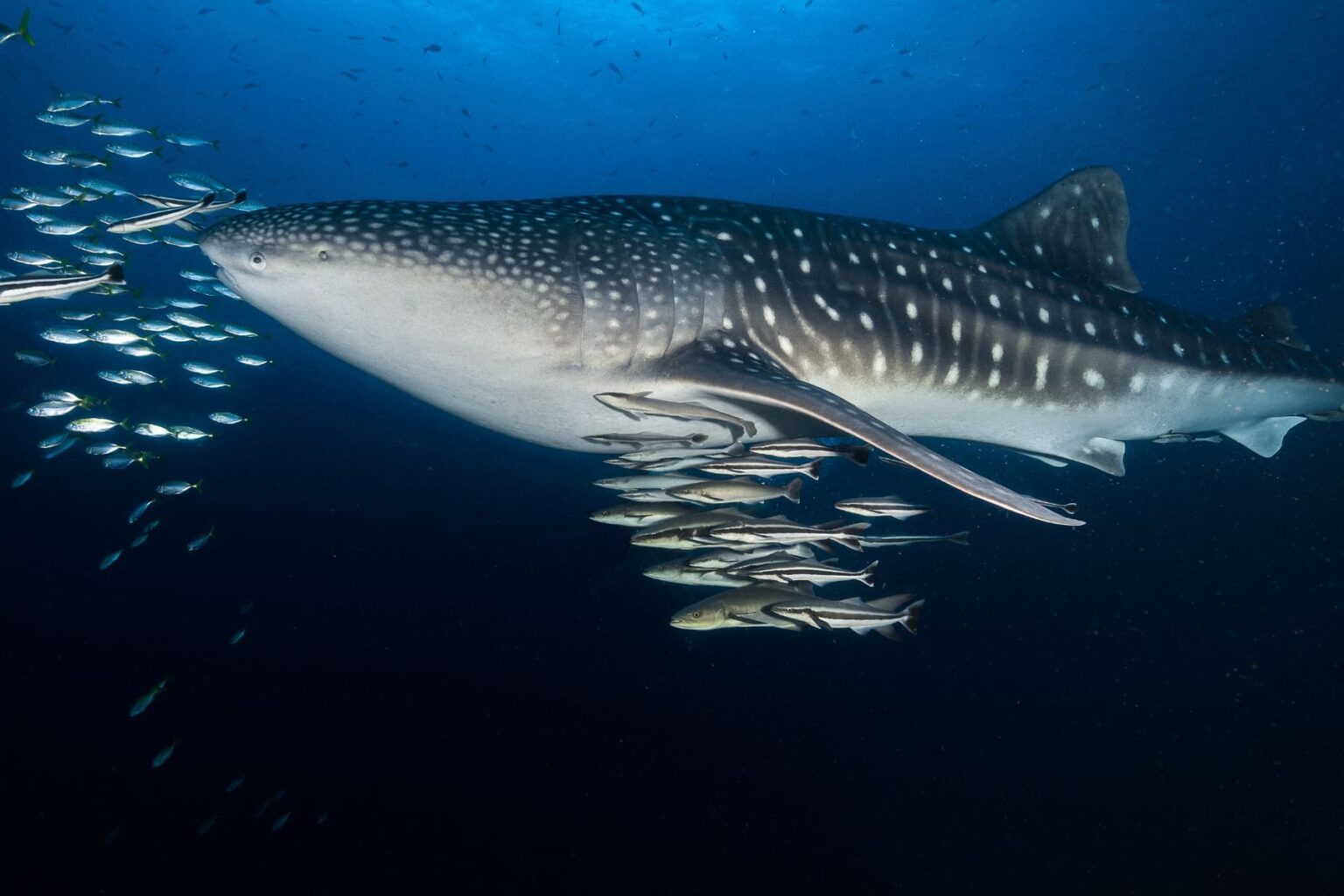
Mirrored on the West Coast is another great reef system, the Ningaloo Reef. More popular with larger pelagics, Ningaloo features annually migrating populations of humpbacks, whale sharks, and leatherback turtles, as well as marine mammals that live here year-round.
Further south, in Victoria and South Australia, the waters are similar to California kelp forests. Here divers can encounter dazzling giant cuttlefish, whimsical weedy and leafy seadragons, and awe-inspiring great white sharks.
Queensland

Unquestionably the highlight of Queensland—and Australia—is the Great Barrier Reef, which stretches over 1,400 miles (2,300 km), almost twice the length of the California coastline. Consisting of 900 islands, the Great Barrier Reef is the largest reef system in the world and a true natural wonder. Just south of the Great Barrier Reef are popular rocky outcrops and several wrecks, all well worth a visit. Liveaboards and dive boats usually depart from Queensland’s capital of Cairns or Townsville to the south.
→ Great Barrier Reef
Composed of over 3,000 individual reef systems, the Great Barrier Reef is one of the seven natural wonders of the world. This spectacular reef system is full of life and color, from cute reef fish to the weird wobbegong shark. Depending on where you embark, sail time to the countless islands and reefs is approximately an hour.
Popular stops include Osprey Reef, Ribbon Reefs, Heron Island, and Lady Elliot Island. With such a variety of dive sites, there is something for all levels of experience and it’s a great place to advance your diving skills. If you are an experienced diver it’s worth doing a liveaboard to squeeze in some night dives as well.
Type: Coral reef
Skill level: Beginner to advanced
Access: Day boat or liveaboard
→ SS Yongala
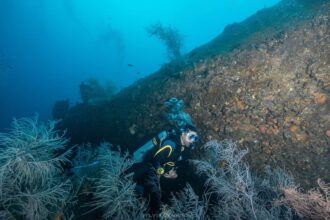
The SS Yongala, often dubbed Australia’s Titanic, was a doomed passenger steamship that tragically sank during a cyclone in 1911, taking all 122 passengers with it. Now the SS Yongala has a new lease of life and is regarded by most as one of the best wrecks worldwide.
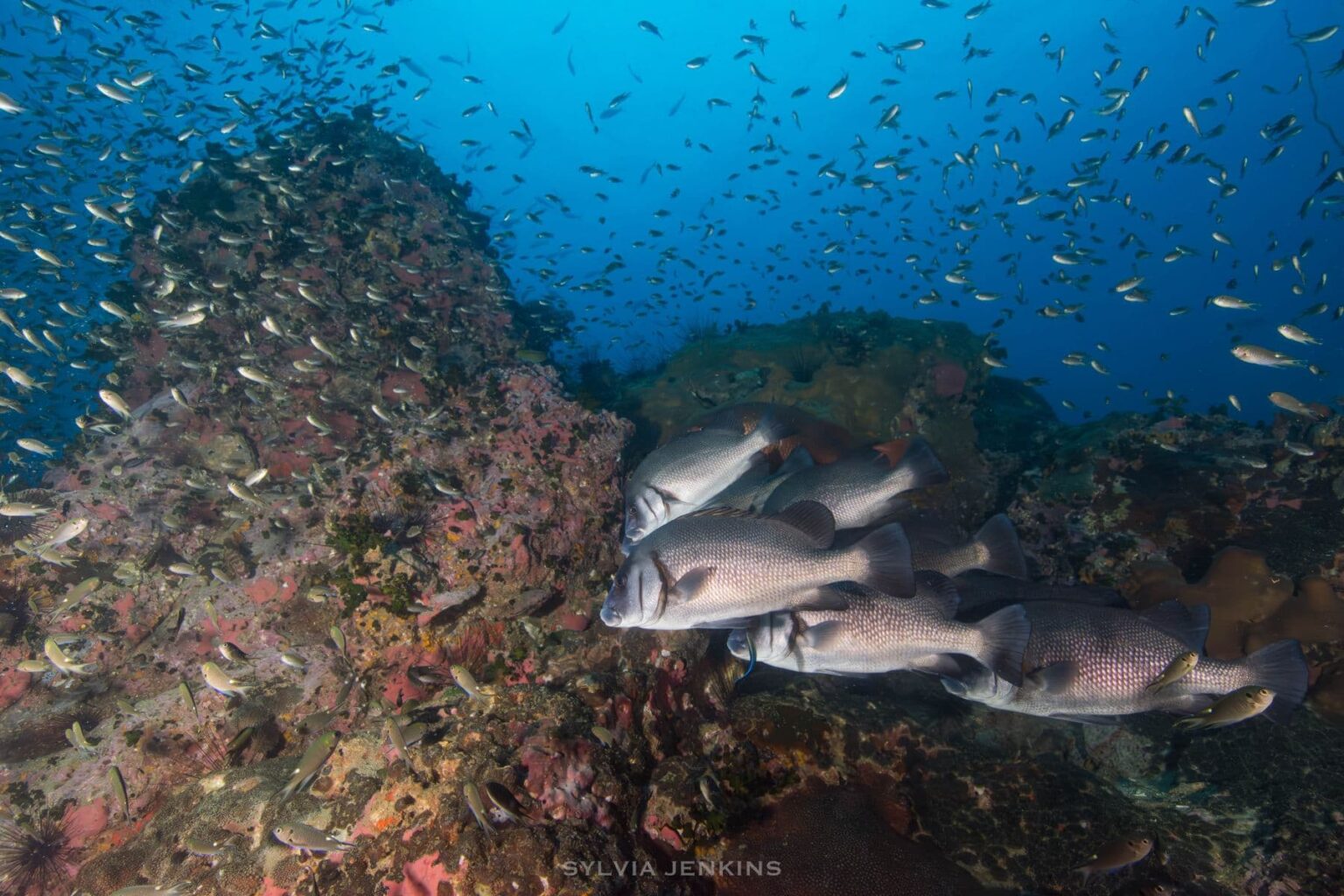
The Yongala sits on a slight tilt on its starboard side between 50 and 100 feet (15 to 30 m). After over 100 years underwater, the wreckage is totally smothered with colorful coral. Expect plentiful sea life including huge potato cod, groupers, Maori wrasse, and sea snakes weaving throughout the structure’s openings. Since the wreck is officially a gravesite, penetration inside is illegal.
Type: Wreck
Skill level: Intermediate
Access: Boat
→ Wolf Rock
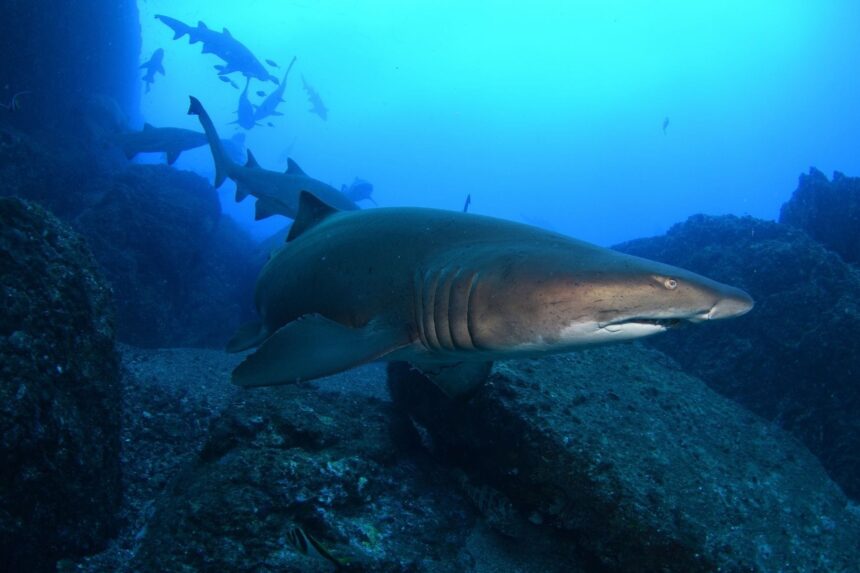
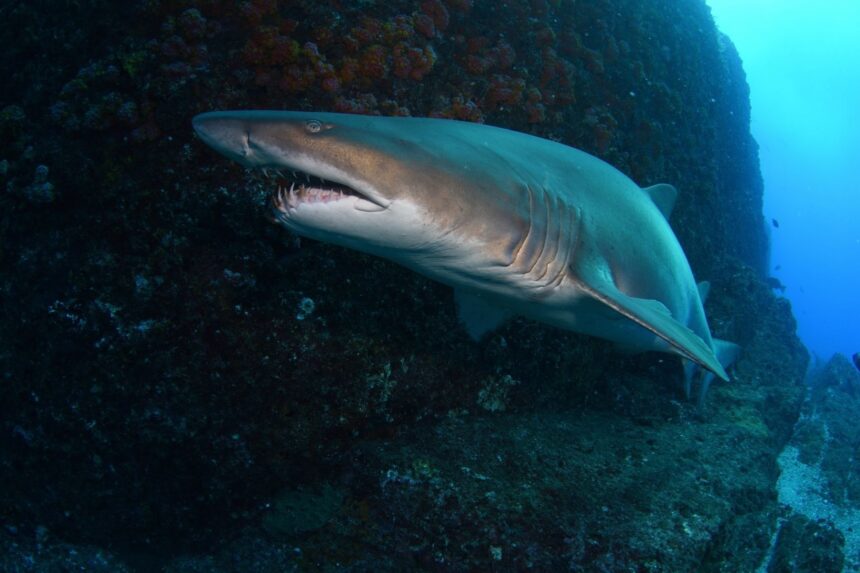


Wolf Rock is one of the best places worldwide to observe the critically endangered gray nurse shark. As a protected gestation site, it offers divers the rare opportunity to see numerous heavily pregnant nurse sharks.
Circling this pinnacle there’s also plenty of pelagic marine life such as manta rays, leopard sharks, giant groupers, and large schools of fish. The dive has different depth levels, making it accessible to most divers. However, be mindful of the currents in this open-ocean spot as to avoid any close encounters with pregnant nurse sharks.
Type: Pinnacle
Skill level: Intermediate
Access: Boat
New South Wales
New South Wales might be famous for the surf scenes of Byron Bay and Bondi Beach, but fun can also be found beneath the waves. The northern regions have balmy tropical temperatures, which slowly cool toward Sydney. Divers will find numerous sites where they can explore swim-throughs and shipwrecks, and encounter marine life including sea lions, turtles, and sharks.
→ Fish Rock Cave
For something a little different, Fish Rock Cave offers an extensive cave system, stretching for 400 feet (125 m). This tunnel has many unique features, such as bubble caves and a vertical exit. The main attraction here is abundant marine life, especially the nurse sharks. And as you illuminate the dark cave, you might get startled by those toothy Cheshire cat grins gleaming back at you.
Hiding in the tunnel, you can expect to see wobbegongs, lobsters, potato groupers, and dense schools of dusky sweepers. The circling nurse sharks silhouetted against the brighter shallows is an incredible scene, so be sure to bring your underwater camera.
Type: Cave
Skill level: Intermediate
Access: Boat
→ Solitary Islands Marine Park
Coffs Harbour is the gateway to the Solitary Islands Marine Park, consisting of five main islands. There are over 40 dive sites to choose from, suiting all levels and experiences.
South Island and Southwest Solitary Island are just 30 minutes away from shore, making them popular for day trips. North Solitary can be up to an hour and a half away, so we recommend a liveaboard. From early June to late October, humpbacks migrate through the region as well, with whale-watching tours run daily.
Type: Coral reef
Skill level: Beginner to intermediate
Access: Day boat or liveaboard
→ Lord Howe Island
Lord Howe Island and its additional 28 islands and islets make up the UNESCO Lord Howe Island Group. Its volcanic beginnings are what make it such a haven above and below the surface. Underwater there are caves, swim-throughs, and sheer wall drop-offs.
Within the lagoons, conditions are calmer, suitable for beginners or photographers keen to hone their skills. Further out is the gem of the region, Ball’s Pyramid. You’ll probably see dolphins on the way out, a teaser to the beauty below. Divers experienced enough for this site can expect to see trevally, mackerels, rainbow runners, and—if you cross your fingers extra hard— maybe even marlin and whale sharks.
Type: Coral reef
Skill level: Beginner to advanced
Access: Day boat or liveaboard
→ Shelly Beach
A short ferry ride to Manly Beach is the perfect cure for those looking to escape Sydney’s bustling crowds. This cute coastal suburb has a friendly surf vibe, perfectly mirrored in its No. 1 dive site, Shelly Beach.
Even though Shelly Beach is only 20 to 40 feet (6 to 12 m) deep, it has plenty to offer for such an easy shore dive. Sheltered from the elements, it is a sanctuary for juvenile fish, such as parrotfish, Moorish idols, and leatherjackets. You’ll most likely spot a wobbegong shark, along with eagle rays and cuttlefish. Since snorkeling is just as viable as scuba, it’s a great hangout spot for friends and family.
Type: Coral reef
Skill level: Beginner
Access: Shore
Victoria

Victoria, the home state of the culturally colorful city of Melbourne, offers some equally vibrant shore diving. Thanks to the cooler kelp forests, it is home to the enchanting weedy seadragon and other macro marvels. Within the natural harbor of Port Phillip Bay and its marine park, there are plenty of wrecks steeped in history.
→ Port Phillip Bay
Due to the narrow entrance, shallow reefs, and strong currents of Melbourne’s natural harbor, Victoria’s Port Phillip Head has claimed many ships over the centuries. With over 200 vessels, there are wrecks for all divers, accessible by either shore or boat.
Since many of these wrecks are located beyond the recreational level of 130 feet (40 m), it’s a popular location for tech divers and training. A popular wreck for all levels is the HMAS Canberra, just outside the narrow passageway. Sitting from 16 to 100 feet (5 to 30 m) and 450 feet (140 m) long, this majestic wreck is the perfect place to get your nitrox and wreck specialty.
Type: Wreck
Skill level: Beginner to intermediate
Access: Boat
→ Flinders Pier
video credit to Sam Glenn-Smith
If you want to see weedy seadragons (not to be confused with their fluffier cousins the leafy seadragons), Flinders Pier, also called Flinders Jetty, on the Mornington Peninsula south of Melbourne is the place to go. An easy shore dive, maximum depth at the pier is 23 feet (7 m), so it’s easily accessible to even novice divers.
Weedy seadragons grow to around 18 inches (45 cm), so they’re by no means small, but nonetheless it’s wise to have an experienced local guide along to help you spot these well-camouflaged creatures. Other marine residents of note include cuttlefish, rays, and crabs. Whether on your own or with a guide, it’s best dived on high or slack tide, and don’t forget your dive flag and a dive knife to cut away any errant fishing line.
Type: Pier
Skill level: Beginner
Access: Shore
Southern Australia
Although not as vibrant as the world-famous Great Barrier Reef or the pelagic hotspot Ningaloo Reef, the marine ecosystems within Southern Australia are home to unique creatures and bucket-list dives. Comparable to Californian diving, it is rich with sea kelp forests, cooler waters, and even sea lions. It’s worth the trip to Fleurieu Peninsula to encounter the mystical weedy seadragon or face your fear and go cage diving with the Great White!
→ Port Lincoln
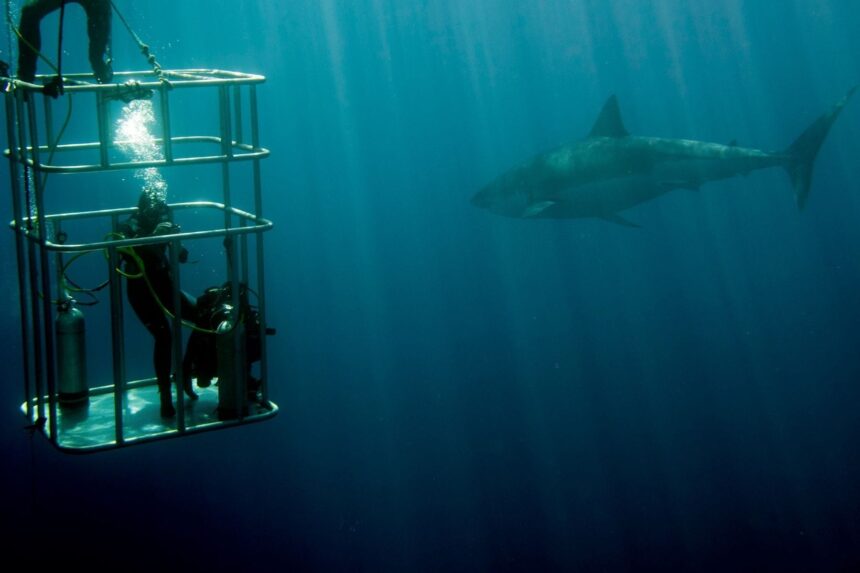
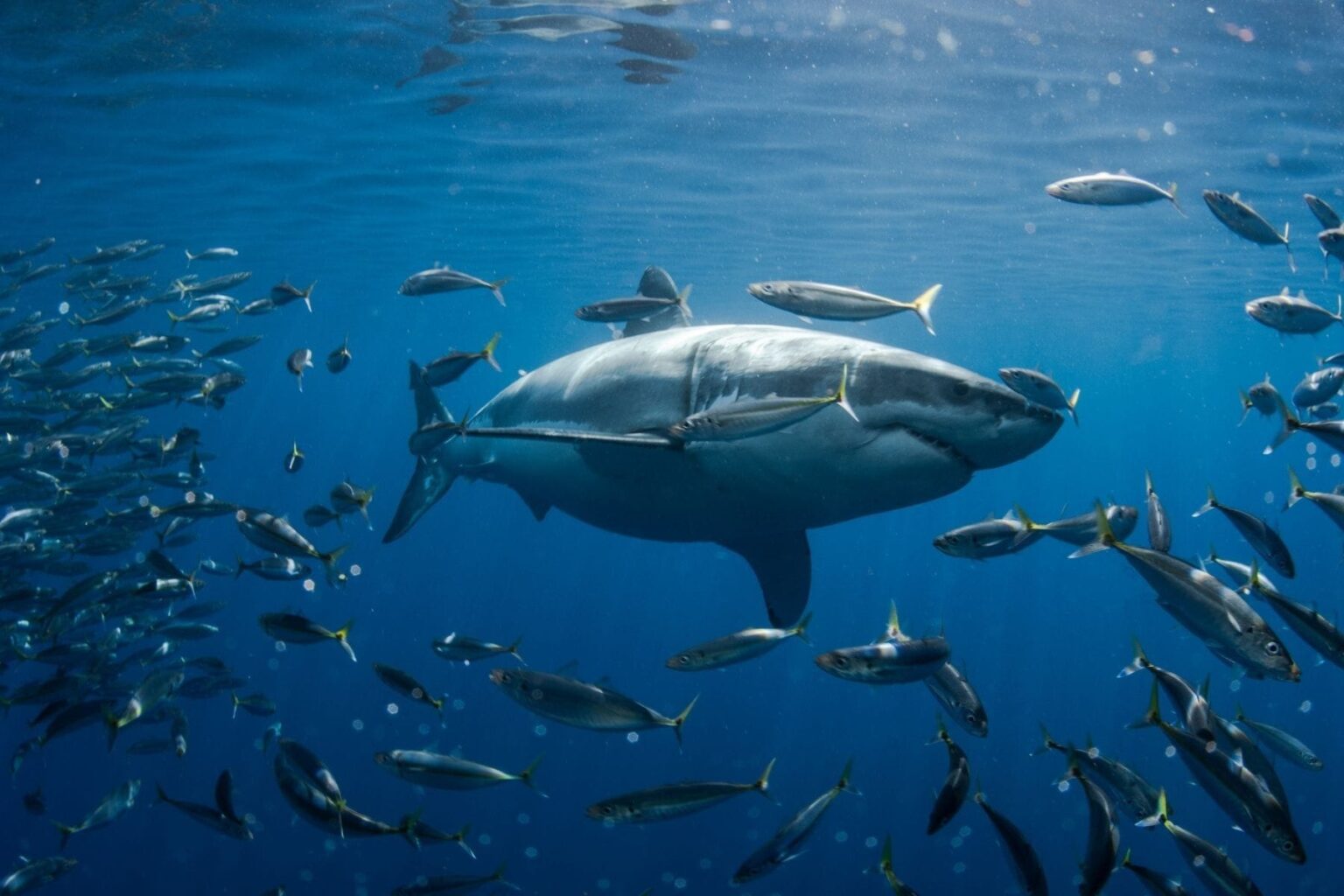
There are only a few places in the world that offer reliable opportunities to witness great white sharks. In Port Lincoln, divers have two options when it comes to cage diving with these apex predators—a day boat or liveaboard.
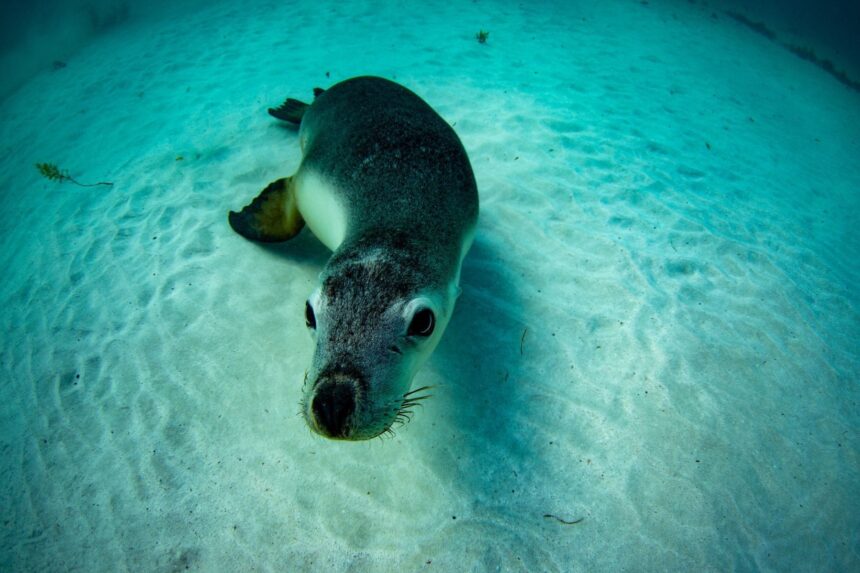
Although it’s not “diving” in the truest sense, cage diving offers great up-close-and-personal encounters with the baddest boy of the ocean. Charters go to the Neptune Islands, the home base and breeding ground for New Zealand fur seals and Australian sea lions—a favorite meal for great whites—to give divers the best chance of spotting them.
Day boats use surface cages and surface-supplied air, while liveaboards allow divers to hang out in cages on the ocean floor.
Type: Cage
Skill level: Beginner to advanced
Access: Boat (cage diving)
→ Fleurieu Peninsula
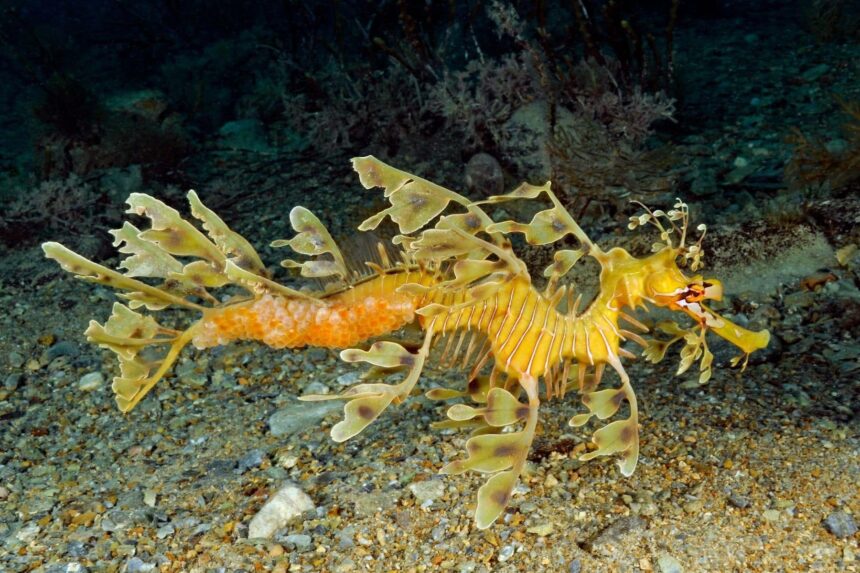
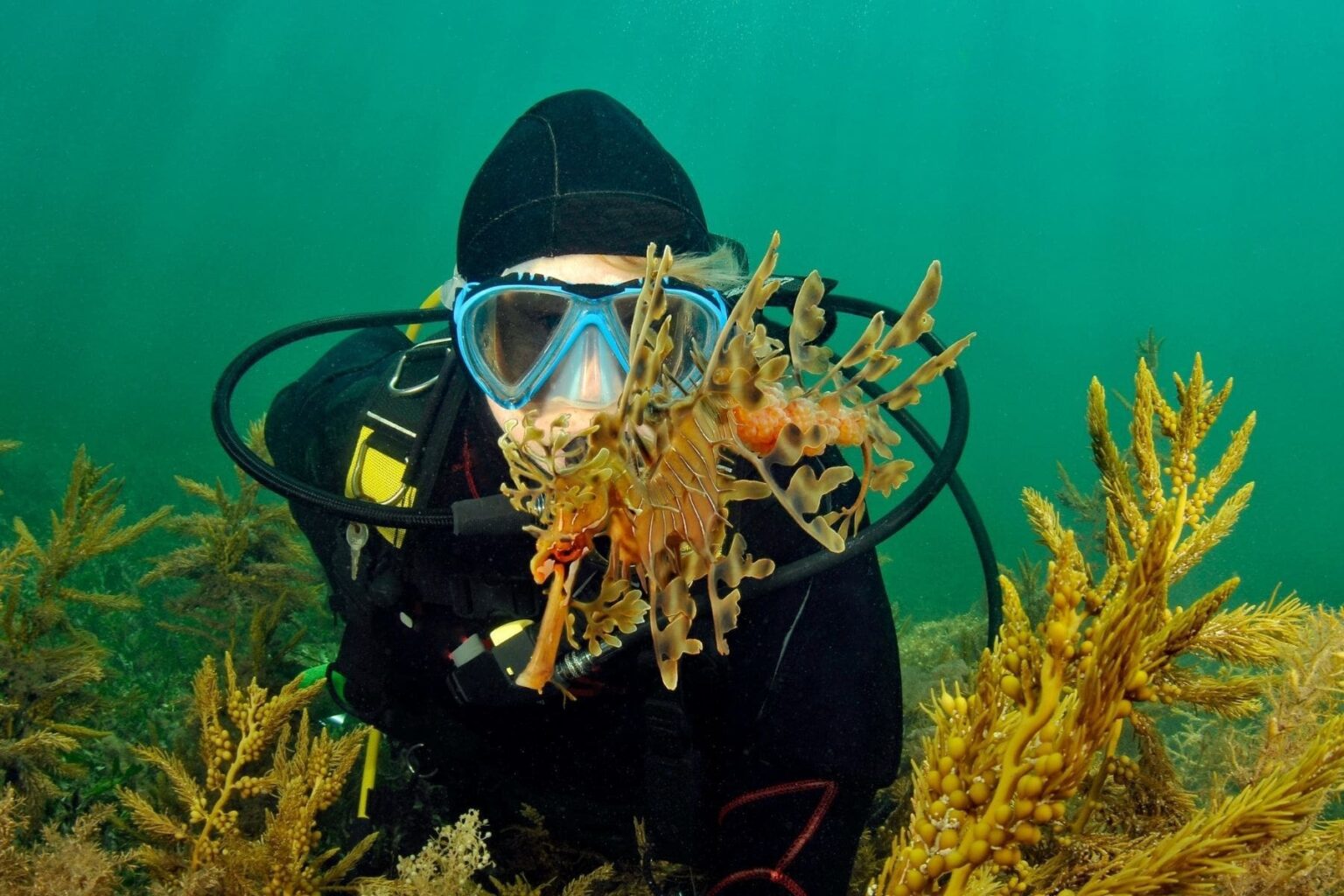
A more whimsical underwater mascot of Southern Australia is the leafy seadragon, a magical seahorse only found in the southern waters of Australia.
An hour south of Adelaide, there are a few dive sites scattered around the tip of the Fleurieu Peninsula and the neighboring Kangaroo Island where you can spot them, including Rapid Bay Jetty. This pretty shore dive has a maximum depth of 33 feet (10 m), so freedivers and divers can spend plenty of time observing and photographing this mesmerizing marine creature—if they can spot one.
→ Whyalla
Giant cuttlefish can be found in several spots around Australia, but since they migrate and aggregate annually in Southern Australian waters, it’s a true hotspot. Dip into the waters around Whyalla to witness their dazzling mating rituals. From May through July thousands of them congregate here for the breeding season.
Most spots are simply off the beach and snorkeling is an easy option. However, if you do choose to dive, stay low and be slow. Either way, you’ll be rewarded with a spectacular show of shape-shifting and light displays.
Type: Shallows
Skill level: Beginner
Access: Shore
Western Australia
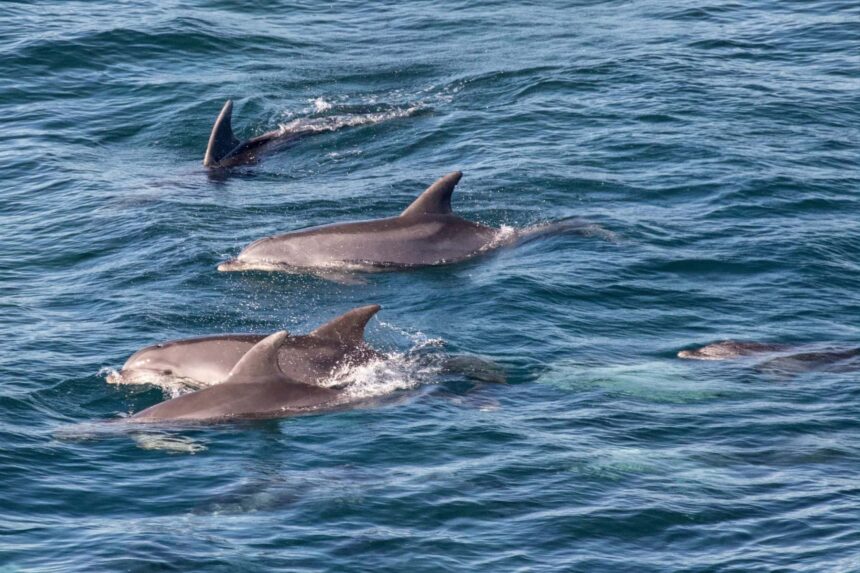


Although not as popular as the postcard-perfect Sunshine Coast, Western Australia is just as beautiful in its stark emptiness, and not nearly as popular with the swarms of backpackers. For divers, the highlight is Ningaloo Reef, which stretches over 160 miles (260 km). Because Ningaloo is more popular with pelagics than the Great Barrier Reef, divers can regularly see whale sharks, manta rays, dolphins, and humpbacks, which either migrate through or permanently reside along the state’s coastline.
→ Ningaloo Reef
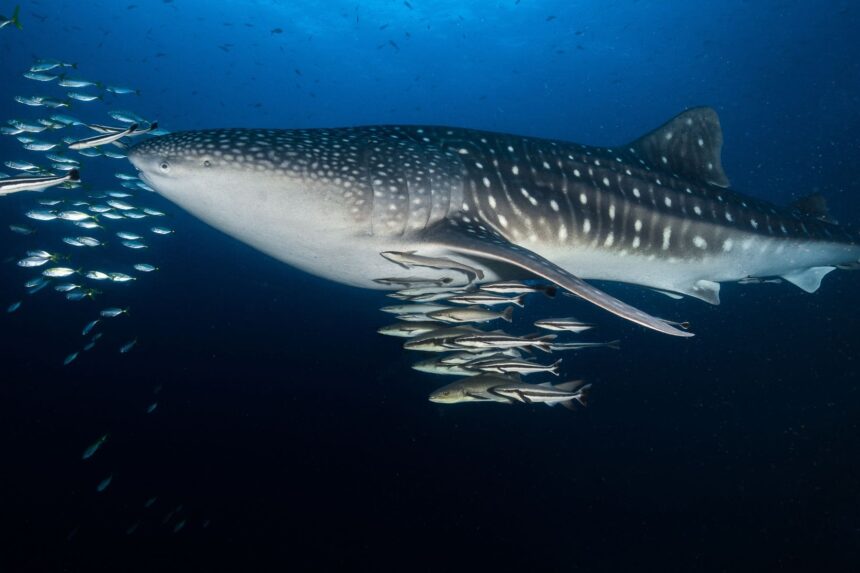
Although significantly smaller than its big brother the Great Barrier Reef, the UNESCO Ningaloo Coast World Heritage Area is just as breathtaking. Ningaloo Reef stretches for 160 miles (260 km) and begins just south of Exmouth and Cape Range National Park. Ningaloo is particularly famous for being home to the “big three”—manta rays, whale sharks, and humpbacks.
With so many sites dotted along the reef, liveaboards are a popular option but day trips from Exmouth are available as well. Passive in-water encounters are encouraged in Western Australia, and snorkeling trips are just as popular (and cheaper) than scuba diving.
Type: Coral reef
Skill level: Beginner to Intermediate
Access: Day boat or liveaboard
→ Exmouth Navy Pier
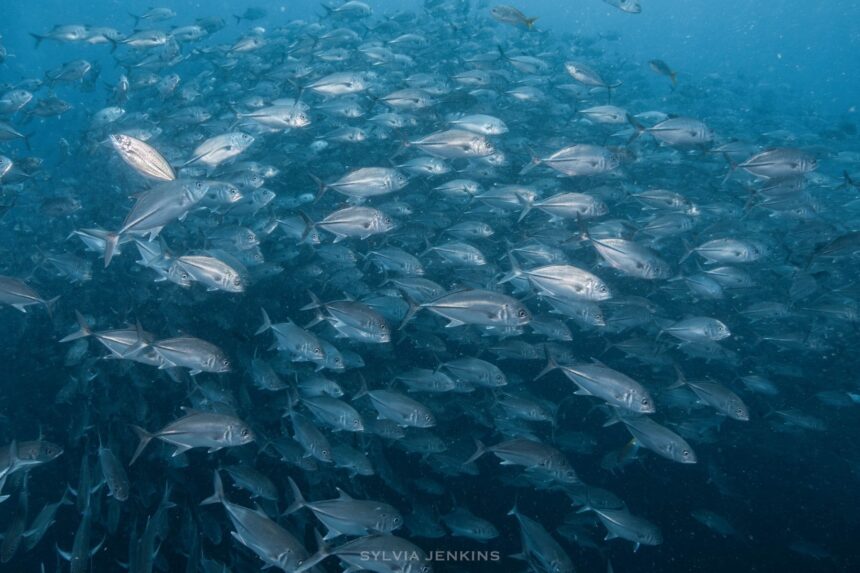
Regarded as one of the top pier dives in the world, Exmouth Navy Pier is a photographer’s dream. This 985-foot-long (300 m) pier is an operational military facility and, for over 50 years, it was closed to the public. This resulted in extensive coral growth and a great density and diversity of sea life.
Now accessible to the public through one licensed dive shop, Navy Pier delivers the whole package, from humongous potato cod to tiny nudibranchs. The dive site itself ranges from 10 to 30 feet (3 to 10 m) so you’ll have plenty of time to check out all its corners and critters.
Type: Pier
Skill level: Beginner
Access: Shore
→ Rowley Shoals
Rowley Shoals is a collection of three reefs—Clerke Reef, Imperieuse Reef, and Mermaid Reef—which lie 186 miles (300 km) offshore from Broome. Due to its remote location, diving at these reefs is only possible by liveaboard, and only for a short season each year.
Mermaid Reef has a lagoon, so expect wall and drift dives. These tidal flows are perfect for corals like gorgonians to scoop up all the nutrients. Cruising around the reefs are humphead parrotfish, groupers, angelfish, wrasse, turtles, rays, and cephalopods.
At Clerke Reef, the lagoon is calmer and better suited to beginner divers or snorkelers. On the outer regions of the reef it’s possible to spot gray reef sharks, blacktips, whitetips, and chunky tiger sharks.
Type: Coral reef
Skill level: Beginner to advanced
Access: Liveaboard
About Australia
Australia is an immense 3 million square mile landmass spread across both sides of the Tropic of Capricorn. This gives the island continent a varied climate—in the north the thermometer can climb to a scorching 120 F (50 C) but it’s more temperate in the south.
This same difference is noticeable in the waters. In the Great Barrier Reef, the water temperature never really dips below 75 F (25 C). Influenced by wilder, colder waters coming from Antarctica, the temperature in the Fleurieu Peninsula (South Australia) ranges from 56 to 70 F (13 C to 22 C).
Because it lies south of the Equator, Australian seasons run the opposite to the Northern Hemisphere—spring and summer take place from September to March and winter takes place from April to August. Christmas in Australia is often spent on a white sandy beach, chilling in your board shorts and flip-flops.
Australians use the Australian dollar, which is quite strong, so hotels, eateries and excursions cost much the same as in the States or Europe. Top city stops include Sydney, Melbourne, Brisbane, Perth, and Cairns. There are hotels to suit all kinds of preferences and needs, whether it’s a cozy homestay, cheap hostel, or fancy resort for honeymooners.
Being such a massive country a popular way to explore Australia is via road trip. This can save you a little on accommodation and gives you freedom to come and go as you please. When it comes to planning a dive trip, it’s best to focus on just one region, however, as distances are prohibitive.
 Take a moment to look at this.