


After spending several days scuba diving in Cozumel, I finally understand why this little island is so popular with divers.
On land, Cozumel is relaxed, but underwater, it’s non-stop action any diver will love.
What Makes Diving in Cozumel So Special?
The North Equatorial Current flows along the island’s west coast, carrying you over the Mesoamerican Barrier Reef—the second-largest reef system in the world.
The current sweeping over the coral does two things: it helps create some of the best drift diving in Mexico, and it keeps the reefs clean and alive. Add the fact that most of the island’s waters are part of Cozumel Reefs National Marine Park, and you’ve got one of the healthiest coral systems in the Caribbean.
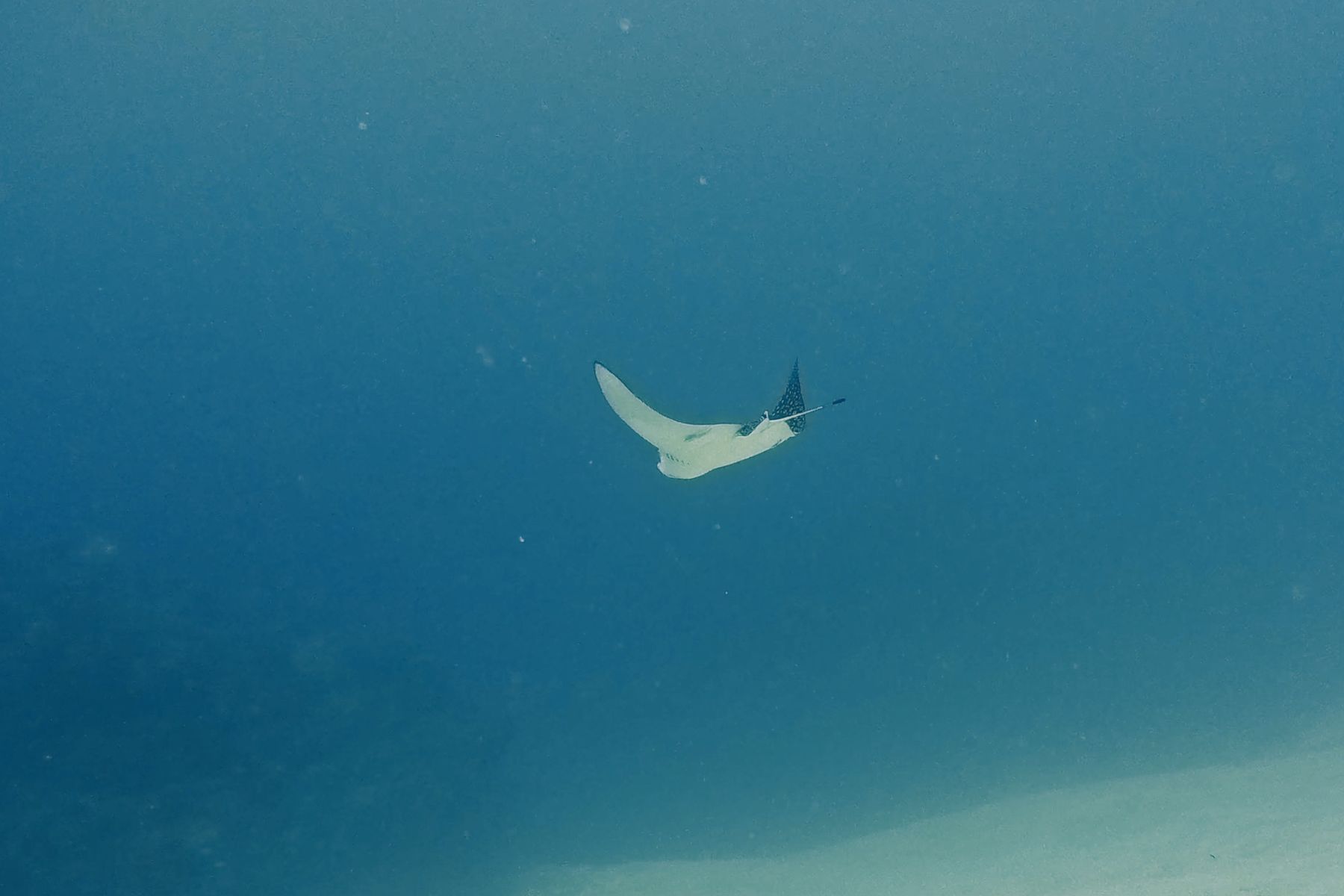
From easy drifts through coral gardens to legendary deep tunnels like Devil’s Throat, Cozumel has something for everyone. On one dive I counted three turtles, a nurse shark, and a couple of rays in less than 20 minutes. And then there’s the local celebrity—the splendid toadfish—found only here.
Best Time for Diving in Cozumel
You can dive here all year, but if you want the best mix of weather and marine life, come November through May.
I was there in February. Water was 82 F (28 C), and visibility was over 100 feet (30 m) on every dive. I wore just a rash guard and shorts. Most people in the group wore a 3 to 5 mm wetsuit and were comfortable.
In winter and early spring you get eagle rays and lots of marine life. Summer diving is still great, just a bit warmer with stronger currents at times. Hurricane season runs June through November, so conditions can change quickly.
Cozumel Dive Sites You Shouldn’t Miss
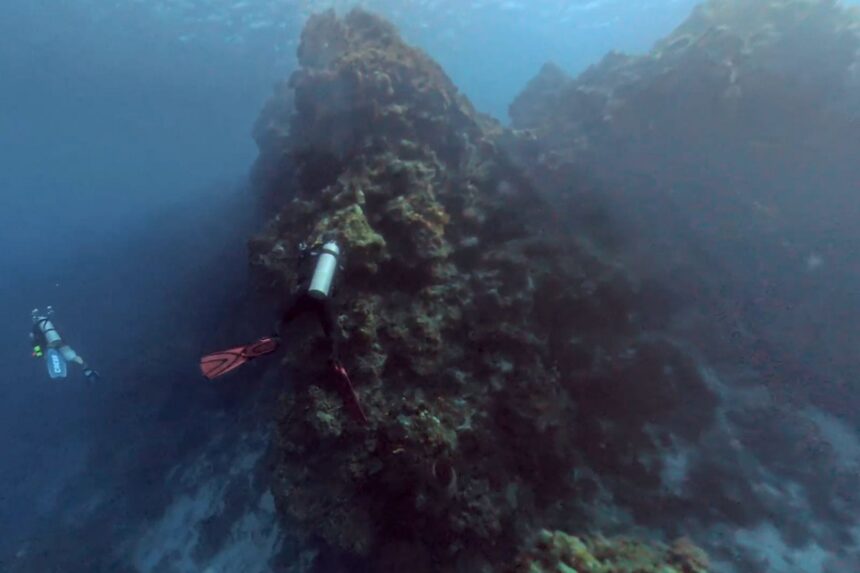
Palancar Horseshoe
Palancar Horseshoe is one of Cozumel’s signature dives. The reef curves into a U-shape that gives the site its name. We dropped in at 40 feet (12 m) and drifted down to about 80 feet (24 m). The current here was steady but gentle, so it felt more like gliding than swimming. We followed the curve of the reef, slipping into a few swim-throughs before coming back out into the open.
What you’ll see at Palancar Horseshoe
The reef is full of star and brain corals, with sweepers hiding in the darker swim-throughs. Wrasse and chromis darted all around us in the water column, and a turtle crossed right in front of us as we rounded the bend of the horseshoe.
Santa Rosa Wall
Santa Rosa Wall is the dive everyone talks about in Cozumel. We back-rolled in, dropped to about 70–80 feet (21–24 m), and immediately the wall opened up: reef on one side, endless blue on the other. The current was fast that day, so instead of stopping we just drifted, letting the dive unfold.
What you’ll see at Santa Rosa Wall
The wall is dotted with huge sponges and overhangs. Out in the blue, jacks and barracuda cruised past, while on the reef we saw a couple of turtles feeding. In winter, this is one of the best spots to see eagle rays fly by.
Casa Blanca
Casa Blanca, or “Jurassic Park,” feels alive from the moment you hit the water. We started shallow at 40 feet (12 m) and drifted down close to 100 feet (30 m). The current was just enough to keep us moving without rushing. Everywhere I looked there was something happening — rays in the sand, turtles eating corals, and schools of fish all across the reef.
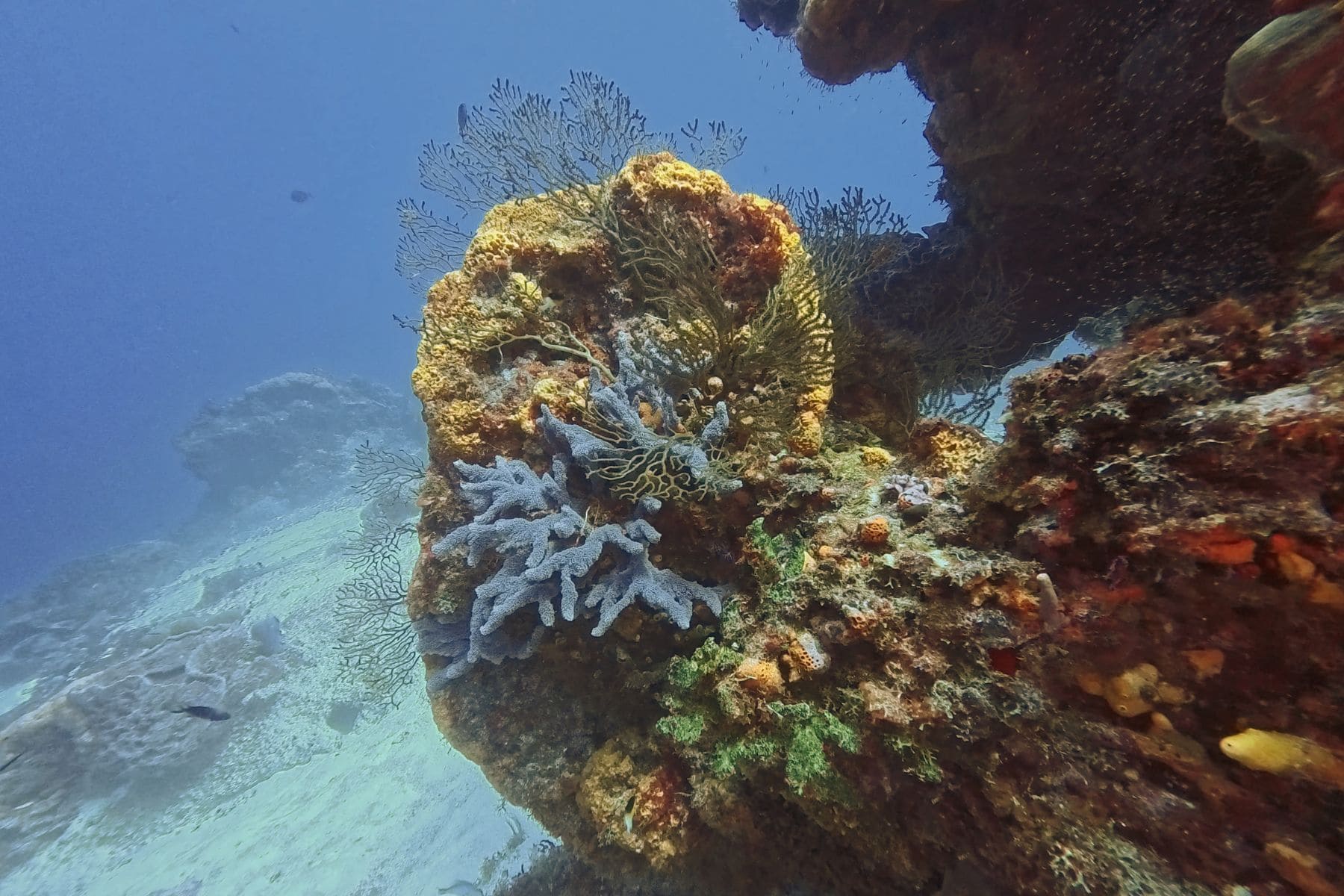
What you’ll see at Casa Blanca
On my dive we saw hawksbill, green, and loggerhead turtles all in the same drift. Eagle rays cut across mid-water, while a southern stingray settled into the sand. Big moray eels tucked into the coral, and a nurse shark slid by near the bottom.
Punta Sur (The Cathedral)
Punta Sur sits at the southern tip of Cozumel and is home to some of the island’s most legendary dives. We dropped in around 70 feet (21 m) and let the current carry us along the reef. The big draw here is The Cathedral, a swim-through that feels like you’re entering an underwater chapel. We slipped through a narrow entrance, drifted along a coral-lined corridor, and then suddenly the space opened up into a huge chamber. Light filtered in from small holes above, giving it a dramatic, almost church-like feel. From there, the exit brings you back out onto a shallower sandy area.
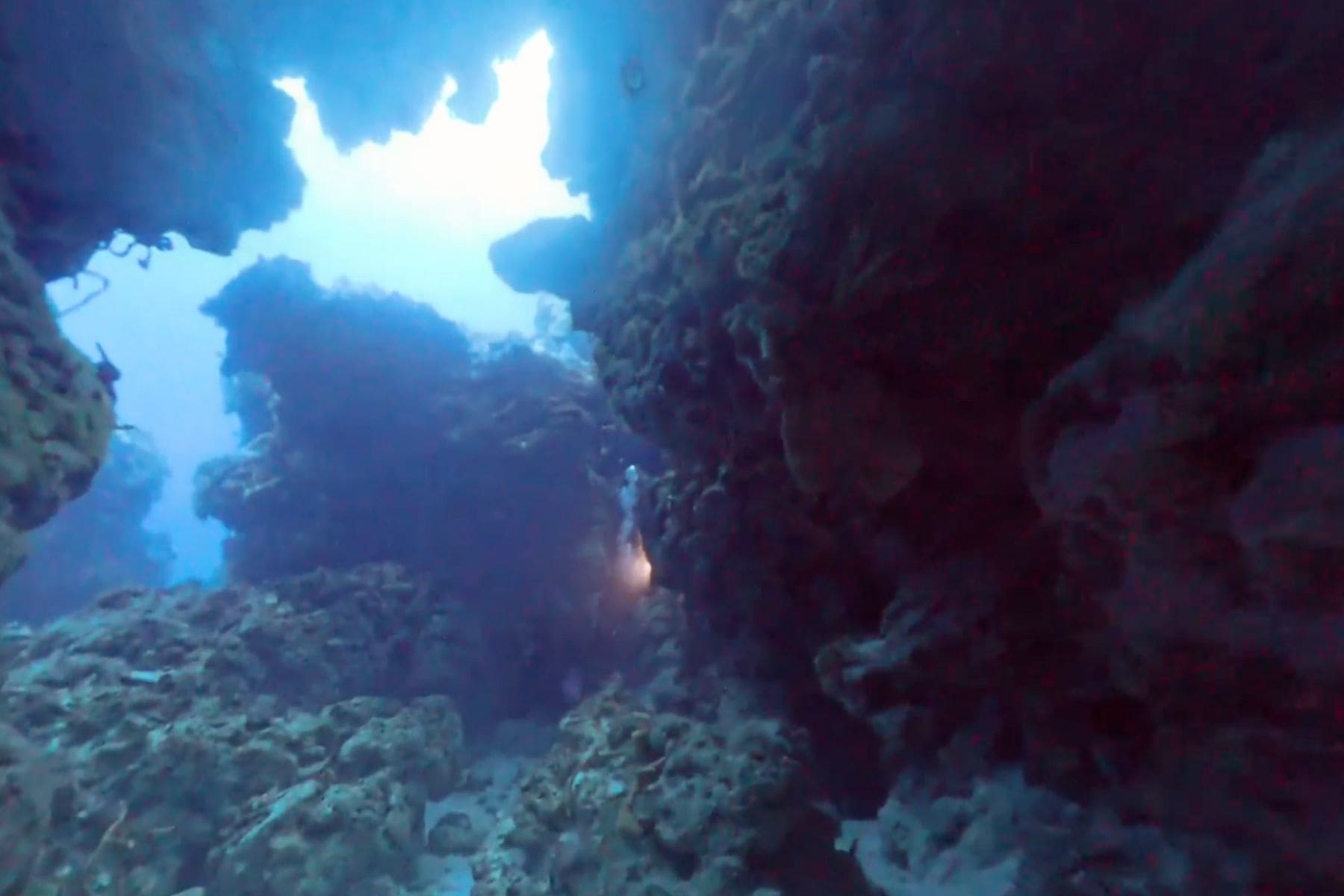
What you’ll see at Punta Sur (The Cathedral)
Inside the Cathedral, the walls are covered with sponges, corals, and light. Once we came out of the chamber, turtles cruised by, and later on two eagle rays glided in front of us.
C-53 Felipe Xicoténcatl
The C-53 is a 154-foot World War II minesweeper that later served with the Mexican Navy before being sunk in 1992 as an artificial reef. It sits upright in 50 to 80 feet (15–24 m) of water, and on a clear day you can see the whole outline of the wreck as soon as you start to descend.
To avoid the current, you drop straight down the mooring line. Once you reach the deck, the wreck itself shelters you from most of the flow. On my dive, we moved toward the bow and then around the starboard side, where there are several wide openings.
These are perfect for peeking inside or doing a quick penetration into the engine room and cargo hold. Later on, we also had a chance to enter the bridge for a nice view.
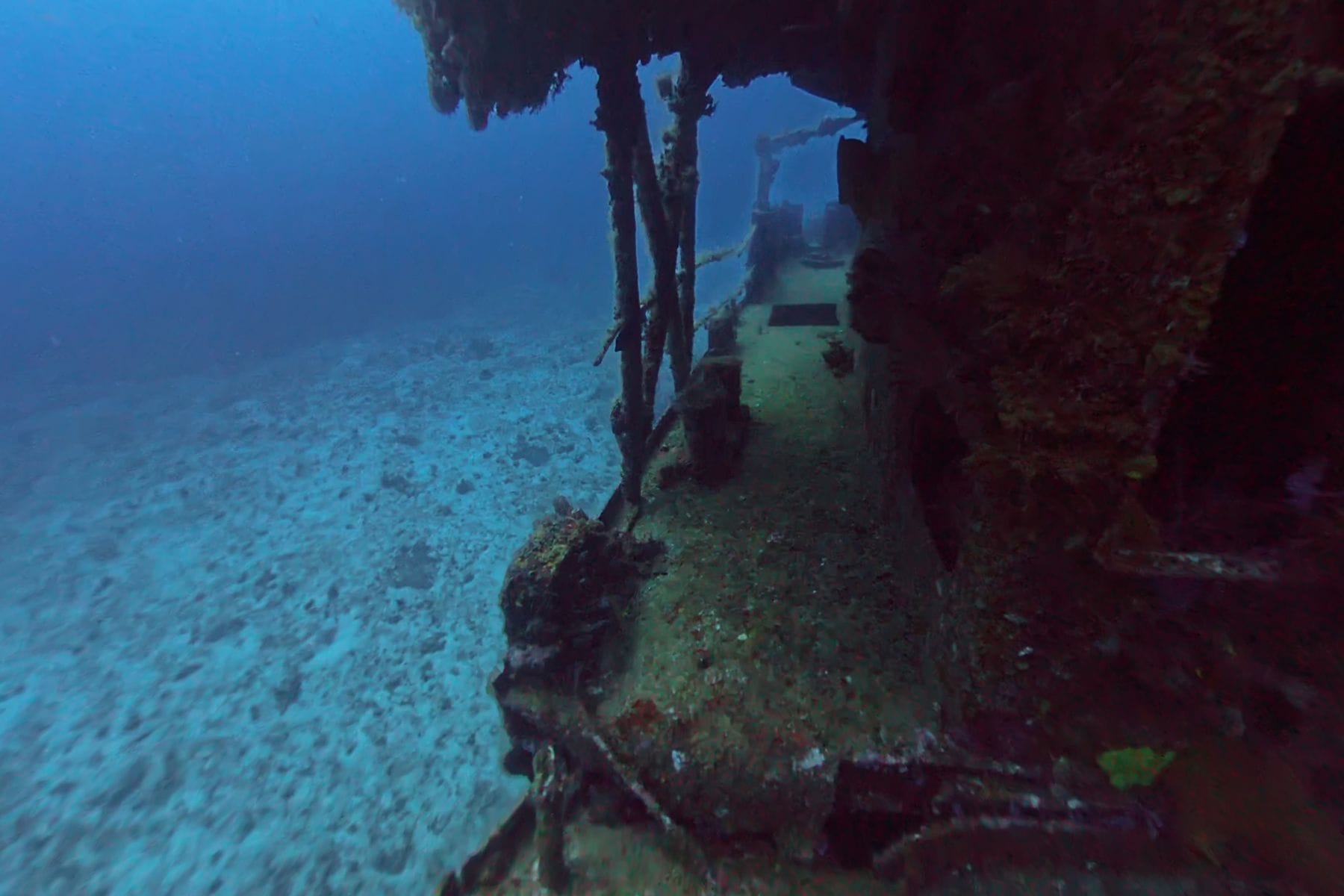
What you’ll see on the C-53 Felipe Xicoténcatl
The wreck itself is the star, with open passages and plenty of spots to explore. Coral and sponges are slowly covering the steel, and schools of glassy sweepers and snappers hang around the structure.
One unusual feature here is the tourist submarine that sometimes visits the site — it’s a bit noisy when the propellers churn for 20 minutes, but it’s also fun to watch it glide past while you’re diving.
Paradise Reef
Paradise Reef sits just south of the main town of San Miguel, only a few minutes by boat. At 30 to 40 feet (9–12 m), it’s shallow and relaxed, which makes it a go-to for check-out dives. I also dove it at night, and it was a completely different reef once the sun went down.
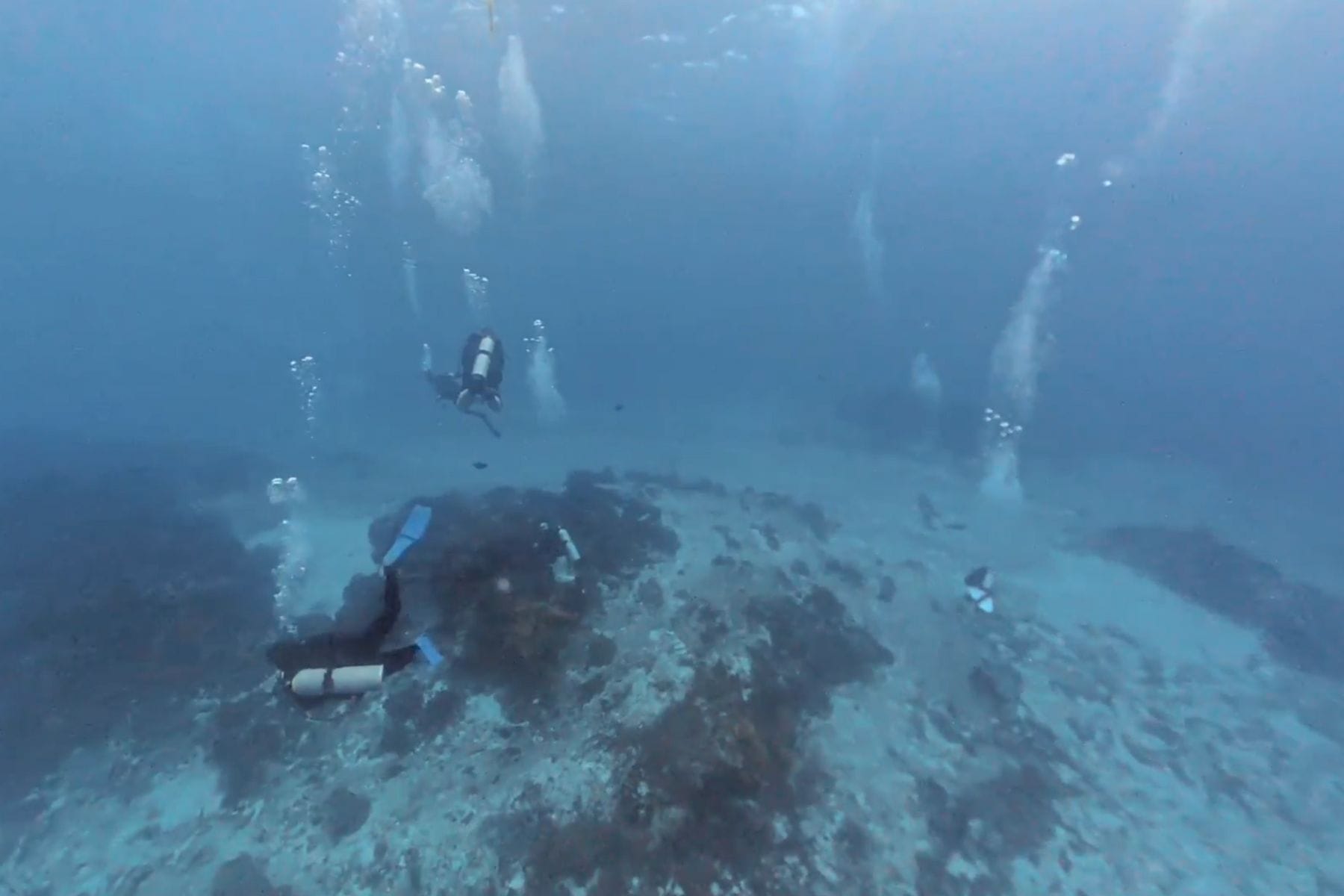
What you’ll see at Paradise Reef
By day, angelfish and parrotfish work the coral heads. At night, lobsters and crabs crawl out of hiding, and octopus hunt openly across the sand. Watching one change colors mid-hunt was a highlight of my night dive here.
Barracuda Reef
Barracuda Reef is on the north end of the island and only for advanced divers. We dropped in at 30 feet (9 m) and were moving fast straight away. The reef slopes into deep water, and the current here doesn’t let you stop—you’re flying from start to finish.
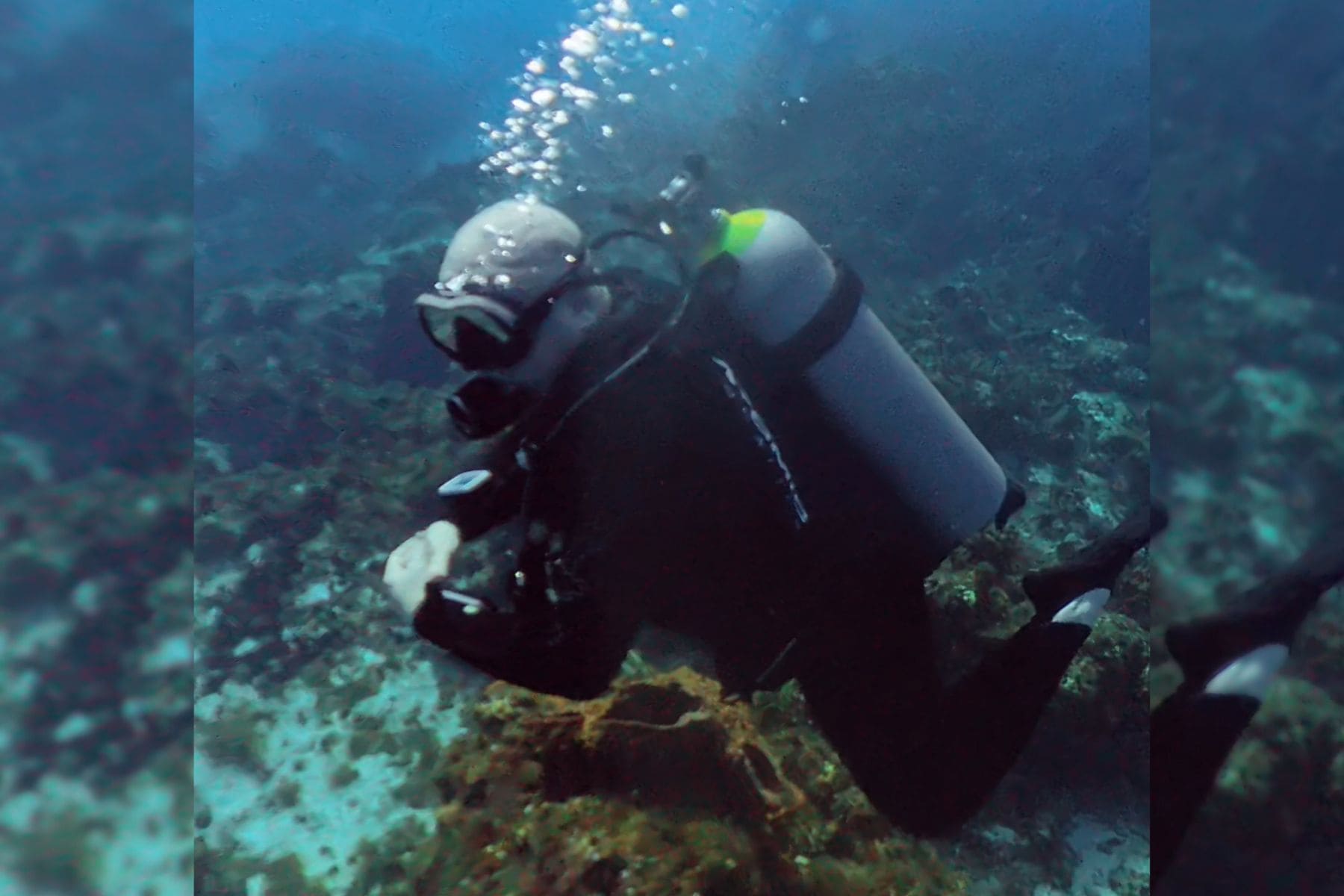
What you’ll see at Barracuda Reef
We saw a huge school of barracuda holding steady in the current, and a turtle shot by like it was late for work. In winter, eagle rays are known to cruise through in formation. A reef shark crossed just below us, disappearing into the blue as quickly as it came.
Palancar Caves
Palancar Caves is full of swim-throughs and arches. We dropped in at 60 feet (18 m) and drifted from one opening to the next. The passages are wide, so it doesn’t feel tight, just like weaving through natural hallways. The current carried us steadily from one section of the reef to another.
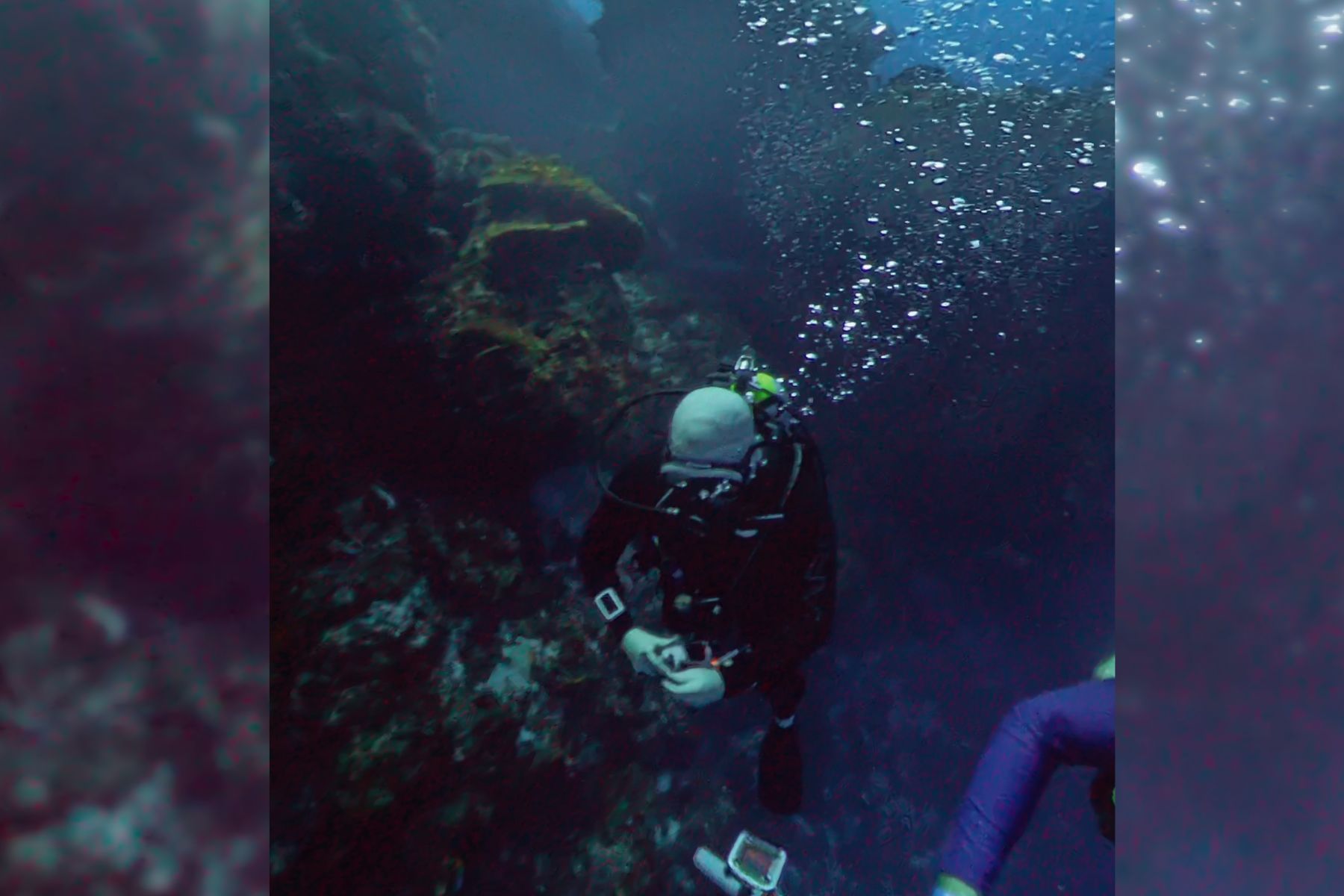
What you’ll see at Palancar Caves
Inside the openings, we saw tangs and parrotfish moving in groups, and trumpetfish hanging completely still. Sunlight cut through cracks in the reef, lighting up the coral in different ways as we passed through.
Palancar Gardens
Palancar Gardens starts at 30 feet (9 m) and drops well past 130 feet (40 m). The reef here is more open, with colorful gardens stretching out in every direction. It’s one of those dives where you don’t have to work—you just drift and look.
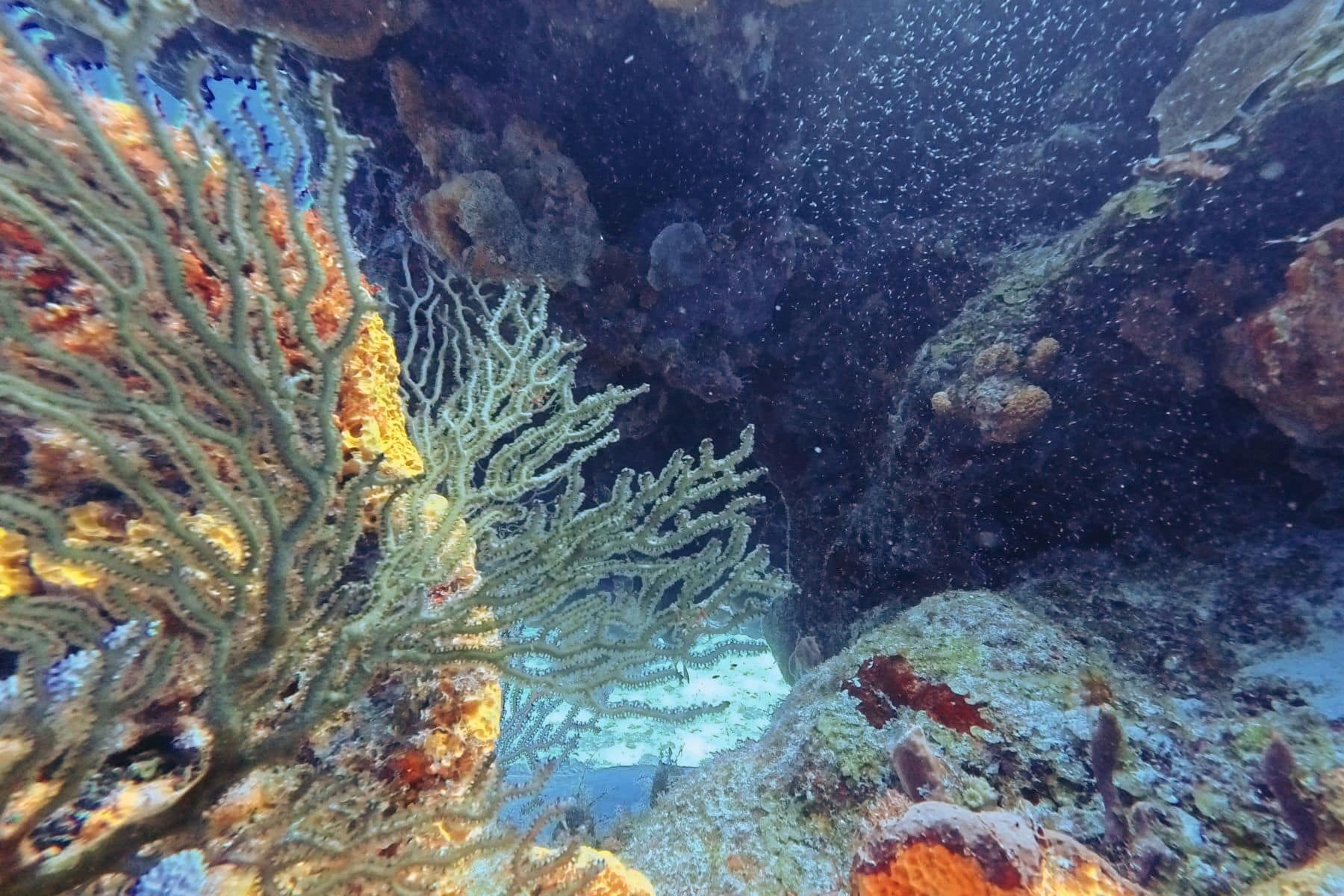
What you’ll see at Palancar Gardens
We spotted scorpionfish and flounders blending perfectly with the sand, and a couple of lobsters wedged into cracks. Above us, schools of chromis and wrasse flashed in the light.
Tormentos Reef
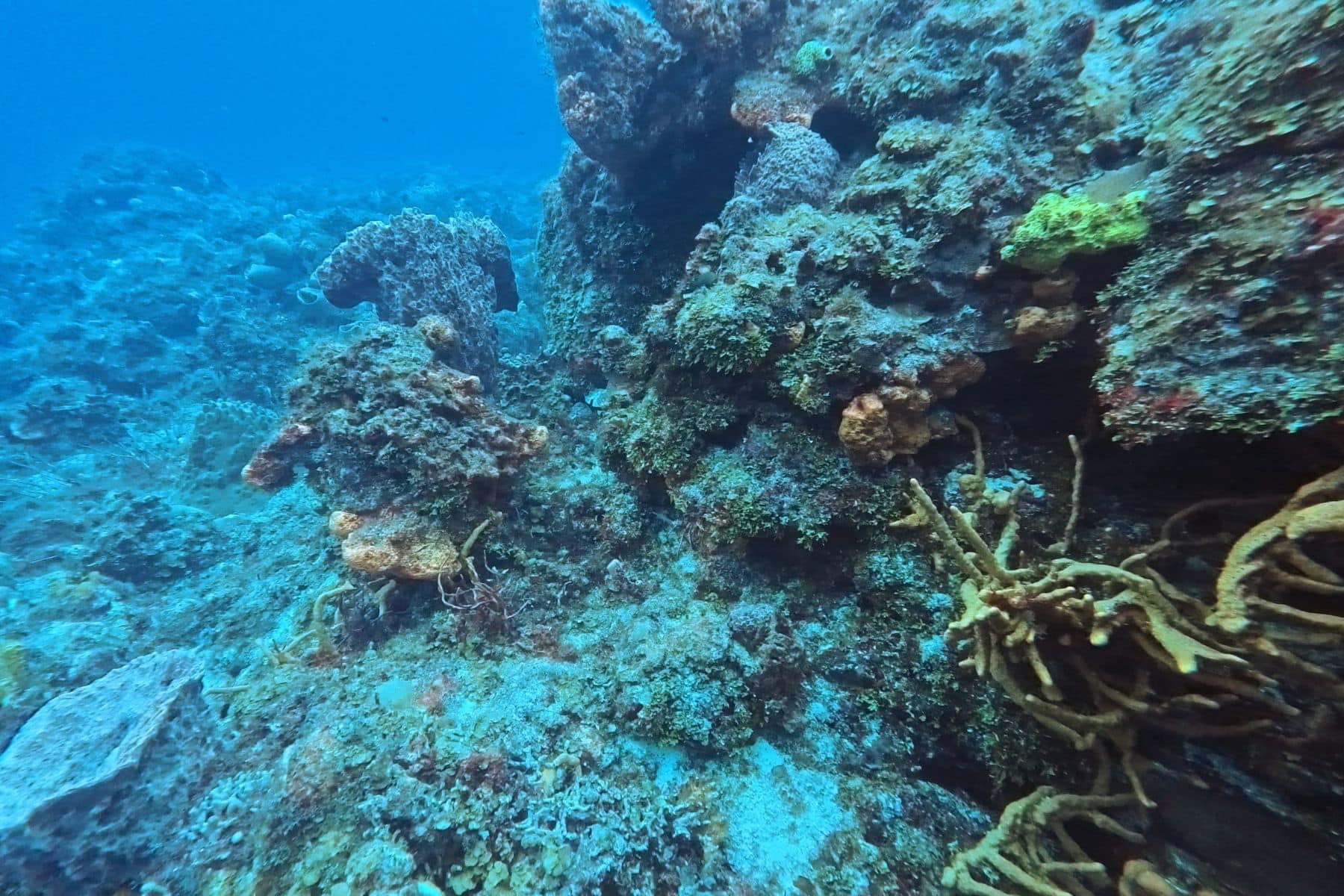
Tormentos is usually a quick ride. It sits between 40 and 60 feet (12–18 m), with big coral heads rising from the sand. We dropped in and were immediately moving fast, weaving between the coral towers. It felt like being on an underwater highway.
What you’ll see at Tormentos Reef
French grunts packed the coral, while angelfish and groupers moved in and out. A nurse shark rested under one of the larger ledges, and we spotted a splendid toadfish peeking out of its hole just long enough to get a look.
Aerolito de Paraiso
Aerolito looks like a calm pool from above, but once you drop in it’s a cavern dive. We swam through the entrance and into a darker chamber. The light disappears quickly here, so it’s only for cavern or cave-trained divers. The feel is very different from the open-ocean sites—still, quiet, almost eerie.
What you’ll see at Aerolito
We passed under stalactites, found lobsters and sea stars in the cracks, and near the entrance saw juvenile barracuda hanging where the sunlight still reached.
Punta Tunich
Punta Tunich is known for current. We dropped in at 65 feet (20 m), and as soon as we hit the water we were moving. The reef alternates between sandy valleys and coral ridges, so the landscape keeps changing as you drift along.
What you’ll see at Punta Tunich
Sea fans bent with the current, schools of grunts hovered above the reef, and turtles cut across the wall. Down on the sand, garden eels popped up and ducked back as we passed.
Colombia Wall
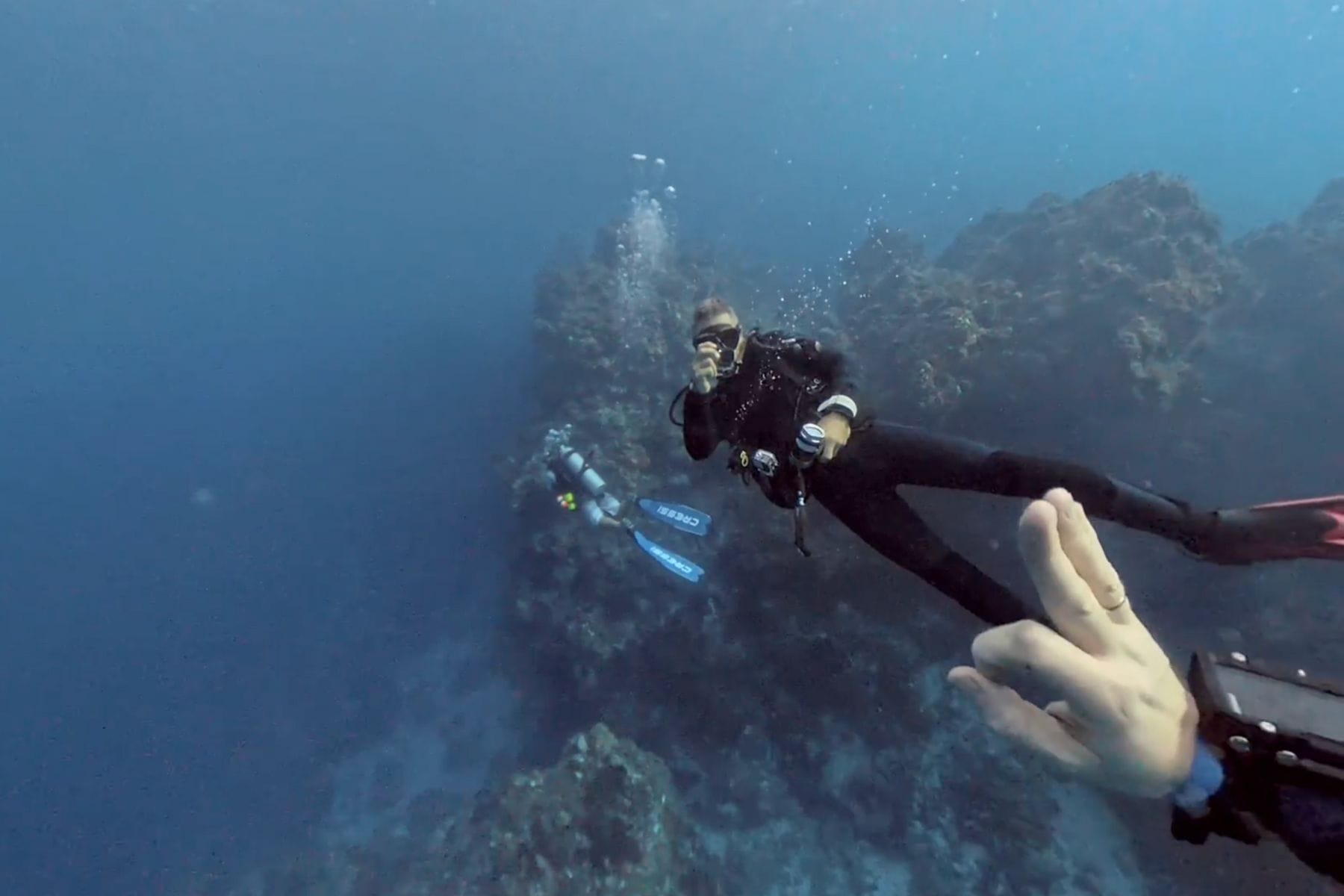
Colombia Wall is one of the most scenic dives in Cozumel. The reef starts around 50 feet (15 m) and drops to 100 feet (30 m). There are caves, overhangs, and tunnels along the wall, and the drift lets you cover a lot of ground without much effort.
What you’ll see at Colombia Wall
We saw barracuda cruising out in the blue and surgeonfish sweeping across the reef. Several turtles were feeding along the slope, and in winter eagle rays are a common sight here.
Devil’s Throat
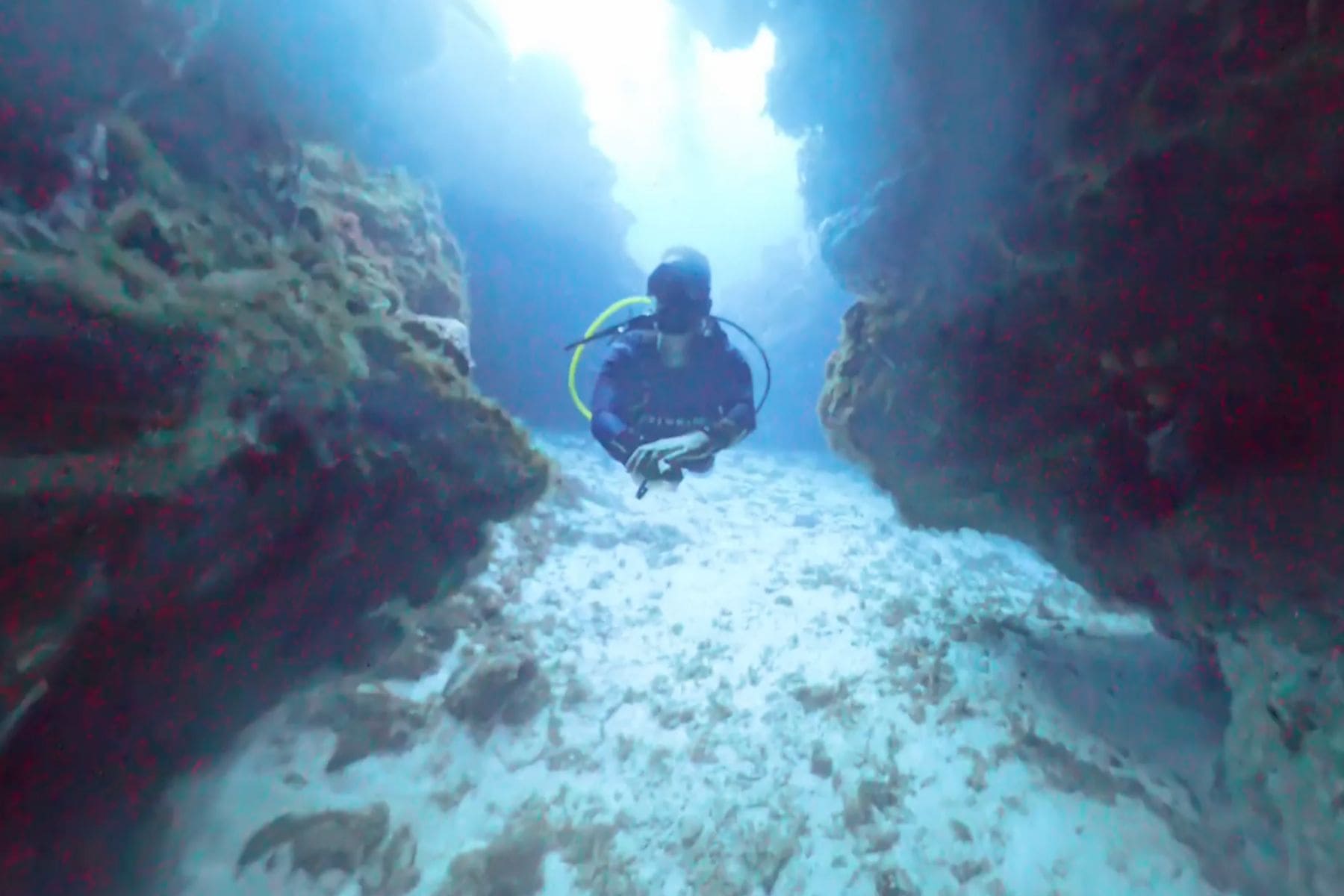
Devil’s Throat is one of Cozumel’s most famous advanced dives. You start by dropping in around 80 feet (24 m), then enter a narrow tunnel that takes you down to about 130 feet (40 m). It’s dark inside, with only your torch and the faint glow of light at the end. You come out into open blue water, and it’s a rush — not a dive for beginners, but unforgettable if you’re ready for it.
What you’ll see at Devil’s Throat
The tunnel itself is the highlight, with walls covered in sponges and black coral. Once you exit, keep an eye out for big pelagics in the blue. On my dive, a pair of eagle rays swept past just as we came out of the throat.
My Favorite Dive Center in Cozumel

I dove with Deep Exposure Dive Center, and they were top-notch. The guides gave clear briefings, the crew handled gear smoothly, and the boats were roomy with snacks and drinks between dives. They picked me up right at the pier by my hotel, which made it super easy.
The dives ran on time, and the guides kept an eye on the group without rushing us. If you’re heading to Cozumel, I can recommend them without hesitation.
How to Get to Cozumel
You’ve got two ways to get here:
- Fly straight into Cozumel (CZM): Fast and easy, but flights cost more and there aren’t as many options.
- Fly into Cancún (CUN): Bigger airport, cheaper tickets. From there it’s a 1–2 car hour ride to Playa del Carmen and then a 40-minute ferry across to Cozumel.
If you’re hauling dive gear, bring bags with wheels—you’ll thank yourself on the walk down to the ferry.
Once you’re on the island, most diving is done as two-tank boat trips. The shop picks you up in the morning at your hotel pier, and everything runs pretty smoothly. Some resorts do offer shore diving, but make sure you’re briefed on the current before trying it.
Where to Stay in Cozumel & Tips for Your Stay
There’s a wide range of places to stay, from budget to luxury:
- Casa del Mar Cozumel: Affordable and diver-friendly, with boat dives included in packages.
- InterContinental Presidente Cozumel: A more upscale option with its own beach and dive shop on site.
- Allegro Cozumel: An all-inclusive, family-friendly resort close to the Palancar sites.
Tips for your stay:Book a dive-and-stay package if you can—it makes life easier. Add an extra day or two if you want to explore topside—the island has Mayan ruins, beach clubs, and good snorkeling. And check the cruise ship schedule if you prefer town on quieter days.
Final Thoughts on Diving in Cozumel
Cozumel is easy to get to and delivers some of the best diving in Mexico. Warm water, huge visibility, healthy reefs, and steady currents make it a drift diver’s dream.
Yes, it’s popular, and you’ll see crowds, but underwater it’s still special. Gliding over Palancar’s coral towers or watching eagle rays fly past Santa Rosa Wall is why people keep coming back.
If you’re heading to Mexico, put scuba diving in Cozumel at the top of your list.
 Take a moment to look at this.


I was just there in May ’13 and it is Fantastic! I also dove Roatan, Belize, and Costa Maya. Cozumel was my favorite.
Hi Mille, thanks for commenting with your story. It’s always good to have the best places to think back on!!
I was here i ’06 an it was AMAZING, really a great place to dive. Go here if you get the chance. Ther was so much I always wanted to see, that I got to see here. And here you get the “beach” dive center feeling, and everything is still 100% good.
Best dive ever!