













































Reef-safe sunscreens vary widely in real-world performance, and not all products deliver the same UV protection, water resistance, or environmental safety once you are in the water. Differences in ingredients, formulation, and durability can significantly impact both skin protection and potential harm to marine ecosystems, especially during extended time on coral reefs.
At DIVEIN, our team spends hundreds of hours each year diving and snorkeling on coral reefs across the Caribbean, Southeast Asia, and the Pacific. We tested 10 reef-safe sunscreens in real conditions, evaluating UV protection, water-resistance during dives, white-cast visibility, skin feel after hours in salt water, and ingredient safety based on current marine science research. All products in this guide are free of oxybenzone and octinoxate, and we prioritized mineral formulas using non-nano zinc oxide. Based on this hands-on testing, we selected the best reef-safe sunscreens for 2026 to help you protect both your skin and the ocean.
Maui Surfer Honey SPF 30


Where to buy
Track this priceMaui Surfer Honey SPF 30 Sunblock review
After thoroughly investigating Maui Surfer Honey’s ingredients and testing the product, we are sure this is the best natural mineral sunscreen for reef safety. This sunscreen is made in Hawaii by people who proactively save their backyard and protect their surfers’ skin. Although the price may seem high, the value proves otherwise.
Maui Surfer sunscreen has a zinc oxide base at 20%, which provides broad spectrum protection. This environmentally forward Surfer’s sunscreen works excellent in and out of water; reapplication is recommended every 2 hours.
Organic ingredients like aloe vera and orange oil give a soothing honey scent. Other ingredients like olive oil and coconut oil help deliver its smooth feeling and easy rub-in application. The typical white cast left after applying zinc sunscreen is minimal, if non-existent, with Maui Surfer Honey.
We highly recommend Maui Surfer Honey SPF 30 for its sun protection, reef safety, and natural ingredients.
thinksport Clear Zinc Sunscreen


Where to buy
We compare prices daily across all major online stores.
See all 4 pricesthinksport Clear Zinc Sunscreen Sunblock review
If you are a high-performance athlete or spend much time outside, this sunscreen is for you. This sunscreen lives up to its broadspectrum protection and water-resistant 80-minute promise, but after the allotted time, reapply.
The sunscreen has a non-greasy application. The texture is on the lighter side, especially for a zinc oxide-based sunscreen. Application is effortless due to its silkiness and smooth ingredients. This sunscreen has a citrus and berry smell from the bottle.
Thinksport Clear Zinc sunscreen’s name may be slightly misleading as “clear” is a marketing ploy. The zinc in this sunscreen is no different from other zinc sunscreens. But there is a minimal white cast if any at all.
We recommend this sunscreen for outdoor athletes, any skin type, and all ages. Thinksport is a reef-safe, environmentally friendly sunscreen that is safe to use daily. The $15 price point is well-suited for the product’s potential and the amount supplied.
Babo Botanicals Sheer Mineral


Where to buy
We compare prices daily across all major online stores.
See all 3 pricesBabo Botanicals Sheer Mineral Sunblock review
We recommend Babo Botanicals reef-safe mineral sunscreen that is moisturizing and non-irritating to sensitive skin. This is a well-priced niche mineral sunscreen for sensitive skin.
The Sheer Mineral Sunscreen is a medium-thick paste with a trouble-free rub-in application. It does carry a minimal paste/chalk-like smell. The smell is not necessarily bad, but there is some fragrance; it is hardly noticeable after application.
This is one of the best mineral sunscreens for not leaving a white cast on the skin. It leaves a lotion feel on the skin but is not greasy.
This sunscreen is fast absorbing, making it water resistant. After testing, we ensure this sunscreen will shield you from UV rays in or out of the water for around 80 minutes; reapply after time runs up. Enjoy the gentle sunscreen.
Thrive Regenerative Skincare BodyShield


Where to buy
Thrive Regenerative Skincare BodyShield Sunblock review
This award-winning zinc oxide mineral sunscreen is reef-safe, high-quality, and worth every penny. And with the purchase, Thrive helps restore farmlands in Costa Rica.
The inactive ingredients include antioxidant properties that will revitalize your skin. But, if you have sensitive skin, you may want to steer clear.
The organic ingredients do make for a greasy application and leave a shine on the skin. BodyShield’s sunscreen has a lightweight consistency, making a little go a long way. There is next to no white cast.
The smell is tangy and slightly woodsy. However, after applying, the scent becomes less noticeable and more enjoyable.
The waterproofing ingredient in the BodyShield is the Larch tree. However, after about an hour, you may notice it is time to reapply. This is not our top preferred waterproof sunscreen.
We recommend this to adults wanting anti-aging properties and a scented sunscreen. Thrive’s BodySheild is more of a beach lounging sunscreen and not a full-proof 80-minute water-resistant ocean swimming lotion.
Badger Sport Natural Mineral




Where to buy
Track this priceBadger Sport Natural Mineral Sunblock review
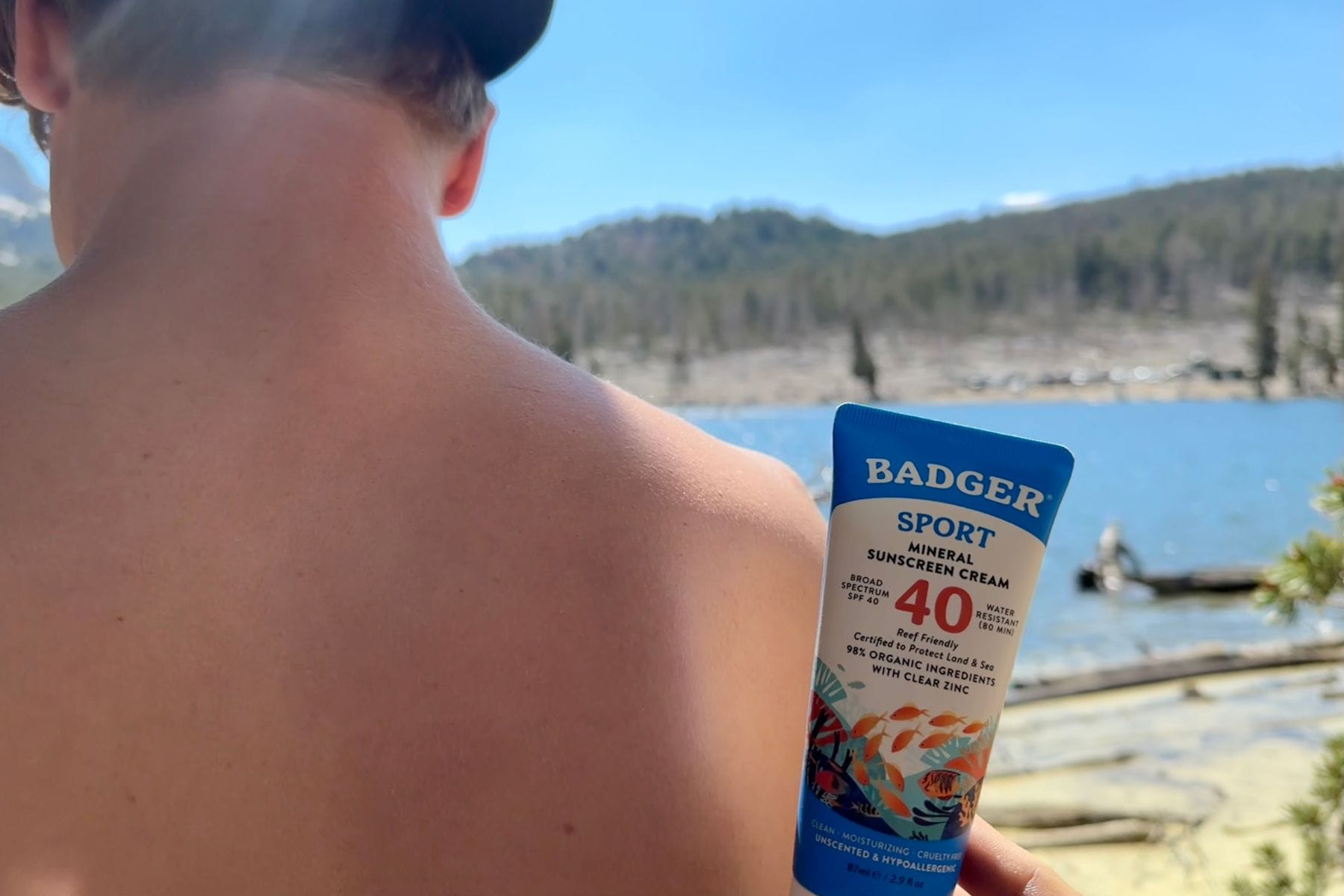
Four organic ingredients make up Badger Sport Natural Mineral Sunscreen; all safe for the ocean and us.
Badger Sport Sunscreen offers heavy-duty broad spectrum protection… if used correctly. It is vital to apply this sunscreen before activity and rub-in well. The beeswax waterproofing ingredient works relatively well.
However, if you sweat with this sunscreen the beeswax can make it ball up. Reapplication while wet does not work well. And it is necessary to reapply this sunscreen at least every 80 minutes, if not 60 minutes.
The application requires effort as the texture is thick and sticky, but a small amount of product can spread far. There is a sheen on the skin, a slight greasy feeling, and a some white cast that might go away with more rub-in effort.
This sunscreen carries an insignificant powdery smell if you put your nose right up to it.
The price is competitive with other natural mineral sunscreens. We recommend this sunscreen to ocean and lake visitors as it is reef-safe, water resistant and provides broad spectrum UV protection.
Waxhead Zinc Oxide




Where to buy
Waxhead Zinc Oxide Sunblock review
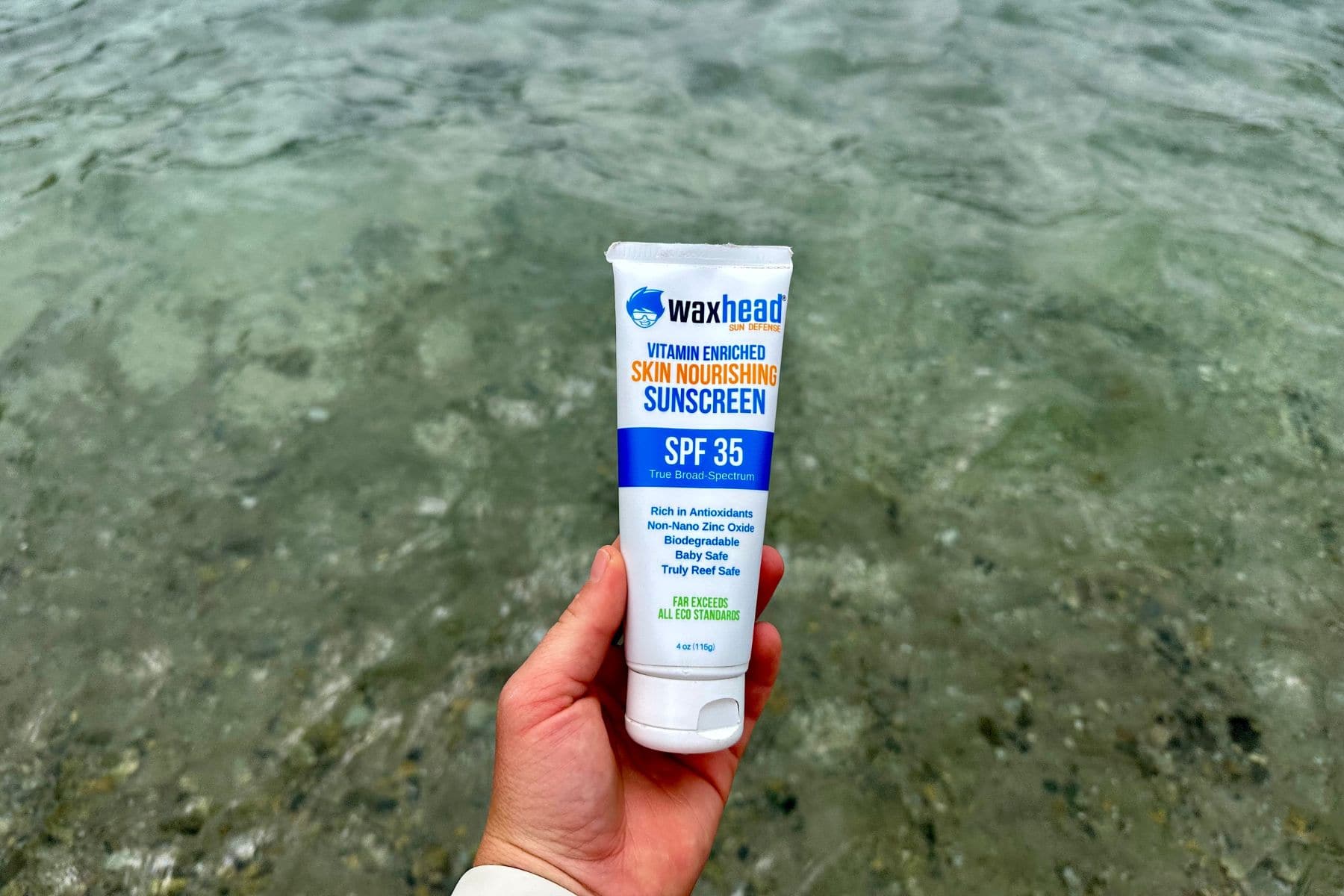
Waxhead Zinc Oxide goes above and beyond the environmental standards for sunscreen. Even though this has a reef-safe formula, it is not meant to be worn in the water as it is not water resistant.
This non-scented sunscreen smells a tad bit chalky but goes away after application. But the white cast does not go away after application. If the white cast disappears, that means it is time to reapply Waxhead’s zinc sunscreen.
Kneading this tube is necessary before application as it separates a lot due to no synthetic emulsifiers. The application is greasy and slimy due to the separation. But if you tough it out, this sunscreen gives broad spectrum protection you can depend on. Reapplication should be done the recommended every two hours, but you can trust it for the total two hours.
The price of this sunscreen is on the high side, especially for not being waterproof. But the ingredients are supreme for our skin and environment. You can feel safe applying this to babies and sensitive skin. We recommend this eco-friendly sunscreen to customers who are not swimming.
Cocokind Daily




Where to buy
Cocokind Daily Sunblock review
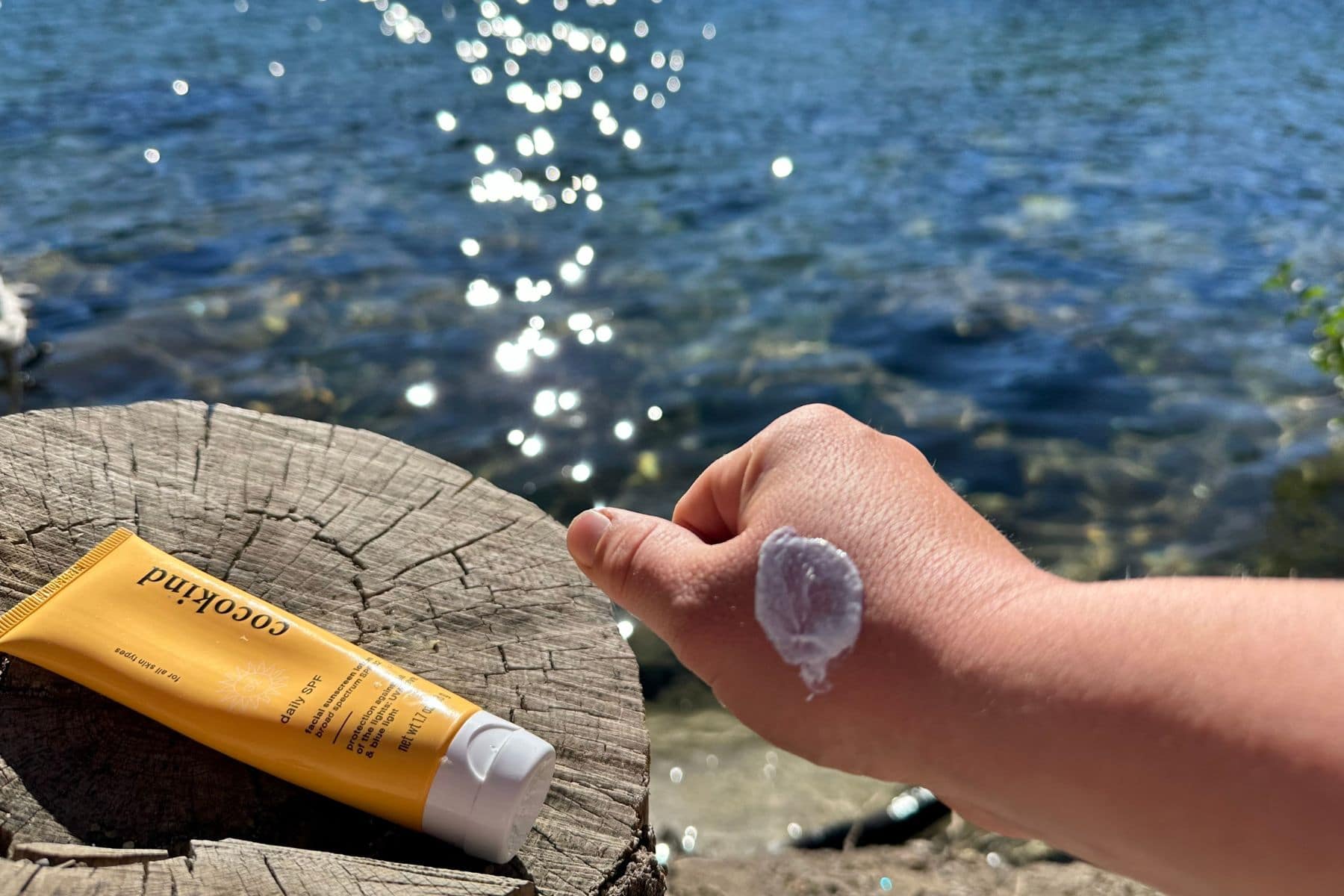
Although not water resistant, this is an environmentally forward mineral based sunscreen for daily use. This meets reef-safe standards by not containing the nasty chemicals or nano particles in other sunscreens.
You can have faith that this product will provide broad spectrum protection while locking in moisture. It works splendidly for every day use in a casual “walk around town” way; especially due to microalga phaeodactylum tricornutum extract protecting the skin from pollution. But, you will want to look at something waterproof and more heavy duty if you want to swim all day.
The texture is a medium thickness that spreads equally with undemanding energy. The smell is at first a tad bit off-putting, but in seconds it fades away. Apply Cocokind’s Daily SPF after your morning skin care routine, and then continue to reapply every two hours for guaranteed protection.
This is one of our most expensive ounce per dollar sunscreens recommended. However, due to the specific facial application, it lasts for a few months even if you use it all of the time. We recommend this product to people wanting to put something healthy and eco-friendly on their face for every day protection.
Sun Bum Original




Where to buy
Track this priceSun Bum Original Sunblock review
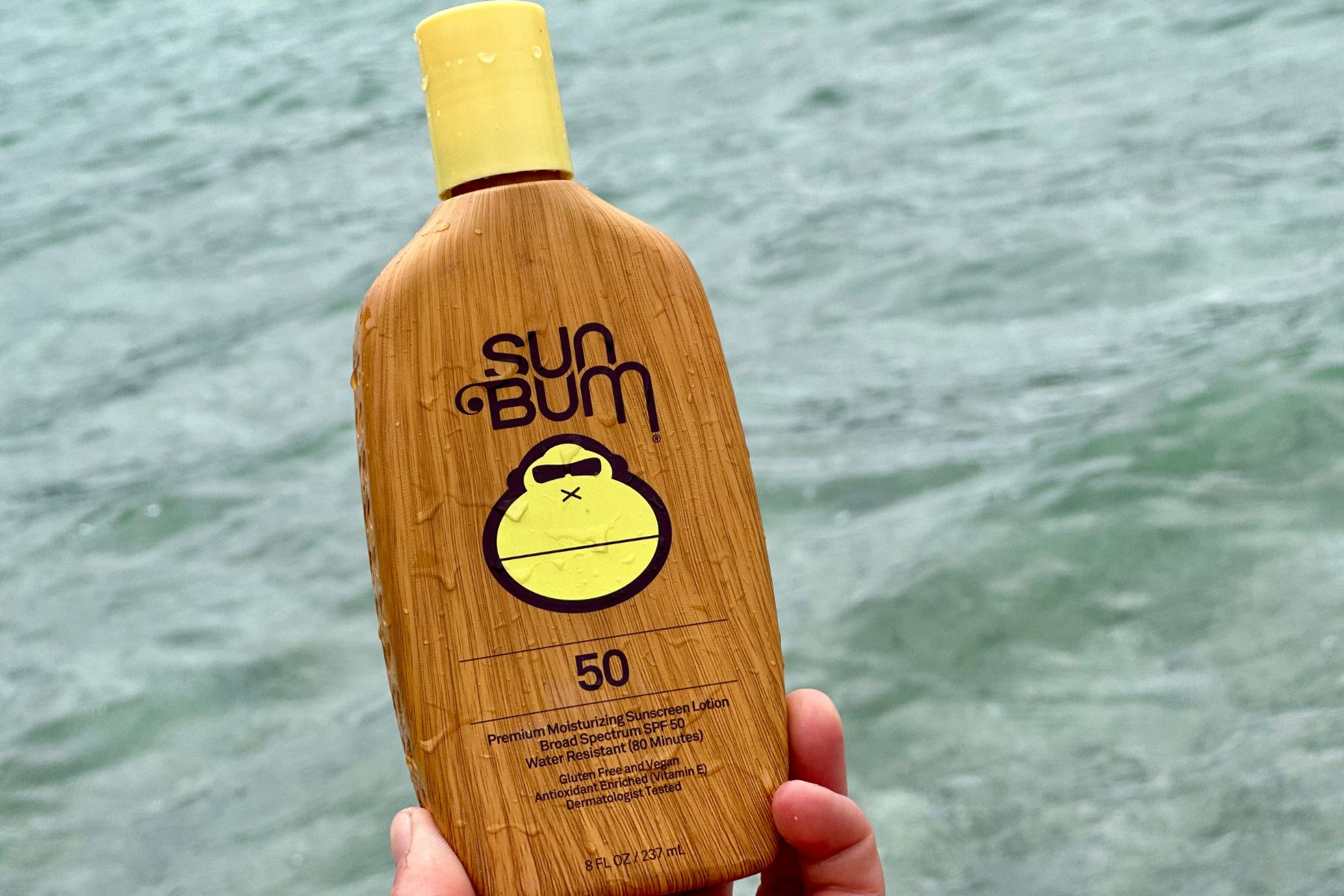
The cool bottle design and sweet fruity smell invite everyone in and Sun Bum is a very popular, readily available sunscreen. Sun Bum Original is free of the notoriously reef-harmful chemicals, oxybenzone and octinoxate, and does pass the Hawaiin regulations, but it still contains some ingredients that could cause some harm to reefs. For a completely reef-safe option consider Sun Bum’s Mineral Sunscreen.
The four active (UV-blocking) ingredients: avobenzone, homosalate, octisalate, and octocrylene, are proven to disrupt the coral reef ecosystem. They are also proven to absorb into the skin after one use, so this may not be a good daily sunscreen.
Sun Bum Original has a silky feel, a super easy rub in application, water resistance, and non-greasy feeling. The 80-minute water resistance stands true. Reapplication can be performed easily wet or dry.
Overall, this is a popular and traditional sunscreen. While we do not fully recommend this as a reef-safe sunscreen option, Sun Bum is taking steps to reformulate its sunscreens to make them more reef safe. For a completely reef safe Sun Bum sunscreen consider their Mineral Sunscreen.
Amazon's Solimo Sheer




Where to buy
Amazon's Solimo Sheer Sunblock review
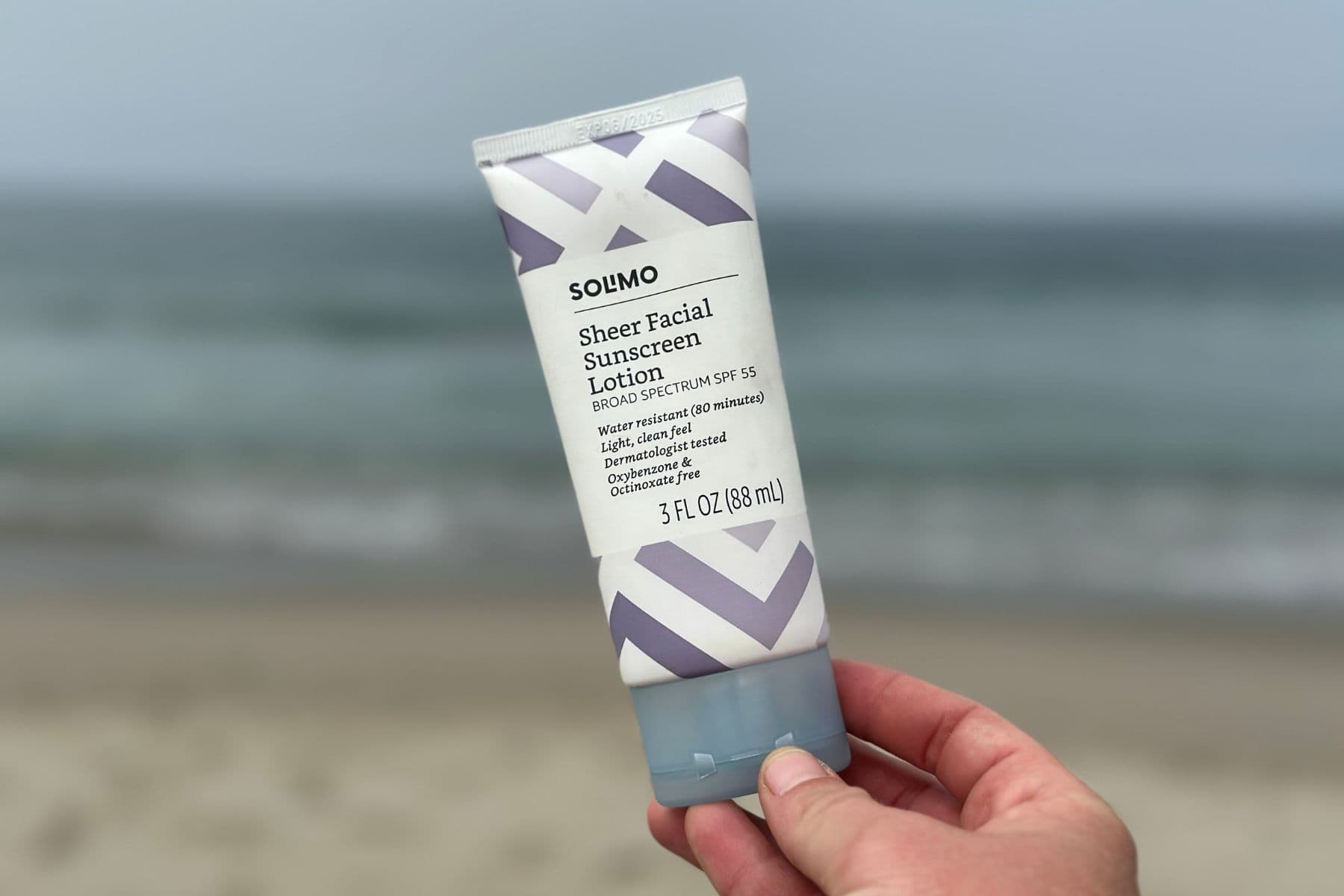
Amazon Solimo has been compared to Neutrogena’s facial sunscreen lotion. This affordable non-greasy facial sunscreen can be counted on to protect your skin from UV rays.
The ingredients in this sunscreen do not contain the infamous chemicals that harm coral health, oxybenzone, and octinoxate. However, pesky reef-harming chemicals like octocrylene, octisalate, avobenzone, and homosalate are included in this product. Therefore, this is NOT a complete sustainable reef-safe option.
The texture of this sunscreen is lightweight, similar to most chemical sunscreens on the market. Regardless of having moisturizer or makeup on, it applies evenly and invisibly. The smell is a displeasing traditional sunscreen chemical smell.
The guarantee of 80 minutes of water resistance stands true. If you are not in the water, you can defer to the typical 2-hour application timeline.
We recommend this as a budget-friendly facial sunscreen product. However, we would not recommend this for everyday use. It is not environmentally friendly and has chemicals. Look for a natural mineral facial sunscreen for daily use.


Buyers Guide for Sunscreen:
What’s Good for Us is Good for the Ocean
In this guide, we explore both mineral and non-mineral sunblocks. The sunscreens range from all-organic ingredient sunscreens to high-end acne-targeted lotions, budget-minded options, and sunscreens made specifically with reef safety in mind.
Deciding which product is best for you will vary based on your intentions. But one thing is certain: oxybenzone and octinoxate are bad for you and the ocean. These chemicals and others have been banned in Hawaii by the Hawaii Act 104.
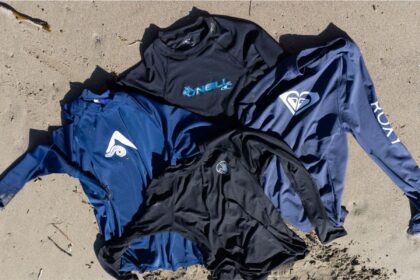
All the sunscreens included in this reef-safe sunscreen guide are free of the most harmful chemicals to the ocean. Be mindful that there is no 100% reef-safe sunscreen option; the best way to protect yourself and the ocean is by wearing UPF clothing.
Sunscreen Broad Spectrum Protection:
Broad spectrum protection sunscreen protects the skin from all of the ultraviolet rays (UV) produced by the sun. The UV rays consist of ultraviolet A (UVA) and ultraviolet B (UVB).
UVA rays have a longer wavelength and are associated with skin aging. UVA makes up 95 percent of ultraviolet rays. UVB rays have a shorter wavelength and are associated with sunburns. UVB rays have higher energy than UVA, but UVA rays are responsible for long-term damage.
Not all sunscreens are broad spectrum. Broad spectrum protection sunscreens will be, on average, more expensive. However, worth it. All of the sunscreens in this article are broad spectrum.
Sunscreen Sun Protection Factor (SPF):
The Sun Protection Factor (SPF) measures the level of sunburn protection provided by the sunscreen.
SPF levels in sunscreens are tested by measuring the amount of UVB exposure it takes to cause sunburn while using sunscreen versus how much it takes to cause sunburn without sunscreen.
The Skin Cancer Foundationrecommends sunscreen with an SPF of 30 or higher for outdoor activity. Water-resistant sunscreen is also encouraged to prolong the SPF.

Sunscreen Water Resistance:
Waterproof sunscreen is often referred to as water-resistant sunscreen by retailers and manufacturers. This is due to different variables, such as swimming in hot water or for an extended period affecting the viability of the waterproofness of the sunscreen.
Most water-resistant sunscreen will work for about 80 minutes. But, you must apply chemical sunscreen 20 minutes before activity to allow it to absorb into the skin. Mineral sunscreen can be applied at any time and work.
It is necessary to reapply water-resistant sunscreen every 80 minutes, even if you are not swimming.
Water-resistant sunscreens have extra ingredients added to them to make the sunscreen grip the skin after exposure to water. The ingredients also make the sunscreen water-insoluble; this means water does not dissolve the sunscreen.
The additional ingredients include cetyl octanoate, which is also found in some shampoos. If cetyl octanoate is not in the water-resistant sunscreen, it may wear off in about 40 minutes. This ingredient is not necessarily harmful; it may cause dry skin or irritation.
The safest water-resistant sunscreens are mineral sunscreens made with natural and organic ingredients. When choosing a sunscreen to swim in, mineral sunscreens are the way to go. They are better for the water and you.

Skin Type and Sensitivities to Sunscreen:
There are several different skin types, each of which will respond to sunscreen slightly differently. Some sunscreens advertise being suitable for specific skin types.
There are five primary skin types: normal, oily, dry, combination, and sensitive.
The most common accommodating sunscreen is for sensitive skin. Sensitive skin, especially conditions like eczema and rosacea, responds better to sunscreen without intense chemicals like octinoxate or avobenzone.
To avoid these chemicals, look for mineral sunscreens. Zinc oxide is a gentle ingredient in mineral sunscreens that is perfect for sensitive skin. Check out Babo Botanicals Sheer Mineral Sunscreen for Extra Sensitive Skin.
Mineral sunscreen will be good for dry skin, especially if aloe vera is added. Other ingredients in sunscreens that are good for dry skin are jojoba oil, coconut oil, and ceramides. A suitable option for people with dry skin is Thrive BodyShield with antioxidants.

Non-Comedogenic Formula in Sunscreen:
Formulas that are non-comedogenic do not contain ingredients that can clog your pores. Clogged pores can cause breakouts or exacerbate oily skin.
Non-Comedogenic formulas can be found in different sunscreens, but not all. You should use a non-comedogenic formula sunscreen if you have acne-prone or oily skin.
Zinc oxide and titanium dioxide are two common non-comedogenic ingredients in sunscreen. These ingredients make up most mineral-based sunscreens.
So if you are looking for a sunscreen to not clog your pores or make you break out, choose a mineral sunscreen. A good non-mineral sunscreen with a non-comedogenic formula is CeraVe 100% Mineral Sunscreen.

Sunscreen Ingredients:
Non-Mineral Sunscreens
The active ingredients in most non-mineral sunscreens include avobenzone, octinoxate, octisalate, and oxybenzone. This sunscreen is not good for the ocean, reefs, or body. The sunscreen rubs off into the water and sand and is not biodegradable.
Non-mineral sunscreens work by the chemicals soaking into the skin, absorbing the UV rays, and then converting the rays into heat which releases from the body. Sometimes, the chemicals can cause rashes and skin irritation.
Mineral Sunscreens
Zinc Oxide and Titanium Dioxide are the most common ingredients in mineral sunscreen. Both of these ingredients are eco-friendly, reef-safe, and skin-friendly.
Other ingredients in mineral sunscreens can be sunflower seed oil, aloe vera, Vitamin E, beeswax, Larch tree, and so on. Think about organic and natural ingredients.
Zinc Oxide creates a barrier between the sun and your skin for protection. This is why the white layer can be seen on your skin when using zinc oxide sunscreen. Some zinc oxide sunscreens are better at disguising the white streaks, like Maui Surfer Honey.

Sunscreen Application and Texture
Mineral and chemical sunscreen must be applied about 15 minutes before sun or water exposure.
Chemical sunscreen should be applied at least 15 minutes before sun or water exposure. Your skin takes time to absorb the UV-blocking chemicals in the sunscreen. The chemicals won’t work until the absorption.
Mineral sunscreen does not require an early application process. This is because mineral sunscreen creates a barrier between the sun and the skin; however, if you are swimming, applying the mineral sunscreen 15 minutes before activity is recommended for it to completely dry.
Chemical sunscreen will often be greasier than mineral sunscreen. Most of the time, it will go on the skin clear. You may find it hard to get off your skin until you shower.
Most of the time, mineral sunscreen feels chalky and thick. But Badger Sport Natural Mineral Sunscreen is a mineral sunscreen that provides a more oily texture.
Also, the mineral-blocking process in mineral sunscreen sometimes results in a white cast. This is when the skin looks like it has a white residue after sunscreen application. Some mineral sunscreens, like Babo Botanicals Sheer Mineral sunscreen, work better at not leaving the white cast.

Sunscreen Expiration Date
Sunscreen does have an expiration date, especially when stored incorrectly. Do not leave your sunscreen in direct sunlight.
Despite its opening status, chemical sunscreen expires around three years after manufacturing. According to the Food and Drug Administration, this is because the chemicals have a shelf life.
Mineral Sunscreen primarily uses zinc oxide or titanium dioxide, two ingredients that do not expire. Seemingly making mineral sunscreen have an indefinite shelf life.
However, due to the relatively extreme environment of the average sunscreen (sun exposure, heat exposure, water, etc), mineral sunscreen can expire. Signs that your mineral sunscreen has expired due to bacteria contamination are clumping or a change of smell or color.
Sunscreen Reapplication
One application of sunscreen for a day in the sun will leave you more roasted than your intended desire. It is necessary to reapply sunscreen every 2 hours, especially if those hours were spent in direct sunlight or water.
Chemical sunscreen may stay on the skin for a while, but it stops working after 2 hours of sunlight or swimming. The chemicals in the sunscreen eventually lose their power to fight of the ultraviolet rays.
Mineral sunscreen may last slightly longer than chemical sunscreens due to the reaction of the ingredients in the chemical sunscreen to the sun. While minerals reflect sun rays for longer, they can be wiped off by towels, sweat, or swimming.
Mineral sunscreen is still recommended to be reapplied every two hours. Most mineral sunscreen guranetee only 80 minutes of water resistancy. So check your bottle.

Sunscreen Brand Reputation
Many main-brand sunscreens contain chemicals harmful to the ocean and environment and wasteful plastic packaging.
Try looking for brands that pride themselves on reef-safe or environment-safe sunscreen products. And if you are willing to go the extra step, shop local brands like Maui Surfer Honey.
Additional Sunscreen Features
Some additional features in sunscreens include moisturizing properties, antioxidants, or anti-aging components.
Not all sunscreens contain hydrating properties. Look for ingredients like aloe vera, sunflower oil, glycerine, jojoba oil, coconut oil, and ceramides. Moisturizing sunscreen should not be a substitute for your moisturizing routine, but it does help.
Some sunscreens contain antioxidants. Antioxidants help protect the skin from oxidative damage caused by UV and pollution. Using sunscreen with antioxidants, especially on your face, will leave you feeling better protected after a day outside.
Thrive Regenerative BodyShield 50 sunscreen is a great option that features antioxidants!
If you are looking for anti-aging components in your sunscreen, it is best to get a sunscreen with moisturizing properties and antioxidants. Also, using a broad spectrum sunscreen is essential for anti-aging ingredients. Broad spectrum protects from UVA rays which are responsible for long-term sun damage.

Sun Protection Habits
Wearing sunscreen is a good sun protection habit. However, too much of anything can be bad. That is why sun protection clothing comes in handy.
It is good to wear clothing that protects you from the sun, such as hats, long sleeves, and pants. Look for clothing with ultraviolet protection factor (UPF) to best protect from the sun’s rays.
Swimming with clothing as your sun protection choice is the best environmentally friendly option. As using no sunscreen at all is best for our natural water sources.
Sunscreen and Children and Babies
Sunscreen will often be advertised for children or babies, but it is not any different than normal sunscreen. The active ingredients in adult and children’s sunscreen will be the same. The only difference may be fragrance free and the cute labeling of the children and baby sunscreen.
Babies under six months have very sensitive skin and can react negatively to sunscreens. It is best not to use sunscreen on infants; rather, keep them shaded from the sun.
Mineral sunscreens may be the best option for children and babies to avoid the harsh chemicals in chemical sunscreen. Babo Botanicals and Waxhead Zinc Oxide will be the best mineral sunscreen options for people of all ages.
How We Tested Reef-Safe Sunscreen
At DIVEIN, our testing process is built around real-world diving and snorkeling conditions, not lab-only claims. Every reef-safe sunscreen on this list was evaluated during active use in saltwater environments across tropical regions, where sun exposure, water immersion, and sweat all impact performance.
UV Protection (SPF Performance)
We prioritized sunscreens with broad-spectrum SPF 30 or higher and validated real-world protection through prolonged sun exposure during dives and surface intervals. Testers tracked any signs of redness or tanning after repeated water entry and multi-hour exposure. Products that required frequent reapplication to maintain protection were scored lower.
Water Resistance in Ocean Conditions
All sunscreens were tested during multiple in-water sessions, including snorkeling, freediving, and scuba diving. We evaluated how well each formula stayed on skin after 40 to 80 minutes of continuous immersion, as well as after towel drying and re-entry. Products that visibly washed off, stung eyes, or created surface residue were downgraded.
White Cast and Visibility Underwater
Mineral sunscreens often leave a white cast, which can be especially noticeable in underwater photos and videos. We assessed each product both above and below the surface to see how it appeared on different skin tones in natural sunlight. Lightweight, sheer formulations scored highest, while thick, opaque pastes ranked lower unless performance justified the tradeoff.
Skin Feel and Comfort
We tested how each sunscreen felt during extended wear in hot, humid conditions. This included evaluating texture, absorption time, greasiness, and how the product interacted with saltwater and sweat. Sunscreens that caused irritation, clogged pores, or felt heavy after hours in the water were penalized. Top performers remained comfortable, breathable, and non-irritating throughout a full day of diving.
Ingredient Safety Screening
Beyond performance, we reviewed ingredient lists against current marine biology research. All selected sunscreens are free from oxybenzone and octinoxate, and we prioritized non-nano zinc oxide formulations, which are widely considered the safest option for coral reefs.
Reef-Safe Sunscreen Laws and Bans by Region
Many of the world’s top snorkeling and diving destinations have introduced bans on certain sunscreen ingredients due to their harmful effects on coral reefs. If you are traveling, it is essential to know the local regulations before you go.
Hawaii (USA)
Hawaii bans the sale of sunscreens containing oxybenzone and octinoxate. These chemicals have been shown to contribute to coral bleaching and reef damage. Only mineral-based sunscreens are widely accepted.
Key West, Florida (USA)
Key West passed a similar ban targeting oxybenzone and octinoxate to protect its reef ecosystem, although enforcement has evolved over time. Reef-safe sunscreen is still strongly encouraged by local operators.
U.S. Virgin Islands (USVI)
The USVI enforces one of the strictest bans, prohibiting sunscreens containing oxybenzone, octinoxate, and octocrylene. Only mineral sunscreens are considered compliant.
Aruba
Aruba has implemented restrictions on harmful sunscreen chemicals to protect its coral reefs, with a strong push toward reef-safe mineral options.
Bonaire (Caribbean Netherlands)
Bonaire bans sunscreens containing oxybenzone and similar reef-damaging chemicals. The island is known for strict marine conservation policies, especially within its protected marine park.
Palau (Micronesia)
Palau has one of the most comprehensive bans in the world. It prohibits a wide range of sunscreen chemicals, including oxybenzone, octinoxate, octocrylene, and several preservatives. Non-compliant sunscreens can be confiscated upon entry.
Mexico (Certain Marine Parks)
In areas like Cozumel, Xcaret, and other protected marine parks, non-reef-safe sunscreens are restricted or banned. Enforcement varies by location, but guides and operators often require reef-safe products.
Frequently Asked Questions about the Reef Safe Sunscreen
Yes. Reef-safe sunscreen is effective against sunburn when you choose a broad-spectrum SPF 30 or higher and apply it correctly. Mineral sunscreens with zinc oxide or titanium dioxide provide reliable UV protection comparable to traditional sunscreens.
Avoid oxybenzone, octinoxate, octocrylene, homosalate, and avobenzone. These chemicals are linked to coral reef damage and are banned in many popular snorkeling and diving destinations.
Non-reef-safe sunscreen is restricted in places like Hawaii, Bonaire, Key West (Florida), Aruba, the U.S. Virgin Islands, Palau, and parts of Mexico. Most bans target oxybenzone and octinoxate, but rules vary by location.
Mineral sunscreen uses zinc oxide or titanium dioxide to sit on the skin and reflect UV rays. Chemical sunscreen absorbs UV radiation and converts it to heat. Reef-safe sunscreens are almost always mineral-based.
Yes, but apply it 15–20 minutes before entering the water so it adheres properly. Many divers also wear rash guards or wetsuits to reduce sunscreen wash-off and improve reef protection.
Often, yes. Mineral sunscreens can leave a white or chalky cast, especially non-nano zinc formulas. Newer tinted or blended formulas reduce this effect but may not eliminate it completely.
Yes. Non-nano zinc oxide is generally considered safer for marine life because the larger particles are less likely to be absorbed by coral or other organisms.
Reapply every 2 hours, and immediately after swimming, sweating, or towel drying. Even water-resistant reef-safe sunscreens lose effectiveness in the ocean.
SPF 30 is the minimum recommendation, blocking about 97% of UVB rays. SPF 50 offers slightly higher protection and is better for long exposure in tropical sun.
No. “Reef-safe” is not strictly regulated, so always check the ingredient list. Look for mineral-based formulas without harmful chemicals rather than relying on marketing claims.
 Take a moment to look at this.


Being a novice diver I had never thought of needing reef safe sunscreen so this article has been brilliant. thank you
Thanks for the article. It is important to read the labels. Reading this I compared some sunscreens I had on hand. One ‘Reef Safe’ (and other claims) bottle (4oz for a higher price) had both of the ‘Bad Os’. So it makes it hard for the retailers and consumers to do the right thing without a cheat-sheet.
Thank you for the recommendations! I am constantly on the hunt for a good reef safe sunscreen :)