

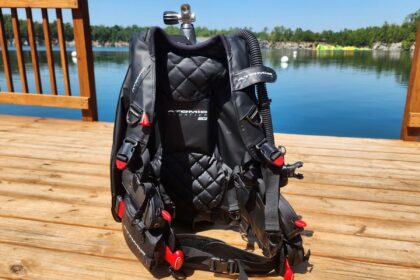
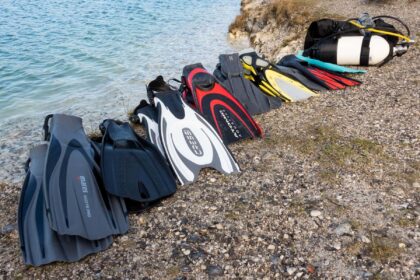
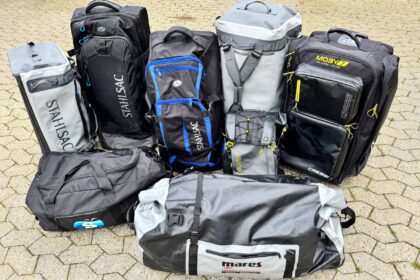











For our honeymoon, my husband and I wanted to travel and dive around Indonesia. However, multi-stop dive trips can be exciting in theory but are tricky to organize and execute. Moving around, repacking wet dive gear, coordinating transfers, checking luggage allowances, and trying to keep our cameras, clothes and equipment together can turn even the most exciting itinerary into a logistical workout.
Wanting to do something special and unburden ourselves from the mental hassle, we looked into Murex Resorts and Lembeh Resort. Through their collaborative 12-day Passport to Paradise program, we got to dive in Murex Bangka, Lembeh Resort, and Murex Manado. From the relaxed tropical reefs of Bangka to the world-famous muck diving in Lembeh Strait, and the turtle-frenzied walls of Bunaken National Marine Park, every day was truly incredible. From the moment we landed, everything was organized for us. Transfers were on time; luggage was handled; dive gear moved with us between resorts; and we never had to repack our kit between locations. Yes we had an intense trip, over 40 dives in 12 days, but it never felt overwhelming or stressful. That was the real luxury of Passport to Paradise: not just beautiful resorts or excellent diving, but also the feeling that every practical detail had already been thought through.
One Trip, Three Dive Destinations

The appeal of Passport to Paradise is simple: it allows divers to experience three distinct North Sulawesi dive destinations in one smooth itinerary. Indonesia is famous for exceptional diving, but perhaps more infamous when it comes to traveling around.
The Passport to Paradise package typically starts at Manado, followed by a boat transfer to Bangka and another to Lembeh. These boat transfers means your transfer day is still a dive day, and you don’t need to repack your soggy dive gear or dismantle your camera as it just travels with you. Depending on availability and how late you book, your itinerary could be changed. My husband and I did Bangka, Lembeh, and then Manado.

If you have a private guide, which we did and highly recommend, they will join you for the entire trip. Our guide Jendry was always assisting us, whether it’d be settings in my rented cameras, finding critters, or answering random questions about the area. Each resort had familiar touches that made the transitions easy, such as the dive boats designs, similarly laid out and organized dive lockers, attentive staff, and a dive operation that clearly communicated with the next property.

Another unifying theme throughout all the resorts is their pro-camera services. If you are a keen underwater photographer or videographer, each Murex Resort has a spacious camera room with individual desks and plugs, large camera-only wash tanks, air guns for drying, and photo-trained staff to help with all your questions. Specific to Lembeh is a photo center, where you can participate in workshops, try out, or buy new gear.
Murex Bangka: White-sands and Easy Reefs

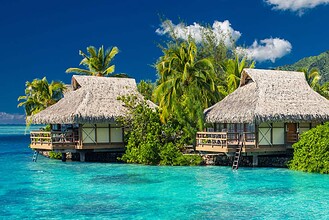
Murex Bangka was the perfect place to begin, and after a long journey, its tropical setting and easy dive conditions made it feel immediately relaxing. The resort sits on soft white sand, with a grassy area at the back and stony pathways weaving throughout.
The Diving

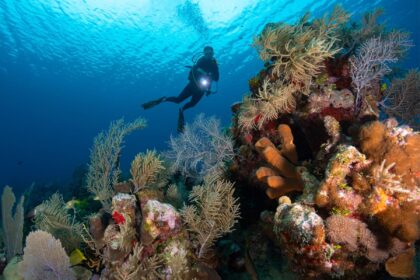
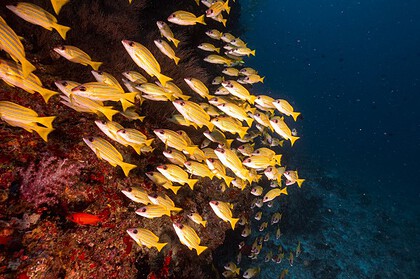
The diving around Bangka was the most relaxed of the three locations. Conditions were easy, currents were minimal, and the reefs and small walls made it a good option for newer divers, youngsters or anyone wanting to ease into a multi-day dive schedule.
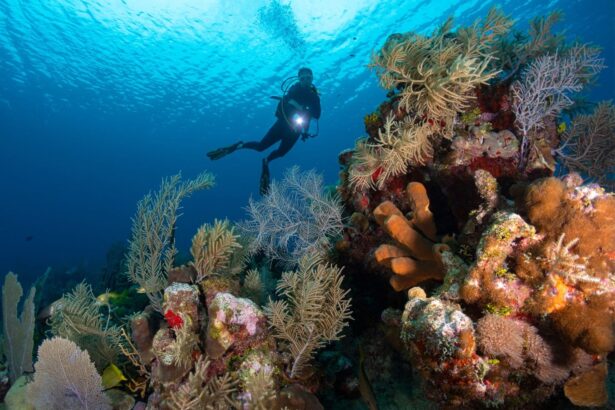
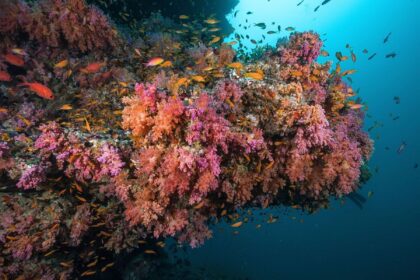
Many dive sites are just 15 minutes from the resort, rich with fluffy corals, and interesting wildlife such as large frogfish, mantis shrimps, and reef fish. We opted for a shore night dive on the house reef, and saw some incredible nudibranchs, a school of squid, plenty of rays, and even two pygmy seahorses. The convenience of a night dive on the house reef usually means forsaking some better spots, but that wasn’t the case at all at Bangka.
The Resort

We spent four nights in the Premium Oceanfront Cottage, which featured a large room with a king-sized bed and an even bigger bathroom with twin basins. The bathroom had an external entrance, so after diving you could get straight into the shower. Our room was a duplex, so there was a communal room in between us and our twin. This was accessed by a door in each cottage, or simply via the shared porch space. There are also stand alone Premium units, as well as the larger Deluxe Hillside cottages up on the outer edges, surrounded by lush tropical greenery.


Having started at Bangka, the staff made sure we had plenty of honeymoon moments, including a private dinner. Although we were on a dive-intensive holiday, this was also our honeymoon, and Murex Bangka reminded us to slow down, remember the romance, and take it all in.
Lembeh Resort: Macro Heaven and Photographer Focus

Lembeh Strait is world-famous for muck diving and macro, and it 100% lived up to the hype. If you’re into underwater photography, then Lembeh Strait is a must on your dive bucket list. Lembeh Resort is set up for underwater photography, with a large camera room, a photo center and plenty of professional camera-trained staff to assist with all your needs.
The Diving


Lembeh offers a true underwater cornucopia. Creatures we had been hoping to see for years, such as a blue-ringed octopus, ornate ghostpipefish or orangutan crabs, we saw a few times across our six days. Other incredible critters were harlequin shrimps, frogfish (massive and miniscule), decorator crabs, a whole kaleidoscope of nudibranchs, and plenty of octopus.
Dusk dives were a particular highlight of Lembeh, driving out on the boat just as the sun was setting. Over the course of an hour we experienced the shift in wildlife from day dwellers to nocturnal ones. If you love cephalopods, then dusk is your best chance to find them.


Blackwater diving is a relatively new style of diving, and I got to experience it for the first time with Lembeh Resort. During a true night dive, you descend around an illuminated descent line that attracts deep dwellers and juvenile fish.
This was definitely a test of my skill, trying to find and focus on these tiny critters with my camera. But even without a camera, watching juvenile ribbon eels, boxfish, shrimp and more, many of which are translucent, dance in front of your torch light was truly mesmerizing. It’s easy to understand why blackwater diving is getting more popular, especially with the rise of digital cameras.
The Photo Center

Out of the three resorts, Lembeh Resort is definitely the most photographer/videographer focused. Critters@Lembeh is their dive center, and adjacent is the world’s first Backscatter Authorized Photo Center, offering guests premier underwater photography support, rental gear, and workshops.
Since my DSLR flooded in Raja Ampat, I was very glad for the Backscatter Photo Center. For the underwater photographer in me, there was no way I was going to dive the muck capital of the world and be without a camera. The Photo Center organized everything for me prior to my arrival, with a compact TG7 waiting for me at Bangka and a mirrorless in Lembeh. The photo center team was consistently helpful, answering all questions I had on either the equipment itself or photography techniques.
The Resort


Accomodation-wise, we had one of the Premium Luxury Cottages, some of which were recently renovated. Our cottage was atop an inclining path, but the view over the strait was worth it. All rooms are beautifully decorated with dark wooden accents, soft white linens and rattan furniture. We also had a private honeymoon dinner on the porch outside our room. Away from the other guests, and looking over the bay, the dinner was more intimate.


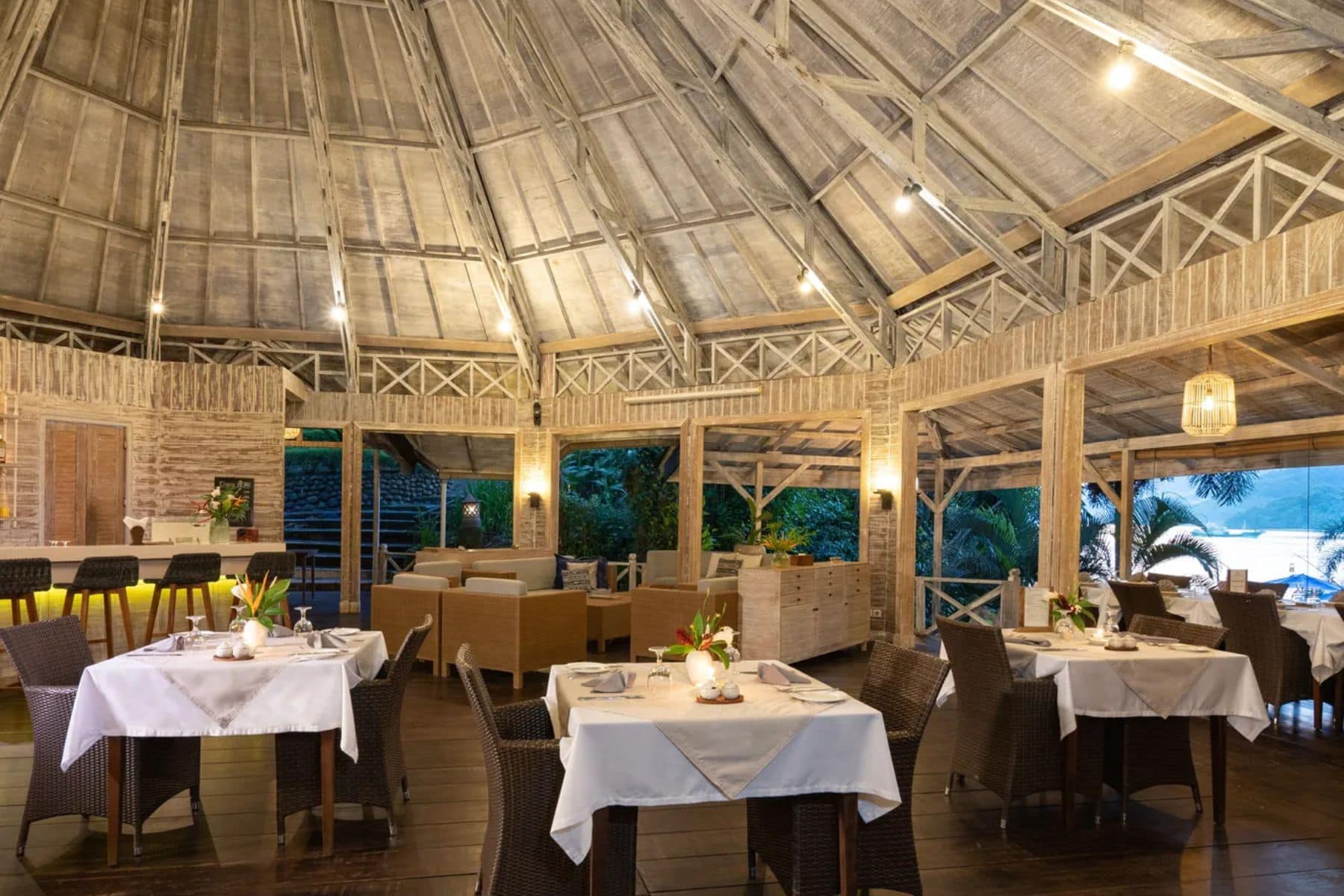


Other facilities at Lembeh Resort include the restaurant and bar, the new spa, the waterfront pool, and its bar. Lembeh’s restaurant and bar are raised up on the first floor, above the lobby. Tucked away in a quiet corner, the Spa is a freshly renovated modern wellness center. For those off-days, divers can indulge in manicures, massages and facials. Breakfast and lunch was a fresh and varied buffet, and dinner was served a la carte.
Murex Manado: Turtles, and Big Reef Scenery

It is at Manado that the story of Murex begins. Nearly 40 years ago, Dr. Hanny “Hansie” Batuna acquired the Manado plot, and built a family home. He was known globally as North Sulawesi’s first SCUBA diver, and played a keen role in establishing the nearby Bunaken National Park. A generation later, his daughter Angelique Batuna and husband Danny Charlton are now the co-owners of Murex and its resorts.
Murex Manado is located south of the main city, and it is the usual starting point for the Passport to Paradise experience. This lush resort is surrounded by big trees, waterlily ponds and soft green grass, making it the perfect place to shake off the jetlag.
The Diving

The highlight of this resort is Bunaken National Marine Park. Getting to Bunaken NP was a half-hour drive straight north depending on “traffic,” the traffic being the local dolphins that followed along under our boat for entertainment.

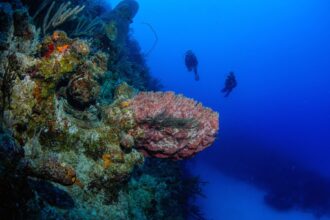
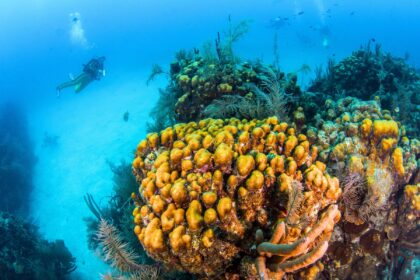
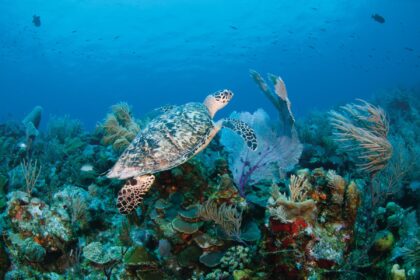
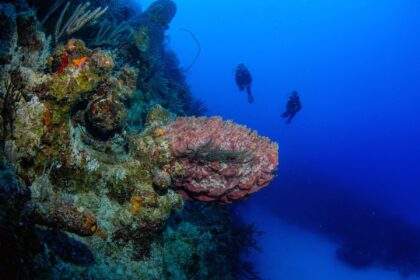
There, we did two dives, where turtles were the headline act. If we felt that we were missing turtles before, we got our fill at Murex Manado. Diving here consisted of drifts along a wall, and there were a few washing-machine moments in the currents, which took us by surprise. Constrated to the almost serious and camera-focused nature of Lembeh, the dives at Bunaken National Park were genuinely fun dives, full of marine life, huge barrel sponges and a few swim-throughs.
The Resort
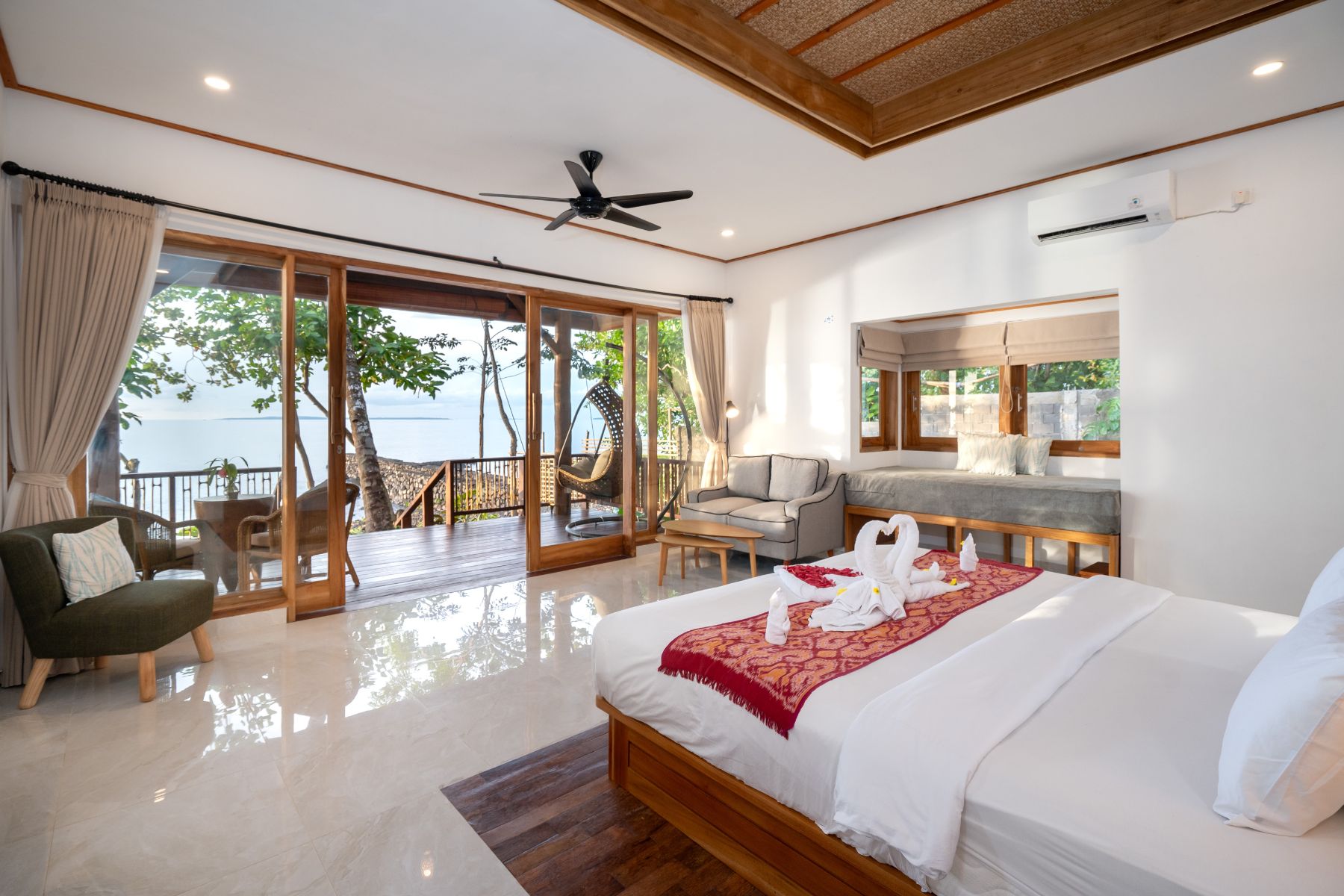




At Murex Manado the three tiers of accommodation are the Oceanfront Villa, Premium Deluxe Cottage and the Deluxe Cottage. All are similarly styled with white walls, dark wooden furniture, and king-sized beds. The Oceanfront Villa is a spacious room, including a desk, dressing table and indoor seating. The highlight is definitely its bathtub, which has sweeping ocean views. The Premium Deluxe Cottage and Deluxe, former having a larger footprint, a desk and minibar, are placed off from the beachfront with garden or partial ocean views.

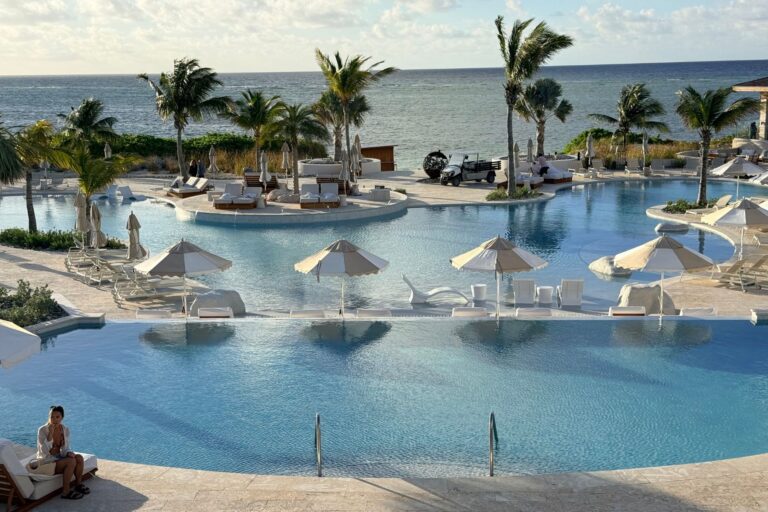
The restaurant and bar area are both open-air with views overlooking its surrounding garden and beachfront. Most meals are served via the buffet, with a mix of international and Indonesian dishes made with fresh, locally sourced ingredients. There is an oceanview infinity pool, camera room, and spa on-site.
Dining at Murex Resorts & Lembeh Resort

Across the trip, the food was a mix of Indonesian dishes, curries, and international options. For Murex Bangka, all of our meals were buffet-style, while in Lembeh Resort and Murex Manado, dinner was an à la carte menu. If occupancy is low, Murex Manado will offer an à la carte menu. Lembeh Resort had the standout burger, and the elevated dining area there offered lovely views over the water. All the resorts had a community table, so guests could choose to socialize with other divers.
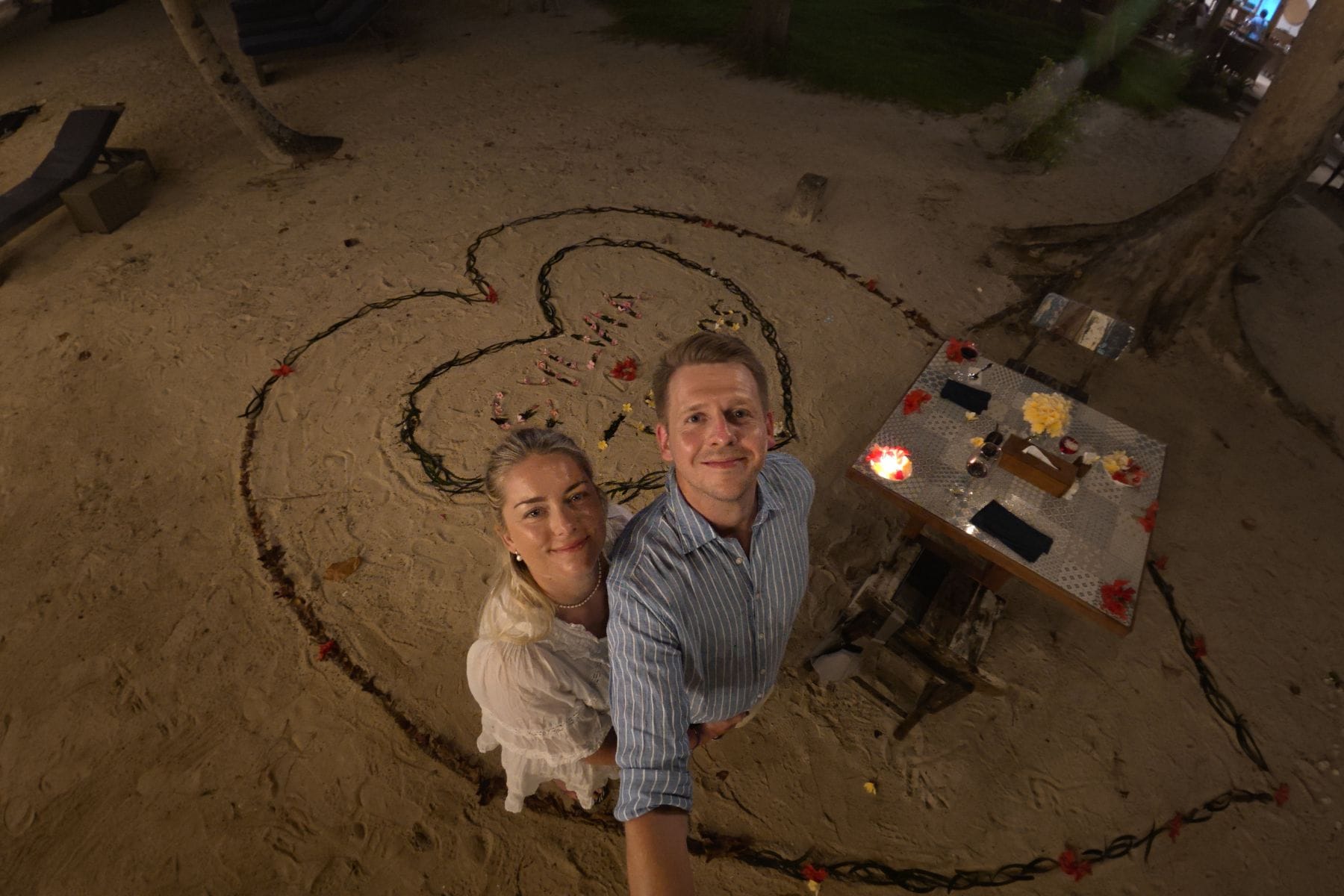


For an additional cost, guests can book a private dinner, which we had at both Murex Bangka and Lembeh Resort. For Murex Bangka we were located on the beachfront, amongst the palm trees, whereas Lembeh we were on our porch, overlooking the strait.
Who Passport to Paradise Is For

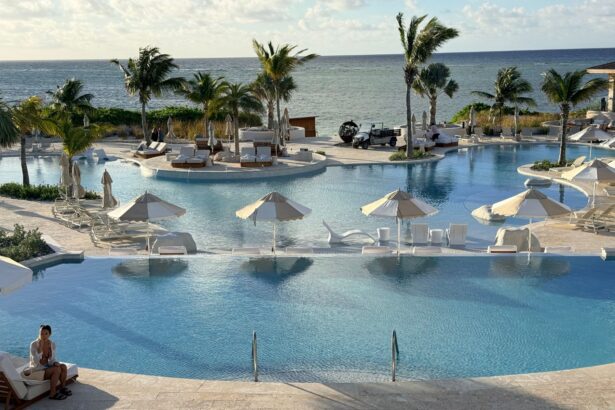
Passport to Paradise is best suited for divers who wish to explore North Sulawesi, in comfortable and hassle-free style. Although many of Passport to Paradise’s guests we spoke to were serious camera divers, there were families or couples who like to dive but also wanted to experience other Indonesia adventures such land tours, jungle trekking or cooking-classes. For lazier days, Lembeh Resort and Murex Manado had a pool, whereas Bangka had a white-sand beachfront with sun loungers.
What’s included in the Passport to Paradise Package?
The package is 12- or 15-nights, so typically four or five nights at each resort. That is not set in stone, and with our 12-day package we had one less night in Manado for one more in Lembeh. Both packages have the option to upgrade from the Deluxe rooms to the Premium. Wi-Fi was reliable across the resorts, and while there were some mosquitoes, rooms were equipped with coils and repellents. Included in the Passport to Paradise packages are 22/26 guided dives, all meals, snacks, airport transfers and unlimited unguided house reef dives.

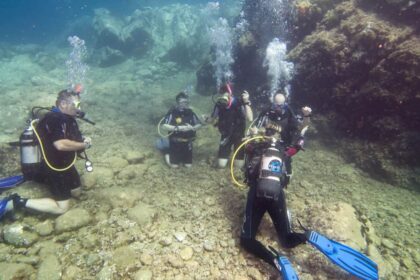
Guided dives are capped at four divers to one dive guide, with the option to book a private guide or even private boat if you want. There are two dives before lunch, one in the afternoon and a final dusk or night dive. Something we loved was that during the dive our guide had a slate to write in real time what we were seeing in the dive, and then afterwards gave a full list.
We chose an intensive schedule, often doing four dives a day, including dusk dives, a mandarin fish dive, and blackwater dives. These do carry surcharges, but the flexibility was excellent. If we wanted to add or cancel a dive, even within an hour, it was never treated as a problem.

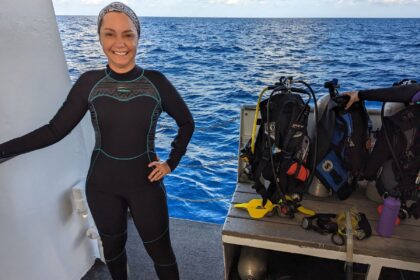
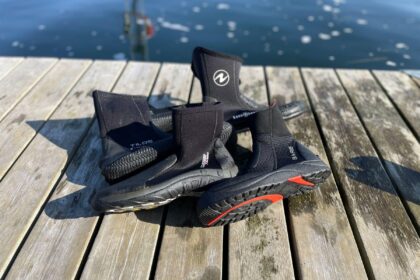
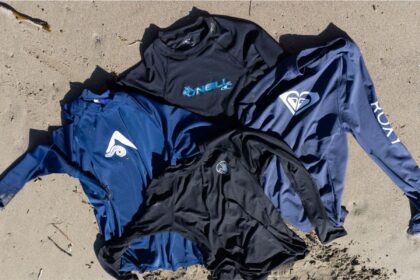
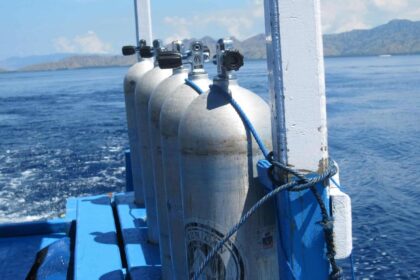
You can rent gear, whether that’s scuba or camera, but since it all moved seamlessly between the resorts, we brought our own. Our dive gear and cameras were always carried and cleaned for us, and neatly stored in the lockers or camera rooms. The water was warm enough for a shorty, but I would recommend a full wetsuit, especially for Lembeh when you’re close to the bottom. By all the dive lockers there were also freshwater showers, so you could rinse off right away.
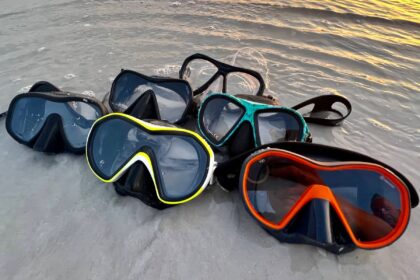
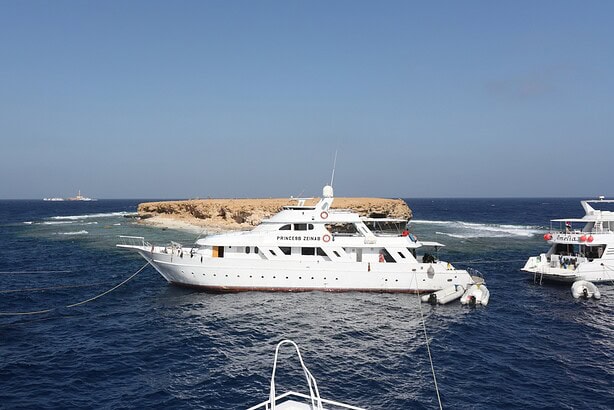
Fresh towels were provided at the start of each dive day, and after each dive, crew came around with water, tea, and coffee. Boats were mostly shaded, with the option to sit at the front if we wanted fresh air and sun. There were separate rinse tanks for masks and cameras on the boats.
Final Thoughts

For my husband and I, as keen divers and underwater photographers, Murex Lembeh Resort’s Passport to Paradise felt like the perfect match for our honeymoon. We wanted something special: a trip built around the thing we love most, diving.

With the Passport to Paradise, everything was ready and waiting for us. Our dive gear was cleaned and handled; transfers happened on time; staff remembered our names, and often seemed to know what we needed before we asked. Sure, we’re used to carrying our own gear and organizing our own schedules, but sometimes, it is nice to be spoiled.
That, in the end, was the real magic of the experience. Not just the reefs, the critters, the turtles, or the countless dives across three destinations, but the seamlessness of it all. We could focus on diving, photography, and each other, and still have energy at the end of the day to enjoy the moment.
 Take a moment to look at this.