


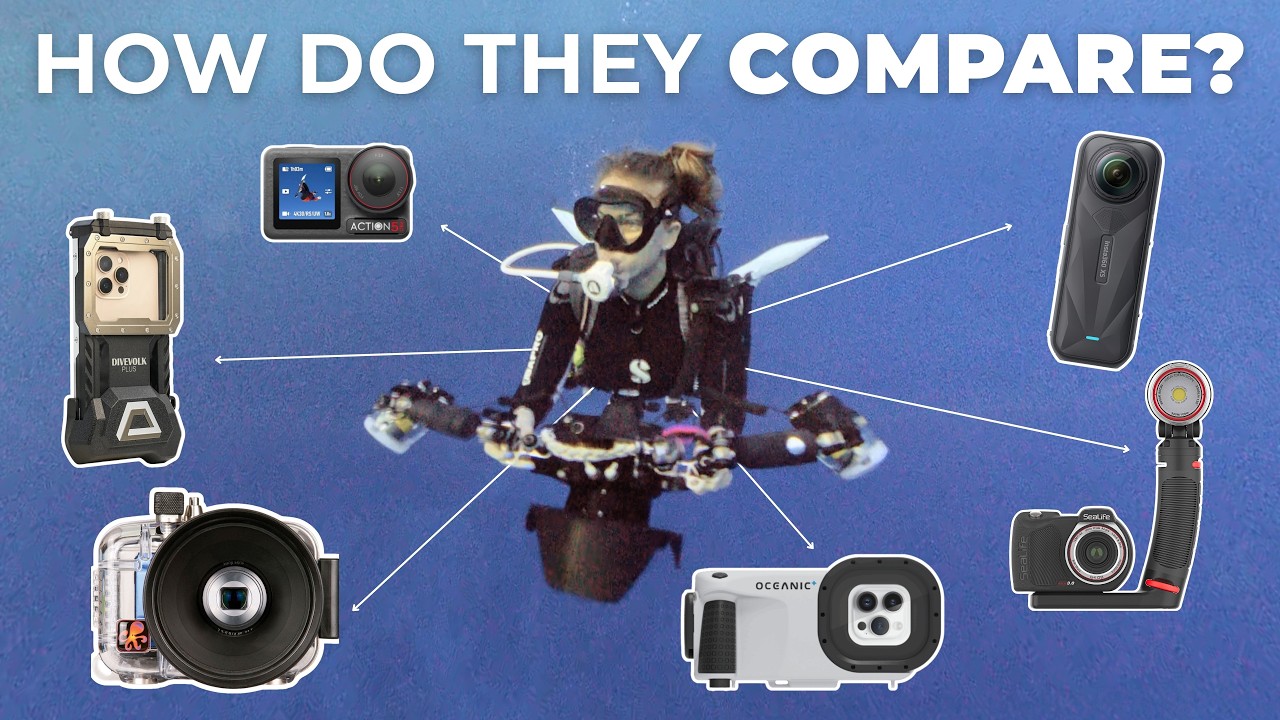
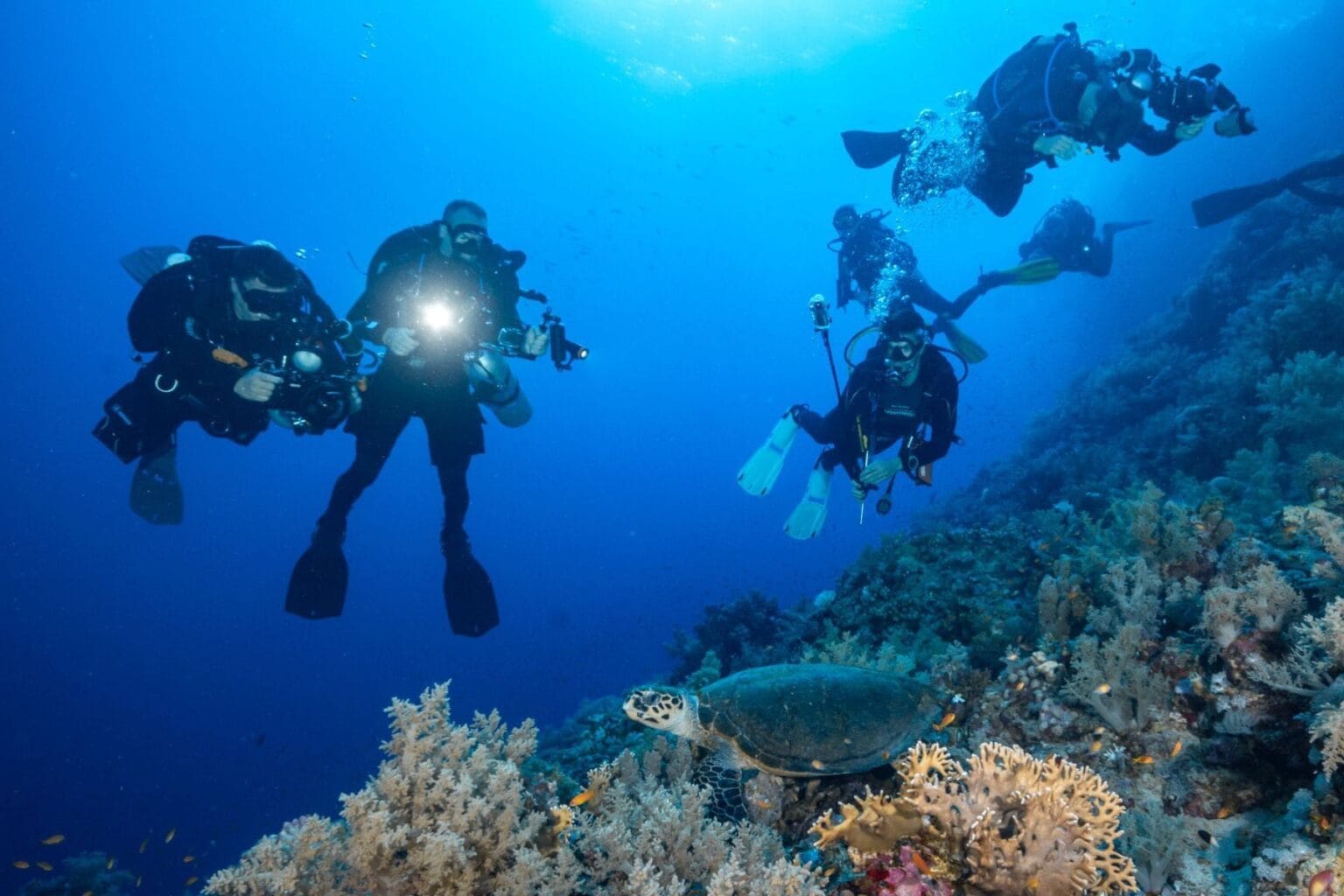
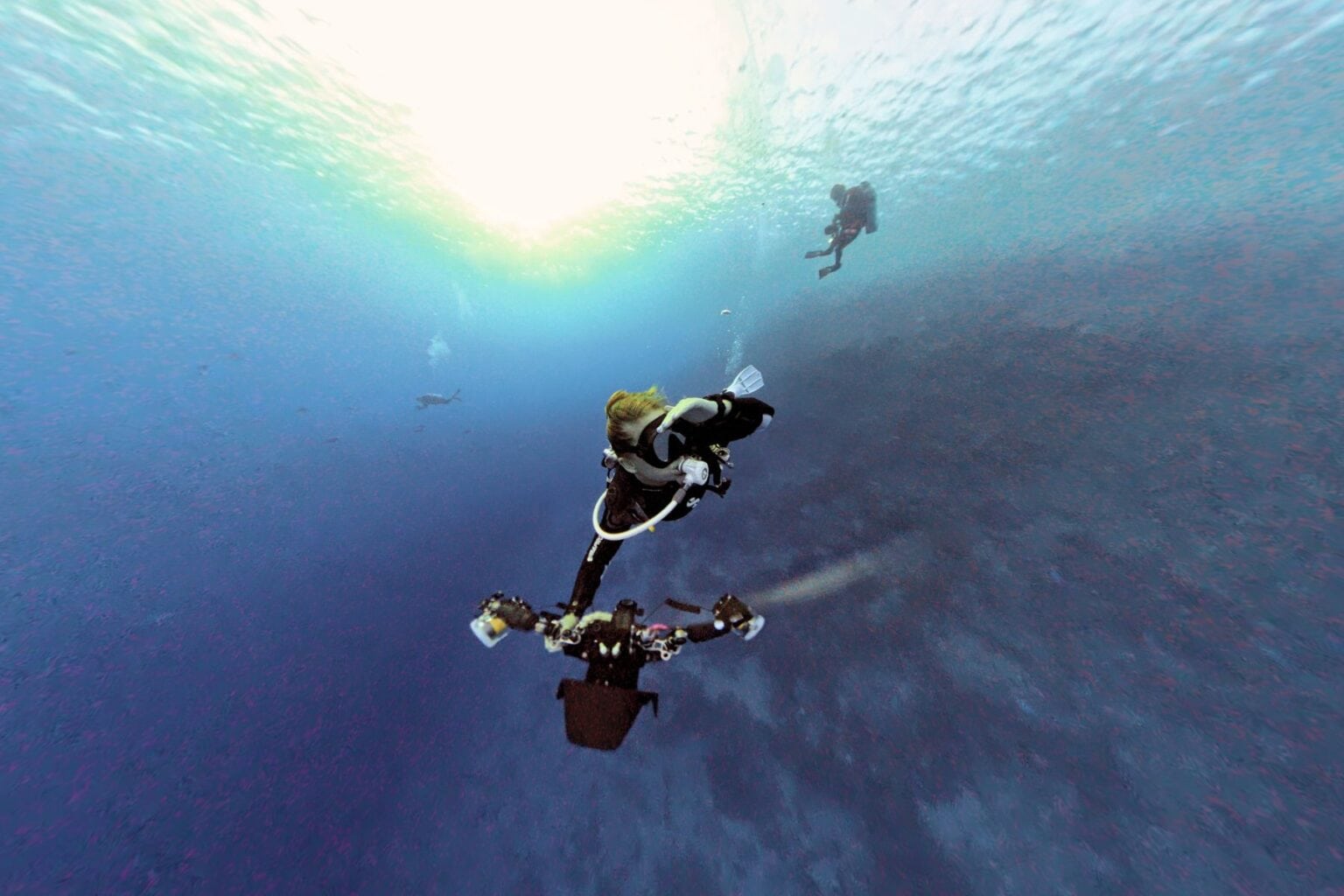
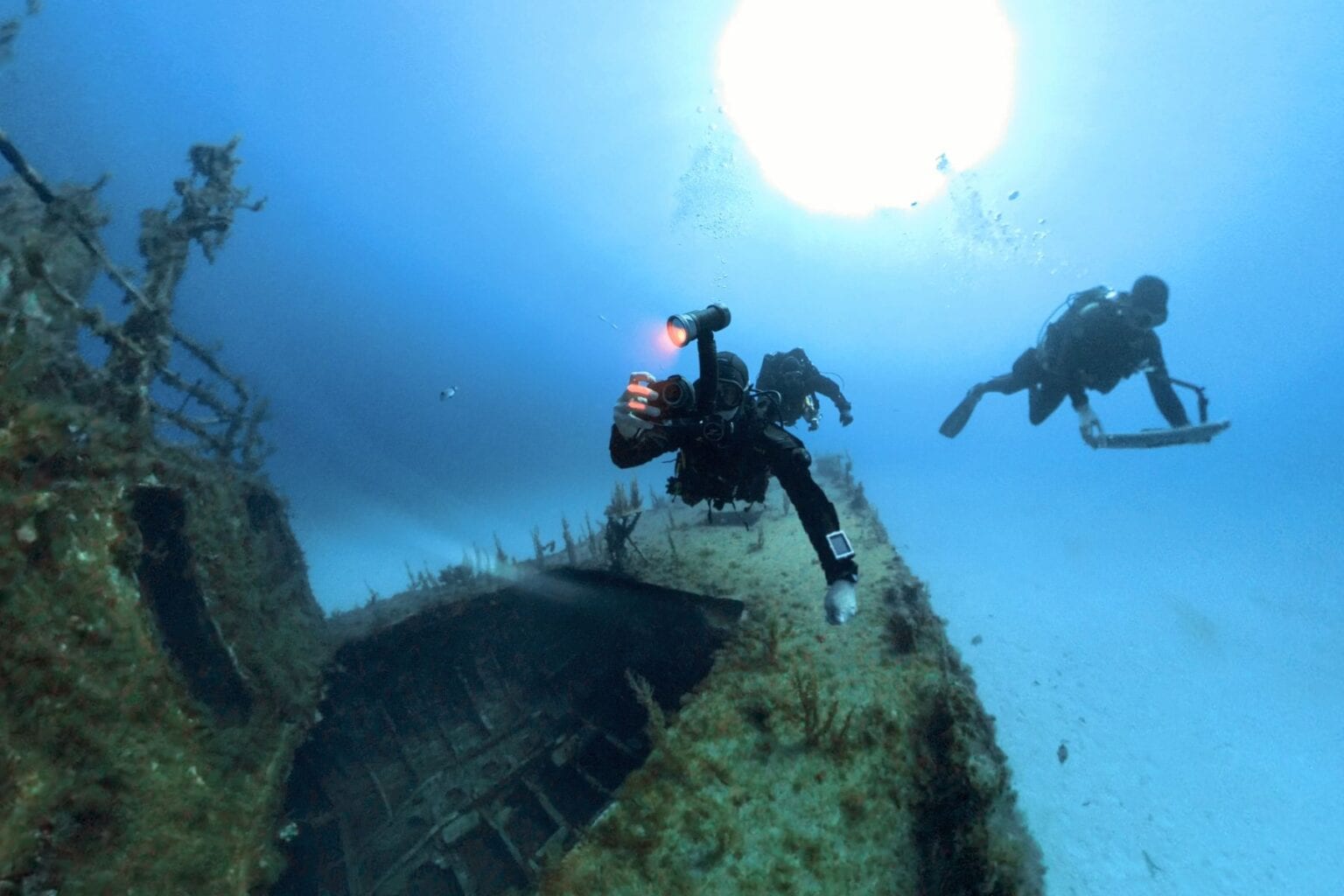

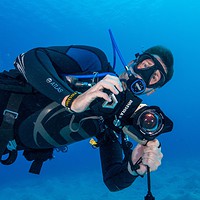
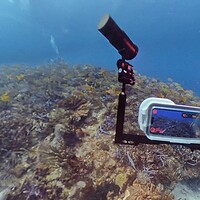
Underwater photography used to be for highly experienced divers or dedicated camera enthusiasts and professionals. However, with the rise of online sharing and leaps in imaging technology, having a camera underwater is much more commonplace. Now, with so many choices, it can be tough to know what to buy and how much you really need to spend.
In this guide, we’ll break down the main camera types divers use, the housings that make them dive-ready, and the key decision factors that matter most.
Safety first: your dive comes before the shot
A camera can steal your attention fast. Make sure your buoyancy, trim, and awareness are solid before you add more task loading. If you feel rushed or stressed, skip the shot and slow down.
The four main underwater camera setups
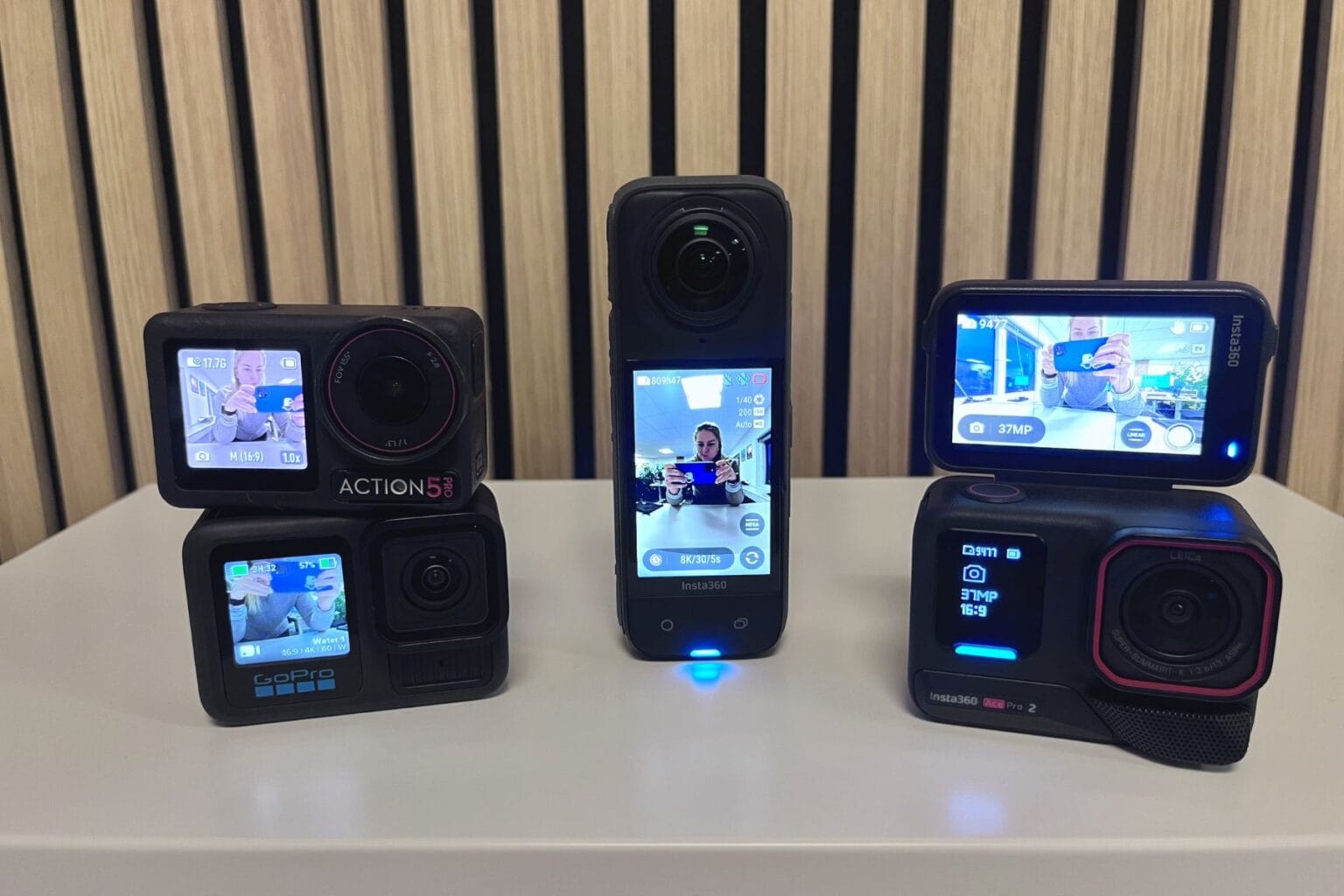
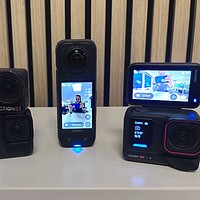
Action cameras
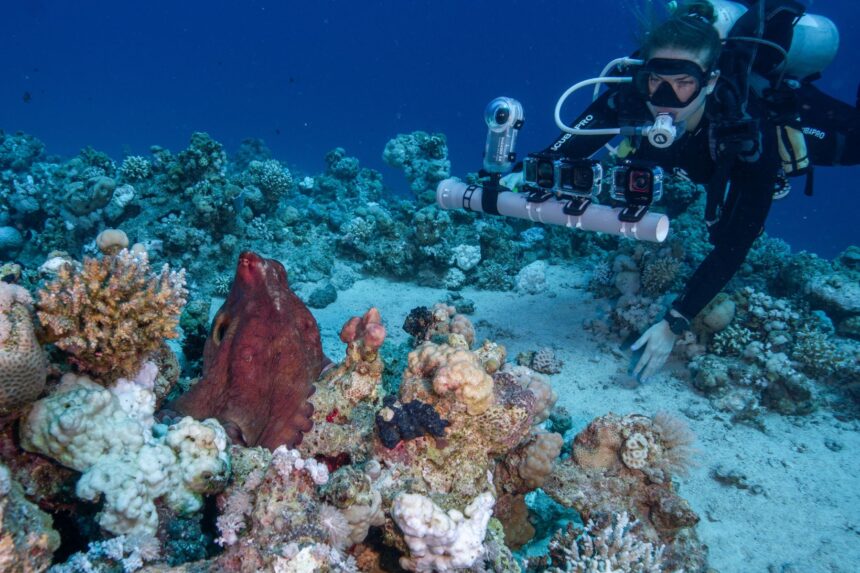
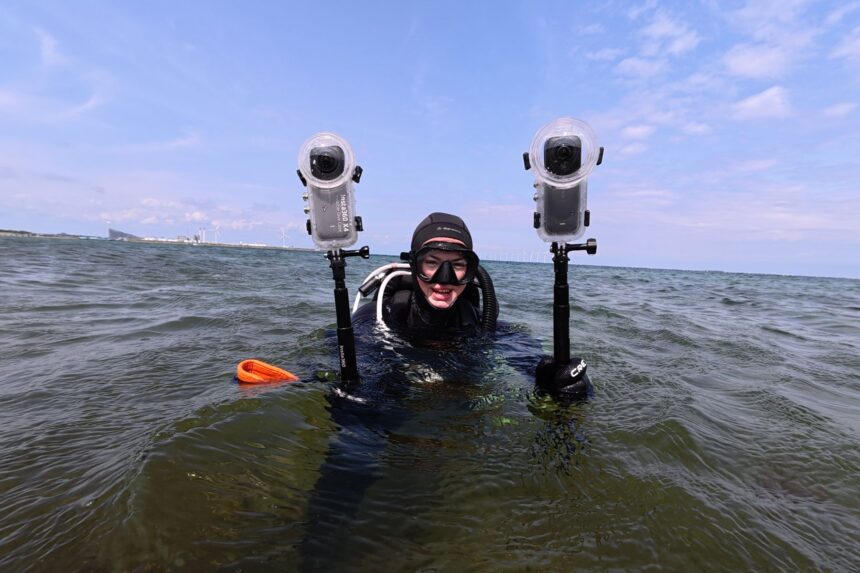


These small, video-first cameras are built for wide-angle footage and simple controls. Many have a basic waterproof rating to 33-66 feet/10-20m, but for scuba diving you will need a dive housing for depth and impact protection.
The DJI Osmo Action 5 Pro goes to 60 feet/20m without a housing, and is a firm favorite with divers. All of those mentioned are waterproof 196 feet/60m in their dive housing.
Action cameras we tested

Phone + phone housing
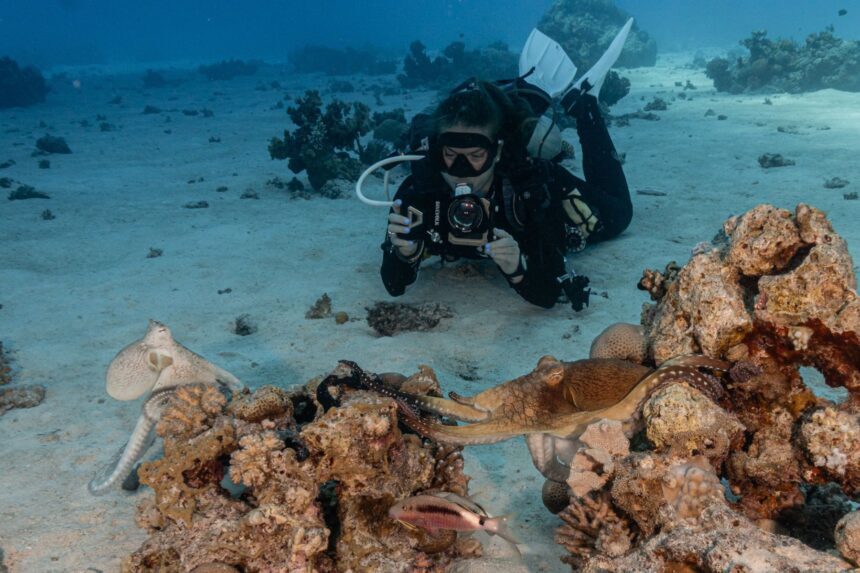
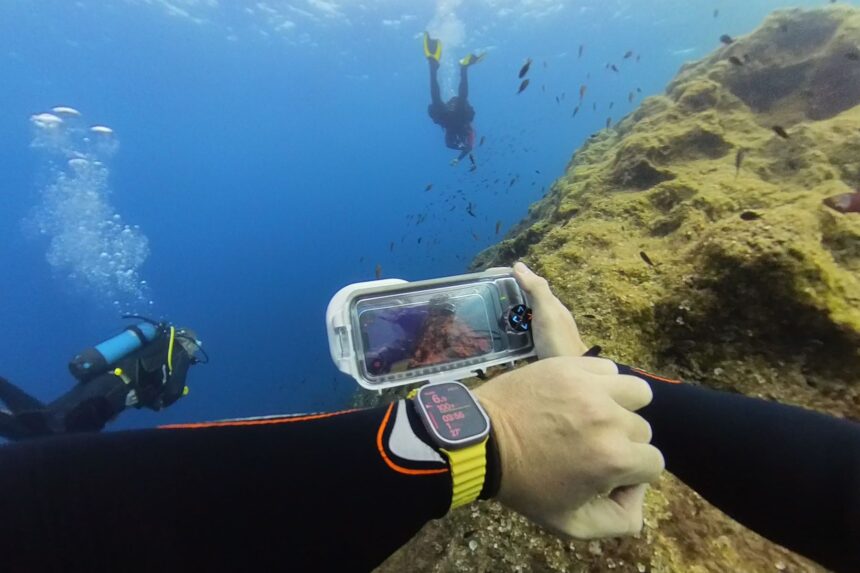
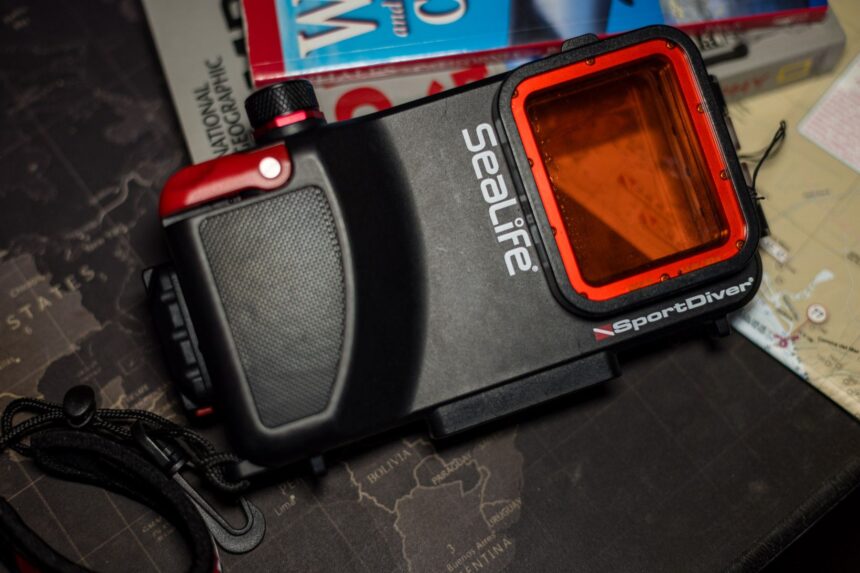


Nowadays smartphone cameras are exceptional, so it makes sense to take a camera you already own underwater. When it comes to scuba diving, your smartphone goes inside a sealed housing that features either buttons or a touchscreen membrane.
The benefit is that you already know your phone’s camera and apps. Some housings add vacuum checks and leak detection, which is important when your phone is also your wallet, travel plan, and way to contact home.
Phone housings we tested:
Compact camera + small housing
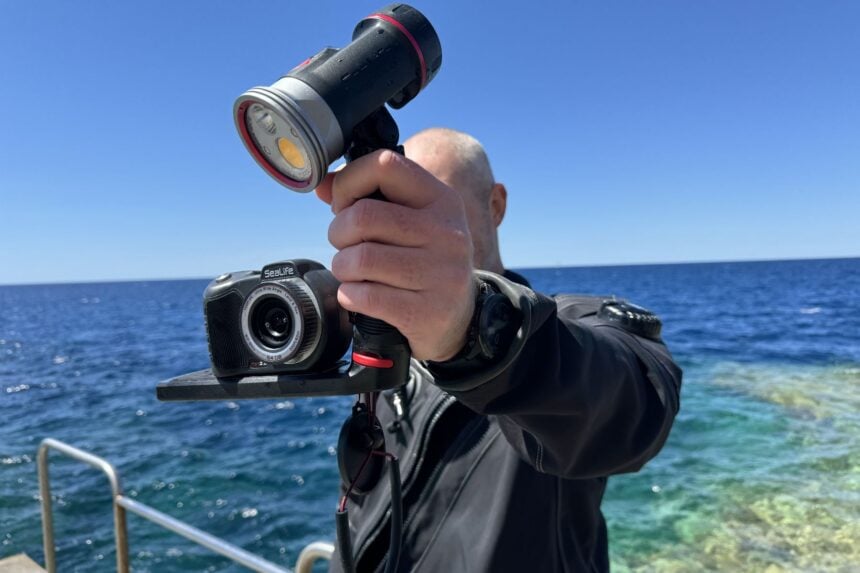
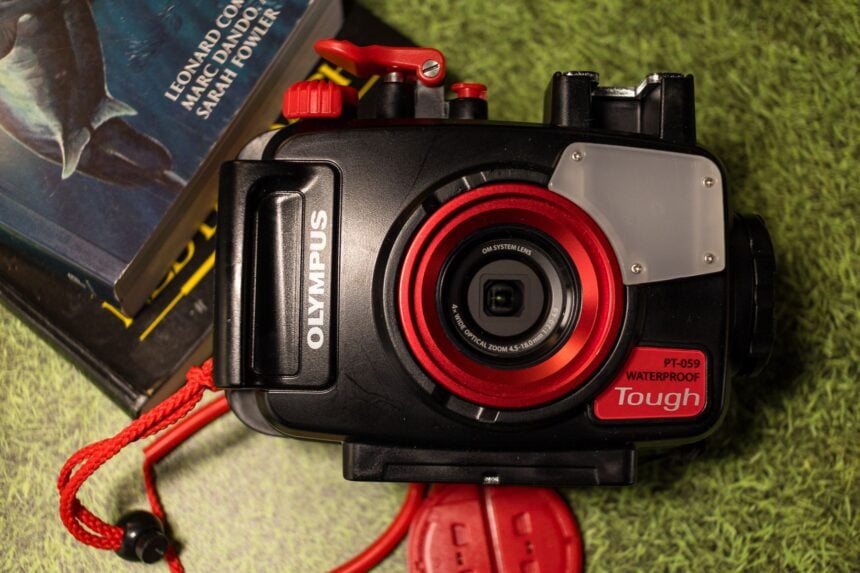


A compact camera in a dedicated housing is a solid step up for divers who want that Goldilocks setup of a decent camera with a reasonable price tag that can take reasonably impressive photos/videos, and isn’t too overwhelming to learn. With many of these compacts, you get more manual control, better close-focus, and an easier path to adding lights and wet lenses. Some, like the Sealife, are a permanently sealed camera and don’t need a housing. Others will require a small external housing.
Compact housing we tested:
- Compacts in professional housings
- Sealife Micro 3.0
- Olympus Tough Systems
Mirrorless/DSLR + underwater housing
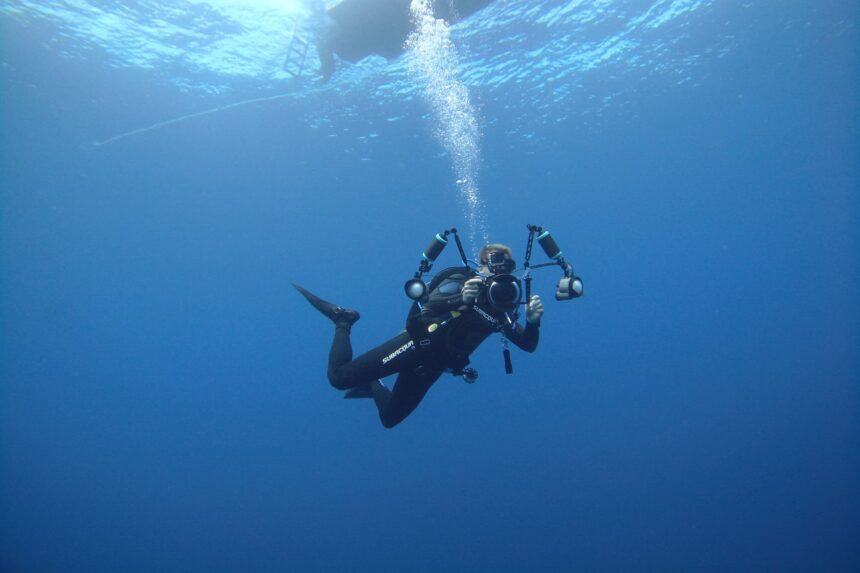
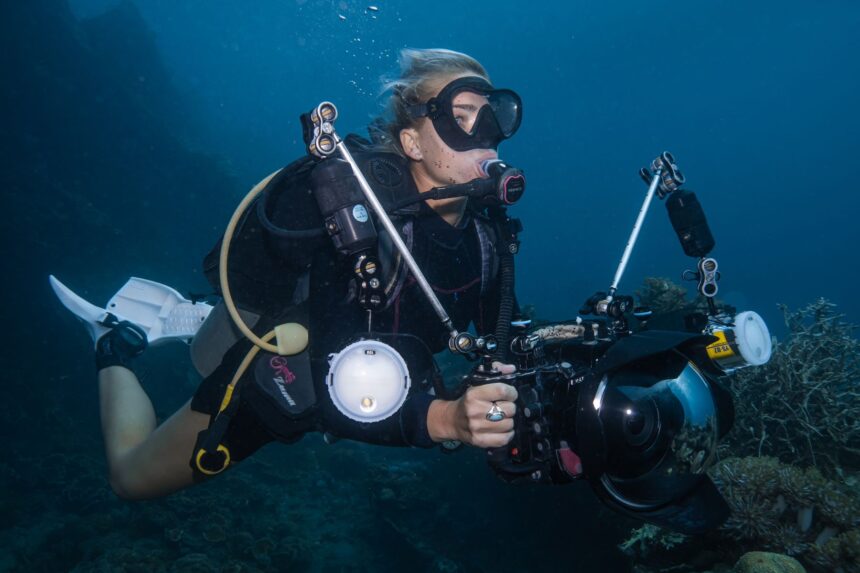


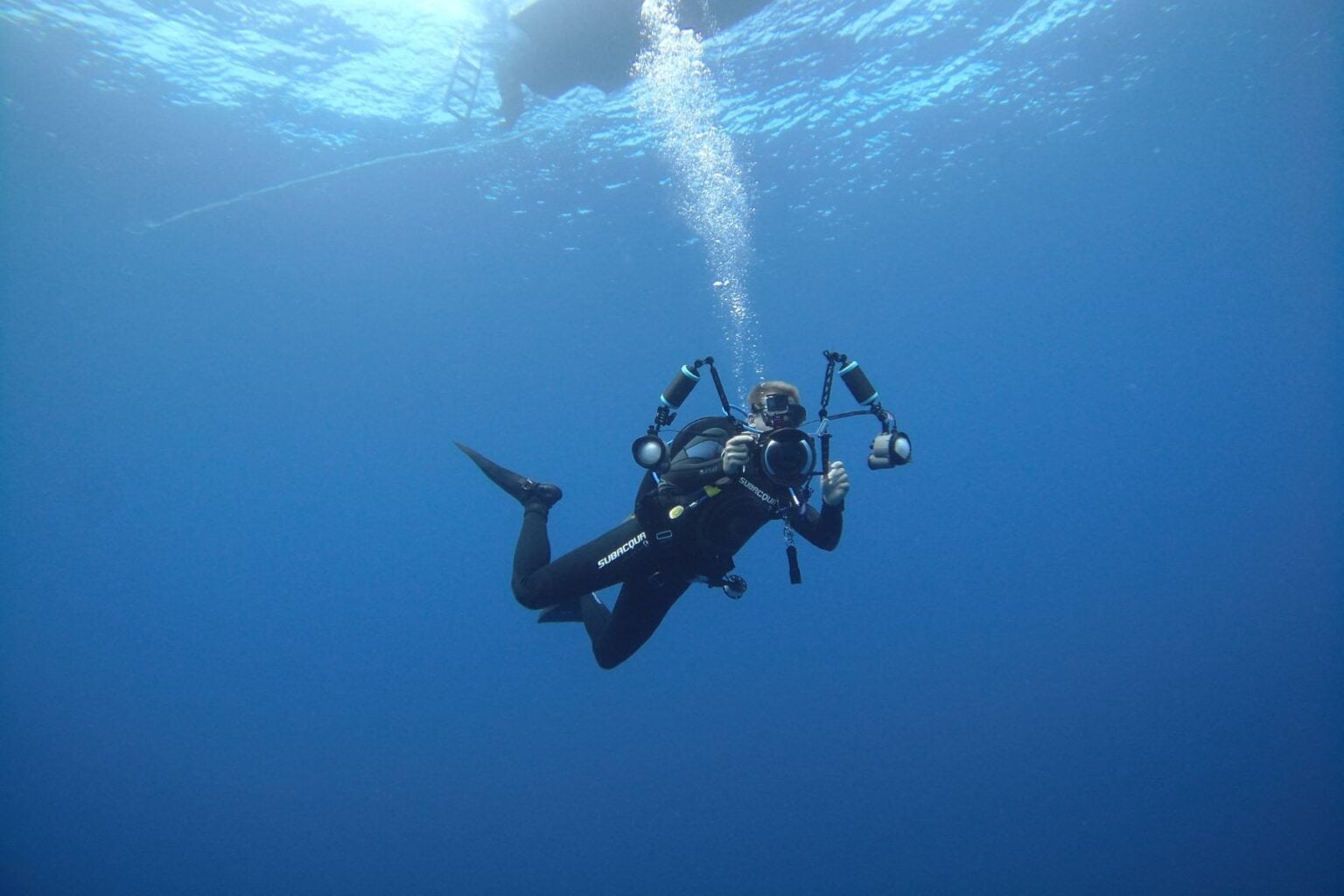
This is the big-boy big-rig category. You will get the best image quality, true lens choice, and total freedom in shooting style and post-editing personality. If you are a serious diver and genuinely knowledgeable about or interested in cameras, a professional setup will be very rewarding.
Just remember these cameras come with a steep financial investment, mental burden of managing and learning them, and a backpack’s worth (at least) of luggage space. Do you have that kind of time and money to invest?
Housing + camera brands we tested:
- Multiple DSLR/Mirrorless brands (Nikon, Sony, Canon, etc.)
- Multiple housing brands (Nauticam, Ikelite, Seafrogs etc.)
Key decision factors
Choosing any of these setups comes down to what is important to you and what you’re willing to trade off. You’re balancing a range of factors, including image quality, ease of use, price, and more. Below we’ll dive deeper into the five main considerations when it comes to what underwater camera best suits your capabilities and needs.
Image quality and creative control

Action cameras are brilliant for wide and smooth video. They’re great for reefs, divers, and big animals in clear water. But you’re usually locked into wide views, and low light gets tricky on early-morning, late-afternoon or deeper dives.
Creatively, action cameras all have great phone and desktop apps that allow you to cut, crop and color the video, and do a lot of the heavy lifting for you. Some apps also include AI features. These can, for example, take your 5-minute video of a manta feeding station and create a 60-second showreel of the highlights. For uniqueness, the 360˚ cameras (the X4 or X5) film a sphere of footage, which offers endless possibilities for cropping and moving the scene.
Phone housings in the middle

Phone housings sit in the middle ground. Modern phones shoot strong stills and video, and your apps feel familiar. The limits, again, are low light and the lack of true lens choice when you want a dedicated macro or a proper wide-angle look.
Just as with action cameras, there are smart phone apps with which you can do one-click auto fixes or choose to do the cuts and edits yourself. The image quality will depend entirely on your phone model and the camera within it.
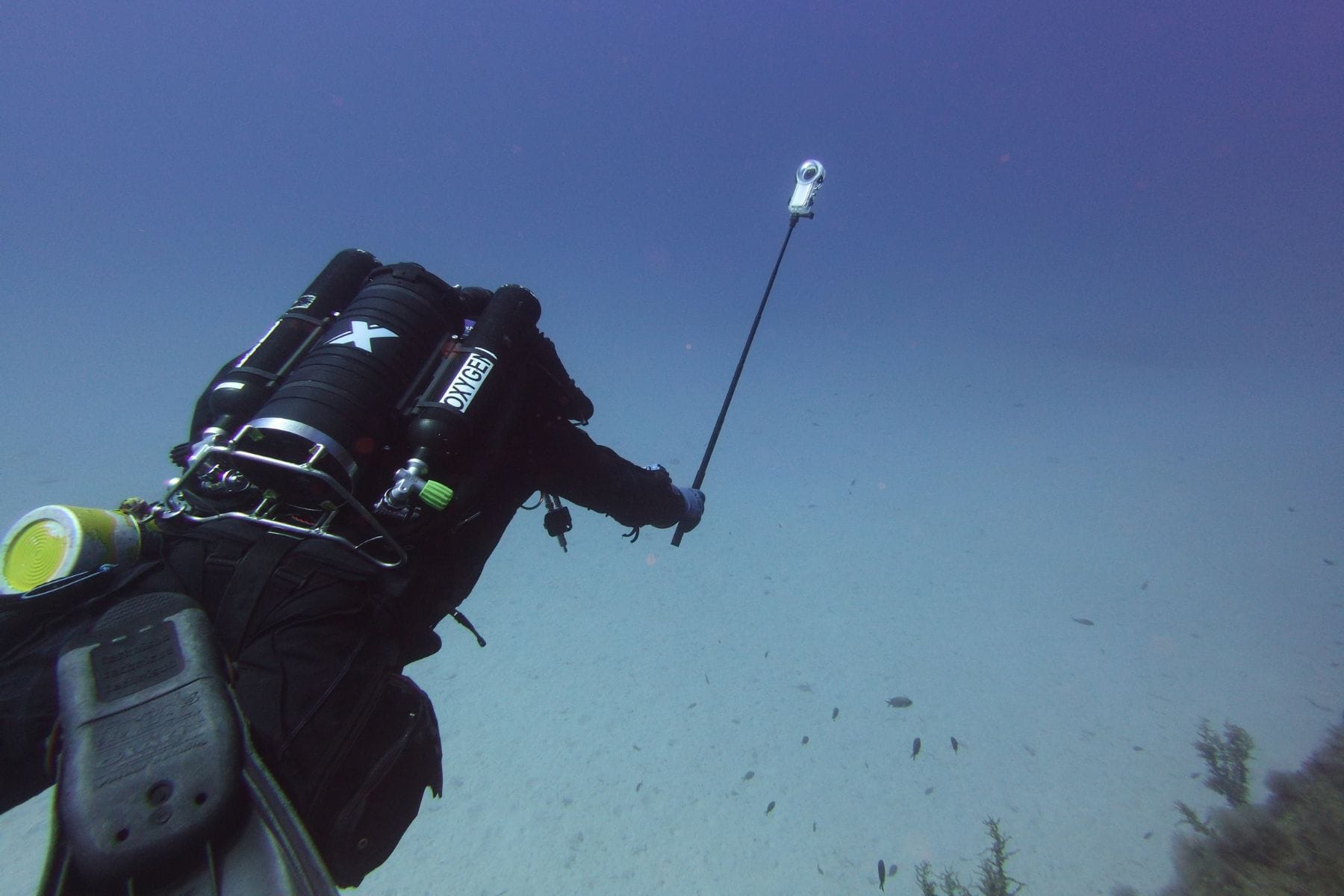
Compact and DSLR creative options
Compacts and dive-focused systems like SeaLife generally beat action cameras, especially for stills once you stay close and add light. You get more predictable exposure control and better close focus. The ceiling is still there, though, because compact systems rely on smaller sensors and they come with a limited lens that isn’t interchangeable from wide-angle to macro. These cameras also take RAW files, which are superior to JPEGs.
For example, a RAW file has more information regarding shadows and highlights, so if the image is too dark, you can likely repair that RAW file in post. With a JPEG, there’s a loss and shadows just turn black and highlights white. Of course you have to know or learn how to handle these files. However, if you are seriously interested, but also want to be frugal about it, compact is a great option.
Professional mirrorless/DSLR systems
Mirrorless and DSLR systems are the top tier. You get the best dynamic range, the best low-light performance, and real lenses built for macro or wide-angle shots. If you want large prints, serious publishing, or paid work, this is where you’ll end up. You will need to edit the raw images from your cameras, so knowledge of editing software like the Adobe Suite is necessary.
Hot Tip: Match the system to the distance you like to shoot from.
- If your best clips are mostly wide-angle (big scenes or big animals) video matters more than pixel-peeping.
- If your favorite subjects are nudibranchs, shrimp, and tiny details, you’ll benefit more from macro ability and steady lighting than you will from higher video resolution.
Ease of use and learning curve
This factor is about task loading, how easy it is to start using these cameras underwater, and what happens once you’re out of the water. Of course, on-land experience helps and I always recommend testing in a pool or shallow depths before any big trips and nasty surprises. Underwater, every extra step costs attention.
Action cameras ease of use

Action cameras win here—set it up, hit record, and you’re basically done. These bite-size cameras can clip onto a BCD D-ring and there are normally only two buttons—one to change mode (video, photo, slo-mo etc) and another to take the shot.
In auto mode, compacts are simple, and many diver-friendly models have menus that work with gloves. If you add lights and move into manual mode, you’ll have a learning curve, but it can be as slow and steady as you like. If you are interested in photography or videography and have a mid-range budget, then compacts are for you.
Smartphone and professional housing complexity

With smart phones, their ease-of-use depends mostly on the housing they are in or the app you are using; not so much the actual phone itself. Button-driven housings, such as the Oceanic+ or SportDiver, will link with an app so you can operate the phone’s camera with an external shutter button. This makes it camera-like and generally more comfortable to hold.
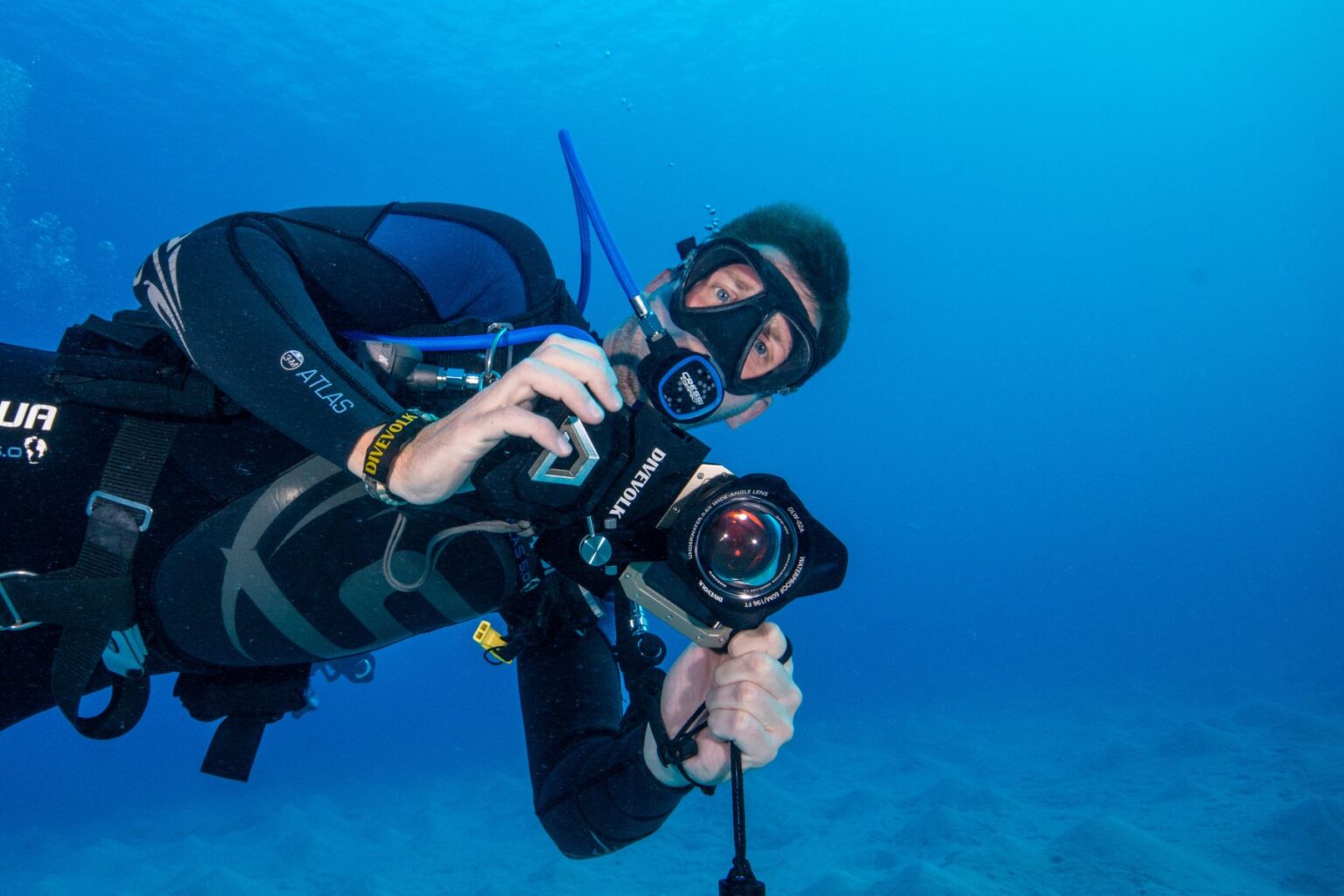
The touchscreen housings, such as DiveVolk, can feel intuitive because you’re using your normal phone interface, but tapping on the touchscreen to stop and start isn’t as natural or steady as buttons.
Mirrorless cameras and DSLR housings have the steepest learning curve. You need to know your camera without thinking, then you need to learn the housing controls. Many times, a button on the camera body is slightly different to where it’s placed externally on the housing. A few practice dives in shallow water is time well-spent, especially if you also plan to use strobes.
Portability and travel
Portability doesn’t mean just weight, but also rinse time, charging, and how much space your camera takes up physically (and mentally). A setup you can manage at the end of your fourth dive of the day is the setup you’ll actually keep using.
Action cameras portability
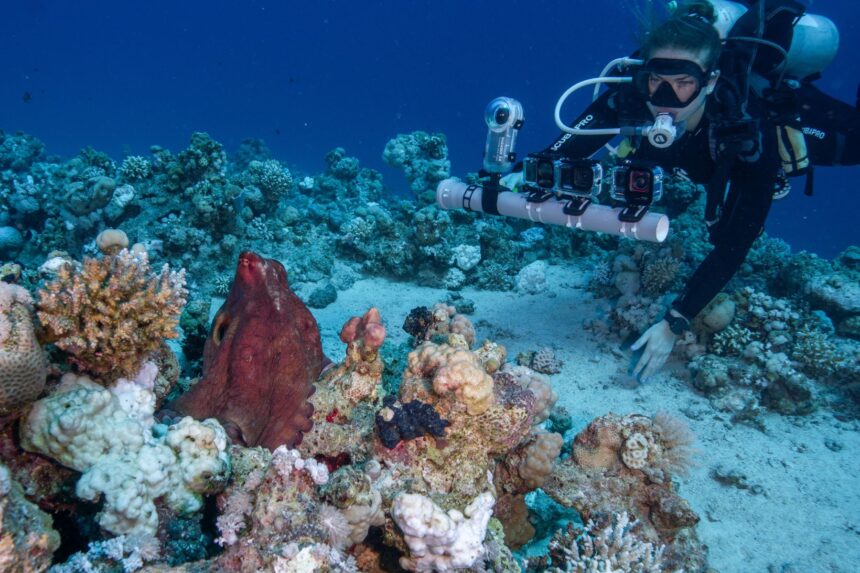
Action cameras and phone housings are easy. They fit in hand luggage and only require a quick rinse after a dive. You can build them up with a tray and lights, but the base setup stays small and you won’t need a second bag just for accessories.
Compact and professional portability
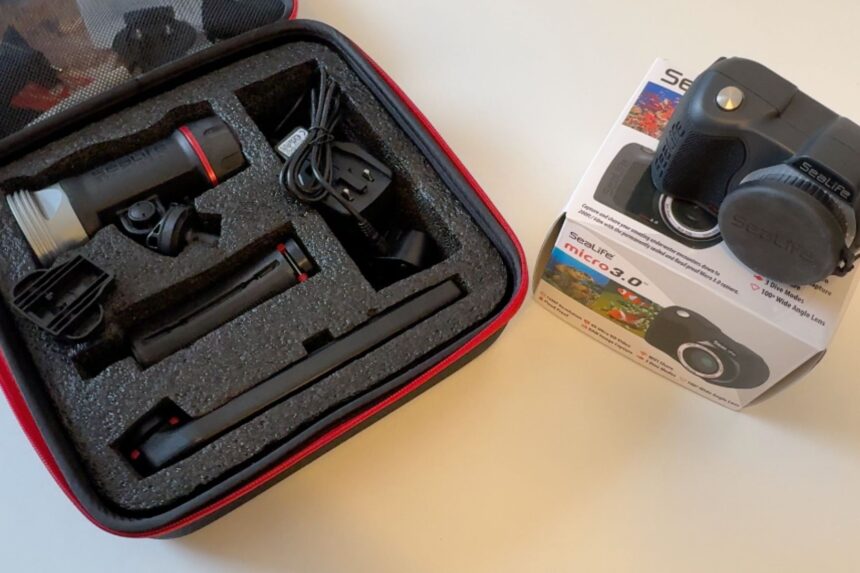
Compact rigs are still travel-friendly, even if you add arms and lights. Be aware, however, of those extras items and tasks like bringing batteries, chargers for the strobes, and all the spares. Many compact housings have a carrying case, which are usually roomy enough for an arm and a strobe, and are pretty reasonably sized.
Mirrorless/DSLR rigs can take over your luggage with housings, ports, domes, tools, and spares. They can be worth it, but be honest about your luggage limits, airline rules, and how often you travel. To help split the burden, you can pack sturdier items, like metal arms and clamps, cables, and the housing into your checked luggage as long as they are well-packed. The dome and camera itself is safer in the carry-on.
Reliability, maintenance and flood risk
Every housing has one main enemy: user error with O-rings. Most floods come from hair, sand, salt crystals, or a rushed latch. With underwater cameras, slow and steady setups really do win the race. Also note that most floods are not of biblical proportions, but rather water slowly trickles in. Although floods are not usually catastrophic, it’s best to end your dive as quickly but safely as possible, with the lens pointing to the ocean floor so that the water starts to fill the large dome. That way you can potentially minimize water damage to the camera body itself. Dry with a towel and a store dry/warm space.
Action camera housings are simple, and often just have one O-ring on the dive housing closure. All action cameras are waterproof to shallow depths, so if you use them without a housing, remember to check that battery compartments are shut properly.
All action cameras have 30-60 ft/9-18m waterproof ratings so that can offer a little peace of mind that if they do flood, there’s the depth rating as a backup. This can save the camera if something goes wrong near the surface.
Sealed cameras reduce risk because there’s no main door O-ring to pinch or trap grit in. SeaLife describes the Micro 3.0 as leak-proof with no O-rings to lube or maintain. This completely closed system is a game-changer. That’s a big stress reducer for beginners, as it removes one of the most common failure points.
Smartphone and professional system reliability

Phone housings need extra caution because you’re risking your actual phone. If you flood it on a remote trip, you can lose maps, bookings, boarding passes, and communication. That doesn’t mean not to do it, but it does mean you should take the pre-dive checks seriously.
That being said, smartphones are water-resistant to 15-18 ft/5-6m and many floods happen just as you descend or ascend. So, if you’re quick to notice, you might be fine. The Oceanic+ Dive Housing has a vacuum seal and a leak detection alarm, so unless you’re jumping in with the housing actually open, a flood risk is near impossible.
Professional camera maintenance

Mirrorless/DSLR housings often have multiple sealing points (housing, port, dome, cable bulkheads). Most mistakes happen from rushed setups, so bear in mind that these larger housings require slow, careful checks and good habits. Vacuum systems and leak alarms help, but they don’t replace good habits.
You’ll always want clean hands and clean O-rings. Make a quick visual check, close slowly, and have one last look at the seal line before you walk to the water. The goal is boring consistency. That’s what keeps expensive mistakes away.
Price, upgrade path, and resale
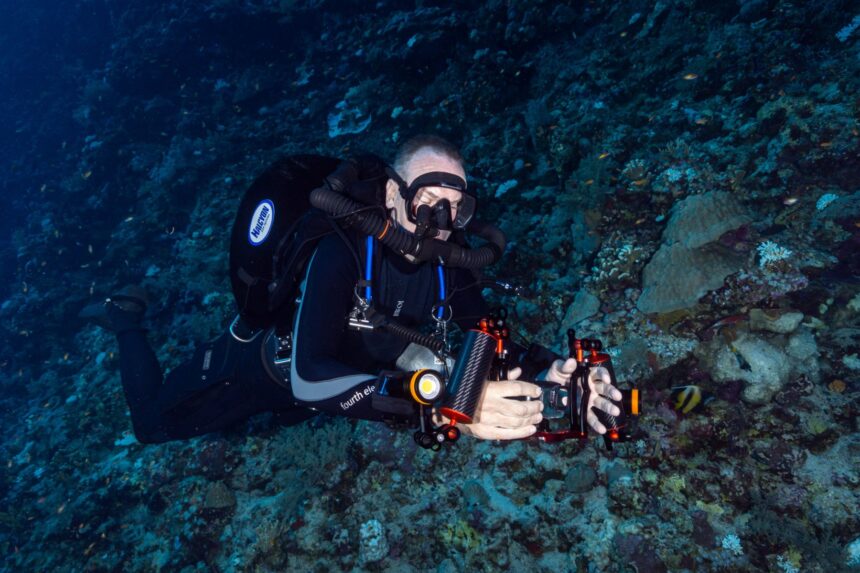
For all underwater cameras, there will be a foundation base price for the camera itself. You can always upgrade your setup to include a tray, video lights, strobes, spare batteries, memory cards, and sometimes lenses or ports. Also, for many of these cameras and accessories, you can always save by buying secondhand or keeping an eye on sales.
Action cameras are the cheapest entry point, and they’re easy to sell if you upgrade. They also work for more sports than diving, such as hiking, cycling, and more, which makes them easier to justify as a purchase.
Compact and phone housing price
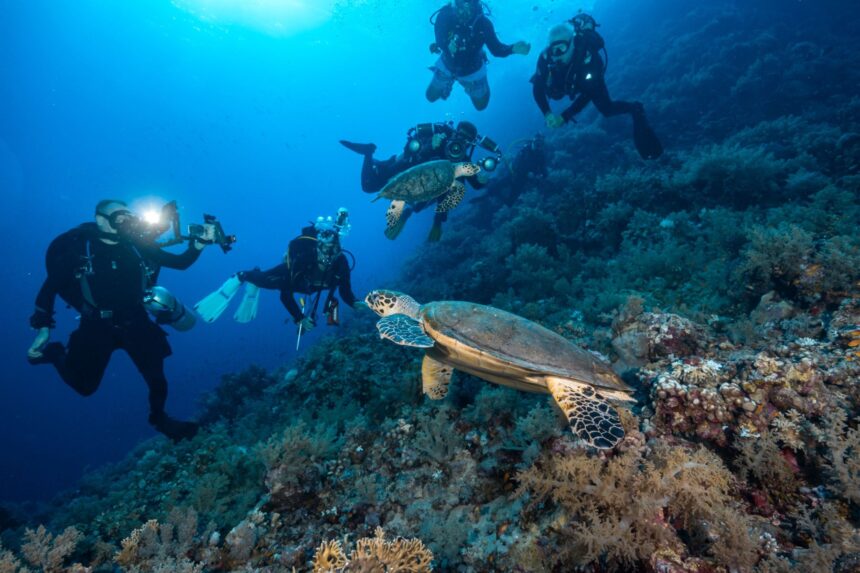
Compact cameras are mid-range and often easy to resell, with a clear upgrade path: tray, light, then wet lenses as you grow. This is also where many divers get their biggest improvement per dollar.
Smartphone housings are of a similar cost to compact and action cameras, but compatibility can bite you if your housing only fits one smartphone model or brand. If you upgrade phones often, check the housing’s compatibility range beforehand.
Professional system investment
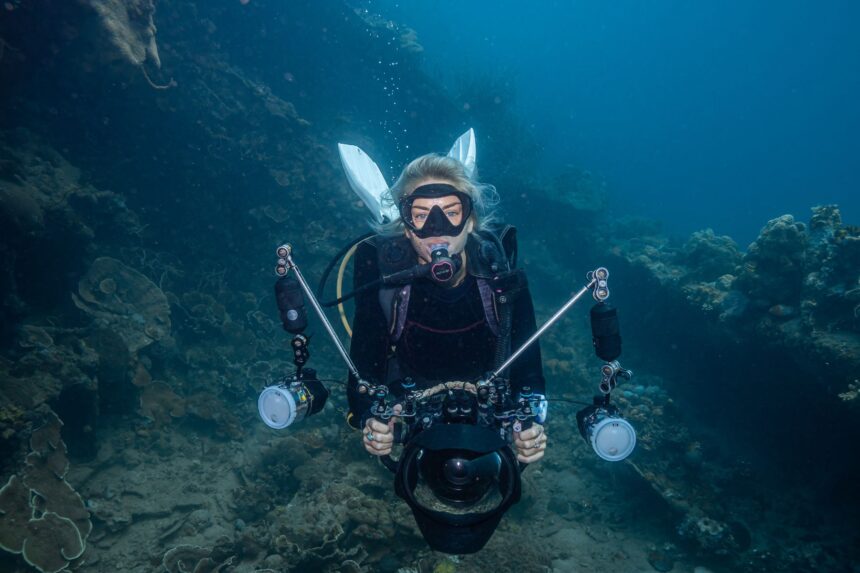
Mirrorless and DSLR systems are obviously the biggest investment, and can cost anything from a few thousand to tens of thousands of dollars. Remember that camera-body upgrades will mean a new housing and often different ports or domes. Read through classifieds on underwater forums to learn typical prices, popular brands and models, and their resale demand.
Start with a camera you can actually handle comfortably underwater today. Then, in time, you can add a tray, some video lights, a wet lens for wide or macro scenes, and more. These add-ons make for great secondhand purchases.
Great accessories that upgrade every setup

Tray or handle: Being able to hold your camera more comfortably will mean better buoyancy, better stabilization, and better footage. This can be as simple as a simple selfie stick that allows you to hold your action camera at a respectful distance from marine life. Trays will come with handles, so it’ll be easier to keep the camera steady. They also provide a place to attach lights if you choose to.
Lighting and lens accessories
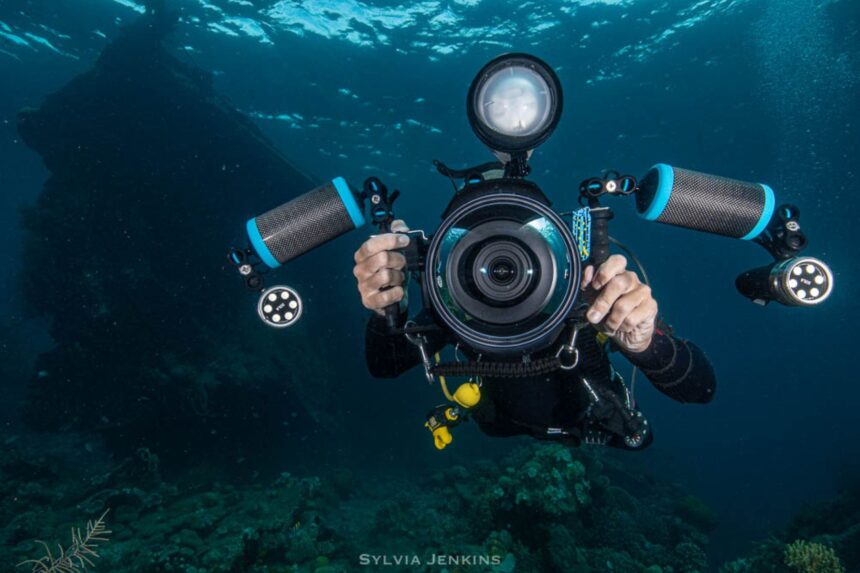
Video Lights: These create constant beams of generally wide and soft light. Video lights are good for close-up or medium-to-wide scenes. Very wide scenes, like a whale shark passing by, will need very strong lights and wide angles to compensate for water absorption.
Strobes: These underwater flashes connect via a cable or wireless connection to the flash in your camera to then produce an external flash. These will be strong outputs of sudden light. Again, bigger scenes need more light.
In terms of usage, a video light will help to illuminate a scene for a photo, but it will look flat compared to the fast and dramatic effects of a high-output strobe. Again, strobes will have a lower setting of constant output to softly illuminate a scene if you want to.
Wet lenses
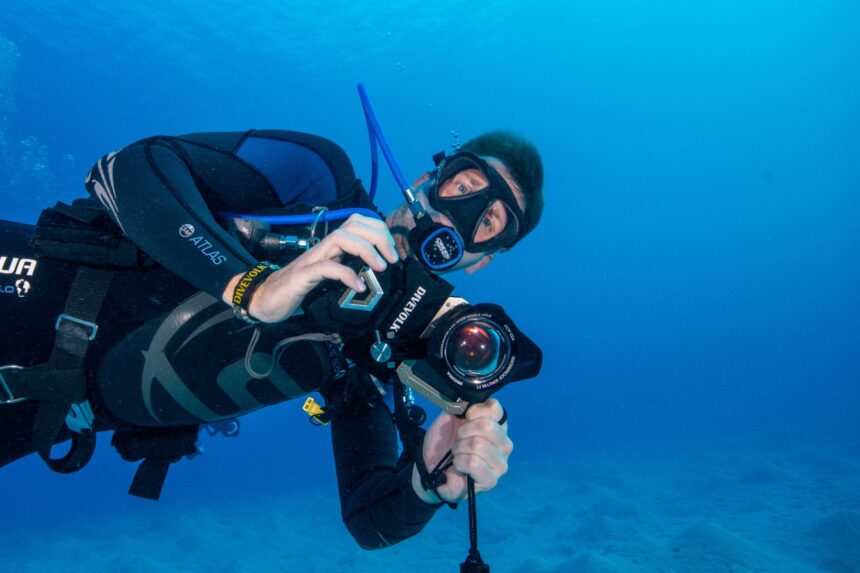
Wet Lens: This is an external lens that you can attach directly to the housing. There are macro wet lenses, which are essentially magnifiers that help cameras focus on small critters, as well as wide-angle wet lenses, or fish-eyes, that “bend” the scene to create that dome-like look.
Final thoughts
The best underwater camera is the one you actually take diving and enjoy using. Pick the simplest system that gives you the results you want and build from there. If you’re early in your diving journey, keep it safe and keep it fun. You can always add more to your setup as you go and, as with all things diving, slow and steady.
 Take a moment to look at this.


