


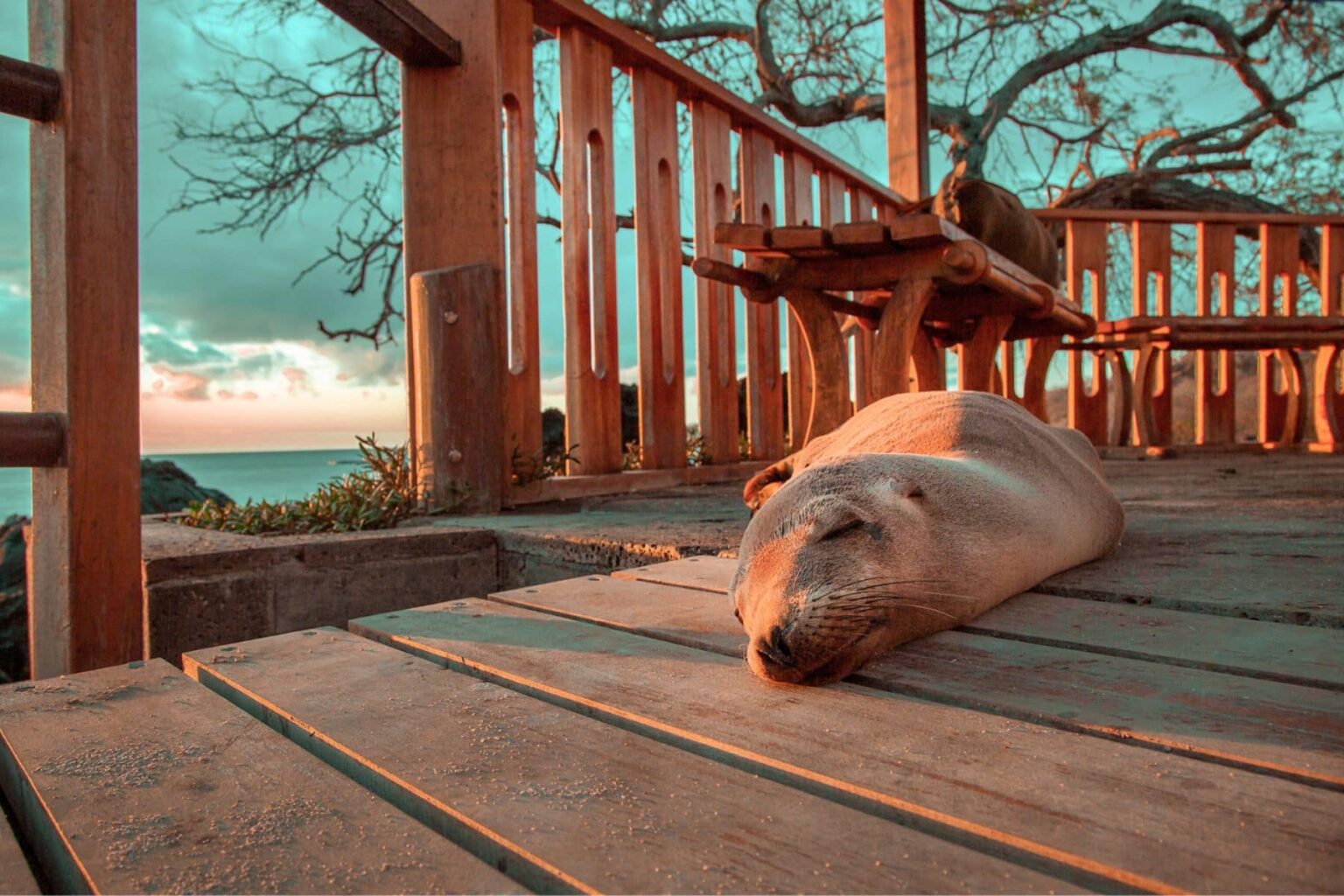


Straddling the equator some 600 miles off the coast of Ecuador, the Galapagos Islands are one of the most biodiverse and geologically unique places you can visit. This remote volcanic archipelago, made up of 13 main islands and dozens of smaller islets, is a protected haven where spectacular wildlife reigns supreme both above and below the surface.
Its remote location means that some of the ocean’s most curious, quirky, and unique species thrive here, creating thrilling and varied dive sites. Most diving is done by liveaboard, but land-based dive trips are available from Santa Cruz, San Cristóbal, and Isabela.
What makes diving in the Galapagos so good?
What makes the Galapagos such a legendary dive destination is not only the size of the marine life, but the sheer volume of it. From hammerhead sharks and massive schools of jacks to marine iguanas and penguins, the underwater encounters here are unmatched.
In this truly wild place, divers will experience powerful currents, dramatic volcanic topography, and water temperatures that can swing between tropical and temperate—all in a single dive.
With the opportunity to drift through hundreds of schooling hammerheads, spot whale sharks and mola molas in season, and then turn to find a seahorse clinging to a sponge, the Galapagos truly belong on every diver’s bucket list.
Northern Galapagos


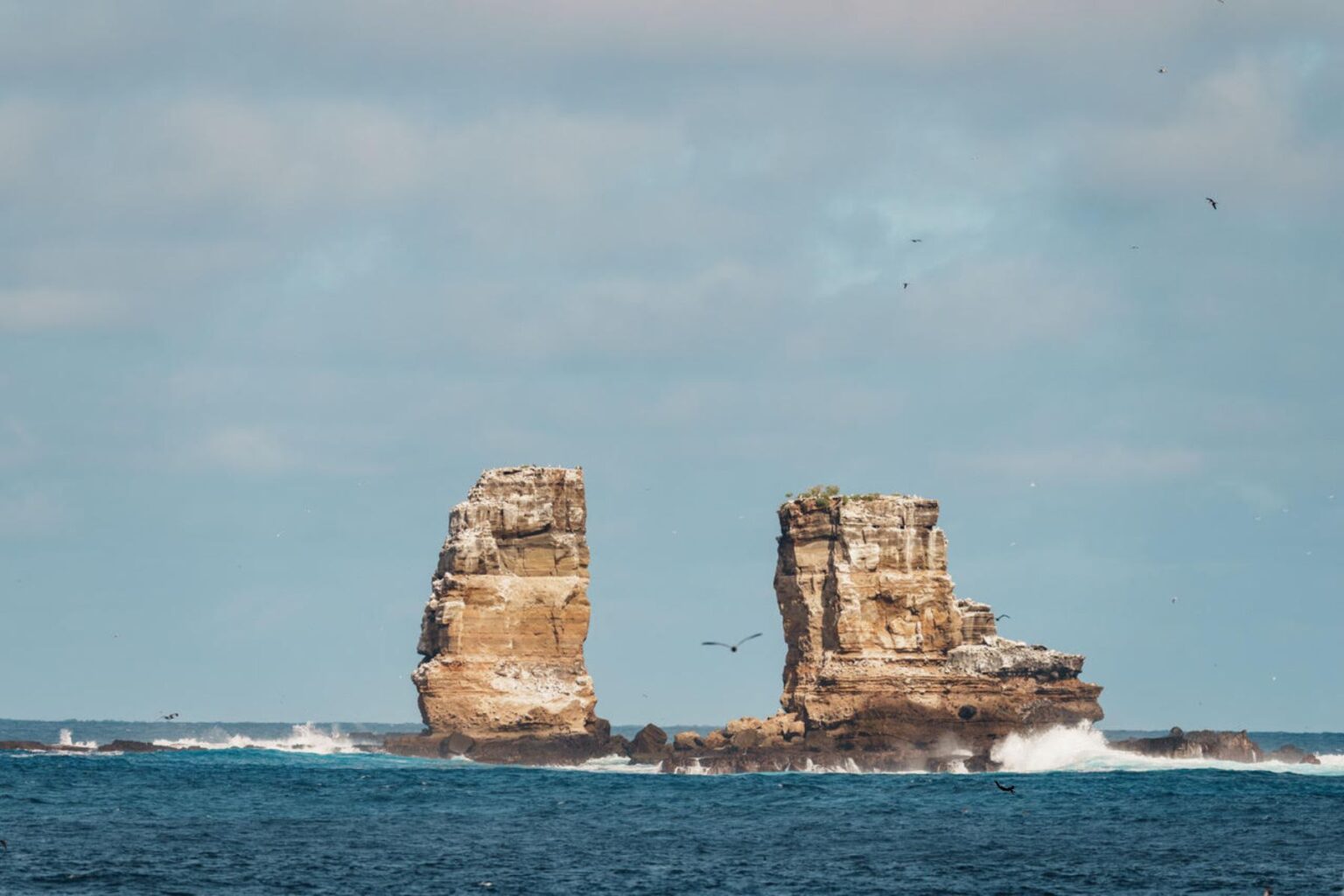
Darwin’s Columns (formerly Arch)
Region: Northern Galapagos
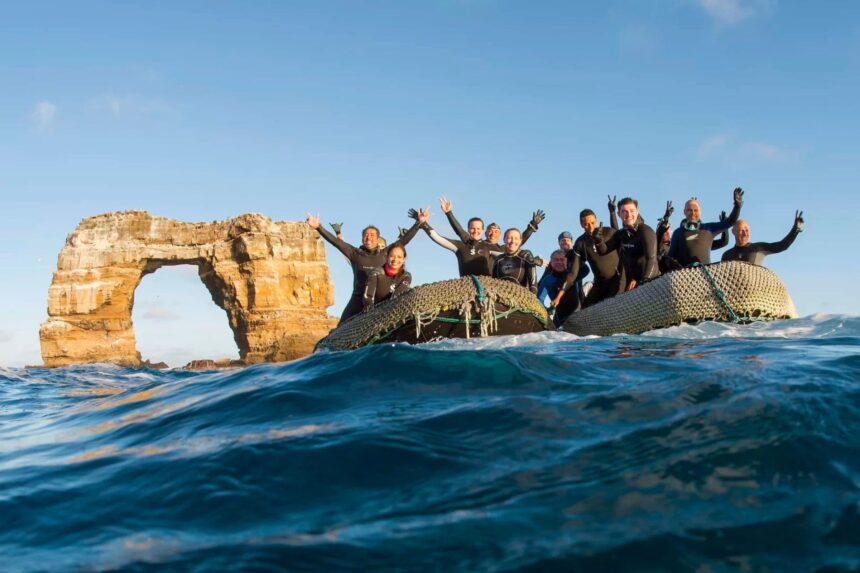
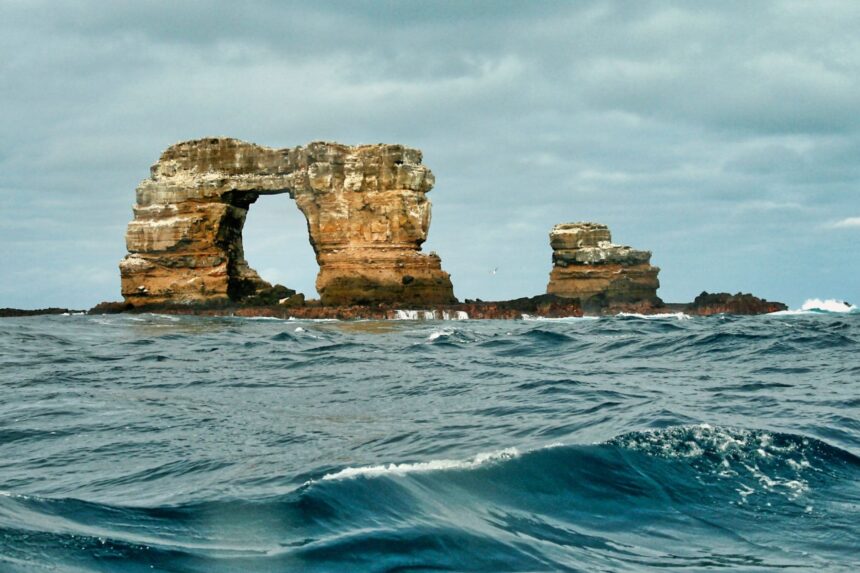
Galapagos’ crown jewel—Darwin’s Columns (formerly Arch)—is iconic for a reason. Located at the northernmost point of the archipelago, within the Galapagos Marine Reserve, this remote site is only accessible via liveaboard.
Experienced divers should expect strong currents, surges, and deep drop-offs. Visibility ranges from 40 to 100 feet (12–30 m), and diving is always done from zodiacs with negative entries and quick descents.
Things to See:
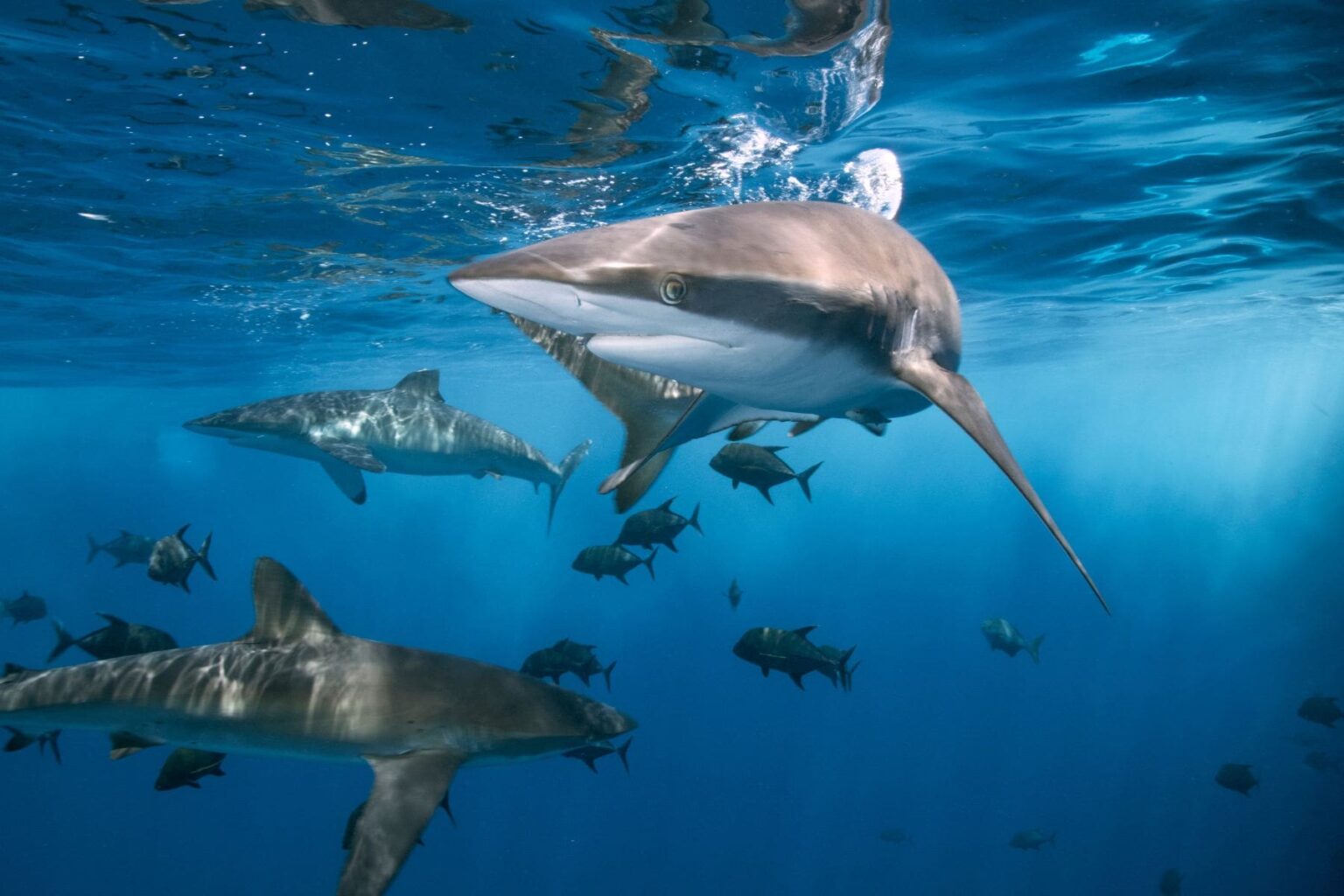
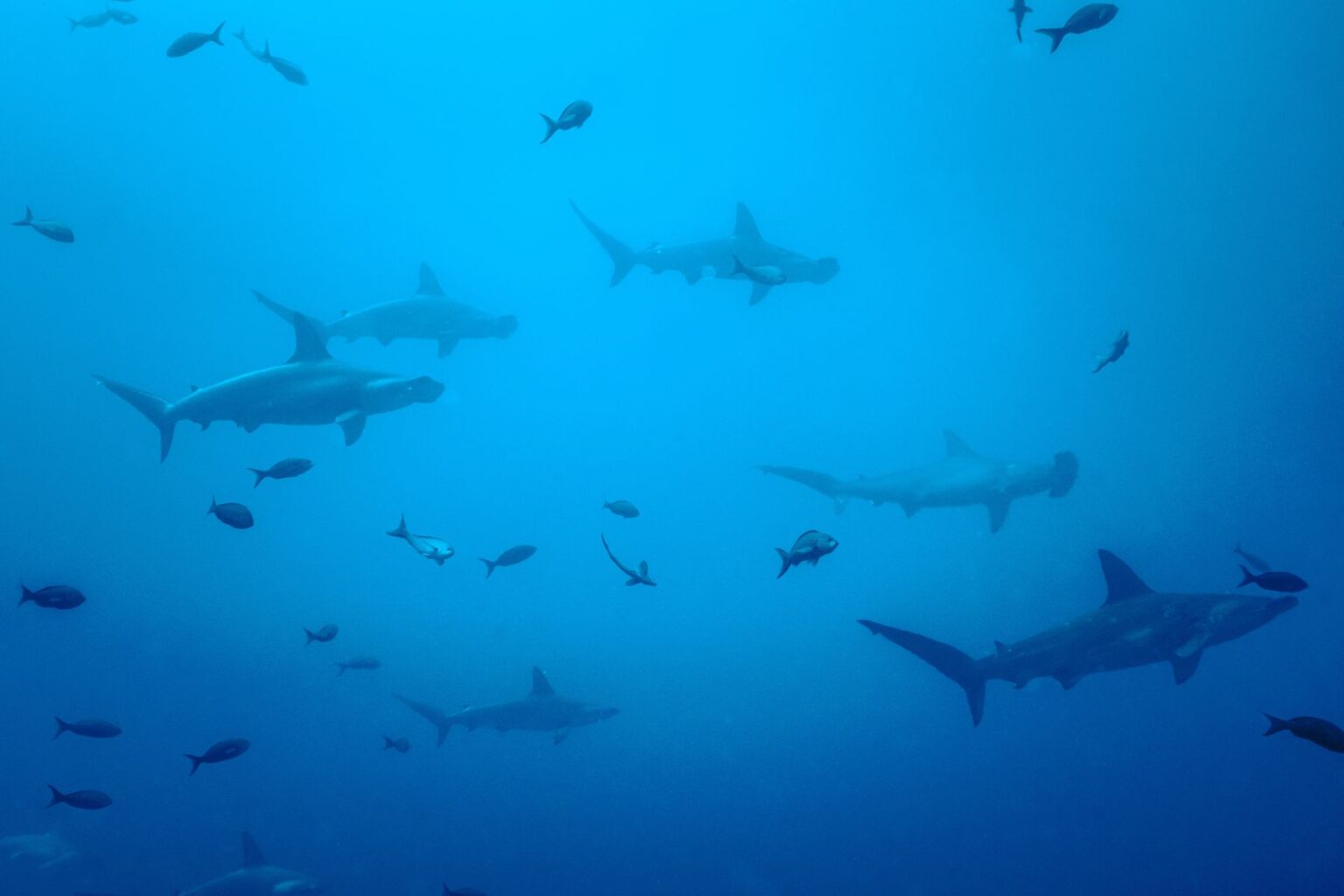
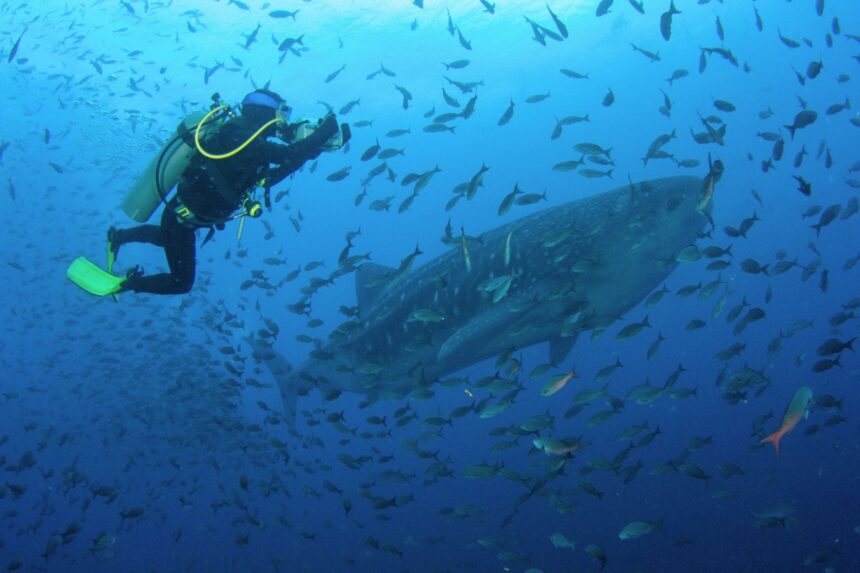
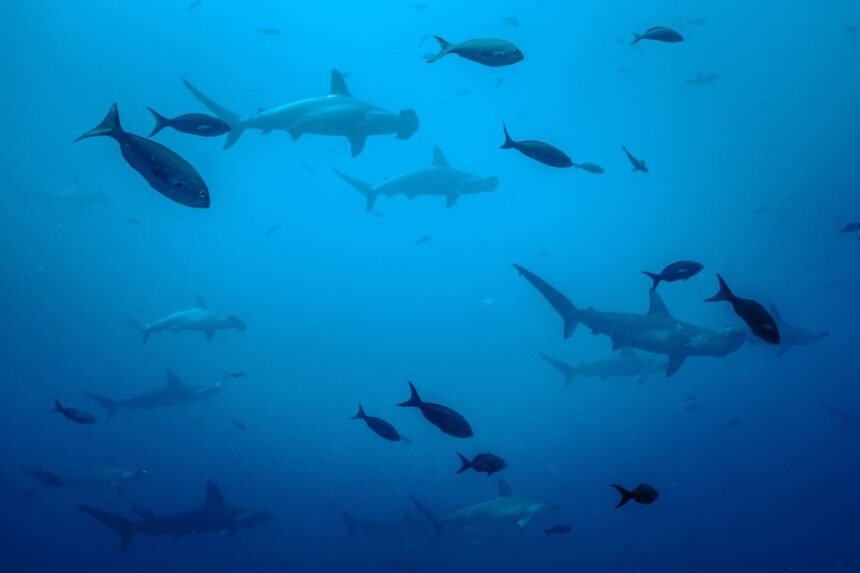
Darwin’s Columns is a pelagic paradise, with the sheer size and number of marine creatures truly mind-boggling. Divers will tuck themselves into small outcroppings along a sloping wall to watch while massive schools of hammerhead sharks cruise by, interrupted only by the occasional whale shark.
Schools of yellowfin tuna dart around, adding another dynamic to this phenomenal dive site. Other visitors may include curious dolphins, moray eels, and dozens of sea turtles.
Highlights:
- Massive schools of hammerhead sharks
- Whale shark sightings (seasonal)
- Fast, thrilling currents
Type: Drift, deep, big animals
Skill level: Advanced
Access: Liveaboard only
Wolf Island


Named after German geologist Theodor Wolf, who extensively studied the Galapagos Islands, Wolf Island offers multiple dive sites around its perimeter and shares the same remote, liveaboard-only exclusivity as Darwin.
The waters here are wild—expect strong currents, surge, and deep dives. Visibility varies, but marine action is consistent. Water temperatures can drop with thermoclines, so bring exposure protection.
Things to See:
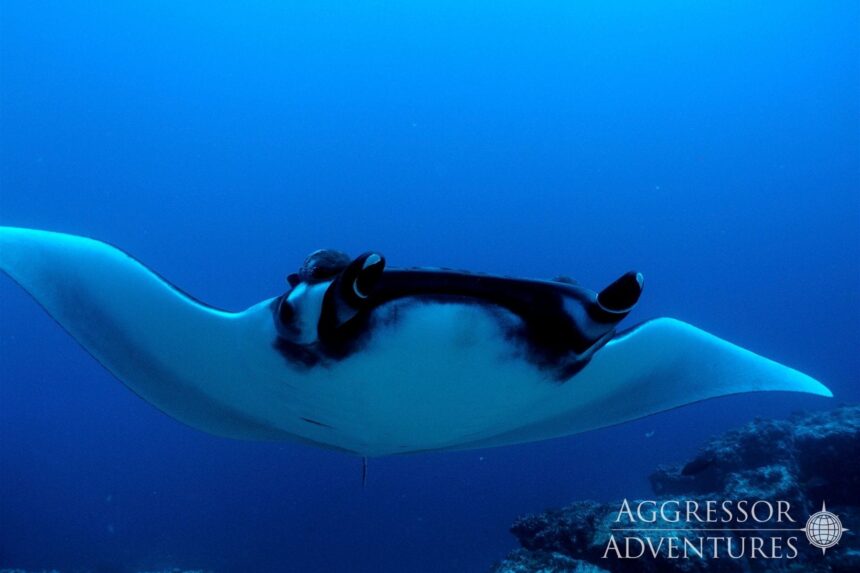
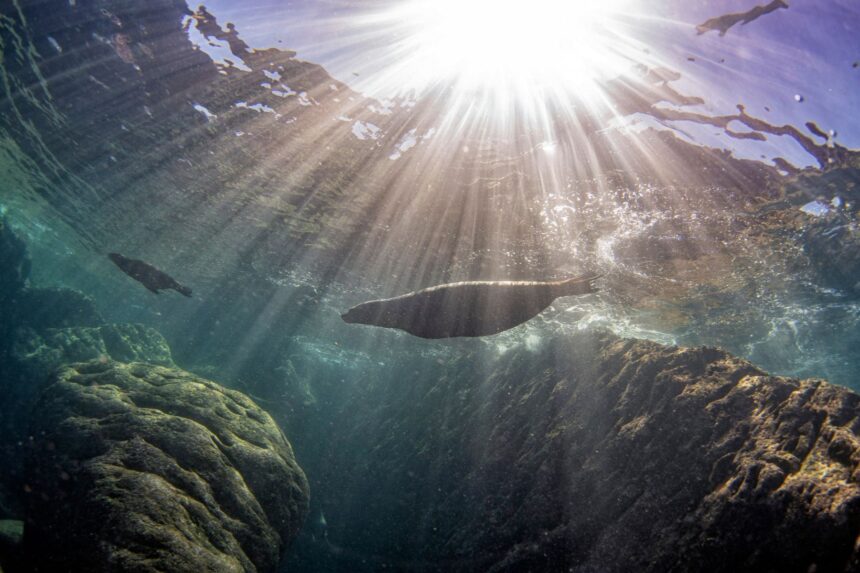
Wolf is all about the sharks—scalloped hammerheads, Galapagos sharks, silky sharks, and sometimes tiger sharks. You may also spot eagle rays gliding in formation, sea lions zipping through schools of fish, and the rare red-lipped batfish on the sandy bottom.
Highlights:
- Wall-to-wall hammerheads
- Galapagos and silky sharks
- Massive schools of fish
Type: Drift, deep, shark
Skill level: Advanced
Access: Liveaboard only
Western Galapagos


Punta Vicente Roca
Region: Western Isabela Island
Tucked into a protected cove on Isabela’s northwest coast, this site combines calm, nutrient-rich waters with surreal volcanic formations. The dive begins in calm bays and continues into a wall dive, often with chilly thermoclines (as low as 60 F/15 C). Visibility may drop in colder months but marine life flourishes.
Things to See:
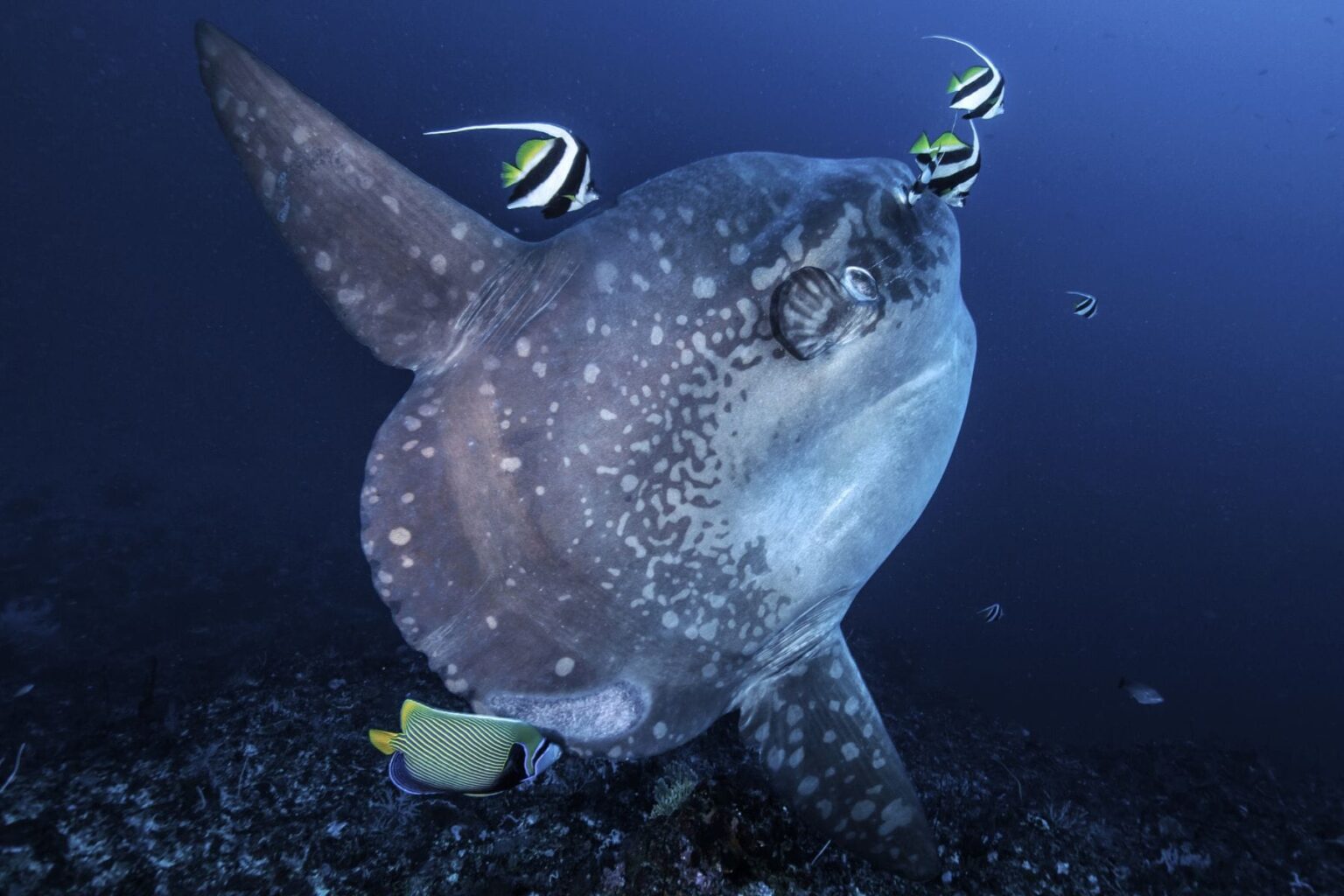
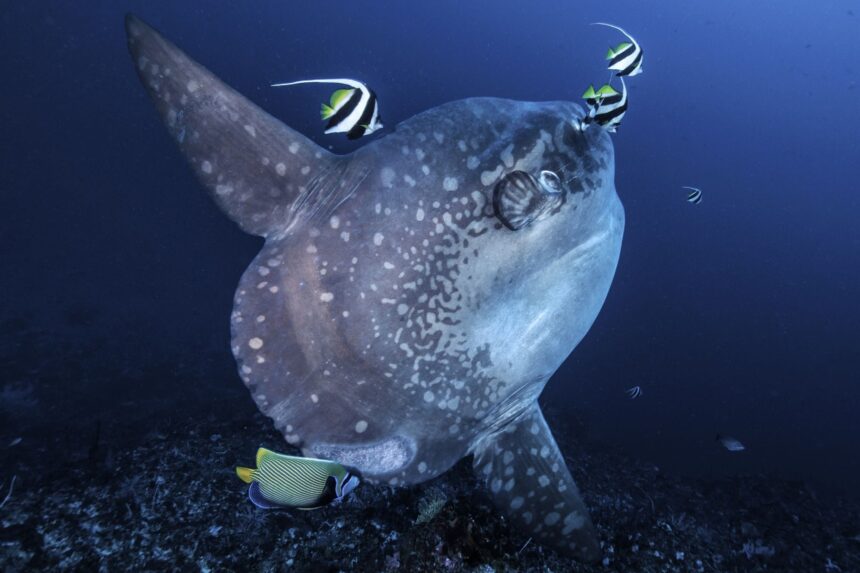
This is macro-meets-megafauna territory. Tiny seahorses and frogfish share real estate with mola molas (sunfish), Galapagos fur seals, marine iguanas, and penguins. The rich planktonic soup draws filter feeders and provides stunning photographic opportunities.
Highlights:
- Mola molas and penguins
- Nudibranchs and seahorses
- Cold-water biodiversity hotspot
Type: Wall, macro, big animals
Skill level: Intermediate to advanced
Access: Day trip or liveaboard
Cape Douglas
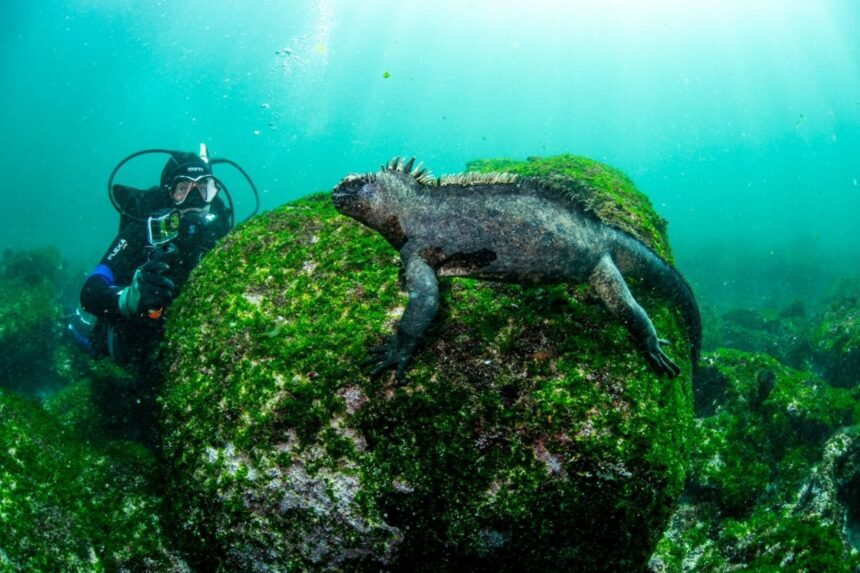
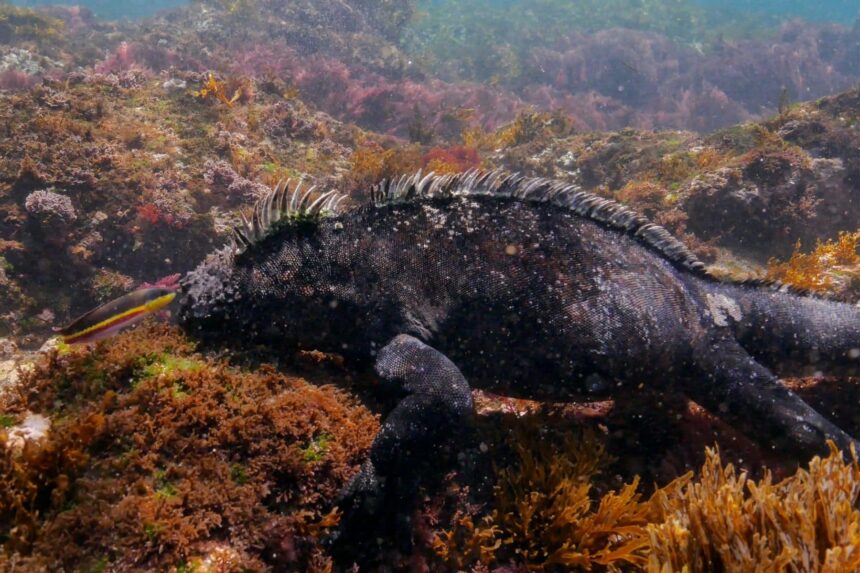


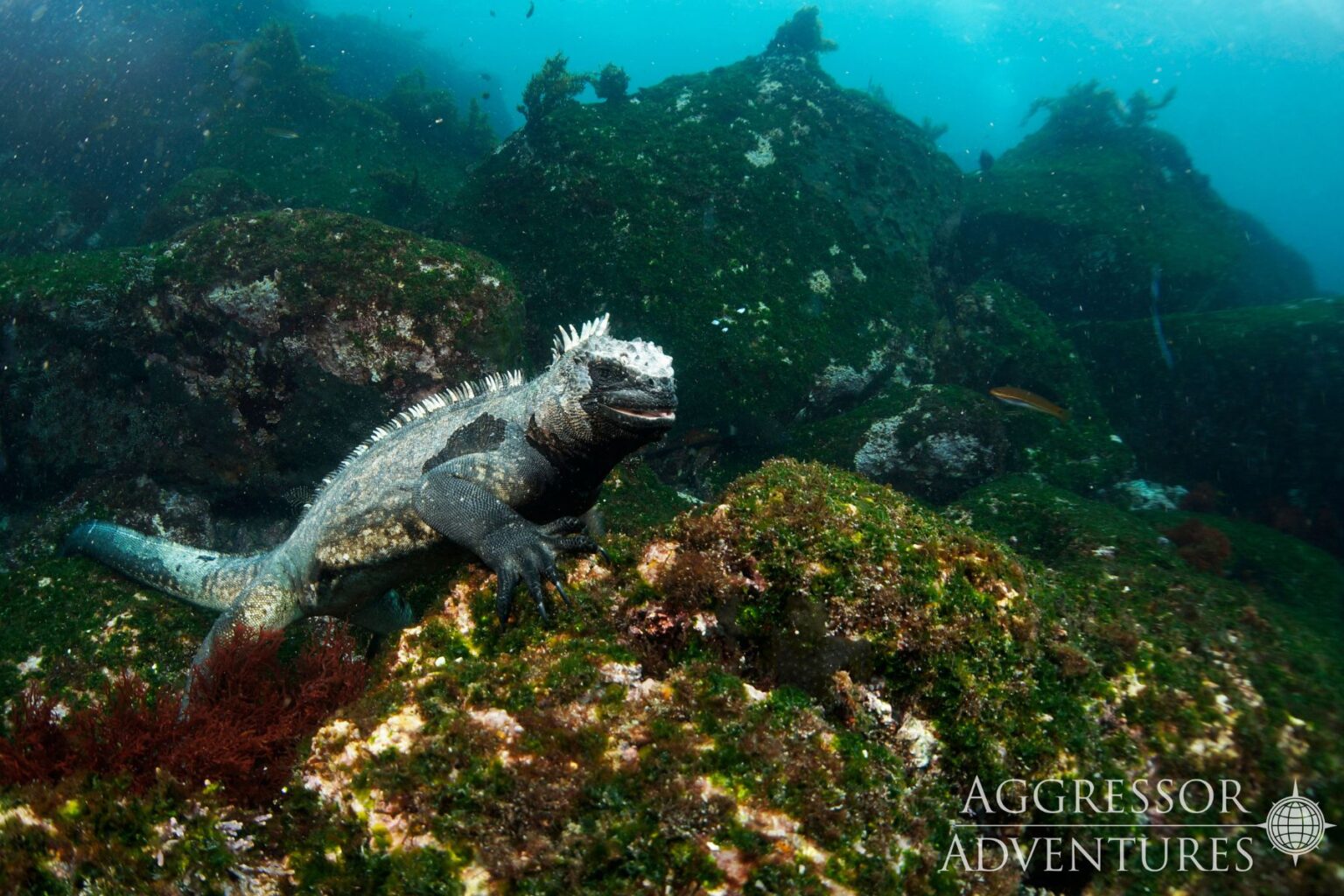
Marine iguanas are endemic to the Galapagos, and Cape (or Cabo) Douglas, with its remote location and cool upwellings, is one of the best spots to dive with them.
Despite the tendency for limited visibility, the site remains a favorite due to this unique species and rugged underwater terrain. The marine iguanas can dive down to 30 feet (10 m) for food, so divers will have plenty of air-time to admire these unique creatures.
Things to See:
Well, marine iguanas obviously! Watch as these prehistoric reptiles hold their breath to munch algae underwater—a sight you’ll see nowhere else. Close to the shoreline and in shallow waters, divers can also see sea lions and native seabirds, such as cormorants.
Highlights:
- Marine iguanas
- Local seabirds
- Volcanic terrain
Type: Rocky reef
Skill level: Beginner to intermediate
Access: Day trips, land/snorkel tours, and liveaboard
Roca Redonda
Region: Northwest of Isabela Island
Located 25 kilometers off the coast of Isabela, Roca Redonda is the flat-topped summit of a submerged volcano. It’s famous for its steady streams of hot bubbles rising from ocean vents on the ocean floor.
Roca Redonda is an interesting site where divers can see the Galapagos’ raw volcanic power. Entry and exits can be challenging due to surge and downcurrents, but the payoff is the chance to dive around the spectacular remnants of an active underwater volcano.
Things to See:
Diving here feels otherworldly. As you hover over the sandy bottom, where volcanic bubbles stream upward, you’ll see nudibranchs clinging to the warm rock, their brilliant colors contrasted against the rugged terrain.
Galapagos sharks often cruise through the area during safety stops, while hammerheads, wahoos, bigeye jacks, and other pelagics appear around the pinnacles.
Highlights:
- Volcanic fumaroles and warm bubble streams
- High chance of Galapagos sharks and hammerhead sightings
- Challenging currents for experienced divers
Type: Wall, volcano
Skill level: Intermediate
Access: Day trips or liveaboard
Central Galapagos


Bartolomé Island
Region: East of Santiago Island
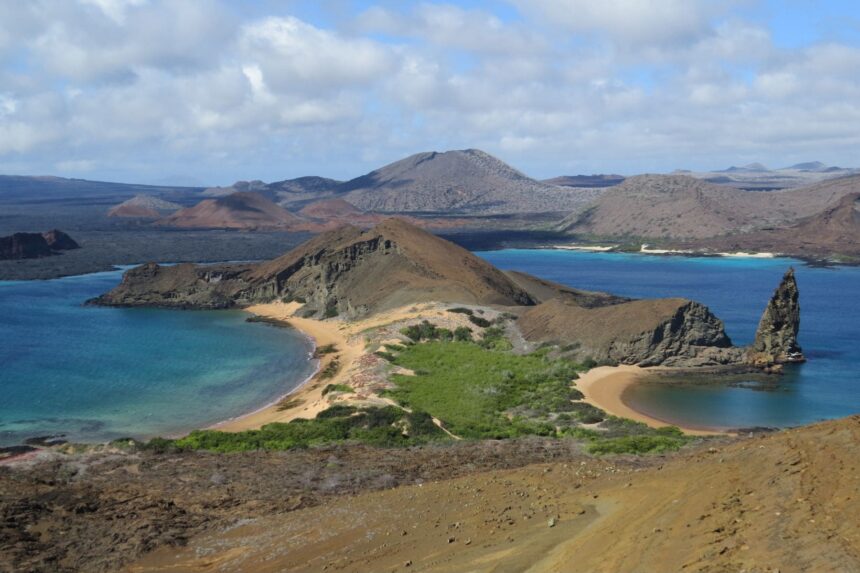
If you’re coming from the hub of Santa Cruz island, you might sign up for an on-land and snorkel exploration day trip before or after your liveaboard cruise. Bartolomé offers gentle currents, sandy bottoms, and some fun lava tube formations. It’s a frequent stop on naturalist cruises and dive excursions.
Things to See:
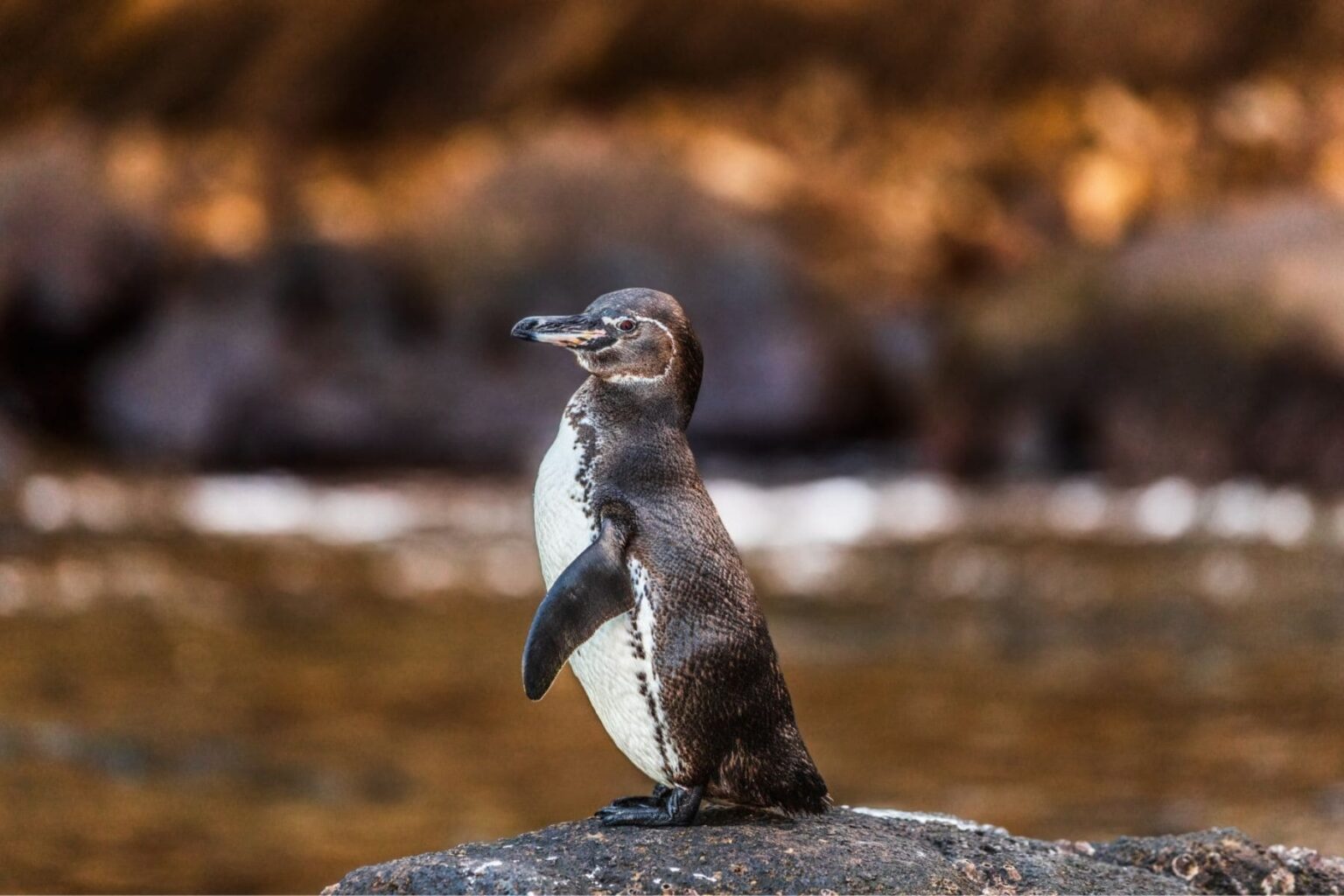
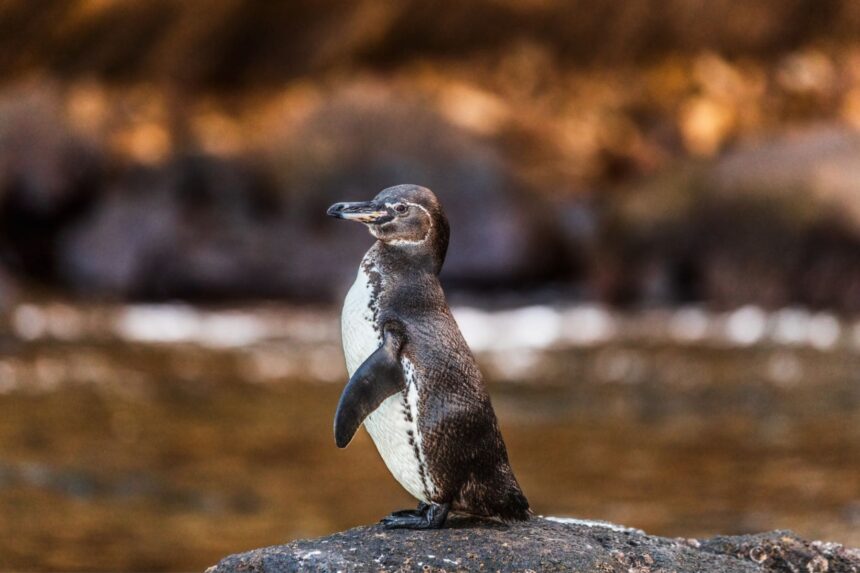
This uninhabited island is a great place to spot the sweet Galapagos penguin and perhaps witness them in their element, darting through the shallow water. As you snorkel or scuba dive, you’ll cross paths with some reef sharks, moray eels, and turtles as well.
Highlights:
- Beginner-friendly site
- Good visibility and calm conditions
- Galapagos penguins
Type: Reef
Skill level: Beginner
Access: Cruise or day boat
Cousins Rock
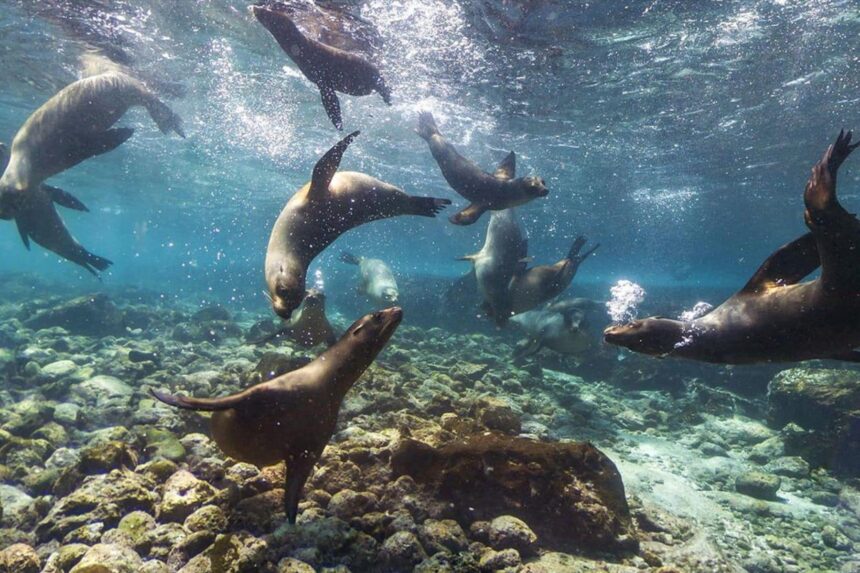
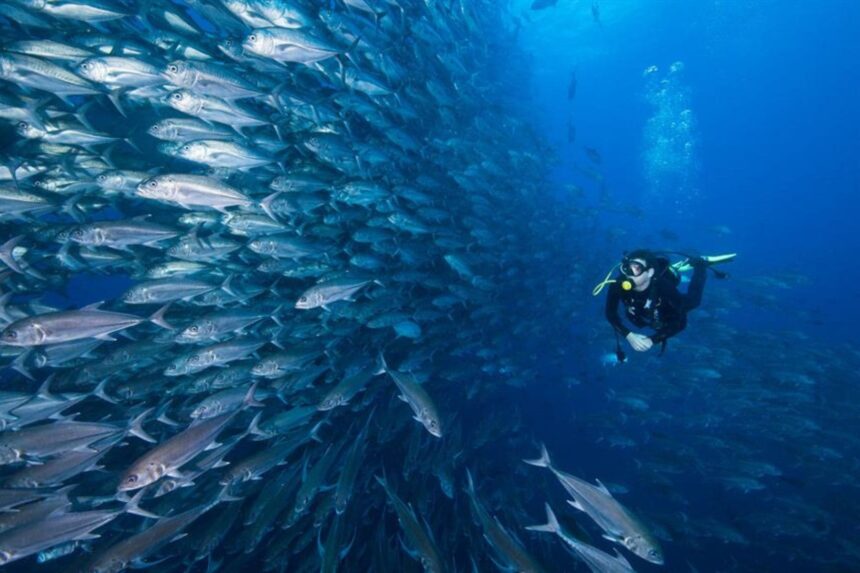


A firm favorite among liveaboards and day boats from Santa Cruz, Cousins Rock is a triangular-shaped formation rising out of the sea, offering an easy dive profile with excellent macro life, wall sections, and plenty of marine life. Visibility is generally good and currents are manageable.
Things to See:
Start or finish your dive atop the plateau, playing with the local sea lions. Beyond the plateau, the site drops into a wall dive, decorated with gorgonians and sponges. Keep your eyes out for frogfish, seahorses, octopus, and nudibranchs clinging to the wall. Above, sea lions and reef sharks swirl in the blue.
Highlights:
- Wide variety of marine life makes it great for photographers
- Coral-covered vertical walls
- Light to moderate currents
Type: Wall, macro, reef
Skill level: Intermediate
Access: Liveaboard or day boat
Gordon Rocks
Region: Near Santa Cruz (north coast)
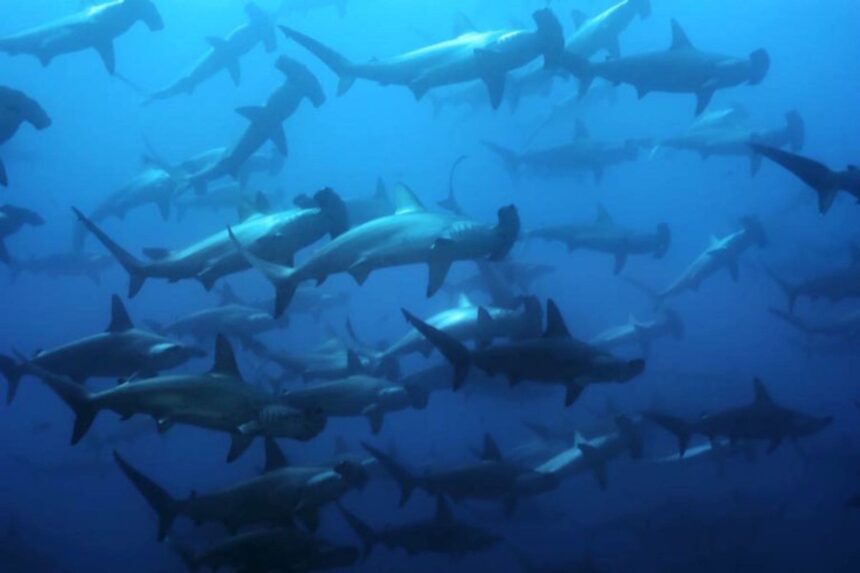
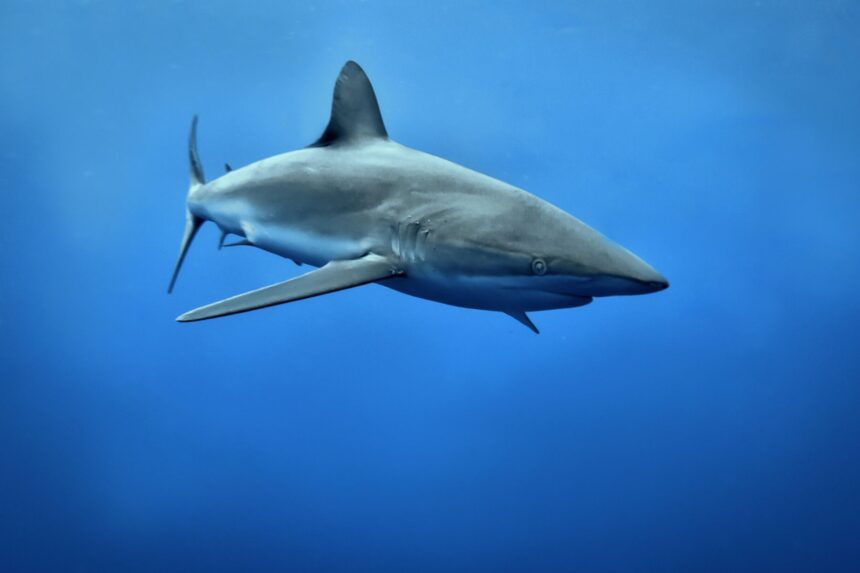
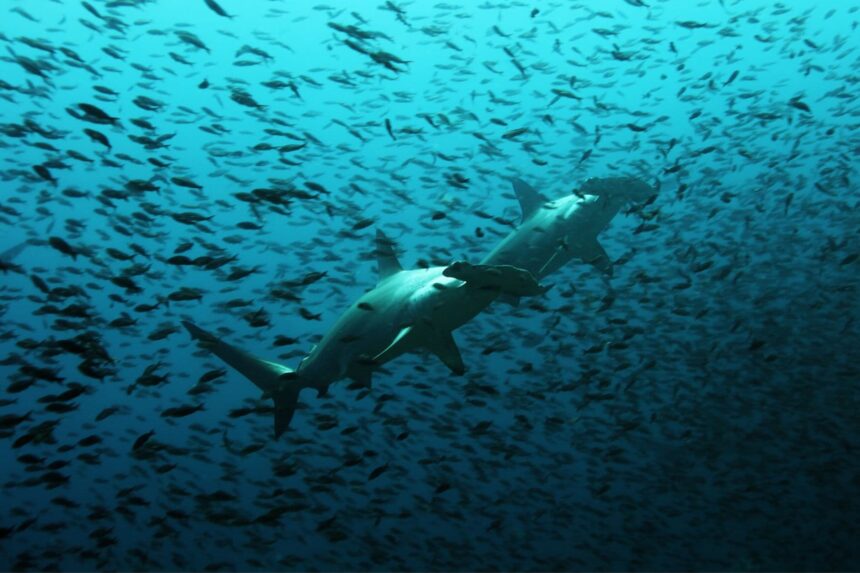


Gordon Rocks, just a 45-60 minute boat ride from Santa Cruz, is probably the most popular advanced dive site accessible by day trip. Known as the “Washing Machine,” this partially submerged volcanic crater features strong currents and surge. The dive site consists of four underwater pinnacles, ranging 26 to 100 feet (8 to 30 m) and visibility is usually 40–80 feet (12–25 m).
Things to See:
This is a shark diver’s dream. Expect large schools of hammerheads to cruise on the outskirts of Gordon Rocks, with smaller blacktip reef sharks and Galapagos sharks weaving between the pinnacles. Spotted eagle rays often swoop by, and in the cold season manta rays and the endemic mola mola (sunfish) can appear as well.
Highlights:
- Hammerhead shark schooling site
- Strong currents and exciting terrain
- Mantas and molas molas in the cold season
- Accessible from Santa Cruz
Type: Drift, big animals
Skill Level: Advanced
Access: Day boat
North Seymour Island
Region: North of Santa Cruz
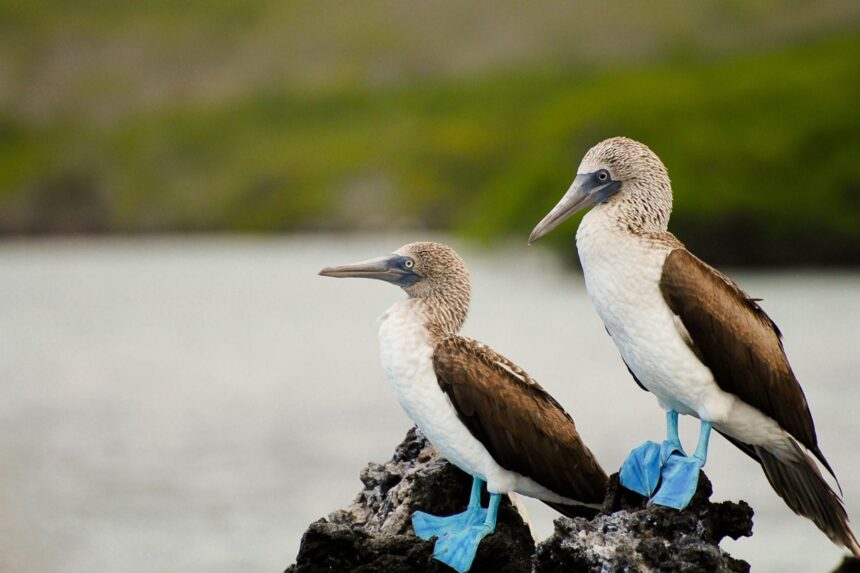
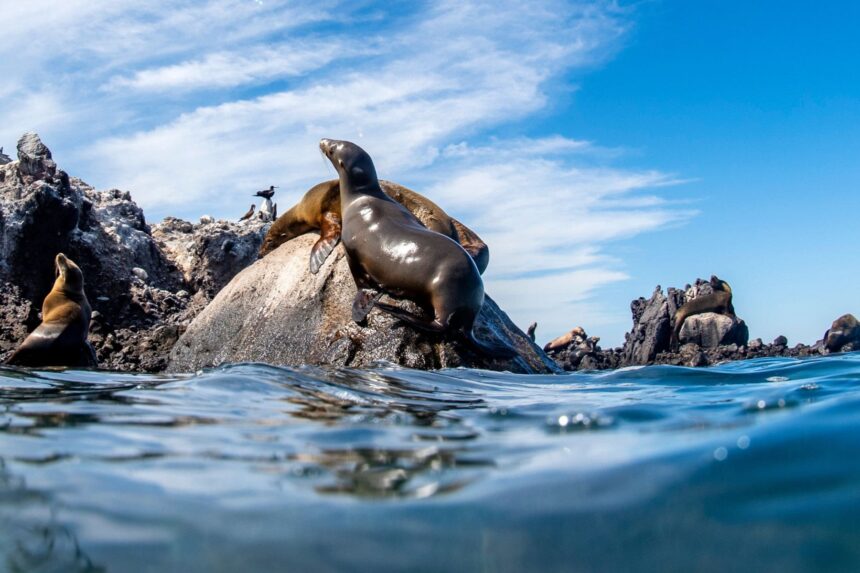
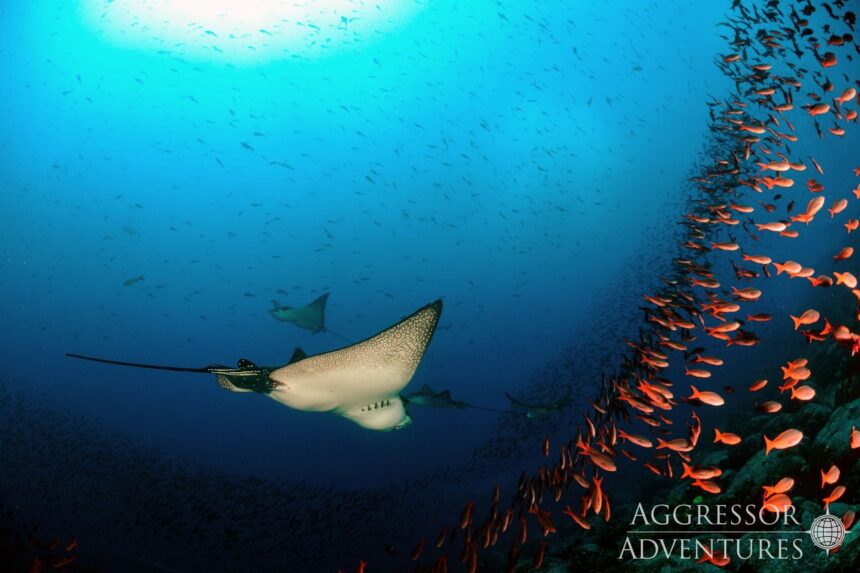


Another uninhabited island, North Seymour is again often offered as a land and water excursion trip; several liveaboard trips stop here for a nature hike before the first “real” dive of the trip.
Known locally as “bird island,” it’s home to frigates, flamingos, terns and the quirky blue-footed boobies, as well as plenty of lolling sea lions and seals. Divers will drop in at North Seymour Channel, close to the island down to the sandy bottom at about 20 – 25 meters.
Things to See:
North Seymour Channel, situated between North Seymour Island and the larger Blatra island to the south, is a sandy bottom dive, reaching 80 feet (25m) in depth. Hiding in the sand are shy garden eels, scorpionfish and jawfish. With a healthy current constantly passing through, marine life is rich. North Seymour is a good place to spot medium-sized fish, like groupers, barracudas, snappers and hogfish, as well as passing eagle rays.
Highlights:
- Gentle dive for all skill levels
- Strong biodiversity
Type: Reef, macro drift
Skill level: Beginner–intermediate
Access: Day boat or liveaboard
Daphne Manor
Region: North of Seymour Island
Daphne Manor is another dive site that allows less-experienced divers to enjoy the beauty of the Galapagos. It features a stunning wall dive and a smooth current, where visitors can expect vibrant coral, sponges, and fans along the wall, with the other side opening to the deep blue.
Things to See:
Along the wall there are plenty of nooks and crannies, hiding camouflage specialists, moray eels, seahorses, invertebrates, and more. Grab your torch and see what critters you can find hiding in the deep cracks in the rock. Lurking in the open blue are Galapagos sharks, white-tipped reef sharks, eagle rays, and the occasional passing manta ray.
Highlights:
- Spectacular wall dive well-suited for all dive levels
- Magnificent array of sharks and pelagic fish
- Healthy and thriving coral reef
Type: Wall, drift
Skill level: Intermediate
Access: Day trip or Liveaboard
Eastern Galapagos
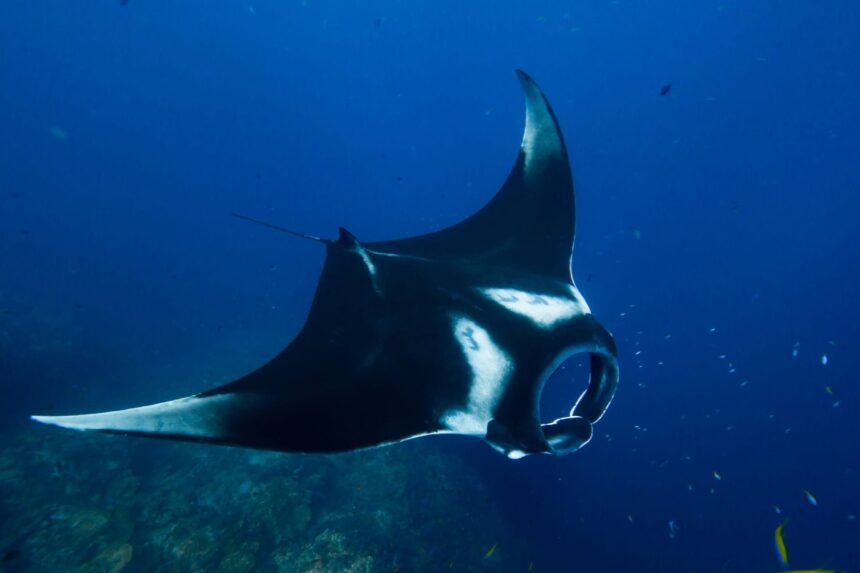
Kicker Rock (Leon Dormido)
Region: Off San Cristóbal Island
An iconic above-water landmark shaped like a sleeping lion, Kicker Rock is just as dramatic below the surface. The twin vertical rock walls drop into deep blue, separated by a narrow channel. It’s a common stop on dive day trips and some liveaboards.
Things to See:
The channel funnels plankton-rich water, attracting spotted eagle and golden rays, sea lions, turtles, and occasional hammerheads. Galapagos and reef sharks are common, and lucky divers might spot a passing manta or even a tiger shark.
Highlights:
- Deep channel dive with pelagics
- Schooling rays and sharks
- Dramatic vertical walls
- Great for underwater photography
Type: Wall, pelagic
Skill level: Intermediate
Access: Day boat
Whale Rock (Roca Ballena)
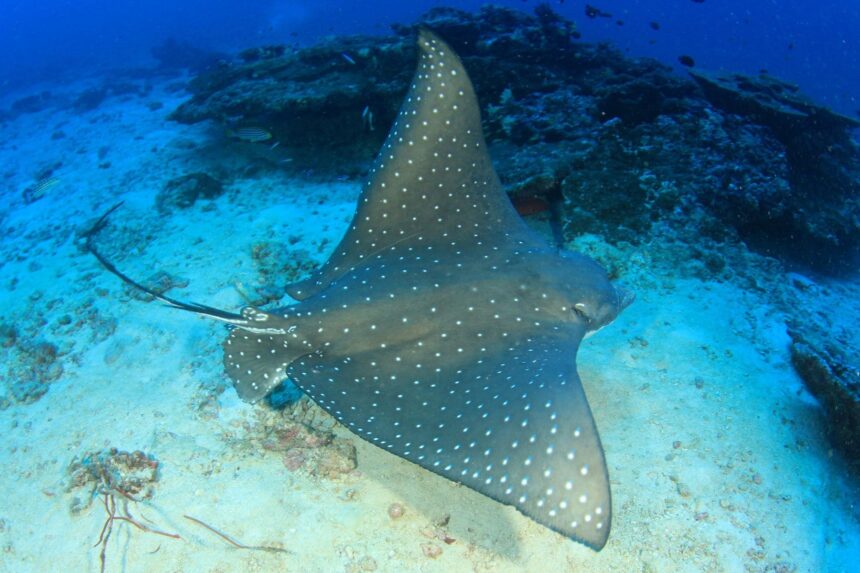
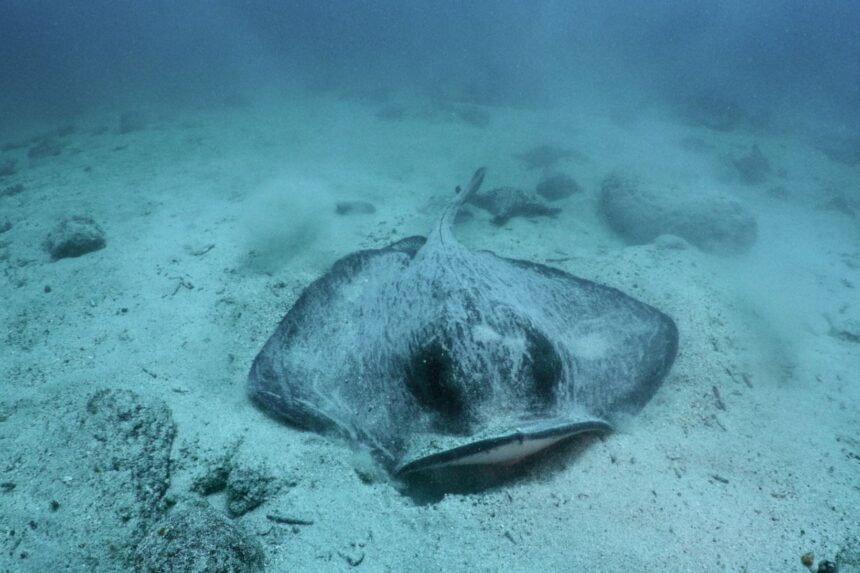


Named for its whale-shaped silhouette, Roca Ballena is a relaxed-yet-rewarding drift dive that showcases the Galapagos’ volcanic beauty. The lava-formed terraces and natural drop-offs create dramatic topography, perfect for divers and photographers to witness rich marine life without strong currents.
Visibility here often reaches 50 feet (15 m), and water temperatures average around 70 F (21 C), making it a pleasant year-round dive.
Things to See:
Drifting past the rocky ledges and coral-covered shelves, you’ll be surrounded by massive schools of grunts, snapper, and barracuda, schooling in the water column. Green sea turtles casually cruise by, while spotted eagle rays and stingrays hover near the sandy bottom.
Keep an eye on the volcanic rock crevices for moray eels, nudibranchs, and shy reef fish hiding in the sponge-lined walls.
Highlights:
- Relaxed drift dive with excellent visibility
- Frequent sightings of turtles, rays, and schooling fish
- Volcanic rock terraces ideal for underwater photography
Type: Drift, reef, volcanic terrain
Skill level: Intermediate
Access: Day trip or liveaboard
About the Galapagos Islands
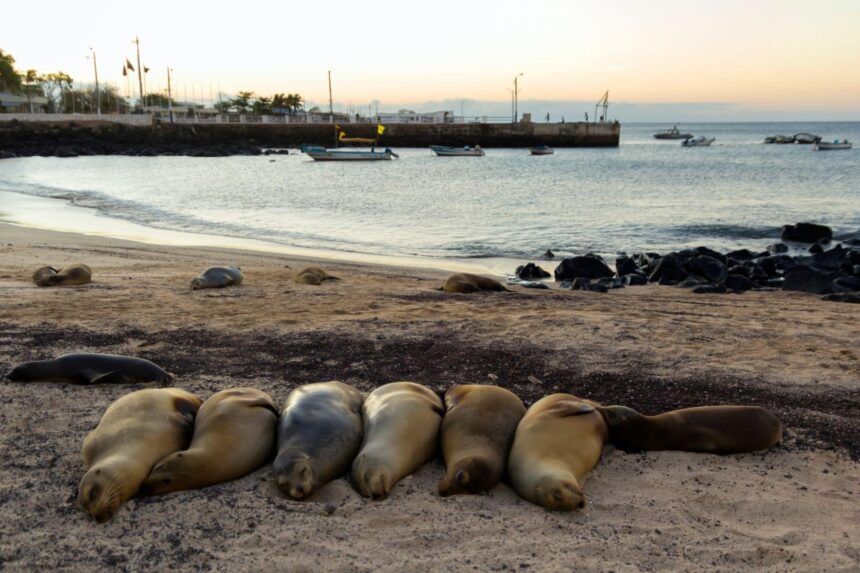
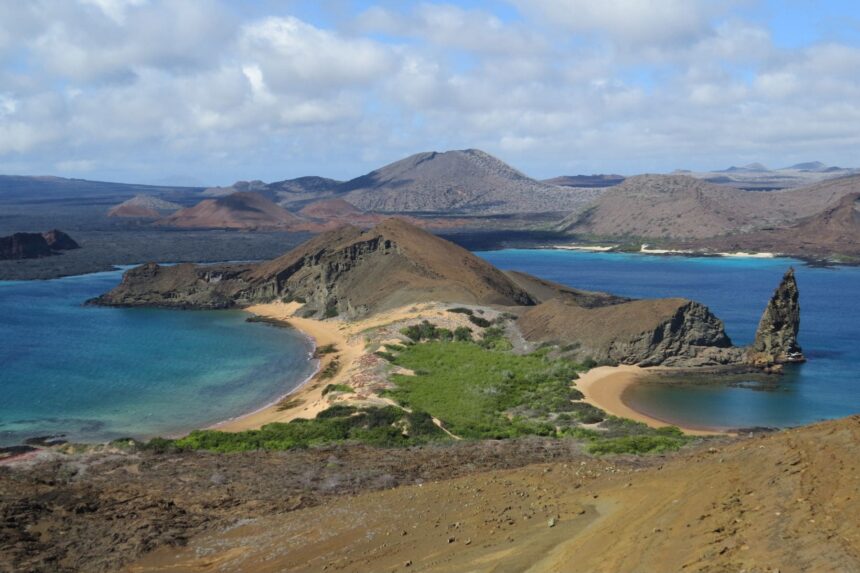


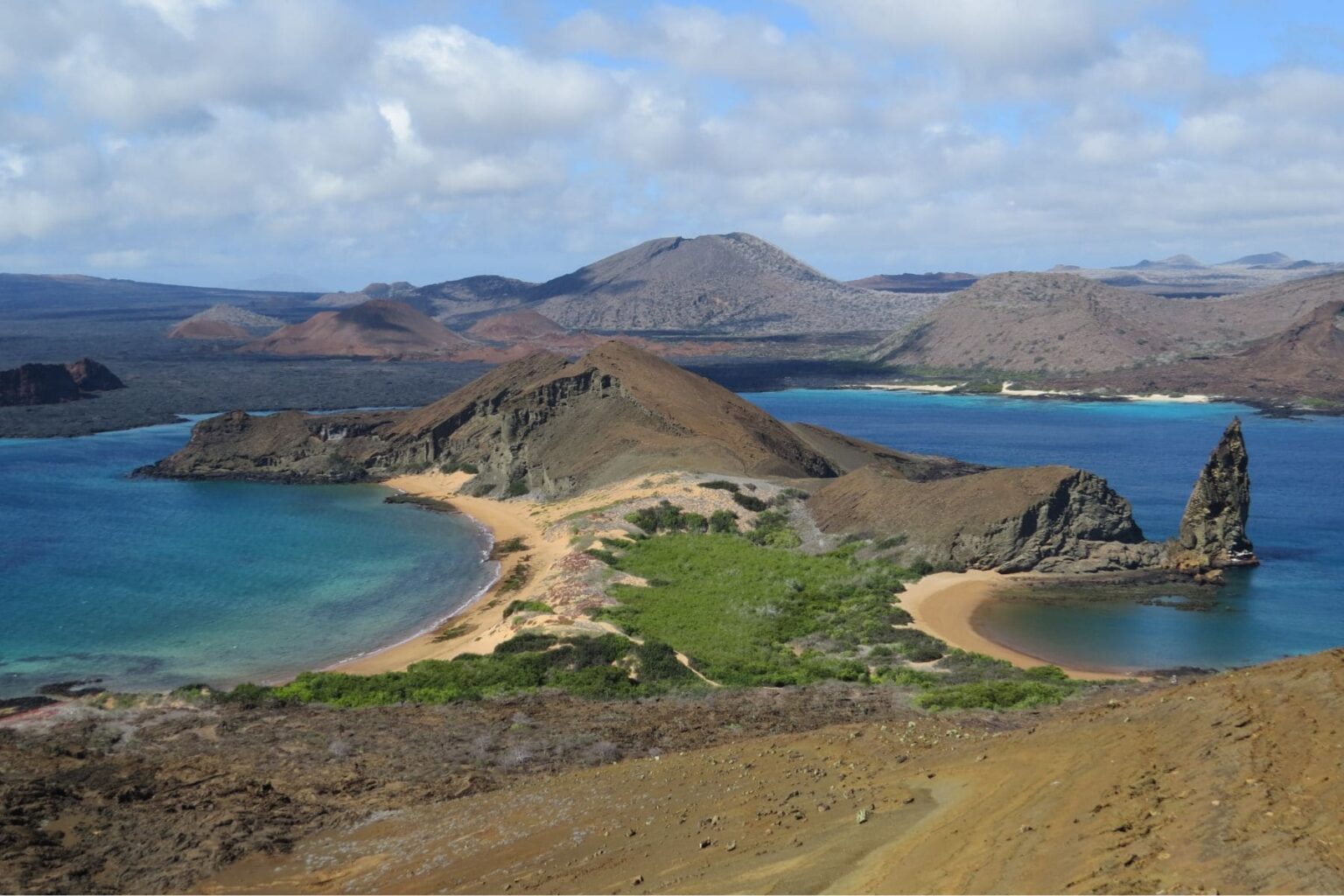
The Galapagos Islands are located in the Pacific Ocean, roughly 600 miles (1,000 km) west of mainland Ecuador. Formed by volcanic activity, the islands are rugged, raw, and bursting with wildlife. Most are uninhabited and protected as part of the Galapagos National Park and Marine Reserve.
Topside, visitors can expect striking black lava landscapes, cactus forests, and remote beaches teeming with sea lions, iguanas, and nesting seabirds. The atmosphere is eco-conscious and adventurous—luxury options do exist, but even high-end experiences are rooted in nature and conservation.
Getting there and when to go
Visitors to the Galapagos will fly first into either the international airport at Quito or Guayaquil. You’ll usually overnight in one of the two cities (with a convenient airport hotel in Quito) before catching a morning flight on to either Baltra or San Cristobal, depending on where your liveaboard departs from.
The Galapagos Islands are a year-round diving destination, but different seasons bring different conditions. June to November brings colder waters, stronger currents, and the best chance to see whale sharks and large schools of hammerheads.
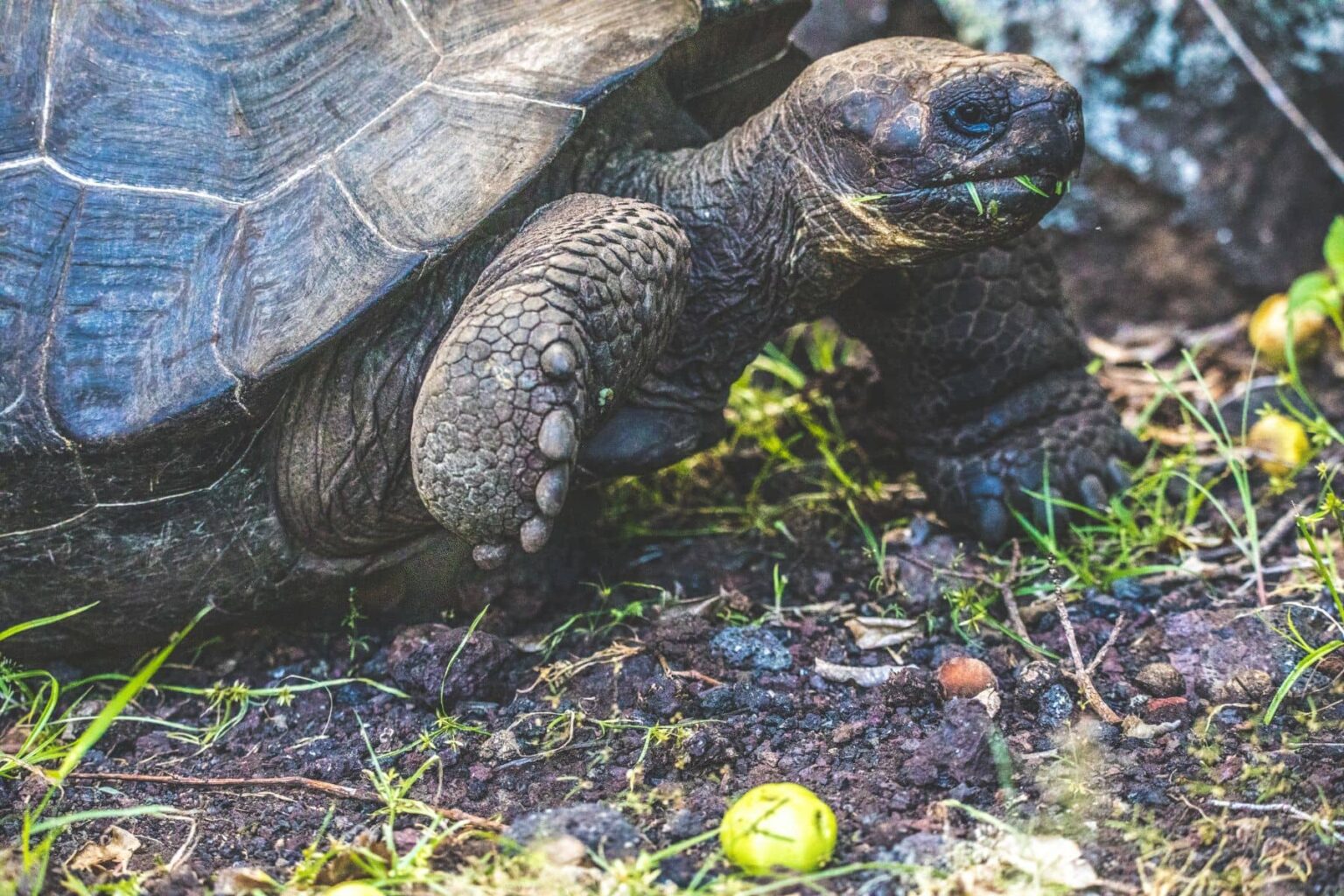
December to May offers warmer, calmer seas and better visibility, with generally more manta rays and turtles. Land excursions offer the chance to hike volcanoes, spot countless birds, or walk among giant tortoises.
Keep in mind that the Galapagos are highly regulated to protect their fragile ecosystems. Only licensed guides and operators can lead dives, and park fees apply to all visitors.
Liveaboards are the best way to access remote sites like Darwin and Wolf, while day trips are available from the main islands. This is a wild place so be prepared for changing conditions—bring that extra rain jacket or neoprene hood.
 Take a moment to look at this.



It really depends on the trip you’re going for. I’d recommend you do the refresher from home and do diving once you’re there.
We would like to do a fresher course one day, and a two tank dive to Darwin the next. Is this offered?