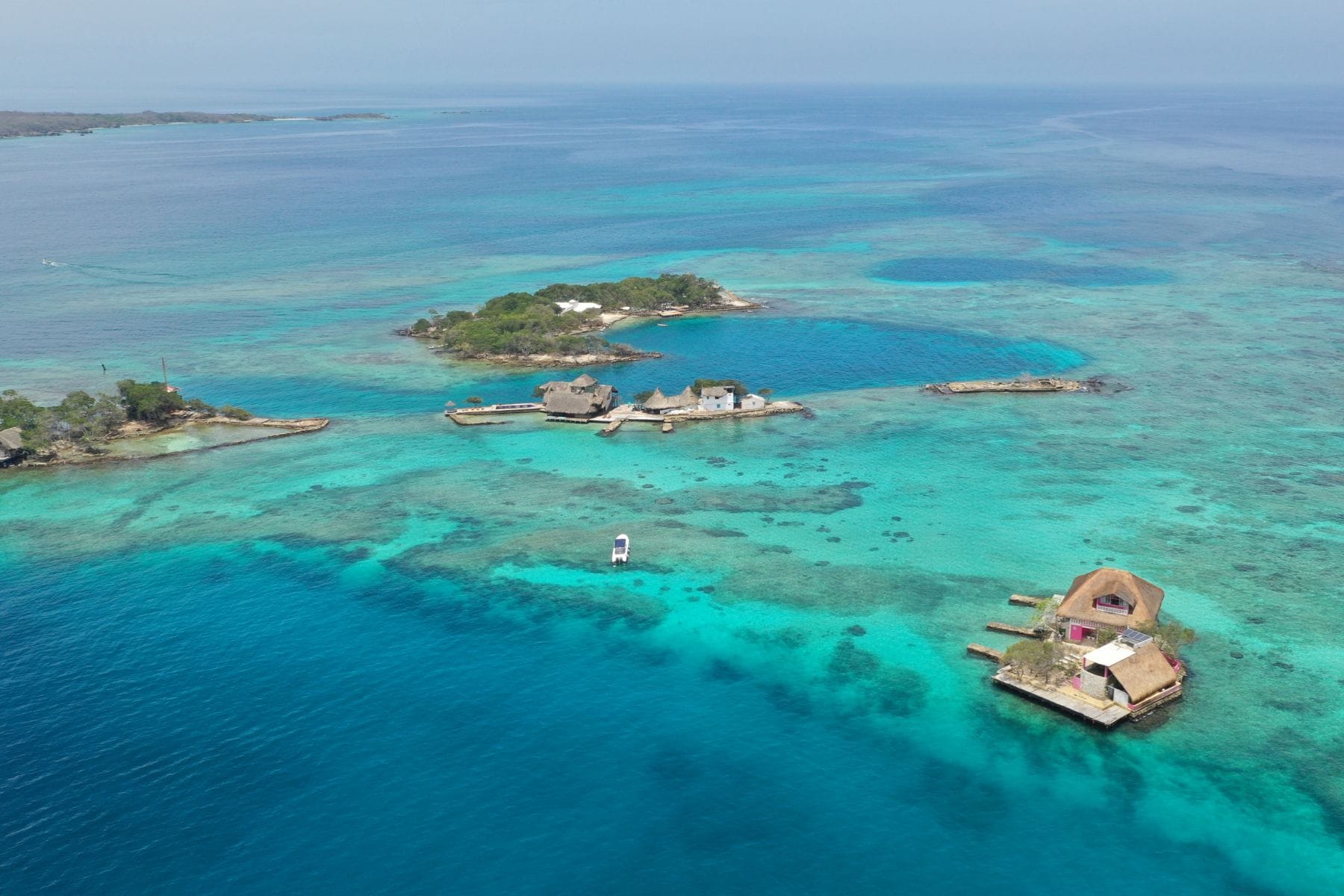







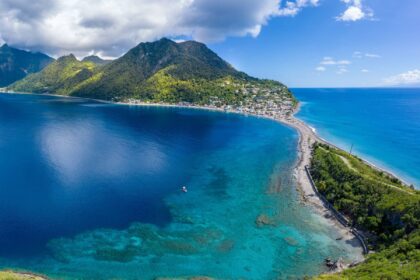
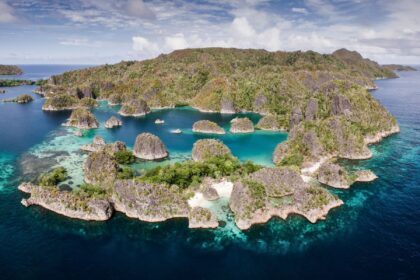
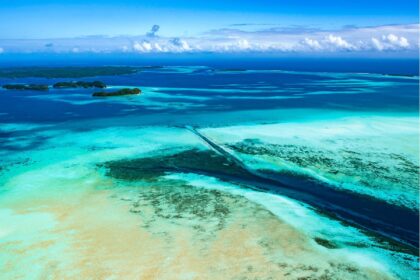


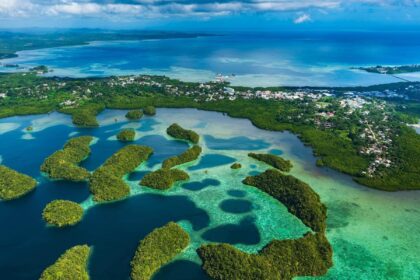
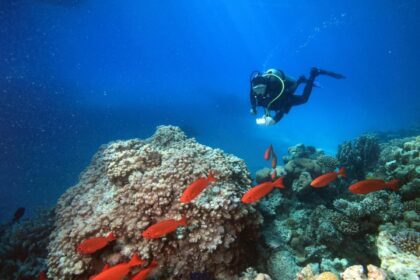

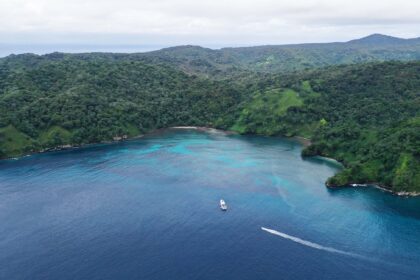
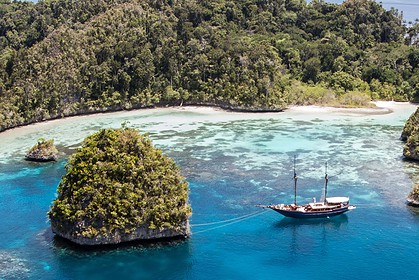









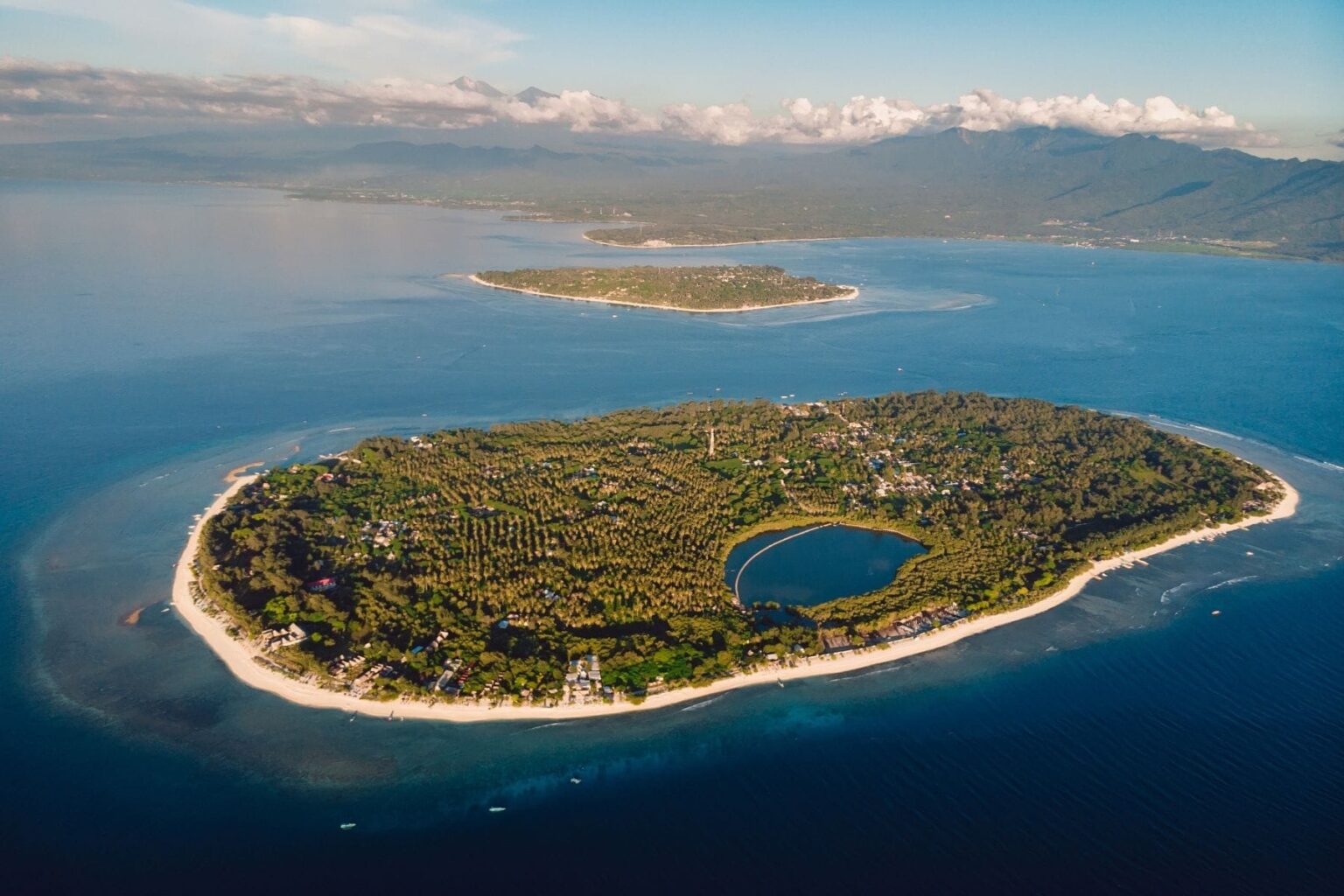


The Gili Islands are three easily overlooked specks on the map near the Indonesian island of Lombok. But overlooking them—Gili Trawangan, Gili Air, and Gili Meno—would mean missing out on some of the most accessible tropical diving in the region, complete with a laid-back, small-island vibe. The best diving in the Gili Islands is spread around all three.
The word ‘Gili’ means “small island” in Indonesian. Each island has excellent dive operators, a wide choice of accommodation, and access to all the area’s dive sites, spread along the coast of Lombok.
They each have a distinct vibe, with Trawangan being the largest and most lively of the islands. Gili Meno has traditionally been the quietest of the islands and a favorite with honeymooners. Gili Air strikes a balance between the two.
What makes the Gili Islands so good for diving?
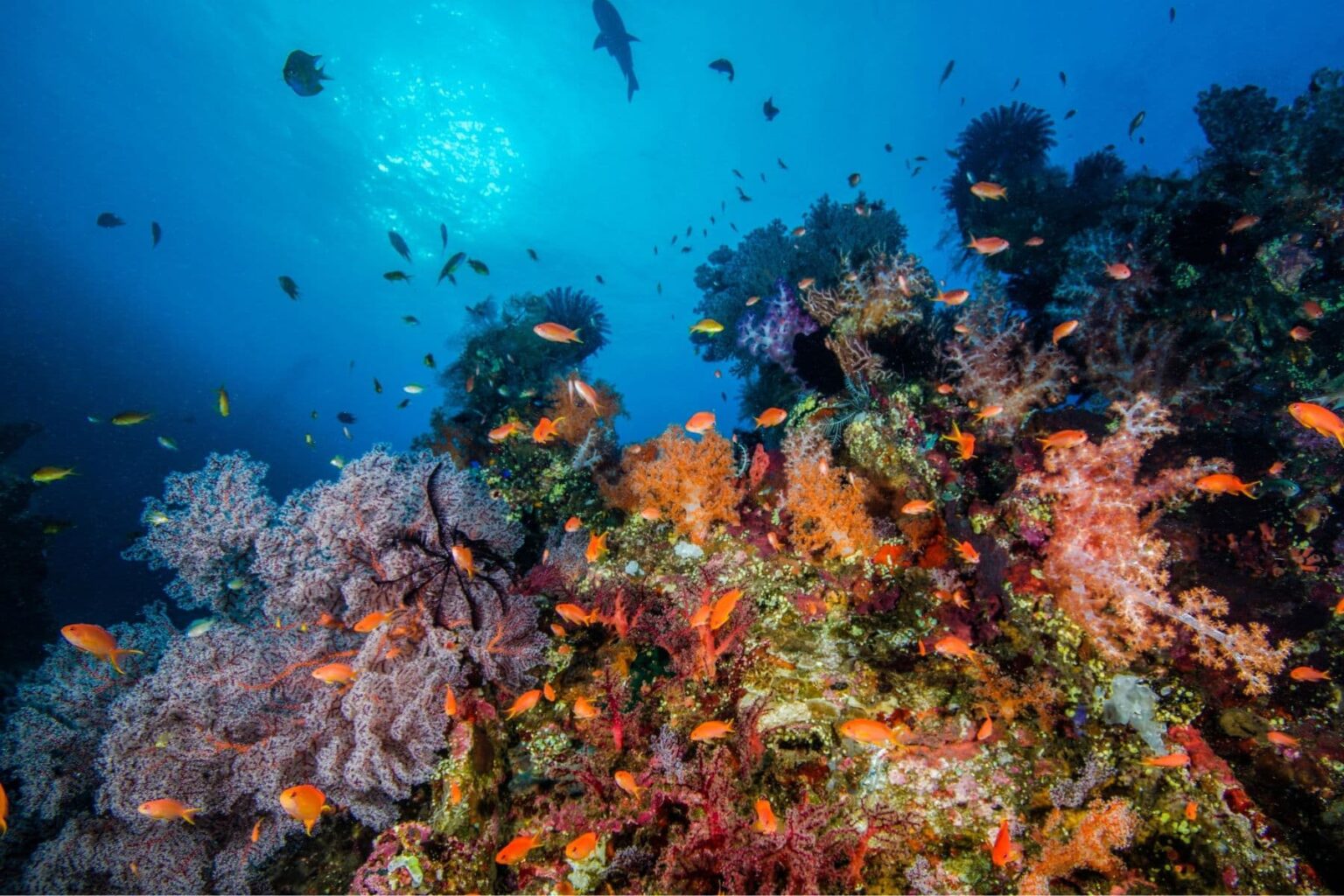
The Gilis sit between Bali and Lombok, right at the northern end of the Lombok Strait. They’re located inside the famous Coral Triangle, renowned for its unparalleled marine biodiversity. The islands’ location in the Lombok Strait means they’re sitting right where pelagic species migrate, giving divers a great chance to spot reef sharks and even manta rays.
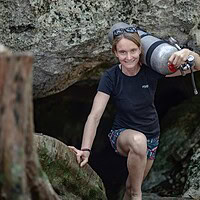
Because of the relaxed island vibe, the Gilis have become favorites with divemaster and instructor trainees. Novice divers enjoy easy access to diverse dive sites and a great choice of quality dive schools and professionals. These islands are a great place to further your training, including technical and rebreather diving, or simply relax and enjoy a tropical diving holiday.
Shark Point
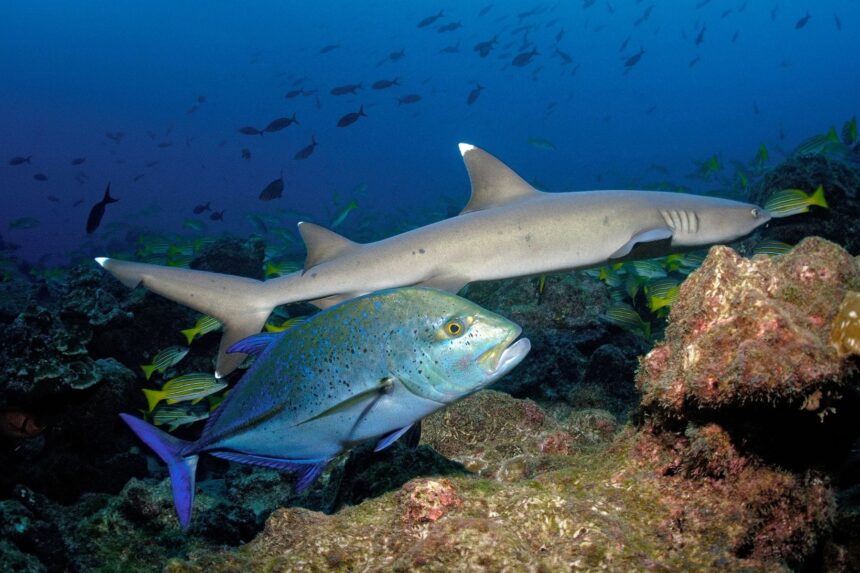
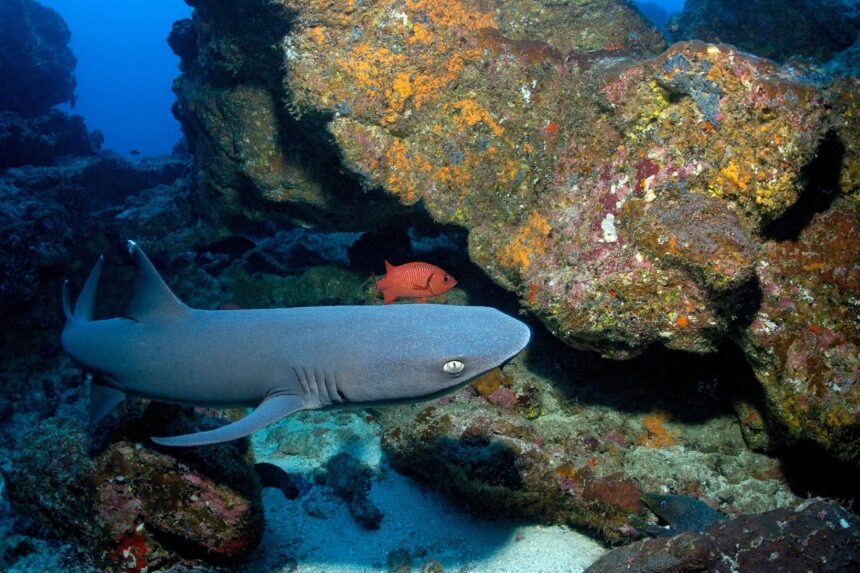
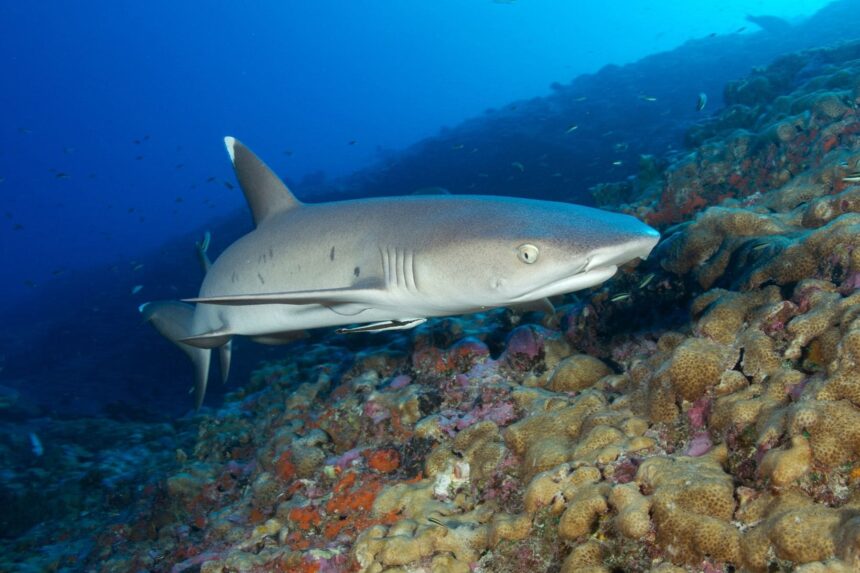


Shark Point is perhaps the most popular dive site in the Gilis because of the high chance of spotting reef sharks. Underwater, a flat, sandy bottom gives way to deeper canyons that run parallel to the nearby shore.
This unique topography offers excellent hiding places for marine species of all sizes, making this a great site for macro fans and those looking in the blue for pelagic species. It’s definitely worth bringing a camera on this dive.
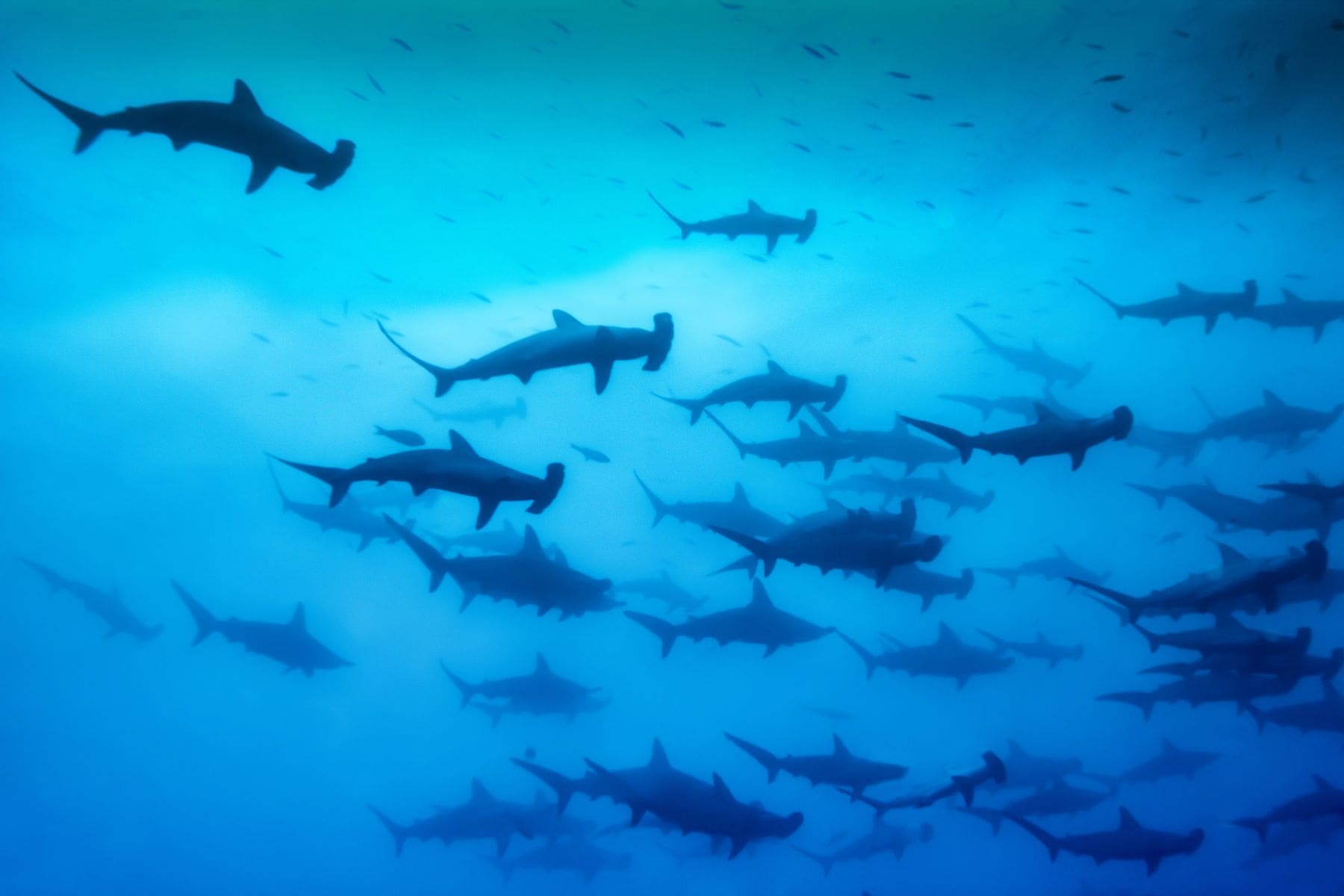
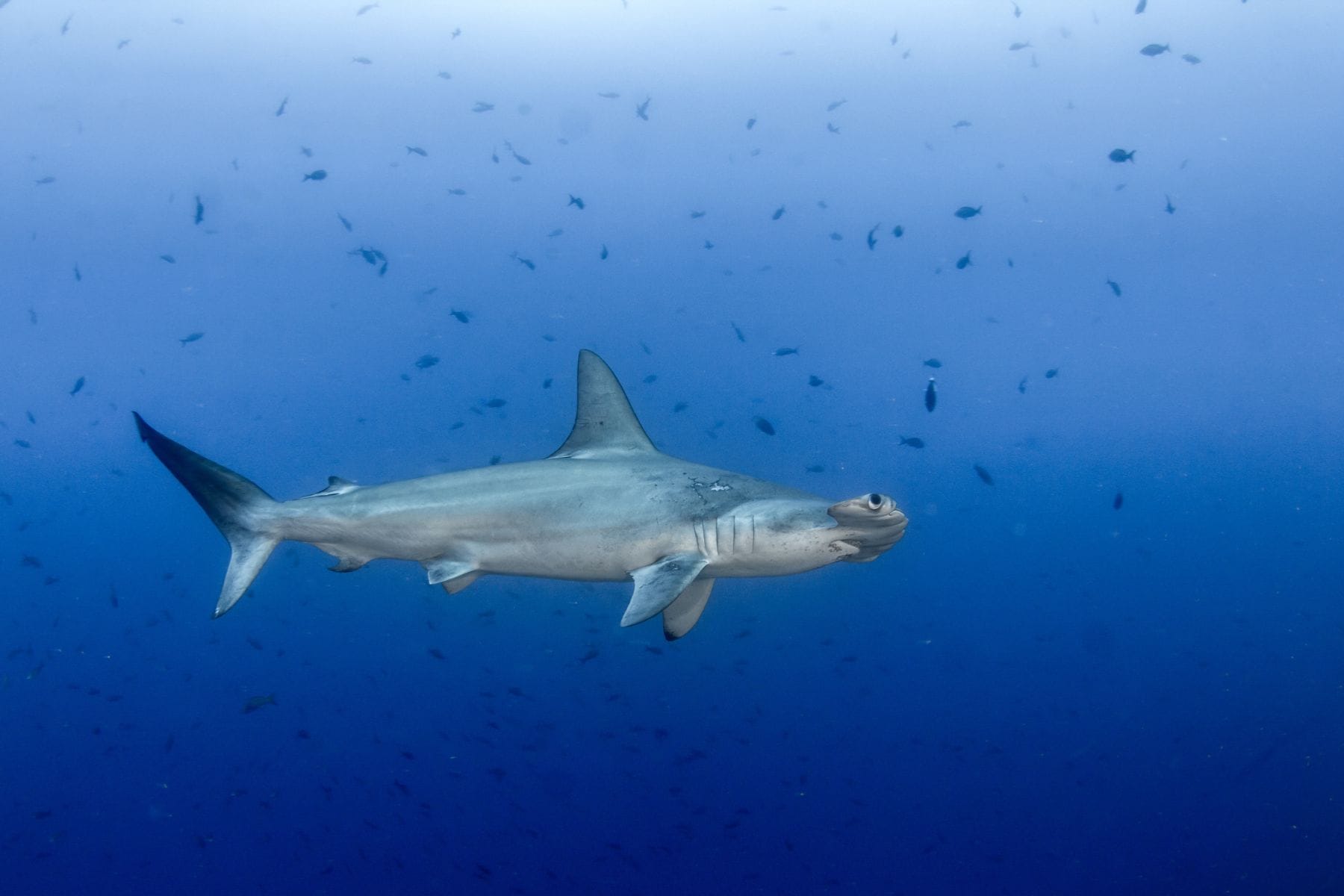
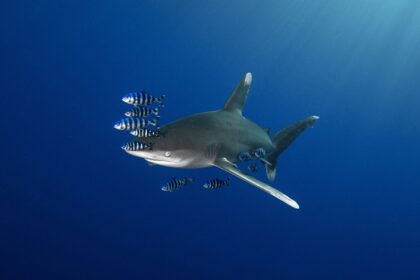
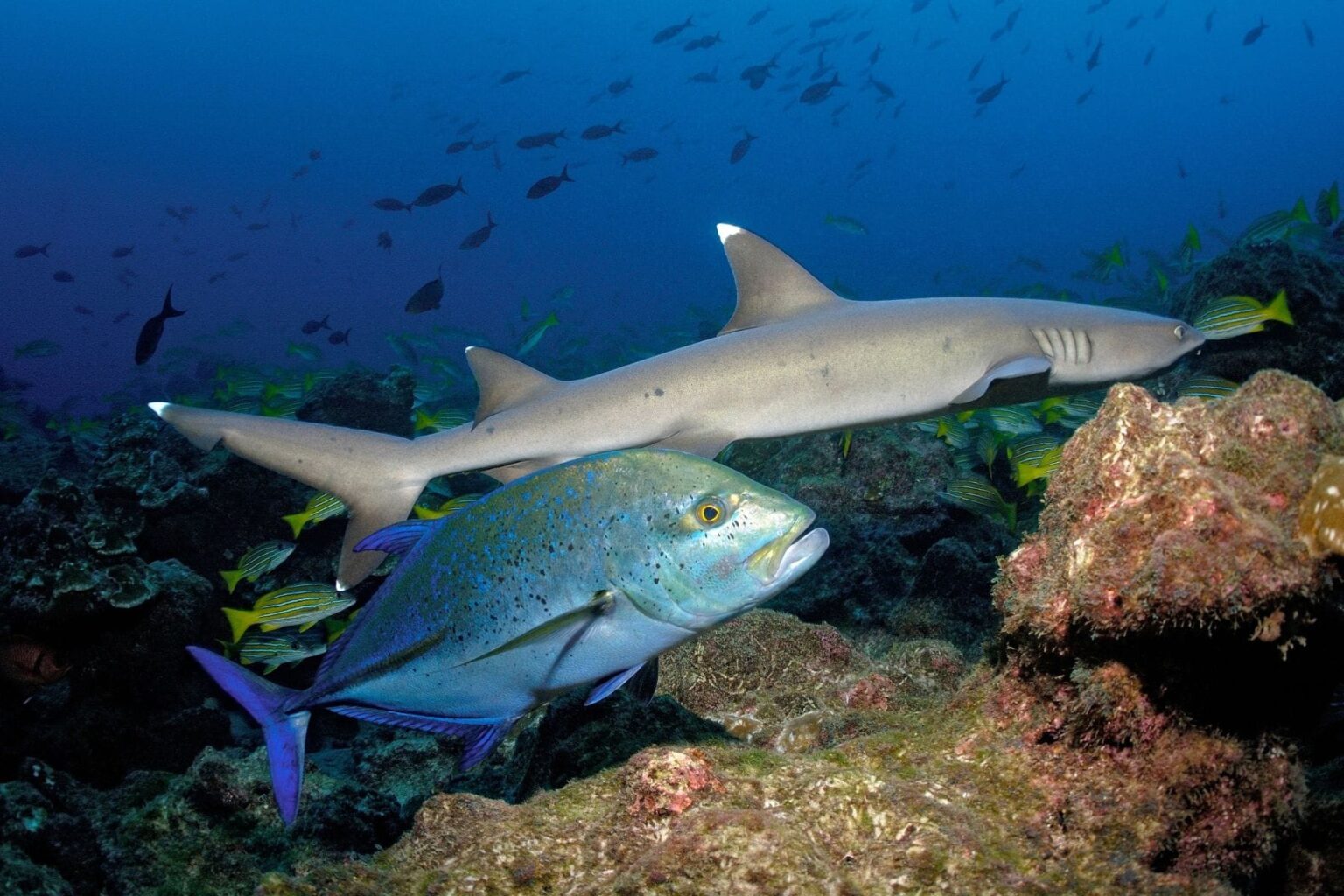
Whitetip and blacktip reef sharks are the main attraction here, and sightings are almost guaranteed. Head to the canyons to find them hiding with reef fish congregating around the predators. Even if you don’t see sharks, this dive site offers some of the greatest diversity of marine species in the area.
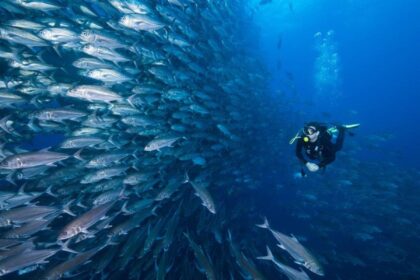
You may see schooling trevallies in the blue, green turtles on the reef, stingrays, and cuttlefish, among other species. During a full moon, Shark Point becomes a favorite with a large school of bumphead parrotfish. Watching them is relaxing and mesmerizing at the same time.
Highlights:
- Outstanding canyon landscape
- Almost guaranteed shark sightings
- Increased diversity during full moon
Type: Reef dive
Skill level: All levels
Access: Boat
Halik
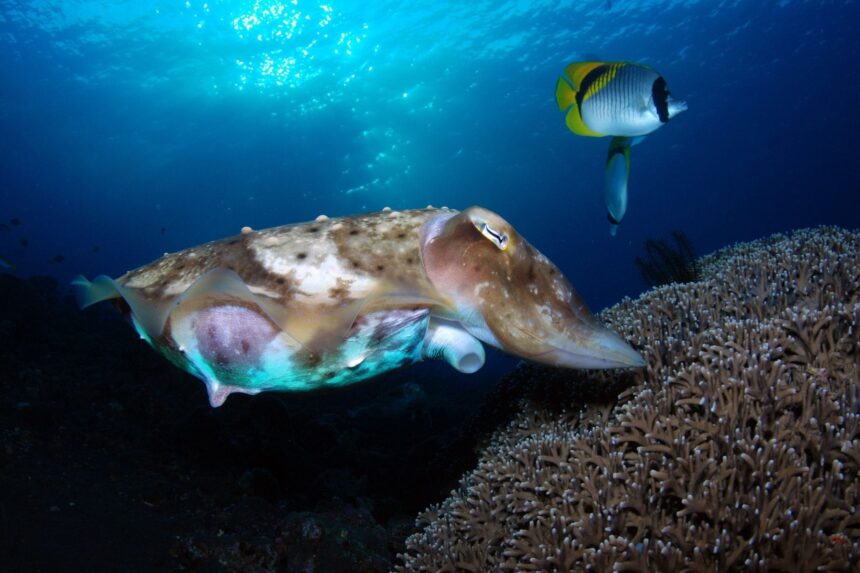
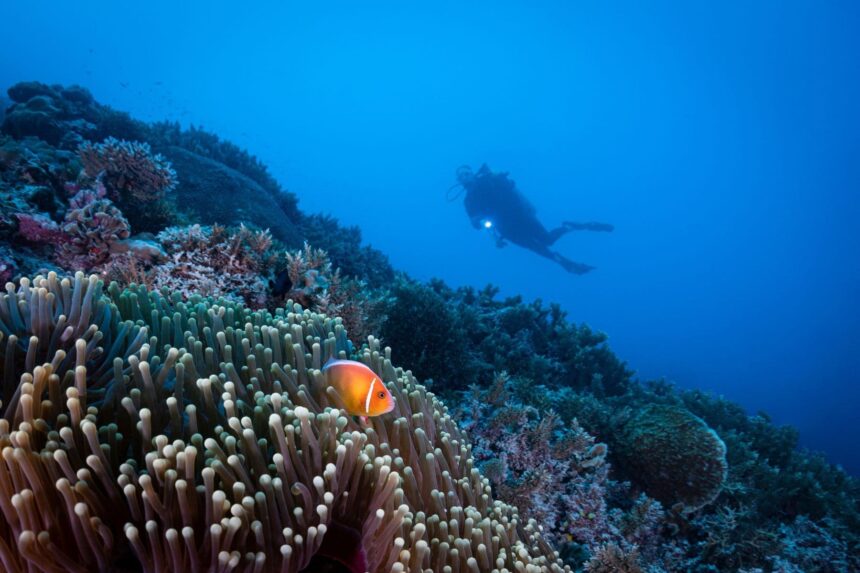


Halik Reef is another excellent dive site for all levels of divers. Located on the northwest side of Gili Trawangan, this site starts at around 20 feet (6 m) with large gorgonian fans and barrel sponges. From there, a series of canyons and coral ridges drop down as far as 130 feet (40 m), giving divers plenty of opportunities to explore.
Halik usually has some current, which makes this a popular drift dive. As the current pushes divers along the reef, it also encourages schooling fish to come closer.
If you love looking for tiny creatures, you could spend your entire dive exploring the fans and sponges in the shallow parts of the reef searching for shrimp, nudibranchs, and other species. Many divers also love spending time with the anemonefish here in the hopes of getting that perfect shot of ‘Nemo’ looking out of his home.
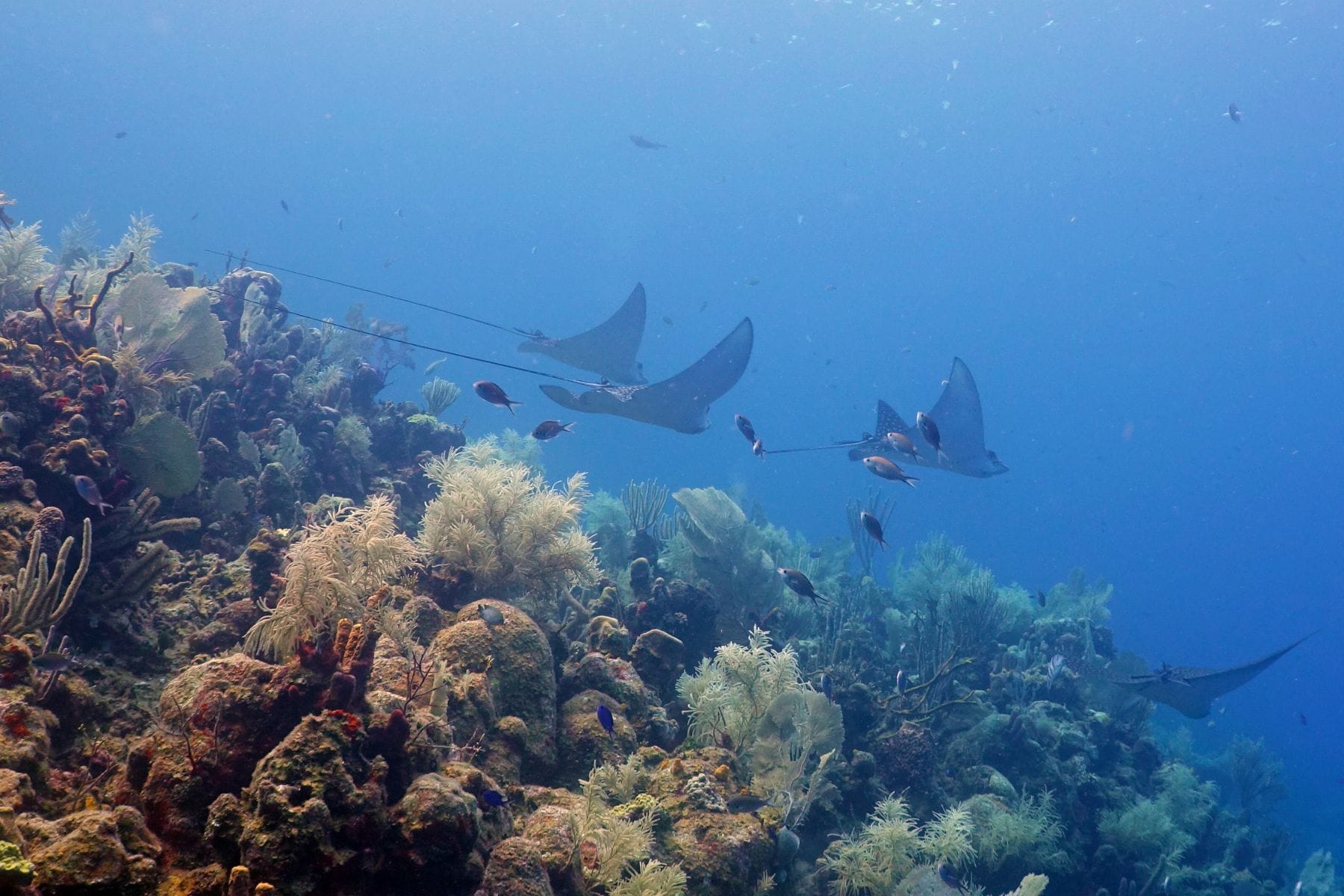
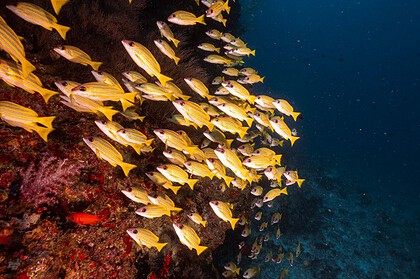
The current brings schooling snappers, giant trevallies, and even eagle rays to Halik. Divers may also see blacktip and whitetip reef sharks. During a full moon, bumphead parrotfish visit this reef in large numbers.
Highlights:
- Excellent drift dive with a chance of spotting eagle rays
- Beautiful reef starting from 20 feet (6 m)
Type: Drift dive
Skill level: All levels
Access: Boat
Turtle Heaven
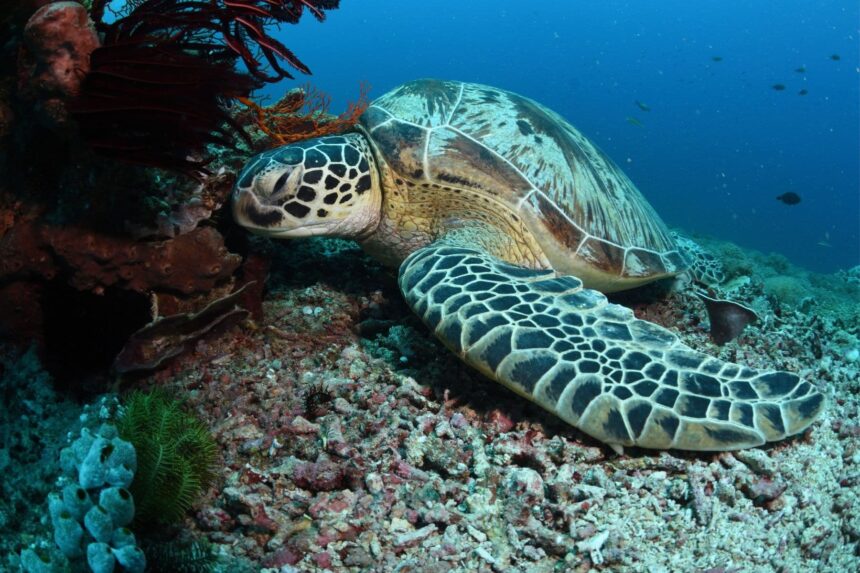
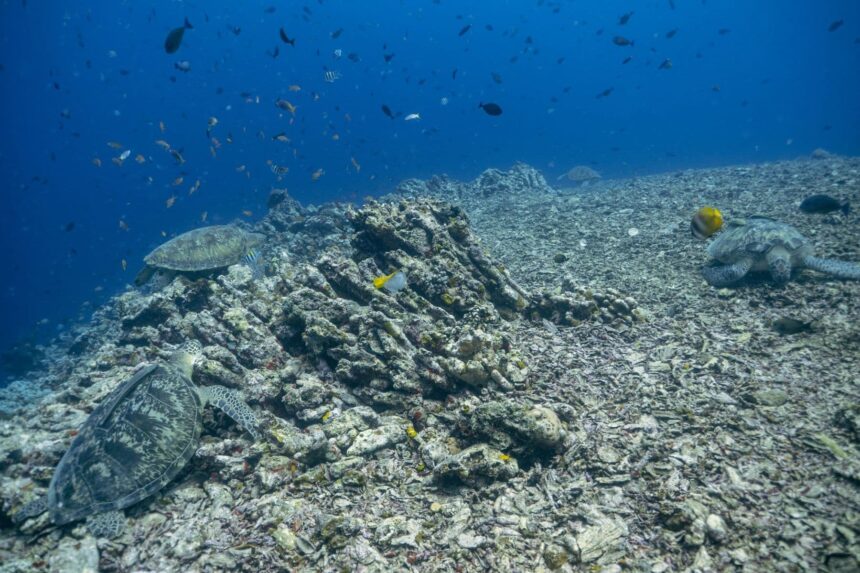


The name of this dive site says it all—divers are guaranteed turtle sightings here. Turtle Heaven lies off the northeast of Gili Meno, and the main attraction is a submerged pinnacle starting at 35 feet (10 m) and dropping down to a depth of around 110 feet (30 m).
Aside from natural reef structures, there are also some man-made objects here. These were planted deliberately to facilitate coral growth and attract a greater number of species, making the site even more attractive to divers.
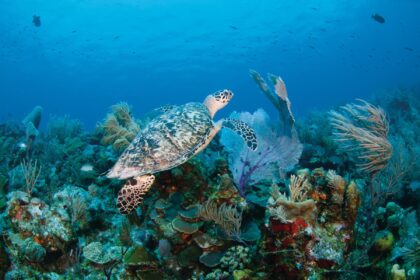
Turtle Heaven is a paradise for hawksbill and green turtles with its cover of hard and soft corals. These corals create an ideal turtle habitat. In addition to these fan favorites, look out for smaller reef fish and invertebrates hiding between the corals. Bring your camera for a great chance to capture charismatic turtle portraits.
Highlights:
- Hawksbill and green turtles galore
- Excellent photography opportunities
Type: Pinnacle
Skill level: All levels
Access: Boat
Sunset Reef
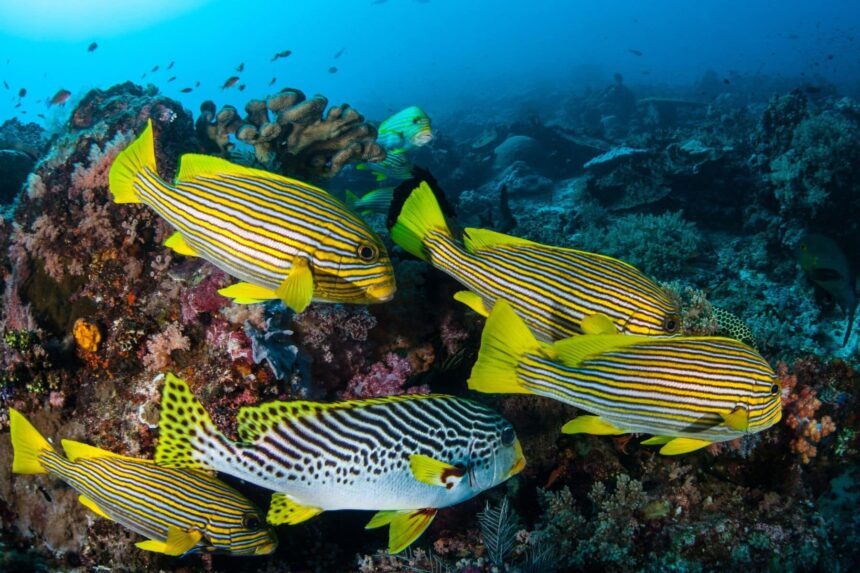
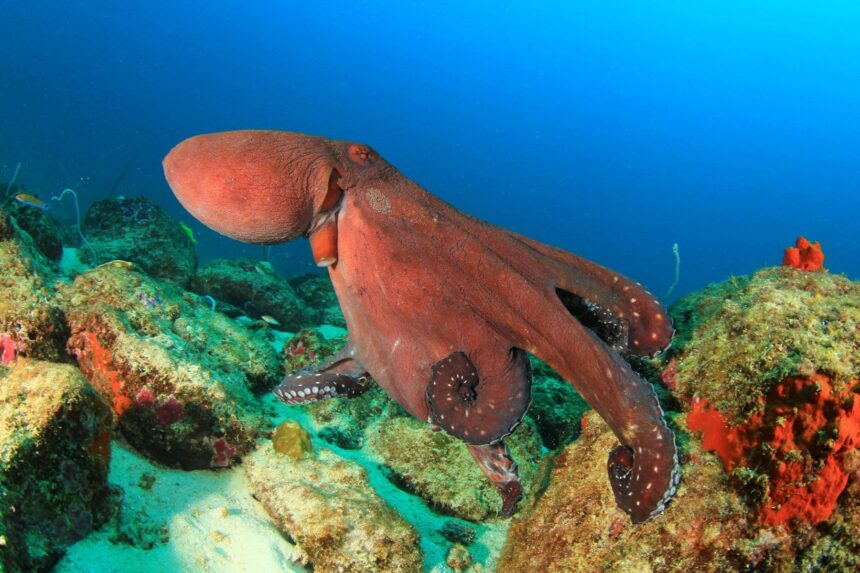
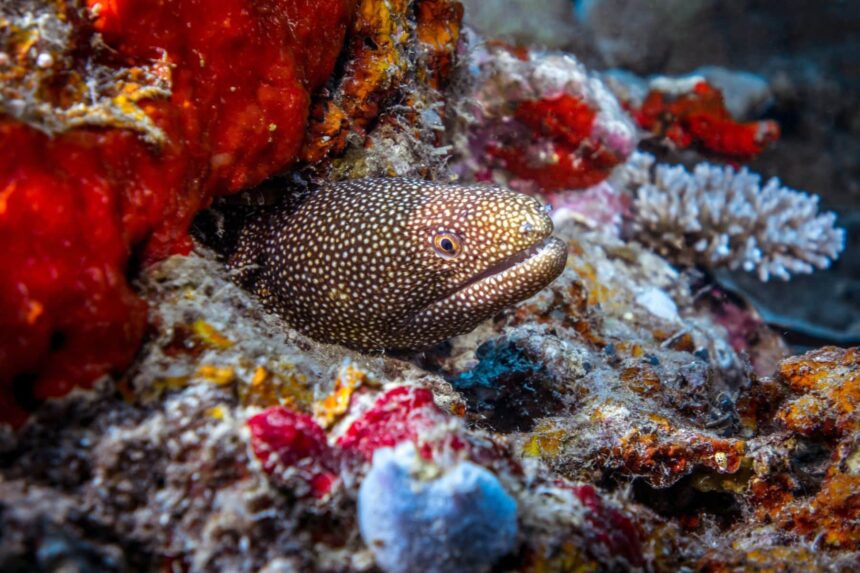


Sunset Reef on the southwest side of Gili Trawangan is an ideal dive site for all levels of divers. If you’re traveling in a group with different abilities, this is an excellent choice.
The gradually sloping reef makes it easy to control your depth and buoyancy as you’re enjoying the hard and soft corals. This varied coral cover creates homes for a multitude of marine life.
Midnight snappers and sweetlips are some of the main attractions on this reef; both tend to hang out here in groups. You also have a good chance of encountering whitetip and blacktip reef sharks and turtles. It’s fair to say that spending a day diving in the Gilis without seeing a turtle is rare.
If you’re lucky, you may even spot a manta ray at Sunset Reef, passing through on its journey through the Lombok Strait.
Highlights:
- Chance to see manta rays
- Great dive for different levels of divers
Type: Coral reef
Skill level: All levels
Access: Boat
Deep Turbo
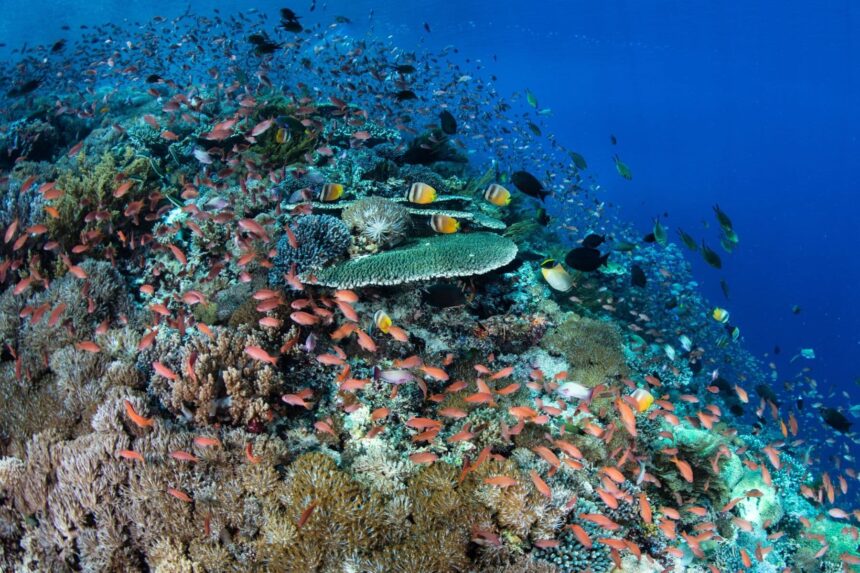
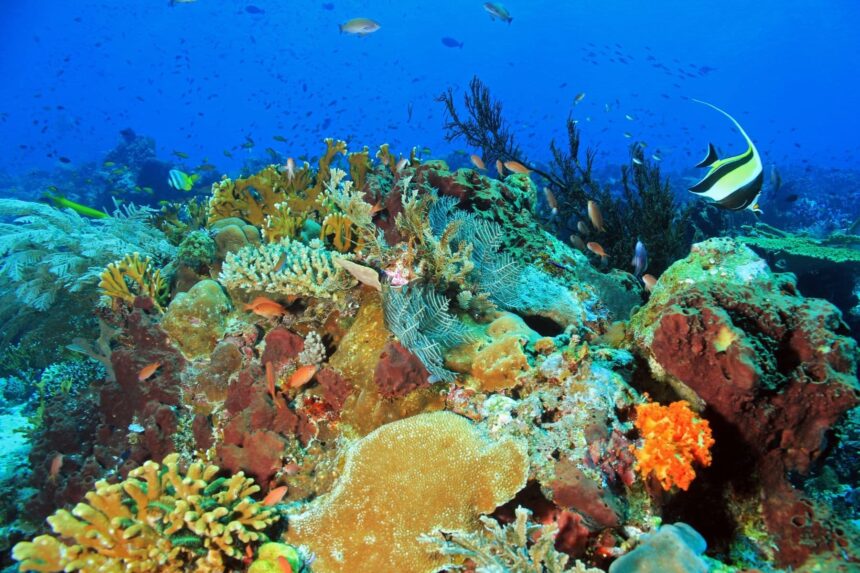


Deep Turbo is another Gili favorite, and even the approach to this reef is pretty spectacular. With large coral pinnacles standing up from the bottom in around 100 feet (30 m) to around 55 feet (16 m), descending onto Deep Turbo gives divers the unique experience of seeing the reef come toward them with every foot of depth.
The dive site consists of several large pinnacles, and exploring every nook and cranny in all of them takes far more than one dive.
Around the pinnacles, divers are treated to schooling batfish, redtoothed triggerfish, and curious snappers. Make time to look into the outcrops and overhangs for leaf scorpionfish and other, smaller creatures.
On the sandy bottom, look out for bluespotted ribbontail rays and reef sharks. Both species like hanging out at Deep Turbo. Macros fans should set aside some time for the gorgonian fans on this site for a chance to see pygmy seahorses.
Highlights:
- Large pinnacles attracting everything from batfish to pygmy seahorses
- Best dived on nitrox to maximize bottom time
Type: Pinnacles
Skill level: Intermediate
Access: Boat
Mentigi
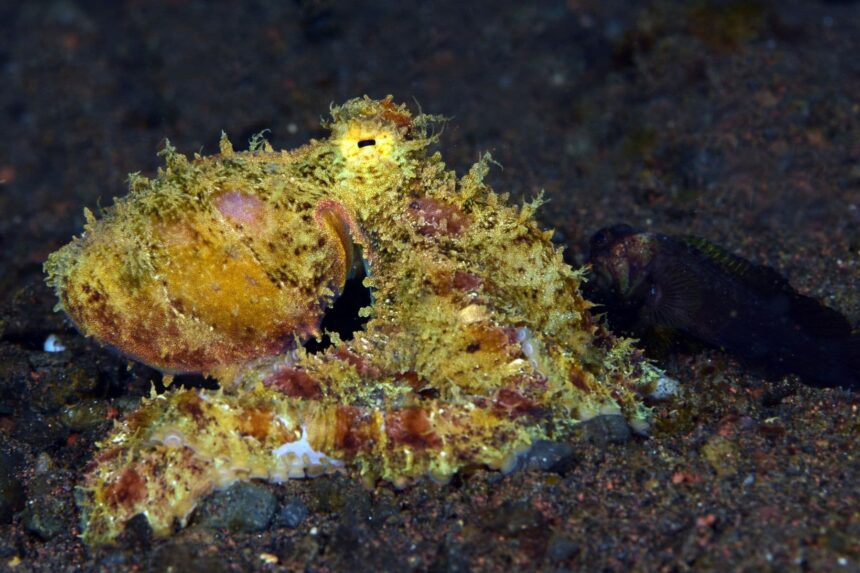


The Gili islands may not be known as a macro diving destination, but some sights may surprise even seasoned photographers and divers. Mentigi is one of those.
Located off Lombok, it’s easily reached from either Gili and features the kind of sandy, silty bottom beloved by some of the rarest marine creatures. Having good buoyancy control is key on this dive site to avoid disturbing the bottom and severely limiting visibility. As there is no current here, stirred-up silt tends to take some time to settle.
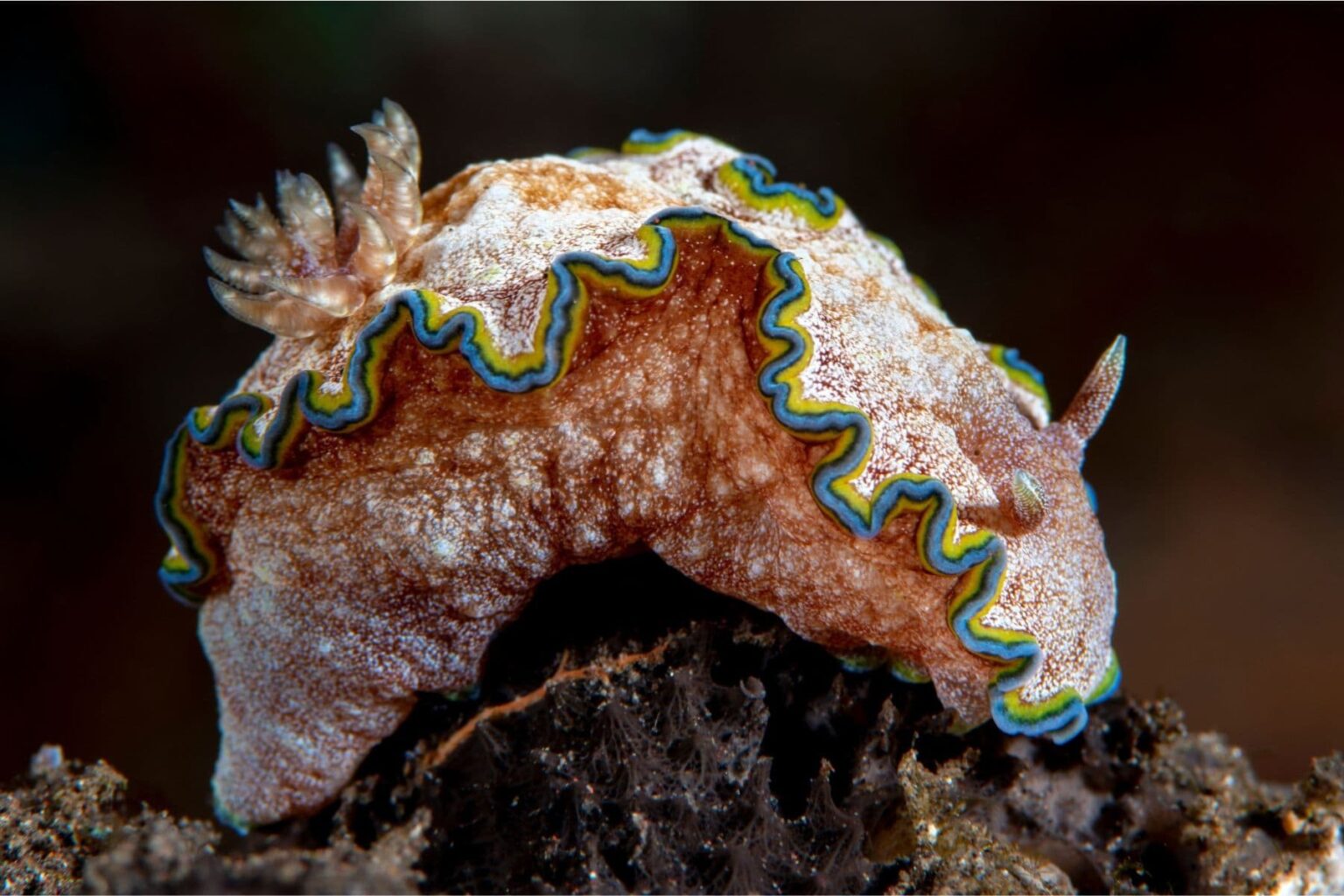
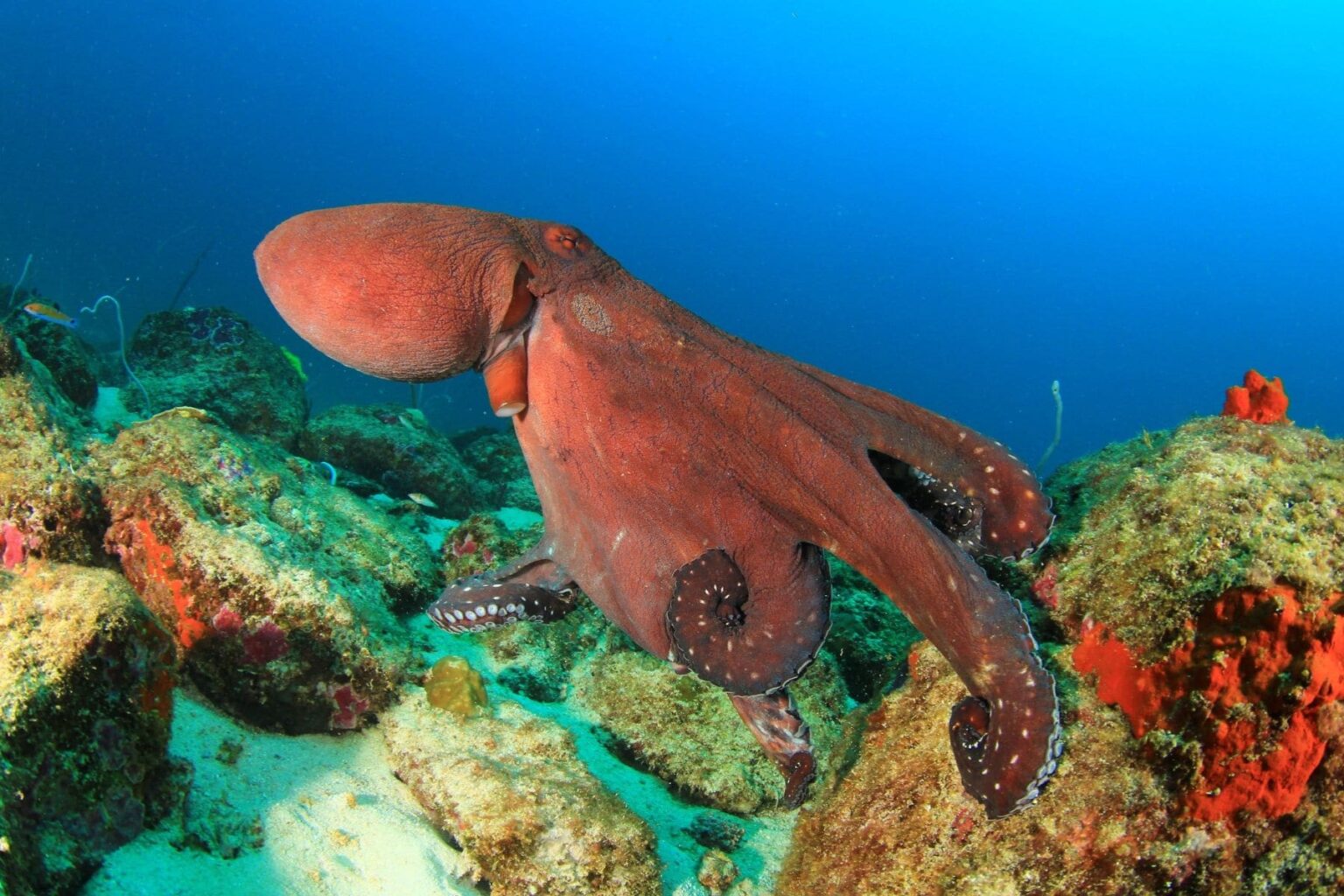
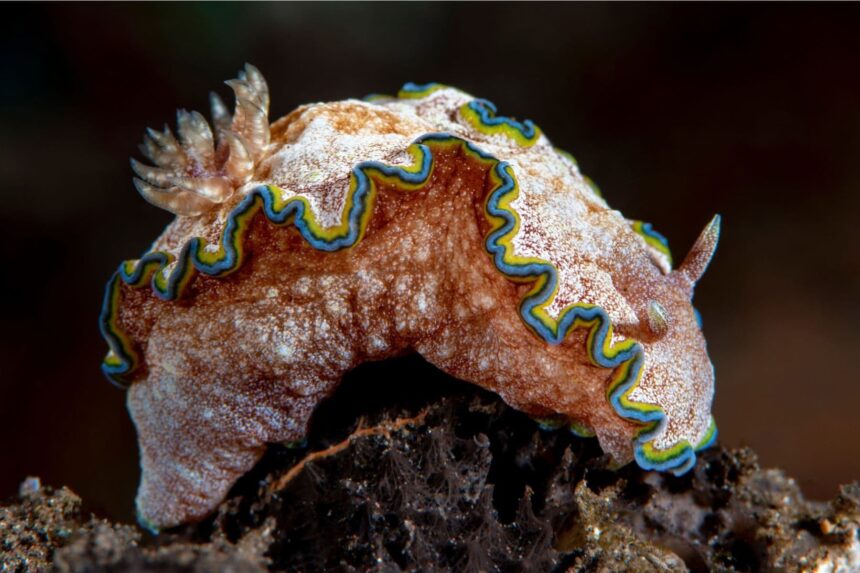
Mentigi is an excellent place for spotting different species of octopus and hunting for nudibranchs that are almost too small to see with the naked eye. Keep your eyes peeled for devil scorpionfish and crabs that will bury themselves into the sand if you approach too fast. Hairy frogfish and ghost pipefish are resident as well.
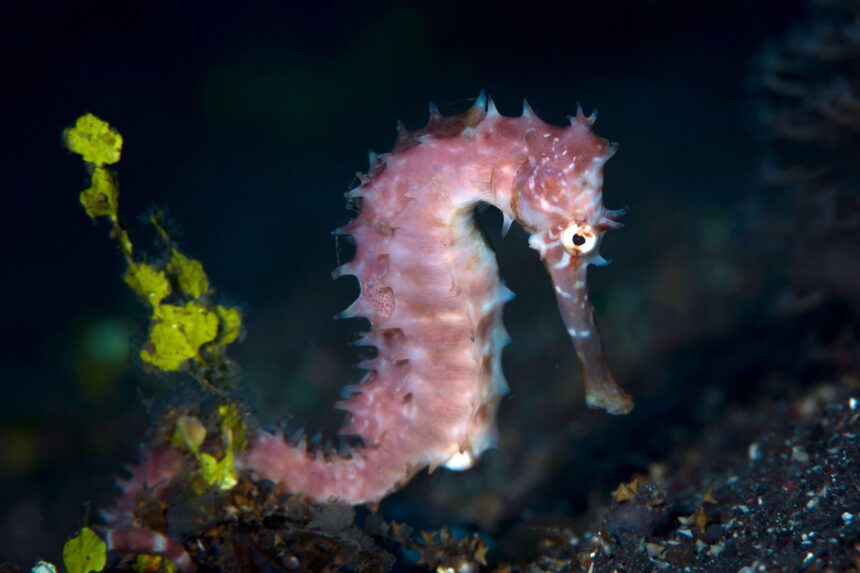
Seagrass patches break up the sandy bottom from time to time. Aside from giving you a little variety, they’re also home to seahorses. Keep your eyes open for that ‘blade of grass’ that looks just a little out of place.
Highlights:
- Macro heaven in the Gilis
- Nudibranchs, octopus, and seahorse sightings
Type: Muck
Skill level: Intermediate (buoyancy control is key)
Access: Boat
Glenn Nusa wreck

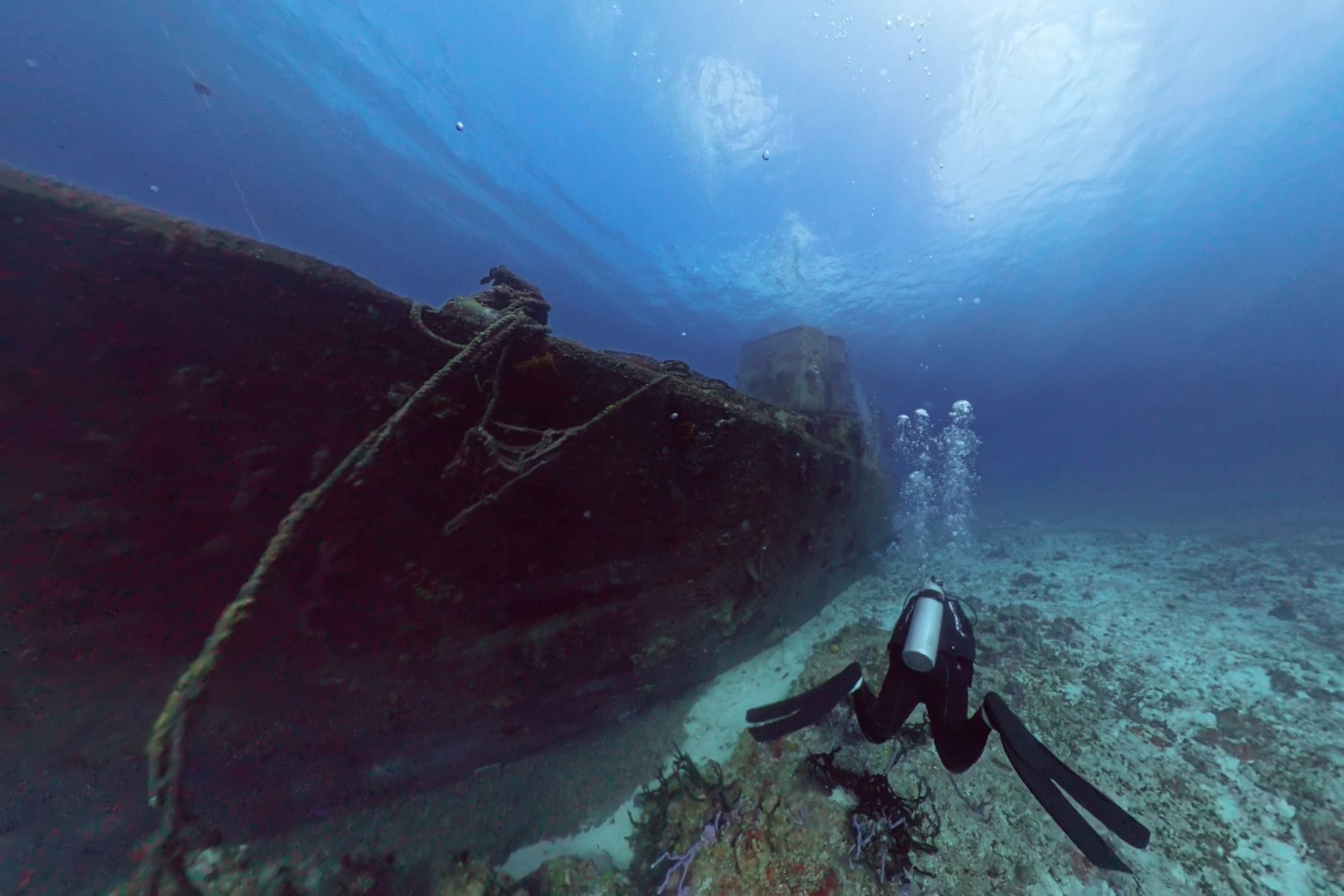
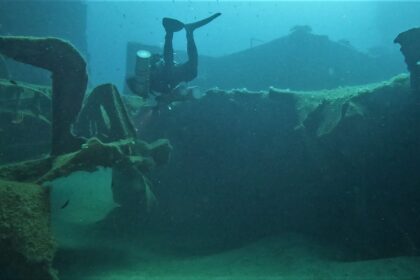
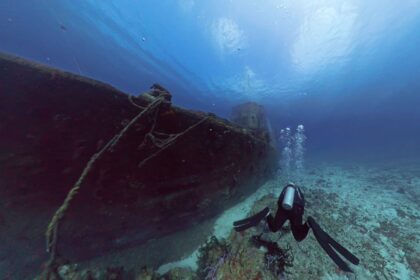
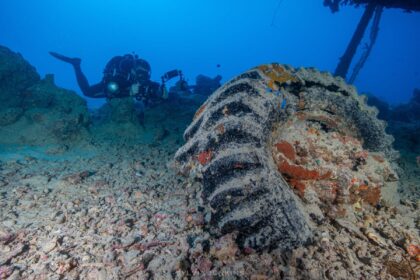
The Glenn Nusa started life as a tugboat in Lombok. When it was time for the tug to retire, dive center owners in the Gilis got together to purchase the boat and prepare it for purposeful sinking. The result is an excellent small wreck dive.
The Glenn Nusa starts at 72 feet (22 m) depth and reaches 100 feet (29 m) at the deepest point. The wreck is a favorite dive site for deep and wreck specialty training as well as fun dives.
When it was first sunk, the Glenn Nusa was little more than a hunk of metal prepared for safe diving. Even then, though, divers had a chance to explore the captain’s cabin, swim through a large cargo space, and take a look at the ship’s toilets.
The preparation made the Glenn Nusa safe for penetration as entanglement and entrapment hazards have been removed. Having spent a few years in warm tropical waters, the wreck is starting to transform into a coral reef. It’s also attracting schooling fish typical for the other sites around these islands.
Highlights:
- Purpose-sunk wreck
- Safe penetration opportunities
Type: Wreck
Skill level: Intermediate due to depth
Access: Boat
Meno Wall
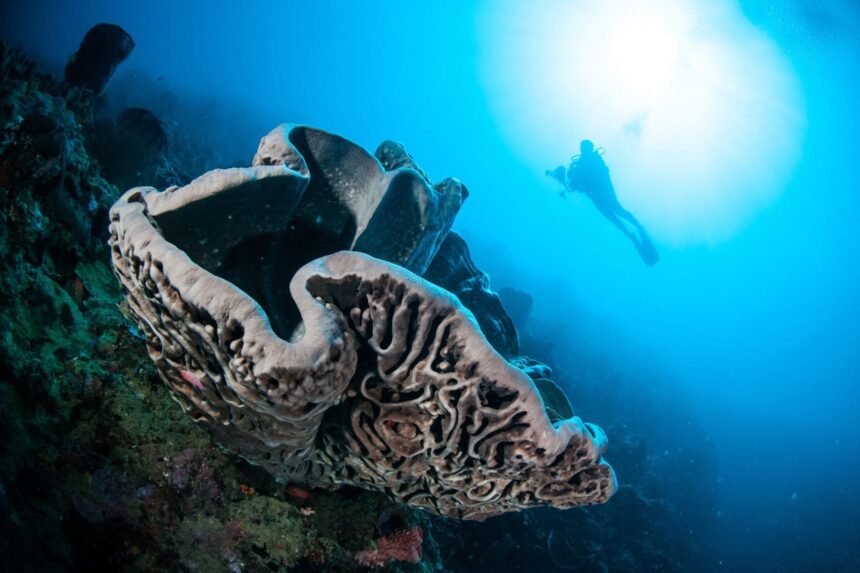
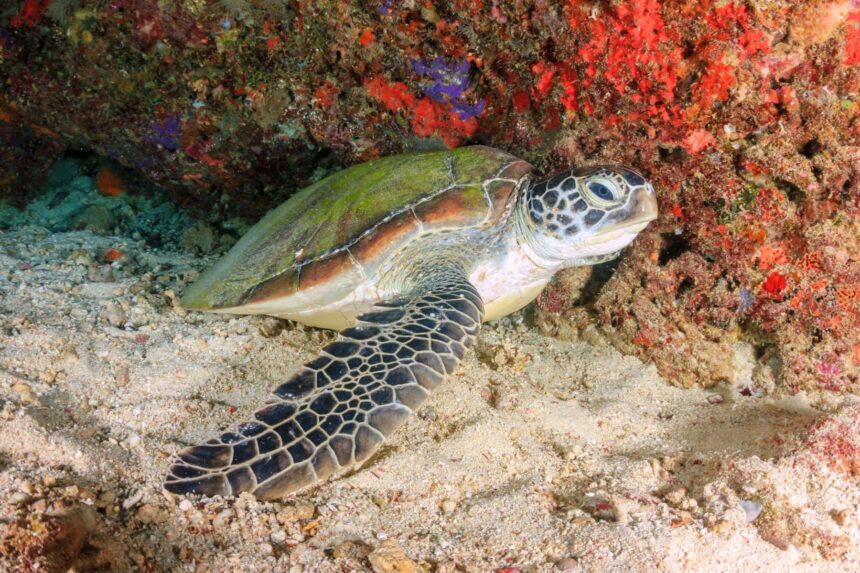
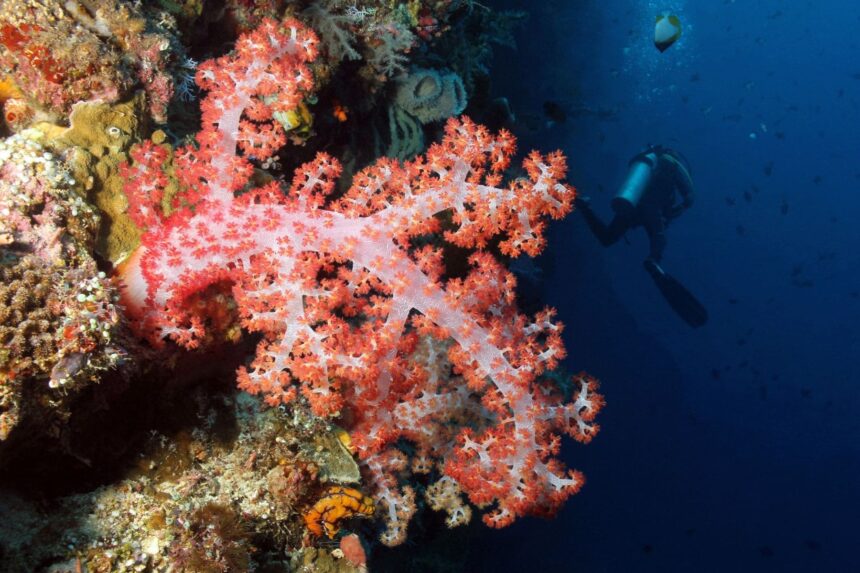


Gili Meno may be the quietest of the Gili islands, but Gili Meno Wall is anything but a sleepy dive site. While most dives around these islands have predictable currents and water movement, the ones at this site can change greatly and unexpectedly.
While the current here may be unpredictable, Meno Wall can also deliver some of the most rewarding dives in the area in terms of marine-life variety. The dive starts at 27 feet (5 m) and reaches a maximum depth of 100 feet (30 m).
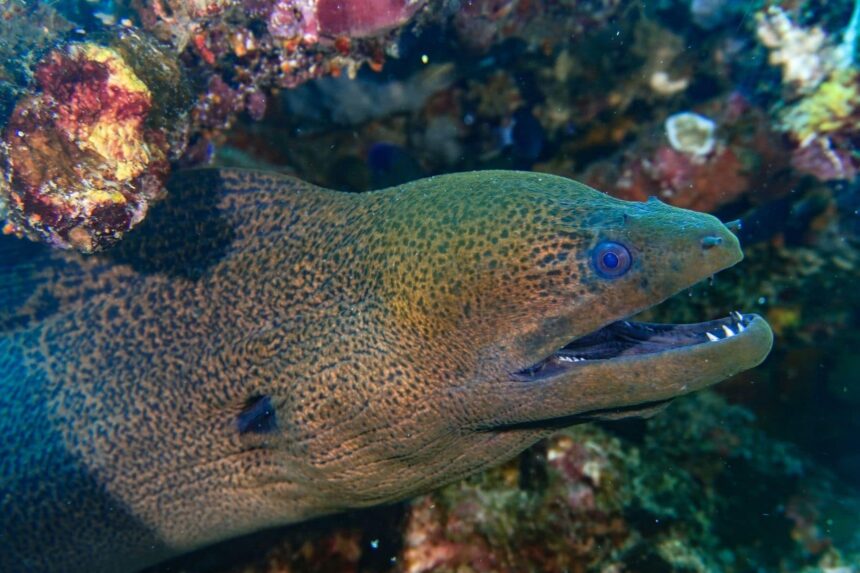
Keep your eyes trained on the wall for moray eels, lobsters, crabs, clownfish, lionfish, scorpionfish, and groupers. In the blue, you may see bumphead parrotfish passing by as well as whitetip and blacktip reef sharks.
Many creatures living on the wall and in its crevasses are more active at night, making this an excellent night dive. Move slowly, take your time, and you never know what species you might encounter here.
Highlights:
- Excellent night dive
- Always good for a surprise encounter
Type: Wall
Skill level: Intermediate
Access: Boat
Mirko’s Reef
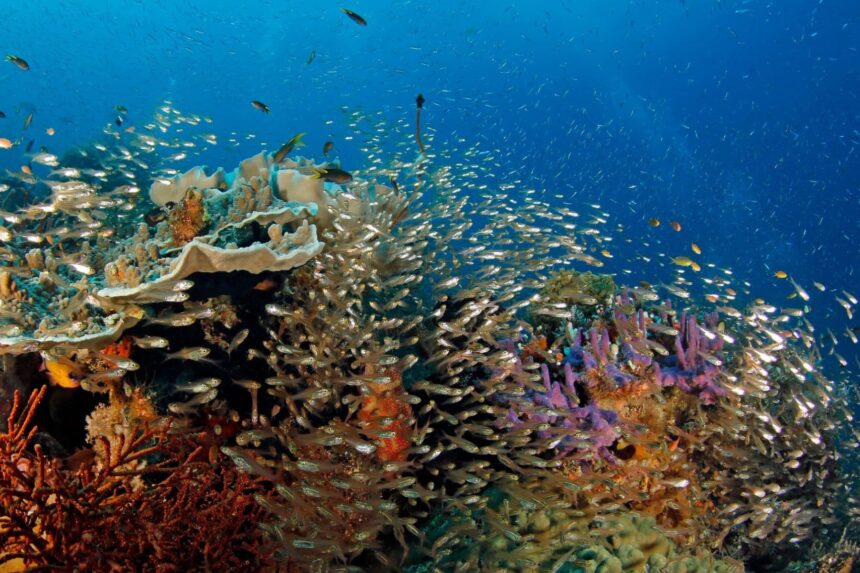
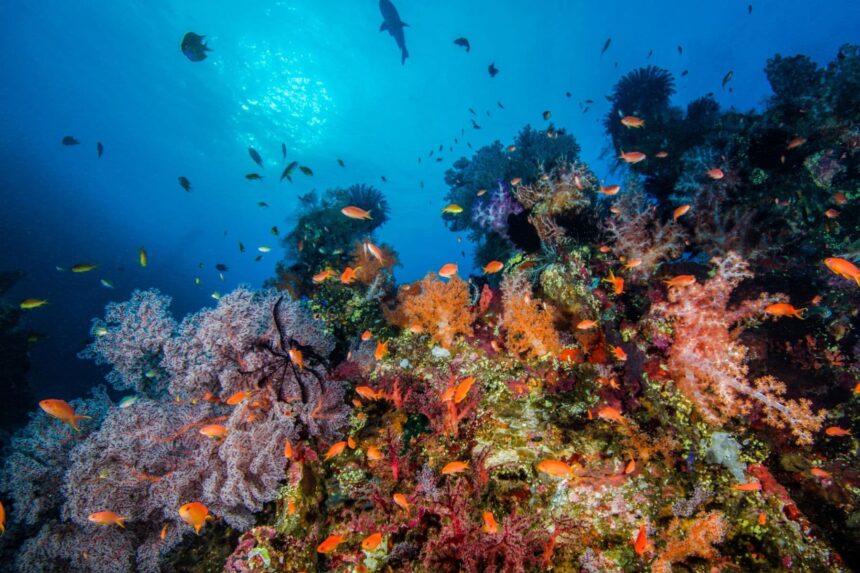


Mirko’s Reef is a long seamount stretching the length of the entire island along the east side of Gili Meno. The coral cover here is outstanding compared to other sites around the islands, perhaps because the site is a little deeper and less frequently dived.
The combination of hard and soft coral makes this reef an excellent habitat for large and small marine life starting from 45 feet (12 m) to 120 feet (35 m).
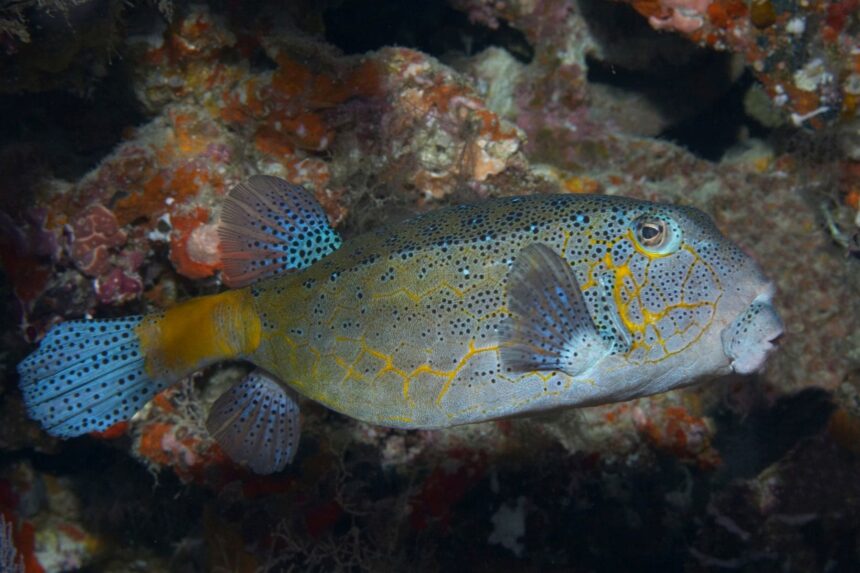
Angelfish and clownfish are just as much at home here as triggerfish and stingrays. Of course, divers can also spot turtles at Mirko’s Reef. In the shallow parts areas, map pufferfish and long-nosed butterflyfish are common.
The deeper parts reveal some of the sea fans and sponges typical for the technical dive sites on these islands. Look for bluespotted ribbontail rays under coral overhangs and don’t forget to check the blue for pelagic species.
Highlights:
- Best coral reef around the islands
- Great for large and small species
Type: Coral reef
Skill level: All levels
Access: Boat
Simon’s Reef
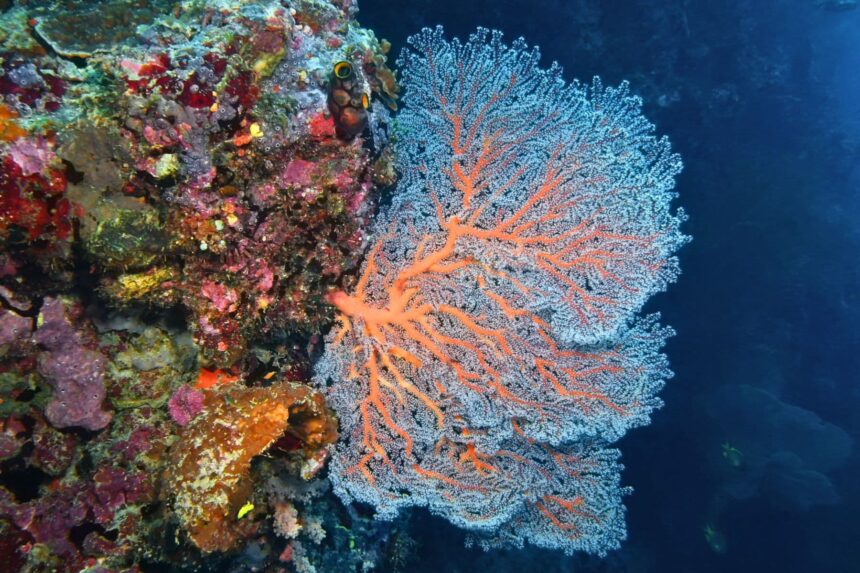


Simon’s Reef is one of the deeper recreational dive sites around the Gili islands. Located north of the Gilis, Simon’s features canyons running across the seabed and large coral bommies rising up from a sandy bottom.
This site is most suitable for more experienced divers happy to handle currents that may channel in between the bommies and canyons. Those currents not only make for exciting dives, but they also bring in different species than you may see on other sites in the area.
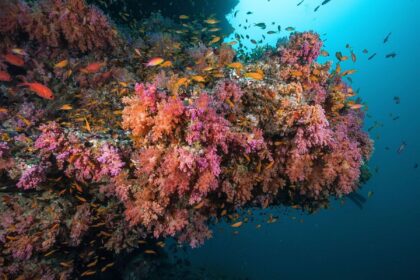
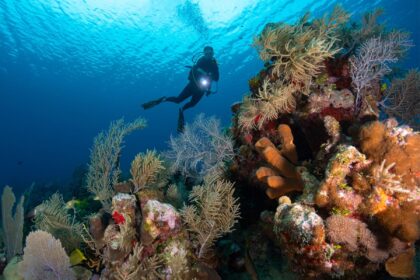
Large, colorful gorgonian fans are one of the most memorable features of this reef. They range in color from pale yellow to flaming orange and hot pink, making excellent subjects for colorful images. Some of the fans are surrounded by schooling anthias, another great photo subject.
Even if the current is running between the bommies, divers can usually find some shelter. That’s when having a dive light is an advantage, as it allows you to spend time searching for smaller creatures hiding in the seamounts’ outcrops and overhangs. Cuttlefish, smaller eels, leaf scorpionfish, and countless invertebrates are regularly spotted here.
Highlights:
- Deeper reef with bommies rising from the seafloor
- Bring a light to explore hidden spaces
Type: Pinnacle
Skill level: Intermediate
Access: Boat
About the Gili Islands
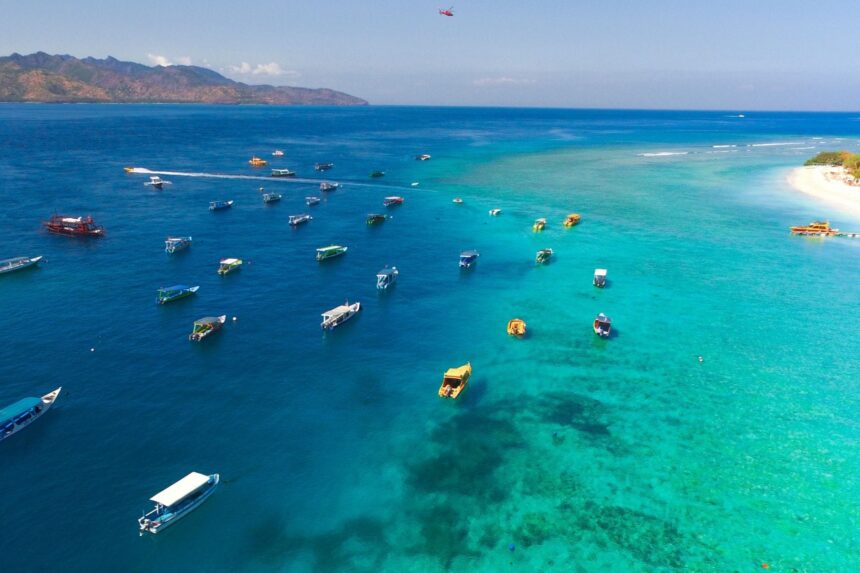
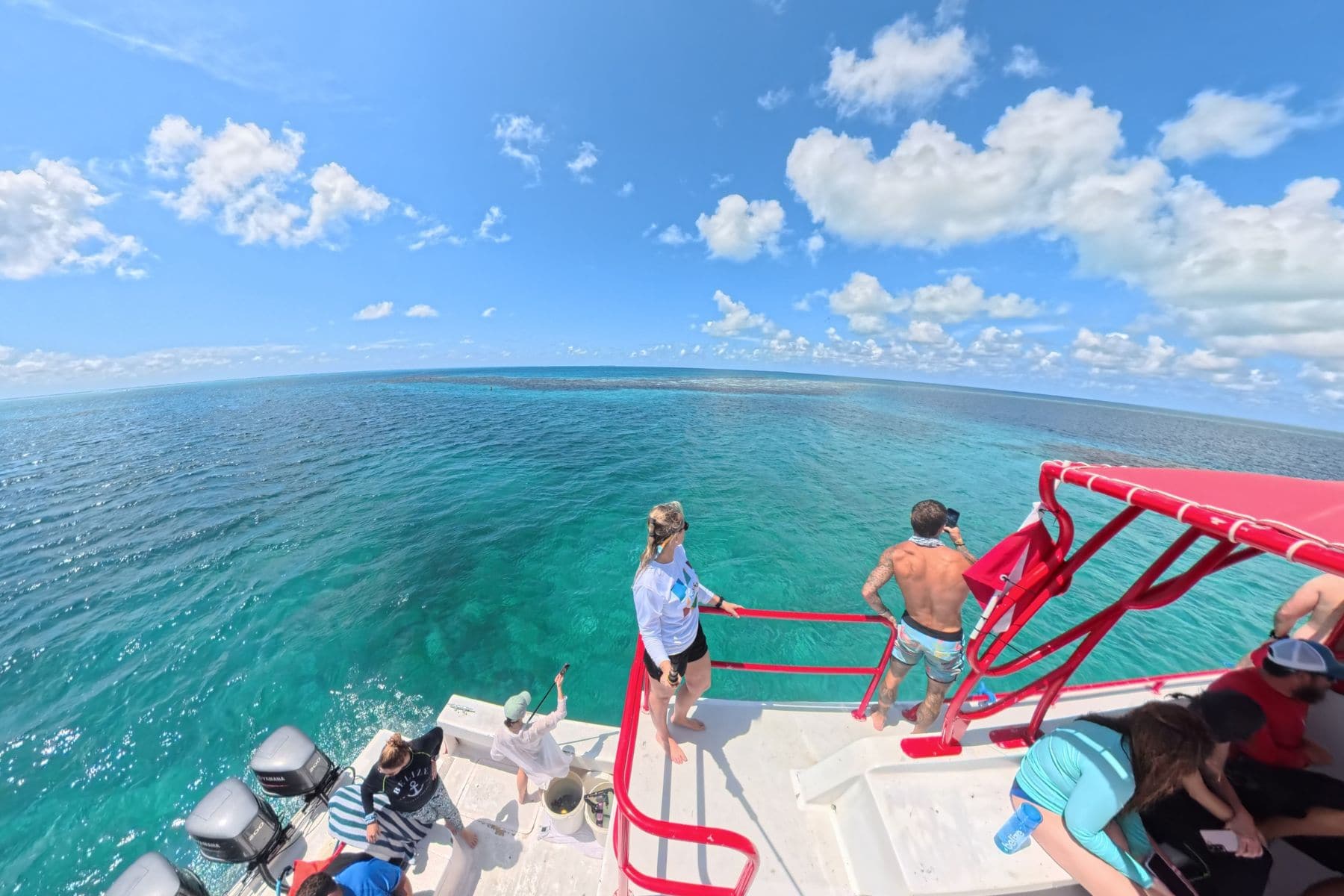
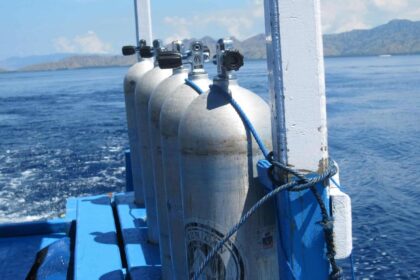
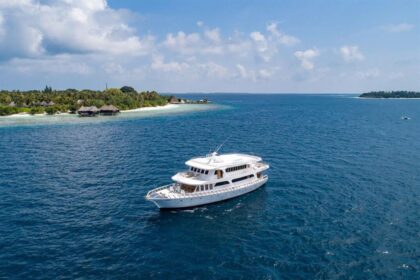
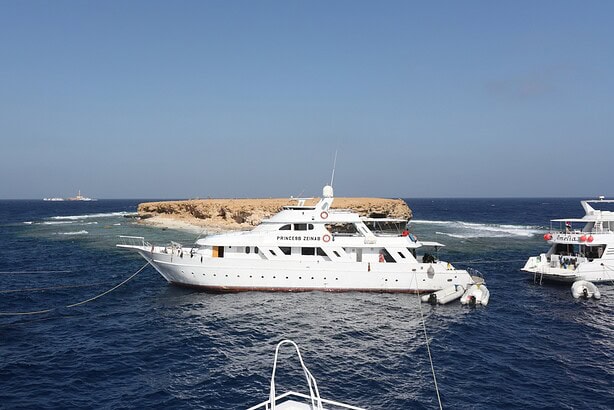
The islands may be easy to miss on a map, but they have certainly built a solid reputation as a favorite for diving and dive training in Indonesia. Diving is done from locally built outrigger boats reconfigured for diving to offer enough space to get ready for a dive or even spend your surface interval.
Although not necessarily known for strong currents, the dive sites around the islands usually have some current, making boat dives far more convenient.
Reaching the Gilis is easy from Bali or Lombok. Both islands offer fast boat transfers from various locations. Dive operators can usually arrange those for their clients or advise the most convenient way to travel.
Diving here is good year-round with water temperatures in the high 70s to mid 80s Fahrenheit (25 to 30 degrees C). Like the neighboring islands of Bali and Lombok, the Gilis have their rainy season between December and March, but diving doesn’t stop. Strong rain may influence your choice of dive sites, although it rarely rains all day.
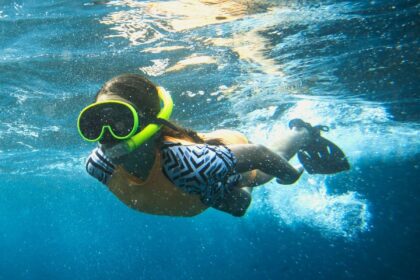
Aside from diving, these islands are a great place for a holiday that also accommodates non-divers. There is plenty of opportunity for snorkeling from the dive boats or the shore. Visitors can also enjoy a swim in the turquoise waters directly off the beach or a cycle around the islands.
The two biggest decisions divers need to make are between islands and dive operators. Pick a livelier island with lots of choices for nightlife such as Gili Trawangan or enjoy a more tranquil pace and quiet days and nights on Gili Meno. Picking your dive operator may be dictated a bit by the island you choose, although some of the bigger dive centers now have branches across the three islands.