





























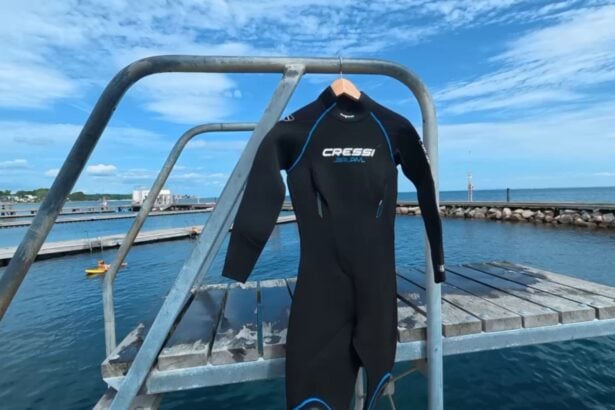
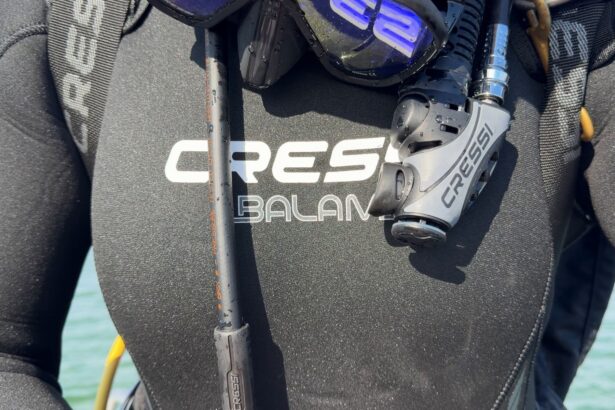
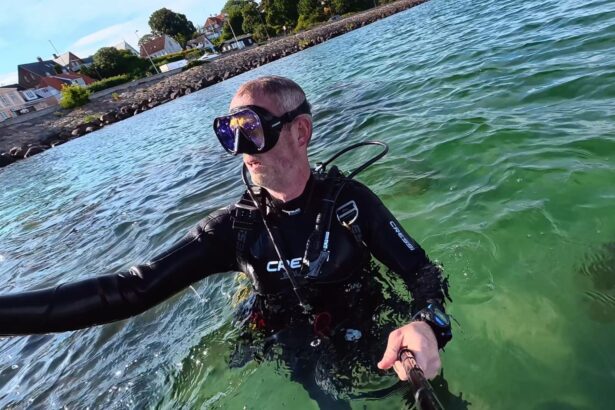


Diving With the Cressi Balam Wetsuit and How We Tested
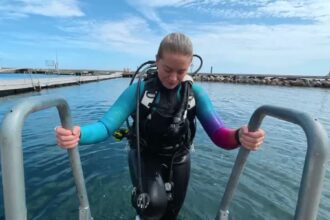
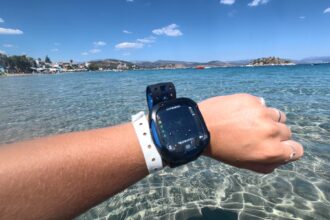
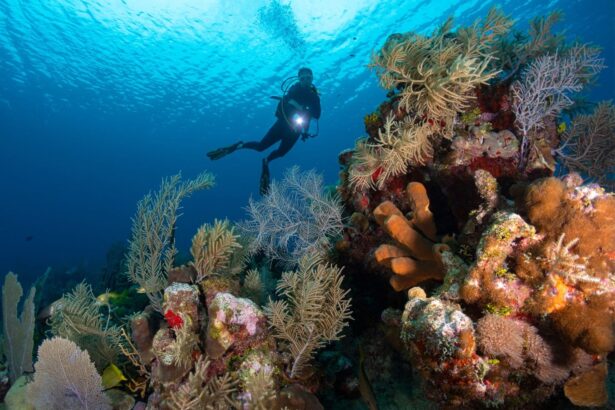
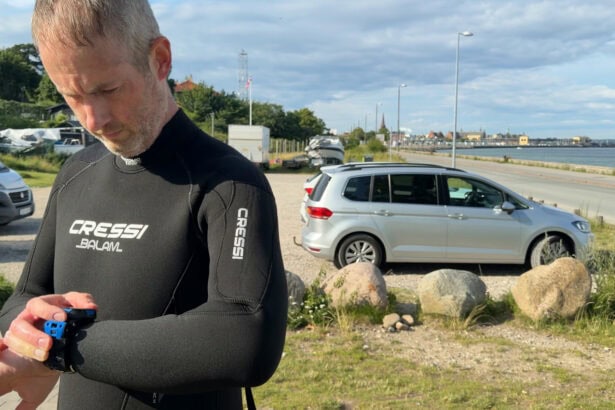
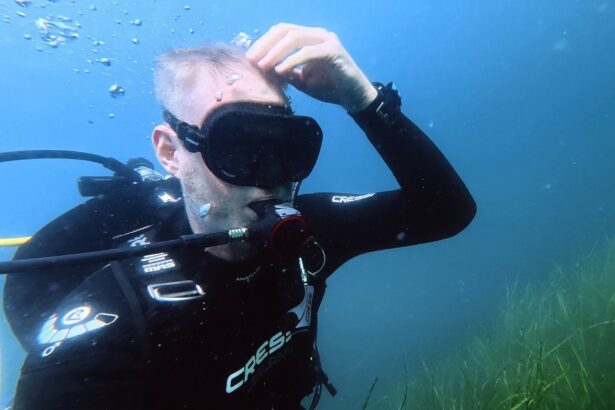
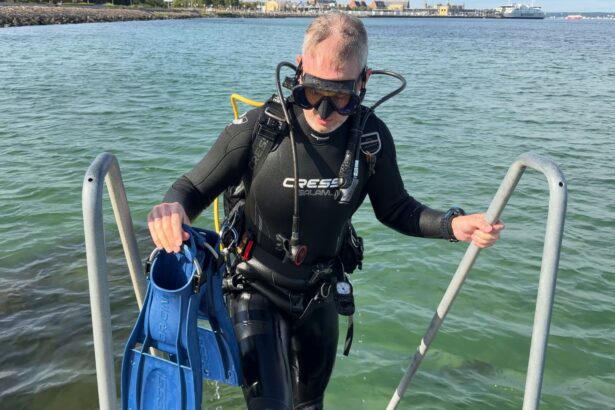
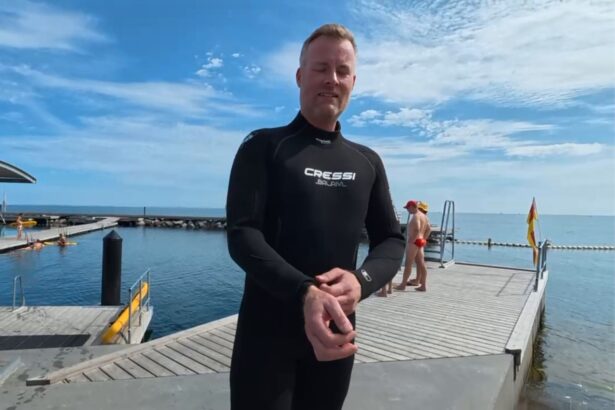
I dived the 5mm Cressi Balam through a summer of northern European diving. Surface water on entry sat around 64 to 66 F (18 to 19 C). Below the thermocline, the layer where water temperature drops sharply with depth, it fell to about 54 F (12 C). I was not at depth for most of the dive, but I was there long enough to judge the suit. I wore no hood and no gloves for any of it.
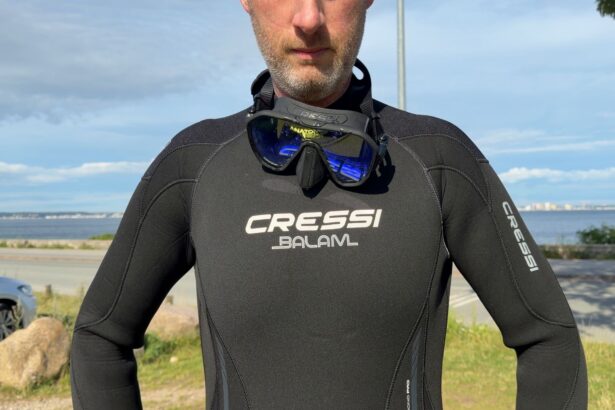
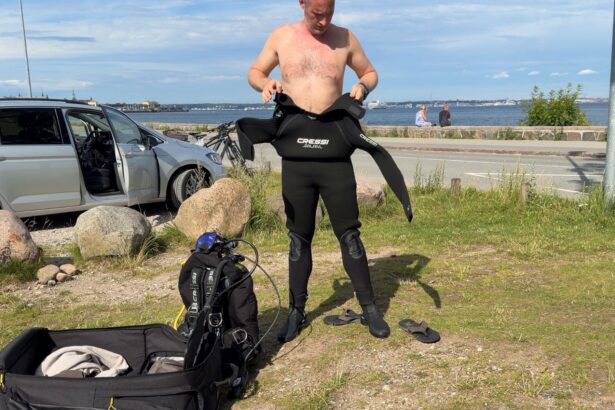
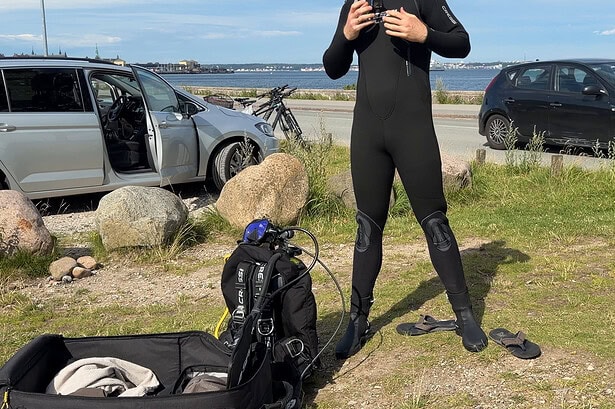
I am a big guy. My usual size is XL. In the Balam I had to move up to a 2XL, a size that has never worked on me in any other suit. That turned into the most useful part of the test. A suit worn a size off its ideal fit is exactly where flushing shows up, so every dive doubled as a check on how well the seals and the cut hold water in place.
Between dives we tested the suit’s flexibility and durability. I donned and doffed the suit repeatedly through the season, alone each time. I tugged and pulled at the pads on the shoulders, waist, and knees. I worked the zip and the seams the same way, looking for anything that would give.

Testing Areas for the Cressi Balam Wetsuit
Fit & Sizing
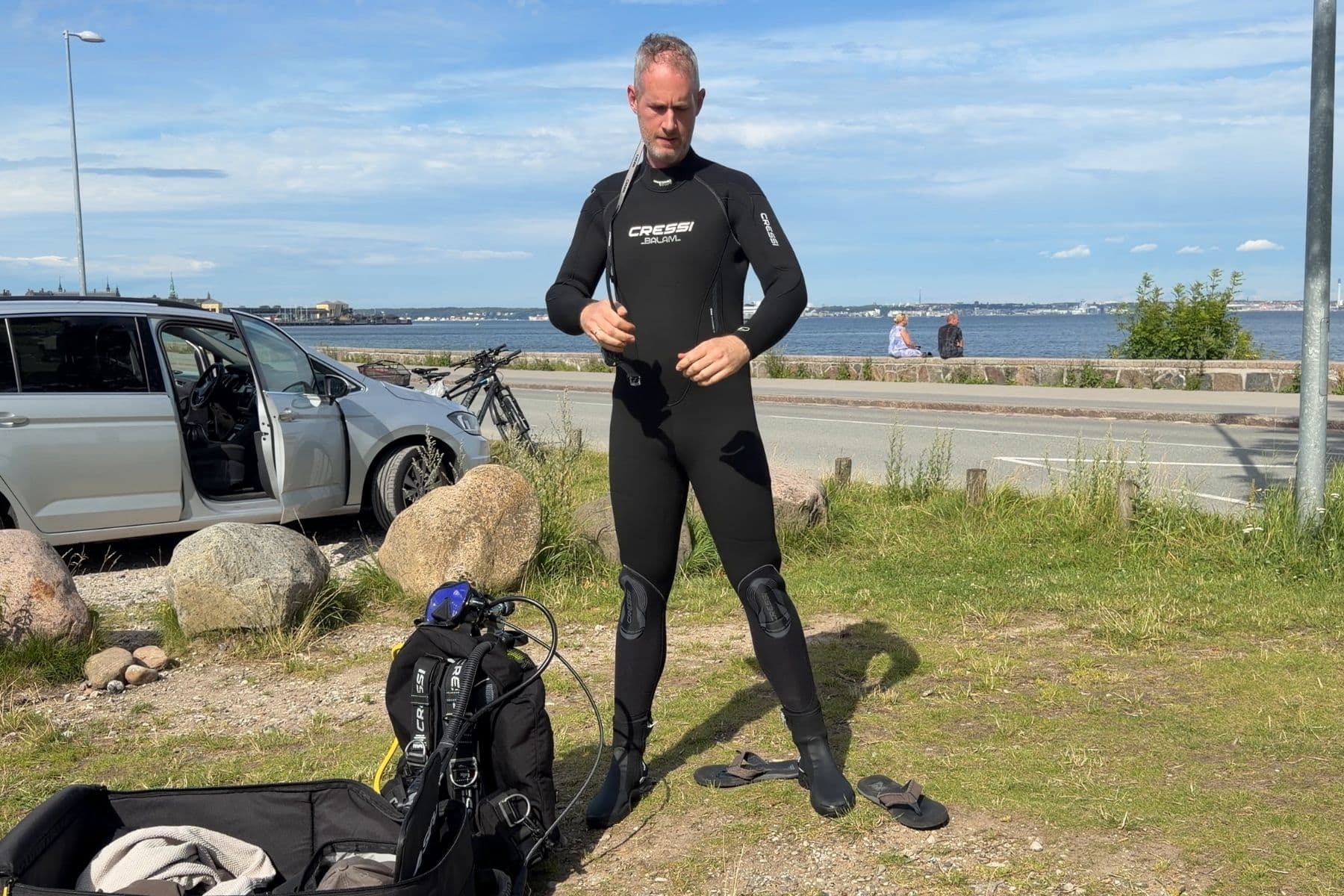
Cressi follows European sizing, which is narrower through the chest and shoulders than what divers in the US are used to. At the top of the size chart, Cressi’s larger sizes also get wider, so moving up one size gives you more room than the number suggests.
For example, I take an XL in most wetsuits but needed the 2XL here. What surprised me was how well the suit sealed in a size that’s typically not right for me. The neoprene stretched enough to close the gaps a slightly too-large suit normally leaves open. I got no loose, sloshing feeling from it. That forgiving fit is why I would put the Balam in a rental fleet without hesitating. A rental suit has to fit a different body every week, and the Balam has more room for error than most.
Thermal Protection & Warmth

The 5mm Balam kept me warm on every dive, including below the thermocline at 54 F (12 C) with bare hands and no hood.
That is good performance for a mid-range wetsuit. Entry temperatures were 64 to 66 F (18 to 19 C), which is where a 5mm suit is expected to work. The drop below the thermocline pushed it further. Cressi does not publish a temperature rating for the Balam, but the standard guidance for a 5mm suit is 64 to 75 degrees F (18 to 24 degrees C), and we were comfortable at the cold end of that range.
Put plainly, this is a warm- and temperate-water suit, not a cold-water one. The dives that made up this test were northern European summer dives, which covers most of the US water temperatures through the summer season as well.
The 2.5mm Balam is a good alternative to a 3mm shorty for divers who want their arms and legs covered, both for the warmth and protection from environmental hazards. Plenty of divers prefer a full-length suit for those reasons alone and are happy to trade some thickness to get a suit that goes on easily.
Flushing & Internal Seals
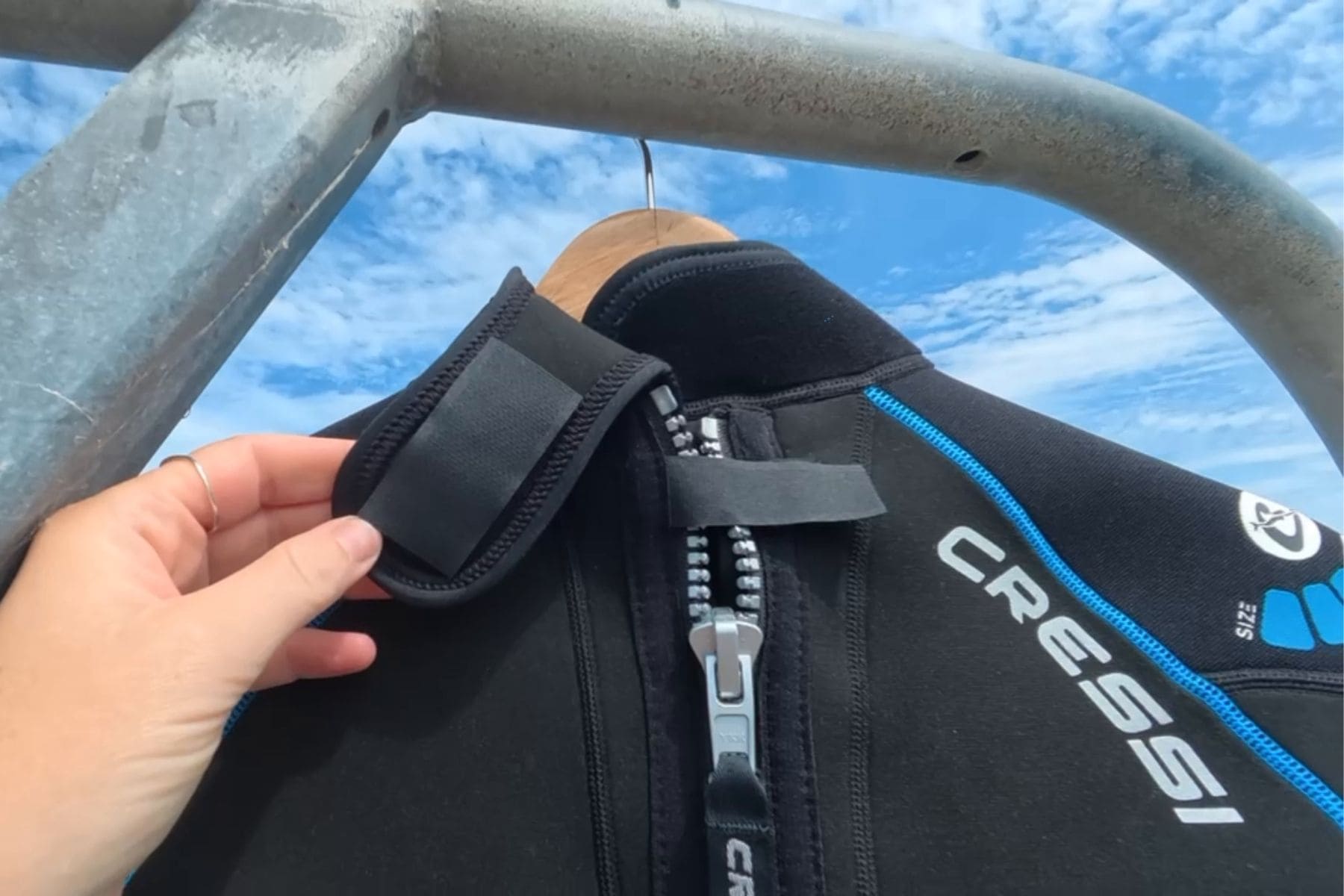
Flushing occurs when cold water washes in and out through the wetsuit’s openings and carries your body heat away. It is one of the most common complaints divers have about a wetsuit. No water flushed through this suit, at the neck or anywhere else, across a full season of dives.
Two features keep water out. The wrist and ankle cuffs sit close against bare skin, creating a good seal. They are comfortable against the skin; they let you pull the suit through easily; and they are clearly part of why the water stayed where it belonged.
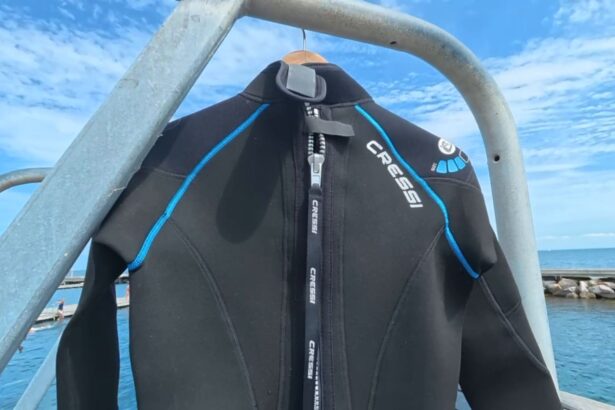
The neck closeswith the main zip and the velcro flap folds across the neckto seal shut. That velcro flap turns the collar into a good seal.
The YKK back zip has a water-stop dam behind it, but it is not a dry zipper and it does not seal the suit on its own. If you want a wetsuit that does not flush at all, you’re looking for a semi-dry, which uses heavier seals at every opening to nearly eliminate water exchange. Within its own class the Balam performs well.
Flexibility & Freedom of Movement
This is not the stretchiest suit I have worn, and at this price point you should not expect it to be. What it is instead is comfortable and unrestricted everywhere it counts.
I could get both hands behind my head to the tank valve, reach around my own back, and touch every part of the suit. Nothing pulled, nothing bound, and there was no spot I could not get to.
There are pads on the shoulders, the waist, and the knees that absorb the abrasion from a BCD or a backplate and wing. Frog kicks felt normal, with no resistance building up behind the knee where the knee pads sit. The suit is cut on a good anatomical pattern, and you feel that in how it moves rather than in any one feature.
Zipper & Donning/Doffing
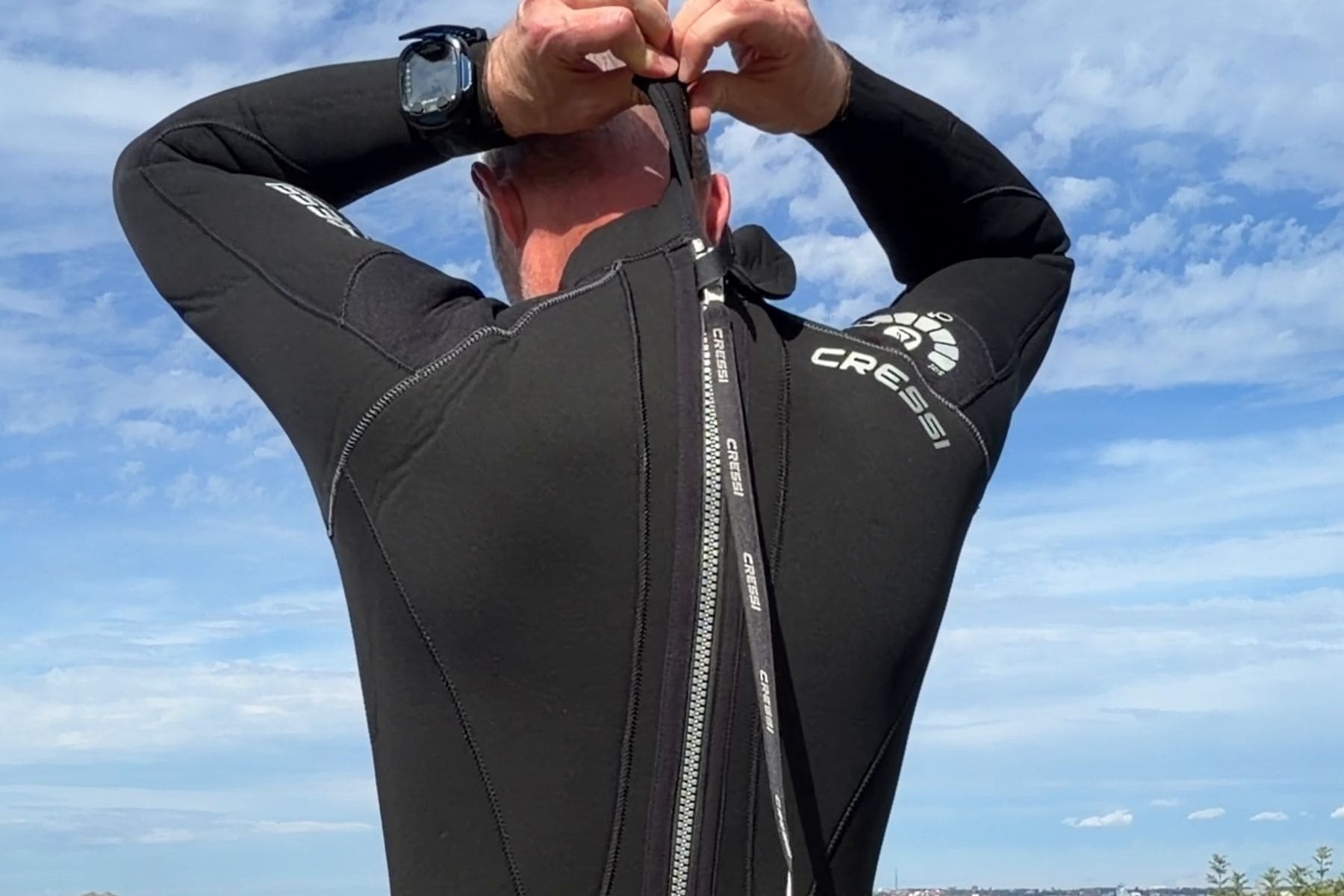
Getting in and out of the Balam on your own is easy enough that I never had to ask for help.
The zip runs from the neck to just above the waist, which is normal for this style. A long pull cord hangs off the slider, which makes solo entry work. Getting out is a case of dropping the zip, pulling the shoulders down, and stepping out.
Back-zip suits take longer to get into than chest-zip or front-zip alternatives, and the Balam is no different. But over a season of repeated changes between dives, including when the suit was wet, cold, and clinging, it never turned into a fight.
Neoprene & Seam Construction
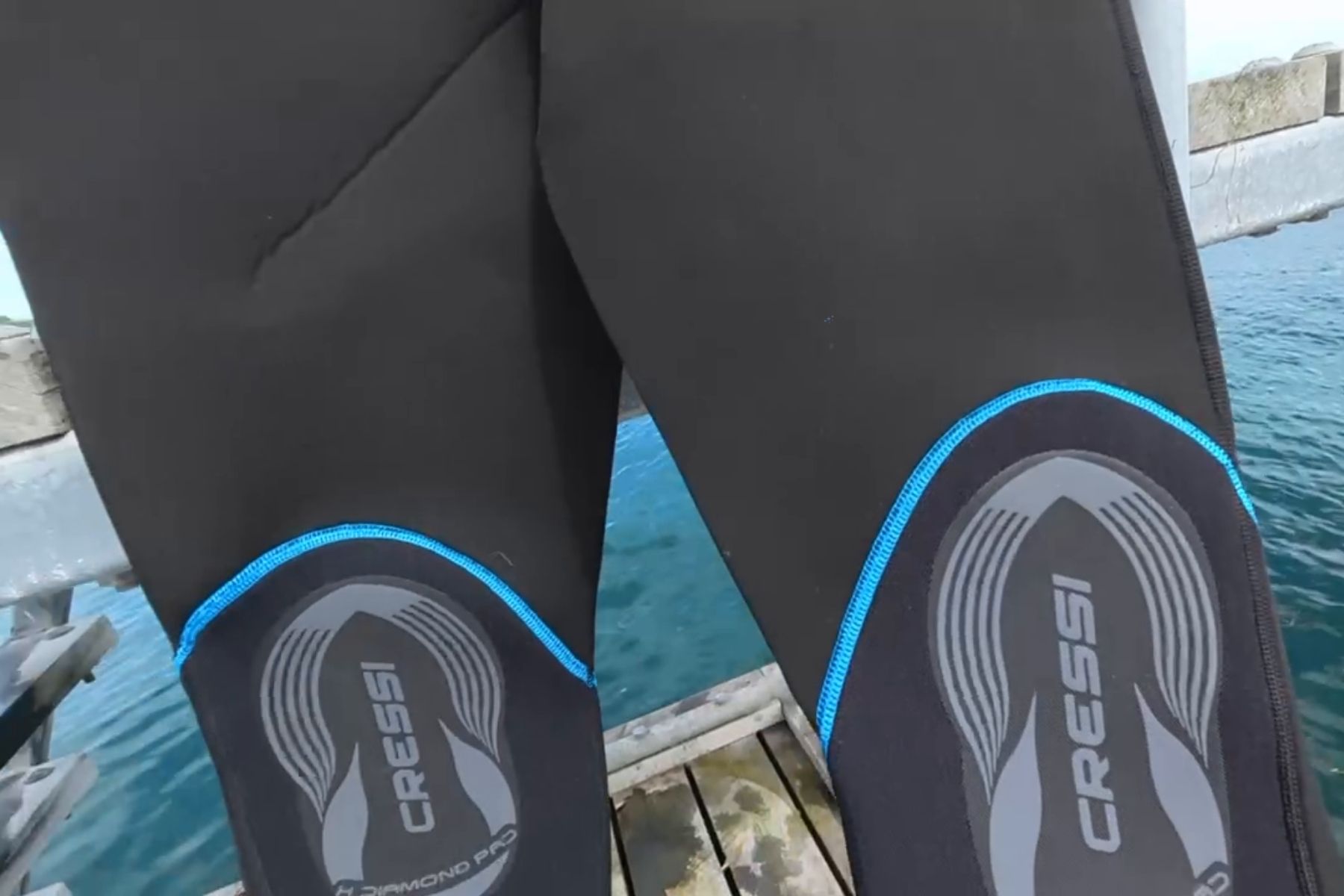
The Balam is built from double-lined neoprene, meaning nylon fabric bonded to both the inside and the outside of the rubber. Looking at the seams and the way the panels come together, this is a well-made suit.
I tested the durability by scratching and pulling at the pads on the shoulders, waist, and knees. I worked at the zip and the seams to find a weak point. Nothing tore, nothing separated, and no abrasion marks developed anywhere on the suit. Add a season of repeated donning and doffing on top of that and the suit showed no signs of wear.
Cressi says the reinforcement pads are their X-Diamond design and places them on the shoulders, waist, and calves, with separate anti-abrasion patches at the knees. The company does not publish the seam type or the neoprene grade for this suit.
Value for Money
The Balam sits in the mid-range for a scuba wetsuit, and what you get for that is a suit that gets the fundamentals right. You are paying for the seals: Glideskin at the wrists and ankles and a three-part neck closure are features you often have to pay more for. They are the reason this suit stayed warm on cold dives in a size that was just a bit too big.
The padding across the shoulders, waist, and knees offers more coverage than a lot of suits at this level, and it doesn’t cost you any movement. The forgiving cut is real value on its own, whether you are buying one suit for yourself or 20 for a rental fleet.
What you give up is stretch and range. The neoprene is not as soft as what more expensive suits use, meaning that the suit moves well without ever feeling luxurious. The size range runs slim and stops earlier than most, which puts it out of reach for some divers. The men’s runs S to 3XL; the women’s 5mm runs XS to XL.
Cressi Balam compared to others
The Balam competes in the busiest part of the wetsuit market: full-length suits for temperate and warm water, bought by divers who want one suit that covers their local summer season and their annual trip. What separates suits in this price range is rarely thickness, since almost all of them come in 5mm and thinner. It comes down to how well the openings seal, how much the neoprene stretches, and how forgiving the sizing is.
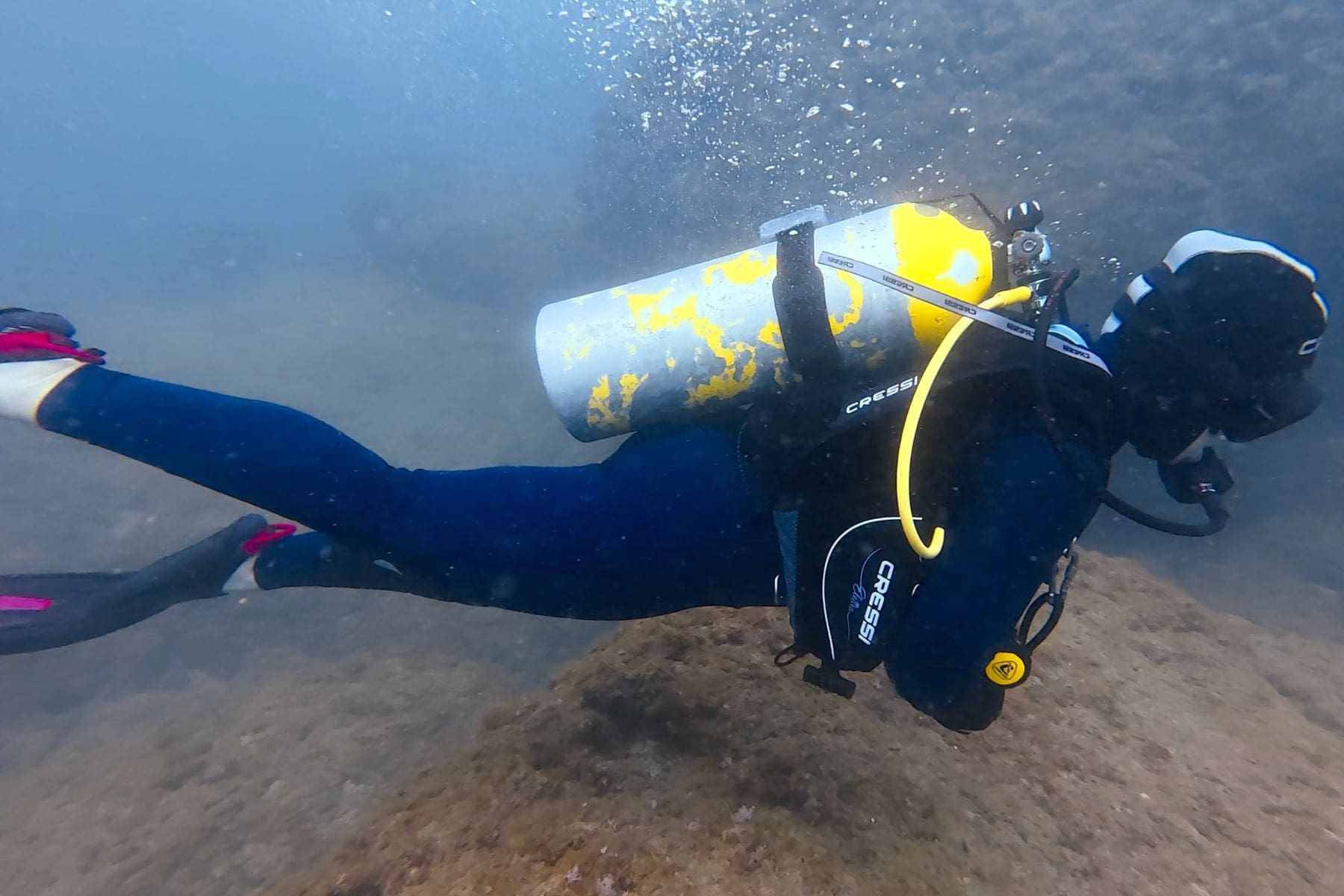
Cressi Comfort 5 mm vs. Cressi Balam
The Cressi Comfort 5mm trades toughness for softness. Its Ultra-Span outer fabric and fleece-like X-Plush inner lining make it stretchier to move in and easier to pull on than the Balam’s plainer double-lined nylon.
The plush lining adds warmth the Balam gets from its seals instead. It shares the same slim cut and short size range, so it closes the flexibility gap without closing the sizing one. The hood clip is for a hood sold separately.

Cressi Bahia Flex vs. Cressi Balam
The Cressi Bahia Flex puts the zip on the front, so you can easily drop the suit to your waist. to cool off between dives. You pay for that in warmth. The Bahia Flex only comes in 3/2mm. A front zip also does not close the neck as tightly as the Balam’s back zip and velcro flap, so it suits warmer water where the Balam covers a full temperate summer season.
Specs & Features
| Thickness | 5mm (also sold in 2.5mm) |
|---|---|
| Colors available | Black |
| Entry type | Back zip |
| Seam type | N/A |
| Seam sealed | N/A |
| Lining type | Standard double-lined nylon |
| Reinforced knees | Yes |
| Hooded version available | No |
| Fit style | Men and Women |
FAQs
The Cressi Balam is a warm-water and temperate-water suit, not a cold-water one. The 5mm version kept us warm throughout dives that started around 64 to 66 F (18 to 19 C) and dropped to about 54 F (12 C) below the thermocline, without a hood or gloves. For cold diving you want a semi-dry or a drysuit.
The Cressi Balam runs slim. Cressi uses European sizing, which is narrower through the chest and shoulders than many divers are used to. Our tester needed one size above his usual. Check your measurements against Cressi’s size chart before ordering. The larger sizes also run wide, so the step up between sizes at the top of the range is bigger than the label suggests.
Yes. The Cressi Balam comes in a women’s cut in both 5mm and 2.5mm. The features are identical to the men’s versions, and only the cut and the size chart differ. The women’s 5mm runs from XS to XL.
The Cressi Balam comes in 5mm and 2.5mm, each with a men’s and a women’s cut. The 5mm suits summer diving in temperate water. The 2.5mm works as a full-length alternative to a shorty for divers who want their arms and legs covered in warm water.
No water flushed through the Cressi Balam on our dives, at the neck or at the cuffs. The suit has snug wrist and ankle cuffs and a collar that seals above the back zip with a velcro zip garage and a velcro neck flap. The back zip has a water-stop dam behind it, but it is not a dry zipper. A suit in the wrong size will still let water through.
Yes. The Cressi Balam has a long pull cord on the back zip, and our tester zipped, unzipped, and stepped out of the suit alone every time. Back-zip suits are never the fastest to get into, and the Balam has no wrist or ankle zips to speed that up, but it does not need a second pair of hands.
The Cressi Balam is a strong candidate for a rental fleet. The neoprene stretches enough to seal properly on a body that is not a perfect match for the size, which is the daily reality of rental gear. Our tester dived it a full size above his usual fit with no flushing at all.
The 5mm Cressi Balam still held about 900 grams of water after a wash and a full day on a hanger, which is normal for a suit of that thickness. Actual drying time depends heavily on the climate you are in, and a humid dive destination will take considerably longer than a dry room at home.
 Take a moment to look at this.