
 EMPEROR Liveaboard
Emperor Divers Red Sea: Wrecks and Reef Routes
Three decades of pioneering Red Sea trips, from the legendary Thistlegorm wreck to the Brothers, Daedalus, and Elphinstone reefs. An eight-boat fleet with all-suite cabins and crews who have run these routes a thousand times. The Red Sea by the people who know it best.
 See here
Win Free Scuba Gear
We test new gear weekly and give most of it away to newsletter subscribers.
🤿 Join our newsletter to learn how you can get your hands on some free scuba gear!
New giveaways every month!

Dive Resorts in Egypt
Planning a dive trip to Egypt?
Compare PADI-certified dive resorts side by side: courses, dive sites, and honest guest reviews.
Book your spot before peak season fills up.

Liveaboard diving in Egypt
Wake up already anchored over the dive site.
Compare Egypt liveaboard routes, cabins, and departure dates, then pick the boat that reaches reefs day boats never will.
Cabins book out months ahead. Claim yours.


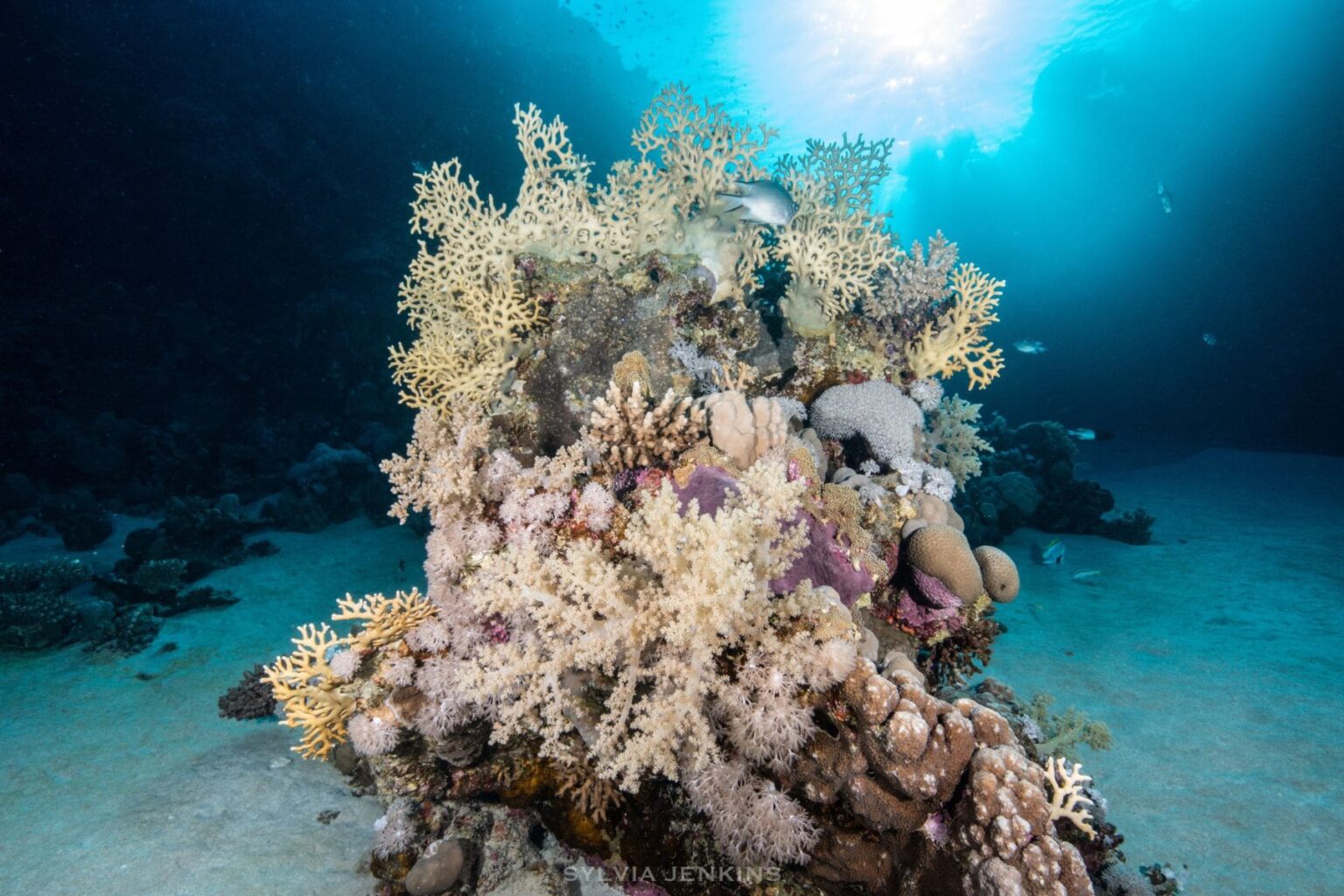
When we talk about scuba diving in Egypt, we’re really talking about the Red Sea. This unique body of water is nestled between Egypt and Saudi Arabia and sits atop two tectonic plates. Because it’s closed off from the Indian Ocean, no major rivers flow in, and warmth is generated from the volcanic activity below, the salinity is higher. This makes it an ideal habitat for a diverse range of coral and marine life.
What makes scuba diving in Egypt so good?
In a word—okay, three words— location, location, location!
For European divers, the convenience of a short plane ride to Egypt’s warm climate and waters is just too easy. Since most Red Sea sites are relatively close to shore, Egypt has a well-established dive industry, including dive resorts, liveaboards, and day trips.
In terms of general appeal, the Red Sea is the hub of a popular shipping route, and many ships have run aground, especially toward the narrow openings of the Gulf of Suez and the Gulf of Aqaba.
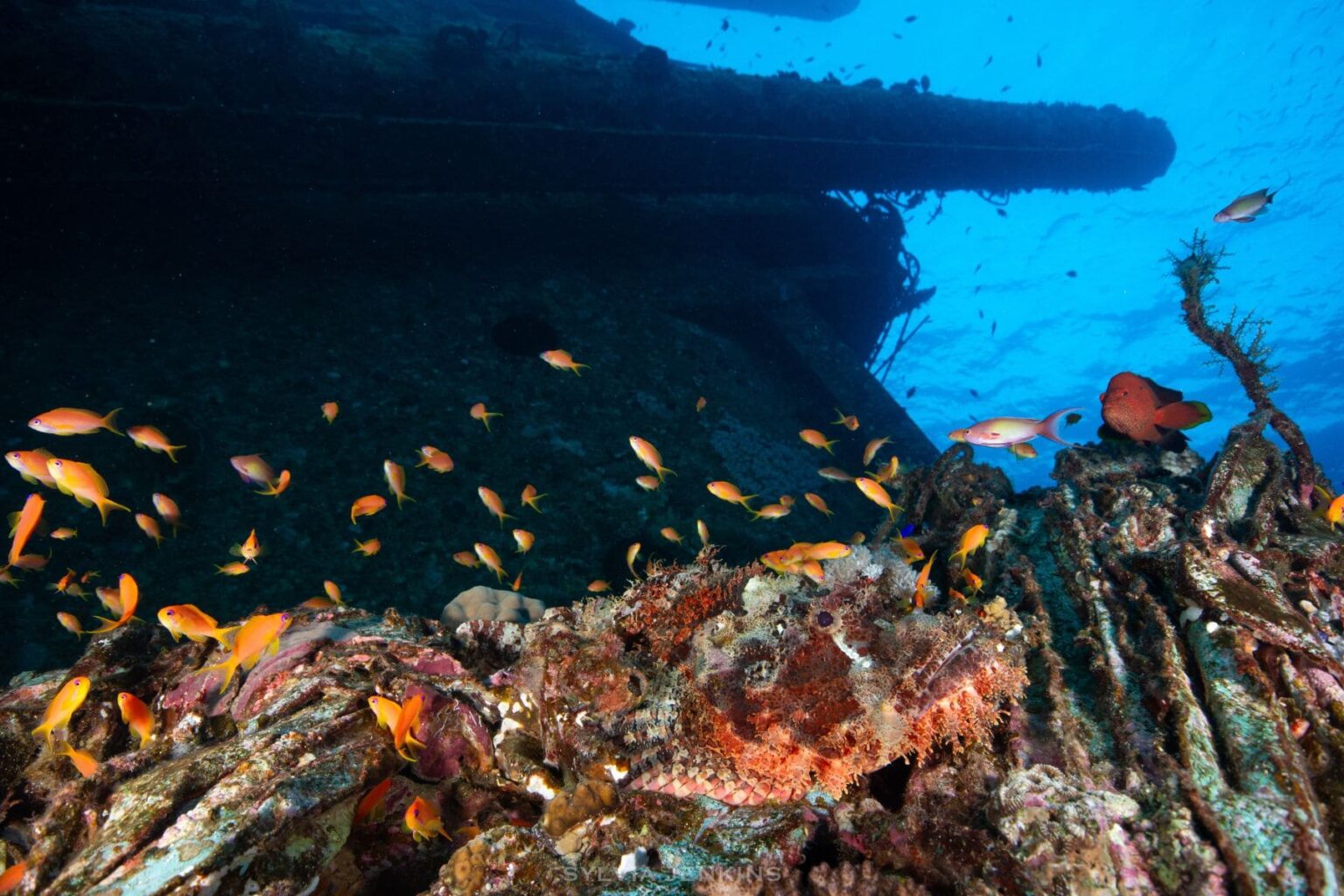
So, if you’re looking for something a little different than just another lionfish, Egypt’s waters, much like the land, are steeped in history and ripe for exploration. A lot of the wrecks, including the famous SS Thistlegorm are quite accessible as well, within 100 feet (30 m) of the surface and penetrable by qualified divers.
For photographers who love a splash of color or big pelagics, the Red Sea’s mild to strong currents support dense coral, fish, and shark populations. The general rule of thumb is that the deeper south you dive in the Red Sea, the stronger the currents become. This is where divers may spot big pelagics, including whale sharks and mantas.
Divers may also encounter oceanic whitetip sharks and mesmerizing thresher sharks, which can only be seen in a few other sites worldwide.
Liveaboards generally categorize their itineraries geographically as “North Red Sea,” “South Red Sea,” and “Deep South,” as we’ve done here. Following are some of our picks for the very best scuba diving in Egypt.
North Red Sea
Abu Nuhas
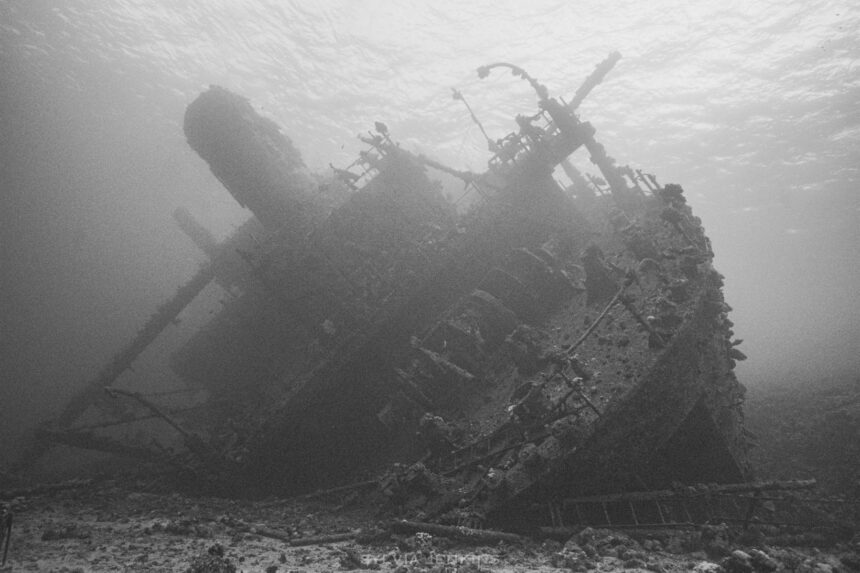
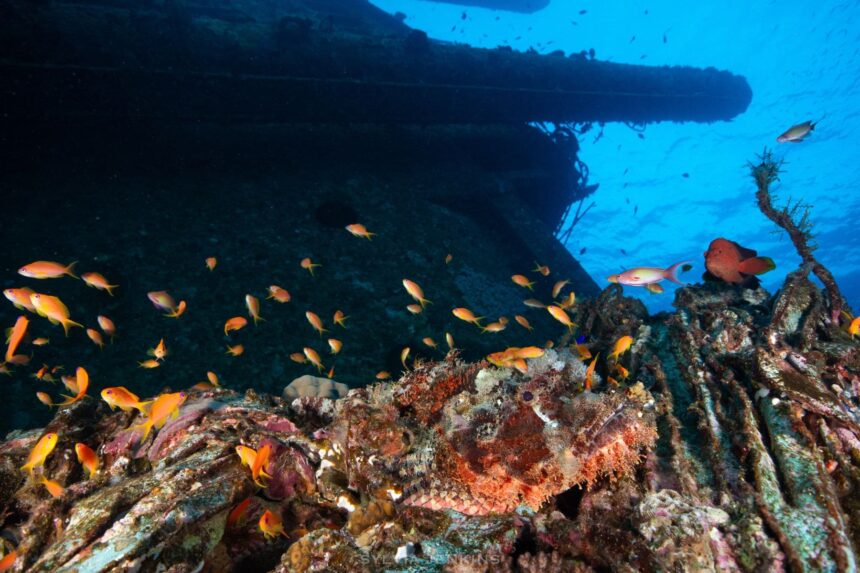
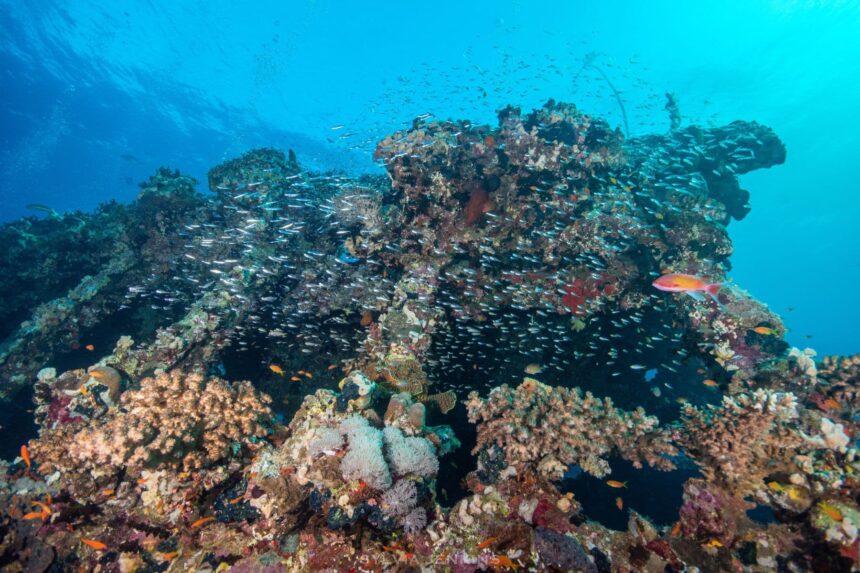


Sha’ab Abu Nuhas is a large triangular reef in the Red Sea, famed for being the “ship graveyard.” This is due to its proximity to the shipping routes on their way to the Suez Canal. There are four main ships wrecked on this reef, the earliest dating to 1869, and most recently in 1981. The wrecks mostly lie in depths of 65 to 100 feet (20-30 m), making them accessible to most divers. Some of the best include:
→ The Carnatic: This grand British vessel belongs to the first generation of steamers with mixed propulsion, i.e. sail and steam. It was built in 1862 and sank in 1869. This metal ship is covered with lots of colorful soft coral. It’s 295 feet (90 m) long and sits at 88 feet (27 m) at the deepest, making it accessible to a wide variety of divers.
→ Giannis D: This Greek cargo ship sank in 1983. Giannis D’s center section has collapsed, but the stern and hull are in good condition, offering penetration to see the near-perfect machinery, engines, pipes, and instruments inside. It is 330 feet (100 m) long, sitting deepest at 88 feet (27 m).
→ Kimon M: This German cargo ship, built in 1952, is nicknamed the “wreck of the lentils.” In 1978, loaded with 4,500 tons of lentils, the ship departed Turkey and was on its way to India. On the way, it crashed into the reef at full speed and, for many years, its bow breached the surface. The ship’s exterior is in good condition and features such as the propeller, rudders, engine room, and even the captain’s bathtub are intact. It is 349 feet (106 m) long, sitting deepest at 106 feet (32 m).
→ Chrisoula K: Also known as the “wreck of tiles,” Chrisoula K is also a German cargo ship, built in 1954. With 3,700 tons of Italian tiles on board, it was on its way to Saudi Arabia in 1981, but sadly it ran aground on Abu Nuhas reef in 1981. There is much marine life here, including anemonefish, glassfish, and even garden eels in the surrounding sands. It is 321 feet (98 m) long and sits between 13 to 88 feet (4 to 27 m) deep.
Type: Wreck
Skill level: Beginner to intermediate
Access: Boat
SS Thistlegorm
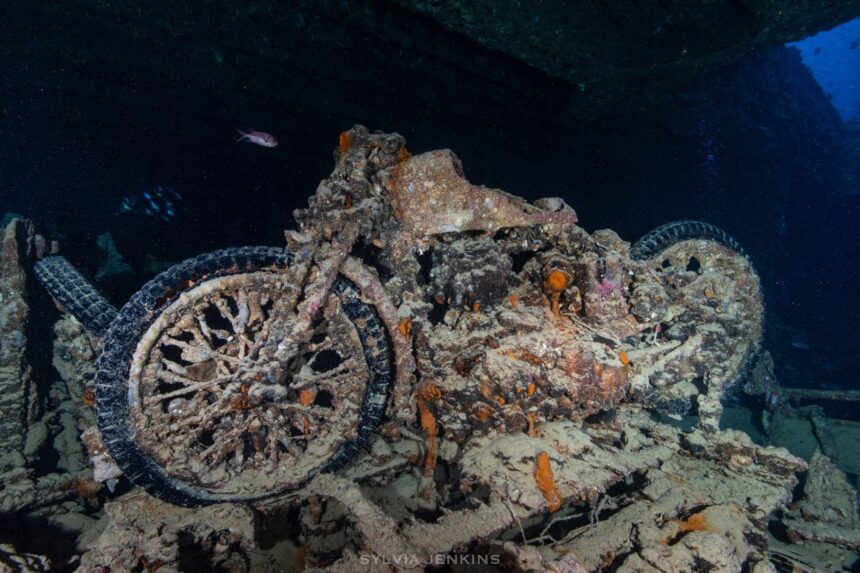
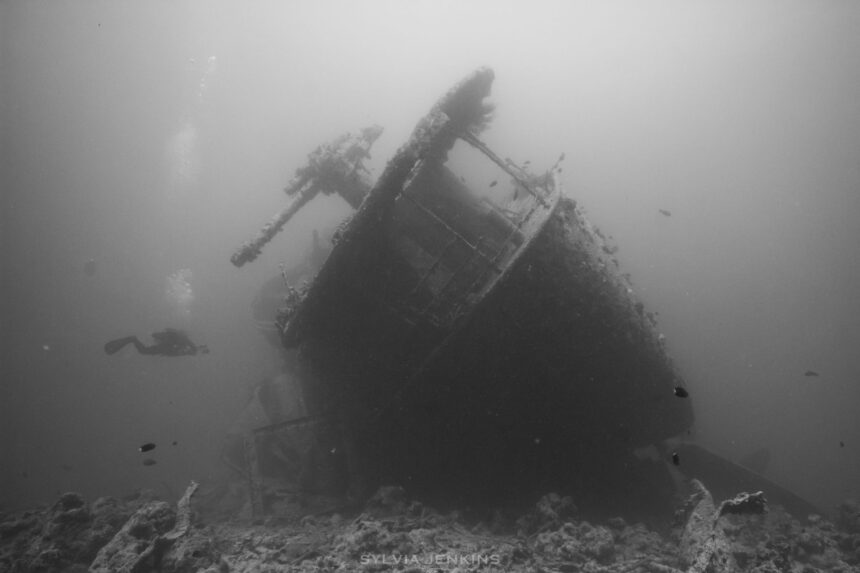


If you’re an avid scuba diver, chances are you’ve seen SS Thistlegorm’s iconic cargo on the cover of a magazine. This British merchant navy ship, which German forces sank in 1941, is probably the most famous wreck in the world, and deservedly so.
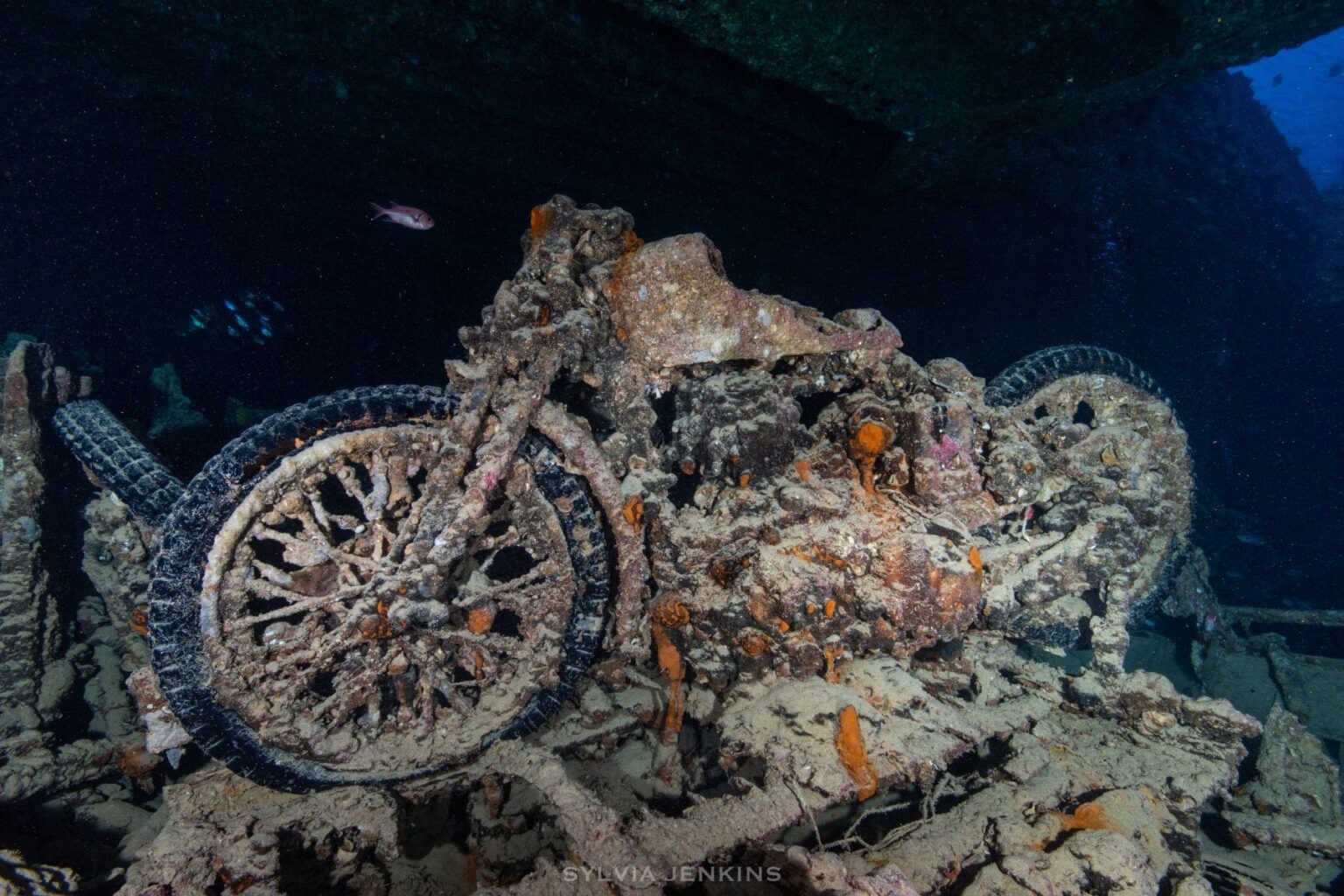
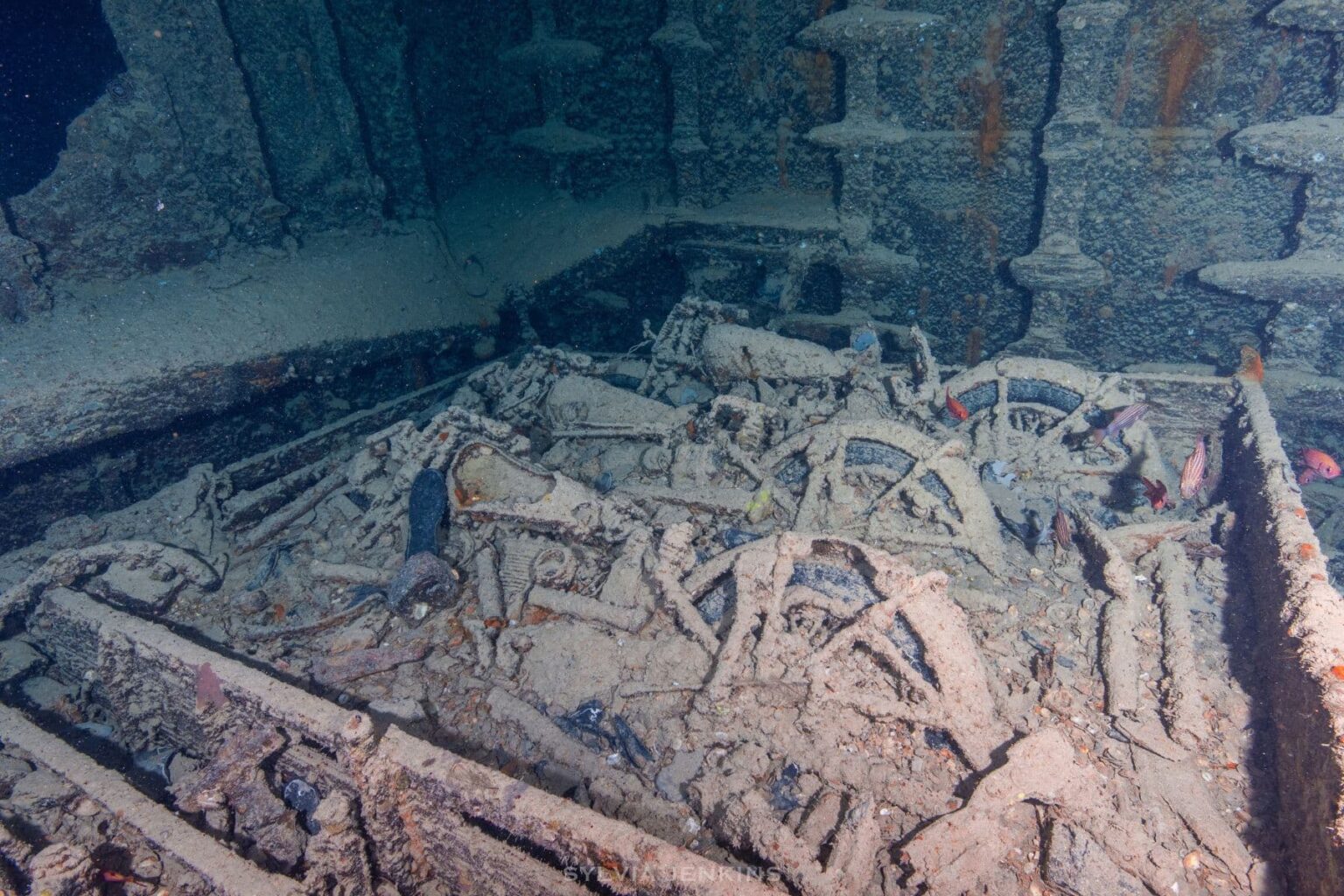
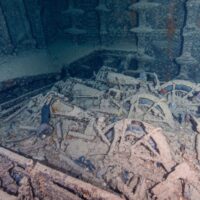
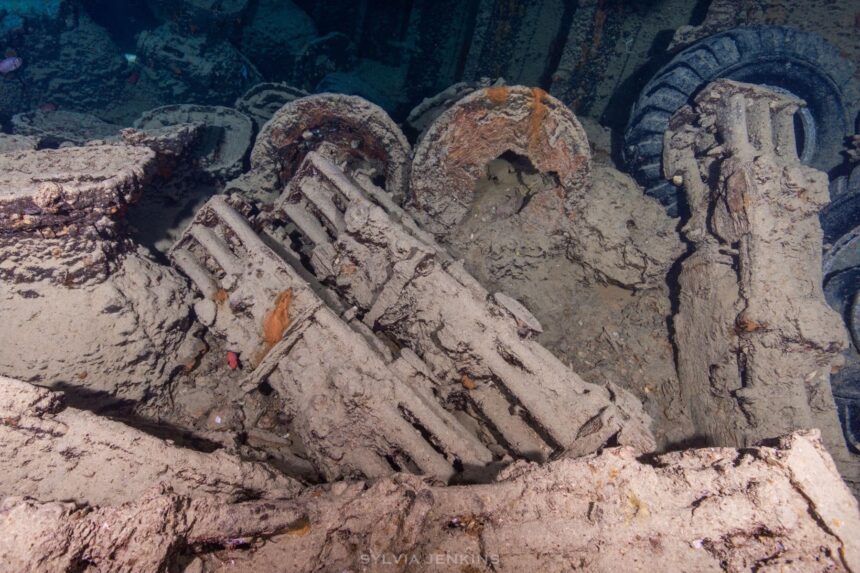
Its claim to fame is thanks to its cargo of WWII war supplies—Bren Carrier tanks, BSA and Norton motorcycles, trucks, two locomotives, and hundreds of rifles and ammunition. The main point of impact was on hold No. 4, where divers can still see how the ceiling was peeled back. Inside, there’s still ammunition, rifles, and a few tanks. The remainder of the ship and its holds are generally intact, and this is the real treasure of Thistlegorm.
Spiraling through the different levels of the first and second hold, divers can see trucks, airplane wings, and motorcycles all stacked on top of each other. Countless boots and soldierfish fill in the gaps. Since the Thistlegorm sits upright with many openings, penetrating and navigating inside are relatively easy, but we recommend a guide to show you all the points of interest.
Type: Wreck
Skill level: Intermediate
Access: Boat
Ras Mohammed Reef
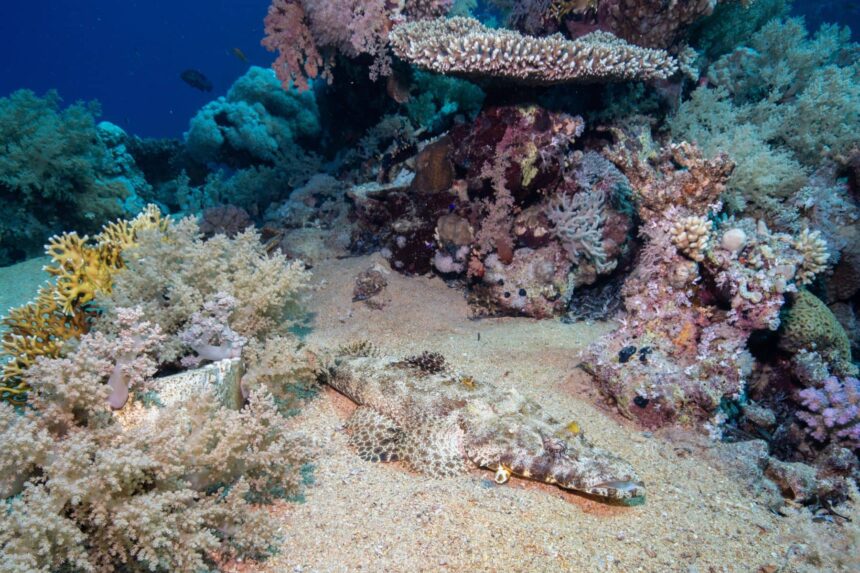
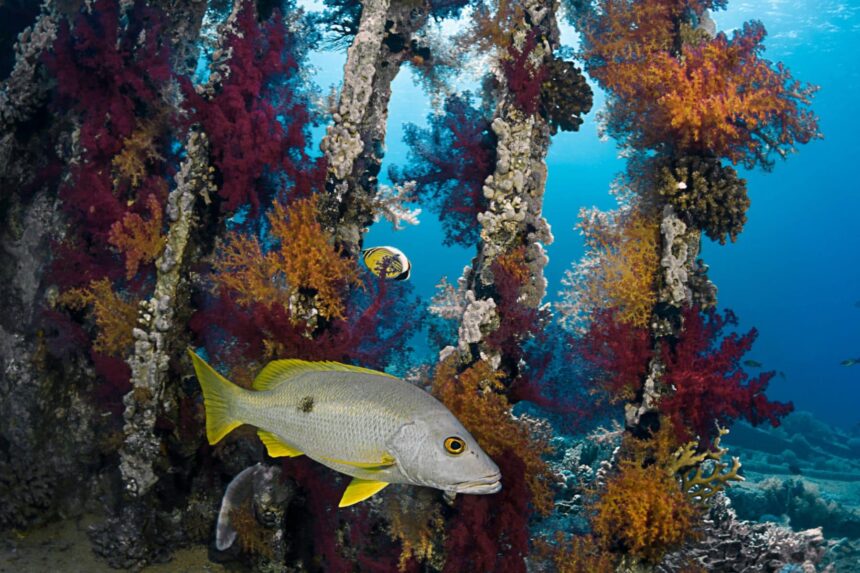
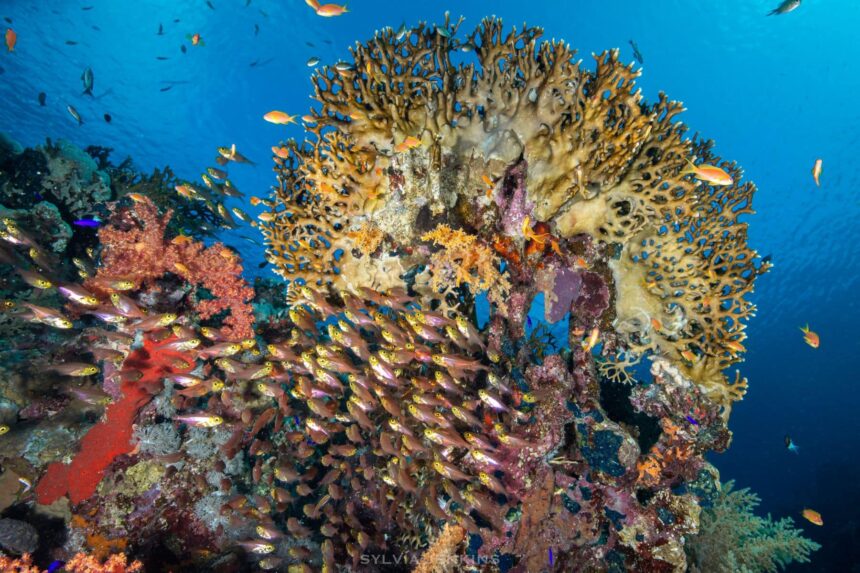


Just 12 miles (20 km) southwest of Sharm El-Sheikh is Ras Mohammed National Park, its 185 square miles (480 square km) covering both land and sea. The largest national park in Egypt by a long shot, Ras Mohammed’s unique geography and geology make it a hub for marine life, big and small.
→ Shark & Yolanda Reef: This is the best spot and divers can expect to see a whole menagerie of coral and fish life along the wall. This drift dive is known for strong current, normally starting at Shark Reef and traveling south to Yolanda Reef and its wreck. Though most of the Yolanda wreck is far past recreational limits at 295 feet (90 m), check out the debris field at around 52 feet (16 m), which features quite a few toilets and bathtubs, all lined up for an entertaining photo.
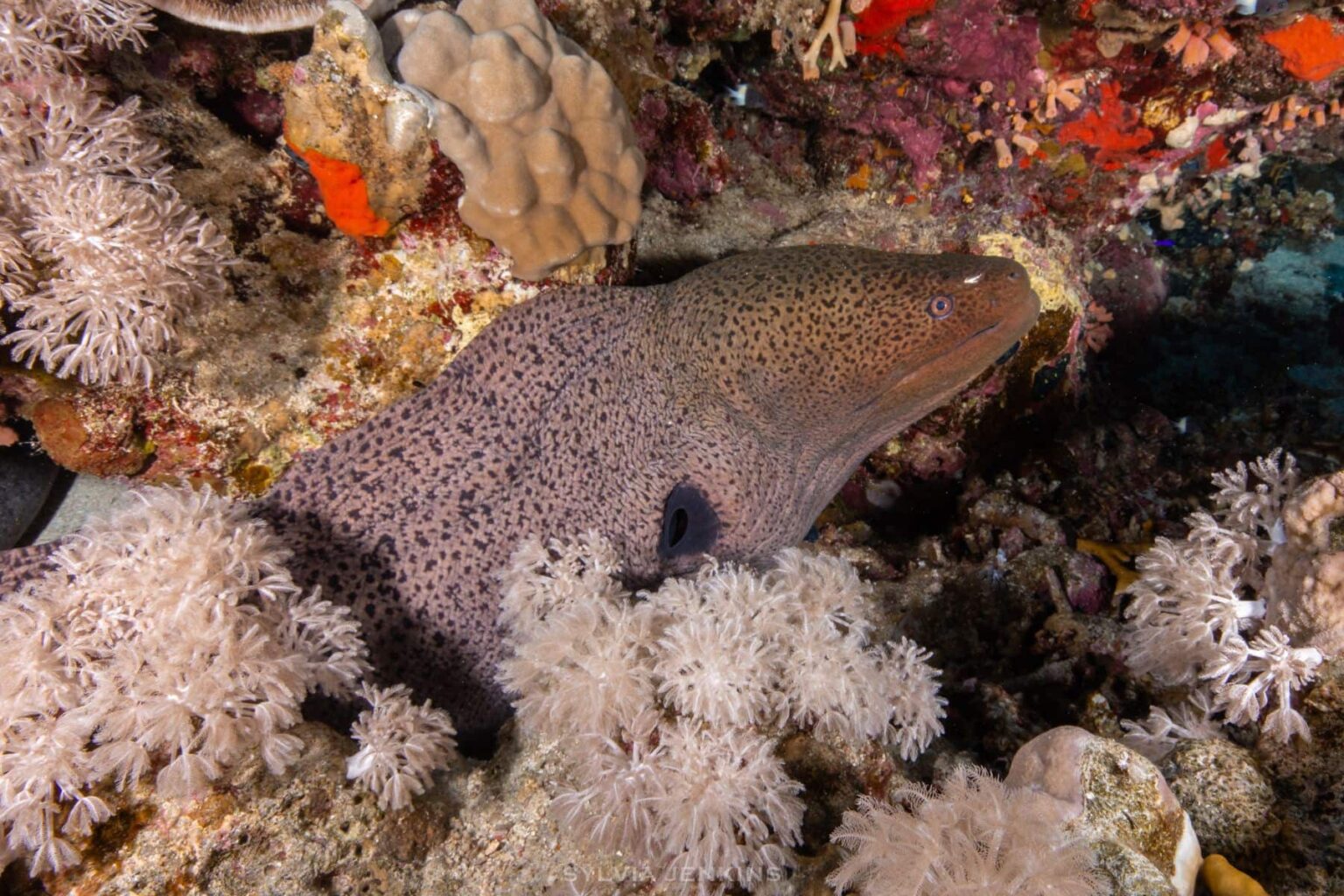
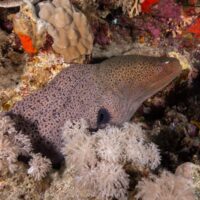
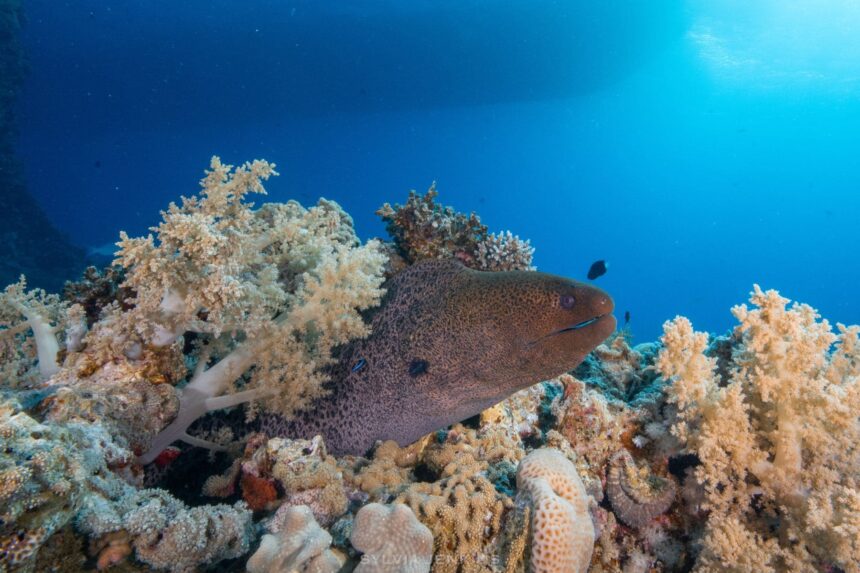
→ Jackfish Alley: This easy dive site starts with a small cave at 20 feet (6 m), which exits onto a sandy bay with small patches of pinnacles. Its proximity to a dramatic drop-off means pelagics like whitetip reef sharks and schools of jackfish often lurk off in the blue. Giant moray eels, spotted stingrays, crocodilefish, and angelfish flit among the plentiful hard coral.
Type: Wall, coral, & wreck
Skill level: Beginner to intermediate
Access: Boat
Blue Hole, Dahab
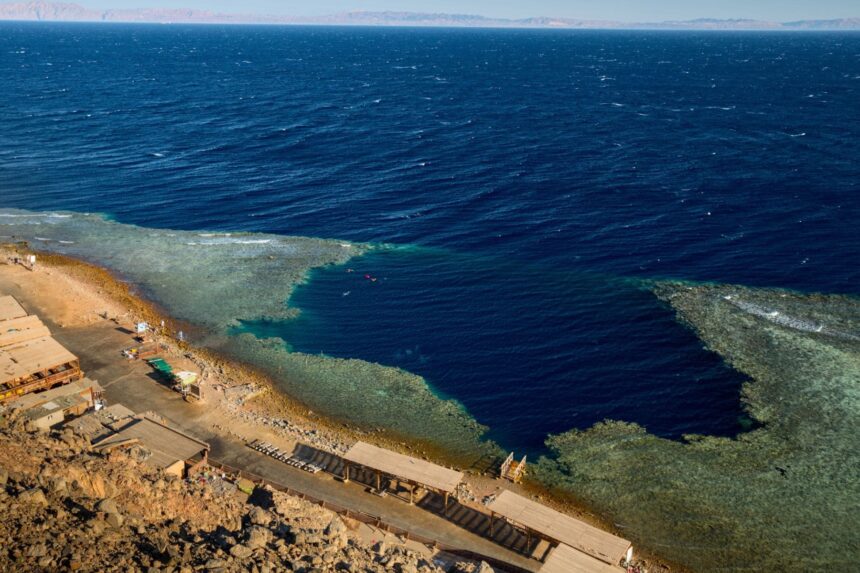
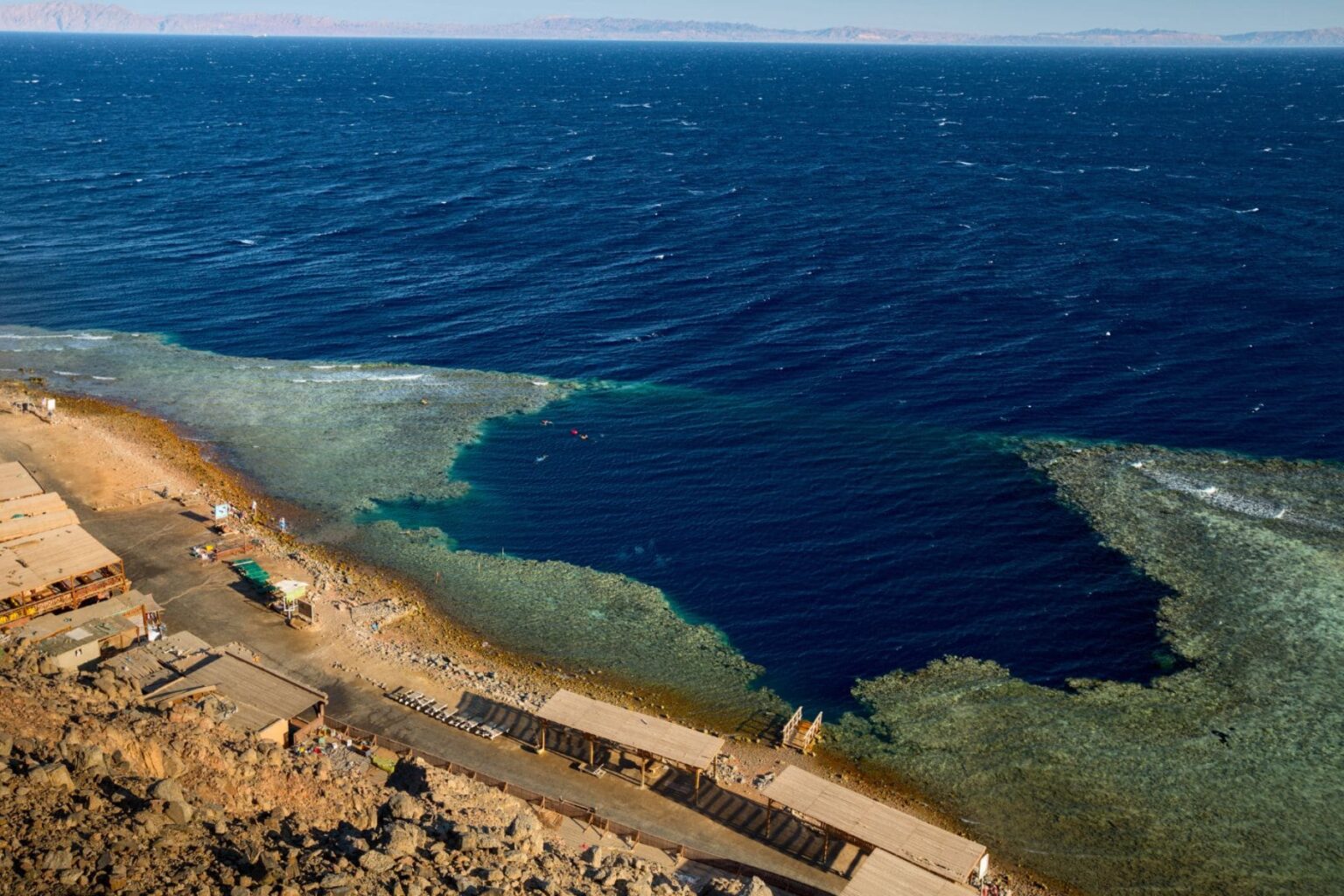
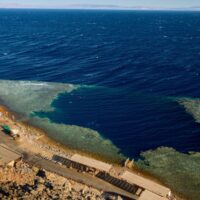
Just offshore from Dahab is the famous Blue Hole, a sinkhole that’s 160 feet (48m) wide and drops to 400 ft (122m). Since this vertical depth is so close to shore, thereby attracting visitors who don’t have the requisite experience to dive here, the site has unfortunately earned the nickname “the diver’s graveyard.” Memorial plaques nearby serve as an eerie reminder of those who’ve lost their lives.
Most of the casualties here have been technical divers and freedivers attempting to pass through The Arch, down at 184 feet (56 m). For recreational divers, however, this dive site has no current, good visibility, and is generally an easy dive, so there’s no need to be put off by its fearsome reputation.
Type: Blue hole, cavern
Skill level: Beginner to advanced
Access: Shore
The Canyon, Dahab
Also in Dahab, this underwater cavern is a unique experience for recreational and technical divers, and should not be missed. A popular route is to journey through the shoreside lagoon, pass over the shallow coral gardens, and enter the main chamber at 72 feet (22 m).
There is not much fish life inside, but the unique geography of this system creates spectacular views. The dome is filled with beautiful sun rays trickling through the split, which reflect off the resident glassfish.
The main chamber starts at 72 feet (22 m) and rises up to 40 feet (12 m), with an exit point for recreational divers. Technical divers can continue downward to a tighter exit at around 150 feet (45 m).
Type: Cavern
Skill level: Intermediate
Access: Shore
Straits of Tiran
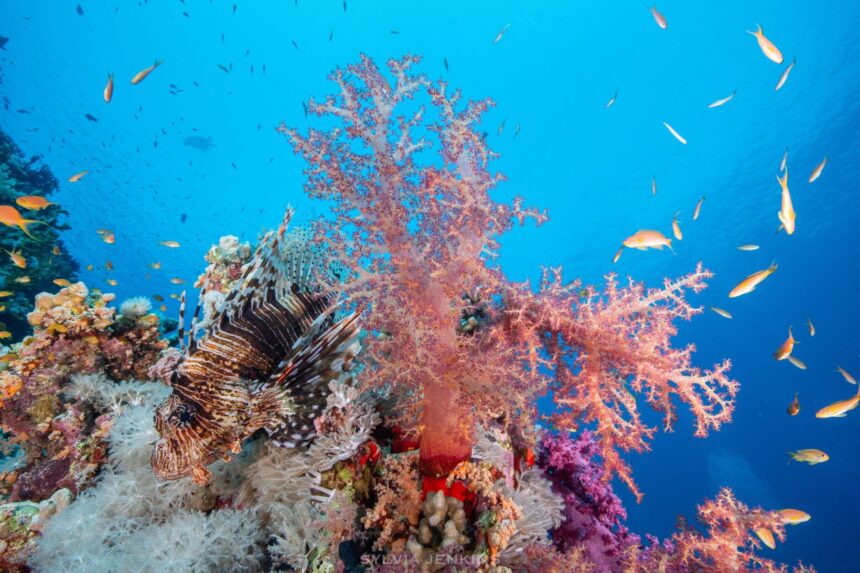
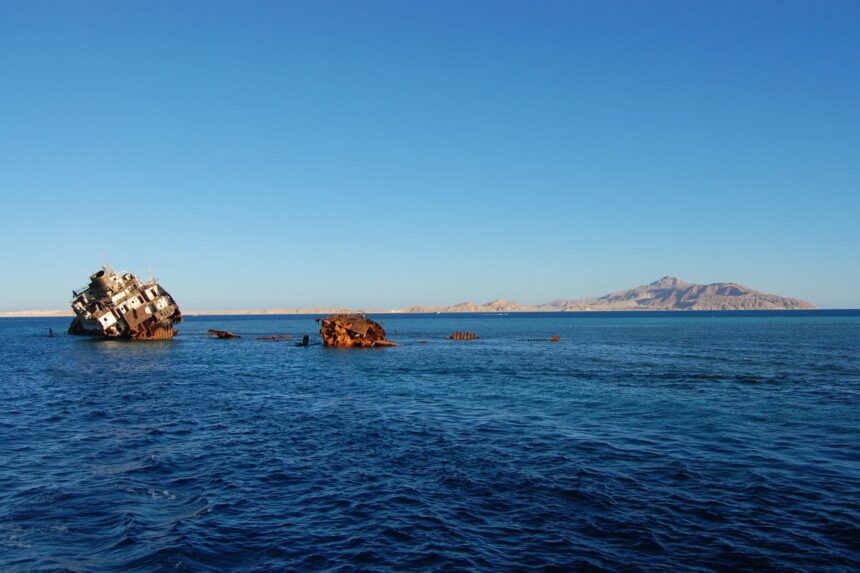


The Straits of Tiran sit at the entrance of the Gulf of Aqaba, bordered to the east by Tiran Island of Saudi Arabia. Within the strait, four coral reefs extend parallel to each other, named after the 19th-century English cartographers who crafted the first nautical chart of the area: Jackson Reef, Woodhouse Reef, Thomas Reef, and Gordon Reef.
Due to their distinctive geographical surroundings and mid-passage position, these reefs benefit from a constant flow of nutrient-rich waters. This supports the thriving coral formations and, in turn, diverse fish communities. Large pelagic predators like barracuda, jackfish, tuna, and sharks are common on the reefs. A few wrecks are scattered within the Strait of Tiran, the most memorable being Loullia.
Type: Wall, coral, and wreck
Skill level: Intermediate
Access: Boat
South Red Sea
Dolphin House
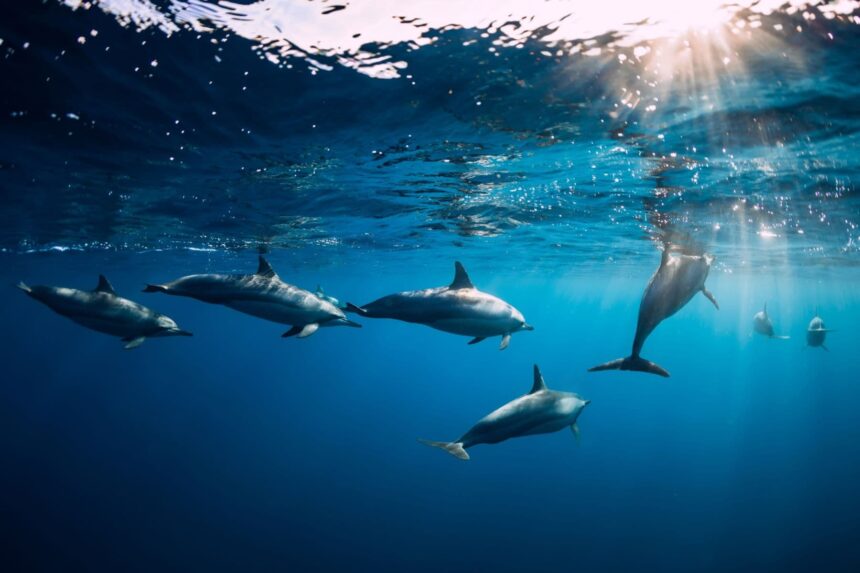
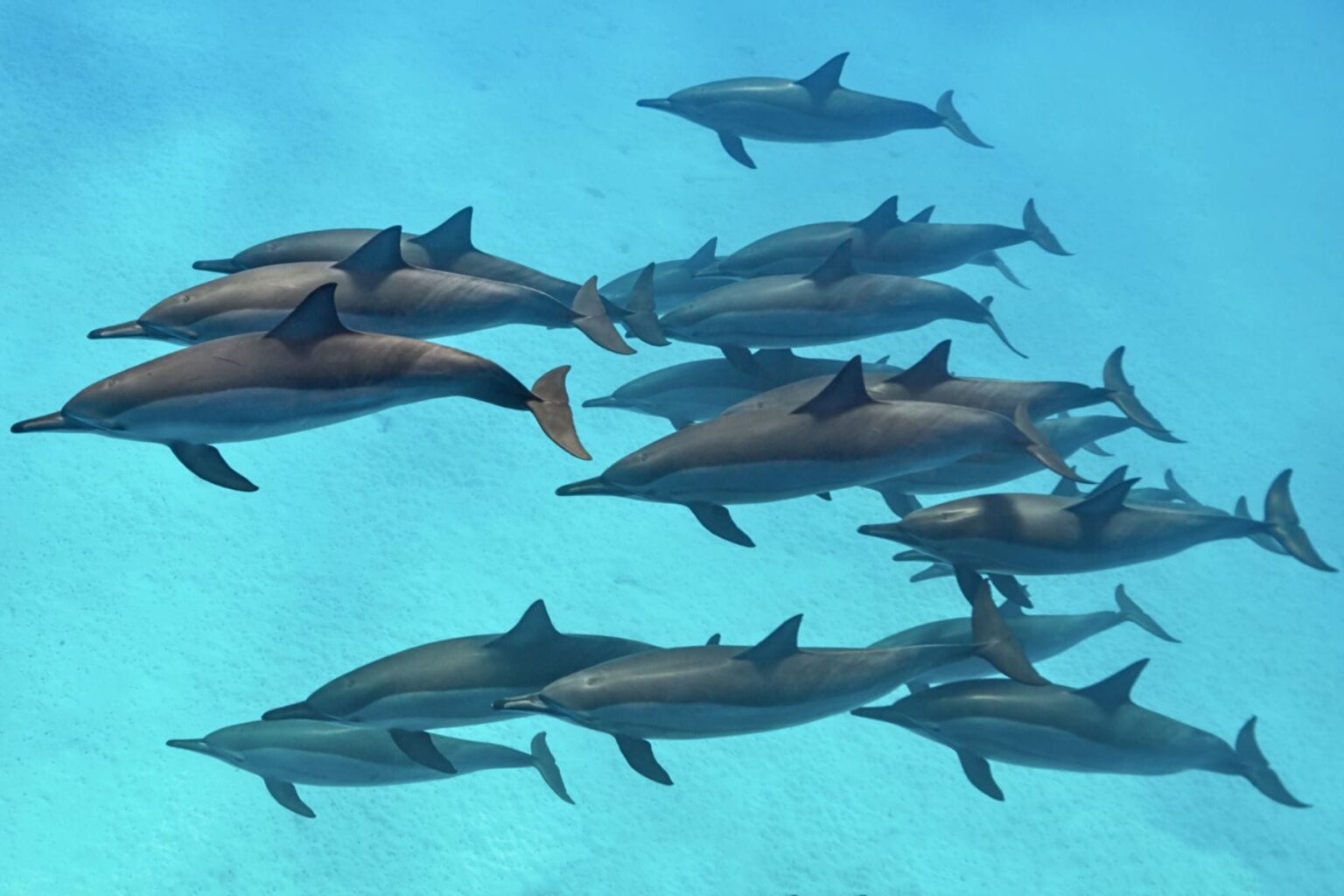
Locally known as Sha’ab Samadai, this Marsa Alam reef offers divers a rare opportunity to dive with wild spinner dolphins who call the reef home. The dive itself is quite simple: participants kneel in the sand and calmly wait for the dolphins to appear.
Divers should know that the dolphins are not always around, but a variety of other exciting marine life here never fails to disappoint. This dive site is offshore and is accessible as a day dive, snorkel trip, or as part of a liveaboard route.
Type: Dolphin encounter, snorkel, and day trip
Skill level: Beginner
Access: Boat
Brothers Islands
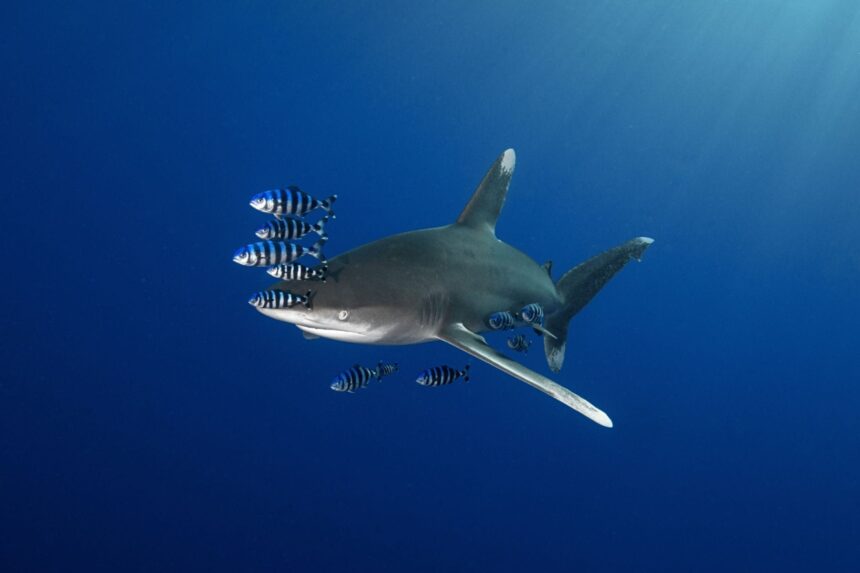
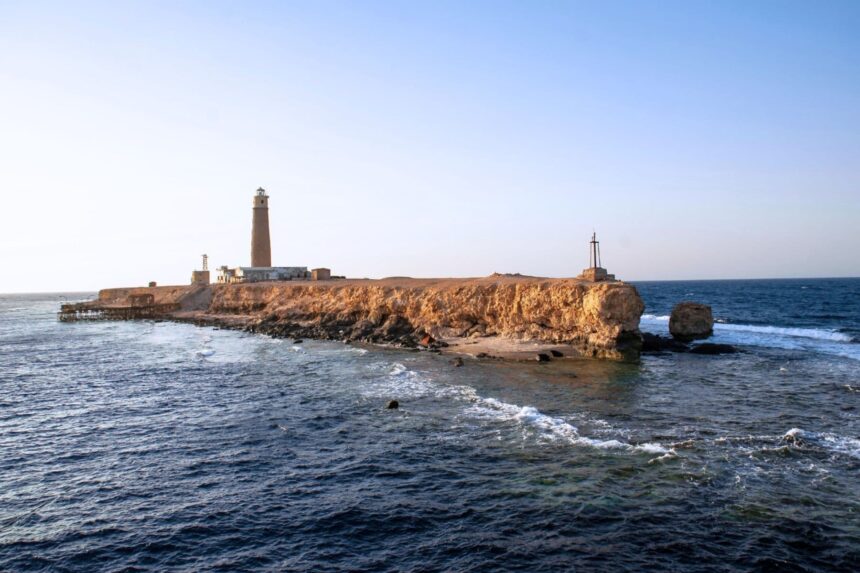


One of the legendary dive sites in the Red Sea consists of two tiny islands known as the Brothers Islands—Big Brother and Little Brother. Located around 60 miles (97 km) from the Egyptian coast, the only way to get here is via liveaboard. The Brothers are pinnacle islands, so they plummet hundreds of feet under the surface without any sandy beaches or shallow reefs around.
→ Big Brother: There’s a southern plateau at 16 feet (5 m) and from there, the island slopes down to 260 feet (80 m). This steep wall diving means divers must have good buoyancy. Currents can be quite strong here too, especially on the island’s western side.
The chances of spotting rare pelagics, such as thresher, hammerhead, and oceanic whitetip sharks, are high. Big Brother also sports two wrecks, the Numidia, resting at 50 to 260 feet (15 to 80 m) and the Aida, resting at 100 to over 200 feet + (30 to 60 m). Due to their orientation of lying in a vertical position against the wall’s slope, exploration is reserved for the most advanced tech divers.
→ Little Brother is a small, teardrop-shaped island. Dives here will be drifts along the eastern or western wall, and they may start at the south and head north or vice versa, depending on the current.
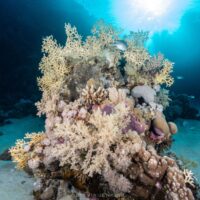
The sheer, sloping walls here are absolutely covered in pristine corals, including enormous fans, black coral, and beautifully bushy cauliflower coral. Although shark life is more common at Big Brother, divers can still expect to see schools of tuna, barracudas, and plenty of reef fish.
Type: Drift, wall
Skill level: Intermediate to Advanced
Access: Boat
Daedalus Reef
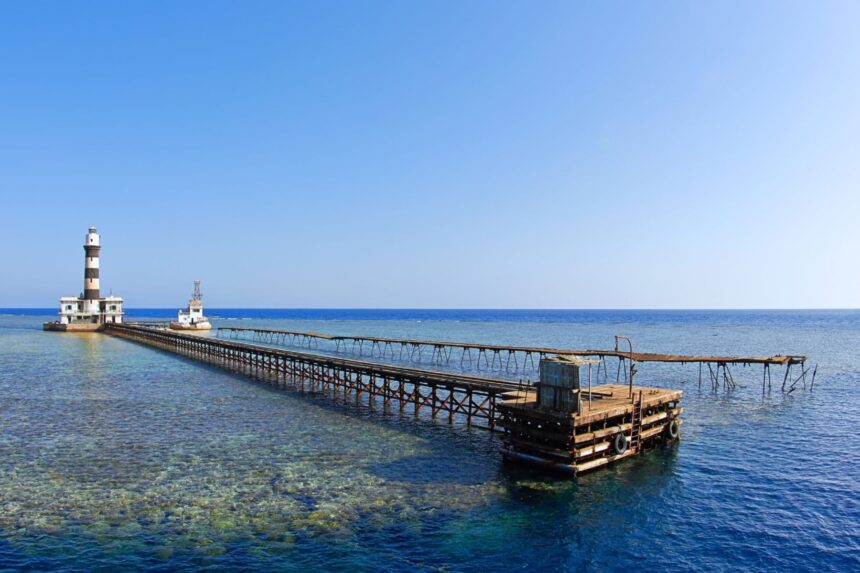
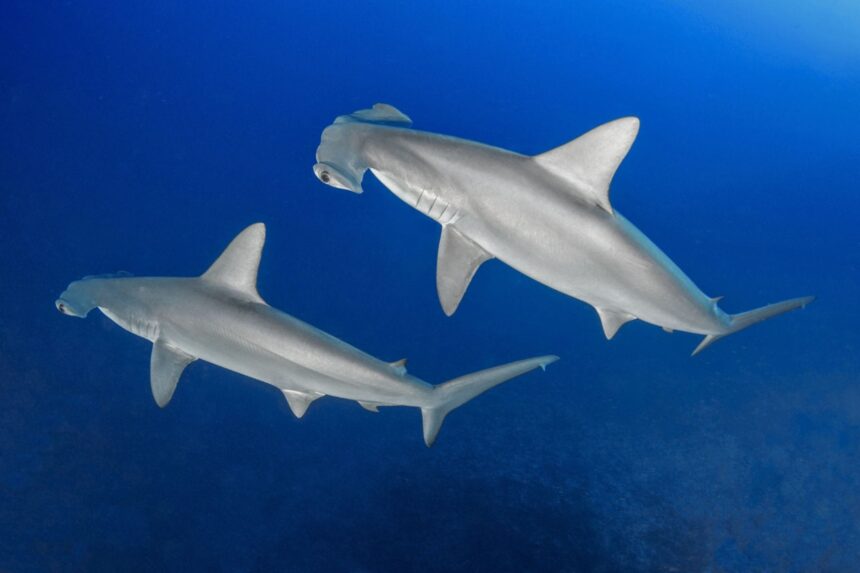


Some 50 miles (80 km) offshore from Marsa Alam, sits remote Daedalus Reef, barely a kilometer wide. This isolated location makes it a popular stopover for all kinds of marine life, especially pelagics. Since becoming a marine protected area in 1986, regular visitors include thresher sharks, manta rays, and the iconic oceanic whitetips. In the summer months, schooling hammerhead sharks have been known to visit the reef.
The currents can be quite strong so this reef is best for experienced divers or those who know how to handle themselves in a current. Depths range from 65 feet to 140 feet (20 to 42 m) and even deeper.
Type: Drift, wall
Skill level: Intermediate to Advanced
Access: Boat
Elphinstone


Only 15 miles (25 km) north of Marsa Alam, Elphinstone is an easily accessible reef, whether you’re on a liveaboard or just a day trip. This convenient close-to-shore location does, however, make it a popular diving destination, so note that it can get very busy during high season.
Elphinstone has several plateaus that notch down deeper and deeper, starting at 16 feet (5 m) and going beyond 130 feet (40 m) for the technical divers. The currents can be strong around the reef, so most dives are drifts along the eastern or western wall.
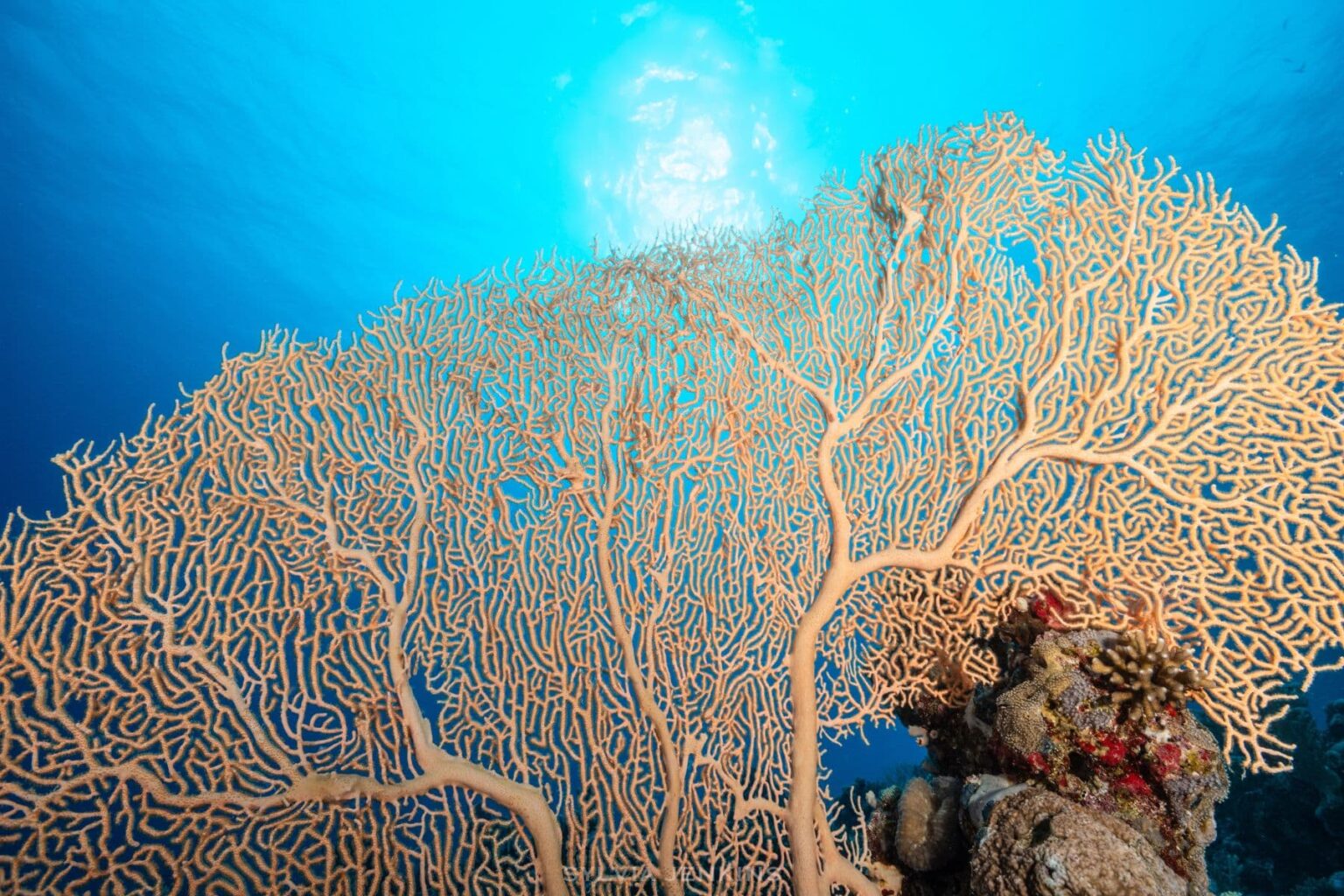
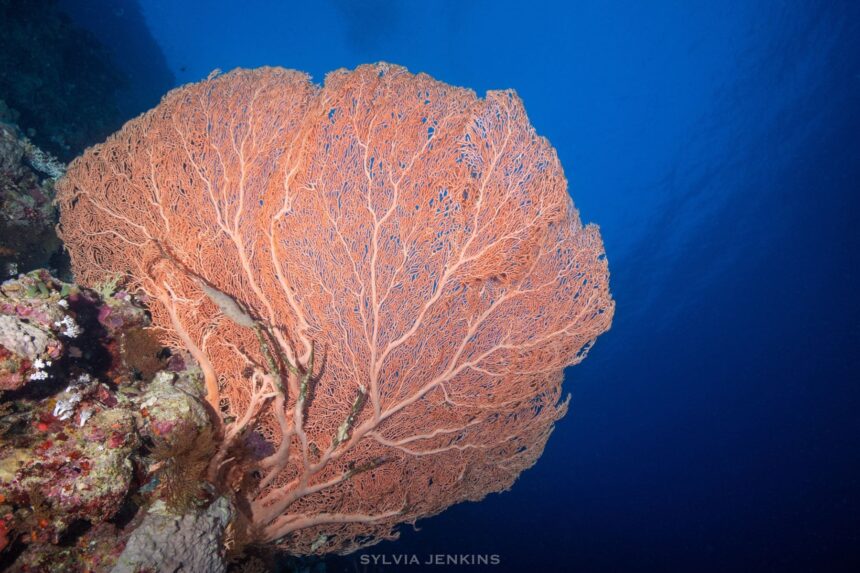
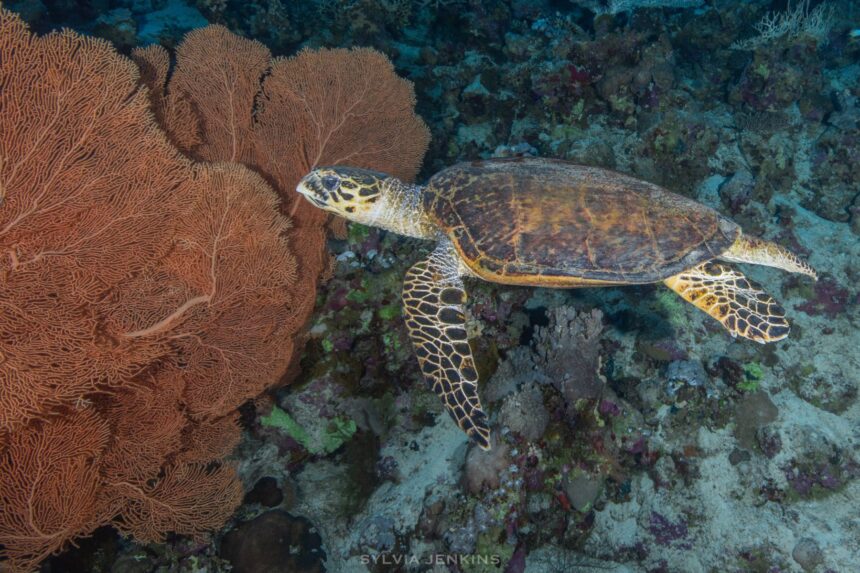
The constant current passing through Elphinstone allows for a grand display of soft corals all along its sheer walls. Flamboyant fans are covered in a rainbow assortment of colorful anthias, trumpetfish, Napoleon wrasse, lionfish, and triggerfish while large jacks and tunas dart past to get their meal. This is the most likely place to spot the elusive oceanic whitetips, along with their entourages of pilot fish.
Type: Drift, wall
Skill level: Intermediate
Access: Boat
Deep South Red Sea
The final area of the Red Sea is what most liveaboards refer to as the “Deep South.” Compared to the more sheltered sites in the northern Red Sea around Sharm El-Sheikh, these sites are mostly exposed islands and reefs. Here the currents and conditions are more challenging, so we recommend you know how to drift dive and maintain good buoyancy.
Also, as these sites are further out from the major ports of Hurghada and Marsa Alam, it’ll usually take a day of driving to get there. Those who make the journey are rewarded with all the life that comes with strong nutrient-rich waters—dense coral, fish, and shark populations.
Fury Shoals
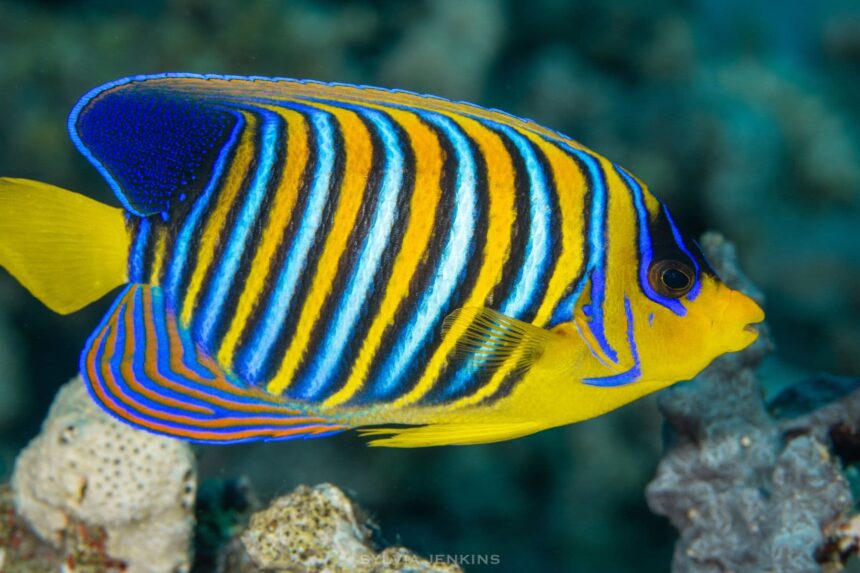


Just 8 miles (13 km) north of Ras Banas, Fury Shoals is an 18-mile (30 km) stretch of reefs, consisting of several dive sites. Protected by its southerly peninsula, diving within Fury Shoals is generally quite calm and a good way to ease into the deep south.
→ Sha’ab Claudio: With its gentle currents and excellent visibility, Sha’ab Claudio is a worthwhile stop. It features a stunning coral garden with vibrant hard and soft corals, reaching a maximum of 82 feet (25 m). Divers can explore numerous wide tunnels and passages at around 26 feet (8 m) and encounter a variety of reef fish, including butterflyfish, angelfish, and parrotfish.
→ Abu Galawa Kebira: One of the most popular dive sites of the Deep South is Abu Galawa Kebira. With a wreck—Tien Hsing tugboat—caverns, wall dives, a lagoon, and an optional night dive, Abu Galawa Kebira has a little of everything for everyone. With all its nooks and crannies, it’s a great site for critter hunting, so bring your torch to spot colorful shrimp, crustaceans, and nudibranchs.
Type: Drift, coral, and wreck
Skill level: Beginner
Access: Boat
Rocky Island
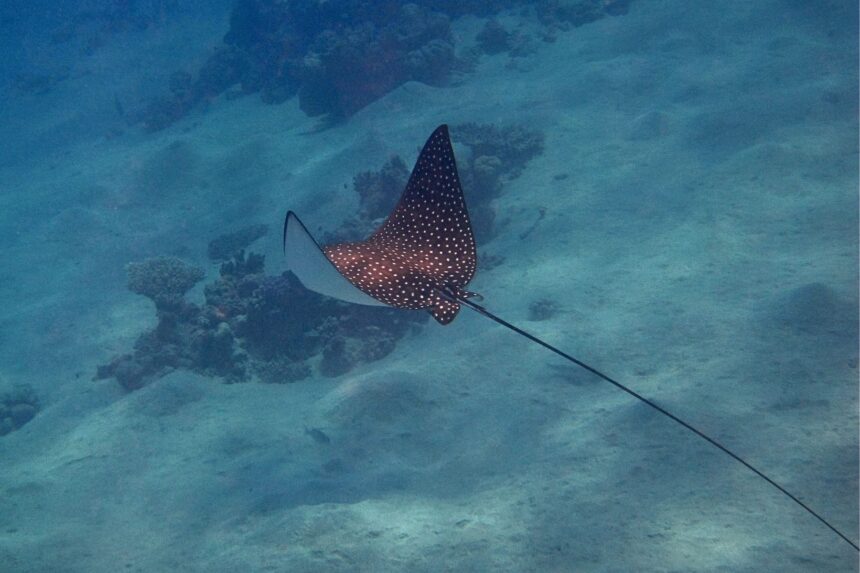
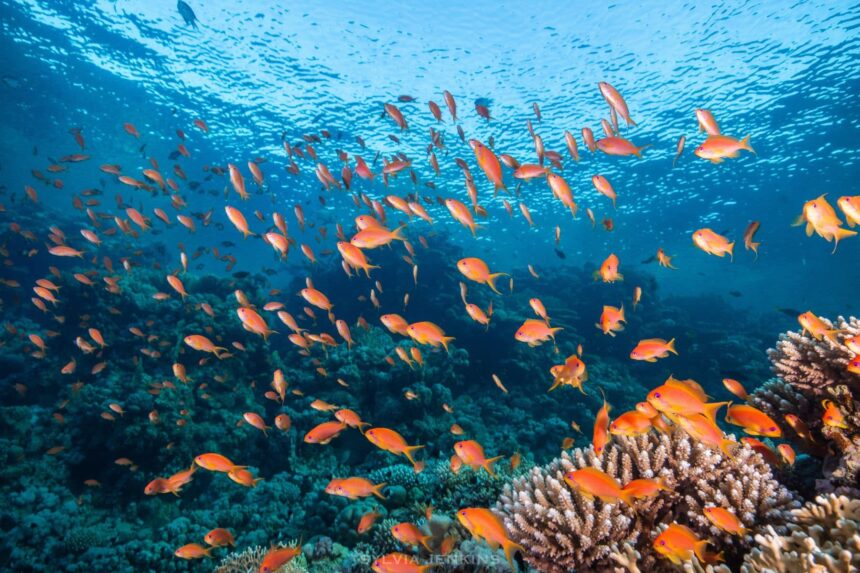


Part of a Marine Protected Area (MPA), Rocky Island is known for its pristine underwater environment. Surrounded by steep walls and drop-offs, it offers spectacular diving opportunities for experienced divers. The underwater terrain features dramatic rock formations, swim-throughs, and caverns adorned with colorful corals.
Due to its open-water location, Rocky Island experiences strong currents, which keeps the visibility crystal clear and attracts big game species such as manta rays, eagle rays, reef sharks, and occasionally whale sharks.
Type: Drift, wall
Skill level: Intermediate to Advanced
Access: Boat
St. John’s Reef
Located on the Tropic of Cancer, St.John’s Reef is also a collection of reefs, covering an area of nearly 116 square miles (300 square km). A little off the beaten track, diving here is only possible by liveaboard. Its remote location ensures pristine underwater environments with vibrant coral gardens and diverse marine life. St. John’s also features mild to strong currents and the great visibility that comes with those conditions. Divers will see colorful reef fish, majestic rays, and possibly even hammerhead sharks.
→ Gota Kebira: Being one of the larger reefs of St John’s, Gota Kebira is around ½-mile (800 m) long and features various drift dives. At the northern end of the reef, the currents split, making it a great area for spotting whitetip reef sharks, schools of fish, and rays. Along the eastern side, soft corals, such as gorgonian fans, are abundant. These massive corals hide entrances to small caves so be sure to ask your guide to point them out.
→ Habili Ali: The site features a series of submerged coral pinnacles, offering a labyrinth of caves, overhangs, and swim-throughs to explore. Divers encounter a vibrant array of marine life, from colorful reef fish to majestic pelagic species like barracudas and reef sharks.
→ Abu Basala: A little different from the standard wall-diving of the Red Sea, Abu Basala is a crescent-shaped reef with no steep slopes. On its sandy bottom, at a maximum of 60 feet (20 m), there are numerous rocky outcrops and small pinnacles that offer a relaxing dive of simple exploration. This sheltered and relatively shallow reef is also great for night diving, where you can expect to see hunting stingrays, curious cuttlefish, and moray eels.
Type: Reef, drift
Skill level: Intermediate to Advanced
Access: Boat
About Egypt
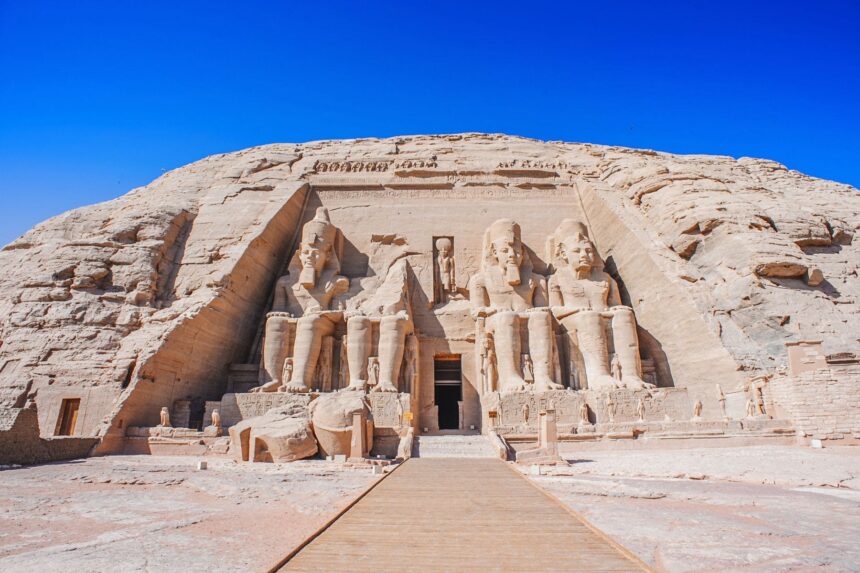
With hundreds of different dive sites, it’s no wonder that divers return to Egypt time and again. Most visit during spring or autumn—March–June or September–November—when the water and weather conditions are tolerably warm and average air temperatures are 77 F (25 C).
During the summer, it’s not uncommon for the temperature to climb to 100 F (38 C), which can lead to unbearably hot conditions. Beat the crowds by visiting in the winter, but expect noticeably cooler water temperatures, averaging 73 F (23 C). You’ll want a thicker wetsuit, at least 5 mm, and some warmer clothes for when you get out of the water, especially if you’re diving via liveaboard.
Note also that some pelagics are more seasonally common, so plan according to what you want to see:
- Manta rays from March to September
- Hammerhead sharks from May to October
- Thresher sharks from September to January
With such a steady stream of visitors, Egypt’s diving and tourism industry is well-established, with options for a range of budgets. If you are staying in the northern regions of the Red Sea—Sharm El-Sheikh, Marsa Alam or Hurghada—then you can stay at a dive resort or jump on a day trip. Plenty of companies offer liveboard trips with a variety of routes, if you’d rather dive, dive, dive.
Many tourists come to Egypt for its rich history and cultural attractions, and it’s this opportunity to combine underwater adventures with visits to ancient ruins that gives Egypt its edge, so plan a few days of topside exploration either before or after the dive portion of your trip.
 Take a moment to look at this.