DIVEINDIVEIN
  • Scuba Gear Reviews
    Editor's Pick15+ Best Dive Computers in 2026Read review →
    Masks17 Best Dive Masks
    BCDs21 Best Scuba BCDs
    Fins25 Best Scuba Fins
    See all scuba gear reviews
    Dive Computers
    • Best Dive Computers
    • Best Beginner Dive Computers
    • Best Air-Integrated Dive Computers
    • Best Smartwatch Dive Computers
    Masks
    • Best Dive Masks
    • Best Snorkel Masks
    • Best Prescription Dive Masks
    • Best Prescription Snorkel Masks
    • Best Full Face Dive Masks
    • Best Full Face Snorkel Masks
    BCDs & Wings
    • Best Scuba BCDs
    • Best Backplate & Wings
    Fins
    • Best Scuba Fins
    • Best Freediving Fins
    Wetsuits
    • Best Wetsuits
    • Best Women's Wetsuits
    • Best Kids Wetsuits
    Dive Watches
    • Best Dive Watches
    • Best Seiko Dive Watches
    Underwater Cameras
    • Best Underwater Cameras
    • Best Waterproof Cameras
    • Best Action Cameras
    • Best Underwater Phone Housings
    • Underwater Cameras & Housings Buying Guide
    Dive Lights
    • Best Dive Lights
    • How to Choose a Dive Light
    Bags
    • Best Dive Bags
    • Best Dry Bags
    Regulators
    Drysuits
    Scuba Tanks
    Underwater Scooters
    Dive Boots
    Dive Knives
    Spearguns
    Metal Detectors
    Reef-Safe Sunscreens
  • Liveaboards
    Indian Ocean · Most popular10 Best Liveaboards in the MaldivesRead review →
    South America · Ecuador10 Best Liveaboards in the Galapagos
    Red Sea · Egypt10 Best Liveaboards in Egypt
    South-East Asia10 Best Liveaboards in the Philippines
    See all liveaboard guides
    CaribbeanReefs, wrecks, blue water
    • Bahamas
    • Belize
    Central AmericaCenotes & big-fish action
    • Costa Rica
    • Mexico
    South AmericaGalápagos & beyond
    • Galapagos Islands
    Red Sea & Middle EastCoral walls & wrecks
    • Egypt
    Indian OceanManta & whale sharks
    • Maldives
    South-East AsiaCoral triangle macro
    • Indonesia
    • Thailand
    • Similan Islands
    • Philippines
    • Myanmar
    PacificSharks & remote atolls
    • Australia
    • Fiji
    • Micronesia & Palau
    Plan Your TripTips · Operators · Resorts
    • All Liveaboards
    • Aggressor Fleet
    • Best Dive Resorts
    • Travel Tips & Tricks
  • Snorkeling Gear
    • Snorkeling Gear
    • Best Snorkeling Sets
    • Best Snorkels
    • Best Snorkel Masks
    • Best Full Face Snorkel Masks
    • Best Snorkel Fins
    • Difference Between Scuba and Snorkeling Fins?
  • Dive Destinations
    South-East Asia · 50 sitesBest Diving in IndonesiaRead review →
    South America · Bucket listBest Diving in the Galapagos
    Red Sea · IconicBest Diving in Egypt
    Indian OceanBest Diving in the Maldives
    Most popular destinations
    CaribbeanReefs, wrecks, blue water
    • Antigua & Barbuda
    • Aruba
    • Bahamas
    • Barbados
    • Bonaire
    • British Virgin Islands
    • Cayman Islands
    • Cuba
    • Curacao
    • Dominica
    • Dominican Republic
    • Grenada
    • Guadeloupe
    • Jamaica
    • Martinique
    • Puerto Rico
    • St. Lucia
    • St. Maarten & Saba
    • Tobago
    • Turks & Caicos
    Mexico
    • Mexico
    • Cozumel
    Central AmericaCenotes & big-fish action
    • Bay Islands
    • Belize
    • Costa Rica
    • Panama
    South AmericaGalápagos & beyond
    • Colombia
    • Galapagos Islands
    United States
    • California
    • Florida
    • Hawaii
    • North Carolina
    Europe & Mediterranean
    • Denmark
    • Mallorca
    • Malta
    • Turkey
    Red Sea & Middle EastCoral walls & wrecks
    • Egypt
    Indian OceanManta & whale sharks
    • Maldives
    AsiaCoral triangle macro
    • Indonesia
    • Bali
    • Gili Islands
    • Komodo
    • Raja Ampat
    • Sulawesi
    • Cambodia
    • Japan
    • Philippines
    • Thailand
    • Vietnam
    South PacificSharks & remote atolls
    • Australia
    • Fiji
    • Palau
    • Solomon Islands
    Plan Your TripThemed picks · Tips
    • All Destinations
    • Best of the Caribbean
    • World's Best Wreck Diving
    • Travel Tips & Tricks
  • Articles
    Recent ArticlesView all
    Infinity Bay Resort for Groups: Dive Trips, Family Reunions, & Everything In Between
    SunBreeze Hotel: Easy Reef Diving in the Heart of San Pedro
    Passport to Paradise: The Stress-Free Way to Dive North Sulawesi with Murex & Lembeh Resort
    Infinity Bay Spa & Beach Resort: West Bay Ease & Reef-Front Diving
    Ibagari Boutique Hotel: Intimate Luxury Meets Roatan’s Reef
    Dive Science Demystified: Gasses, Partial Pressure And Air For Diving
    Utila Lodge Resort & Marina: Where Relaxation Meets the Reef
    Where to Snorkel in Egypt: 5 Top Snorkel Spots
    Dive, Dine and Discover – A Culture & Cuisine Expedition through Raja Ampat with Tait Miller
    Golden Rock Resort: A Botanical Escape For Underwater Explorers
    Wave Goodbye to Underwater Hand Signals and Say Hello to Garmin’s SubWave Tech
    BVI Wreck Week 2025: Unveiling the Treasures of the Deep
    Featured Articles
    Featured
    Anthony’s Key: Sustainable & Stylish Dive Resort
    Featured
    Margaritaville Beach Resort: Subtle Sophistication at Ambergris Caye
    Featured
    Barefoot Cay Resort: A Private Paradise on Roatan’s South Shore
    Featured
    Choosing the Right Shearwater Dive Computer
    Browse Categories
    Scuba95Dive Travel11Scuba Gear8
  • Join our cool newsletter
  • About DIVEIN
  • Contact DIVEIN
Find Us on Socials
Reading: Best Diving in Colombia: Caribbean Reefs & Pacific Big Animals
DIVEINDIVEIN
  • Gear
  • Liveaboards
  • Destinations
  • Cameras
  • Snorkeling
  • Travel
  • Best Scuba Diving
  • Home
  • Dive Computers
  • BCDs
  • Regulators
  • Masks
  • Fins
  • Wetsuits
  • Egypt
  • Maldives
  • Galapagos
  • Philippines
  • Thailand
  • Bahamas
  • Egypt
  • Galapagos
  • Costa Rica
  • Cozumel
  • Bay Islands
  • St. Maarten & Saba
  • Action Cameras
  • Waterproof Cameras
  • Snorkels
  • Snorkel Sets
  • Snorkel Masks
  • Snorkel Fins
  • Full Face Snorkel Masks
Search
  • Scuba Gear Reviews
  • Liveaboards
    All Liveaboards
      • Bahamas
      • Belize
      • Costa Rica
      • Mexico
      • Galapagos Islands
      • Egypt
      • Maldives
      • Indonesia
      • Thailand
      • Similan Islands
      • Philippines
      • Myanmar
      • Australia
      • Fiji
      • Micronesia & Palau
      • All Liveaboards
      • Aggressor Fleet
      • Best Dive Resorts
      • Travel Tips & Tricks
  • Snorkeling Gear
    • Snorkeling Gear
    • Best Snorkeling Sets
    • Best Snorkels
    • Best Snorkel Masks
    • Best Full Face Snorkel Masks
    • Best Snorkel Fins
    • Difference Between Scuba and Snorkeling Fins?
  • Dive Destinations
    All Dive Destinations
      • Antigua & Barbuda
      • Aruba
      • Bahamas
      • Barbados
      • Bonaire
      • British Virgin Islands
      • Cayman Islands
      • Cuba
      • Curacao
      • Dominica
      • Dominican Republic
      • Grenada
      • Guadeloupe
      • Jamaica
      • Martinique
      • Puerto Rico
      • St. Lucia
      • St. Maarten & Saba
      • Tobago
      • Turks & Caicos
      • Mexico
      • Cozumel
      • Bay Islands
      • Belize
      • Costa Rica
      • Panama
      • Colombia
      • Galapagos Islands
      • California
      • Florida
      • Hawaii
      • North Carolina
      • Denmark
      • Mallorca
      • Malta
      • Turkey
      • Egypt
      • Maldives
      • Indonesia
      • Bali
      • Gili Islands
      • Komodo
      • Raja Ampat
      • Sulawesi
      • Cambodia
      • Japan
      • Philippines
      • Thailand
      • Vietnam
      • Australia
      • Fiji
      • Palau
      • Solomon Islands
      • All Destinations
      • Best of the Caribbean
      • World's Best Wreck Diving
      • Travel Tips & Tricks
  • Articles
    All Articles
    Browse categories
    • Scuba95
    • Dive Travel11
    • Scuba Gear8
    • Anthony’s Key: Sustainable & Stylish Dive ResortFeatured
    • Margaritaville Beach Resort: Subtle Sophistication at Ambergris CayeFeatured
Follow US
Home » World's best scuba diving » Best Diving in Colombia: Caribbean Reefs & Pacific Big Animals
Travel

Best Diving in Colombia: Caribbean Reefs & Pacific Big Animals

Torben Lonne
Last updated: October 13, 2025
Published: October 9, 2025
By
Torben Lonne
ByTorben Lonne
Editor and Co-founder at DIVEIN.com
Torben traveled to South East Asia for scuba diving and never really stopped his search for new adventures. His affinity for gear that works and his...
Follow:
Rebecca Strauss
ByRebecca Strauss
Editor at DIVEIN.com
Rebecca has been an avid traveler and scuba diver for many years. She began her editorial career by updating travel guides, which took her all over...
Share
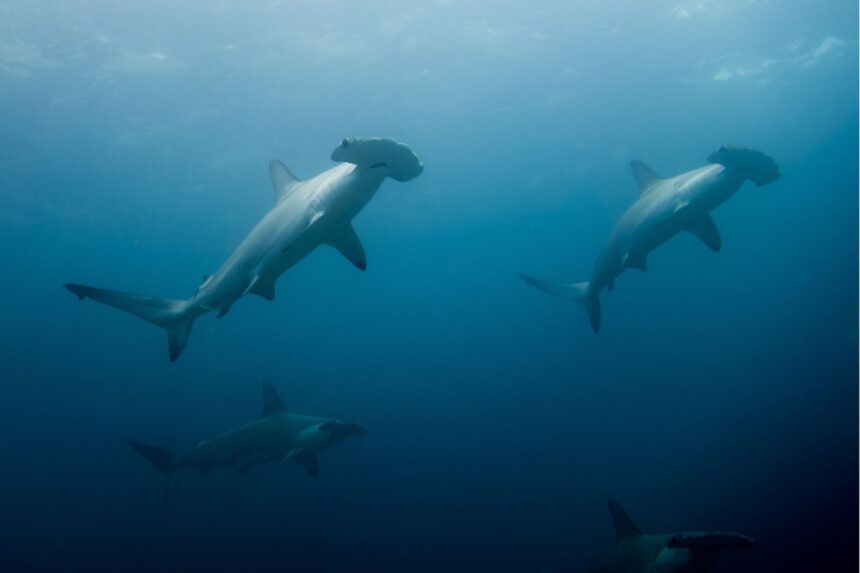
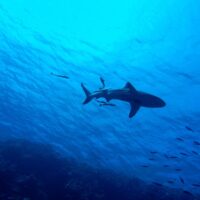
Hammerheads can often be seen circling above the reef.
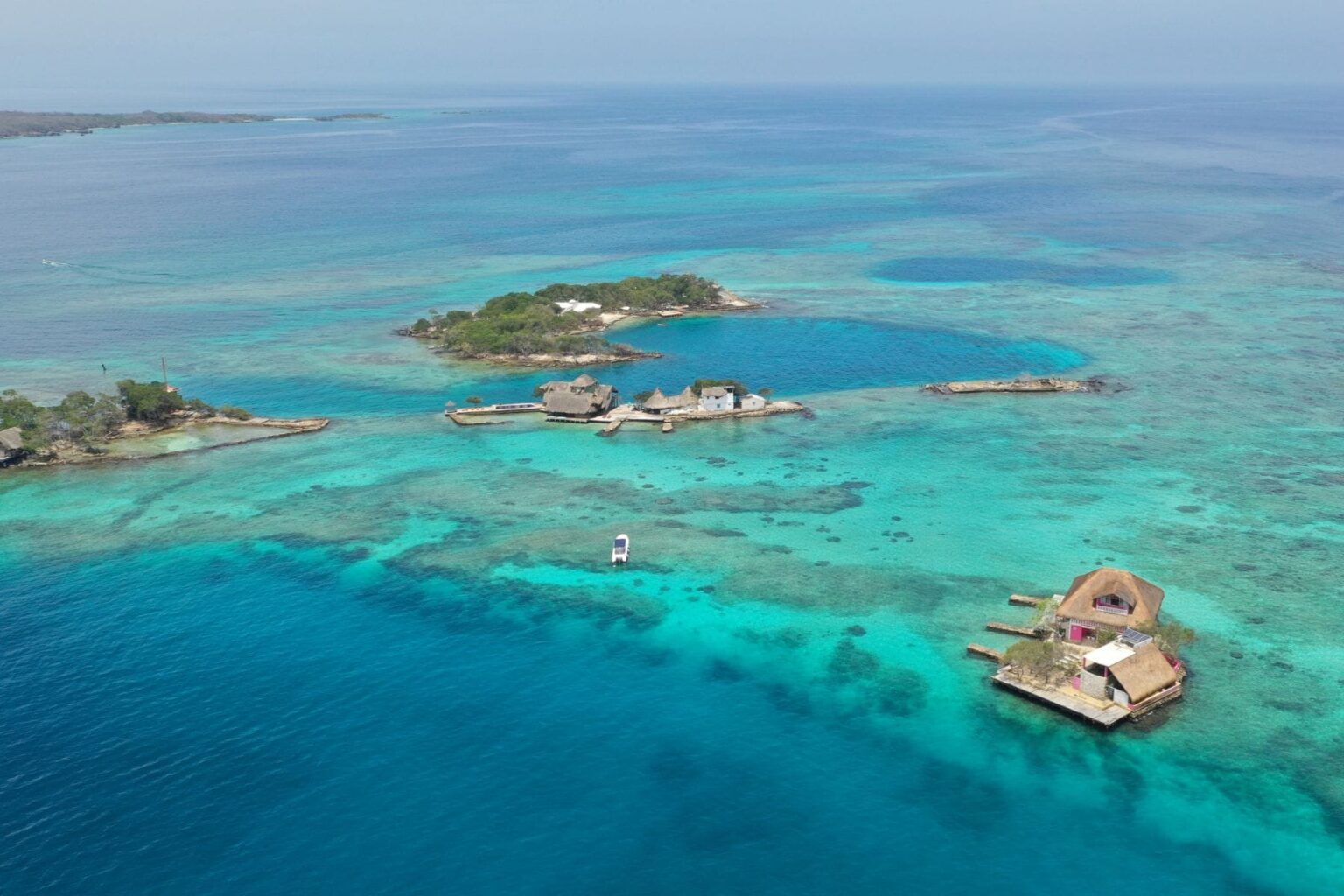
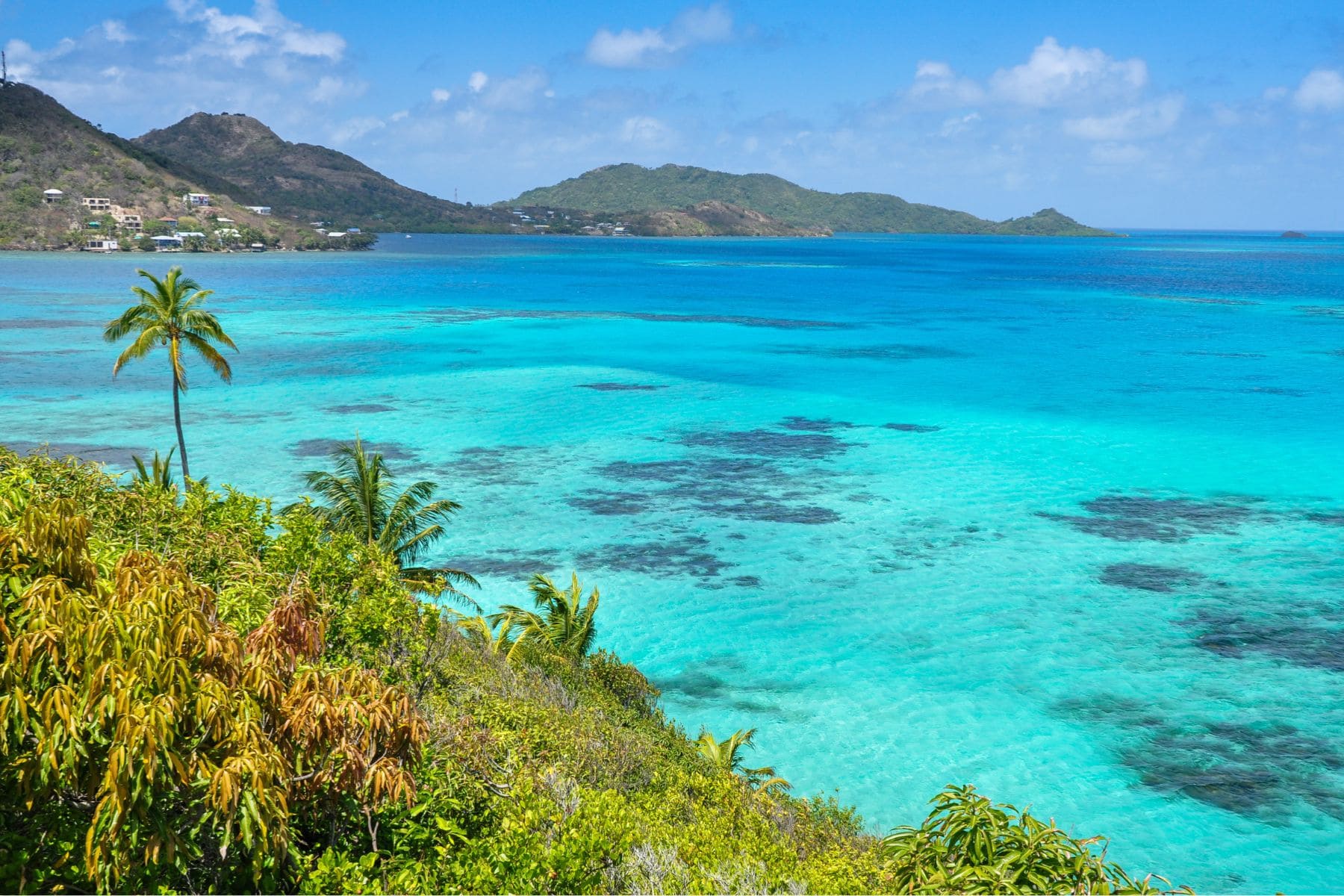
Aerial view of the Islas del Rosario
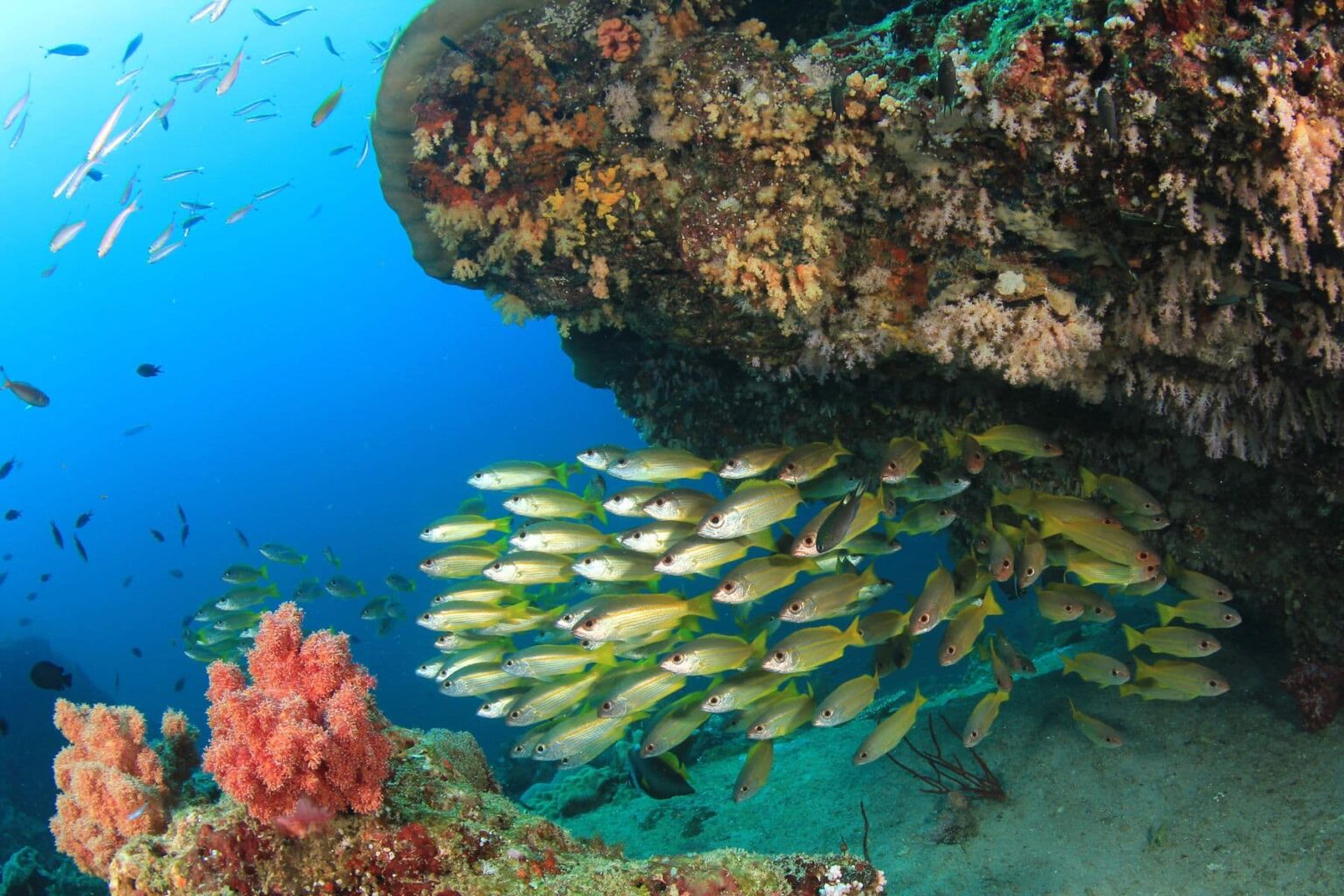
Blue Wall of San Andrés is a scuba divers’ playground with rich marine life and swimthroughs.
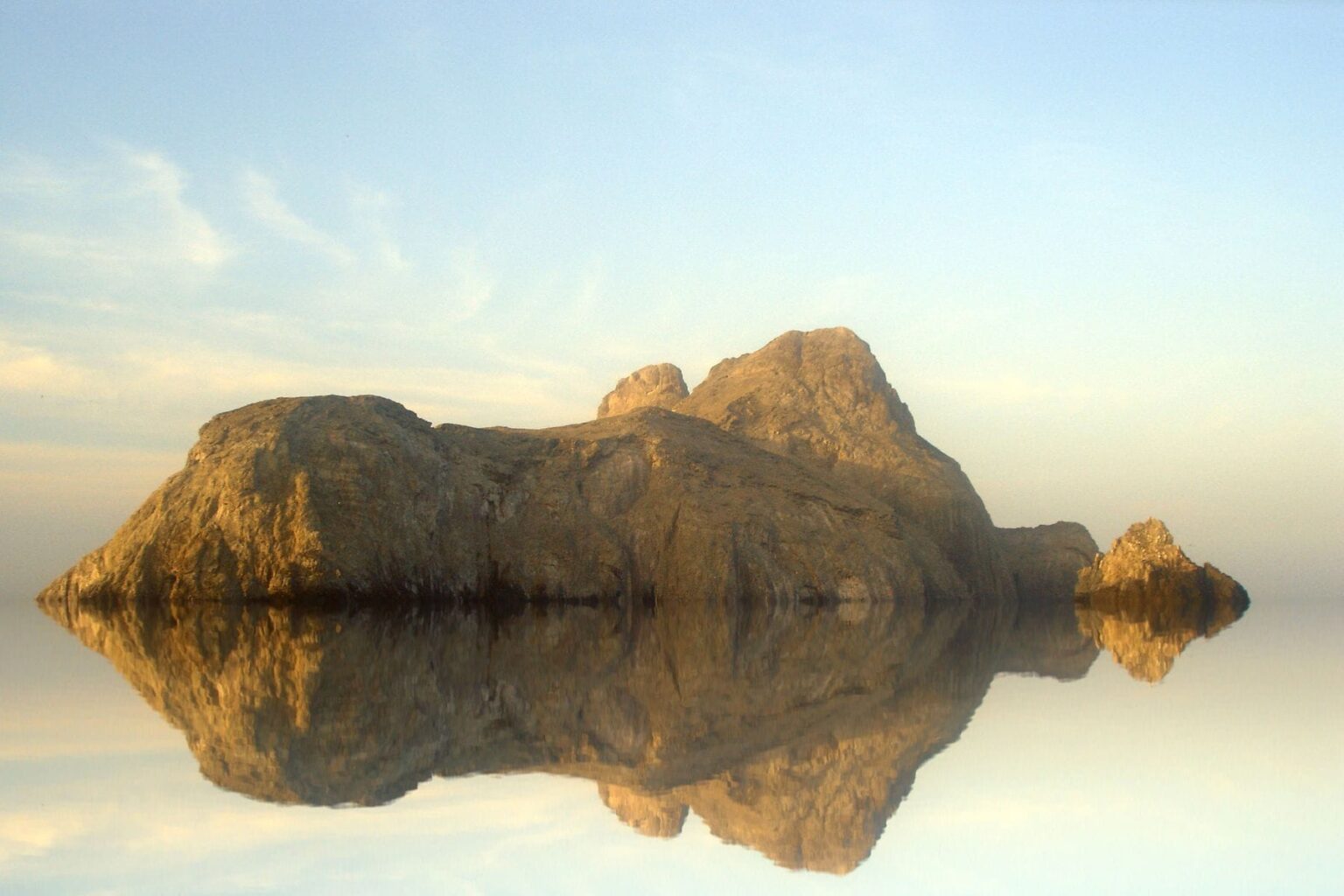
For liveaboards only, Malpelo’s remoteness attracts bigger marine life.
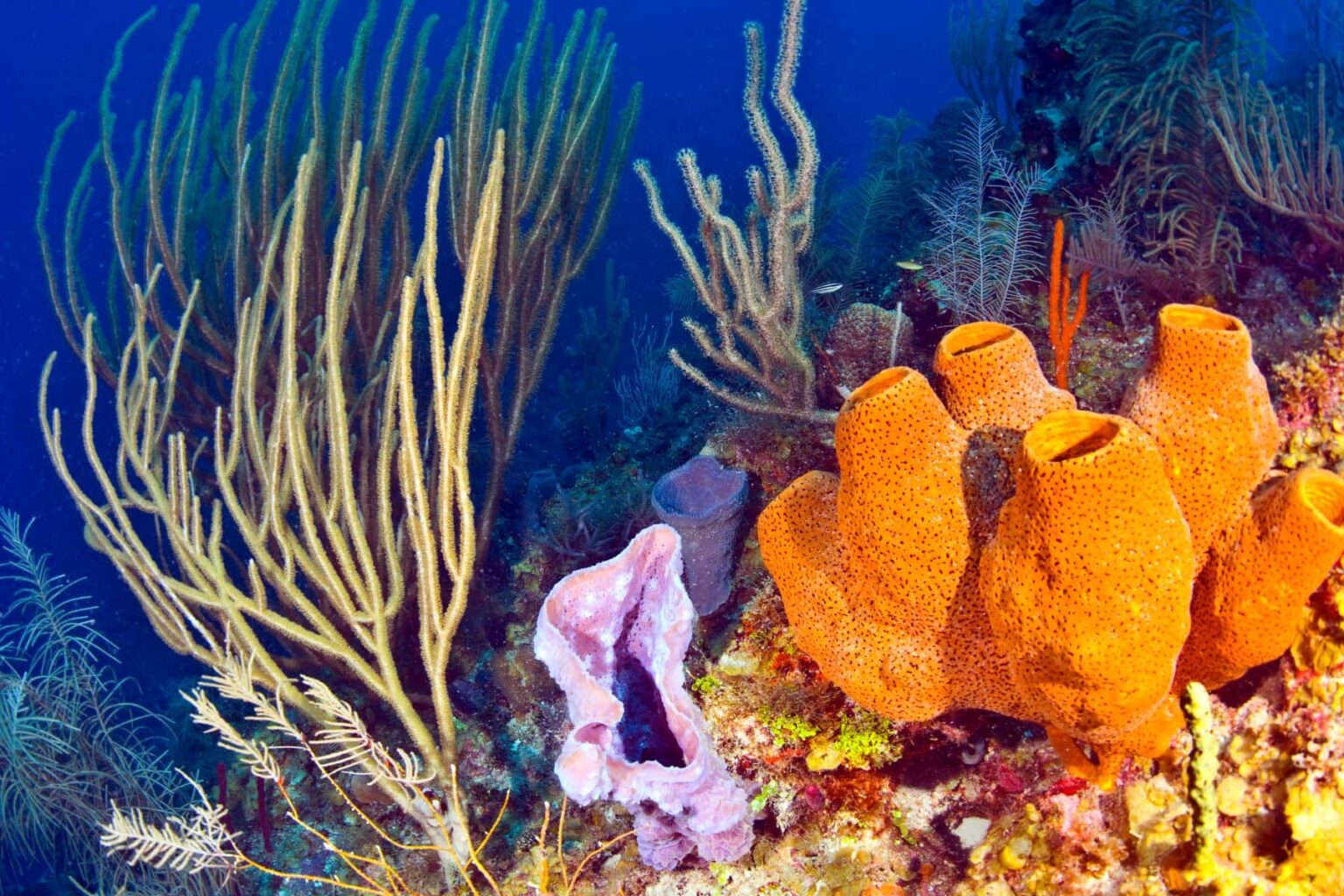
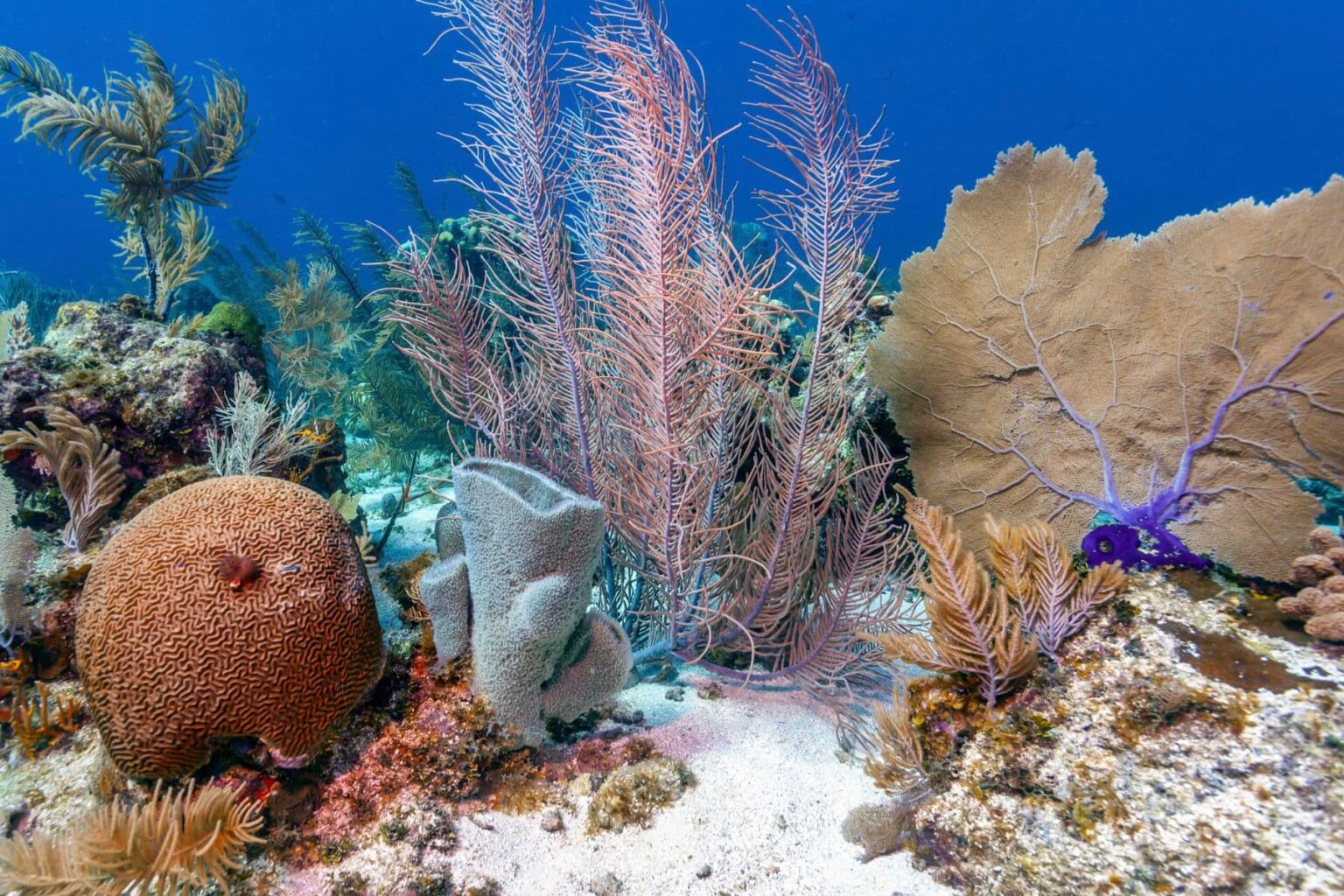
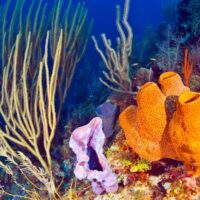
Large and long sea whips are found throughout the region.
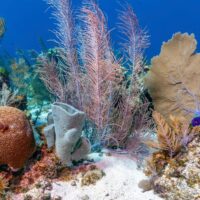
With steady rich waters, large corals sway in the soft currents.
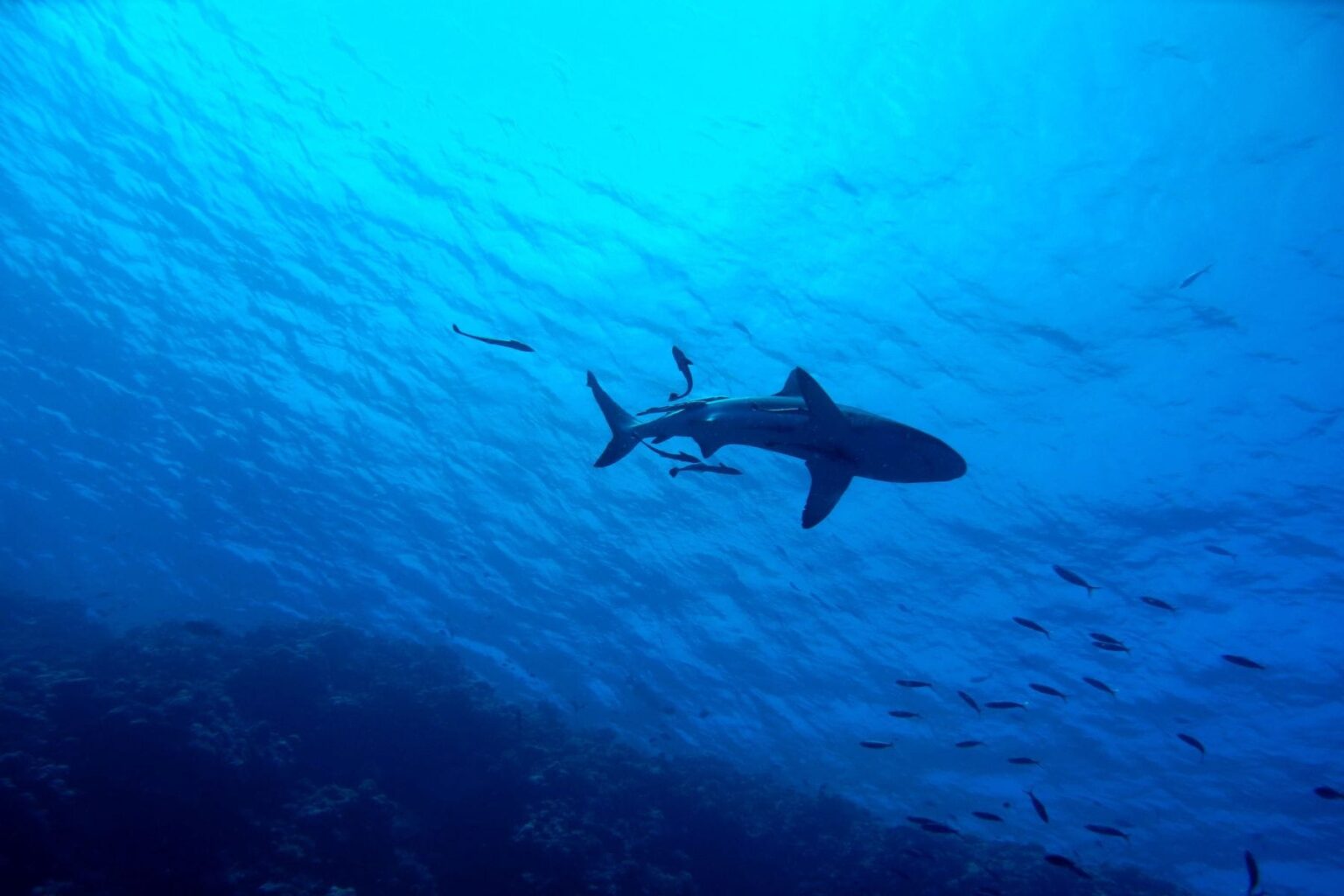
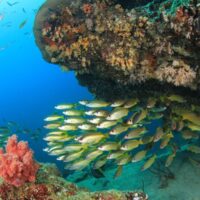
No matter where you are, there is always a shark to be spotted.
List of Images 1/7
SHARE

Diving in Colombia spans calm Caribbean reefs, easy walls, and a few wrecks, plus a wilder Pacific for sharks, rays, and seasonal whales. Plan the Caribbean for relaxed diving and training, especially around San Andrés, Providencia, and Tayrona.

Choose the Pacific when you want currents, pelagics, and expedition vibes at Gorgona or Malpelo. Below you’ll find the best months by coast, six don’t-miss sites with practical details, how to reach each hub, and where divers usually stay.

What makes diving in Colombia special?

Colombia touches both the Caribbean Sea and the Pacific Ocean, so you’ll have your pick of warm, clear reefs or blue-water shark dives. The San Andrés–Providencia archipelago sits inside the Seaflower Biosphere Reserve, with long fringing and barrier reefs, shallow gardens, and drop-offs that keep visibility high most of the year.

Far offshore in the Pacific, Malpelo rises from an undersea ridge where currents meet, drawing schooling scalloped hammerheads along with silky and Galápagos sharks.

Day-boat hubs such as Cartagena/Rosario, Santa Marta/Taganga (Tayrona), and San Andrés suit easy schedules and courses. Expedition destinations like liveaboard-only Malpelo and remote-access Gorgona suit confident divers ready for current, swell, and flexible plans.

Best time to dive in Colombia

Caribbean coast (Cartagena–Rosario; Santa Marta/Tayrona; San Andrés–Providencia)

  • December–April (dry/best window): Brings calmer seas and the clearest water on the islands. San Andrés/Providencia visibility often sits around 80–100 feet (24–30 m) with water in the low-80s F (27–29 C). Tayrona is clearest December–April during seasonal upwelling, with cooler water.
  • May–November (alternate/green water): Stays warm, with visibility that swings after rains; island operations run year-round and often cite December–May as the clearest stretch.

Bottom line: Newer divers will like December–April on the islands for easy seas and good viz; experienced divers are fine year-round but should expect viz dips near the mainland after heavy rain.

Pacific coast (Gorgona, Malpelo)

  • January–April (dry window): This time of year often means calmer crossings but cooler water and thermoclines. Hammerheads tend to gather shallower on cleaning stations in cooler periods. Visibility varies.
  • May–November (Wetter/warmer window): This time brings warmer water and, at Gorgona, peak July–October humpback presence. Malpelo also sees warm-season pelagics like silky sharks and occasional whale sharks.

Bottom line: Best for advanced divers in either window. Plan for current, thermoclines, and open-ocean swell; pick January–April if you prefer cooler water with sharks or May–November for whales at Gorgona and better viz at Malpelo.

Top 7 dive sites in Colombia
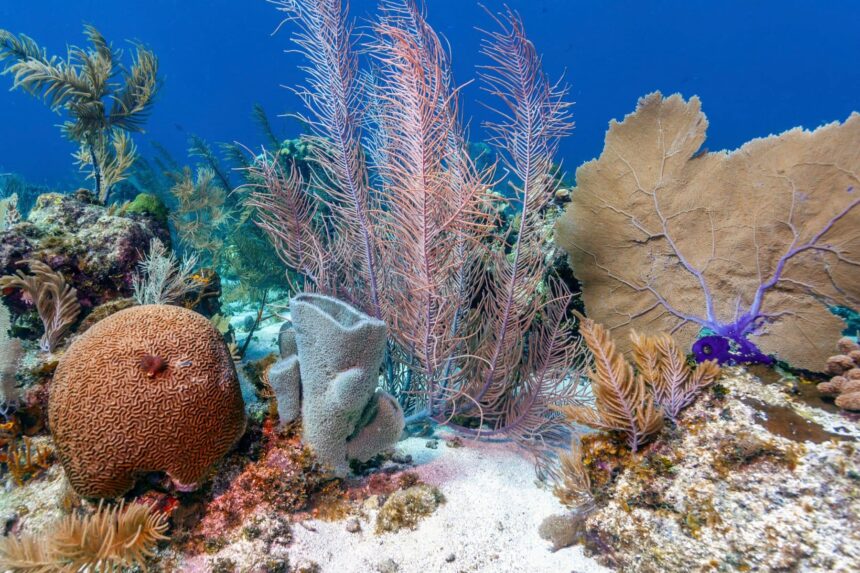
With steady rich waters, large corals sway in the soft currents.

Salmedina Banks (Rosario Islands, Cartagena)

Salmedina Banks is a classic drift over coral ridges and sandy channels. Entries are made on the reef top, settling around 40–60 ft (12–18 m), then riding a light to moderate current past ledges and low overhangs with a few scattered wreck pieces. Profiles are simple and unhurried, making it easy to scan the terrain.

What you’ll see at Salmedina Banks

Large sponges and sea fans line the ridges. Grunts and snappers bunch up in the current while parrotfish graze the coral heads. Southern stingrays rest in the sand, and nurse sharks or eagle rays may pass when the current strengthens.


Isla Aguja (Tayrona National Park)

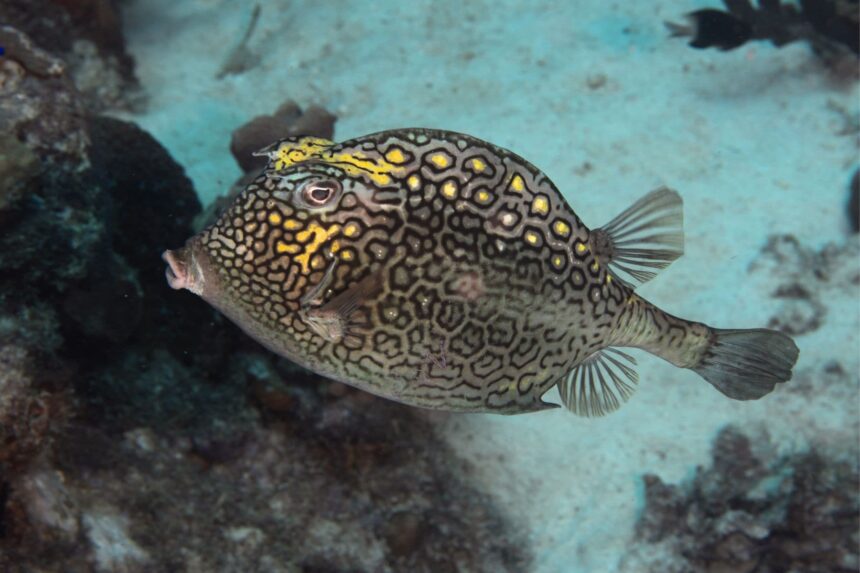
There are numerous species of puffer and cowfish in Colombia, including this curious honeycomb cowfish.

Isla Aguja begins inside a protected bay and opens onto a gentle, sloping reef. Typical dives start at 30–40 ft (9–12 m) over boulders and coral heads, with wide, easy swim-throughs before looping back into calmer water. It suits training dives yet still delivers enough structure for more experienced divers to explore.

What you’ll see at Isla Aguja

Shallow hard-coral gardens hold sergeant majors, butterflyfish, and schools of blue tang. Along the outer side, watch for hawksbill and green turtles and octopus tucked into cracks. Cleaner shrimp often work stations inside small overhangs.


Blue Wall (San Andrés)
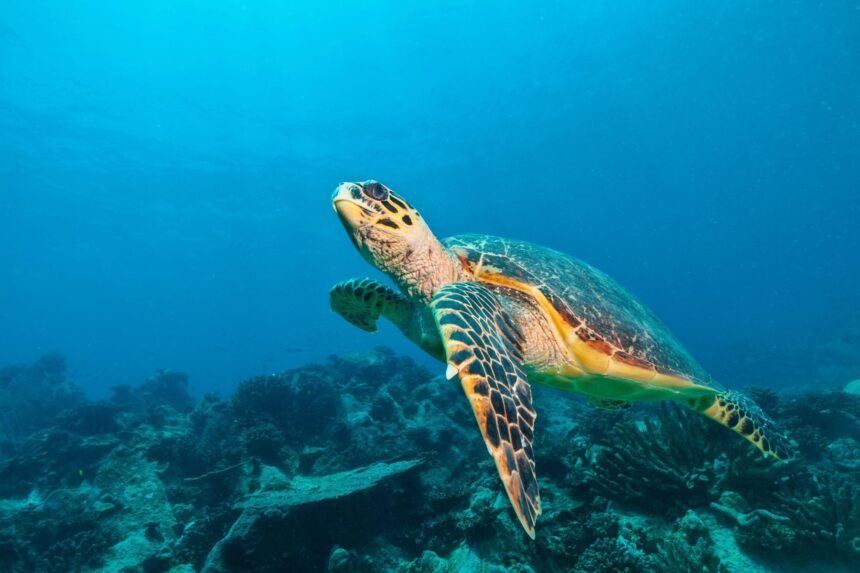
Turtles cruise along the top of the reef.

Blue Wall drops from a broad reef top to a vertical wall. Descend to the reef top around 50–60 feet (15–18 m) and follow the wall’s contours. The current is usually gentle, allowing long, relaxed circuits with clear views into mid-water.

What you’ll see at Blue Wall

Sea fans and soft corals cover the reef top, while the wall holds groupers and black triggerfish suspended in the water column. Turtles cruise along the wall, and on calm days eagle rays glide by. Look for lobsters under ledges and nurse sharks resting in sandy patches.


Shark Point (Providencia)
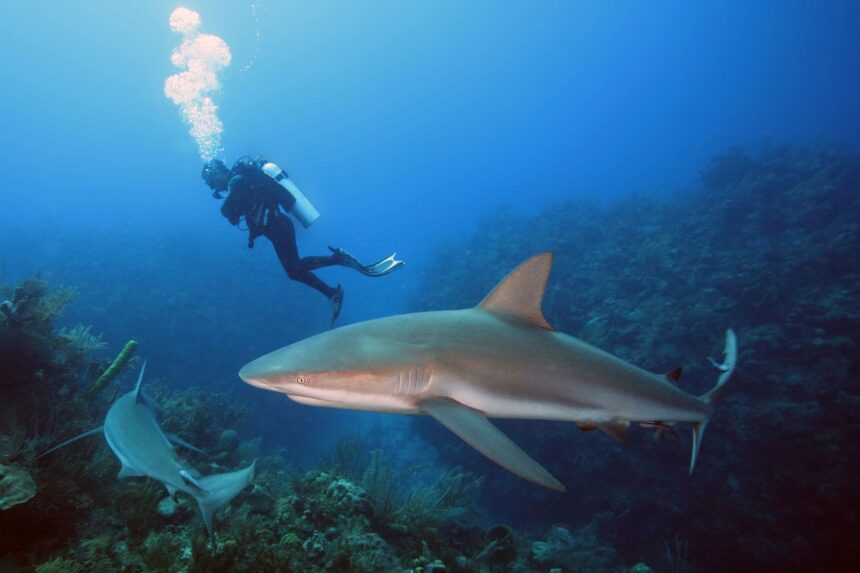
Caribbean reef sharks are the main attraction of Shark Point.

Shark Point is an outer-reef drop-off with steady current. Most dives start on the terrace at 60–70 feet (18–21 m) and move along the wall as the bottom falls away. The site feels open, with clear water and broad views; the boat tracks the drift for easy pickups.

What you’ll see at Shark Point

Caribbean reef sharks are the main draw, often circling a little deeper on the wall. Horse-eye jacks sweep through in tight schools, barracuda hover off the wall dropoff, and large sponges dot the reef. Turtles are regulars on calm days.


Sebastián de Belalcázar Wreck (Gorgona Island)

This Pacific wreck sits in straightforward recreational depths and pairs well after a reef dive. Descend the line to the deck around 70–90 feet (21–27 m). The hull provides shelter from the current, giving time to move along the rails, peer into open holds and circle the stern before drifting off the structure.

What you’ll see on the Sebastián de Belalcázar

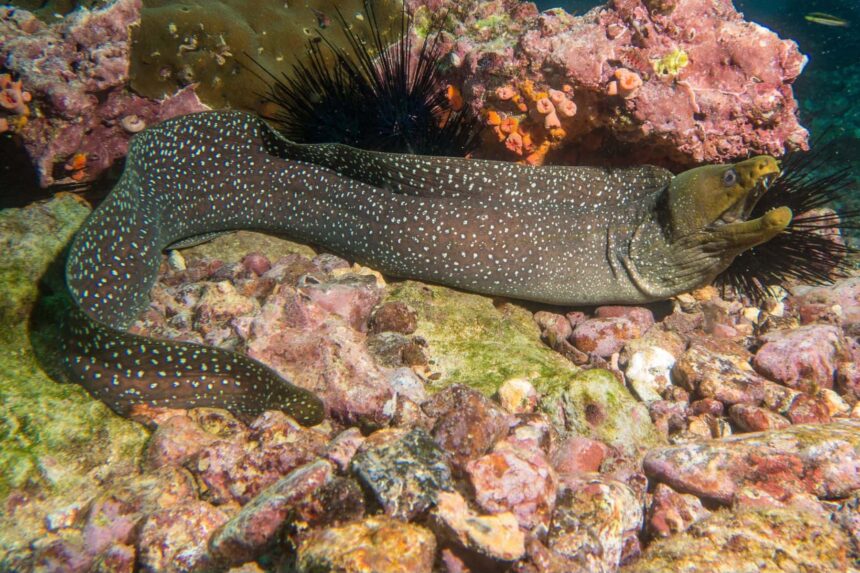
Jacks and snappers funnel along the superstructure, with whitetip reef sharks cruising the rubble nearby. Soft corals and black coral whips cling to the steel. In season, whale song is common on ascent lines. On the wreck expect scorpionfish and morays using beams and plates for cover.


Malpelo Island

Malpelo is a remote volcanic outcrop accessible only by liveaboard after a long open-ocean crossing. Dives are along walls, ridges, and seamount shoulders with strong current, thermoclines, and blue-water ascents. Divers need advanced drift skills, solid buoyancy, and comfort in blue water.

What you’ll see at Malpelo Island

Schooling scalloped hammerheads on stations like La Nevera, plus silky and Galápagos sharks cruising the structure. Large schools of jacks and tuna are common, with seasonal manta or whale shark encounters in warmer periods. Expect dramatic topography and wide-angle conditions throughout. Signature site: La Nevera


La Nevera (Malpelo)

La Nevera is a cleaning station set on a seamount shoulder. Divers make a quick descent to settle on the structure around 70–100 feet (21–30 m). It’s a current-exposed site with blue water on all sides, best dived by experienced teams comfortable in open-ocean conditions.

What you’ll see at La Nevera

Scalloped hammerheads sweep in to circle the cleaning zone, then fade back into the blue. Silky sharks move higher in the water column, with Galápagos sharks deeper on the slope. Bigeye jacks and snappers pulse over the shoulder, and in warm periods a manta or whale shark may pass.


How to get to and around Colombia

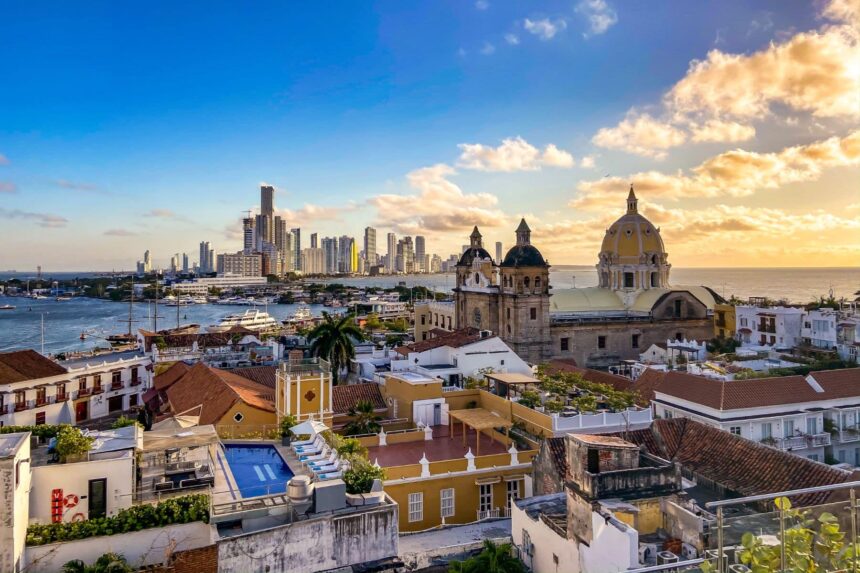
With its unique blend of cultures and nearby beaches, Cartagena is a popular Colombian destination.

Airports & entry

Major gateways: Bogotá (BOG), Cartagena (CTG), Medellín (MDE), Cali (CLO). For the islands, fly to San Andrés (ADZ) and connect to Providencia by small plane or catamaran. For Gorgona, most itineraries use Cali → Guapi plus a 1.5-hour boat ride. Malpelo trips stage via Cali, then overland to Buenaventura for boarding.

Getting around

The common coastal overland leg is Cartagena ↔ Santa Marta: about 145 miles (230 km) and roughly 4–5 hours by car or bus depending on traffic.

Santa Marta ↔ Taganga is short—around 5–8 miles (8–13 km) and 10–20 minutes by taxi or bus.

Boats to Rosario are small speedboats that leave on mornings when seas are calmer; Pacific skiffs are open and splashy, especially in the afternoon.

Regional hubs & transfers

  • Cartagena (Rosario): Meet at the pier around 8:00 a.m.; about 40–60 minutes to the islands. Two-tank mornings are standard—good if you want city comforts and easy reef days.
  • Santa Marta/Taganga (Tayrona): 10- to 20-minute boat rides to protected coves; training-friendly and budget-friendly; clearest water typically December–April.
  • San Andrés: Multiple departures daily; many sites within 10–30 minutes, some shore entries; straightforward for families and newer divers.
  • Providencia: Small-group boats; 15-minute rides to walls and reefs; travel via ADZ by 20-minute hop or about 3-hour ferry. Book early in peak months.
  • Gorgona: Cali → Guapi → 1.5-hour boat; schedules flex with weather and tides; prime diving May–October.
  • Malpelo: Liveaboard only; 29–32-hour open-ocean crossing from Buenaventura; plan buffer days around flights.

Where to stay in Colombia as a diver

Cartagena: City hotels in Manga/Getsemaní/Bocagrande put you 5–15 minutes from the docks; shops rinse/store gear and run early departures.

Santa Marta/Taganga: Taganga guesthouses often have rinse tanks and racks; you can walk to boats. Santa Marta hotels are more polished and a quick taxi ride to Taganga.

San Andrés: Resorts and posadas partner with dive centers and offer gear rinse/storage and early breakfasts; staying in town keeps you close to operators.

Providencia: Low-key lodges and posadas with quick boat pickups, shaded drying areas, and small dive groups; the clearest window runs mainly December–May.

Pacific (Gorgona & Malpelo): Gorgona uses basic park lodging when open or small-boat expeditions with communal rinse areas and gear sheds; May–October is typical. Malpelo is liveaboard-only with gear benches, camera rinse, and long crossings—pack seasickness meds.

Final thoughts on diving in Colombia

The Caribbean hubs deliver easy reef diving with simple logistics; December–April offers the flattest seas and best clarity.

The Pacific expeditions deliver sharks and seasonal whales but ask more of you—currents, thermoclines, and long rides. Pick the coast that matches your skills and goals, or split time and sample both.

Subscribe
Notify of
guest
guest
0 Comments
Take a momnent Take a moment to look at this.
It's genuinely free…
Look at this
Shearwater Newsletter Form (widget sidebar) (#26)

Join our newsletter to win:

Free Scuba Gear!

We’ve partnered with Shearwater Research and are giving away a brand new Shearwater Peregrine TX with a Swift GPS Transmitter.

To enter the competition – Join the DIVEIN and Shearwater newsletters:

You can always unsubscribe for free
Learn more about our giveaways here!

Read next:

Diving the Great Blue Hole in Belize

Best Diving in South America: Pacific Pelagics & Atlantic Reefs

Best Diving in the Bay Islands: Walls, Wrecks & Whale Sharks

Best Diving in Costa Rica: Big Animals & Wild Volcanic Pinnacles

Best Diving in Panama: Two Oceans & Big Animals

Diver photographing the reef with an underwater camera housing while another diver looks on nearby

Scuba Diving in Cozumel: Mexico’s Drift Diving Paradise

BVI Wreck Week 2025 Trip Report

Best Wreck Diving in the British Virgin Islands | 7 Top Dive Sites

Show More

DIVEIN.com was founded in 2009 by the two brothers Torben and Nicolai.

We’re a free review guide – run by passionate Divers, Sports, and Outdoor fanatics.

Follow Us

YOUTUBE
FACEBOOK
INSTAGRAM

Our reviews: We can make the world a little bit better with great in-depth reviews.

Why? Because great in-depth gear reviews will help you select the right products for your specific needs, budget, and interests. And when you have the right product, you’re a little bit happier which affects the people around you!

Income disclosure: We are reader supported, and may earn affiliate commissions when you buy via links found on DIVEIN.com: If you find a good deal on our site, you click to the retailer and you buy the product, we get a commission of the sale. This is how we pay ourselves. It does not make the product pricier for you.

All content is copyright protected by either DIVEIN.com or respected copyright holders – © 2026

Your rights:

California Residents: Do Not Sell My Personal Information
EU Residents: If you have a dispute, you can use the Online Dispute Resolution platform. Our data practices comply with the GDPR.
Australian Residents: Your consumer rights are protected under the Australian Consumer Law (ACL).
Canadian Residents: Our data practices comply with PIPEDA.
UK Residents: Your rights are protected under the Consumer Rights Act 2015.

About this image

Related to:

wpDiscuz