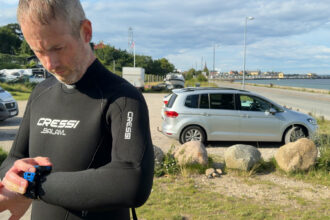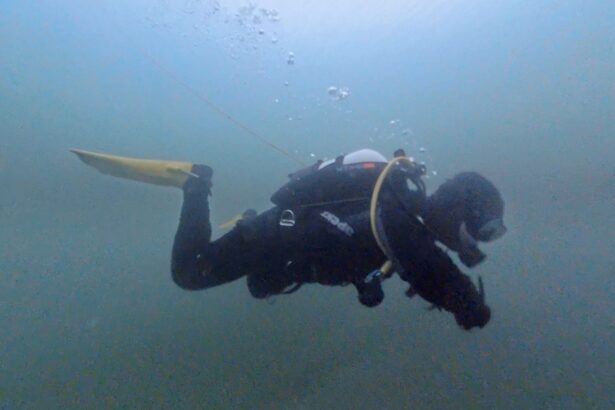
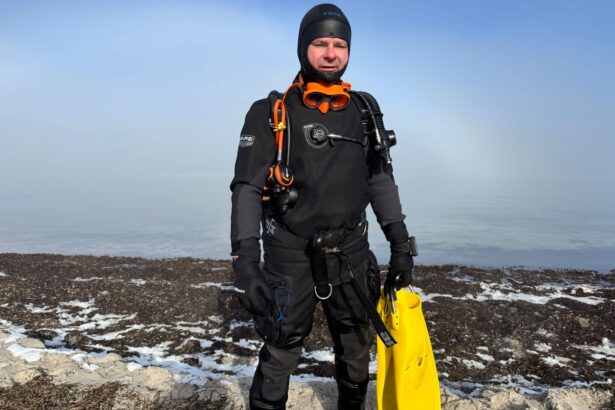
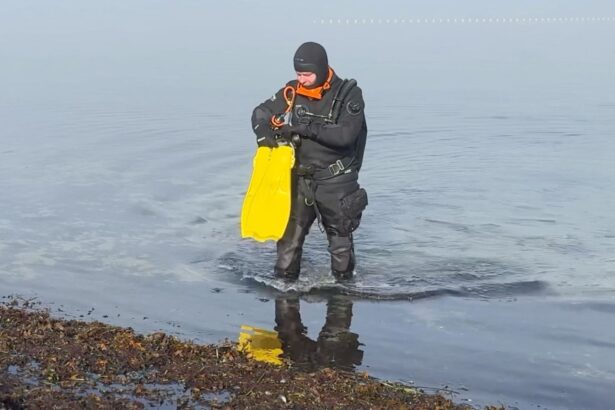
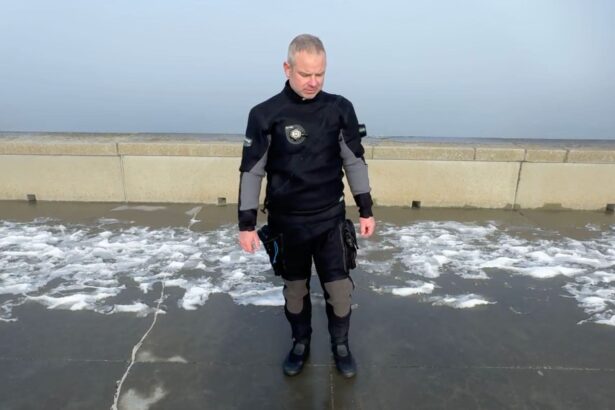
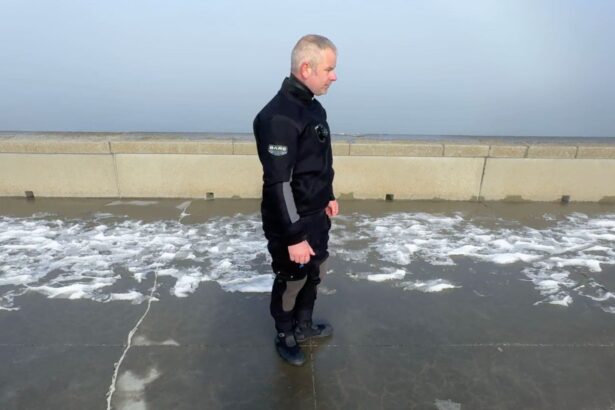
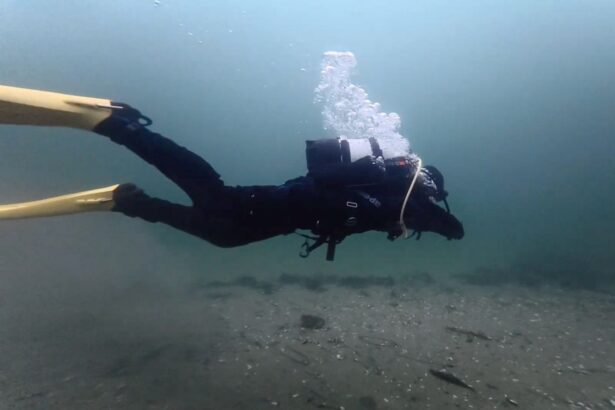
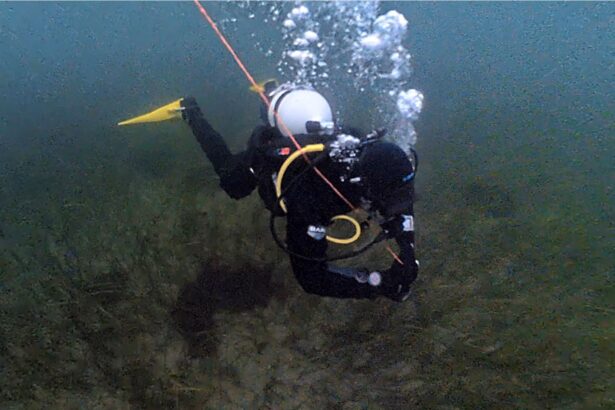



First impressions: cold-water specialist
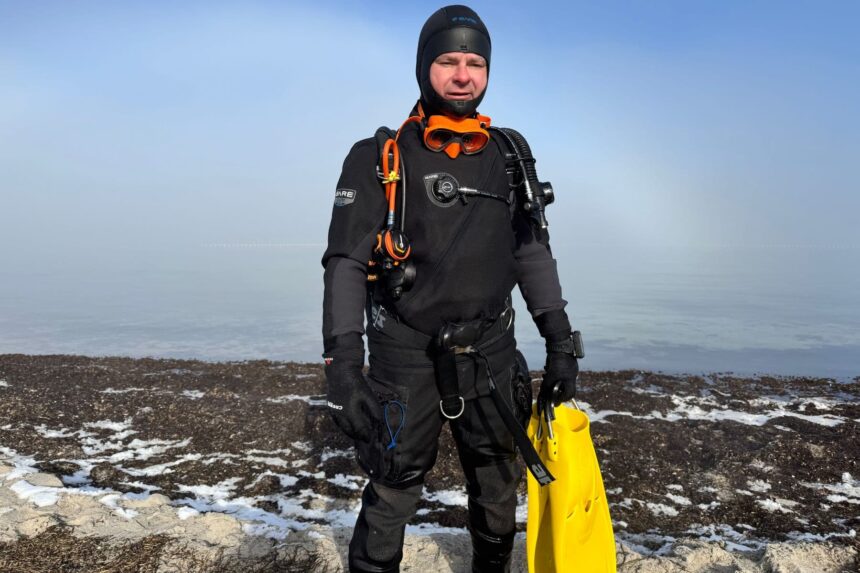
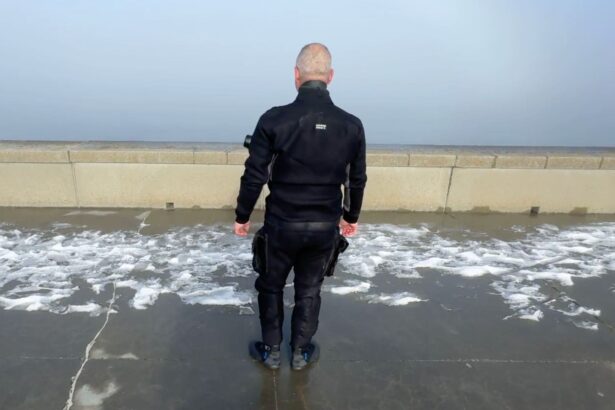
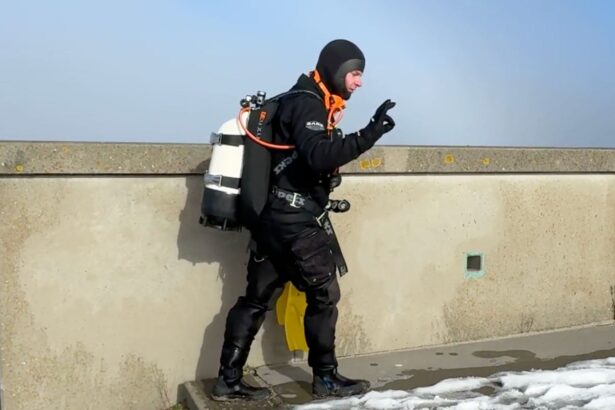
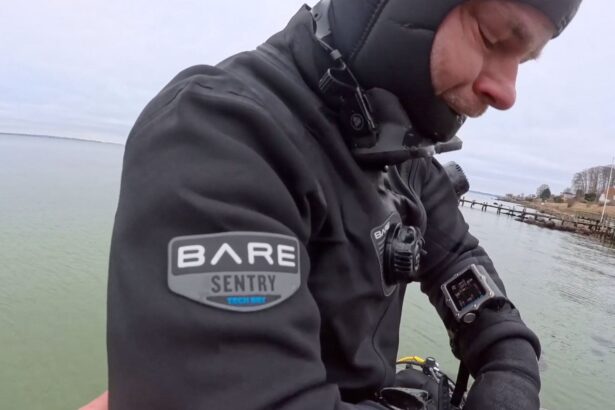
The BARE Sentry Tech is not your one-suit-for-all-conditions drysuit. It’s not as versatile as a shell suit that you can layer up or down. It’s a cold-water specialist. And it nails that role.
If you want something you can travel with, use in water warmer than 75 F (24 C) water, and shove in a duffel, look elsewhere.
But if you’re diving cold, often, and want comfort and warmth without complex layering, this is the suit. Yes, it’s expensive—but for the build, fit options, and material quality, you’re getting what you pay for.
In temperatures above 60 F (16 C), it’s quite pleasant to use without any layering. This is also where we found the drawbacks of neoprene’s constrictive properties disappear. On comfort and range of movement at these temperatures, the Sentry is great.
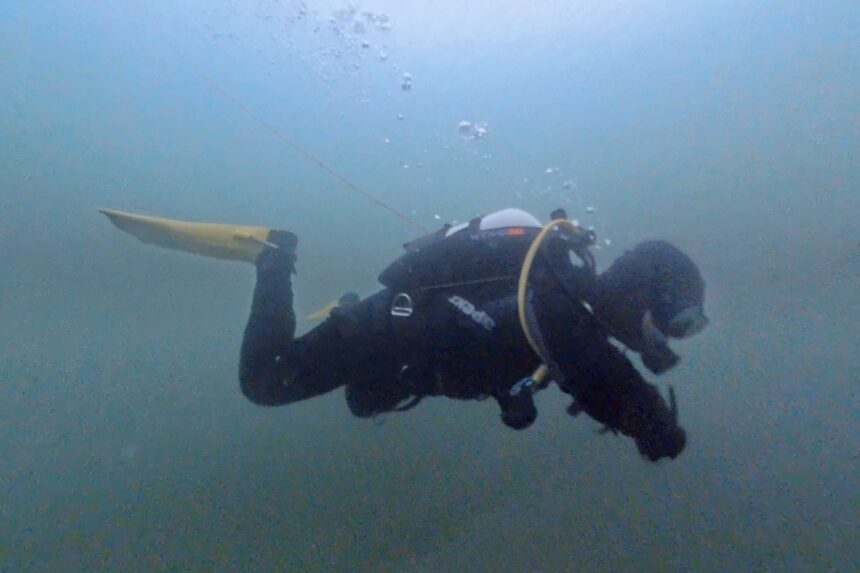
My suit doesn’t leave much room for thicker layers underneath, which means I struggle to frog-kick with my thickest undergarments on. This is specific to the size choice of my suit, though, and there are ways around this with the Sentry.
It’s a great cold-water suit with good protection against punctures, and it’s comfortable as well. Plus, there are a lot of features—like the inner pocket for car keys on the suspender flaps and easy-action front zipper—that make preparation, donning, and doffing less unpleasant.
Material and construction: as good as it gets
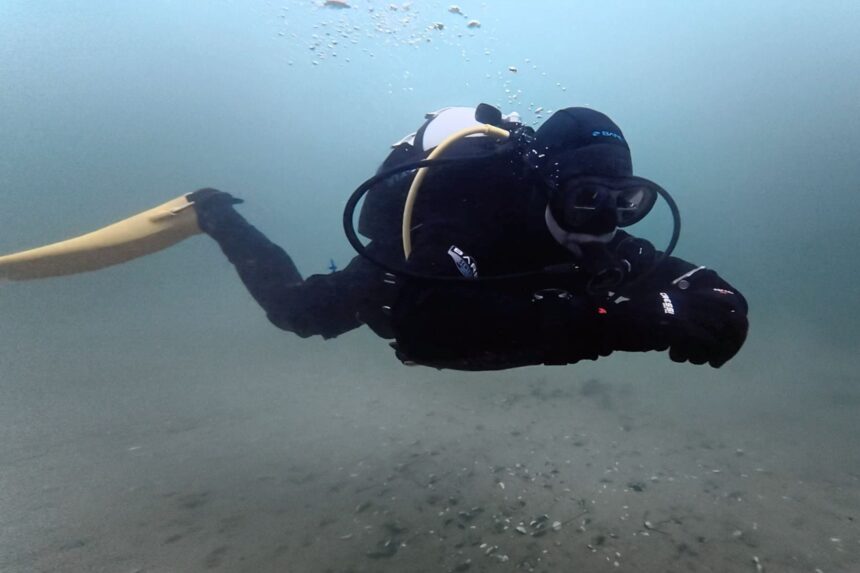
All modern neoprene drysuits feature some variation of crushed neoprene that doesn’t compress at depth or disrupt buoyancy. Neoprene displaces more water, and therefore it’s more buoyant near the surface. As it compresses, the displacement lessens and the positive buoyancy shrinks with it.
Rather than a petroleum-based neoprene, BARE uses a limestone-based neoprene produced by Yamamoto Corp., a Japanese company.
Yamamoto neoprene is more expensive than the standard petroleum-based. That’s because it not only takes longer to manufacture, but it also provides some thermal advantages while being lighter and more flexible.
I won’t pretend to have scientifically measured the density of the suit at different depths. I can, however, confirm the comfort at colder depths with little need to push more air into my wings to compensate for shrinking neoprene and buoyancy.
Uncrushed or non-compressed neoprene can get squeezed at depth, however, resulting in a loss of thermal protection and requiring additional air to adjust buoyancy.
Crushed neoprene minimizes this effect, and the hyper-compressed Sentry was designed to go even further. Without measuring the shrinkage rate, my experience past 50 feet (15 m) confirms no significant loss in terms of warmth or buoyancy.
Testing in 45 to 50 F (7 to 10 C) water demonstrated excellent thermal efficiency with minimal undergarment requirements.
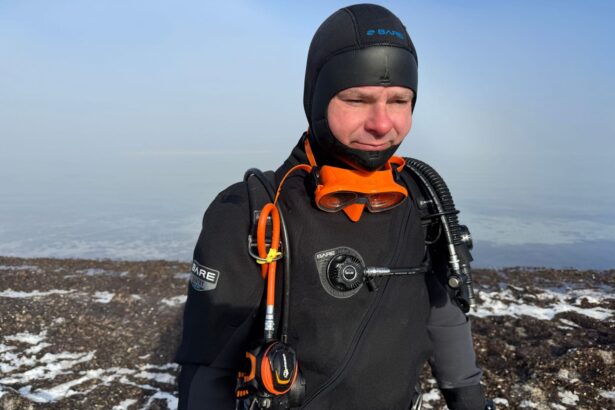
The internal lining is a type of soft rubber, called Kanoko, which offers an extra layer of warmth and protects both the suit and the wearer when putting it on. I’ve read that this can make getting into a suit stickier and more difficult, but I haven’t noticed it with bare arms and legs.
Speaking of protecting the suit, the No-Stitch Technology (NST), utilizing double-glued and heat-taped seams, eliminates traditional vulnerability points. Repairing the seams is also supposed to be easier because, but I’ve not needed any repairs to test this out.
Seals and boot options: simplified access
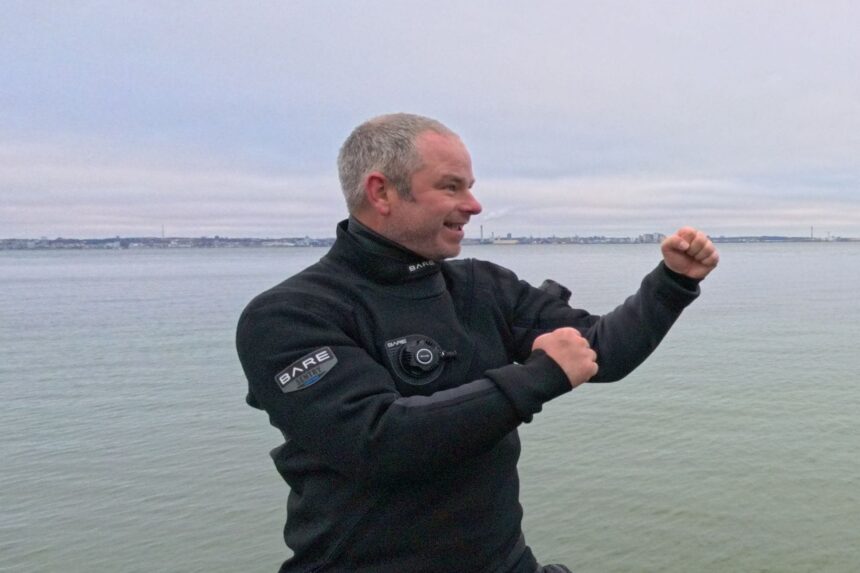
The combination of a neoprene neck seal and latex bottleneck wrist seals means reliable waterproofing. BARE also provides any customization you could want as alternatives for these types of seals.
It’s one of the hallmark features of BARE suits that they can provide a lot of options for mostly anyone’s sizes and needs.
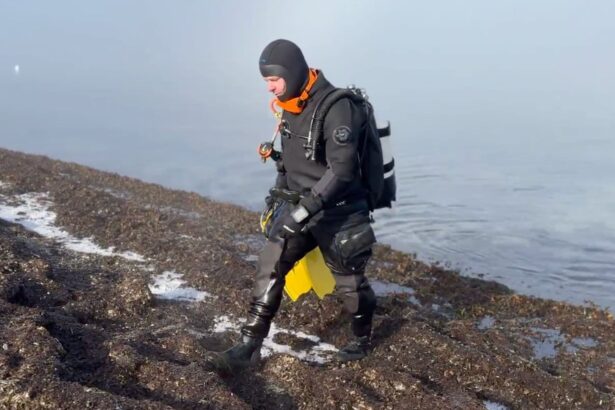
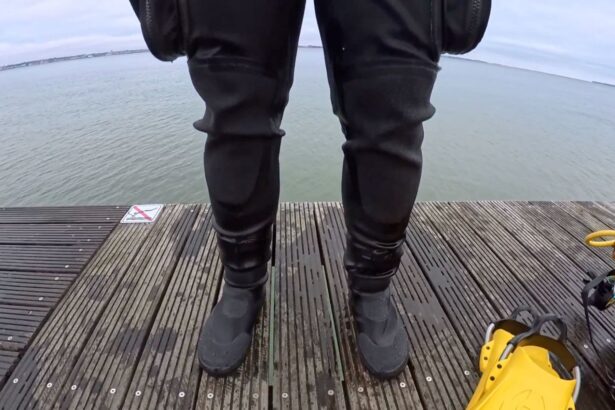
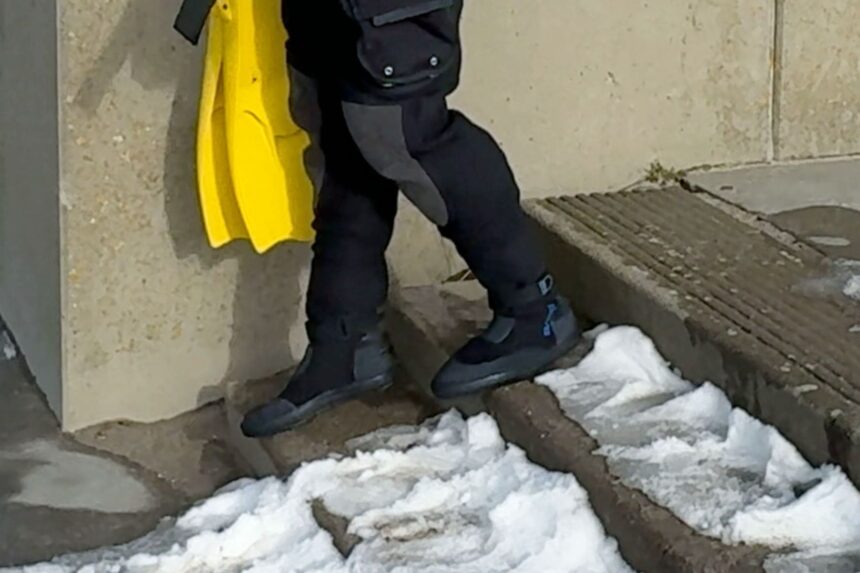
I have nothing to complain about when it comes to the flex boots I chose for my Sentry. They’re flexible, so they’re comfortable. On really jagged, sharp objects I can feel the points without feeling pain. I actually find this helps me keep my footing because I can feel for the terrain when shore diving.
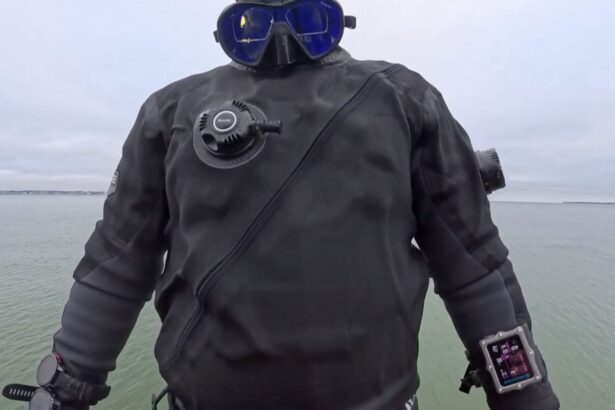
The single front-entry zipper system, enhanced by the material’s natural elasticity, offers notably easier donning and doffing compared to stiffer trilaminate suits.
Temperature management and layering

The suit excels in cold-water environments, with the compressed neoprene providing great insulation without requiring multiple undergarment layers in warmer temperatures.
This specialized construction limits versatility across temperature ranges, though, so it’s less adaptable than trilaminate alternatives for varying conditions. If you’re a tech diver who dives in mostly warmer waters, this may not be the right suit for you.
Mobility and performance: balanced compromise
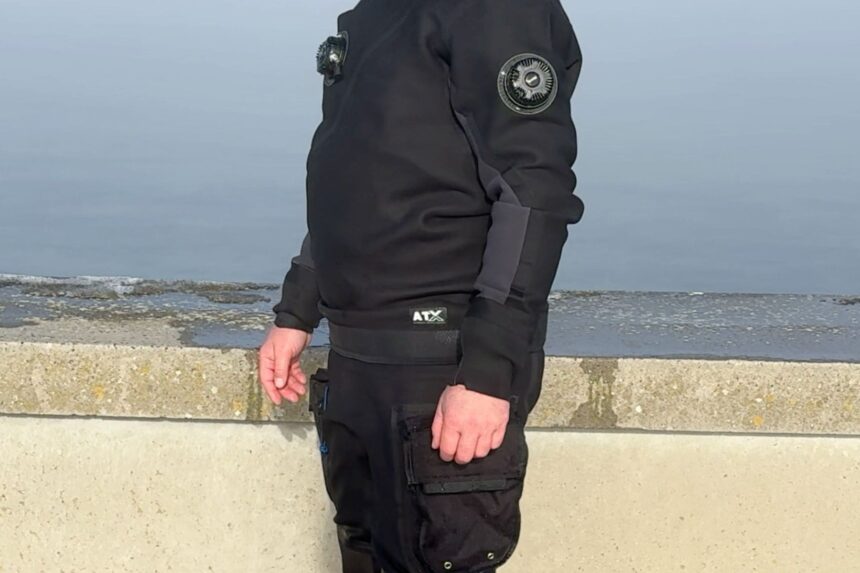
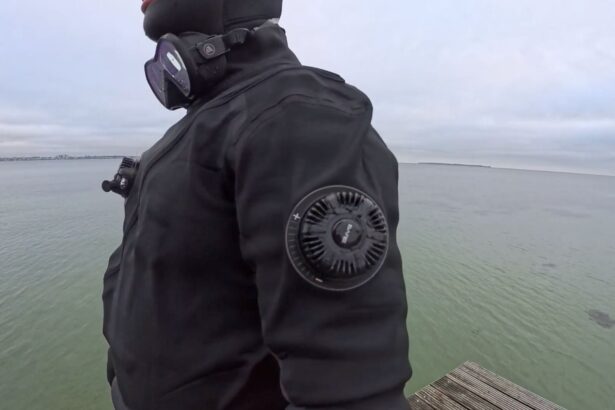
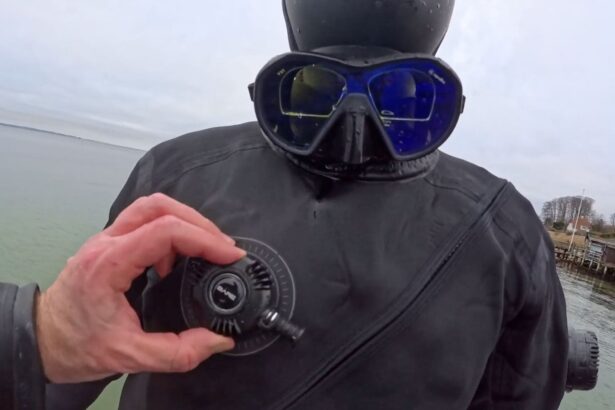
The Automatic Torso Extension (ATX) system on this drysuit functions just as the “telescopic” feature seen on any suit with suspenders and a crotch strap. While it has suspenders, the ATX is made so I can ease into the suit and it springs back to my body shape.
Two advantages of the system are that it prevents excess material from bunching—a common issue with neoprene drysuits—and it replaces the need for a crotch strap. From my experience, BARE has designed a hugging tendency into the suit so that it automatically adjusts or hugs the body.
That comes with some advantages and disadvantages. Compared to the Cressi Desert, for example, the Sentry Tech bunches less. Note though, that while the elastic properties offer certain movement advantages, I did notice some resistance during finning movements.
Sizing for comfort and performance
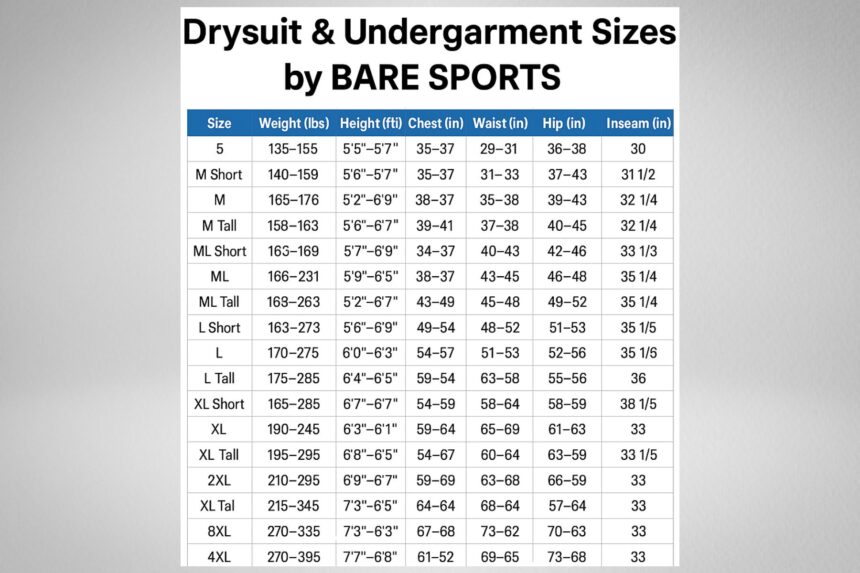
Available in both standard sizes and made-to-measure options, proper sizing is crucial for optimal performance. BARE offers a lot of different off-the-shelf options that make ordering pretty easy and sizing to match even easier. Thus the lead time is less and your suit will be cheaper in theory.
As long as you make these five crucial measurements, you and a retailer will be able to match your needs very well:
- Chest
- Waist
- Hip
- Inseam
- Torso
The flexibility of neoprene construction makes the suit a bit easier to get into and the ATX fit is a bit more forgiving in many ways—forgiving in that the suit hugs into place and minimizes bunching around the crotch and shoulders. This feature also replaces the need for a crotch strap by adjusting automatically.
It’s vital to understand where you’ll be diving in to get the best possible fit. As noted earlier, you’ll need to adjust sizing to make room for extra undergarments if you’re mostly a cold-water diver. Find out the temperature of the waters in which you’ll be habitually diving.
Pockets
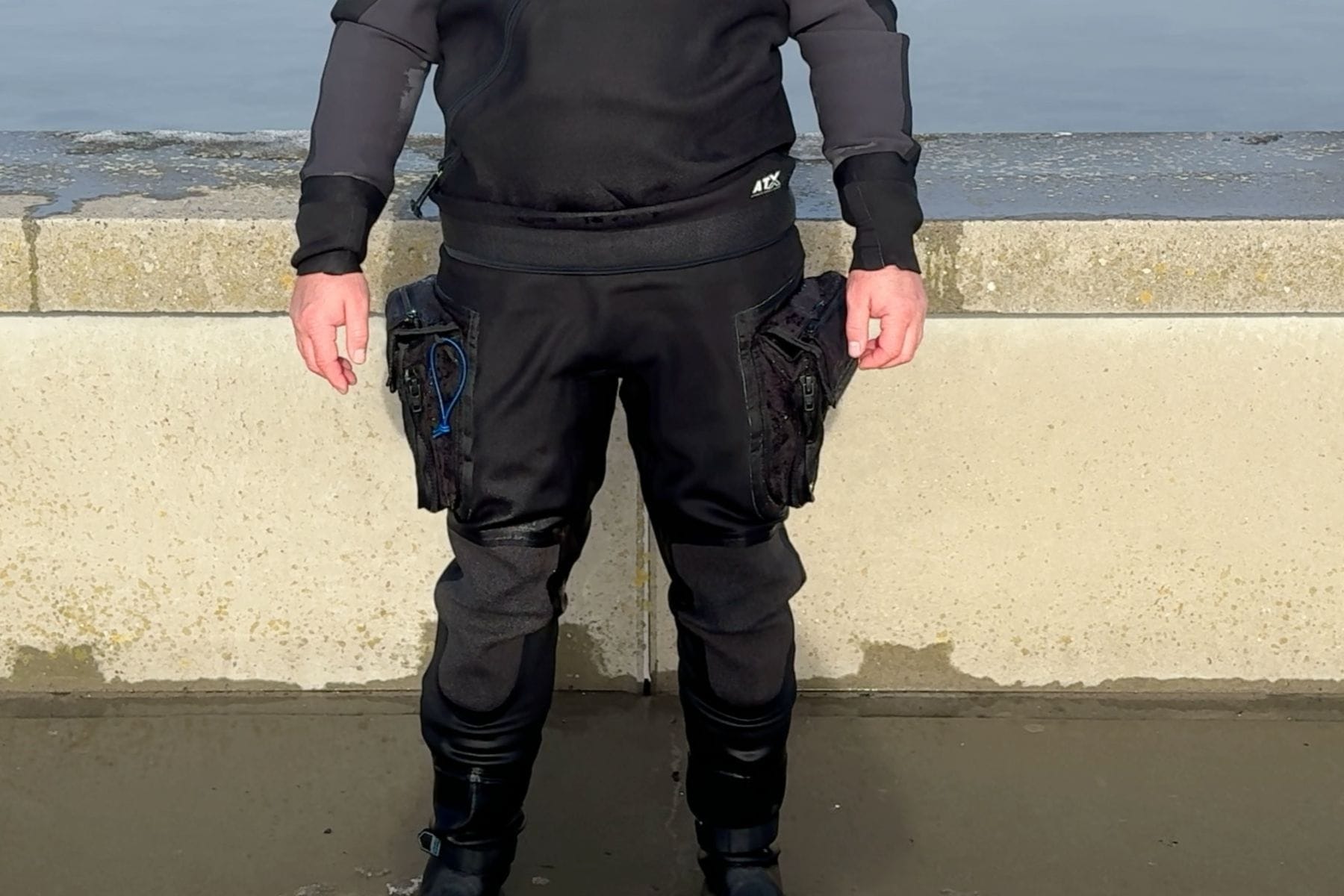
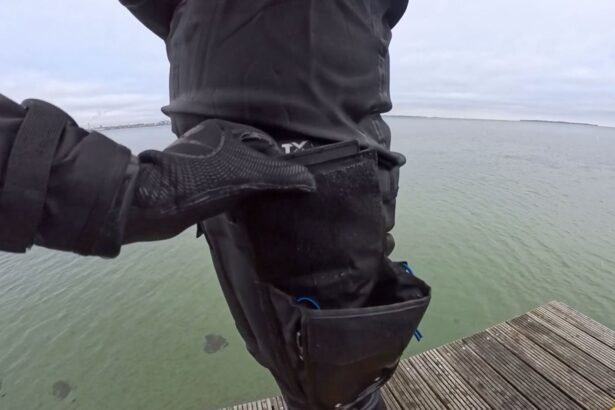
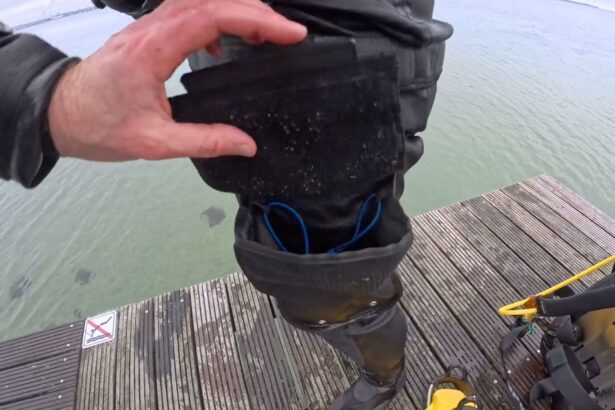
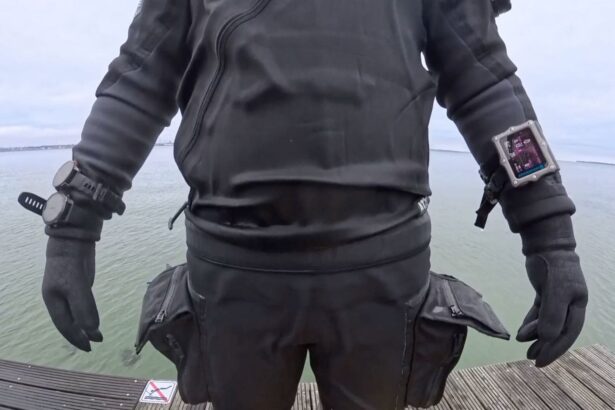
My BARE Sentry Tech has two large, expandable thigh pockets. These tech-style pockets are positioned for easy access and include secure flaps with Velcro closures to keep items like wetnotes, backup masks, or SMBs safely stowed.
Drainage grommets allow water to escape. The exterior is finished with a durable overlay to resist abrasion, especially useful when diving near rocks, wrecks, or other rugged terrain.

Inside each pocket, you’ll find bungee loops for clipping off accessories—an essential touch for tech and wreck divers who need to secure gear on the go. The size and placement of the pockets doesn’t interfere with leg movement thanks to the suit’s overall flexibility.
Price/Quality Ratio: specialized investment
At $3,099.99, the BARE Sentry Tech represents a significant investment. However, for dedicated cold-water divers, the superior insulation properties and reduced need for expensive undergarments may justify the premium pricing.
Do we recommend the BARE Sentry Tech drysuit?

For dedicated cold-water divers who prioritize thermal efficiency and prefer the flexibility of neoprene over traditional membrane suits, the Sentry Tech presents an excellent, albeit expensive, option.
The suit particularly suits those who value simplified thermal management over the broad temperature adaptability that you get with membrane suits.
This suit is warmer than any trilaminate, replacing the need for some undergarment layering. Compared to other neoprene suits, like the Cressi Desert, I think the Yamamoto Neoprene with Kanoko liner is warmer, making the overall diving experience a bit more comfortable.
We recommend this suit for colder waters—with the caveat that sizing must account for how much space the diver will need for undergarments. In 60 F (16 C) or more, this suit almost provides enough warmth with just long underwear for a layer.
As for comfort and performance during a dive, the Sentry is a great suit for divers who will be using it often.
Specs & Features
| Material | 7mm hyper-compressed neoprene |
|---|---|
| Neck seals | Neoprene |
| Wrist seals | Latex bottleneck design |
| Fit | Both off-the-rack and custom options |
| Zip location | Single front-entry |
| Boots | Integrated boots |
| Pockets | Strategically placed tech pockets with protective design |
 Take a moment to look at this.