


Malapascua, a skinny island situated North East of Cebu, Philippines, is on every diver’s bucket list.
The reason?
Their resident thresher sharks.
Malapascua offers a rare opportunity for near-to guaranteed sightings, watching these graceful, unmistakeable sharks getting their morning clean. But with thresher sharks ticked off your list by early morning, there’s time to check out some of the other best dive sites in Malapascua.
There is an ample variety of choices, with deep walls, coral-covered pinnacles and shallower reef scapes. Or perhaps venture out to the nearby islands, like the locals’ favorite Gato Island or the idyllic Kalanggaman.
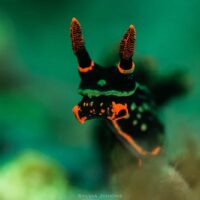
Malapascua has an awesome abundance of marine life, especially macro in the muck. Keep your eyes peeled for mantis shrimp, pygmy seahorses, frogfish, nudis and crustaceans. But remember to look up from the dirt in case a white-tip shark or eagle ray swims by.
Being a small island, everyone knows everyone, and that friendly neighborhood vibe is felt throughout. Finish your day with an SMB (San Miguel Beer) or refreshing calamansi juice, enjoy the beautiful sunsets and share some great stories and smiles with the locals.
The 11 Best Dive Sites in Malapascua
KIMUD SHOAL
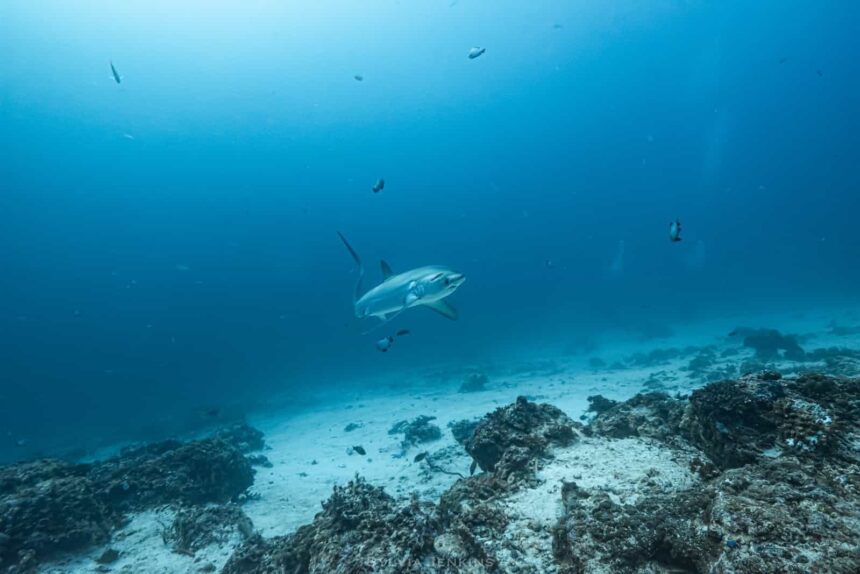
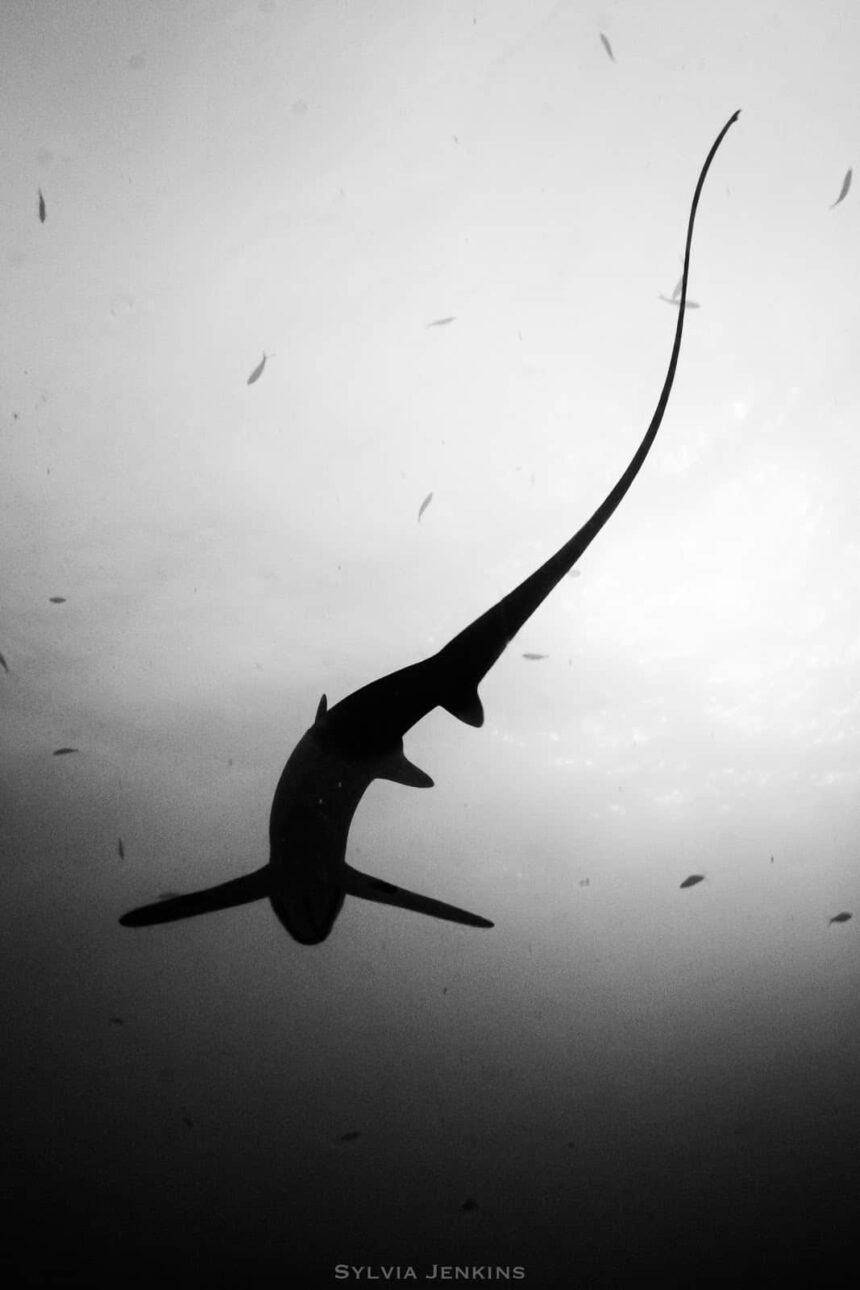


Look up “top shark dives” and nearly always, Malapascua pops up. For years, the name that came with it was Monad Shoal. That’s changed. Since around 2022, the resident Pelagic thresher sharks have shifted their cleaning-station habits from Monad Shoal to a nearby site called Kimud Shoal, and that’s now the spot for a near-guaranteed thresher sighting. Monad still sees the odd visitor, but Kimud is where the dives take place these days.
Like Monad before it, this is a dive done pre-sunrise, requiring a very early alarm. But that doesn’t seem to deter anyone and it can get pretty busy down there.
What you will see:
Kimud Shoal sits shallower than Monad ever did, with its cleaning stations closer to 40-65 feet (12-20 m) rather than 82 feet+ (25 m+). That means more light, longer bottom times, and threshers that tend to stick around later into the morning, often coming in closer than divers ever saw at Monad. They’re still quite jittery, so divers want to be still with minimal disturbance.
Since every minute counts, having nitrox certification is a big plus; it’s also a great opportunity to finally add nitrox to your skills. The dive is almost cinema-like: find a good spot, stay quiet, and watch the show of circulating sharks as they swim past. But don’t forget to look up, there just might be a ray overhead.
Depths: 40-95 feet/12-29 m
Level: Intermediate (nitrox recommended)
*Note: The use of underwater flash/strobes is strictly prohibited
LAPUS LAPUS
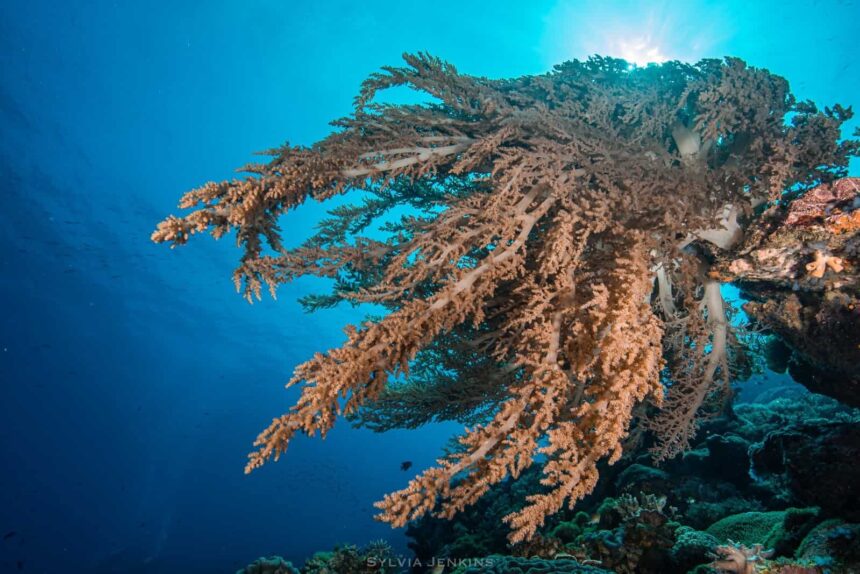
Lapus Lapus is located on the northwest corner, pivoting around a rock outcrop next to the island. Popular with beginner and intermediate divers, the site has plenty to offer at shallow depths.
What you will see:
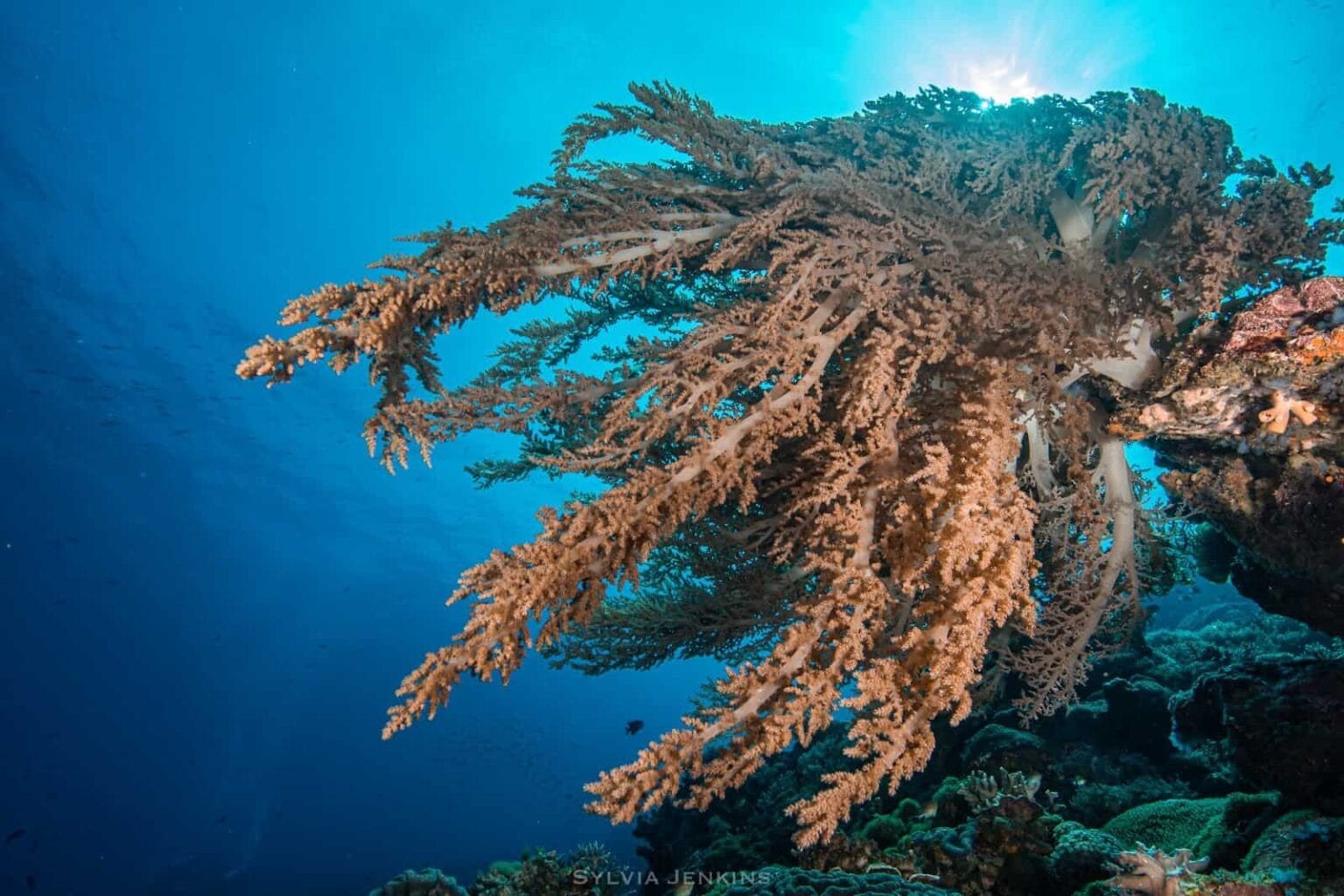
Soft corals smother the slowly sloping bottom, with reef fish such as angelfish, clownfish, pufferfish, and boxfish bustling past. At changing tides, the current can pick up as you whip around the corner. This light drift dive is usually done Lapus Lapus to the North Wall (or vice versa).
Depths: 40-66 feet/12-20 m
Level: Beginner
NORTH WALL
A continuation of Lapus Lapus, North Wall is often done as a combined drift dive. The current here is usually light to medium, making it ideal for new divers or those more comfortable at shallower depths. The dive site is split into two; the western, deeper rocky bottom at 72 feet (25 m) and the eastern half coming up to a shallower reef at 40 feet (12 m). This means divers with a mix of certifications can still dive together.
What you will see:
Following this underwater edge south will eventually lead to Lapus Lapus. In the rubble live plenty of macro critters like nudibranchs, crustaceans, and seahorses. Continue shallower, and you’ll find soft coral and small reef fish like butterflies and pufferfish. Sea snakes are common in this area.
Depth: 40-80 feet/12-25 m
Level: Beginner
DEEP ROCK
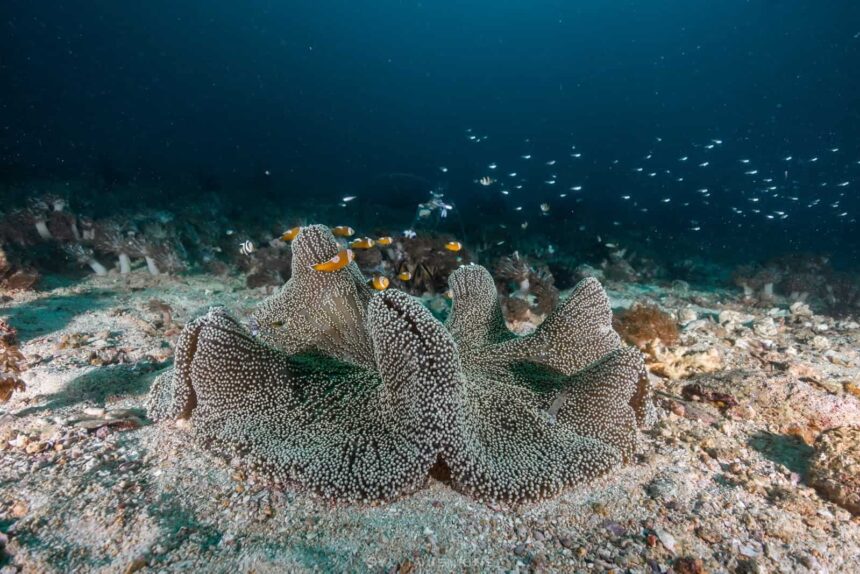
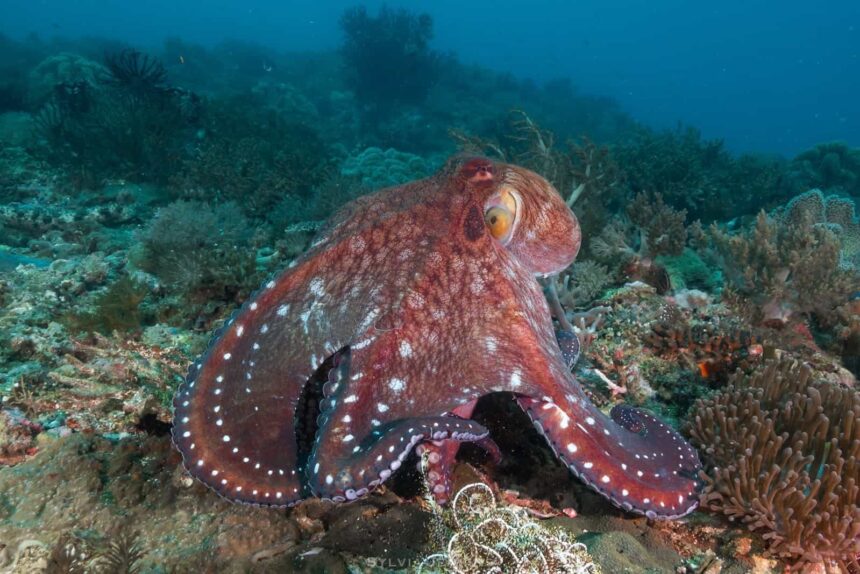


Featuring a coral-covered curving wall creating the edge and trenched-out rocky bottom, Deep Rock supports a wide variety of life. Mild current is common, and sometimes getting up from and down to the site can be a workout. Due to its depth and conditions, Deep Rock is only suitable for intermediate and experienced divers.
What you will see:
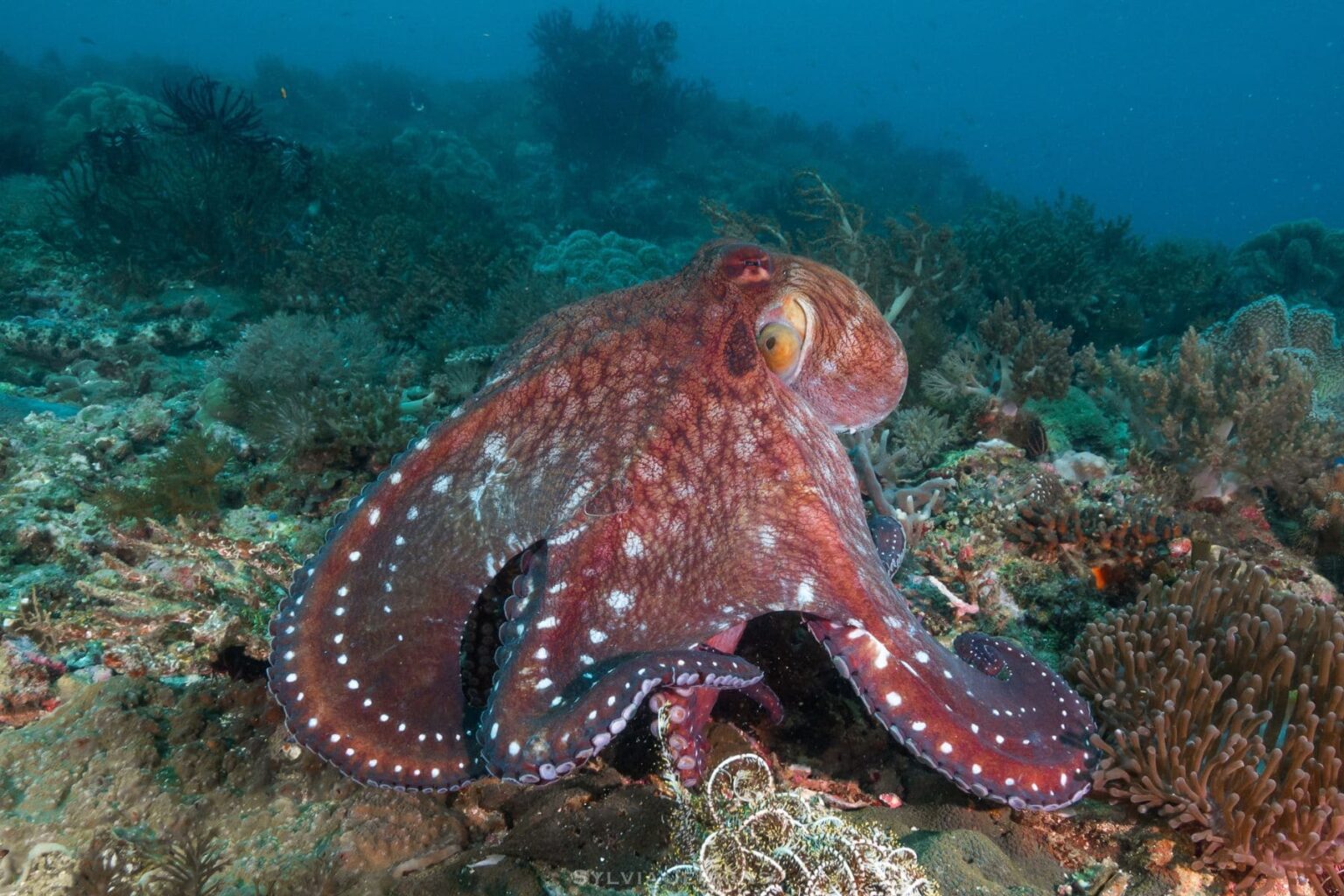
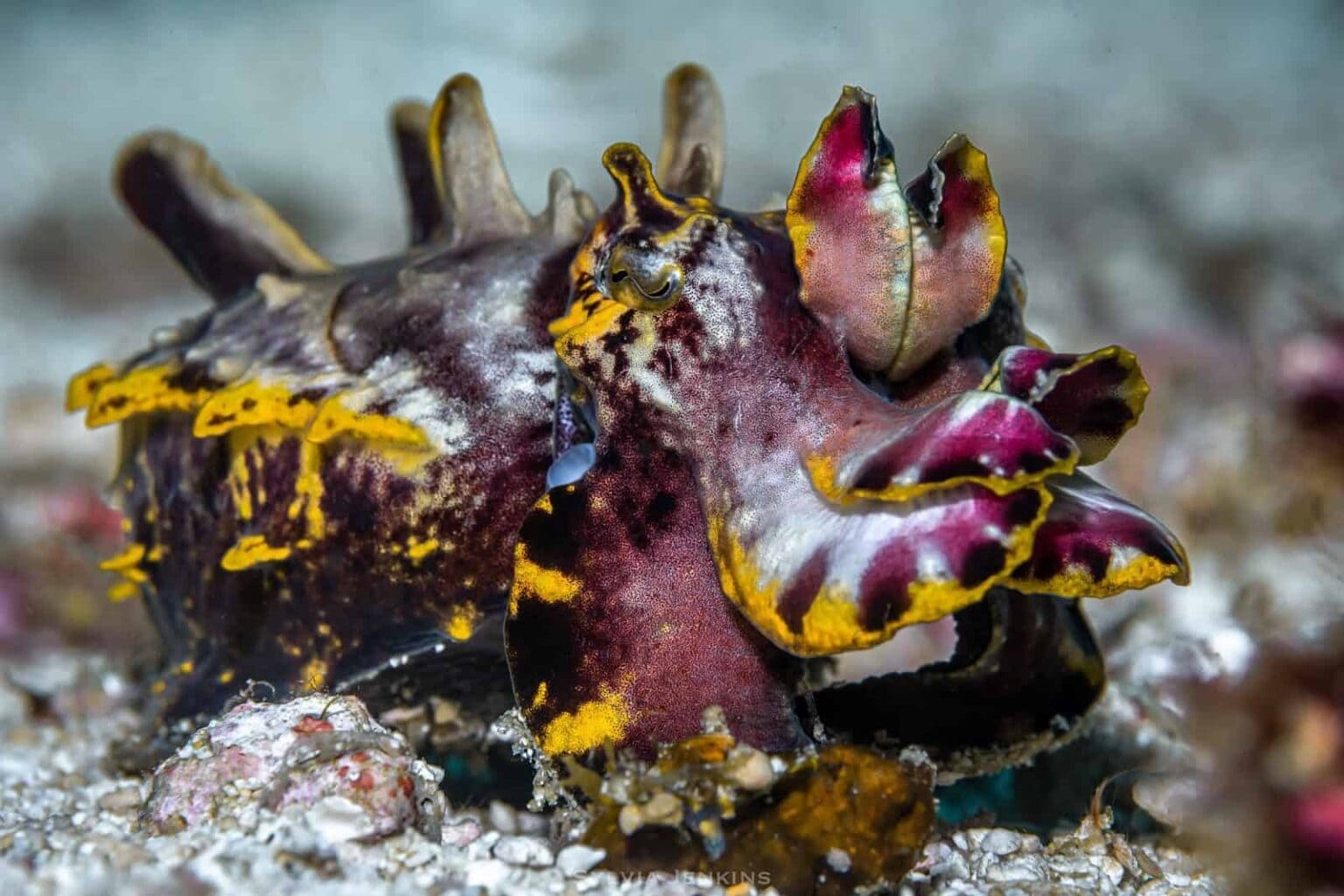
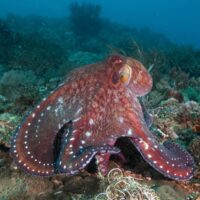
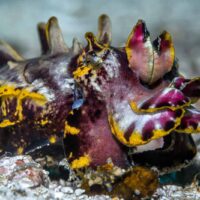
Come down the line to 55 feet (17 m), and spend the first half of your dive hunting for macro critters hiding in the pebbles, such as flamboyant cuttlefish, ornate ghost pipefish, blue-ringed octopus, and anemone crabs. Once your bottom time runs low, rise up onto the plateau to see the corals and friendly reef fish. Keep your eyes open for resident common octopus.
Depth: 40-100 feet/12-30 m
Level: Intermediate
QUILLANO
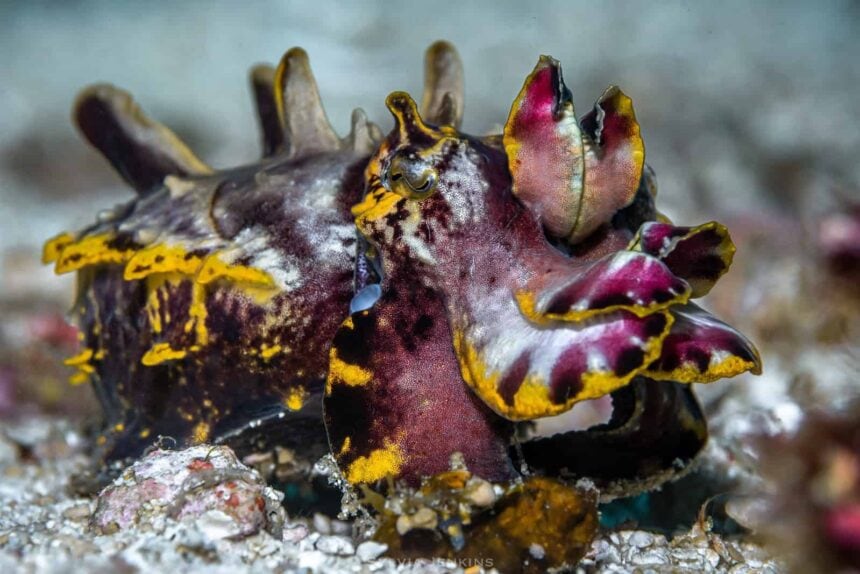
Pronounced Gi-li-an-o, Quillano is a small pinnacle north of Malapascua. This site is the perfect candidate for a relaxing afternoon dive. Descend to the bottom of the pinnacle, and just slowly spiral back up. The base of the pinnacle is at 50-60 feet (16-18 m), so it’s appropriate for divers of all levels. There is a mild current, which will pick up during changing tides. If this is the case, the guides remain on one side.
What you will see:
Surrounding the rock is mucky sand, where you’ve got the chance to find seahorses, pipefish, flamboyant cuttlefish and lots of fire urchins with hitchhiking zebra crabs. On the pinnacle itself, giant frogfish, banded boxer shrimps, baby boxfish, and small reef fish are common. Inspect the whip coral protruding from the rock and you may find a whip coral crab or a goby with her eggs.
Depth: 40-100 feet/12-30 m
Level: Intermediate
BUGTONG BATO
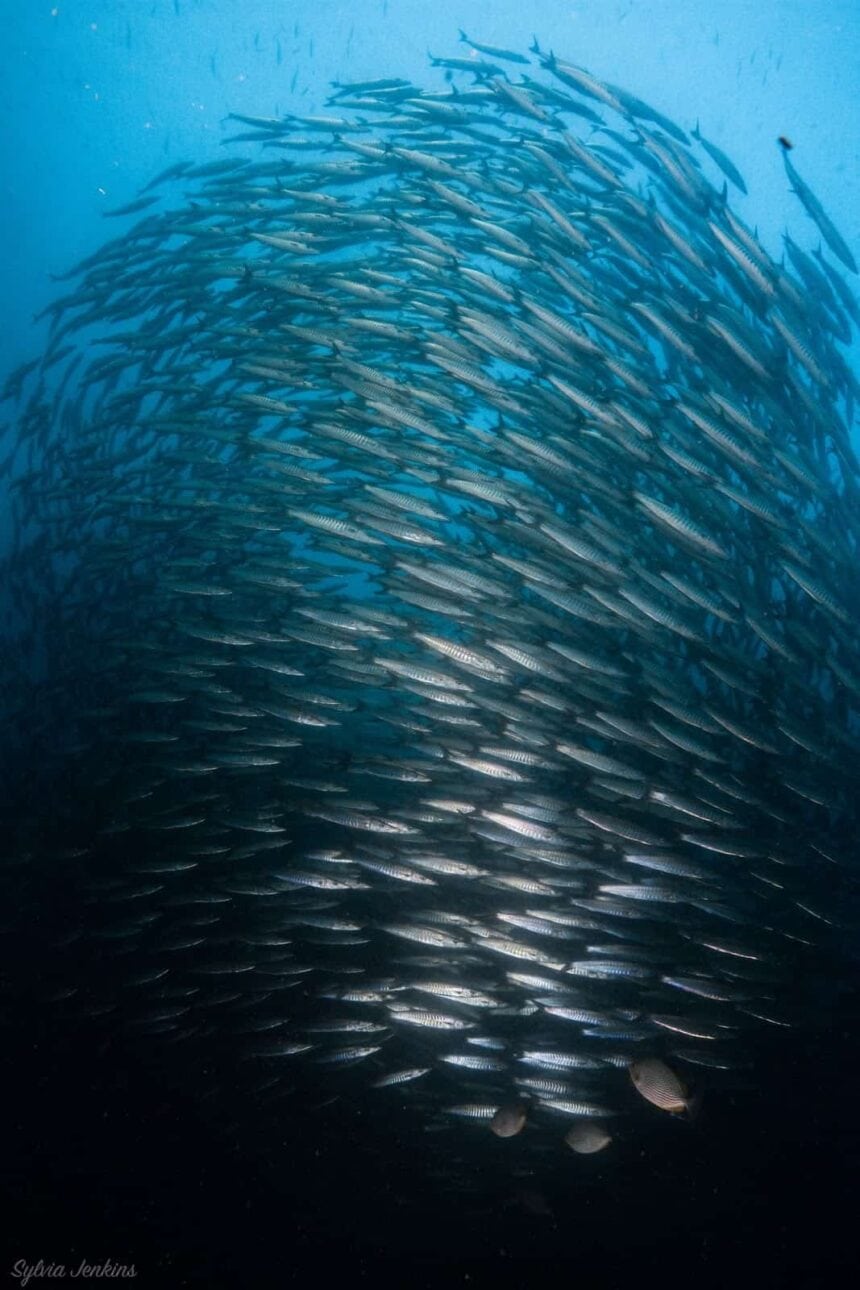
Butong Bato, meaning “single rock” is a large pinnacle absolutely teeming with life. Similar to Quillano, Bugtong Bato is referred to as its big brother. Due to its larger scale, this site is best for intermediate and experienced divers. Like Quillano, there is a current and dive routes can change accordingly.
What you will see:
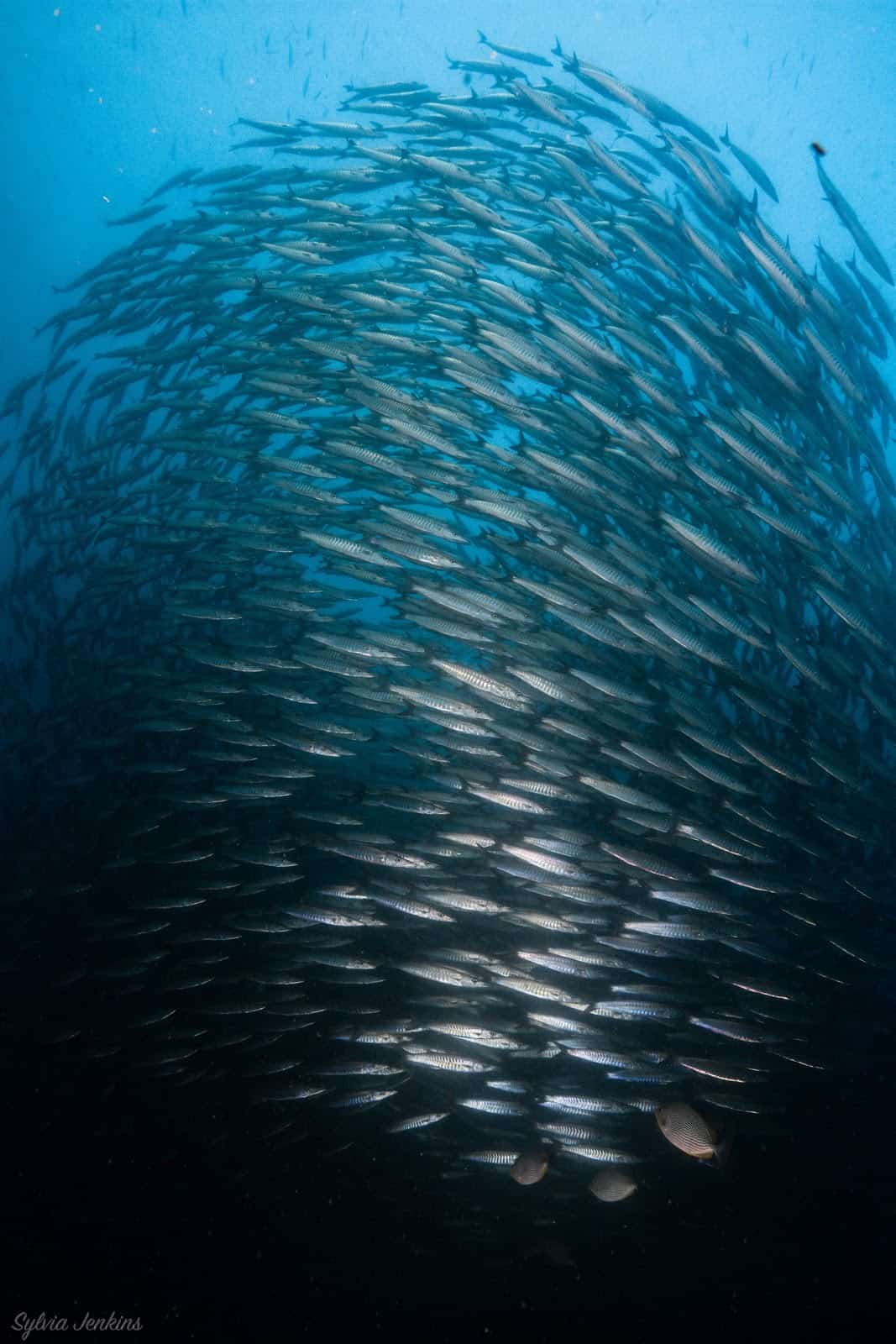
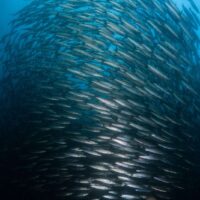
Residing at the base of 100 feet (30 m), often there is a school of batfish and/or barracuda hanging out. Surrounding the upward sloping bottom is lots of black and whip coral, with puffers, butterflies, and mantis shrimp tucked in between.
Depth: 50-115 feet/15-35 m
Level: Advanced (Nitrox and deep recommended)
GATO ISLAND
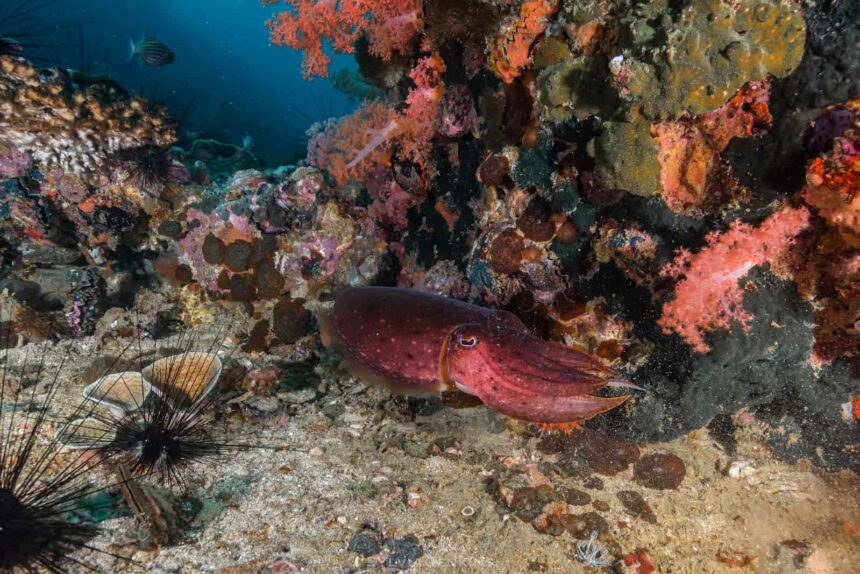
“You come for Monad, but leave remembering Gato Island,” is a common refrain heard among dive guides. This firm favorite is about one hour away from Malapascua by boat, but it’s a 2-dive trip and well worth it. If you have a sensitive stomach, take some sea-sickness tablets because it can be a bumpy ride.
What you will see:
Gato Island has an unique 100-foot (30 m) tunnel, allowing you to cut through the island. Often there are white-tip reef sharks at the catherdral-like exit. Depending on your diving and comfort levels, you may or may not want to go through.
Boulders with soft coral create the scenery framing the passage, with macro life everywhere. There are plenty of nudibranchs, cuttlefish, seahorses, and crustaceans. Gato Island is also a sea snake sanctuary, so seeing them is a given.
Depth: 25-85 feet/8-25 m
Level: Intermediate
DOÑA MARILYN
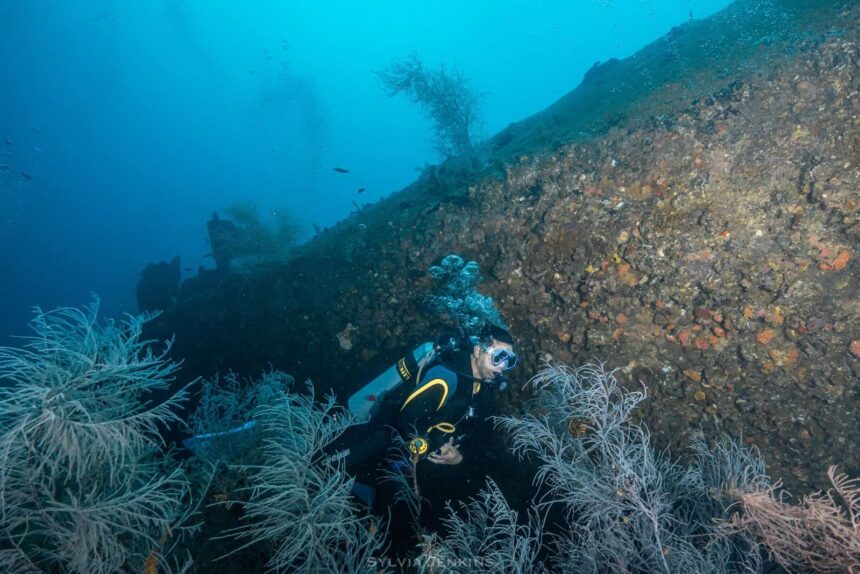
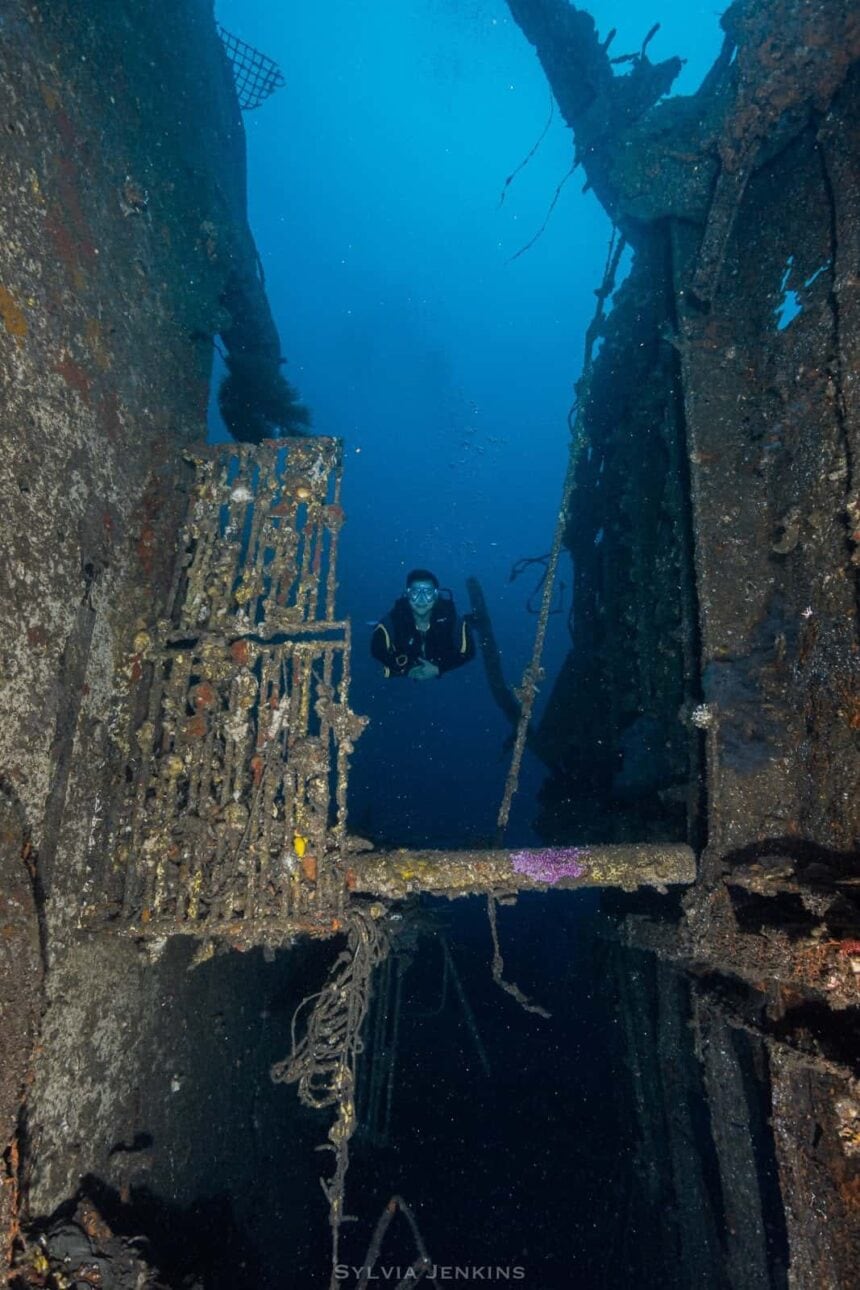


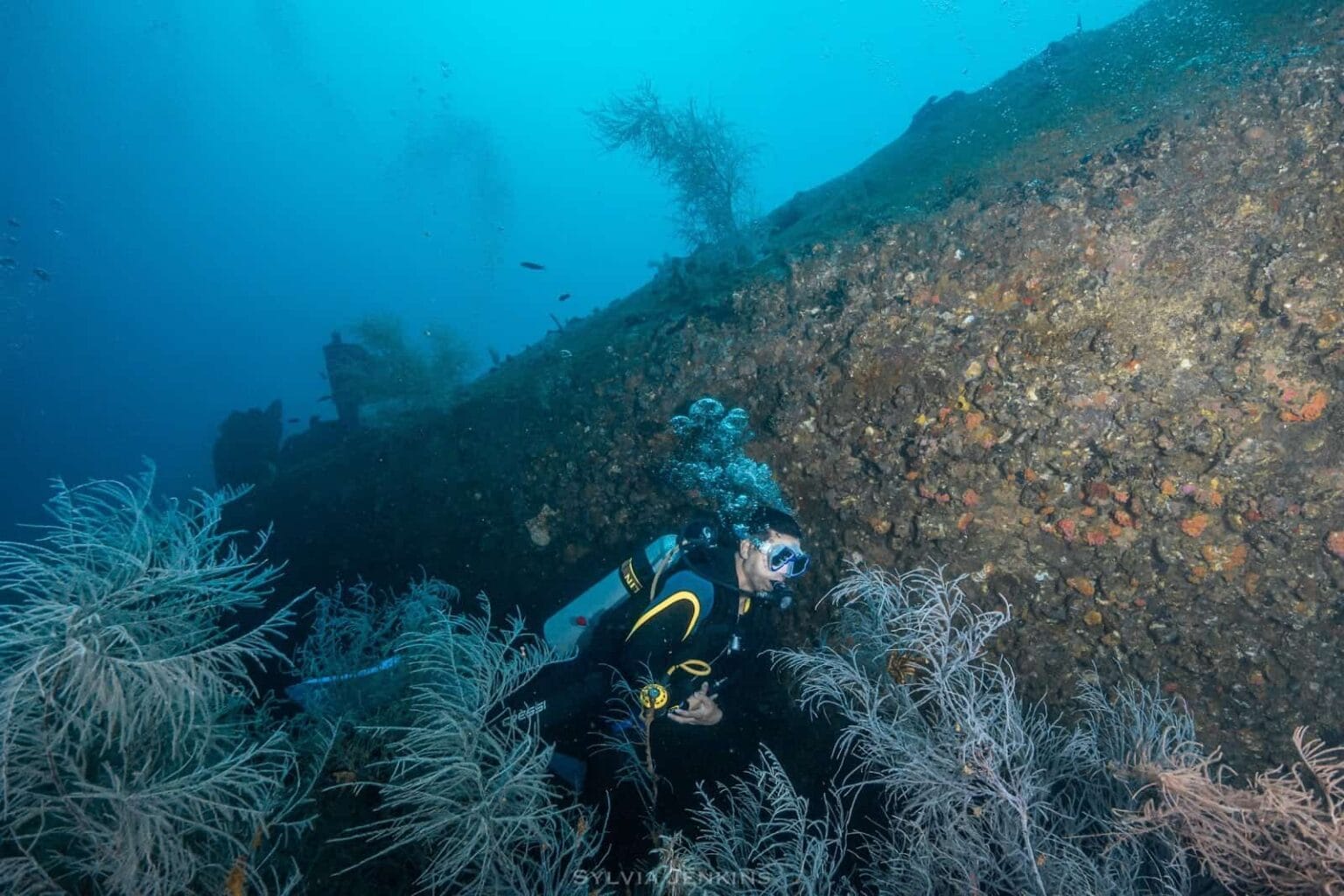
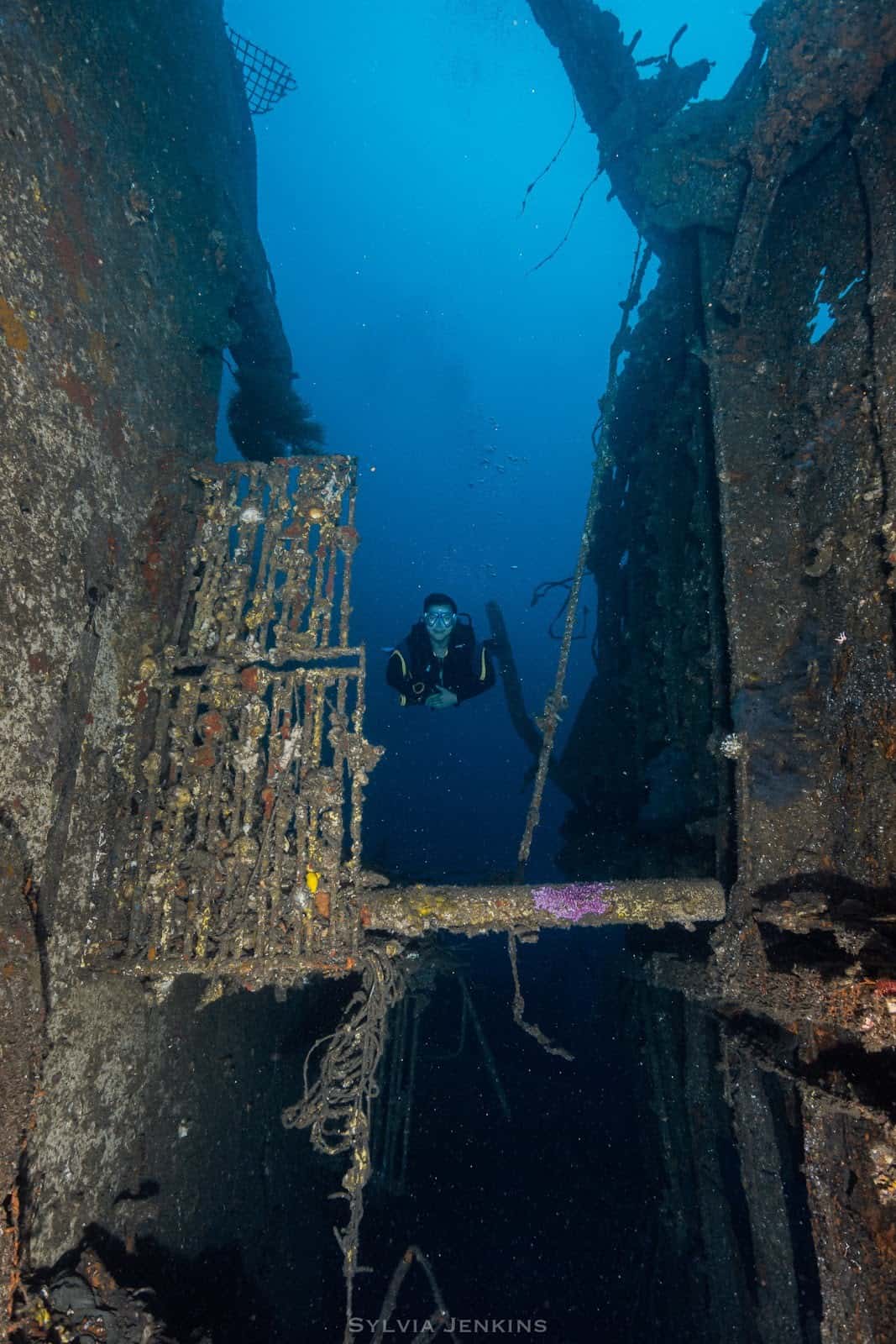
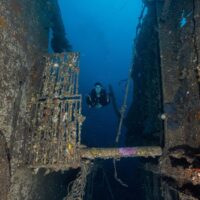
In 1988, this 321-foot (98 m) inter-island ferry and 400 of its passengers met their end in a strong tropical storm. For 20 years, the wreck gained new life as a great site for experienced divers. However, in 2018, illegal salvaging ships with large wrecking balls came to break it apart for scrap. Now, a shell remains, with large craters littering the site, a disturbing reminder of the demolition attempt.
What you will see:
The Doña Marilyn’s bottom sits at 115 feet (35 m), with the shallowest part at around 66 feet (20 m). Due to its mid-channel position, currents are strong and the site is recommended for experienced divers only. Perhaps due to its sad history, Doña Marilyn has a spooky haunted house vibe. Likely marine life includes white-tip sharks, marble rays, giant scorpionfish, moray eels, and schools of jacks.
Depth: 66-130 feet/20-40 m
Level: Advanced (Nitrox and deep recommended)
CHOCOLATE ISLAND
Take the bangka ferry from Maya, Cebu Island to Malapascua, and this bite-sized island will pass by on the left. Chocolate Island is a shallow, relaxing dive site, making it perfect for beginners and veteran divers alike.
What you will see:
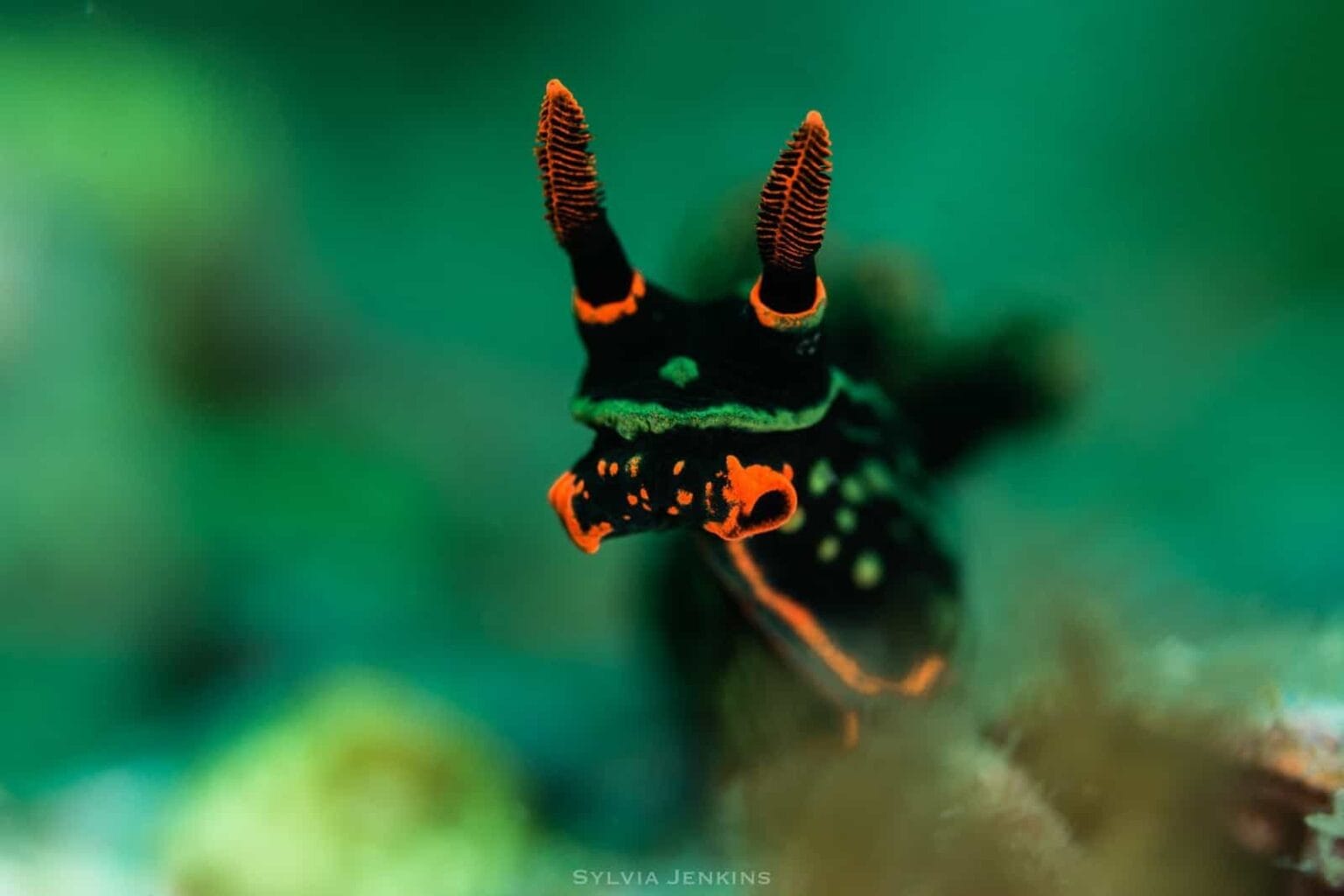
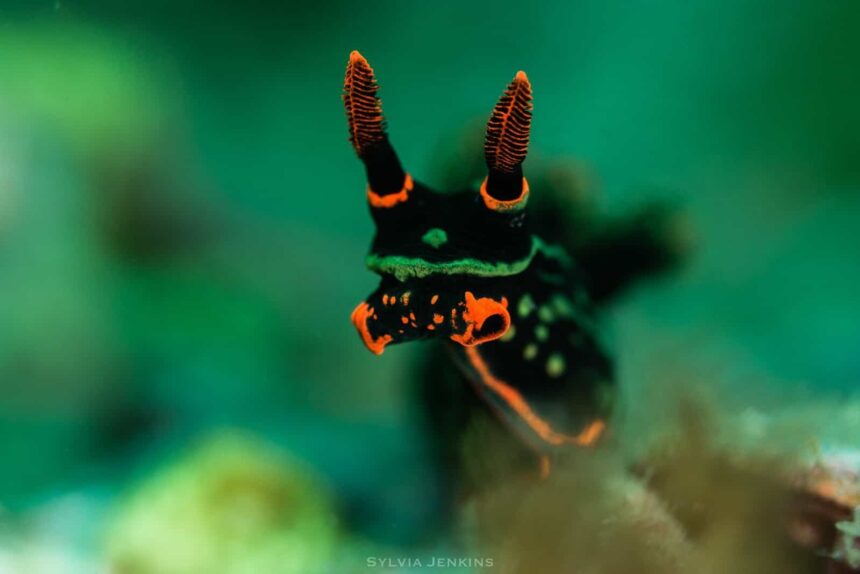
An abundance of underwater life such as crustaceans, seahorses, nudibranchs, cardinalfish, frogfish and more make it perfect for underwater photography. Chocolate Island is an absolute must for nudibranch nerds. Visit at night and see giant cuttlefish, sea hares and Spanish dancers.
Depth: 18-66 feet/5-20 m
Level: Beginner
KALANGGAMAN ISLAND
Type Malapascua into Google images, and it’s Kalaggaman Island’s signature white sandbar you’ll see. Though slightly disturbed by tourists desperate to get an Instagram-worthy snap, the snorkeling and diving here make for a good addition to your trip.
What you will see:
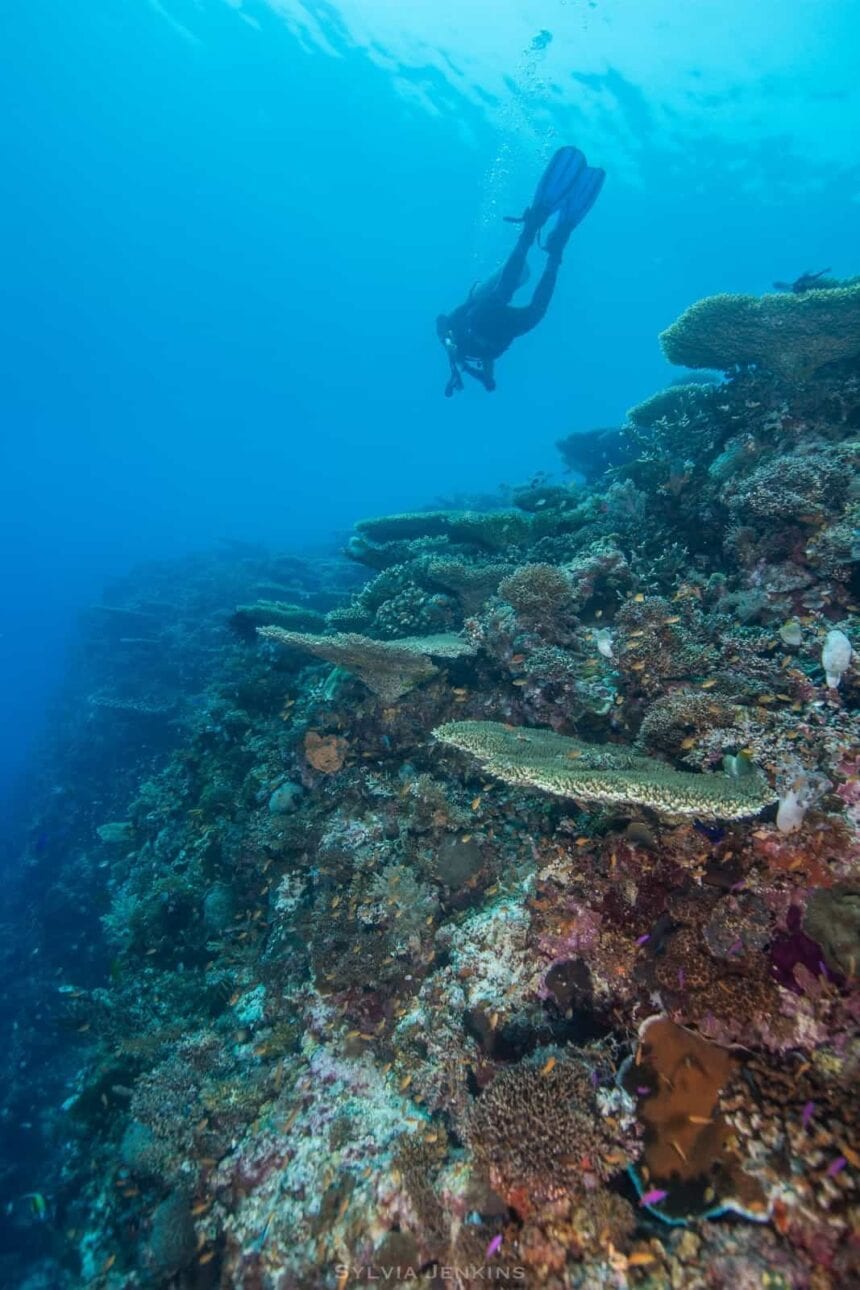
A shallow snorkeling reef surrounds the sandbar, with a deeper wall lining its edge. Along it is a beautiful array of corals supporting lots of reef fish, including massive shoals of moorish idols. As with much of the Philippines, turtles are common around this islet and you might see one catching a nap.
Depth: 18-130 feet/5-40 m
Level: Beginner
CAPITANCILLO ISLAND
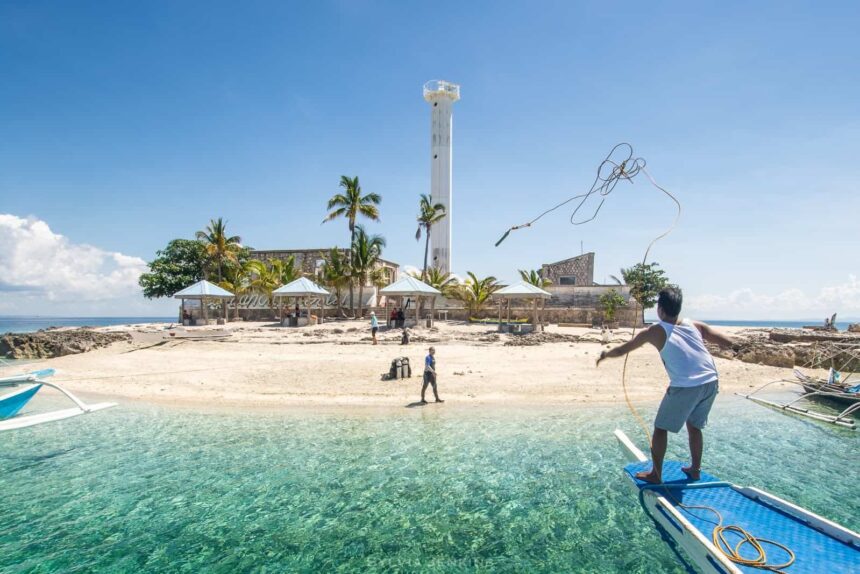
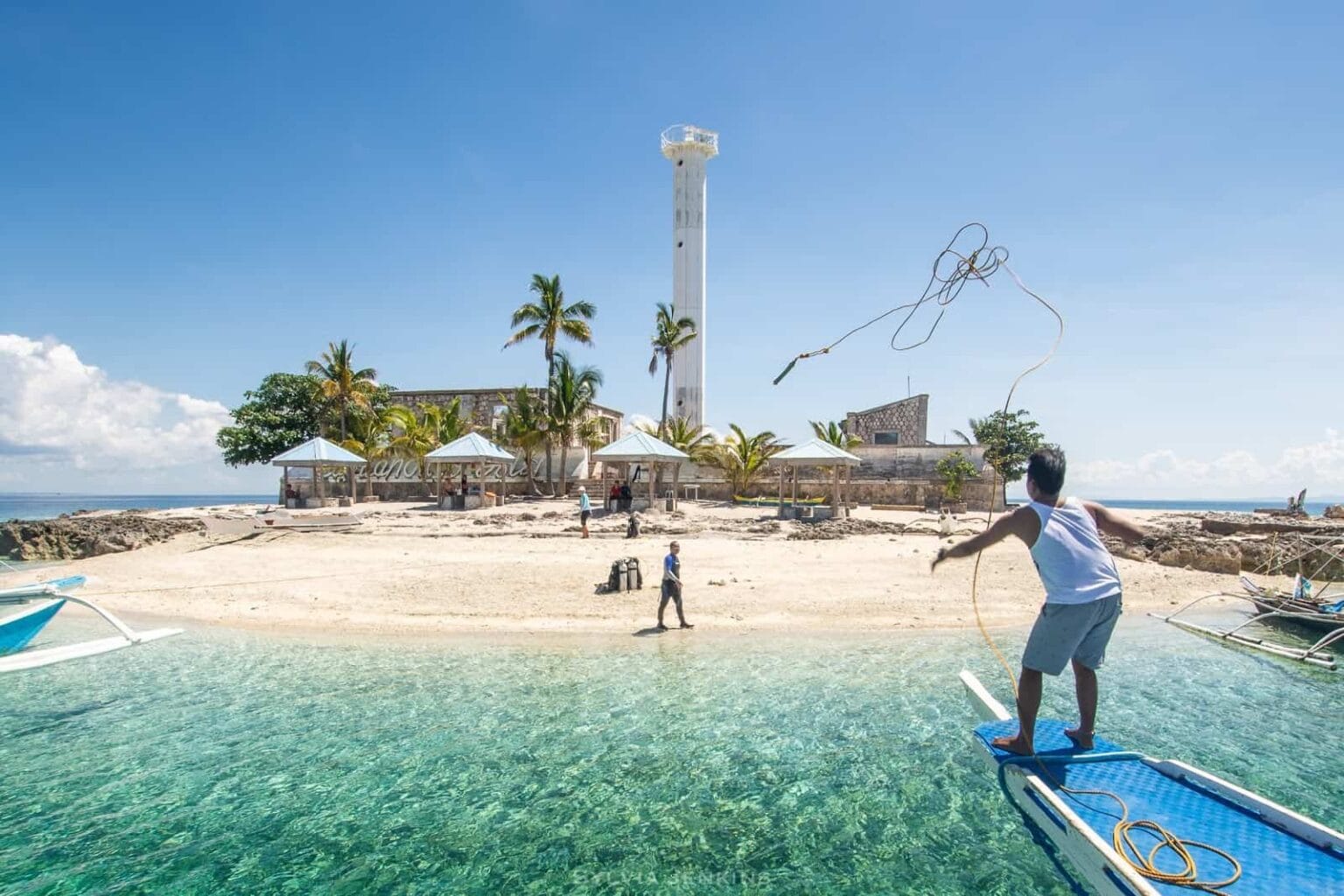
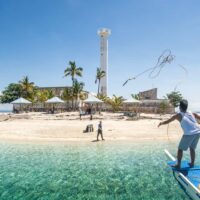
Less well-known than nearby Kalanggaman, Capitancillo makes for the perfect break from Malapascua. Capitancillo is a picturesquely petite island, and boats will usually park here for lunch. Take the 5-minute walk around and enjoy its petite lighthouse. Due to the surrounding shallow reef, snorkelers and divers alike can enjoy this sanctuary.
What you will see:
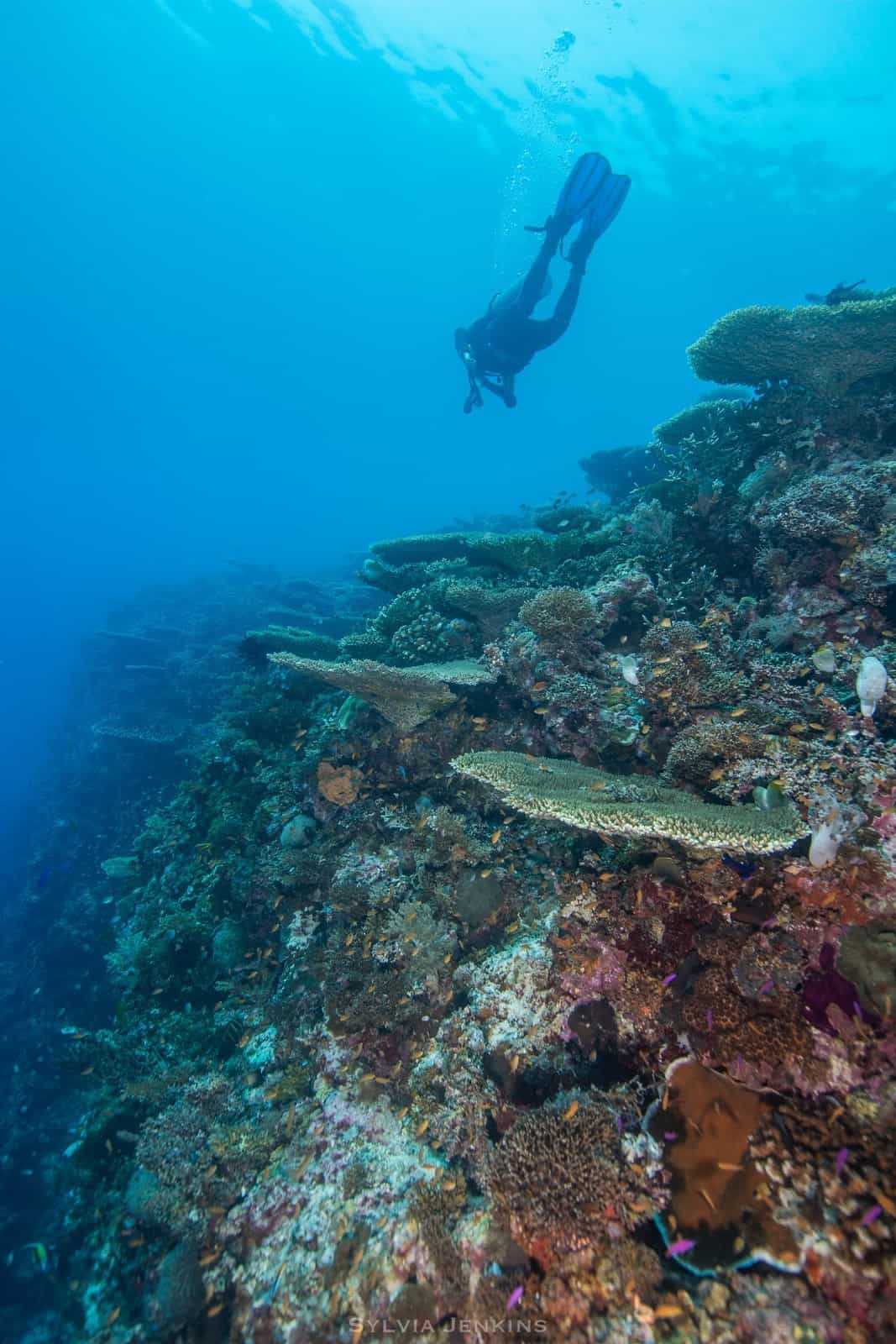
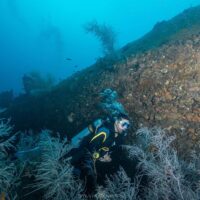
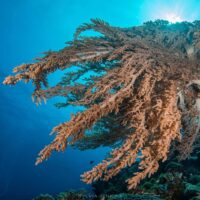
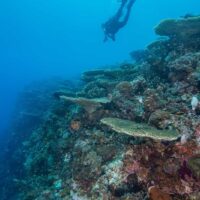
Being a coral island, the dives are predominantly wall dives, ranging from 50-100 feet (15-40 m) in depth. Along it, beautiful fan, whip and black corals protrude, with macro life hiding within. Usually sitting in the same spot, pink and yellow pygmy seahorses appear for eagle-eyed dive guides.
Remember to look up and see the schools of sardines, jacks, unicornfish, and mesmerizing fluorescent anthias. But the best bit is at the end, as you pop up over the wall. Through crystal-clear waters and sun rays, a reef teeming with life lies before you, making for breathtaking views.
Depth: 18-130 feet/5-40 m
Level: Beginner
 Take a moment to look at this.


