
Diving in South America is divided into two clear styles—pelagic liveaboard expeditions for big schools and blue-water action, and day boats for reefs and walls. Expect cool thermoclines and strong currents at the pelagic seamounts during their prime months and warmer, clearer water on many Brazilian islands in the summer. This guide covers the best months by region, the marquee sites, how divers typically reach them, and where divers usually stay.
What makes diving in South America special?
South America concentrates remote oceanic islands where currents and upwelling create pelagic magnets. The Galápagos and Malpelo in the Pacific sit where major currents converge, producing strong currents and huge schools of hammerheads and other large predators. These sites reward experienced divers who can manage blue-water drift profiles and deep starts.
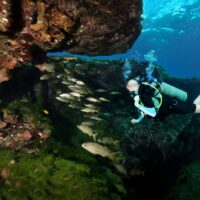
Brazilian islands in the Atlantic, such as Fernando de Noronha and Abrolhos, favor day-boat rhythms with warm water, clear visibility and abundant turtles, reef sharks and dramatic volcanic topography. These sites suit mixed-ability groups and photographers who prefer stable conditions and short boat runs.
Chile’s Juan Fernández and Easter Island are cooler and highly endemic. They deliver unusual species, dramatic volcanic formations and a sense of real remoteness; expect colder water, fewer services and expeditionary logistics.
Best time to dive in South America
Galápagos (Ecuador)
- June–November (dry season): Best for big animals. Water commonly 64–72 F (18–22 C) with nutrient-rich upwellings. Visibility typically 50–100 feet (15–30 m). Stronger currents concentrate hammerheads and other large pelagics.
- December–May (wet season): Warmer surface water, about 72–82 F (22–28 C). Seas are generally calmer and visibility is good for reef diving. Plankton blooms can boost inshore sightings but may slightly reduce clarity at times.
Malpelo (Colombia)
- July–September (peak season): Surface temps often 77–82 F (25–28 C) and clear months can offer 50–100 feet (15–30 m) visibility. Seas may be calmer, making long liveaboard transits worthwhile for hammerhead aggregations.
- January–May (alternate window): Still diveable, but expect stronger thermoclines, colder deep layers down into the 50s–60s F (10–16 C), and more variable visibility.
Fernando de Noronha (Brazil)
- August–October (dry season): Typically warm water, 77–86 F (25–30 C), with excellent clarity. Visibility on outer sites can reach 80–130 feet (25–40 m). Expect calm, photogenic conditions and frequent turtle and dolphin activity.
- November–April (alternate window): Warmer air and occasional rain. Many sites remain excellent, though inner lagoons may be windier at times.
Abrolhos (Brazil)
- December–March (dry season): Warm water, about 77–81 F (25–27 C), with visibility typically 60–100 feet (18–30 m) and calm seas ideal for photographing coral formations.
- April–November (alternate window): Cooler and occasionally windier, but still diveable with fewer visitors and good macro opportunities.
Juan Fernández (Chile)
- December–March (best window): Surface temps around 64–73 F (18–23 C) and visibility commonly 60–80 feet (18–25 m) with calmer seas at peak season. Expect endemic fish and cooler-water communities.
- April–November (alternate window): Cooler conditions with more surge at exposed points, still rewarding for experienced divers seeking quiet dive sites.
Easter Island (Chile)
- November–March (best window): Warmer water, 68–75 F (20–24 C), and outstanding visibility, often 60–200 feet (20–60 m) in sheltered sites. This is the most comfortable season for diving and photography.
- April–October (alternate window): Cooler water and more variable sea states, but still diveable for experienced groups prepared for expedition logistics.
Bottom line: Beginners should plan Brazilian island trips for the dry windows to maximize warm water and stable conditions — Fernando de Noronha is best in August–October and Abrolhos in December–March.
Advanced divers should target the Galápagos in June–November and Malpelo in July–September for the strongest pelagic action and the best chances of hammerhead and large-shark encounters.
Top 8 dive sites in South America
Ecuador (Galápagos)
Darwin & Wolf, Northern Galápagos (liveaboard only)
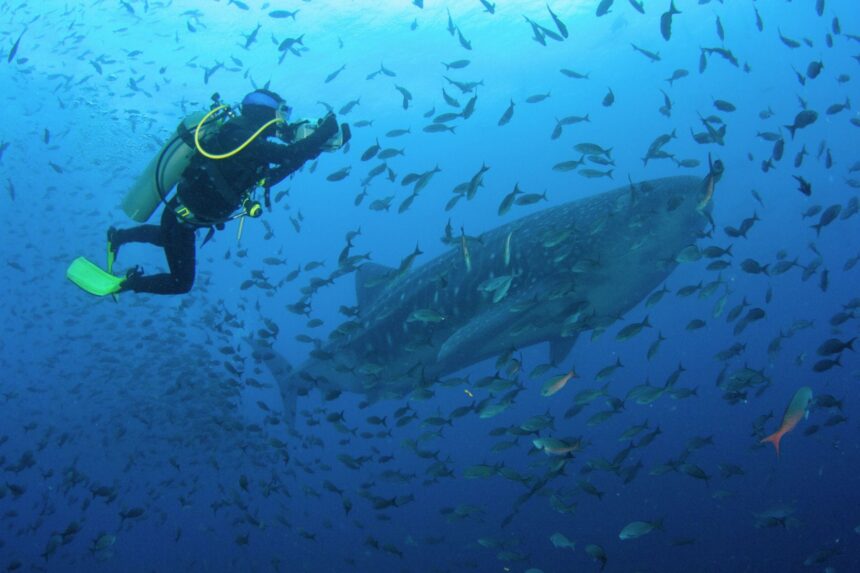


Galapagos’ crown jewels, Darwin’s Columns (formerly Arch) & Wolf Island are iconic for a reason. Located at the northernmost point of the archipelago, within the Galapagos Marine Reserve, this remote pair is only accessible via liveaboard.
Experienced divers should expect strong currents, surges, and deep drop-offs. Visibility ranges from 40 to 100 feet (12–30 m), and diving is always done from zodiacs with negative entries and quick descents. Typical dive depths are 60–130 feet (18–40 m); thermoclines and strong currents are normal.
What you’ll see at Darwin & Wolf
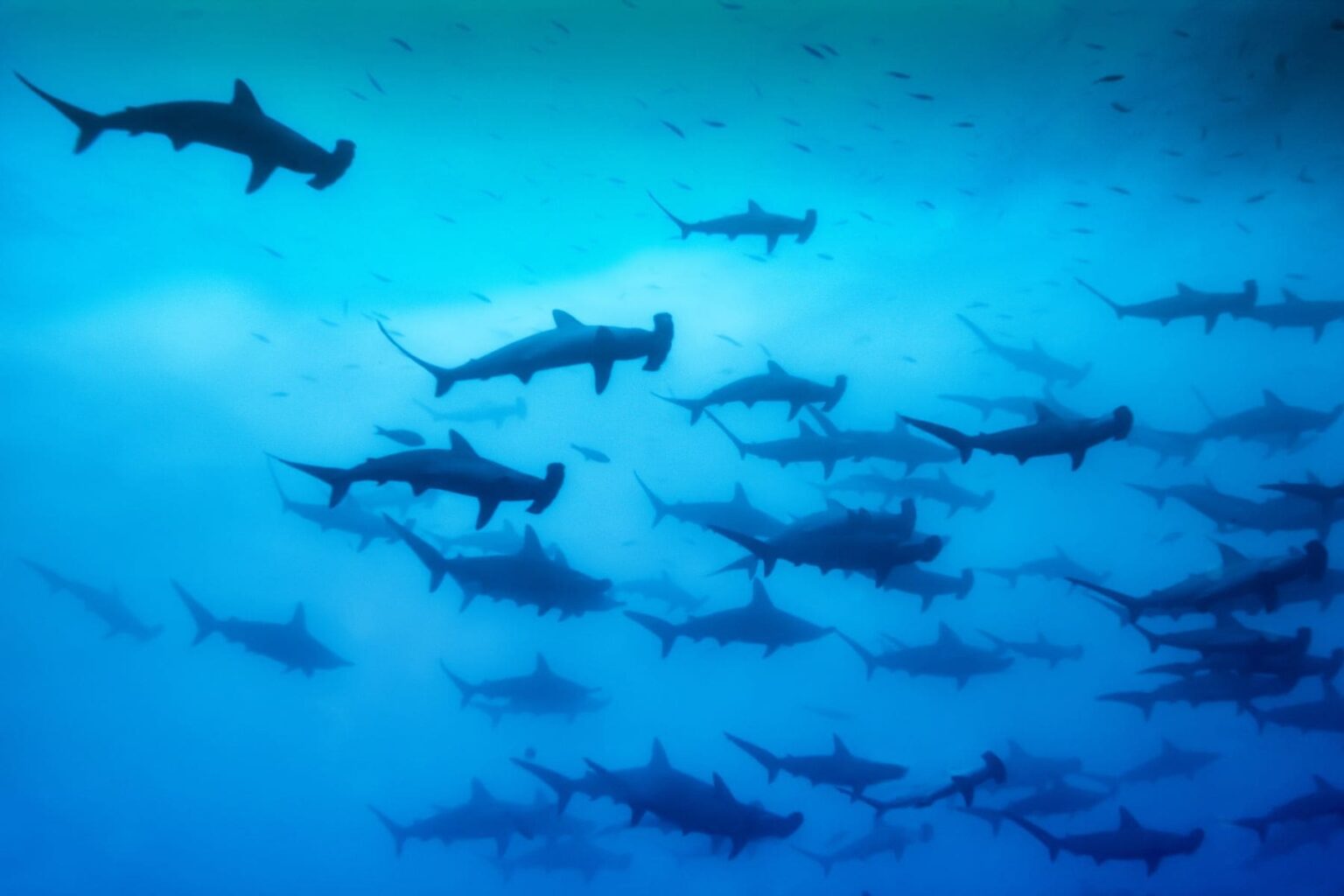
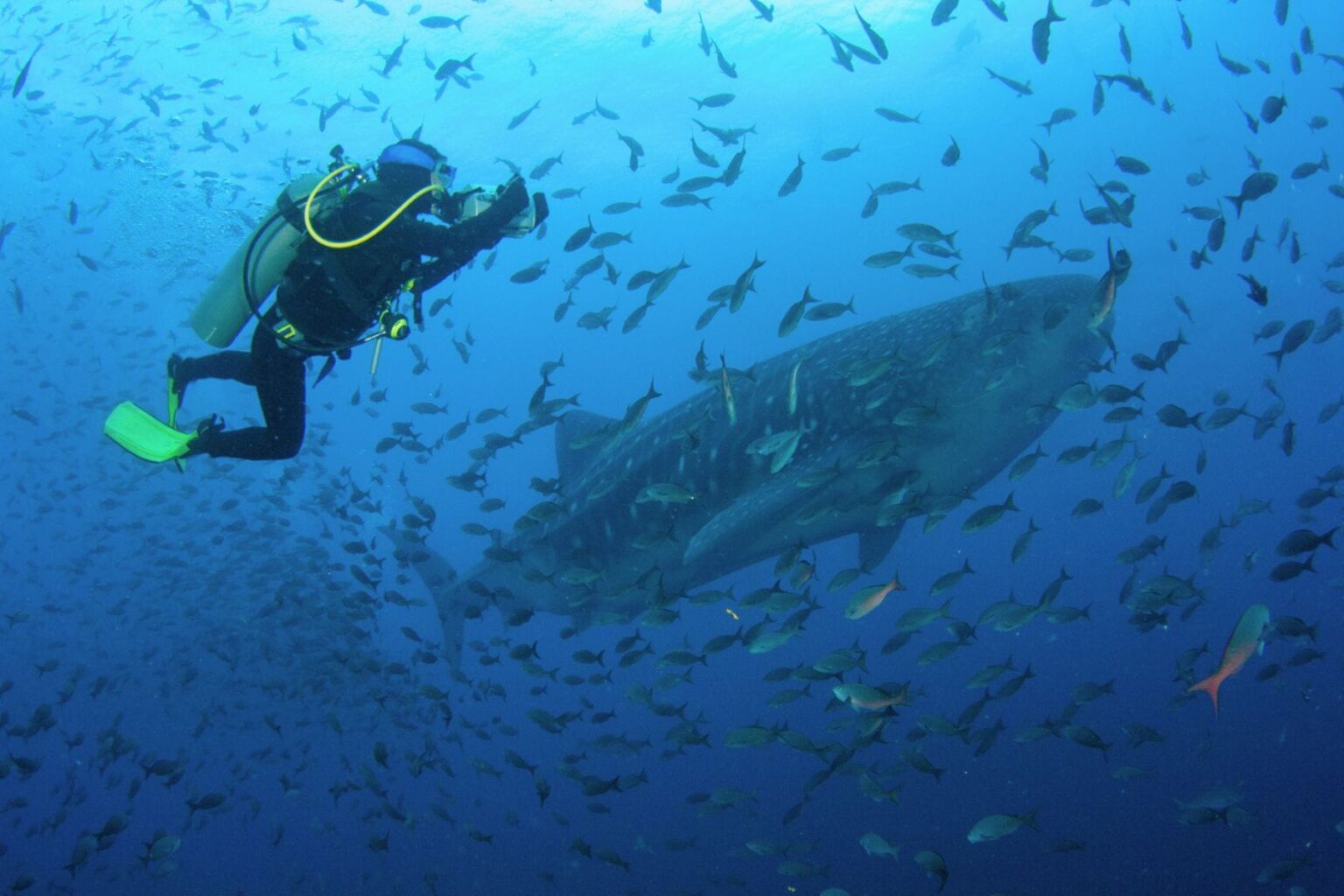
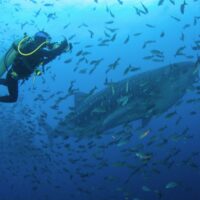
Darwin’s Columns is a pelagic paradise, with the sheer size and number of marine creatures truly mind-boggling. Wolf is all about the sharks—scalloped hammerheads, Galapagos sharks, whale sharks, silky sharks, and sometimes tiger sharks. You may also spot eagle rays gliding in formation, sea lions zipping through schools of fish, and the rare red-lipped batfish on the sandy bottom.
Kicker Rock (León Dormido), San Cristóbal
An iconic above-water landmark shaped like a sleeping lion, Kicker Rock is just as dramatic below the surface. The twin vertical rock walls drop into deep blue, separated by a narrow channel. It’s a common stop on dive day trips and some liveaboards.
What you’ll see at Kicker Rock
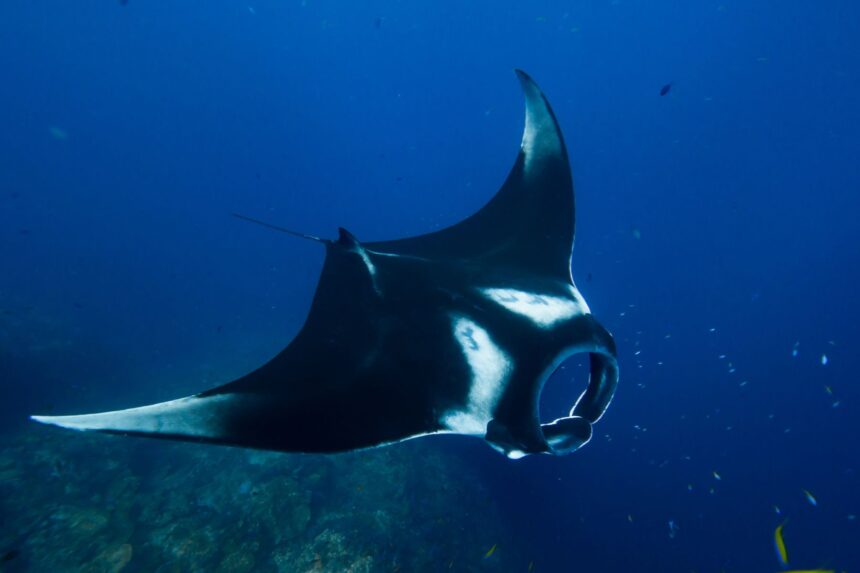
The channel funnels plankton-rich water, attracting spotted eagle and golden rays, sea lions, turtles, and occasional hammerheads. Galápagos and reef sharks are common, and lucky divers might spot a passing manta or even a tiger shark.
Colombia (Pacific)
Malpelo Island
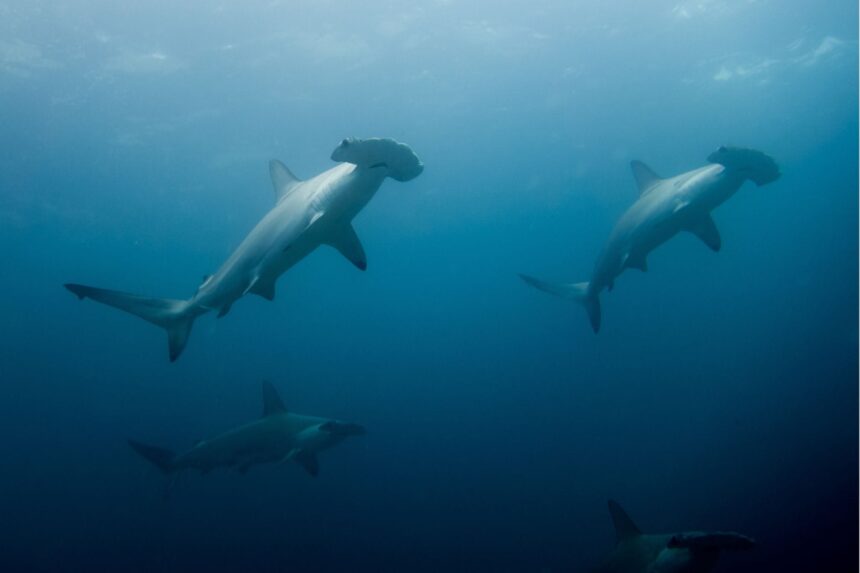
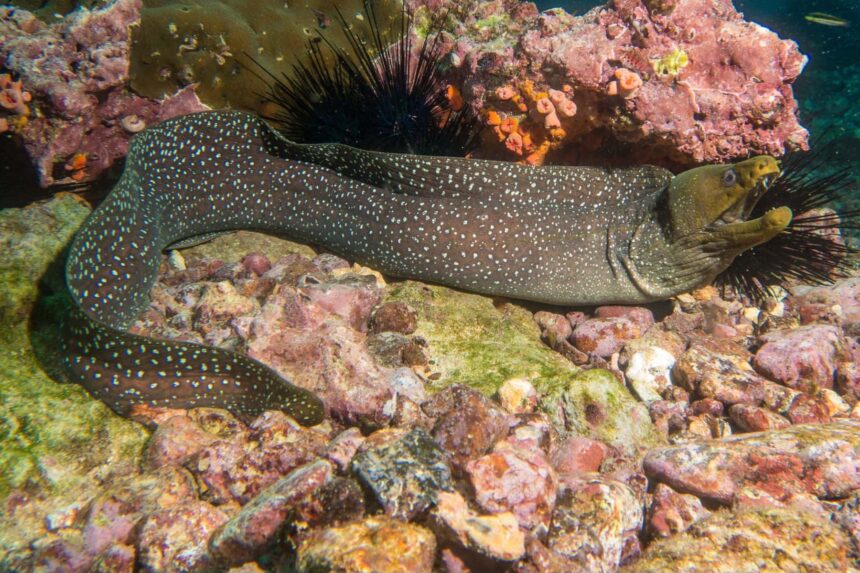


Malpelo is a remote volcanic outcrop accessible only by liveaboard after a long open-ocean crossing. Dives are along walls, ridges, and seamount shoulders with strong current, thermoclines, and blue-water ascents. Divers need advanced drift skills, solid buoyancy, and comfort in blue water.
What you’ll see at Malpelo Island
Schooling scalloped hammerheads on stations like La Nevera, plus silky and Galápagos sharks cruising the structure. Large schools of jacks and tuna are common, with seasonal manta or whale shark encounters in warmer periods. Expect dramatic topography and wide-angle conditions throughout.
Gorgona Island

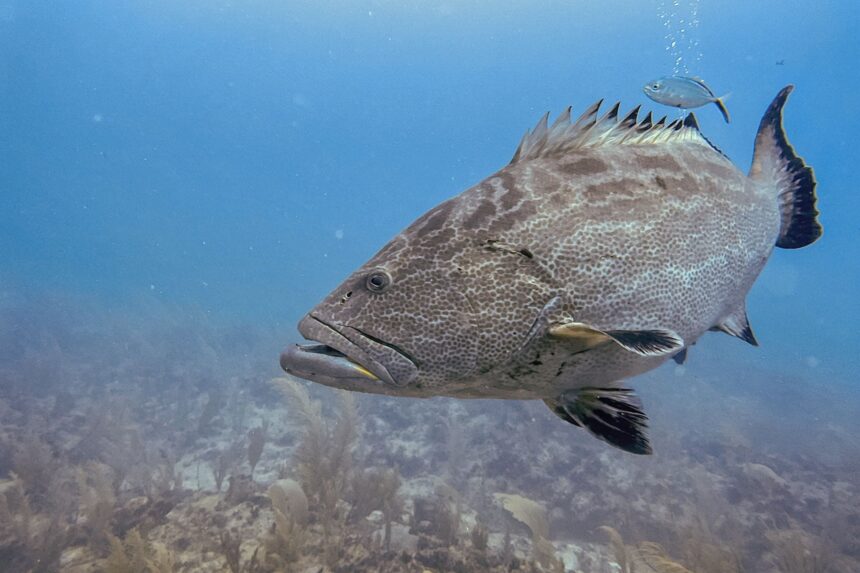


Gorgona sits closer to Colombia’s mainland and is often visited from the Pacific ports on short liveaboards or long day trips. The island features submerged walls and coral pockets with moderate currents and variable visibility. Typical dive depths are 40–100 feet (12–30 m) depending on the slope.
What you’ll see at Gorgona
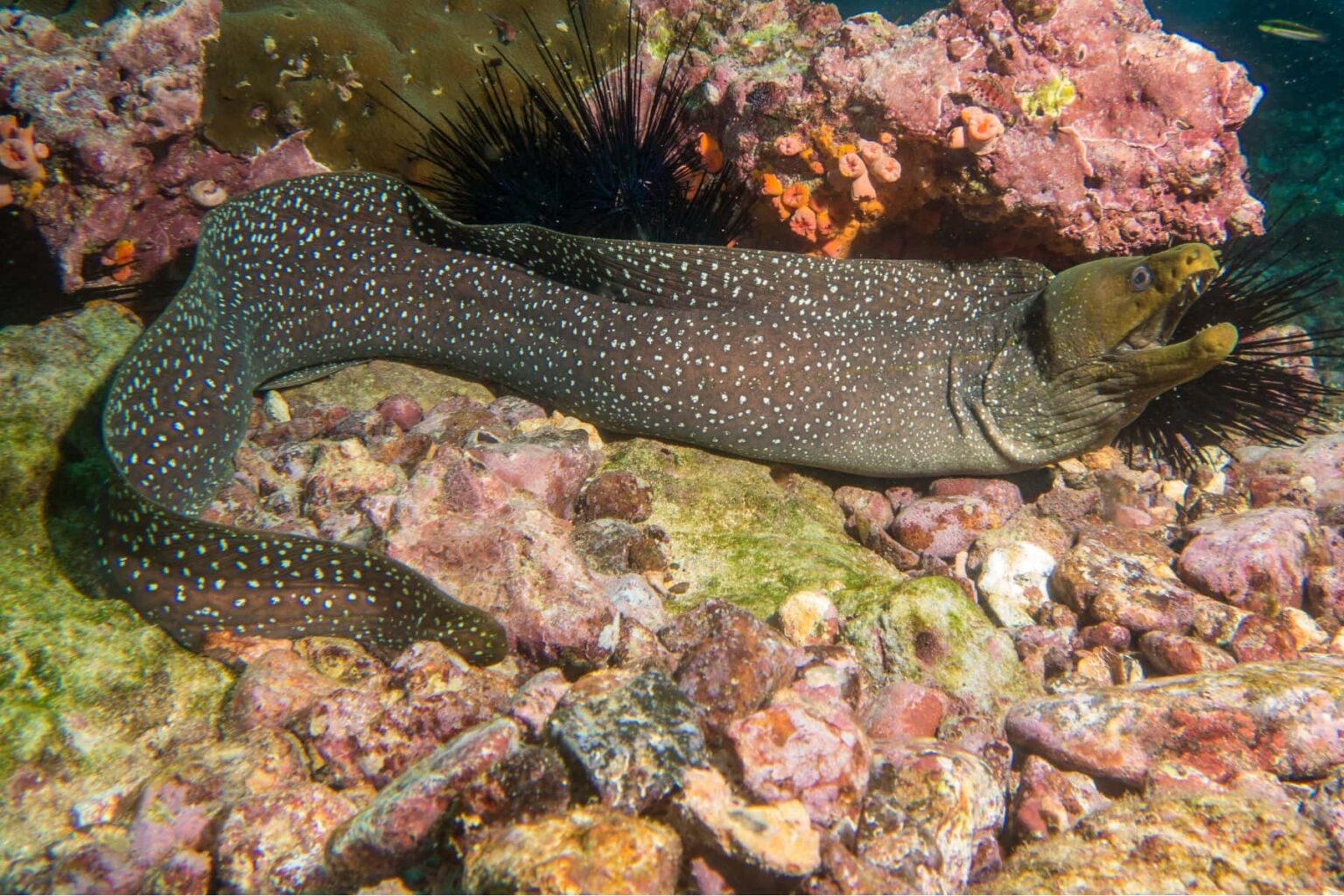
You’ll find schooling fish, morays and turtles; during some months hammerheads and larger pelagics pass offshore. Macro life and reef fishes are abundant in sheltered corners, making this a varied dive area for mixed-experience groups.
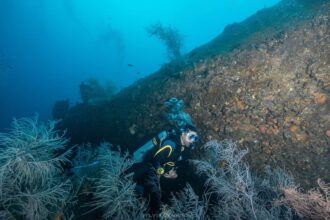
Also in the area is the Sebastián de Belalcázar wreck, with its deck, adorned with dense corals, at around 70–90 feet (21–27 m). Jacks, snappers, and whitetip reef sharks cruise amongst the nearby rubble nearby.
Brazil
Fernando de Noronha

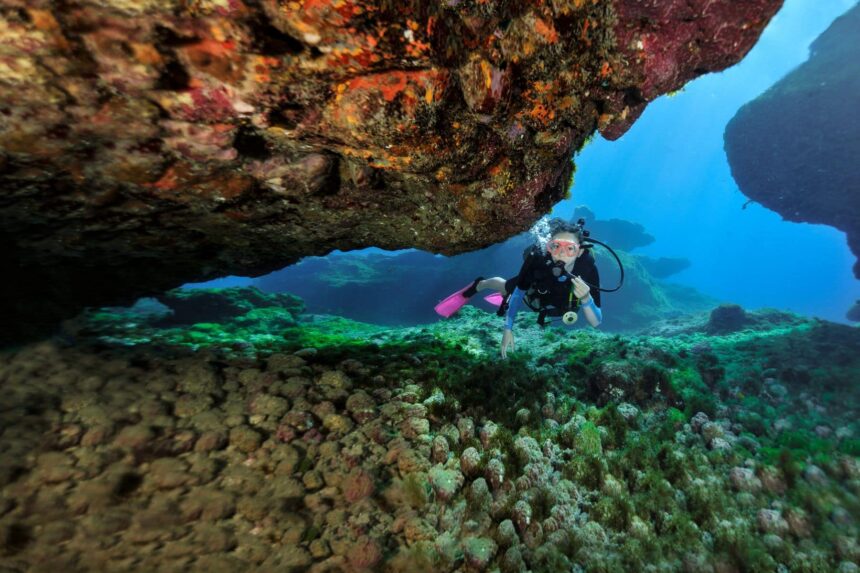


Fernando de Noronha is an inhabited oceanic archipelago reached by short flights from Recife. Day-boat runs leave early and return before noon; dives begin on reef tops and step off onto walls where conditions allow. Typical dive depths are 40–90 feet (12–27 m) with clean water and strong sun in the dry season.
What you’ll see at Fernando de Noronha
Green turtles are common and frequently feed in the shallows; reef sharks and spinner dolphins are regulars on many dives. The volcanic topography produces tunnels and ledges ideal for wide-angle photography and encounters with schooling jacks.
Abrolhos
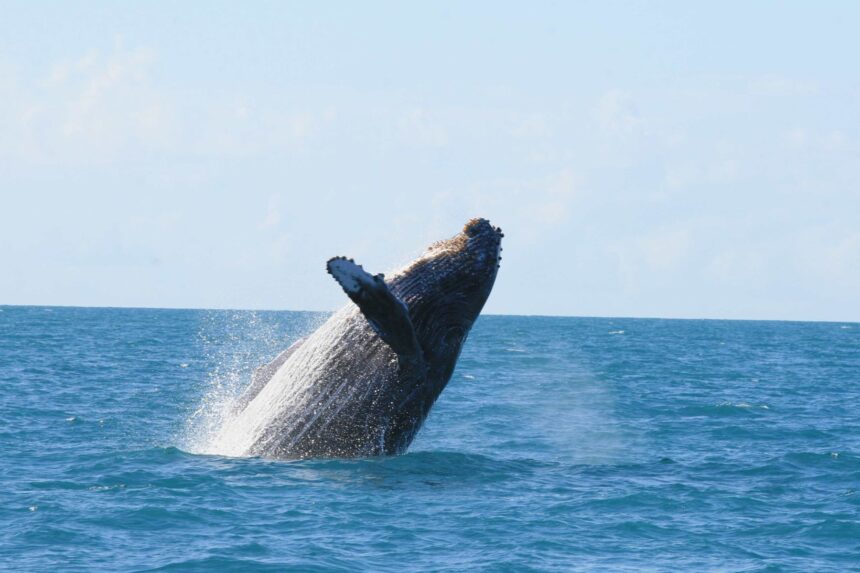
Abrolhos is a shallow bank off Brazil’s southern Bahia coast, reachable by 1.5-hour boat runs from mainland ports. Dives focus on pinnacles and coral outcrops with gentle profiles suited to photographers and snorkelers alike. Typical working depths are 30–80 feet (10–25 m) and currents are usually moderate.
What you’ll see at Abrolhos
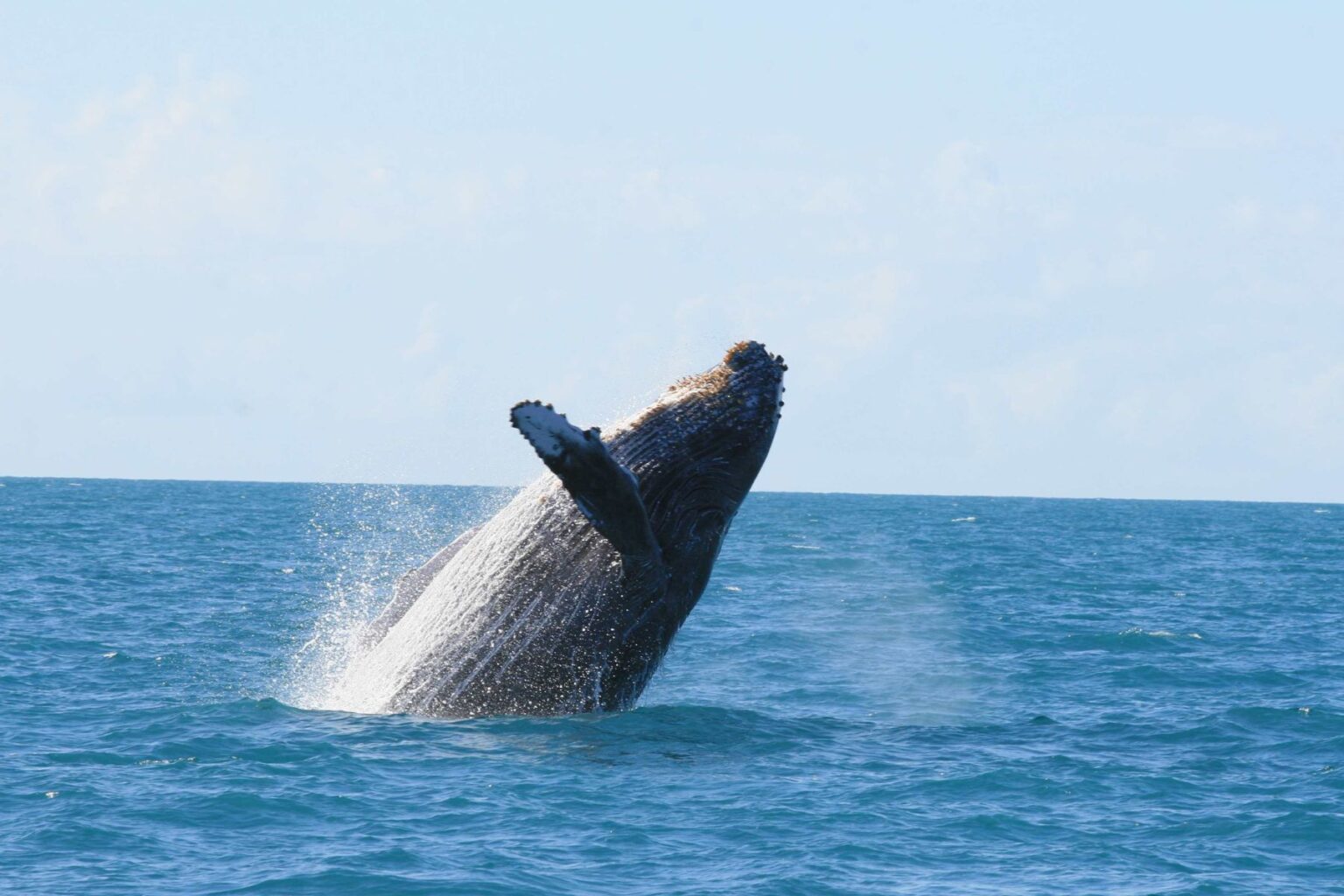
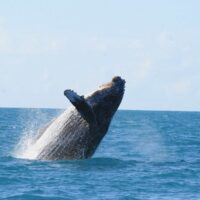
Unique mushroom-shaped corals, dense reef fish schools and seasonal humpback whales make Abrolhos stand out. The reef life is colorful and compact, offering great opportunities for close-up fish and coral shots.
Chile
Juan Fernández
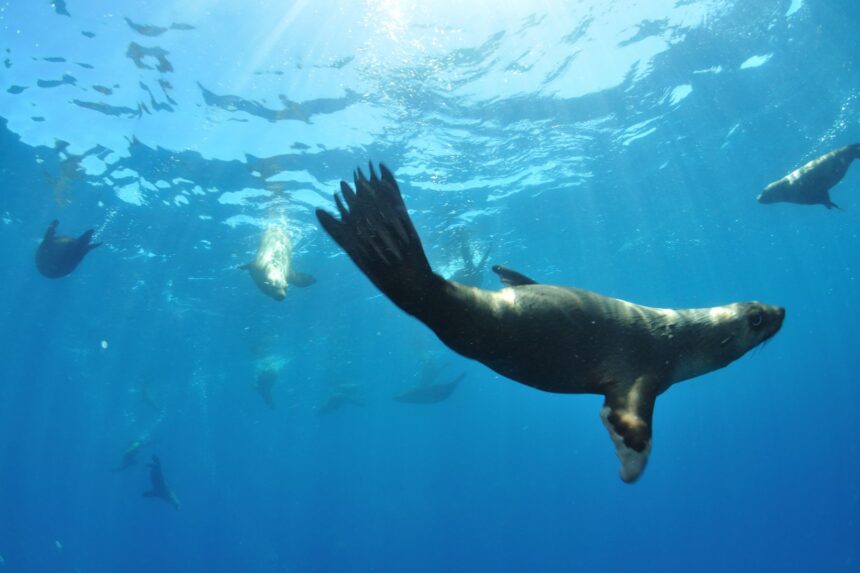
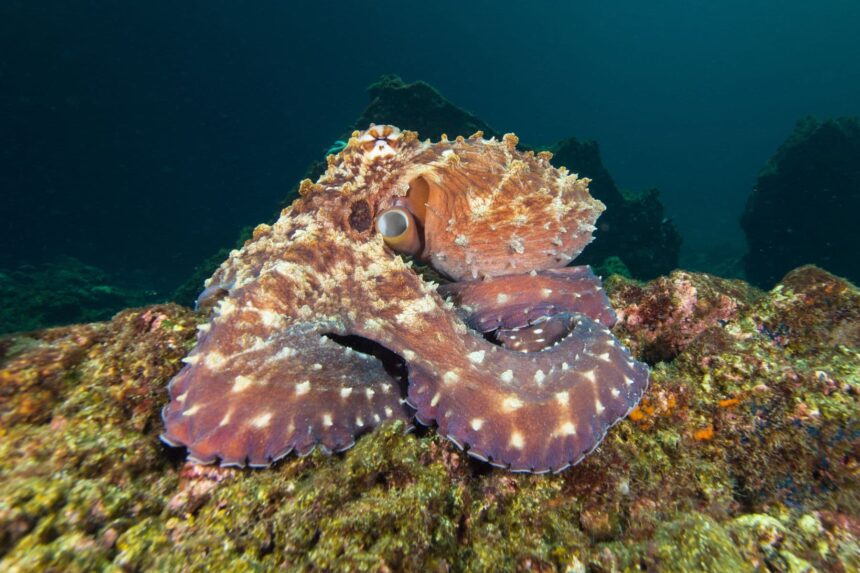


Juan Fernández lies several hundred miles off Chile and is usually reachable by scheduled flights from Santiago or by expedition vessel. Dives are launched from the island base and range from sheltered bays to exposed walls. Typical dive depths are 40–100 feet (12–30 m) in the warm season, with cooler water and strong surge at exposed sites.
What you’ll see at Juan Fernández
Expect high endemism: unusual fish species, dense sponge fields, and playful seals. The volcanic substrate and steep walls create dramatic swim-throughs and hideouts for curious macro life.
Easter Island
Famous for its unique super-sized statues, the Moai, Easter Island is just as intriguing underwater as it is on land. The volcanic terrain yields clear water and sculpted lava formations. Typical dive depths are 40–120 feet (12–36 m) with exceptional visibility in sheltered areas.
What you’ll see at Easter Island
Those who tackle the tricky voyage will be rewarded with unique dives in volcanic canyons, seasonal pelagic visitors, and come face-to-face with its giant stone statues. Diving here combines archaeological intrigue above water with surprising marine clarity below.
How to get to and around South America
Airports & entry
Most island itineraries involve at least one domestic or regional flight, so it’s smart to build buffer time into your schedule. This extra time helps absorb delays, missed connections, or processing for park entries and visitor fees.
Carry a small amount of local currency to cover park fees, tolls, or small purchases. While many island-based operators accept credit cards, more remote services may prefer or only accept cash.
Key international gateways for dive-focused travel include Quito or Guayaquil for access to the Galápagos, Cali for Malpelo departures along the Pacific coast, Recife for Fernando de Noronha, Salvador or Caravelas for Abrolhos, and Santiago for both Juan Fernández and Easter Island.
Getting around
Ground transportation quality varies widely across the continent. On the mainland, you may find a mix of modern highways and slower rural or coastal roads, with transfer times heavily influenced by traffic and terrain.
For island destinations, expect commuter flights and short boat transfers. In remote regions like Malpelo, long liveaboard journeys are the norm, with sea crossings lasting 30 to 40 hours each way.
Once you’re on the islands, logistics are straightforward but can be basic. Most dive days start with short van transfers to the marina, and you’ll often encounter small parking areas, wet landings, or ladder-style pier exits. Choose gear bags that handle moisture and sand well, and pack footwear that works for both boats and shore walks.
Regional hubs & transfers
Galápagos (Baltra/San Cristóbal)Begin by flying into either Quito or Guayaquil, then connect to a domestic flight bound for Baltra or San Cristóbal. Each leg takes about an hour and a half. From Baltra, a short ferry and taxi ride will bring you to Santa Cruz, where most liveaboards depart.
Land-based dive operations are typically based in Puerto Ayora or San Cristóbal. Be sure to allow at least two to four hours between your international arrival and liveaboard check-in. This window gives you time for airport transfers, national park procedures, and luggage handling.
Malpelo (Buenaventura/Cali) Trips to Malpelo usually begin with a flight into Cali, followed by an overland transfer to the port of Buenaventura. The drive covers about 70 to 90 miles and can take two to three hours, depending on traffic.
From there, liveaboards embark on extended sea crossings that last approximately 30 to 40 hours each way. These expeditions cater to divers ready for long journeys and minimal access to onshore amenities.
Fernando de NoronhaFly into Recife and take a short domestic flight to Fernando de Noronha, which typically lasts around 1- to 1.5-hours. The island is small and easy to navigate, with most dives conducted on morning trips.
Dive operators usually arrange early pick-ups directly from your pousada. Be prepared to pay island park fees upon arrival, and expect a fast-paced morning schedule to take advantage of calm sea conditions.
Abrolhos (Caravelas/Porto Seguro)Access to Abrolhos begins from the mainland towns of Caravelas or Porto Seguro. Depending on your departure point, boat transfers to the park range from one to five hours. Both day-boat excursions and short liveaboard trips are available.
Conservation rules are strictly enforced in the marine park, and access to certain pinnacles is limited. Book well in advance to secure your dive slots.
Juan Fernández & Easter Island (via Santiago)Reaching these remote islands requires flights from Santiago, with limited and scheduled service. It’s wise to plan an overnight stay on the mainland to avoid tight connections and to account for potential weather delays.
Once on the islands, diving is conducted from local day boats. Given the remote setting, facilities and spare equipment are scarce, so pack wisely and double-check essential gear.
Where to stay in South America as a diver
Ecuador (Galápagos)For land-based diving, stay on Santa Cruz or San Cristóbal, ideally within 5 to 15 minutes of the main piers. Prioritize lodgings that offer early breakfasts, gear rinse stations, and convenient pickup for morning dives.
If you’re heading out on a liveaboard, double-check whether your package includes park fees and inter-island flights, as these can add up quickly.
Colombia (Malpelo)Malpelo is only accessible by liveaboard, so you’ll need to overnight in Buenaventura or nearby Cali before departure. Look for simple, reliable hotels with early checkouts, safe parking, and a space where you can organize gear before boarding. The focus here is on practicality—expect expedition-level comfort at sea rather than luxury on land.
Brazil (Fernando de Noronha & Abrolhos)
In Noronha, choose accommodation close to the marina, ideally 5 to 10 minutes away, that caters to divers with early meals, gear storage, and drying space.
For Abrolhos, your best option is to stay in the nearest mainland ports like Caravelas or Porto Seguro. Some liveaboards may include overnight stays before or after the trip, so confirm ahead of time.
Chile (Juan Fernández & Easter Island)Options here are basic and limited, so book early. Prioritize lodgings that offer early breakfast and support with dive bookings and pier transfers.
A small area to store or rinse gear is a bonus, as is local insight into changing sea conditions. The service may be simple, but the trade-off is access to rare dive sites and fewer crowds.
Final thoughts on diving in South America
Diving in South America offers two distinct experiences. There are pelagic expeditions in the Galápagos and Malpelo—ideal for advanced divers chasing hammerheads, whale sharks, and open-ocean thrills.
On the other hand, you’ll find day-boat island diving in places like Fernando de Noronha, Abrolhos, Juan Fernández, and Easter Island. Expect warm water, reef walls, curious turtles, and short, comfortable boat rides.
Expedition diving rewards those with strong skills and the patience for longer transits, while island-based diving suits mixed-ability groups, underwater photographers, and those who appreciate calm mornings and quick returns to shore.
Choose a destination where the marine life and conditions match your experience level. Build in extra time for transfers, and stay at lodgings that cater to divers with early breakfasts, gear-friendly spaces, and easy marina access. These logistical choices often determine whether your trip is simply good—or truly unforgettable.
 Take a moment to look at this.