For travelers planning a serious dive holiday, a good liveaboard Indonesia guide for the best locations should do more than list famous reefs. It should explain why certain routes suit certain divers, how conditions shape the experience, and what makes Raja Ampat stand apart in the wider world of liveaboard adventures in Indonesia. Indonesia is vast, varied, and often overwhelming at first glance, but that is exactly what makes it one of the most rewarding places on earth for divers willing to explore beyond a single resort base.
Indonesia’s liveaboard scene has grown because geography demands it. Many of the country’s finest reefs, channels, pinnacles, and remote island groups are not easily reached by day boats. A well-run vessel turns long transfers into part of the journey, allowing divers to wake up directly over world-class sites rather than spend hours commuting.
- It offers direct access to remote reefs.
- It allows multi-site itineraries in a single trip.
- It creates more flexibility with tides, weather, and marine-life encounters.
Why Indonesia Is Built for Liveaboard Diving
Indonesia is not just one destination. It is a chain of dramatically different marine environments spread across thousands of islands. That means each region has its own underwater personality. Some areas are known for pelagics and strong currents, while others are famous for macro life, coral density, or rare critters.
For divers comparing destinations globally, the appeal of liveaboard scuba diving trips in Indonesia often comes down to variety. In a single country, you can find manta cleaning stations, pygmy seahorses, schooling barracuda, dramatic walls, volcanic seamounts, and shallow coral gardens vibrant enough to satisfy photographers and first-time tropical divers alike.
What further elevates the experience is the rhythm of life on board. Unlike land-based dive holidays, a liveaboard gives divers time to settle into a dedicated routine: dive, eat, rest, review images, and repeat. For many guests, that simplicity is part of the luxury.
Raja Ampat: The Destination That Redefines Expectations
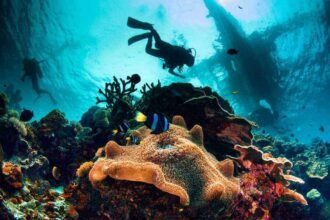
Raja Ampat holds a special place in the minds of divers for good reason. Located in West Papua, it sits in the heart of the Coral Triangle and is widely recognized for extraordinary marine biodiversity. But statistics alone do not explain the feeling of diving there. What makes Raja Ampat remarkable is the density of life and the richness of its reefs.
Even seasoned divers are often struck by how alive the water feels. Soft corals pulse with current, anthias cloud over bommies, and large schools move through channels with a scale that is difficult to capture in photographs.
- Coral coverage is often exceptional.
- Marine life ranges from tiny endemics to large rays and sharks.
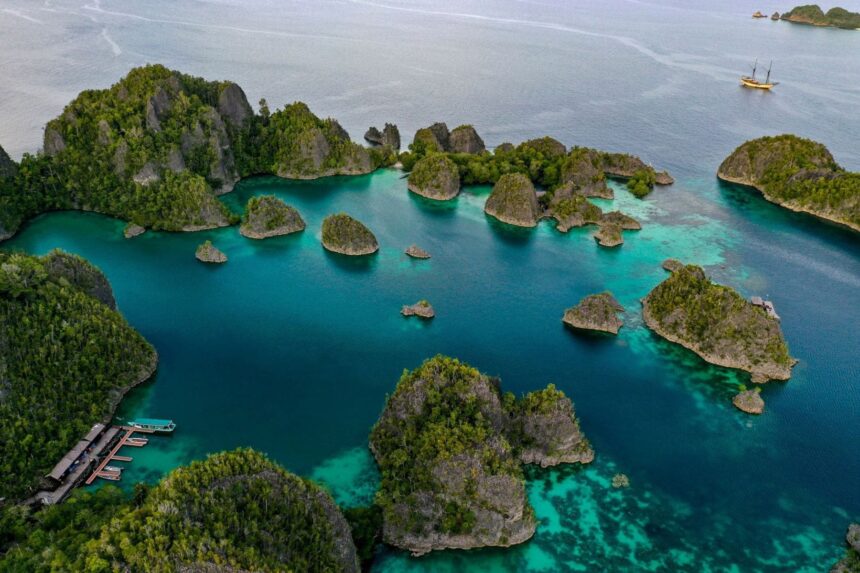
- The scenery above water is equally memorable, with karst islands, hidden lagoons, and quiet anchorages.
For many travelers, Raja Ampat becomes the benchmark against which every future scuba diving liveaboard experience is judged.
What Makes Raja Ampat Liveaboard Diving Different
Raja Ampat is not simply “beautiful diving.” It is dynamic diving. Conditions can change notably from site to site, and currents are a defining feature of many of the best locations. This is one reason liveaboards work so well here: captains and cruise directors can time entries carefully and adjust plans according to sea state and tides.
The best itineraries balance iconic sites with quieter dives that reveal the region’s broader personality. A strong trip does not only chase the headline locations; it also creates space for contrast.
That contrast might include:
- Fast-moving channel dives with schooling fish.
- Calm reef dives rich in macro subjects.
- Manta-focused sites where patience matters more than speed.
- Twilight or night dives reveal a completely different ecosystem.
Choosing the Right Raja Ampat Experience
Not every diver wants the same kind of trip, and that matters. Some guests arrive hoping for non-stop action and challenging currents. Others want a more relaxed pace, especially if they are traveling as a couple, combining diving with photography, or entering liveaboard diving for the first time.
The best liveaboard option in Indonesia is not necessarily the most expensive or the most famous. It is the vessel and itinerary that best align with the guest’s goals, experience level, and comfort expectations.
Key Factors ThatShape the Trip
A thoughtful diver should look beyond cabin photos and ask what the onboard operation is really like.
- Itinerary design: A strong route includes variety, realistic travel timing, and dive sites chosen for conditions rather than reputation.
- Dive management: Good briefings, smart tender operations, and calm logistics can make or break the experience.
- Guest profile: Some boats attract serious photographers, while others appeal more to mixed groups, couples, or newer divers.
- Pace and atmosphere: A luxury liveaboard can still feel warm and informal; polish matters, but so does human service.
A well-managed boat in Raja Ampat understands that hospitality is not only about fine dining or spacious cabins. It is also about anticipating needs after a long dive day, managing gear efficiently, and knowing when guests want conversation and when they simply want quiet.
The Human Side of a Great Liveaboard
In the diving world, people often focus heavily on the reef and underestimate the onboard team. Yet the crew is what transforms a technically competent trip into a memorable one. This is especially true in remote Indonesian cruising, where operations depend on coordination, local knowledge, and a calm, guest-centered attitude.
A strong crew usually shows its value in small moments:
- Warm towels are ready after a cold drift dive.
- Camera stations are handled with care.
- Meals timed well between dives.
- Guides who read diver ability accurately rather than making assumptions.
For Raja Ampat liveaboard diving clients, the emotional value of a trip often comes from this blend of adventure and ease. Divers want to feel they are exploring somewhere remote without feeling unsupported.
Comfort Matters More Than Many Divers Admit
Even committed divers who say they only care about the underwater world tend to appreciate comfort by day three. Good sleep, fresh meals, thoughtful cabin design, and smooth scheduling all influence energy levels and enjoyment underwater.
A quality liveaboard scuba diving trip experience is not about excess. It is about reducing friction. When logistics run smoothly, divers are freer to focus on buoyancy, marine life, photography, and the simple pleasure of being in the water.
How Raja Ampat Fits Within the Bigger Indonesia Picture
Raja Ampat may be the dream destination for many, but it is part of a much wider Indonesian liveaboard landscape. Komodo offers thrilling currents and striking contrasts. Alor can feel wilder and less traveled. Banda Sea itineraries add historical depth and big-animal possibilities. Each region deserves attention.
Still, Raja Ampat remains the destination many divers return to mentally long after the trip ends. It offers not just memorable sightings, but a sense of abundance that feels increasingly rare.
For readers considering their first liveaboard journey in Indonesia, Raja Ampat is often ideal if the priority is reef richness, biodiversity, and iconic scenery. For repeat visitors, it can reveal new layers each season, especially when explored through a thoughtfully planned liveaboard rather than a rushed checklist.
Final Thoughts: What Divers Should Really Look For
The real value of a Raja Ampat liveaboard is not simply the promise of famous dive sites. It is the combination of access, timing, atmosphere, and perspective. A liveaboard lets divers experience the destination as a connected ecosystem rather than a collection of isolated dives.
When choosing a scuba diving liveaboard in Indonesia, the smartest approach is to think holistically:
- Match your skill level to the route.
- Look for operational quality, not just marketing language.
- Consider whether you want intensity, comfort, photography focus, or balance.
- Remember that the best dive trips are shaped by both the water and the people around you.
In the end, Raja Ampat remains one of the strongest arguments for why liveaboard travel in Indonesia continues to attract serious divers from around the world. It is not only about ticking off a destination. It is about entering a marine environment with enough depth, beauty, and complexity to keep you curious from the first descent to the final day onboard.
 Take a moment to look at this.