Out on open water, the type of boat you choose shapes everything from safety to comfort. Center consoles and pilothouse boats offer different strengths for offshore divers, anglers, and explorers. Understanding their key differences will help you match your vessel to the adventure that awaits, whether you are planning extended offshore dives or taking the family fishing in unpredictable weather.
Boat layout and helm design are central to how you experience offshore trips, especially when weather and conditions play a role. For divers, anglers, and cruising enthusiasts, selecting the right platform helps keep outings safe and enjoyable in exposed environments. Features such as helm protection, deck configuration, and onboard storage affect your options for gearing up or sheltering from wind and spray. For example, on a chilly early-morning crossing to a distant wreck, an enclosed helm can keep wind off the operator, while open decks benefit quick reentry when managing multiple divers.
Key design features that define each boat
A center console places the helm in the middle of the deck, surrounded by open space on all sides. This layout maximizes freedom of movement, making it easy to walk around the console and providing access for fishing or diving activities. For example, when multiple divers suit up at once, a center console allows direct access from all points on deck, aiding quick staging and entry. As you compare choices, explore sturdy pilothouse boats for sale to better visualize the range of capabilities each design brings to offshore adventures.
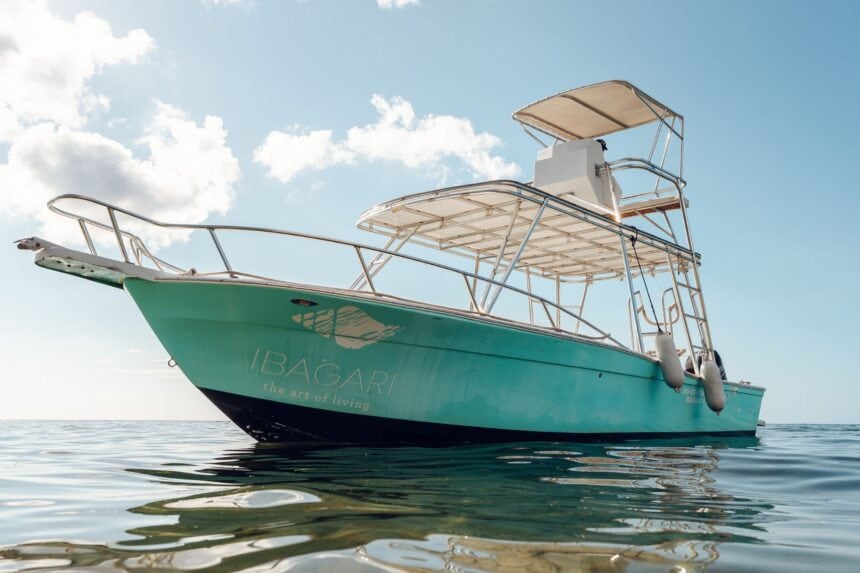
Pilothouse boats, in contrast, feature an enclosed helm located forward or amidships. The wheelhouse offers wind and spray protection, converting part of the main deck into sheltered living or control space. This can mean more structure and less uninterrupted deck area, but the benefit is improved comfort during rough weather or long runs, such as returning from a remote dive site when a sudden squall sets in.
Center consoles are popular among those who value immediate deck access and the ability to move quickly between bow and stern. Pilothouse models provide all-weather control and greater onboard shelter, making them suitable for challenging conditions or extended time on the water. This difference is noticeable on spring cruises when family members or crew may want shelter from unexpected rain or choppy seas.
Weather protection, comfort and offshore considerations
Exposure to wind, spray, and shifting temperatures is a reality offshore. Center consoles leave the helm open to the elements, which can be enjoyable in warm weather but less comfortable on chilly or blustery days. Some models offer partial windshields or T-tops for shade but rarely provide full shelter for the operator or crew. For instance, a long run back from a dive in late autumn can leave the helmsman exposed to cold spray.
In a pilothouse, the enclosed wheelhouse shields you from cold air, rain, and direct sunlight. This space can accommodate dry clothing and navigation electronics, which may improve comfort and reduce fatigue during longer runs. During an offshore dive trip in rough weather, the ability to warm up or quickly change inside a pilothouse can extend your time on the water.
Where center consoles excel in open-deck agility, pilothouse boats can be preferable when consistent protection is needed. This can make them a strong option for cold water diving, shoulder-season fishing, or trips involving family members who prefer greater shelter offshore. For example, parents may appreciate the option to keep children protected in a pilothouse during sudden weather changes.
Deck access, onboard workflow and gear management
Open deck layouts on center consoles allow for preparation and movement around tanks, dive gear, or fishing equipment. Divers can stage equipment efficiently and enter the water from multiple points, while anglers benefit from clear passageways when working lines. On a busy charter, this flexibility can reduce time at anchor as groups rotate gear and reenter the boat.
Pilothouse boats can offer increased storage and weather-protected compartments. However, some deck space is used for the enclosed helm and cabin features. This means walkaround access may be narrower or limited to one side, depending on the vessel’s design and size. On a typical day-trip with a mix of gear, you might find it easier to keep tanks dry inside a pilothouse while using aft deck space for rinsing and staging.
When choosing between the two, consider how much time you spend preparing gear and whether equipment needs are best served by open access or protected storage. For example, frequent technical diving—requiring lots of tanks and equipment—may favor a center console for rapid gearing up, while photo divers might appreciate the dry work area available in a pilothouse.
Visibility, handling characteristics and practical safety
Center consoles are valued for sightlines and the ability to see clearly when docking, running in chop, or keeping watch over divers in the water. With controls placed centrally, the operator can scan the deck and surrounding sea, supporting quick response during maneuvers. For example, when supervising diver recoveries in a choppy anchorage, unhindered views from a center console help prevent mishaps.
Pilothouse boats can support longer helm time by allowing seated driving and extended use of navigation electronics while shielded from spray. However, visibility through the enclosed structure depends on window placement and size, making model evaluation important. Heavy dew or salt spray may also require frequent windshield clearing, an important consideration before operating in rough offshore conditions.
Stability and ride comfort offshore are shaped by hull design in both types. Center consoles often feature deep-V hulls for cutting through rough water, while pilothouse craft may prioritize stability at rest and control in larger seas. Choosing the fit may come down to which characteristics match your typical trip profile and crew experience. For example, long crossings to offshore dive sites often prioritize a smooth, dry ride, while repetitive anchoring for tank changes might favor a more stable platform.
Comparing onboard features for modern offshore needs
When comparing options, helm layout and ease of electronics mounting matter for safety and efficiency offshore. Both center consoles and pilothouse boats can accommodate chartplotters, radios, and radar, though pilothouses may protect these systems from spray or glare more effectively. A multi-leg passage through fog, for example, can be managed more comfortably in a pilothouse with shielded electronics.
Deck hardware, such as boarding ladders, grab rails, and secure tank stowage, affects safety during water entry and recovery. Non-skid surfaces and robust deck drains help manage slippery conditions. Crew comfort is further improved by seating, accessible freshwater systems, and head compartments on longer expeditions. A pilothouse with an enclosed head and freshwater shower may be valuable for families or divers rinsing after cold-water sessions.
Dry storage for sensitive gear, like cameras and dive computers, is often better addressed in pilothouse layouts, while center consoles maximize access for repeated boarding and rinsing. For instance, photo and video divers may favor dry workspaces in the cabin, while spearfishers benefit from quick, open deck movement. Fuel capacity and range should also be evaluated for your routes, as both designs come in a spectrum of tank sizes and layouts, making it important for longer trips to remote locations.
Matching boat choice to your unique offshore goals
Center consoles can suit regions with consistently warm weather, where frequent water entries and fast-moving deck activity are priorities. If you expect to carry passengers, switch between diving and angling, or prize deck freedom, their design can deliver what you need. For example, day outings to tropical reef sites often place a premium on quick swim steps and easy access from all sides.
Pilothouse boats fill a different niche. For those who set out in unpredictable conditions, prioritize family comfort, or plan to operate in changing seasons, the enclosed helm can be an asset. Longer trips and colder conditions can also favor a pilothouse configuration. Coastal expeditions, such as spring diving on remote islands, often benefit from protected cabin space to warm up and plan next dives.
When considering which design to pursue, review your target activities, anticipated weather, typical trip duration, and the needs of your companions. With a clear understanding of these priorities, the ideal vessel will stand out for its capabilities and its alignment with your offshore ambitions.
Choosing between these two popular boat types comes down to balancing deck access, weather protection, and practical features according to your offshore plans. Each design offers tradeoffs experienced divers and anglers recognize: focus on your mission profile, planned routes, and the specific needs of your crew or family to make each offshore journey safe and rewarding.
 Take a moment to look at this.