









































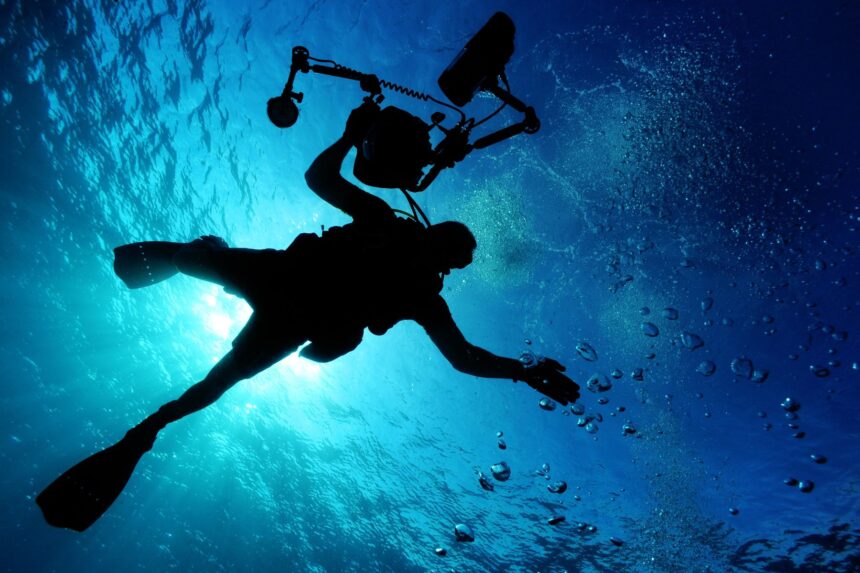
In most cases, diving anxiety starts with a specific trigger. It could be due to unfamiliar conditions, poor gear confidence, social pressure, or a troubling memory from a past trip.
Once that trigger appears, your body reacts fast. You take short breaths, your focus narrows, and small problems suddenly feel massive. You can manage this fear when you understand the root cause.
Treat the fear as a natural reflex, not a personality flaw. Your mind can learn to react differently; it just needs the right conditions to practice.
Here are some common causes of underwater anxiety, along with practical ways to fix them.
When Your Mind Sees Danger Before Your Eyes Do
For many scuba divers, anxiety starts with pure uncertainty.
When you enter the water, your senses fail you. Visibility drops. Sounds change. Your physical movement feels completely unnatural. Even if you dive into a safe pool, your brain knows the truth. You cannot breathe without special equipment. That fact alone creates instant tension.
This panic grows stronger when a diver fails to recognize the actual threat. People often assume they fear sharks or deep water. Usually, the real issue looks entirely different.
The fear actually comes from three specific triggers:
- A sudden loss of control
- Complete physical isolation
- An alien environment
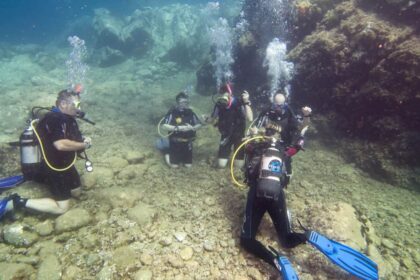
To resolve the issue, the most practical step is gradual exposure. You might want to start in easy, predictable conditions. Set yourself up for success with a few basic rules:
- Stick to shallow water.
- Make sure you have clear visibility.
- Only dive in calm currents.
- Always go with a trusted instructor or buddy.
Sometimes, your panic does not match the actual dive conditions. Your nerves might persist even after solid instruction and easy dives.
Some divers find that the anxiety they feel underwater isn’t really about the water at all. It’s a fear of losing control or a pattern of intrusive thoughts that follows them through daily life and becomes more visible when they’re twenty feet below the surface with nowhere to go.
If that resonates, it may be worth taking a gentle look at what’s beneath the surface. AskNebula offers 1-1 conversations with experienced spiritual advisors who can help you reflect on the worries that keep returning and the patterns behind them. You might find it clarifying before your next dive or simply whenever you feel ready to see what’s coming up.
That kind of self-awareness won’t replace proper dive training, but it can help you understand what you’re actually working with. A concrete, named fear is so much easier to address than a vague, shapeless dread.
Why Trusting Your Gear Starts With Knowing It
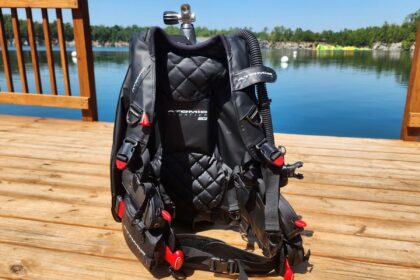
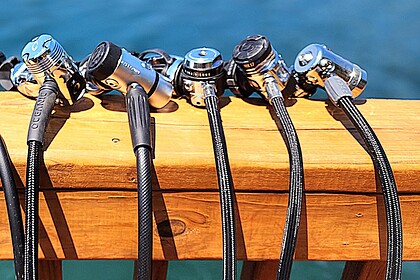
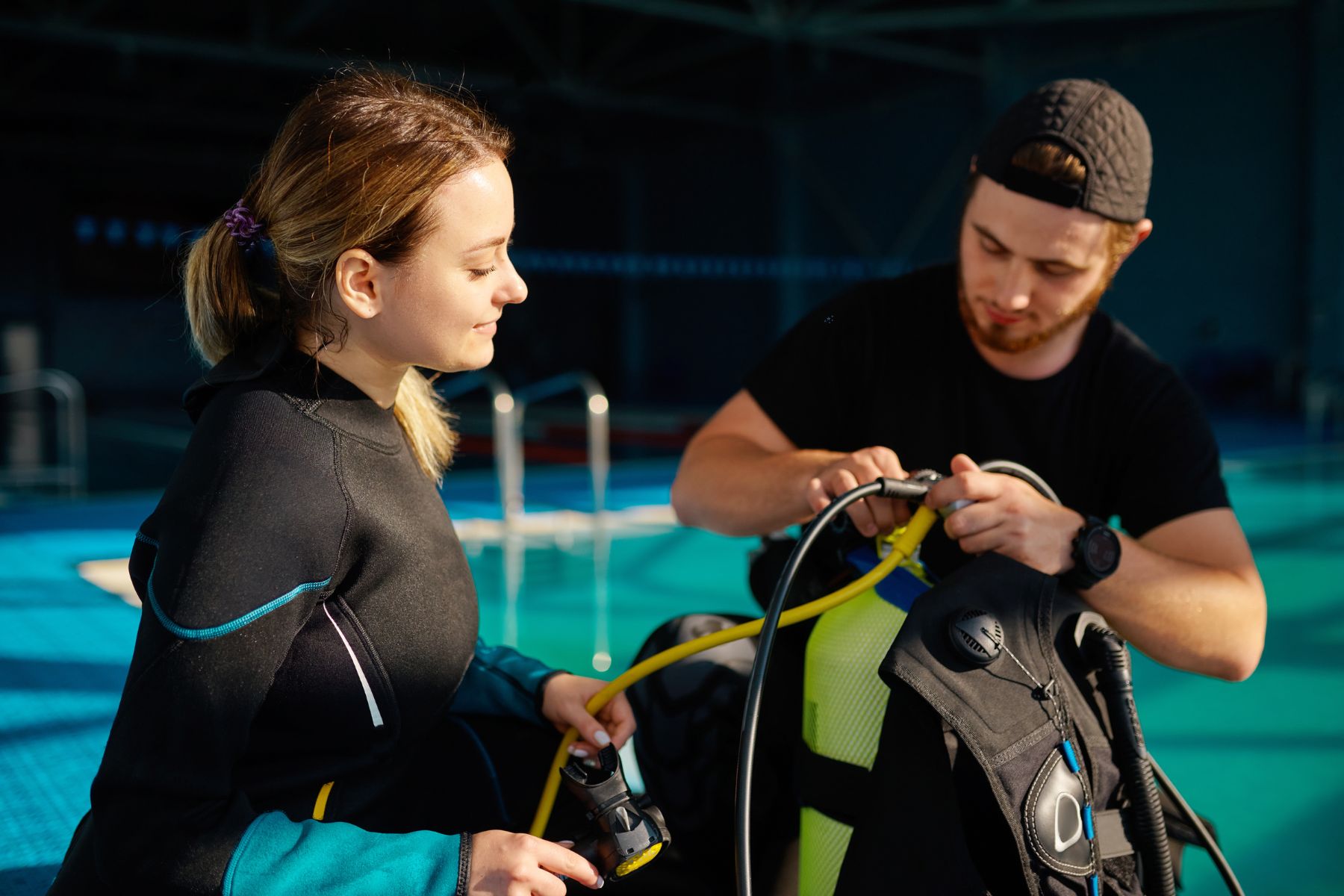
As a diver, you rely on a long list of tools to survive. You need your regulator, BCD, mask, weights, and air tank to work perfectly. If they fail, the consequences happen immediately. If you are not completely comfortable with this gear, your brain will be constantly looking for problems and come up with intrusive thoughts.
This issue hits new divers the hardest. You might know the basic steps, but your physical reactions do not feel automatic yet. However, experienced divers sometimes lose their confidence after a few specific events:
- A sudden gear malfunction
- A rushed boat setup
- A trip with unfamiliar rental equipment
Your confidence improves when you use your equipment automatically. To reach that level, you must learn more than the bare minimum. You need to know exactly how each part works, spot common issues, and react correctly when something feels wrong underwater.
A good idea is to practice basic recovery skills on a regular schedule. Focus on these specific actions:
- Recover your lost regulator
- Clear a flooded mask
- Control your physical buoyancy
- Share air with a partner
You do not need to achieve pure perfection. You just want to remove all hesitation. When your body knows exactly what to do, your mind has a much easier time staying calm.
The Breath Is Always the First Signal
So many times, underwater anxiety starts with your air supply. Here is precisely how the panic cycle happens:
- You feel unexpected resistance from your regulator.
- You take short, rapid breaths.
- You suddenly hyper-focus on every single inhale.
This sudden awareness creates a dangerous trap. Quick inhales cause a sudden burst of panic, which then forces you to inhale even faster. The cycle simply feeds on itself.
You must slow down before the dive even begins. Never rush your gear setup, your safety brief, or your water entry. A hurried start creates the exact physical state that eventually turns into full panic.
To prevent this, use a simple routine while you wait on the boat:
- Inhale slowly.
- Exhale for a longer count.
- Repeat this cycle until your body completely settles.
Once you go underwater, focus on rhythm instead of volume. You do not need huge breaths. You just need steady ones. Finally, use your practice sessions wisely. Perform a controlled descent and pause right below the surface. This brief stop stabilizes your breath before you drop into deeper water.
The Pressure You Don’t Talk About
Not all underwater anxiety comes from the ocean itself. Sometimes, the people around you are the real source of pressure.
This kind of stress is easy to miss because it rarely announces itself. This kind of stress shows up as a reluctance to speak up. You see a more experienced diver gearing up confidently beside you, and you think, I should be fine with this dive. So you say nothing. You push through. And that silent decision to override your own instincts is often what turns mild nerves into real panic when you’re underwater.
Social pressure in diving tends to look like one of these things: rushing to match someone else’s pace, laughing off discomfort you actually feel, or convincing yourself that aborting a dive would be embarrassing. None of these is a small thing. They’re the kind of choices that quietly erode your confidence over time.
The good news is that honest communication can change the entire shape of a dive. Let your buddy or instructor know where you actually are: your comfort level, how long it’s been since your last dive, anything that’s making you uneasy. A good dive leader will always prefer to hear that early. Adjusting the plan takes five minutes. Managing a panic response underwater is something else entirely.
And if you notice that you consistently find it hard to voice your limits, that’s worth sitting with. That pattern often runs deeper than one sport.
Final Thought
Diving anxiety becomes more manageable the moment you stop treating it as a flaw and start treating it as information. Your nerves tell you something about your gear, your environment, your boundaries, or sometimes about patterns that show up in your life long before you ever put on a wetsuit.
The goal was never to feel nothing. It was to feel enough in control that you could think clearly, move safely, and actually enjoy being underwater.
So before your next dive, or your next moment of anxiety, wherever it shows up, try asking yourself one simple question: Is what I’m feeling right now about this situation, or is it about something older?
 Take a moment to look at this.