















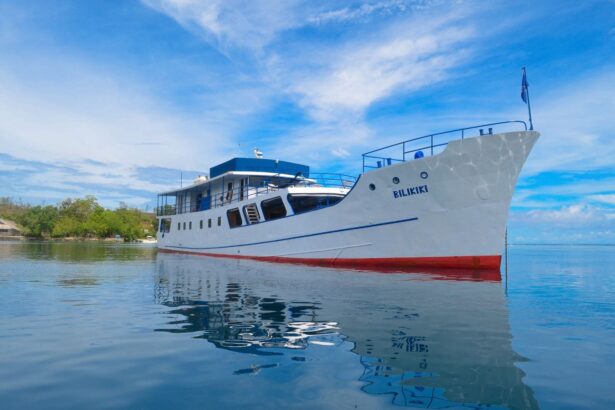


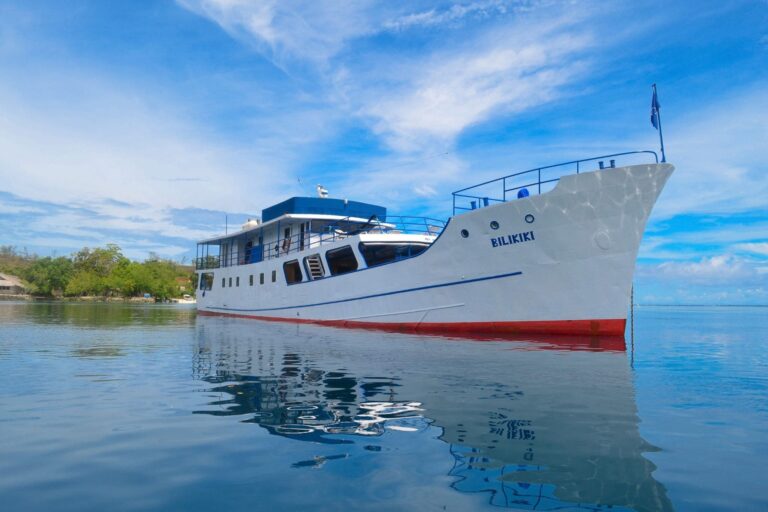
Diving on the Emperor Bilikiki
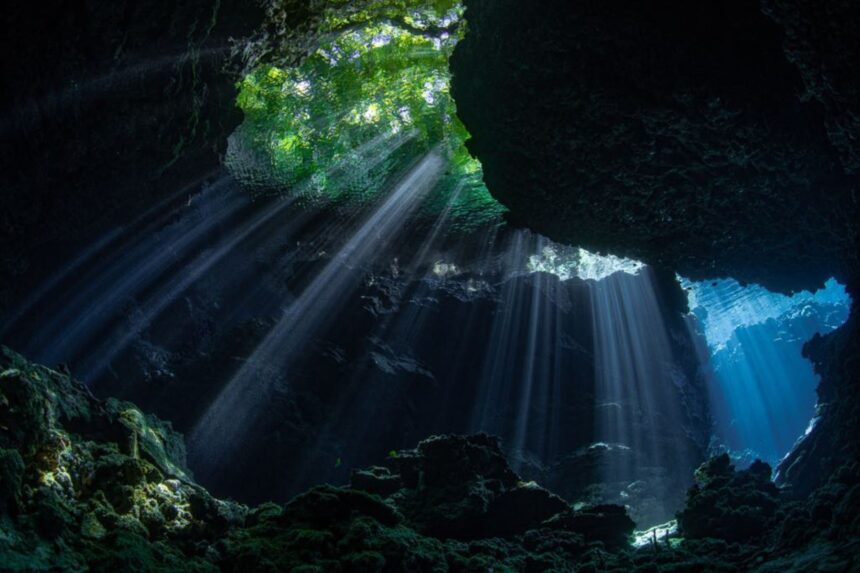
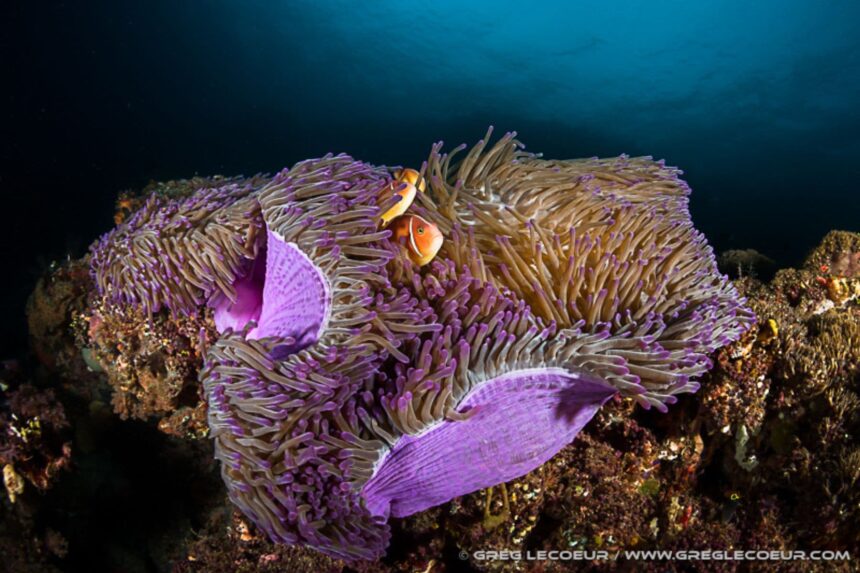
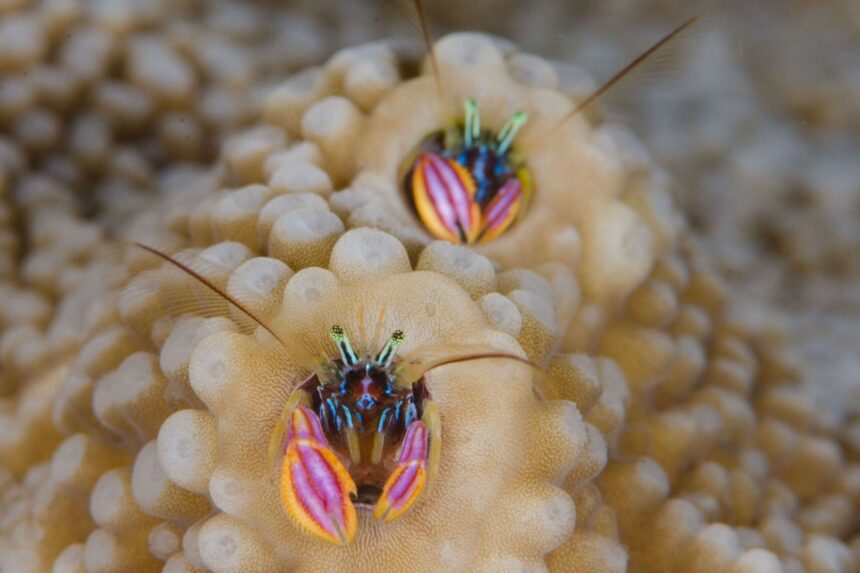


Dive trips on the Emperor Bilikiki liveaboard begin and end in Honiara, the capital and location of the Solomons’ primary airport. Many direct flights are available from Australia, so you might want to take this opportunity to dive the Great Barrier Reef while you’re in this part of the world.
On the Bilikiki, guests can expect up to four day dives and one night dive each day. Exact dive itineraries are not set to allow flexibility due to conditions and group interest.
The average water temperature in the Solomon Islands is 80 F (27 C), and air temperatures range from around 86 F (30 C) during the day to around 76 F (24 C) at night. The heaviest rain falls from November through April.
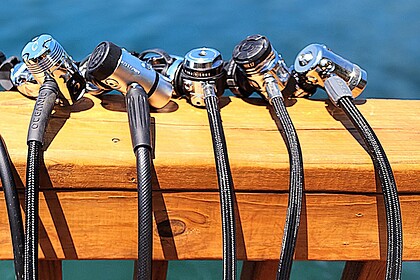
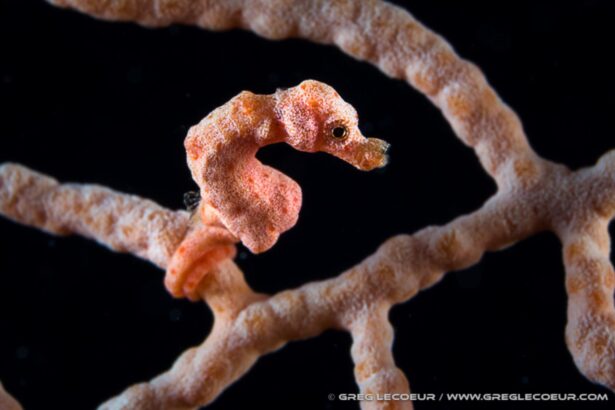
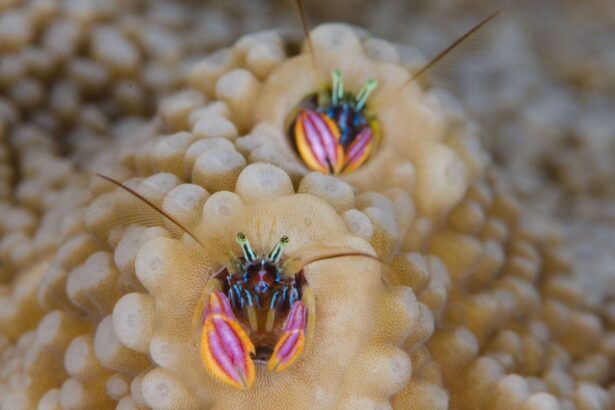
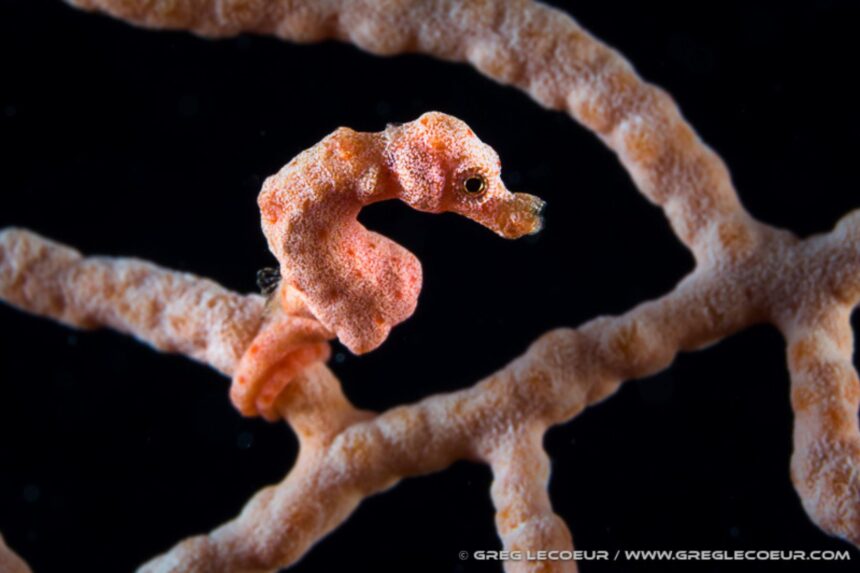
One guide per every 10 divers will be in the water, enhancing safety and offering an expert set of eyes when it comes to spotting pygmy seahorses. All dives are conducted from tenders, so divers should be prepared for back-roll entries. Nitrox and rental gear is available for an additional cost. Courses are not offered on this trip, but non-divers are welcome to snorkel and enjoy the other amenities.
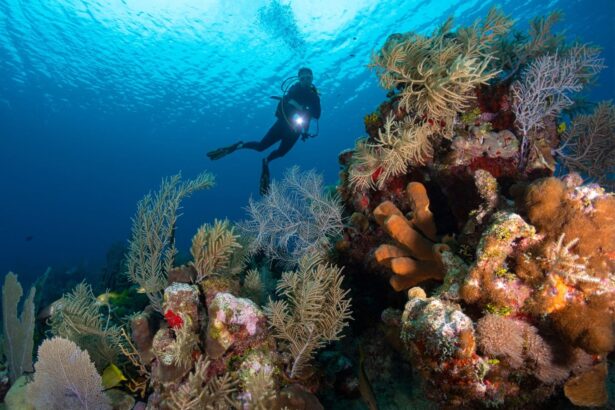
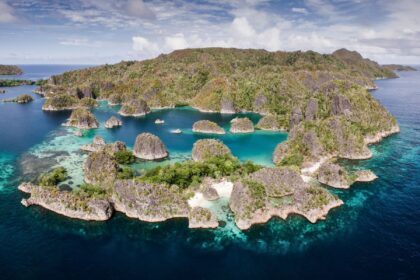
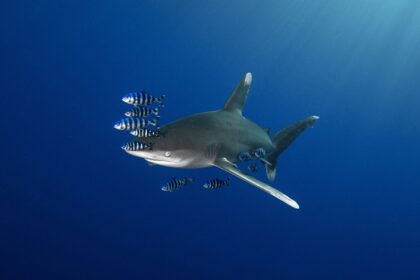
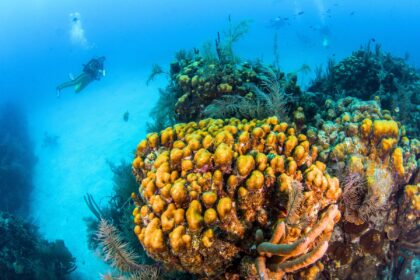
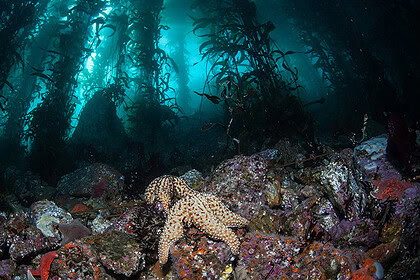
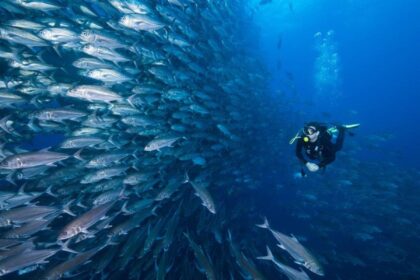
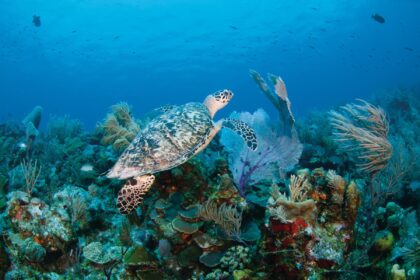
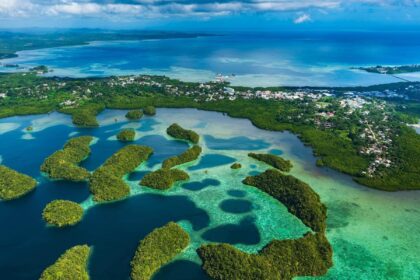
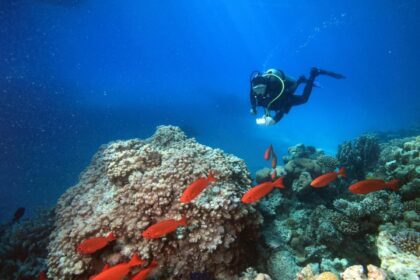
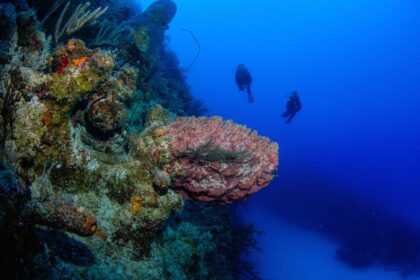
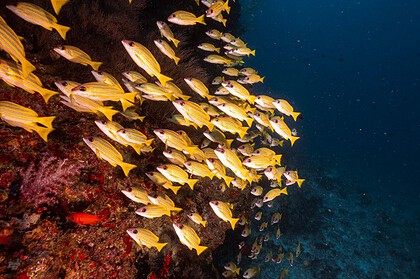
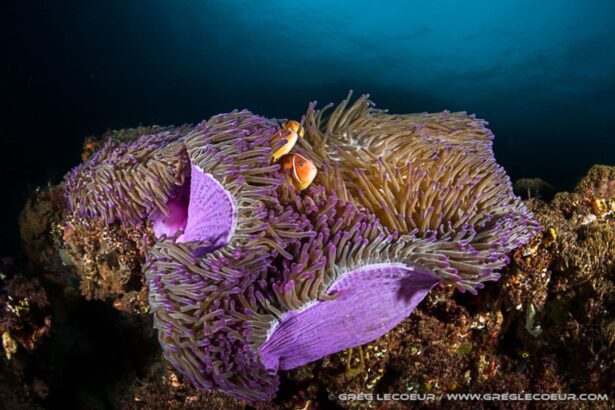
The highlight of diving the Solomons is the uncrowded and unspoiled sites. There is only one other liveaboard serving the Solomons, and many sites have additional protection from village leaders, enhancing the underwater splendor. The variety and abundance of sharks attests to the healthy ecosystem, and lucky divers may also witness tuna spawning.
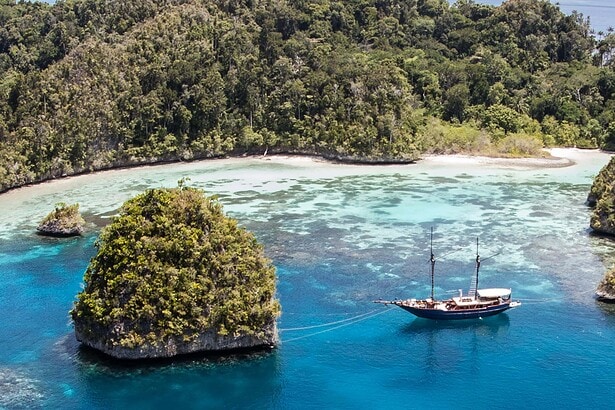
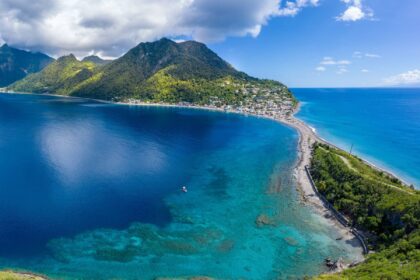
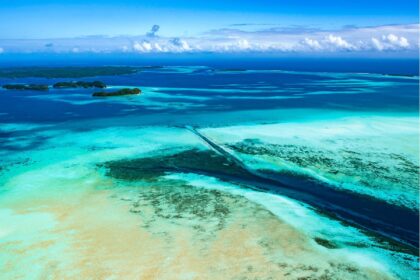
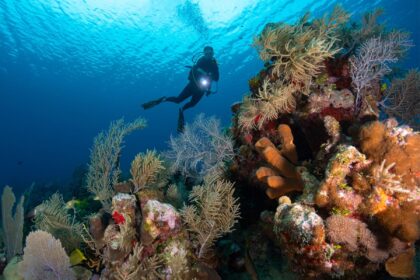
With visibility averaging 75 to 125 feet (20 to 40 m), you will have clear views below as well as topside. Uninhabited Mary Island is considered the best example of coral cover and fish diversity in the region. At Kicha, you can bump elbows, er, fins, with bumphead parrotfish while listening to an underwater volcano.
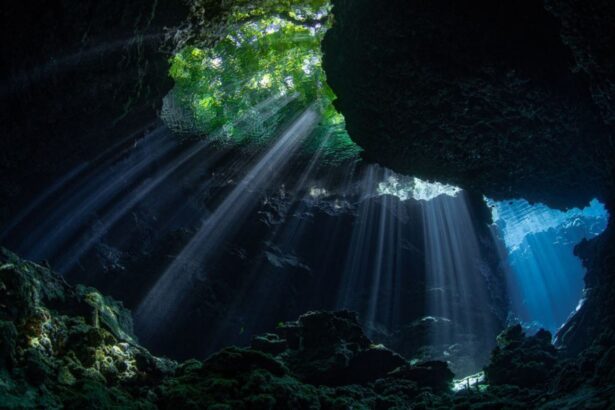
Swim through interconnected caves at Mbulo, drift with mantas at Devil’s Highway, and experience a little bit of everything, including walls and seamounts, at Twin Tunnels.
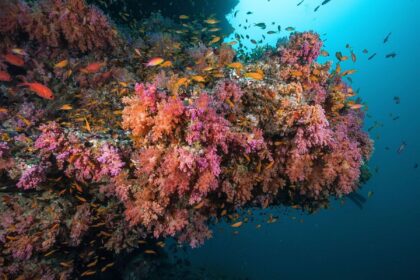
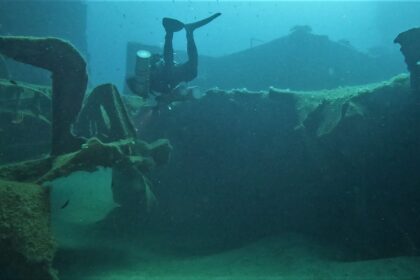
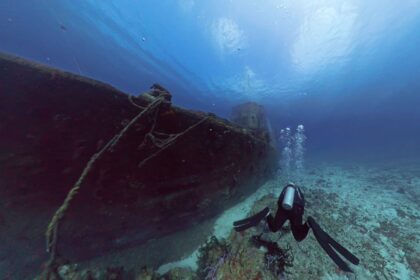
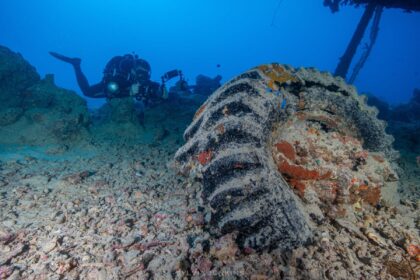
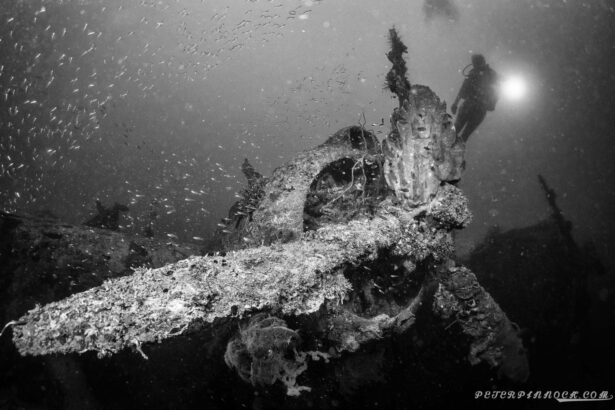
In addition to the exceptionally healthy natural reefs, the Solomons boast hundreds of wrecks. Many are notable WWII crafts, including the Japanese Mavis seaplane. History buffs and wreck enthusiasts will not be disappointed.
Highlights:
- Dive site diversity and marine life
- Photographer friendly
- Guides in water
Onboard the Emperor Bilikiki
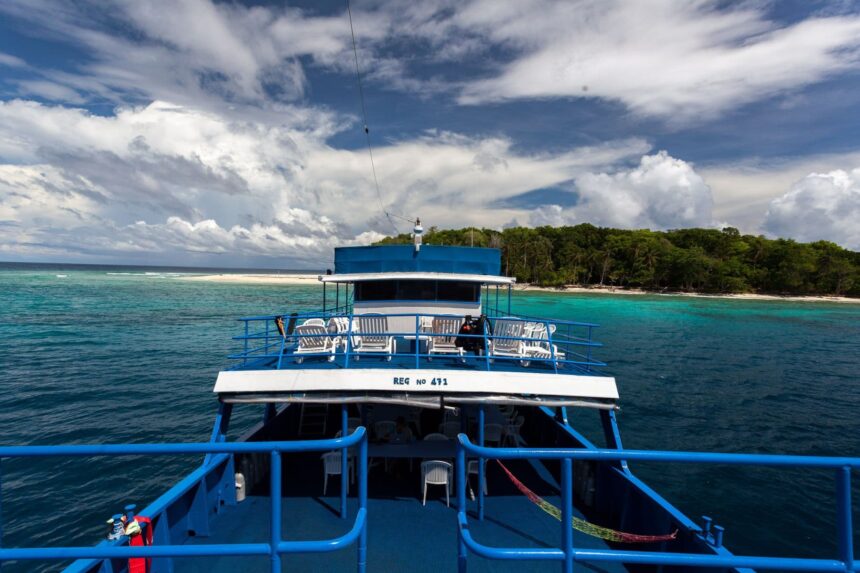
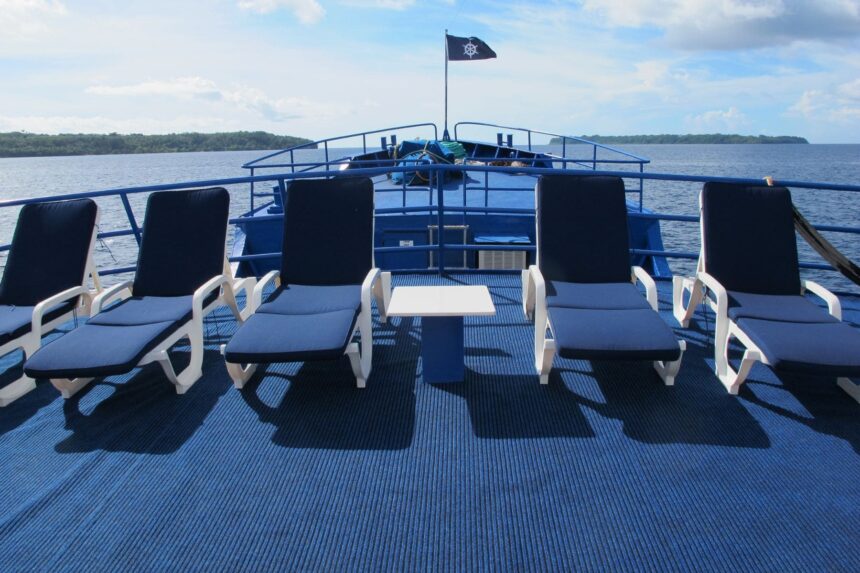
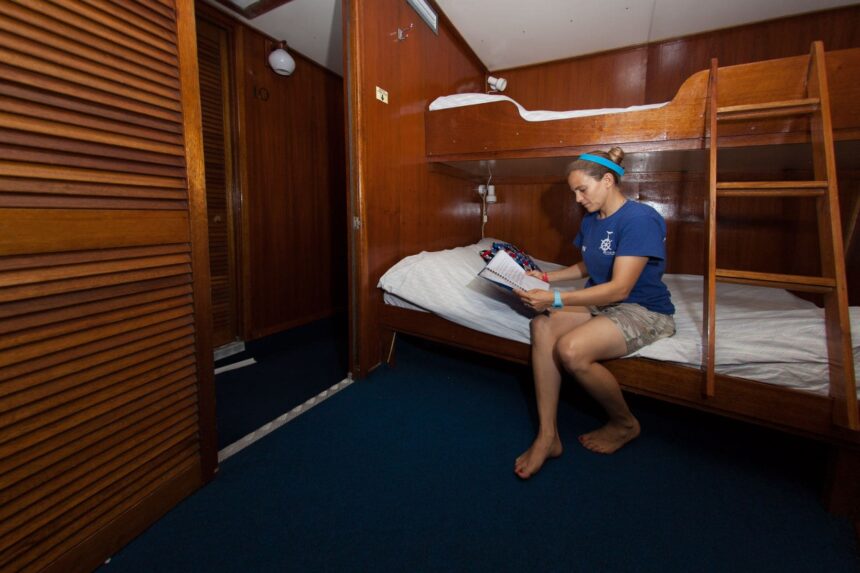
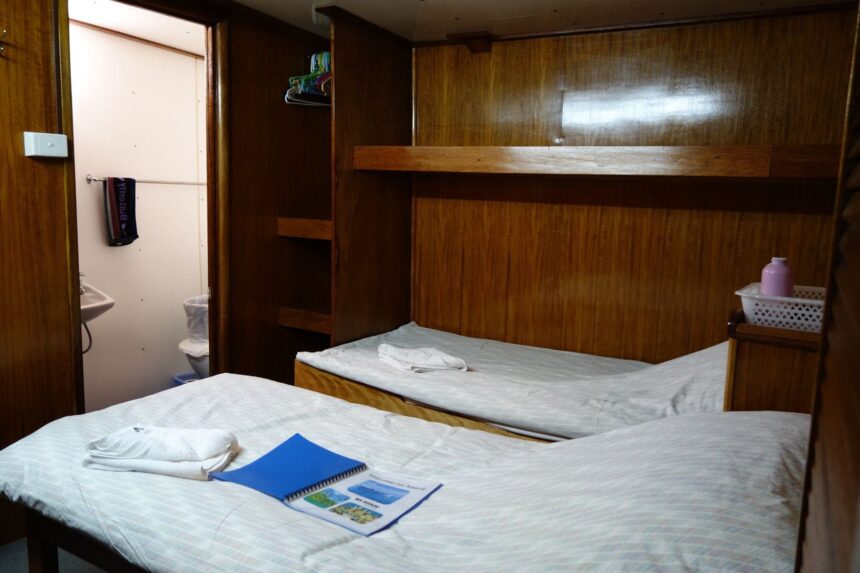


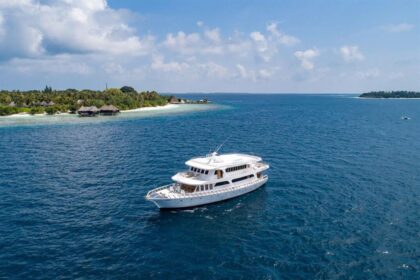
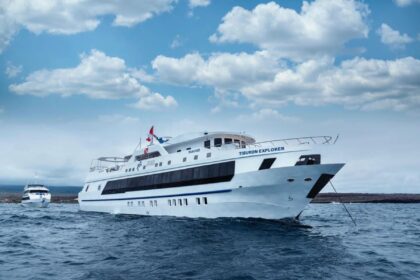
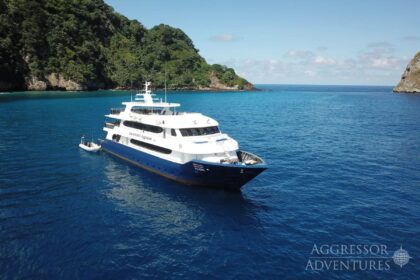
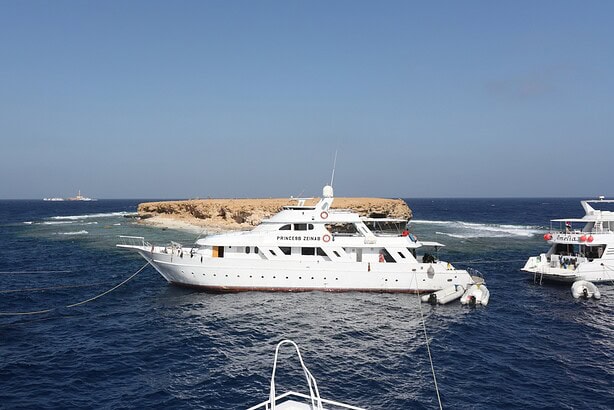
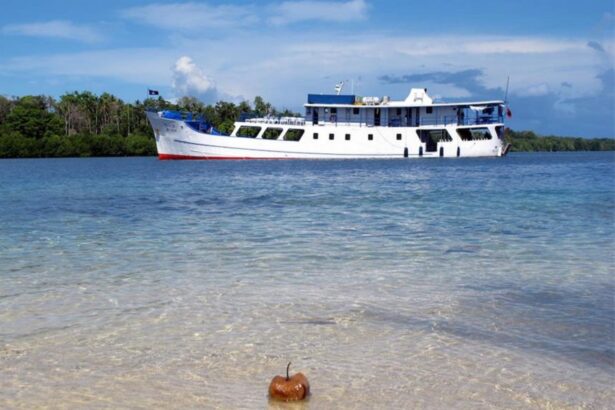
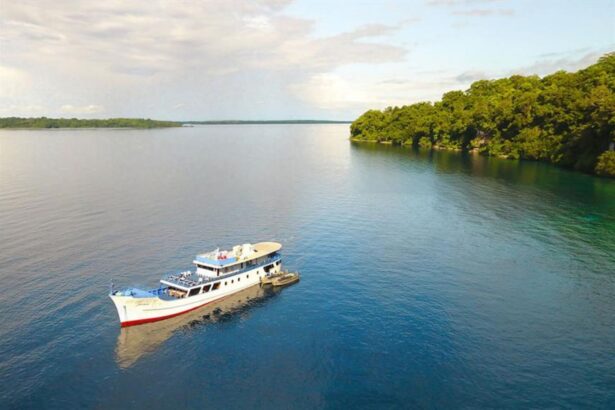
The Bilikiki was built 1966 and has the distinction of being the first liveaboard in the Solomon Islands. At 125 feet (38 m), it was specifically built for diving. Unpretentious renovations have updated the boat, while maintaining a local feel and keeping guests comfortable.
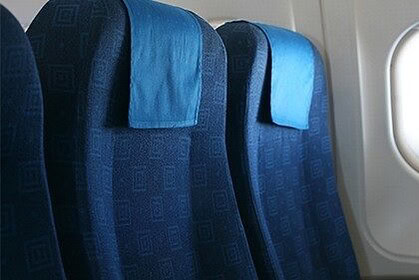
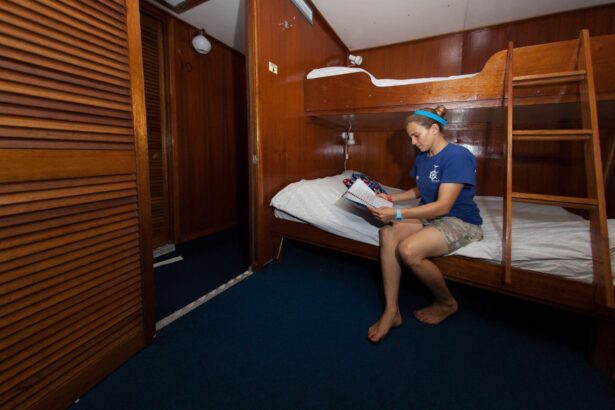
All 10 cabins have en suites and air-conditioning. Most cabins (eight) have bunk beds with a double lower and twin upper, and two cabins have two twins not bunked. The maximum occupancy is two people per cabin. Warm-wooden interiors with clean, white bedding will soothe you as the Solomon Sea rocks you to sleep.
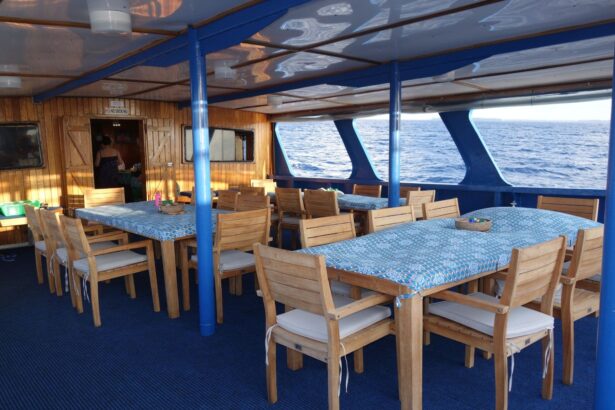
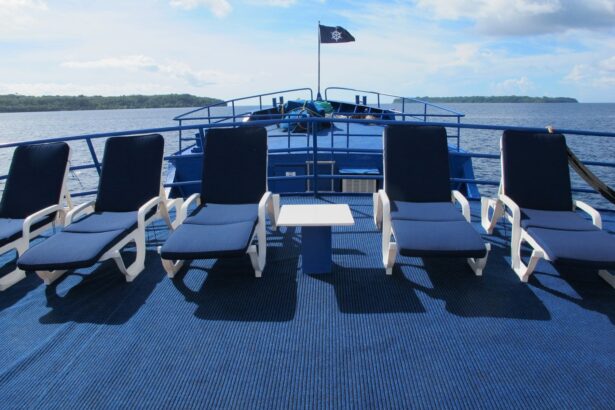
Lounges onboard include an indoor salon, shaded, open-air multi-use area, and a sundeck with lounge chairs. The indoor salon has tables of various sizes, a large screen HDTV monitor, and a bar. The open-air space houses multiple long tables with chairs, perfect for snacking, reading, journaling, or chatting with new dive friends.
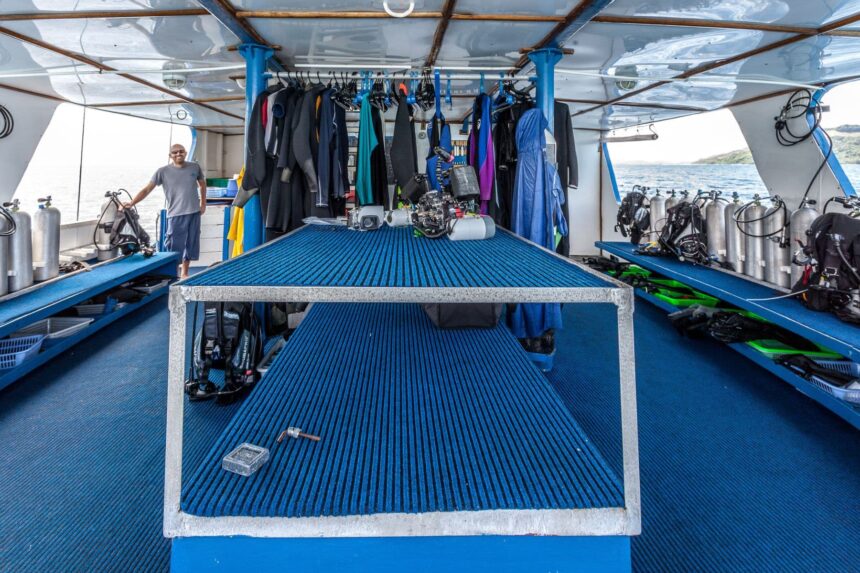
The covered dive deck features wrap-around benches, storage bins, showers, and a large center table. There is a designated camera table and camera rinse. A separate camera room is also available for photographers. The swimming platform provides water access for a quick dip when not diving.
There is no WiFi onboard for entertainment. However, many options are available to occupy your time when not diving. Kayaks and stand up paddleboards are available for use. Never been on a paddleboard? No worries! Check out these paddleboarding basics and get tips from the helpful crew. A small library of books sits inside the wheelhouse for you to peruse.
Land excursions for cultural activities, including traditional dances and handicraft markets are also organized. These are coordinated during surface intervals so as not to interfere with potential dives. At some sites, locals will canoe out to the Bilikiki to sell their produce, food, or crafts.
It’s worthwhile for wildlife enthusiasts to bring binoculars to use on deck or during land excursions. Of the over 300 bird species that call the Solomons home, about one-third of them are endemic. Fun fact: The Emperor Bilikiki liveaboard is named after the beach-stone curlew, known to locals as the “beach thick-knee.”
Highlights:
- Designated camera areas
- Ensuite bathrooms for all cabins
- Kayaks for use
Dining on the Emperor Bilikiki
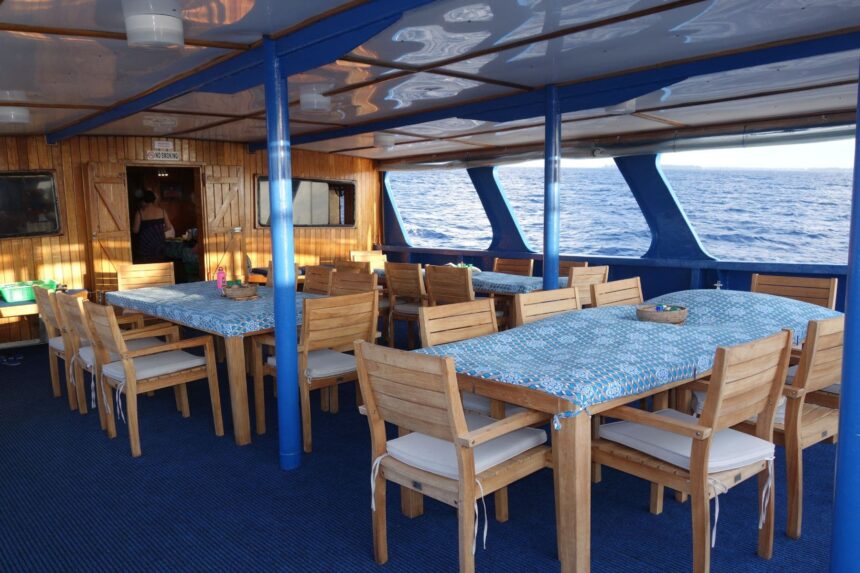
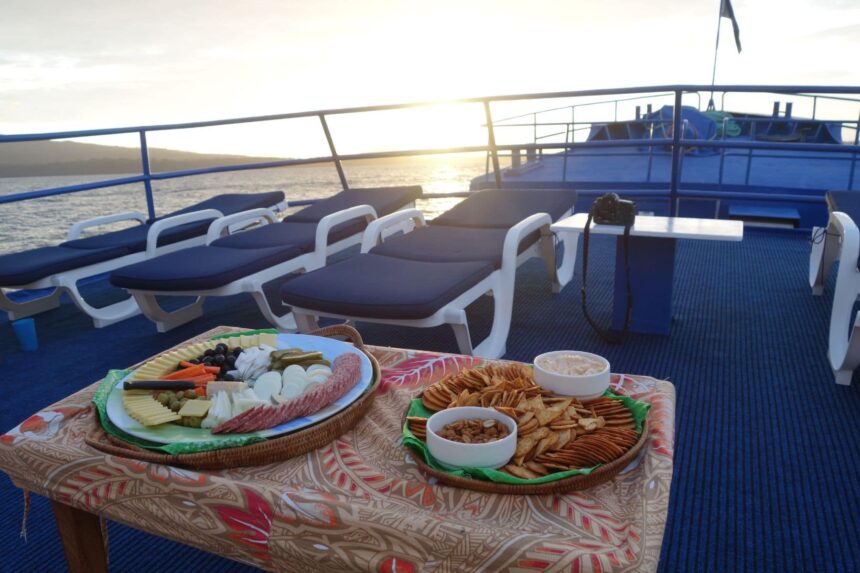


All meals onboard are served buffet-style. Hot breakfast is served with local fresh fruit, coffee, tea, and juice. Lunch typically includes hot soup, entrees, and more fruit. Dinners are comprised of a protein dish, salad and vegetables, followed by a homemade dessert. Proteins include beef, pork, chicken, and fish.
The Bilikiki liveaboard caters to special diets, but restrictions should be noted on your booking form, and speak to the chef once onboard. Due to the remoteness of the Solomons some items may not be available, so it is advised to plan ahead.
Most fish served is caught onboard, resulting in some of the freshest seafood you’ll ever have. Fishing onboard also creates recreational fishing opportunities. The crew is happy to set you up to fish and contribute sashimi to dinner.
Complimentary drinks include iced tea and soft drinks; alcohol is available for a charge when you are done diving for the day. Solbrew beer, Australian wine, and classic spirits are stocked. Guests are welcome to contact the boat for adult beverage requests, or to bring their own duty-free beverages.
Highlights:
- Special diets catered for
- Sashimi caught onboard
- Fresh local produce


I have just come back from an 11 day trip and your review is totally accurate. The underwater world is truly amazing and above water is brilliant. The crew are the kindest and most guest oriented I have ever experienced. It was wonderful.