








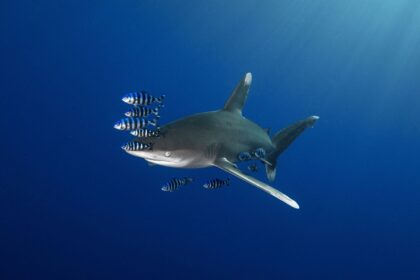











A study in the Marine Policy journal (May 2018) has demonstrated how important human attitudes towards sharks are for effective shark conservation. The study assessed attitudes towards sharks in the Galapagos Marine Reserve and showed that an understanding of the environmental role of sharks and how dangerous (or not) they appeared to be, had the greatest influence on peoples’ attitudes towards conserving them. Having knowledge of, or experience with, sharks also influenced attitudes. It was clear that shark conservation initiatives need to focus on creating positive attitudes towards sharks in order to gain peoples’ support to conserve them. As Baba Dioum put it:
“In the end we will conserve only what we love; we will love only what we understand; and we will understand only what we are taught.” (Baba Dioum, 1968)
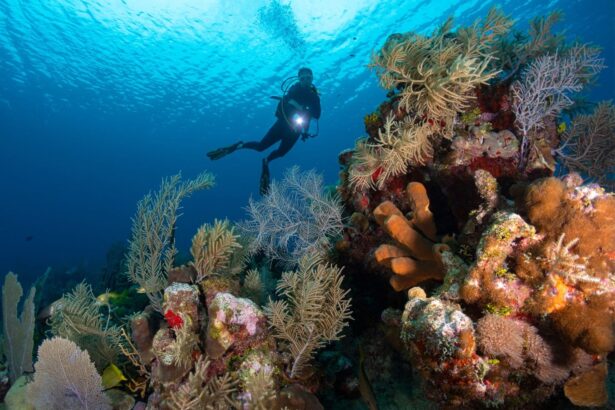
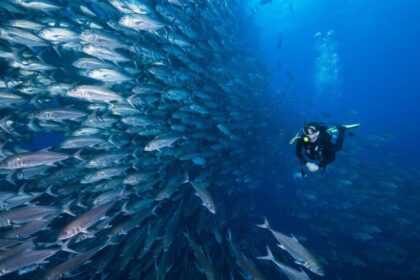
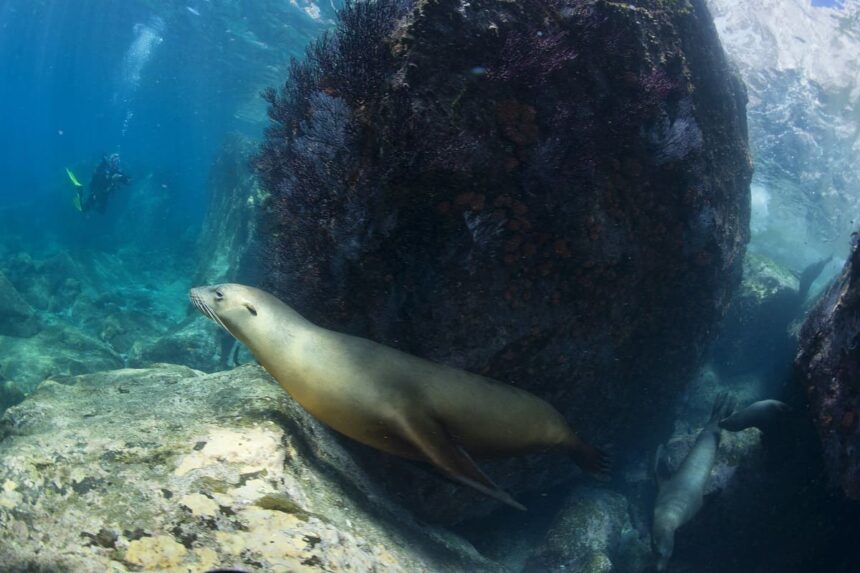
Education and positive experiences with sharks are key tools in successful shark conservation and the Galapagos Islands are an ideal destination to undertake both. The Galapagos Marine Reserve is a world-class shark diving destination and is listed as a UNESCO World Heritage Site. The islands have many dive sites to choose from; offering remote diving surrounded by wildlife found nowhere else on earth. It is an ideal diving destination to see penguins, sea lions, eagle rays, manta rays, ancient marine iguanas and numerous sharks; including silky, Galapagos, blacktips and schools of hammerhead sharks. What better place for people to experience the value of sharks first hand and for local communities to witness the value of thriving tourism industry based partly upon the presence of sharks. From diver’s perspective this ranks the top of things to do in Galapagos islands.
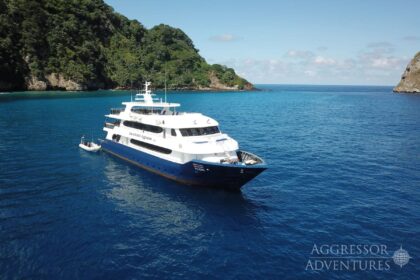
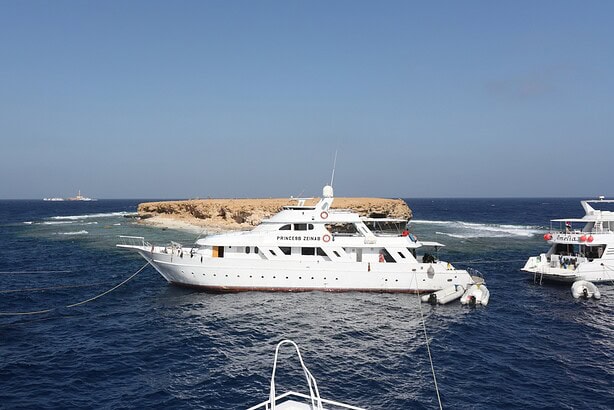
The Galapagos Islands are remote and best experienced by Galapagos liveaboard diving. Diving is possible all year and there are two distinct seasons to choose from:
- The warm season of January to May has water temperatures of 23-25°C/73-77°F, calmer sea conditions and less currents. May is a particularly good month for calm sea conditions and plenty of sunshine. The warm season is a great time of year to see large numbers of hammerheads, silky and Galapagos sharks.
- The cooler season of June to December is the peak diving season and has rougher conditions and strong currents, with water temperatures of 16-18°C/60-65°F. This season is all about whale sharks, though there are also large numbers of hammerhead sharks to enjoy, plus occasional silky and Galapagos sharks.
Wolf and Darwin islands are the highlight of any Galapagos Islands safari and they are the most well-known, and remote, dive sites. They are only accessible by liveaboard and few boats are permitted to stop at these islands. The waters around the islands are a highway for scalloped hammerhead sharks on their way to Cocos Island. Silky sharks, Galapagos sharks, dolphins, and manta rays also frequent the waters and divers are likely to see turtles, eagle rays and abundant fish life when diving Wolf and Darwin. Wolf has underwater caverns and tunnels to explore and is a great place for night diving and whale shark encounters. To fully prepare for the visit check our recommendation on how to visit the Galapagos Islands.
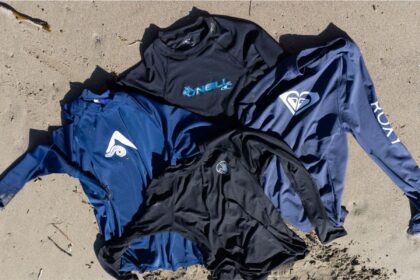
Cousin Rock is another Galapagos dive highlight. This small rocky island is home to numerous sea birds and sea lions. It is a great area for underwater photography with black corals, sea fans and sponges, and is also a prime spot for manta rays. Keep in mind these islands are in the hot tropical climate, so make sure you know what to wear on Galapagos islands.
Cape Douglas has shallow dives and is the place to dive for underwater encounters with feeding marine iguanas. There are also flightless cormorants, Galapagos penguins and sea horses at Cape Douglas.
Punta Vicente Roca is one of the colder dive sites in the Galapagos but the variety of life there makes diving worthwhile. Mola mola are commonly seen, as are penguins, sea lions and Red Lipped Batfish. Bull sharks are also occasionally seen at this site.
Cabo Marshall is the place to dive for ray encounters and is visited by giant manta rays looking for food and cleaning stations. Mobula and cow-nose rays are also seen frequently in the area, plus good numbers of hammerheads, turtles and sea lions.
Sea conditions around Wolf and Darwin can be rough with large swells and currents, turning some dives into drift dives. Most of the dives are deep at Wolf and Darwin and the diving is best suited to experienced divers. That being said, there are some Galapagos dive sites suitable for less experienced divers who just can’t wait to get out there and join in.
This article was written by divers and writers at LiveAboard.com
 Take a moment to look at this.