When choosing a boat, you should prioritize matching the vessel type to your intended activities, number of passengers and the local weather conditions. The boat best suited to you largely depends on what you intend to use it for. You should also check engine power, hull design and storage logistics.
There are very few experiences that can match the freedom of leaving the shoreline behind to dive into an aquatic adventure. Whether your dream involves tracking game fish across rolling ocean swells, scuba diving into crystal waters or enjoying a scenic sunset cruise on an inland lake, the vessel forms the foundation of your experience.
Still, entering the marine market can feel more than a little overwhelming. With hundreds of hull configurations, propulsion systems and storage considerations, finding the right match requires you to balance your personal lifestyle goals with your practical limitations. Through a combination of evaluating your target environment, activity profile and ownership logistics, you can turn an overwhelming search into an exciting journey toward vessel ownership.
Defining How You Will Be Using The Boat
The first step is to clearly define exactly what the boat will be used for. You need to establish exactly what you want the boat to do because boats are highly specialized tools, and choosing a hull design that aligns with your main hobbies will ensure that you have a safe and comfortable experience.
Water Sports and High-Octane Towing
Standard recreational hulls will not suffice if your adventures center around activities like:
- Wakeboarding
- Waterskiing
- Tubing
You should look for specialized tow-sports boats or versatile bowriders that come equipped with wake towers, integrated ballast systems to shake the wake and strong engine horsepower to pull your riders efficiently.
Maintaining a precise, steady speed is essential for tow sports, so boats that feature cruise control are highly valuable here.
Angling and Coastal Fishing
Serious fishing requires an entirely different layout:
- Freshwater anglers making their way through calm lakes or rivers will benefit from lightweight, highly maneuverable aluminum bass boats that have flat casting decks and shallow drafts.
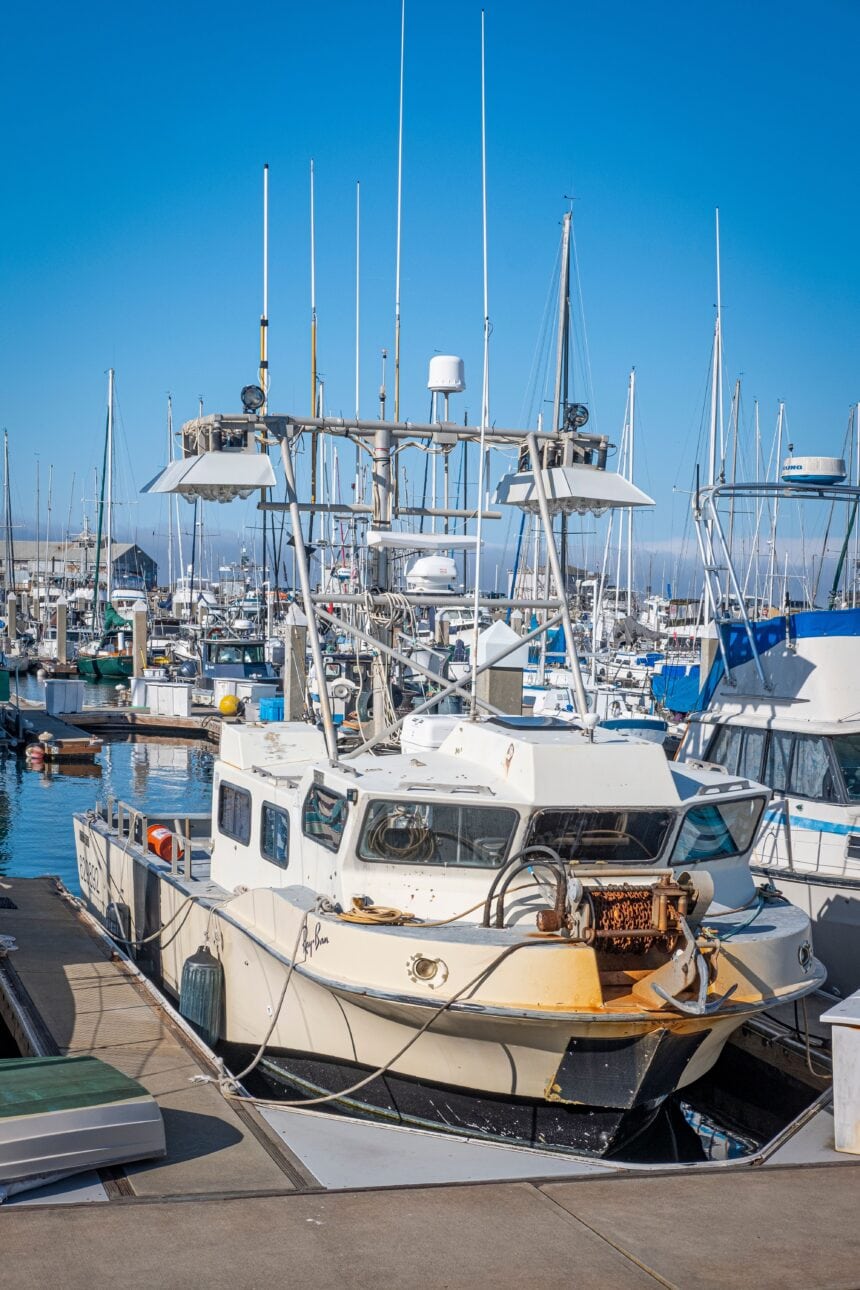
- Offshore ocean fishing requires heavy-duty center console vessels with deep V-hulls that are designed to cut cleanly through the unpredictable, choppy waves.
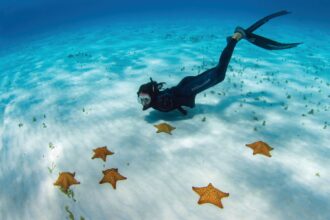
Scuba Diving and Snorkeling
Standard boats often lack the specialized deck space and safety features that are required to manage heavy dive tanks, snorkeling fins and wet suits safely. For this reason, you should look for boats that include:
- Deck space and tank storage
- Water access and ladders
- Safety features
As you can see, depending on what you plan to do with it, you’re looking at completely different types of boats. That’s why it’s important to define the boat’s purpose before you start shopping for it.
Evaluate the Environment
Before you go browsing listings on Pop Sells – the boat and yacht marketplace, you should evaluate the environment where you’ll be operating the boat. Where you plan to drop your anchor matters just as much as how you use the boat because the local geography and water type will determine the necessary hull material, shape and depth.
Freshwater lakes and rivers tend to be more forgiving, but come with distinct structural hazards like:
- Shallow sandbars
- Submerged logs
- Seasonal weed beds
For this reason, flat-bottomed vessels, jon boats or lightweight pontoon hulls would be a good choice here because they have shallow drafts that will prevent you from running aground in thin water.
Ocean and open coastal bays require rugged, corrosion-resistant marine hardware and heavy-duty fiberglass construction. Since open seas are prone to sudden storms and rolling swells, a deep V-hull or large catamaran is paramount to provide the necessary stability and prevent the vessel from being tossed uncomfortably.
The Logistics of Size, Trailering and Storage
A boat’s size impacts your daily routine and long-term operating costs, so before deciding on the length, make sure you know how you’ll be housing and transporting the vessel when it’s out of the water.
As for boat lengths and sizes:
- Small vessels under 20 feet are highly flexible and cost-effective.
- Mid-sized cruisers between 21 and 25 feet are the ideal sweet spot for family comfort on open water.
- Large yachts and cabin cruisers that are 26 feet and above are built for long-distance travel and overnight comfort.
The boat you choose should structurally fulfill your requirements, but also be logistically and financially feasible for you to store when it’s not being used.
Evaluating Before Purchasing
Buying about isn’t about looking for the fanciest or sleekest looking model that you can show off to your friends, because the aesthetic appeal should be the last thing on your list of requirements. Choosing the right boat is about carefully evaluating whether it will suit your main hobbies, if it’s designed to sustain the environmental conditions that you’ll be using it in and whether you will be able to store it when it’s out of the water.
 Take a moment to look at this.