




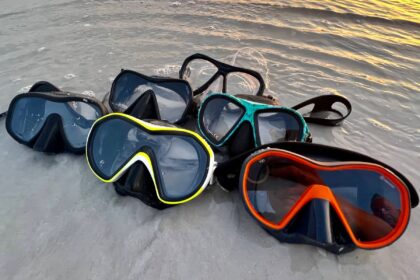


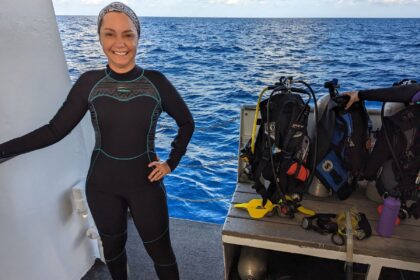
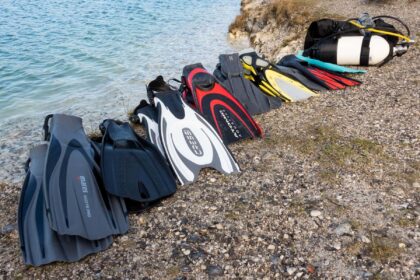
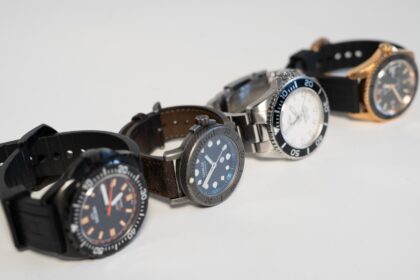
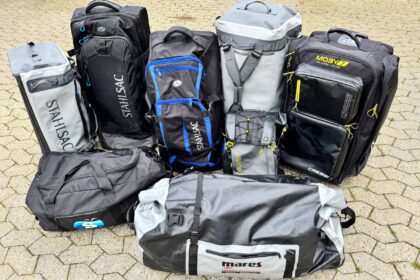
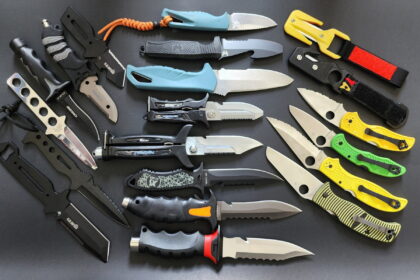
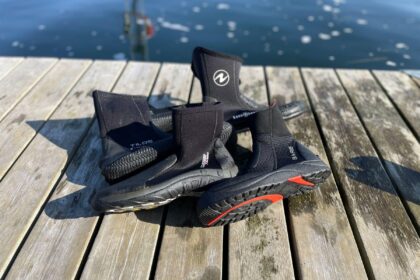
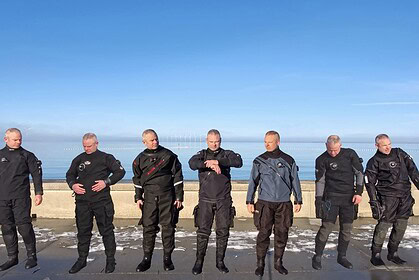
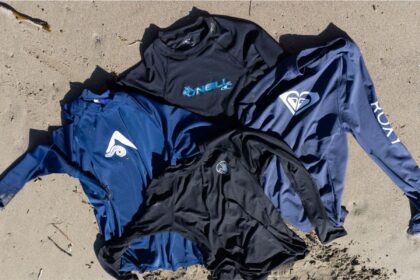

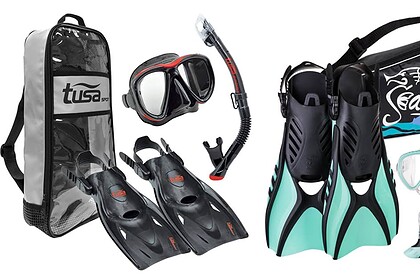
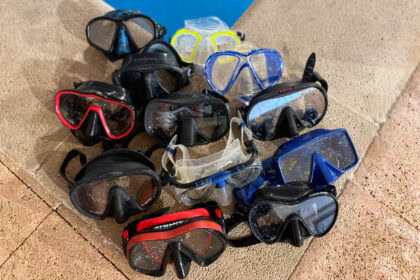
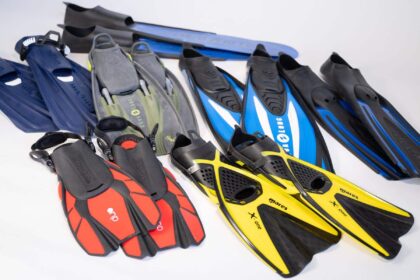
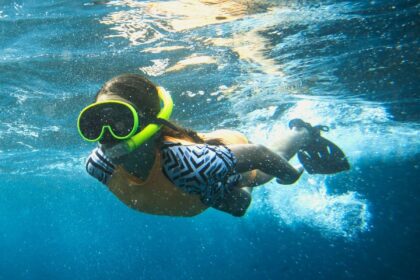
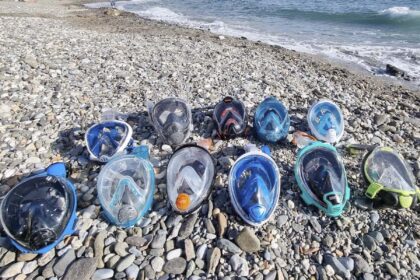




















What scuba gear do you need? At a minimum, every diver needs a mask, fins, BCD, regulator, and exposure protection like a wetsuit or drysuit. Depending on your diving style and environment, you may also need additional gear like a dive computer, weights, surface signaling devices, and accessories for safety and comfort.
Scuba gear varies widely in real-world performance, and not all equipment delivers the same reliability, comfort, or durability underwater. Differences in materials, design, and build quality can significantly impact how your gear performs across different conditions, from warm tropical reefs to cold water dives.
At DIVEIN, our team has logged thousands of dives across the Caribbean, Southeast Asia, and cold-water environments, testing a wide range of scuba gear in real conditions. Each category is evaluated using consistent criteria, including performance, durability, ease of use, and overall value. In this guide, we break down the best scuba gear for 2026 across all major categories, with links to detailed reviews and buyer’s guides to help you choose the right setup for your diving.
Cressi Start

Cressi Start BCD review
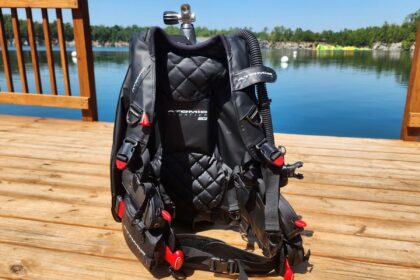
The Cressi Start was initially intended to be used by dive schools and resorts. It has a basic design but is highly functional making it ideal for beginner divers too.
One nice feature is that the waist strap is independent of the air bladder, so if you tighten it while the jacket is deflated, it’s not going to squeeze your stomach too much when you inflate.
If you are looking for a BCD that is reliable and almost bullet-proof, the Cressi Start is a great entry-level option.
Sherwood Luna

Where to buy
We compare prices daily across all major online stores.
See all 4 pricesSherwood Luna BCD review
Definitely, a BCD designed with women divers in mind. It features thick padding on the inside with a plush nylon finish. The jacket and air bladder are specially cut for a snug fit to female curves.
Sherwood uses a unique Halfpac backplate which offers the versatility of soft backplate with the stability of a hard backplate. This means it’s extra comfortable but will also hold your cylinder firmly in place.
One great feature of the Sherwood Luna is the padded neoprene neck. A small hint of color adds a nice feminine touch.
See all BCD’s
Scuba Regulator
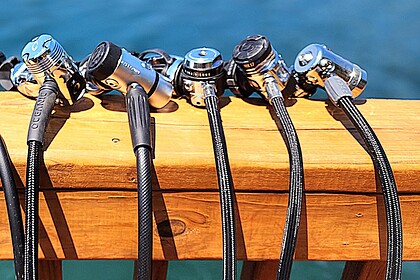
The regulator set consists of a 1st stage, which is mounted on the tank valve. Then there are two regulators in the 2nd stage: a pressure gauge and a low-pressure inflator hose that is attached to the BCD inflator.
- The regulators have a primary and an alternate air source. The alternate air source is for you or your buddy in an emergency or a back up is needed.
- A modern regulator is a demand valve regulator, which means it give you air when you want it. When you breathe in, air flows from the tank through the 1st stage and to the 2nd stage supplying air to you.
- The pressure gauge shows how much air is in the tank and usually has a caution area that warns you when the air is getting low.
Read more about How to Choose a Scuba Regulator
Apeks XTX40

Apeks XTX40 Scuba Regulator review
It wouldn’t be a list of the best regulators without an Apeks or two (or three). The XTX40 is one of the company’s affordable models. Despite the very tempting price point, it’s more often viewed as a high-end product.
Loved by techies for their reliable deco reg performance and by recreational divers alike, the XTX40 offers a lot of bang for your buck.
See all Scuba Regulators



Frequently Asked Questions about the Scuba Gear
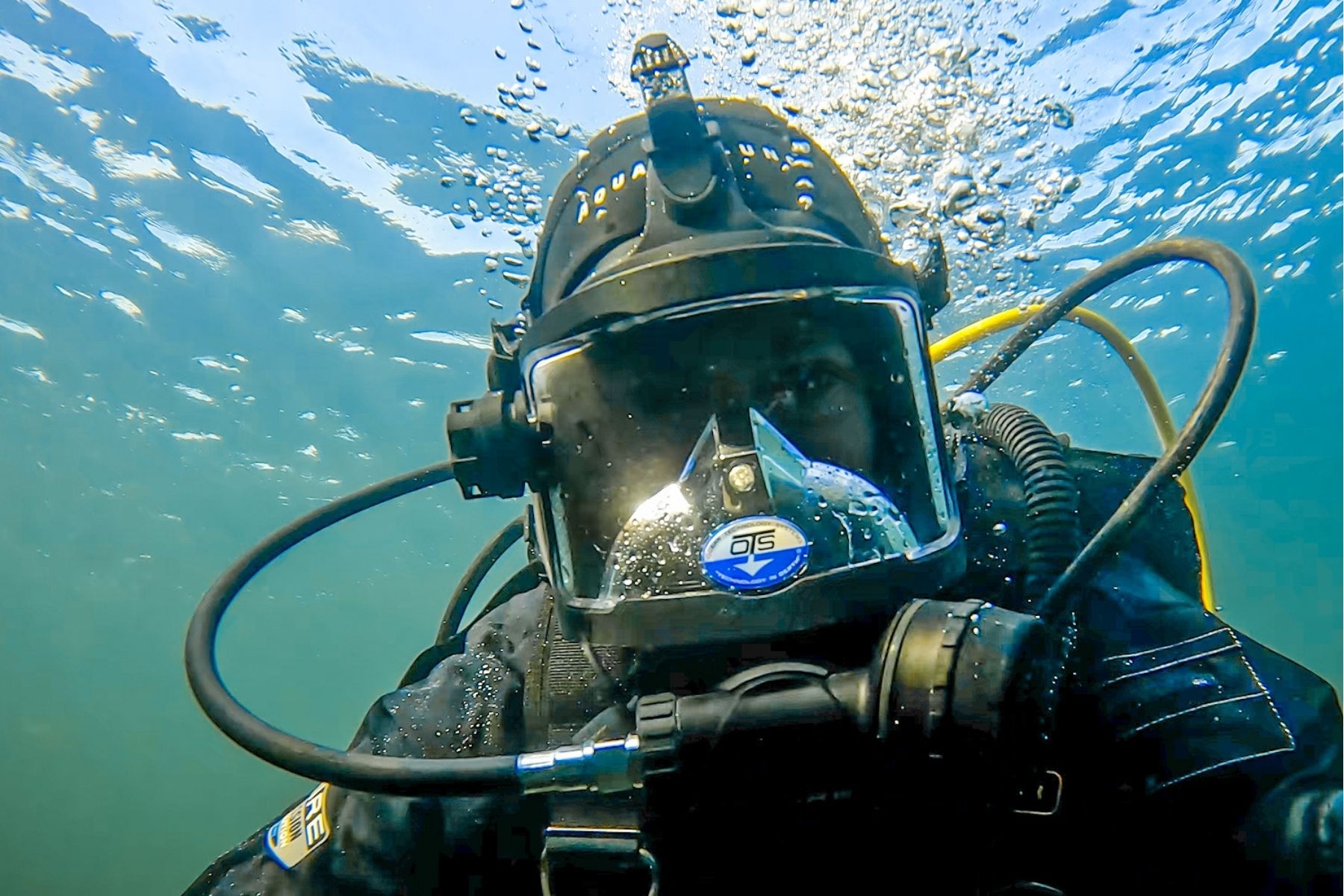
As a beginner, you need both personal gear and core life-support equipment. The essential scuba setup includes a mask, snorkel, fins, wetsuit, BCD (buoyancy control device), regulator, dive computer, tank, and weights. Most new divers start by buying personal items like a mask, fins, and snorkel for comfort and fit, while renting heavier gear such as BCDs until they dive more regularly.
A complete scuba gear setup typically costs between $1,500 and $4,000 depending on quality and brand. Entry-level setups with basic regulators, BCDs, and computers fall on the lower end, while premium gear with air integration and lightweight travel materials can exceed $3,000. Buying gradually can help spread out the cost.
Renting scuba gear is a good option for beginners or occasional divers, especially while you are still learning what you prefer. Buying becomes more cost-effective if you dive regularly, travel often, or want consistent fit and performance. Many divers start by renting major gear and gradually purchasing their own setup over time.
Most divers should buy personal gear first, including a mask, snorkel, and fins, since fit and comfort are critical. A dive computer is often the next smart purchase for safety and familiarity. After that, consider investing in a wetsuit and regulator before moving on to larger items like a BCD.
You can buy scuba gear from local dive shops, online retailers, or large outdoor stores. Local dive shops are ideal for beginners because they offer expert advice, proper fitting, and servicing. Online stores often have better prices and a wider selection, but you should know your sizing and preferred brands before buying.
 Take a moment to look at this.


