



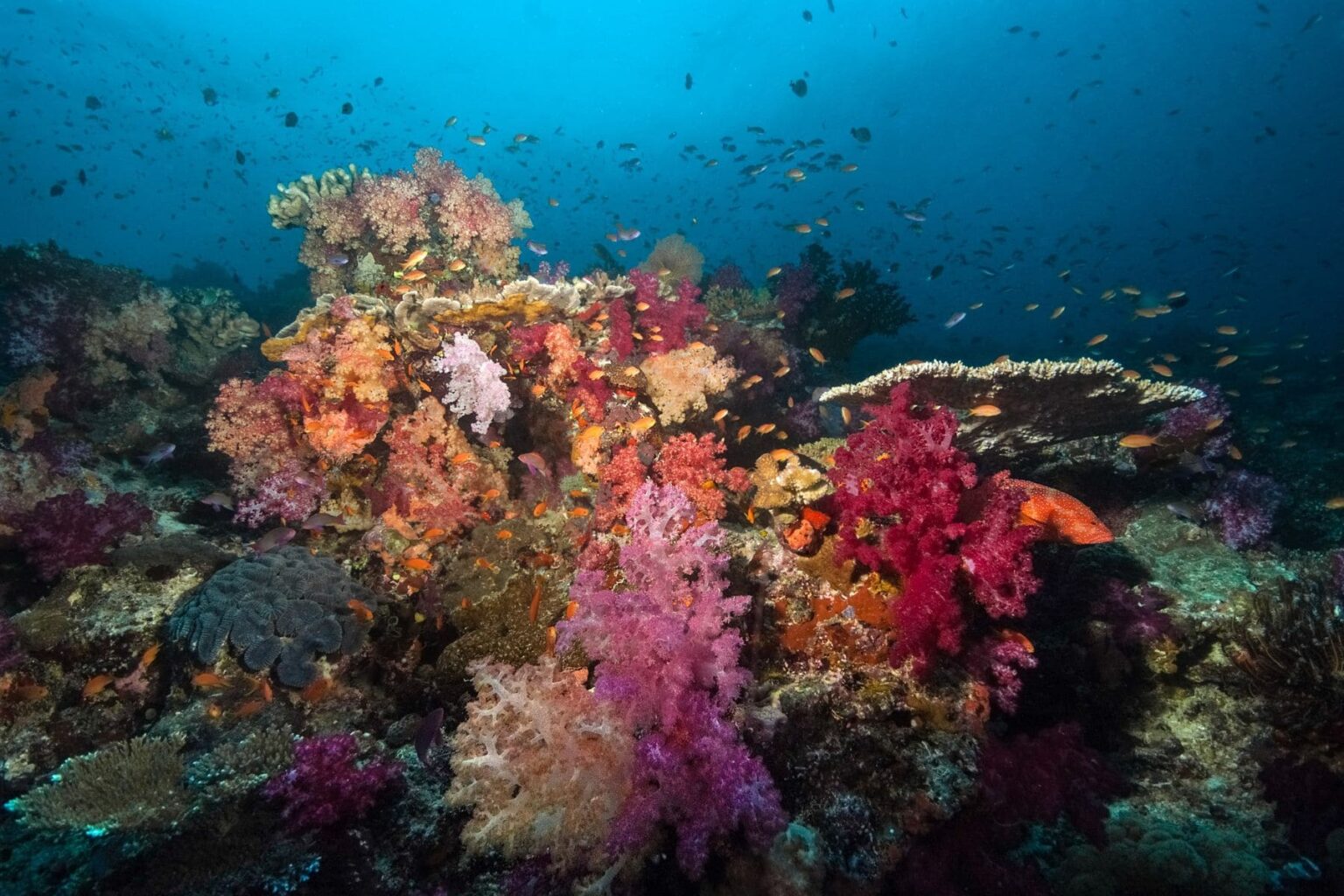


Fiji is a captivating canvas of some of the world’s most colorful underwater marvels. Nestled in the heart of the South Pacific, the archipelago country consists of over 300 islands and 500 islets, with over 4,000 square miles (10,360 km2) of coral reefs stretched between and all around the islands, so it’s no wonder that the snorkeling in Fiji is world-class.
What makes Fiji so good for snorkeling?
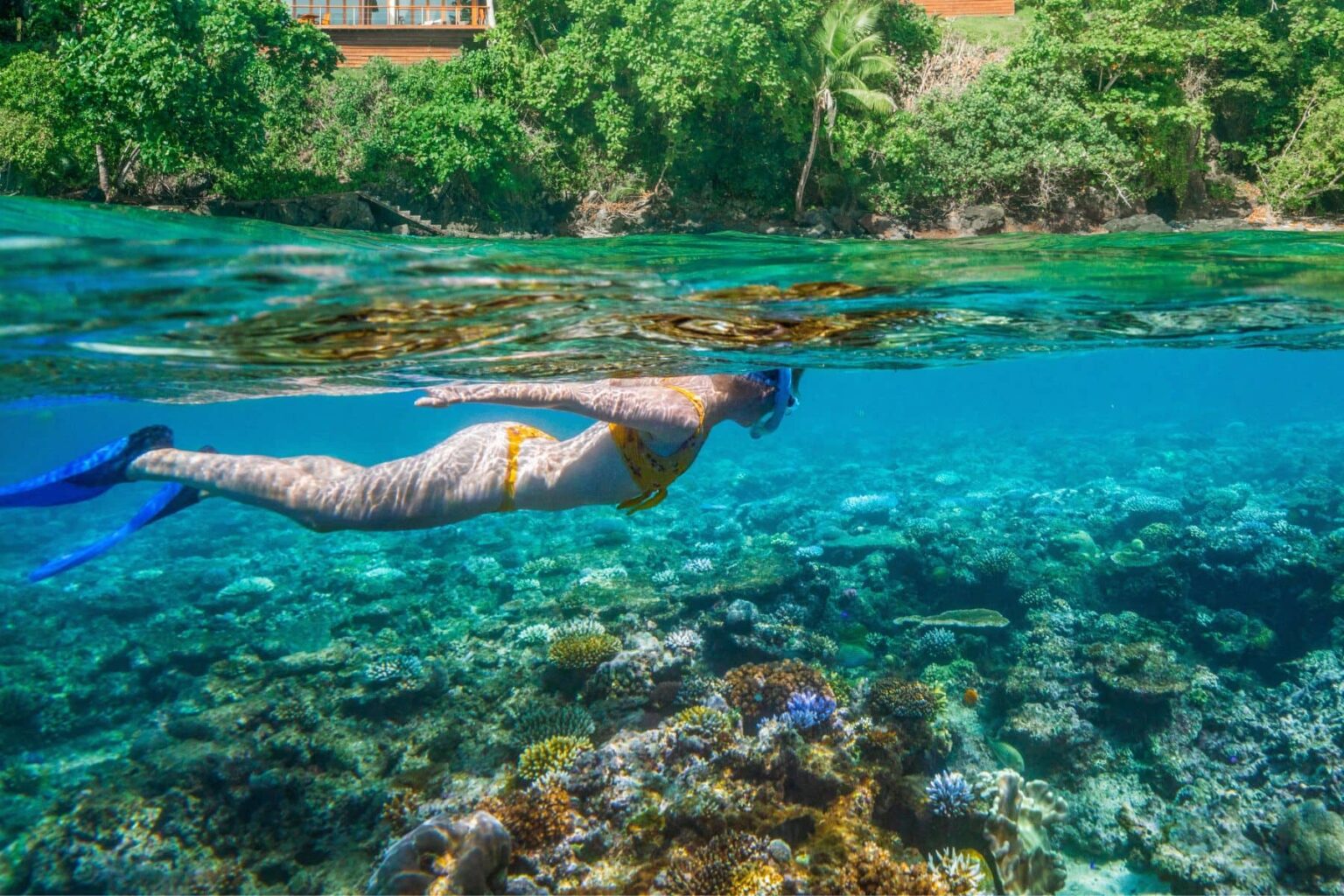
Easy-access shore snorkeling is available for beginners, but the best snorkeling is a short boat ride away in the outer reefs. The astonishing diversity of marine life tucked into the vibrant coral landscape and the spectacular clarity of Fiji’s warm, inviting waters make for an unrivaled opportunity for both novices and seasoned snorkelers alike to explore.
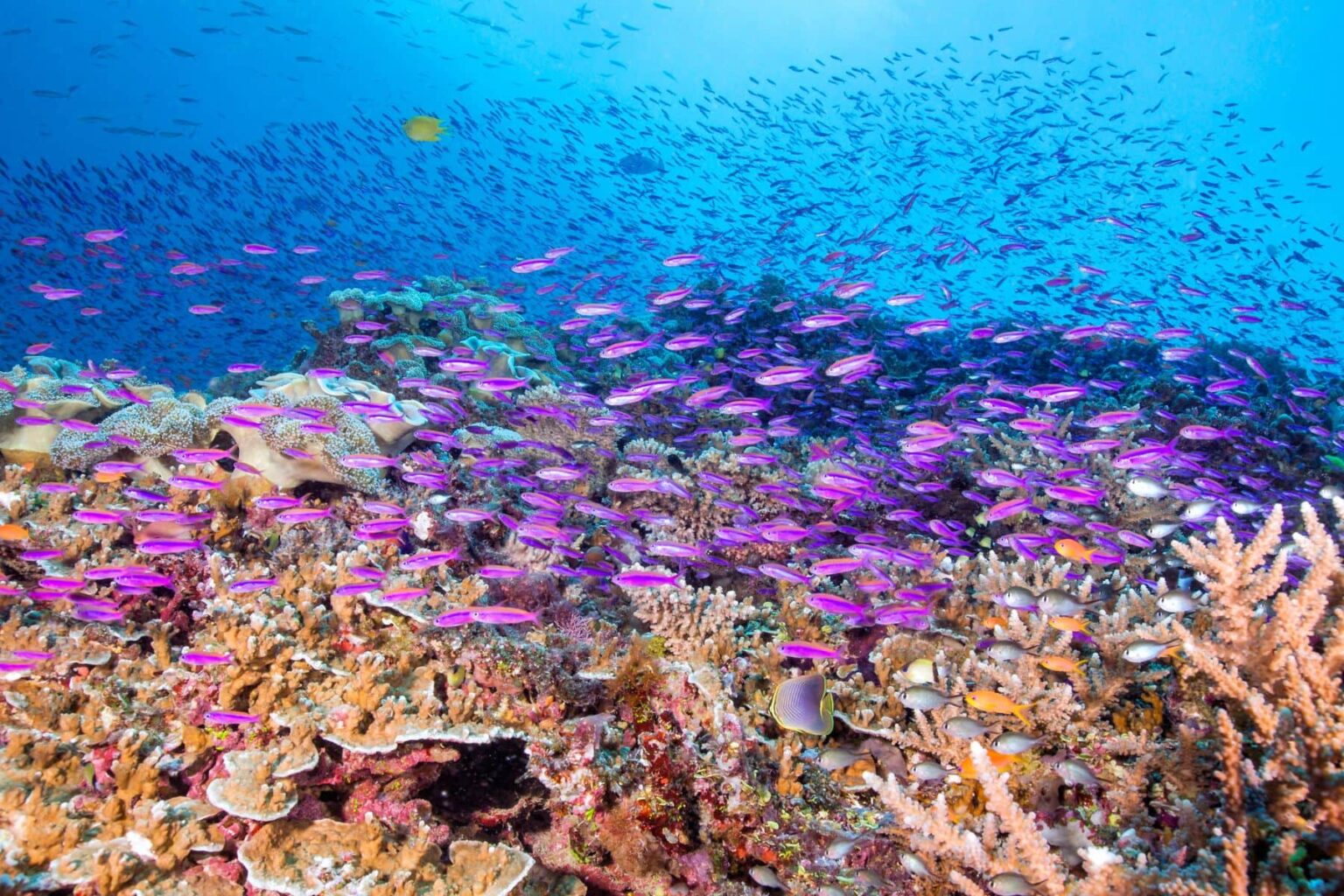
The water temperature throughout Fiji averages around 79 F (26 C), making snorkeling possible year-round, with visibility often reaching up to 100 feet (30 m). Fiji boasts over 1500 species of tropical fish and over 390 species of coral.
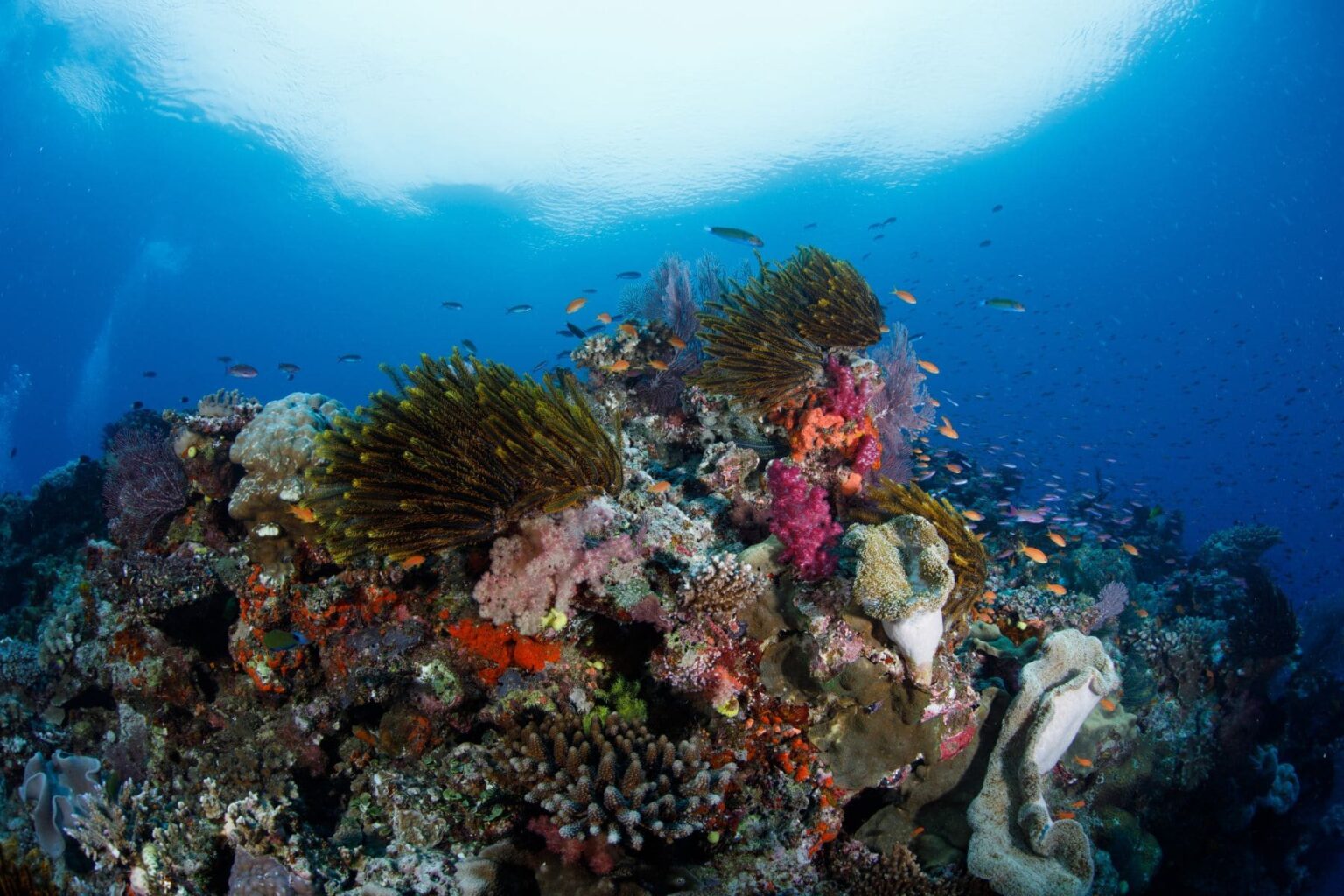
Nicknamed “The Soft Coral Capital of the World,” Fiji has an impressive variety of delicate soft coral reefs alongside vibrant hard corals. These beauties show up in a variety of sites, from shallow, protected lagoons, to dramatic barrier reefs, to current-swept passages.
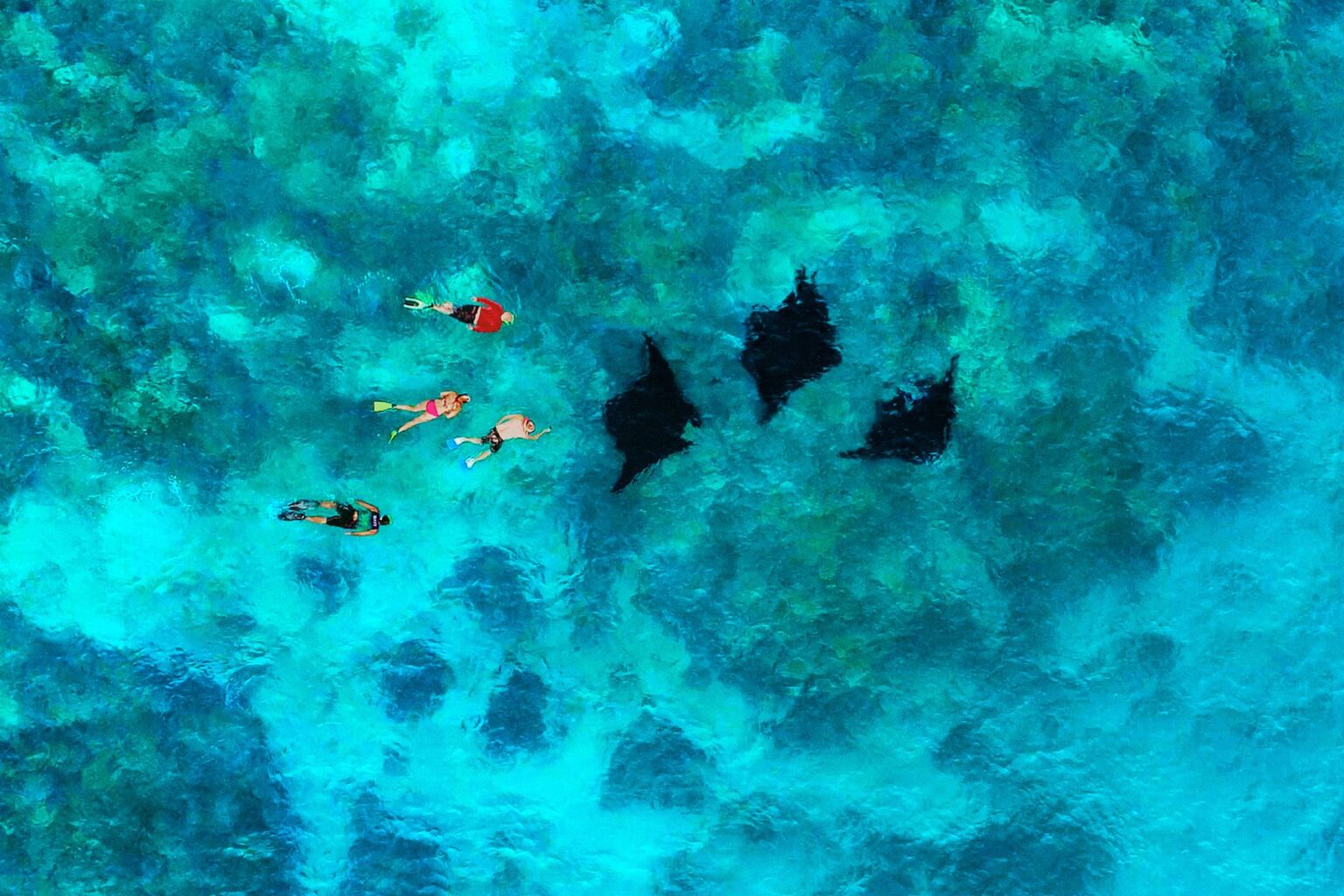
The flowing, nutrient-rich water also attracts abundant life, including larger fauna like reef sharks, sea turtles, and migrating whales, and Fiji is one of the few places in the world for snorkelers to reliably swim alongside manta rays. In short, there is something for everyone in these rich waters.
So, pack your beach bags, grab a snorkel, and join in the sunny Bula spirit with us as we explore the best snorkeling spots across Fiji.
Beqa Lagoon
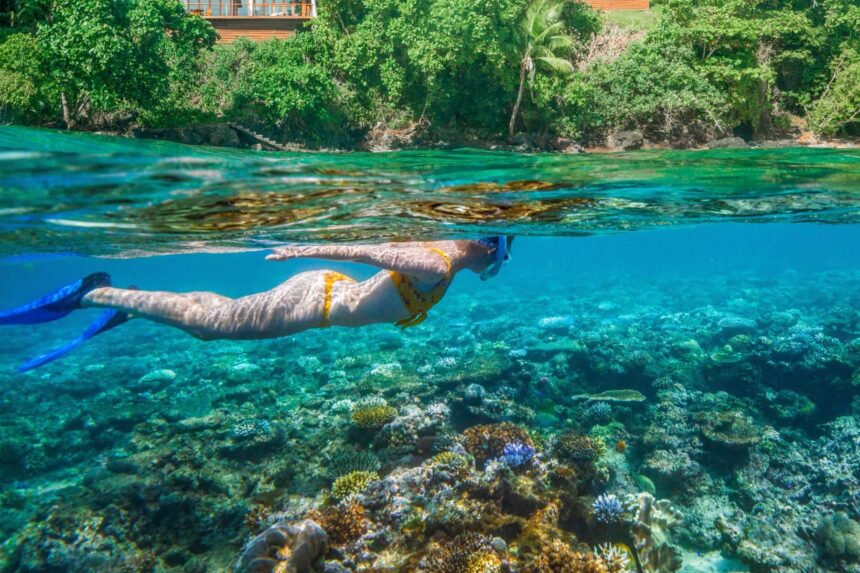
Beqa Lagoon is one of Fiji’s best-known snorkeling and diving sites, requiring only a short boat ride from the main island rather than the domestic flights required to reach the outer islands. The lagoon sits protected among the Beqa Island group and is surrounded by 190 mi (305 km) of coral, one of the largest barrier reefs in the world.
With calm water, depths ranging from 15 to 100 feet (5 to 30 m), and excellent visibility throughout, there are hundreds of snorkeling sites to choose from for novices and experts alike.
The main resort on Beqa Island offers access to their house reefs for shore snorkeling and diving. Here you’ll find shallow, vibrant coral gardens harboring colorful juvenile reef fish, seahorses camouflaged among beds of eelgrass, and the occasional ray or turtle.
Boat tours are also available to visit the outer reefs, where the variety of landscapes and marine life truly shine, including dramatic drop-offs, impressive pinnacles and bommies, current-swept channels, and even a couple of sunken wrecks.
Here you may find anything from fusiliers and anthias, clown triggerfish, blue ribbon eels, giant clams and leaf scorpionfish, to larger species of grouper and trevally. This area is also famous for its shark encounters, with up to nine species being present.
Location: 8.7 miles (14 km) off the southern coast of Viti Levu, 45 minute boat ride from Pacific Harbour
Price: Tour or resort stay required
Bligh Waters Passage
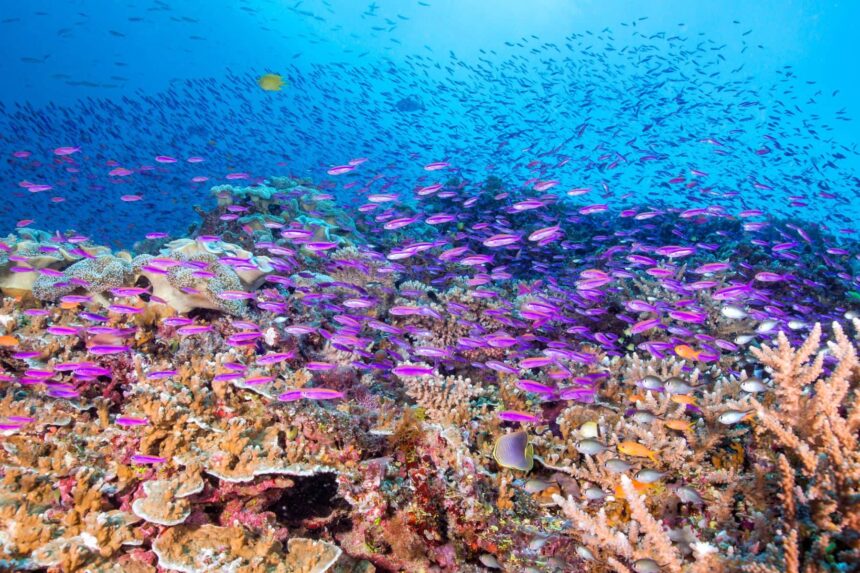
The stretch of sea between Fiji’s two main islands makes for another of Fiji’s most popular snorkeling sites. The area has stronger water currents moving through it, meaning not all sites will be suitable for beginners, but copious nutrients pulled through the passage make for a spectacular array of marine life and healthy coral systems.
In the narrower parts of the passage, depths can range from just a few feet to around 20 feet (1 to 6 m), making for excellent snorkeling with great visibility. Bligh Water Passage is particularly famous for its vivid pink and purple soft corals and stunning pinnacles, such as the pinnacle at the site called E6, which rises to just 15 feet (5 m) below the surface. Tours are offered through tour operators and resorts on either of the main islands surrounding the passage.
Location: Current-swept passage that separates the two main islands of Viti Levu and Vanua Levu
Price: Tour or resort stay required
Drawaqa Island
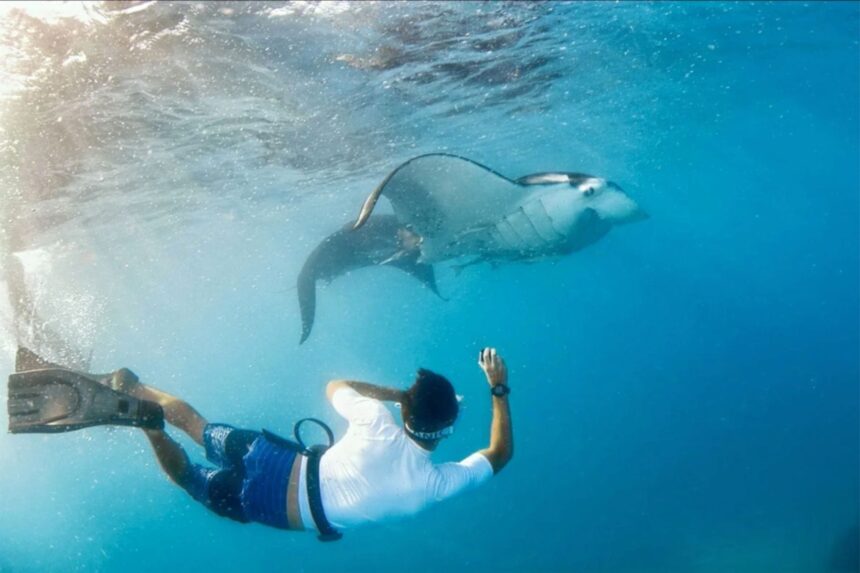
This volcanic island has been nicknamed “Manta Ray Island” for its proximity to the Manta Ray Passage, a stretch of water between the island’s northern tip and the neighboring Naviti Island. Each year from May and October, the channel fills with plankton-rich waters and the gentle giants that feed on them.
Water depths range from 10 to 25 feet (3 to 7 m), where hard corals, damsels, and surgeonfish play the backdrop to the manta ray ballet. Please note that due to the strong currents in the passage, swimming from shore is not allowed and a boat tour from one of the nearby islands is necessary to access this area.
Location: Northern part of the Yasawa Island Chain, off the western coast of Viti Levu
Price: Snorkeling tour required
Great Astrolabe Barrier Reef
Stretching for over 63 miles (100 km) around Kadavu Island, the Great Astrolabe Barrier Reef is the fourth largest barrier reef in the world. This complex reef of shallow pinnacles, twisting tunnels, and deep ocean drop-offs is teeming with diverse coral populations and colorful resident fish. Water depths across this area range from 15 to 115 feet (5 to 35 m), providing opportunity for snorkelers and divers alike.
There are many avenues of exploration here, from the brilliant coral gardens and lagoons to the sunken ship that the reef was named after. Five main passageways traverse the reef, with the Naiqoro Passage acting as a primary transit for larger pelagics like manta rays.
The months of July and August have the highest chances of spotting hammerhead sharks. There are many snorkeling spots along the reef that are accessible by boat through the resorts less than an hour away.
Location: Along the southern coast of the island of Kadavu
Price: Shore access or boat tour
Moyia Reef
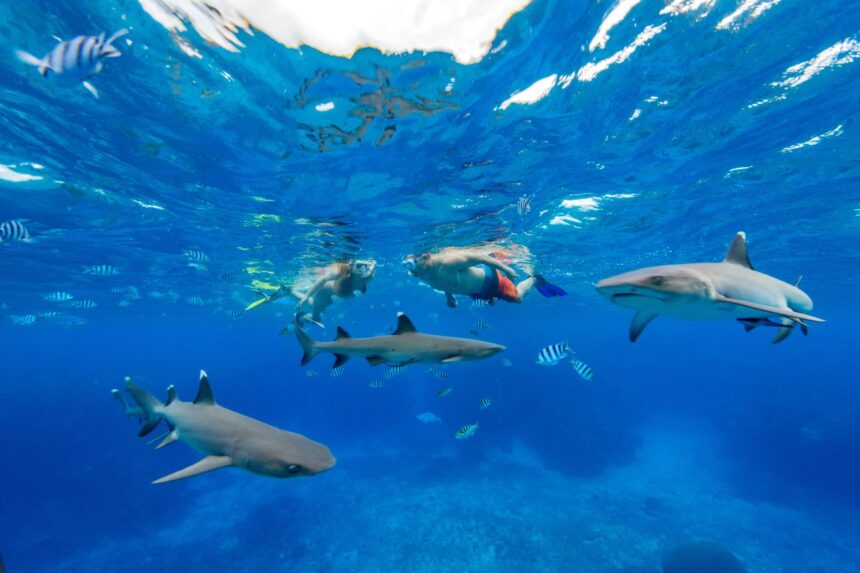
Stretched along the shores of Yasawa Island of the Yasawa Island Chain, Moyia Reef is home to corals and bright schools of fish, but is best known as one of the world’s finest spots to swim freely with sharks in their natural habitat.
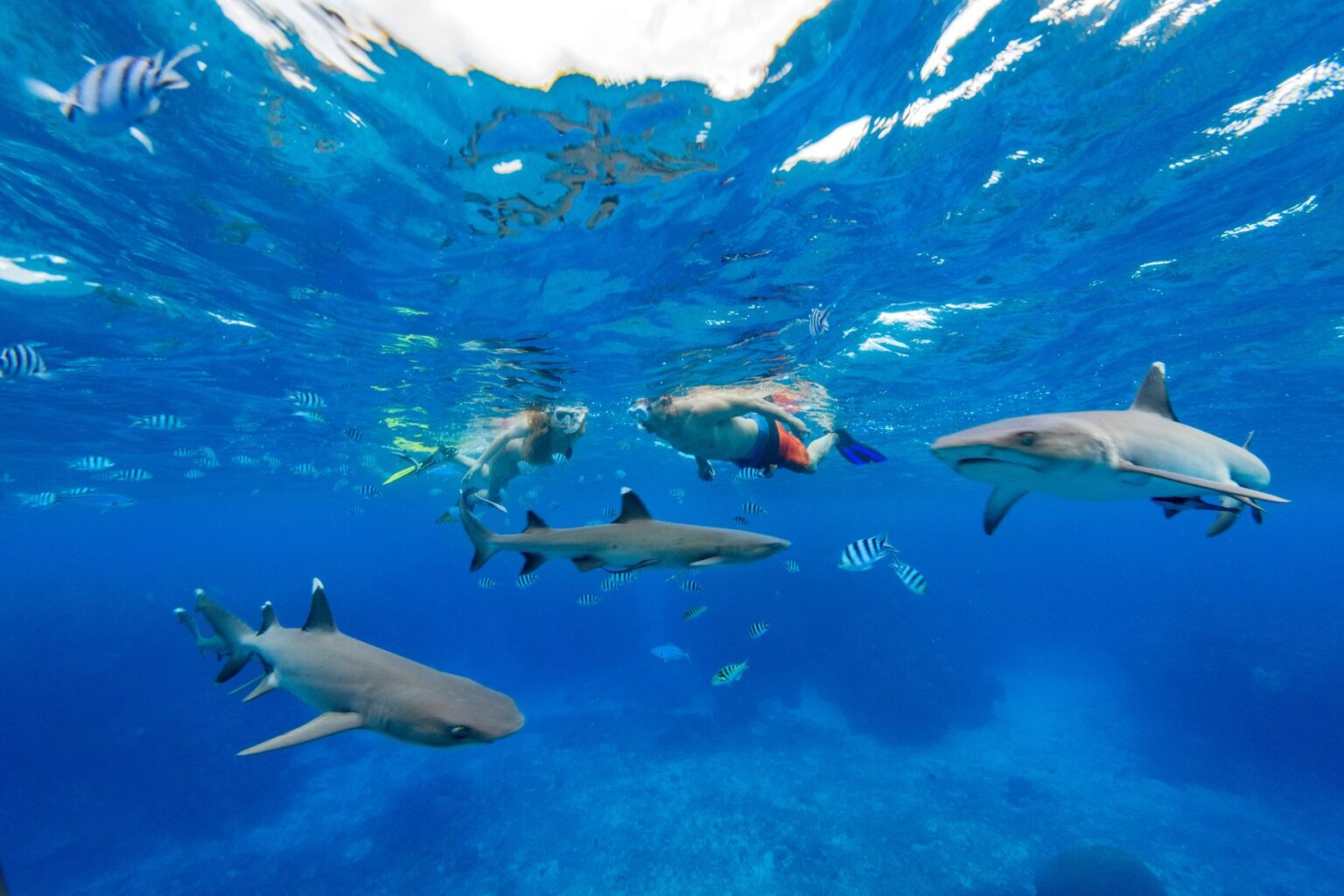
Snorkelers can glide peacefully alongside whitetip and blacktip reef sharks that flock to the area, especially during the population peak from January to April, though you can see them year-round. These captivating animals are not aggressive towards humans, so just enjoy the thrill of their presence. The reef is easily accessible by a 20-minute boat ride from nearby Kuata Island.
Location: On the shores of Yasawa Island
Price: Boat tour required
Malolo Island, Mamanuca Chain
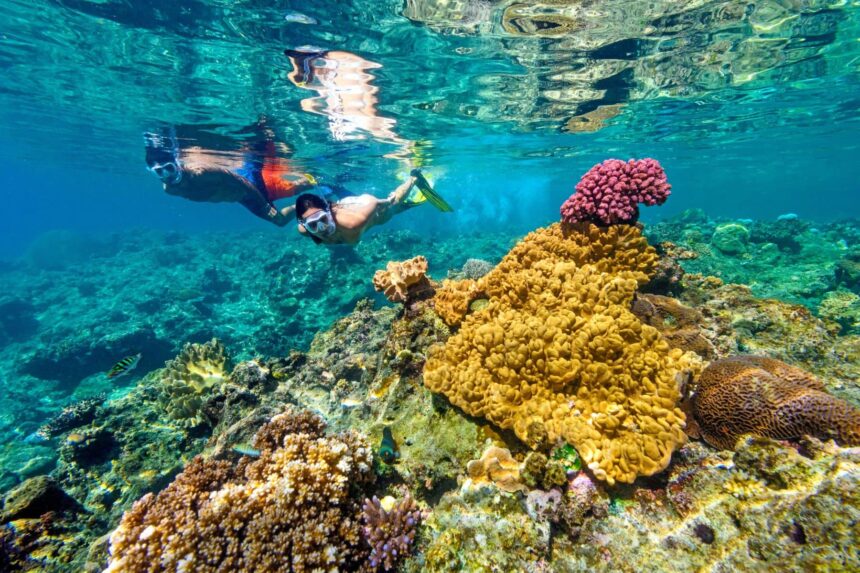
Easily reached as a day trip from the many resorts and tours off Viti Levu or by staying at a resort on the island itself, Malolo is a particularly wonderful spot for island-based snorkeling and beginners. The calm, clear waters are full of colors and light, home to angelfish, parrotfish, wrasses, and coral trout.
The Malolo Barrier Reef is only 3 miles (5 km) long but not lacking in unforgettable sights. Boat tours offer rides out to famous spots like The Supermarket, where many creatures come to feed, marked by pristine hard corals and gray reef sharks.
Location: Sixteen miles (25 km) west of Nadi on Viti Levu
Price: Boat tour or resort stay required
Namena Marine Reserve
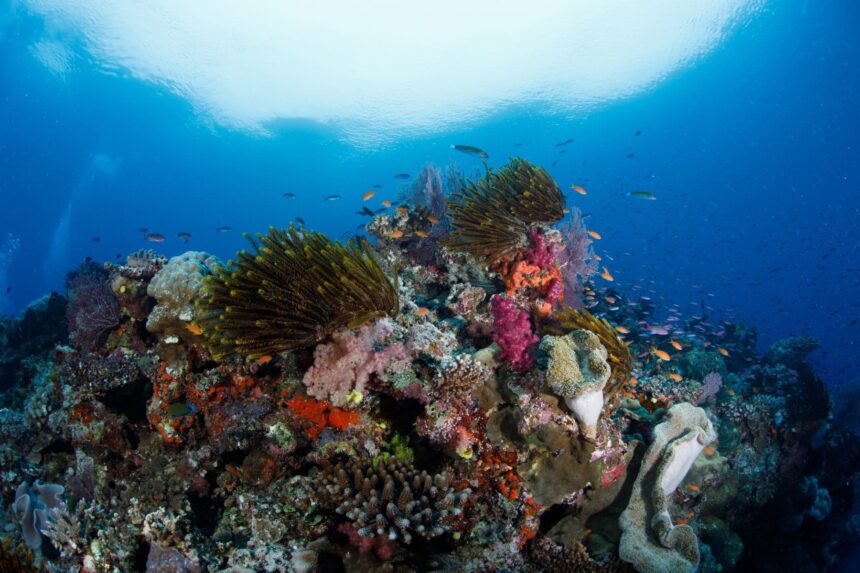
The spectacular Namena Marine Reserve encompasses a group of small islands, reefs, and waters surrounding Namena Island. It became a Marine Protected Area in 1997, placing a total ban on fishing after the area was almost wiped out by commercial fishing, and is presently managed by 10 of the village chiefs.
Today, the reefs are brimming with a diverse collection of over 1,100 species of fish and 400 corals. Clouds of neon anthias, blue ribbon eels, barracuda, and big-eyed trevally are a fraction of what’s on display.
It is also the only known site for whale calving in Fiji, where snorkelers and divers may spy humpback whales during their migration. Water depths range from shallow fringe reefs perfect for snorkeling to deeper drop-offs more suited for divers. You can book daily boat trips at the resorts on Vanua Levu, less than an hour away.
Location: Off the southern coast of Vanua Levu
Price: Boat tour or resort stay required
Ono Island
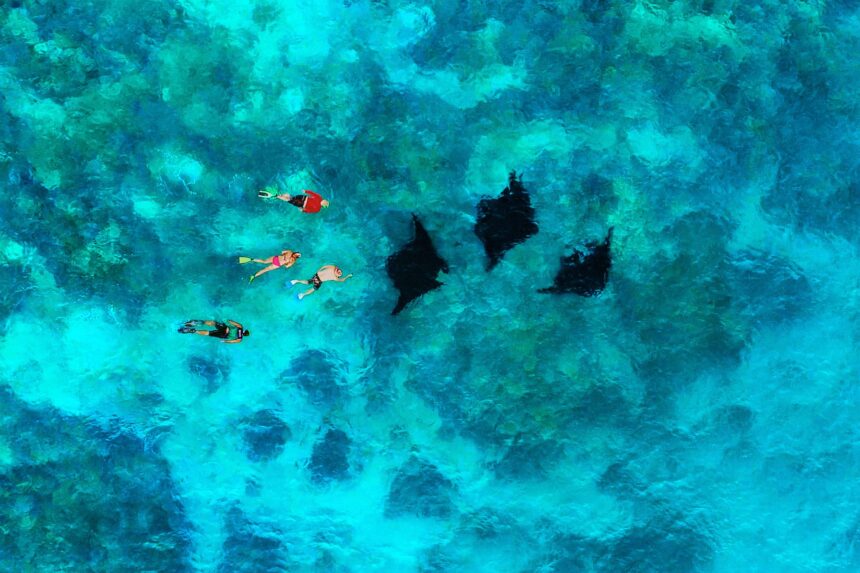
Staying at the Oneta Resort on Ono Island gives you one of the more exclusive snorkeling experiences you can find in Fiji. Situated near the Great Astrolabe Reef, you have access to everything the reef can offer without the normal crowds.
Stonefish, reef sharks, parrotfish, clownfish, and sea snakes all inhabit the local reef at the resort itself, and it’s only a 10-minute boat ride over to the cleaning station to watch manta rays get tended to by the local cleaner wrasse. And, as regulators and oxygen tanks are not allowed in the area, Ono Island is truly a snorkeling-exclusive experience.
Location: Northwestern part of the Kadavu Archipelago, southeast of Viti Levu
Price: Resort stay required
Rainbow Reef, Somosomo Strait
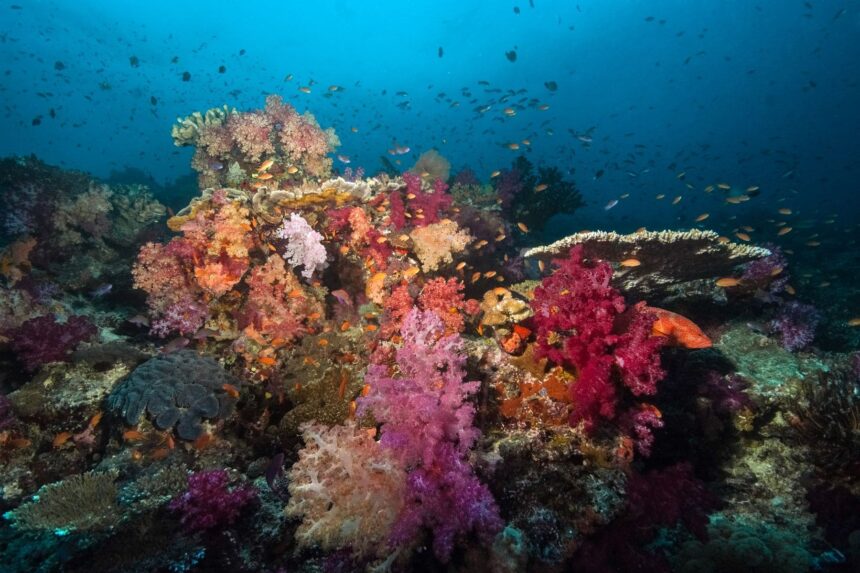
Located in the Somosomo Strait (which means “good water”), the vividly hued Rainbow Reef receives a constant supply of nutrient-rich water brought in by the tidal currents. This has created a breathtaking display of soft corals grown over a sunken escarpment that has become one of the top snorkeling sites in Fiji.
This living wall offers a haven for an explosion of marine life, including everything from anthias to barracudas and leopard sharks. The best time to explore this wonder is during low tide, when the currents are calmest.
Nearby is the popular dive location The Great White Wall, a dramatically plunging wall covered in delicate, white soft corals that drops down to 131 feet (40 m) deep, though snorkelers can see the top of the wall at about 15 feet (5 m).
The Cabbage Patch is a shallow site from about 10 to 25 feet (3 to 8 m), known for its huge cabbage corals, and The Zoo, a nutrient heavy portion of the Rainbow Reef with an average depth of 33 feet (10 m) that brings in throngs of large pelagics including sharks, groupers, barracuda, moray eels and manta rays along with smaller tropical varieties of fish. Easiest access is from any of the beach resorts at Taveuni.
Location: Northern Fiji, between the islands of Taveuni and Vanua Levu
Price: Boat tour required
Rakiraki
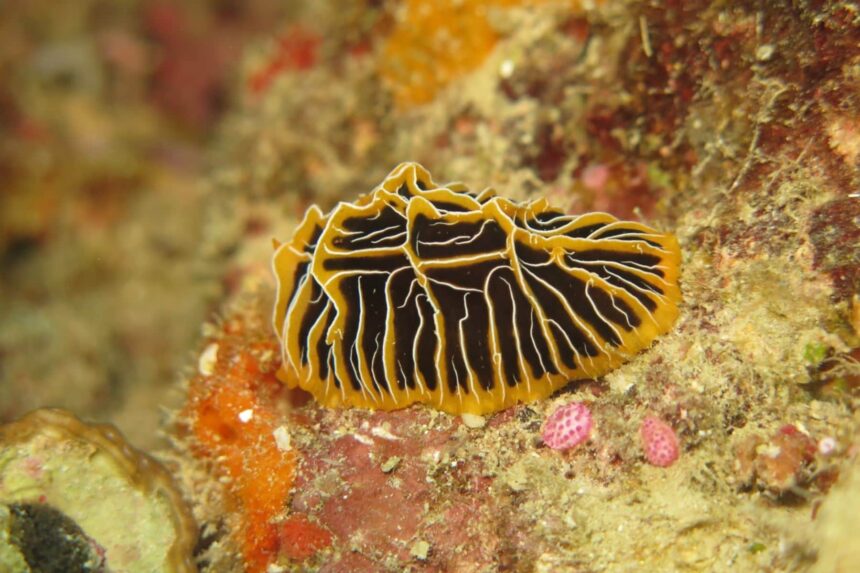
Hidden away on the northern tip of the main island, the white sandy beaches of Rakiraki are worth the 2.5 hour ride across the island. The nearby Volivoli Beach Resort offers beautifully secluded shore snorkeling from its beach and short boat tours out to see the carpets of vivid soft corals in the shallow outer reefs.
Abundant nudibranchs and sponges tuck themselves away amongst giant sea fans alongside Moorish idols and red emperors. Sharks, turtles, barracudas, rock cod, and trevally are also commonly seen. As with many of the sites in Fiji, water depths gradually range, offering opportunities for snorkelers of every experience level.
Location: Northern coast of Viti Levu
Price: Beach access or boat tour
Ready, Set, Snorkel
The sheer abundance and variety of snorkeling sites among some of the most breathtaking soft coral reefs in the world makes Fiji a snorkeler’s paradise. And with easy access to such beautiful locations, from shore snorkeling at many resorts to day trips and liveaboards to many of the outer reefs across the island chain, you can adventure out into the water as far as you would like.
Whether you’re a beginner or advanced snorkeler, it’s always smart to come prepared and refreshed on the basics, so read over our snorkeling guide before you get in the water and pick up a new snorkel before you go.
Let us know if we missed any of your favorite snorkeling spots in Fiji in the comment section below!
You might also be interested in our guides on:
Frequently Asked Questions about the Best Snorkeling in Fiji | 10 Top Snorkel Sites
The water is warm (average around 79 F/26 C) and the weather is beautiful in Fiji year-round. June through September, the winter season, provides the driest weather and the clearest water.
We recommend having your own, especially if you plan on doing a lot of snorkeling. If you need equipment, you can find many snorkel and dive shops, and most tours will provide snorkeling gear, but the condition of the equipment varies. However, bringing your own gear is a safe bet for being comfortable and having fun.
• Don’t forget sun protection and reef-safe sunscreen. Consider a rash guard also for optimal sun protection.
• Don’t touch any coral or other sea life, including with your fins.
• Don’t go snorkeling alone, and make sure you check the weather so you don’t get in too far over your head. Be aware of your environment and make sure you’re comfortable with your gear before getting in the water. For more tips, check out our complete guide to snorkeling.
With extra environmental awareness and a good dive light, yes! Other types of marine life come out at night, such as squid, shrimp, octopus, and sea worms, as well as bioluminescent plankton—pure ocean magic! Night snorkel tours are often available, so be sure to ask at local dive and snorkel establishments.
 Take a moment to look at this.


