




 See here
Win Free Scuba Gear
We test new gear weekly and give most of it away to newsletter subscribers.
🤿 Join our newsletter to learn how you can get your hands on some free scuba gear!
New giveaways every month!

Time to upgrade your dive computer?
We've tested every dive computer worth buying in 2026: Garmin, Shearwater, Suunto, Apple Watch Ultra, etc.
See the top picks before you upgrade or buy a new dive computer
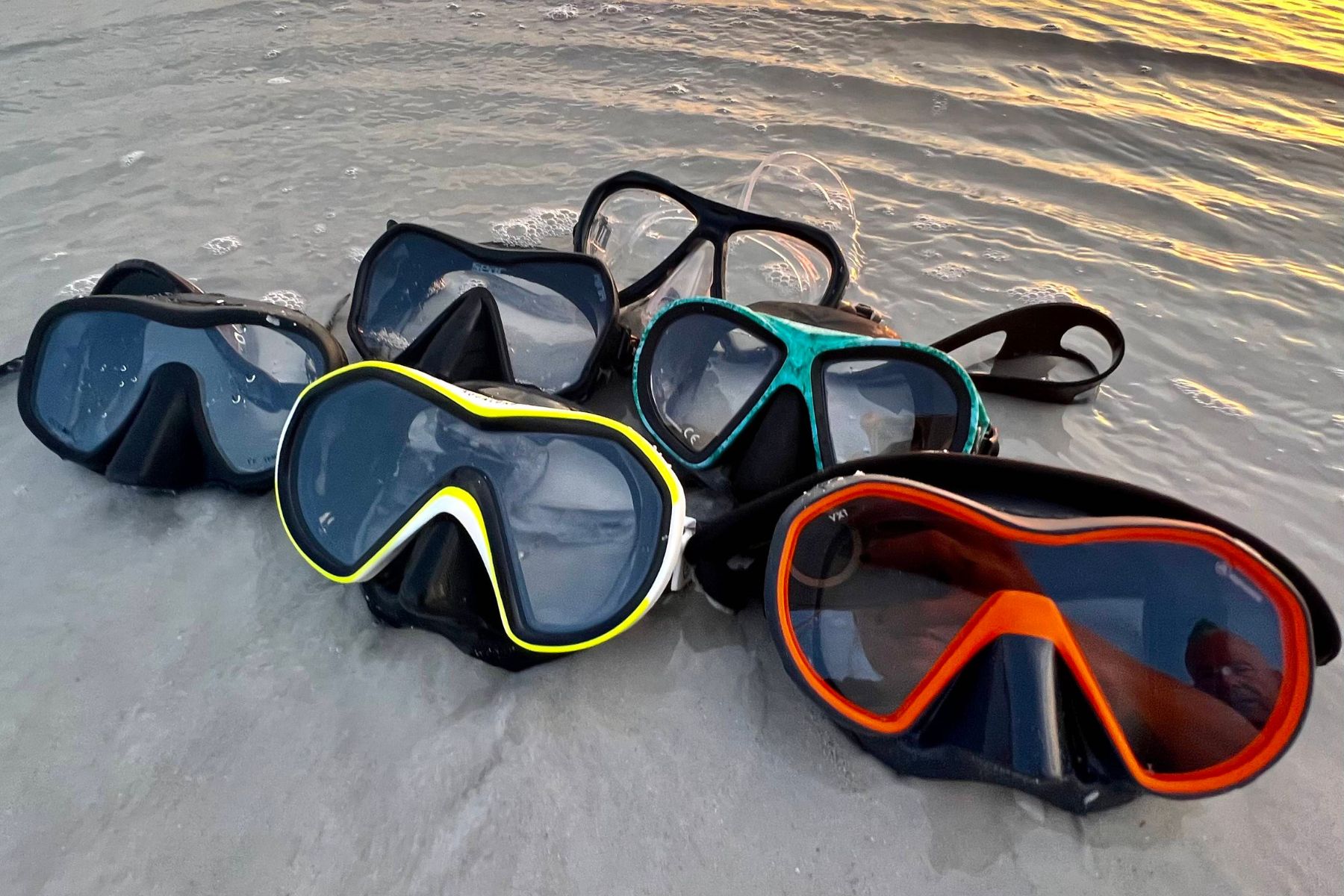
Best scuba diving masks
Frameless, low-volume, prescription — we tested 30+ masks across multiple face shapes to find the best fit, seal, and field of view.

10 wreck dives every diver should do
From WWII warships to ghost liners — the most spectacular wrecks on the planet, with dive plans and operators for each.


Endless marvels await underwater, from vibrant coral reefs to rich kelp forests and encrusted shipwrecks. And whether inhabited by epic megafauna, tiny fantastical creatures, or vast glimmering silver schools, it’s hard for any scuba diver to see it all.
Nevertheless, some dive sites have earned universal acclaim for a reason, and below you’ll find our selection of the 13 best dive sites in the world for all different types of dives—plus runners up where the marine environment is just as spectacular.
Read on to find a little inspiration for your own world dive bucket list, and try adding to it with top dive sites in Europe, Southeast Asia, or the Caribbean. Let us know in the comments below where your top places are to leave your own bubble trail.
1. Bloody Bay Wall, Little Cayman Island
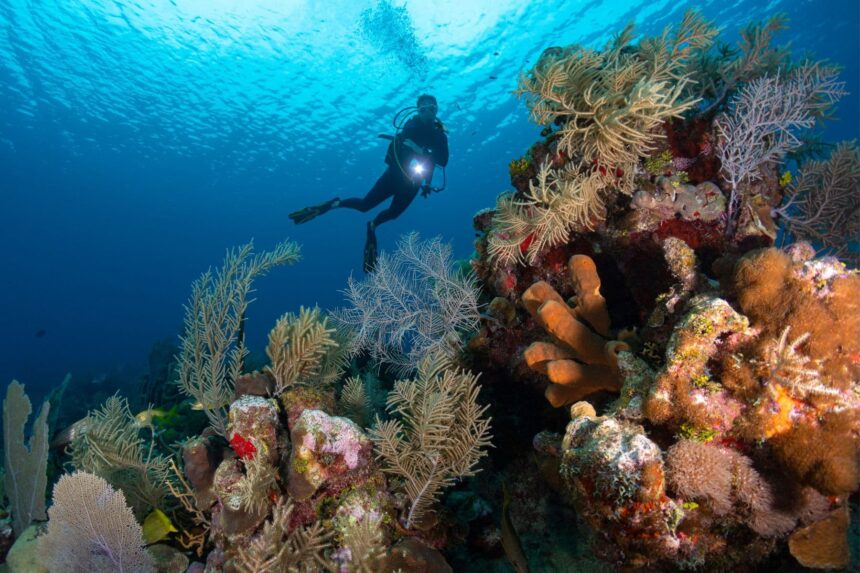
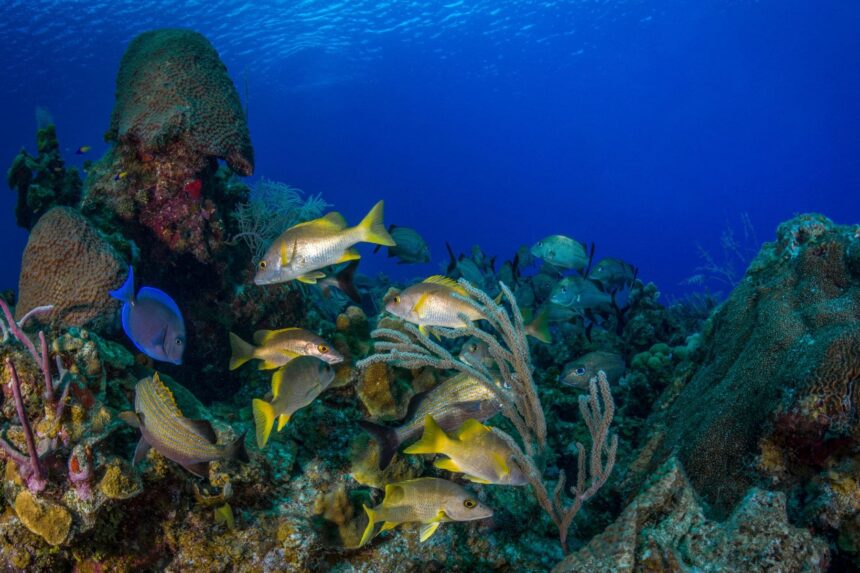


Best Wall Dive into the Blue
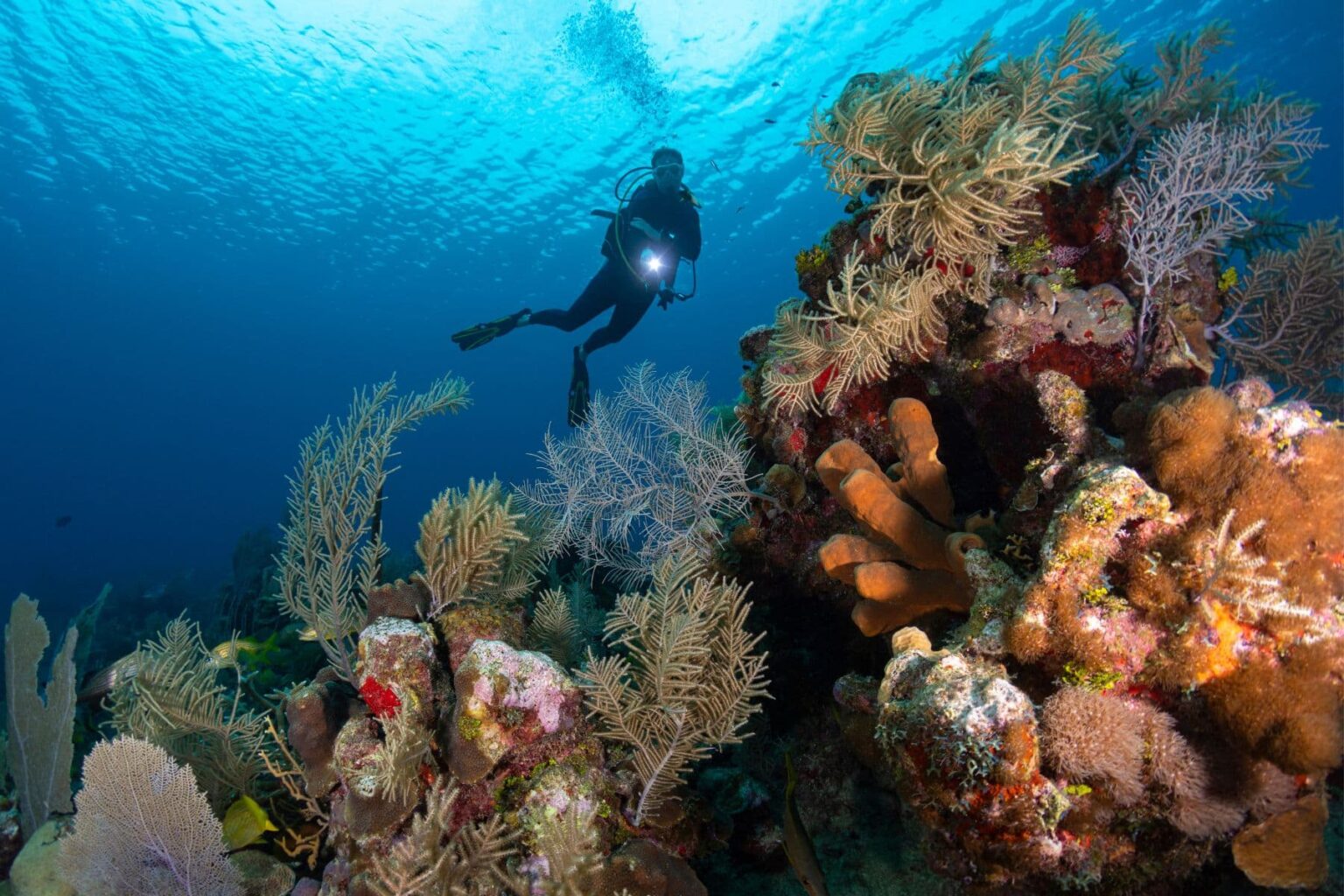
With a sheer vertical wall covered in colorful corals and giant barrel sponges, Bloody Bay Wall in Little Cayman features a spectacular drop into the deep blue, from 20 feet (6 m) to over 1000 feet (300 m) deep. The coral here is stunning in its variety and shape, breathtaking not only during the day, but also at night, when much of it glows in the dark.
Many corals host bioluminescent microscopic creatures that emit light due to various environmental triggers, creating an otherworldly nighttime scene. The corals can also fluoresce, meaning they absorb light and re-emit it in different colors, which you can see under a UV dive light.
This spectacular display of natural light lands this dive site at the top of the list—and that’s without even mentioning the abundant marine life, including vibrant reef residents such as parrotfish, filefish, reef sharks, spotted eagle rays, green and hawksbill sea turtles, and the endangered and often curious Nassau grouper.
Bloody Bay Wall is suitable for all skill levels, since the wall itself starts at a depth of 20 feet (6 m). It’s best to visit during the dry season from November to April, when the water is calmer and warmer.
Bloody Bay Wall is part of the Bloody Bay Marine Park, a protected area that requires a fee and a permit to dive, which one of the established dive companies on the small, easygoing island can take care of. Read more about other remarkable dive spots in the
Cayman Islands.
Highlights:
- Enjoy the astounding sight of the Bloody Bay Wall itself, an impressive vertical expanse of coral that spans the entire length of the bay.
- Take in the bioluminescence and fluorescence of the coral and its inhabitants, which creates a magical effect at night or under blacklight.
- Observe abundant marine life, including rainbow parrotfish, groupers, sponges, sharks, rays, and more.
- Dive into clear water with visibility that can reach up to 100 feet (30 m) or more.
Runner up:
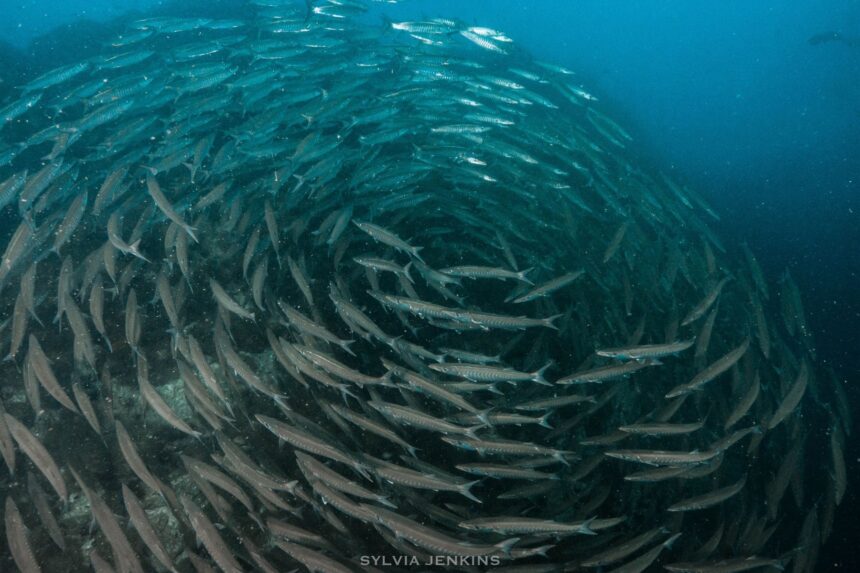
Sipadan Island, Malaysia
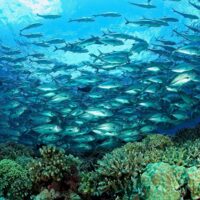
This small island off the coast of Borneo is surrounded by a magnificent wall of coral dropping off to 2,000 feet (600 m). It’s also a biodiversity hotspot, with over 3,000 species of fish and invertebrates. Schools of barracuda, jacks, and tuna, as well as sharks and rays, are common sights—typical of several breathtaking islands around Malaysia.
2. Blue Heron Bridge, West Palm Beach, Florida
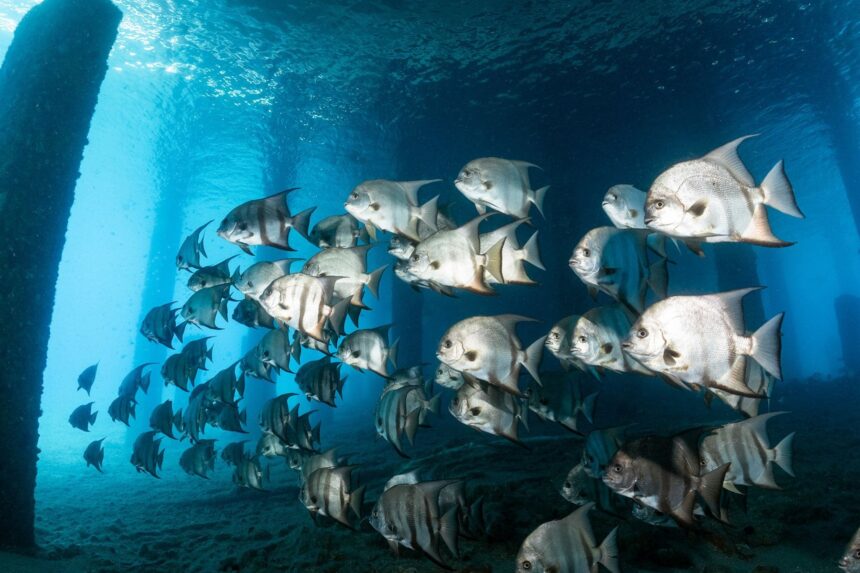
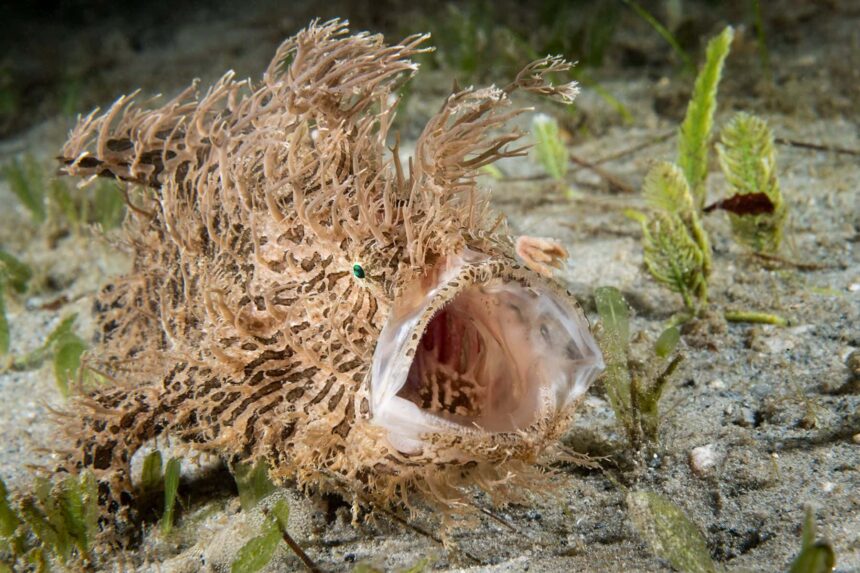
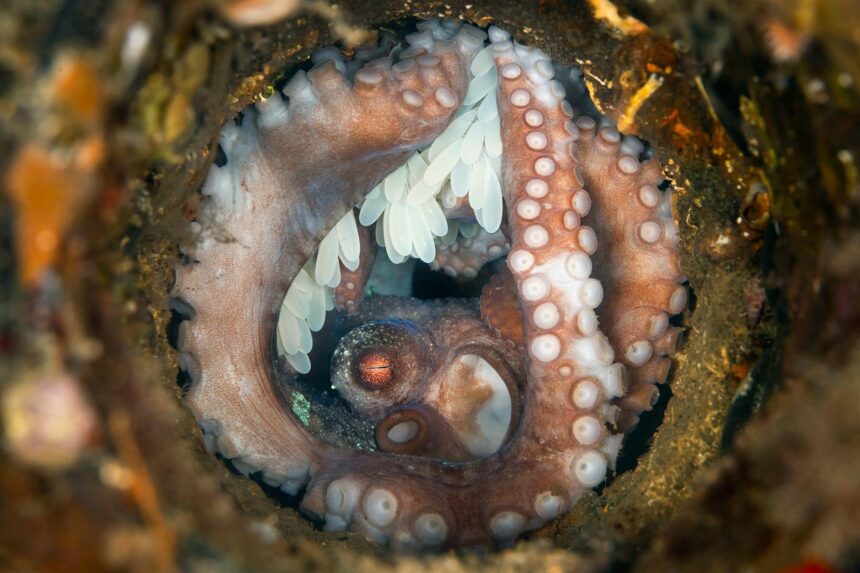


Best Macro Dive for the Weird and Wild
Known for a pageant of small, exquisite creatures hiding among the pilings, Blue Heron Bridge is a renowned muck-diving gem in Riviera Beach, just north of West Palm Beach.
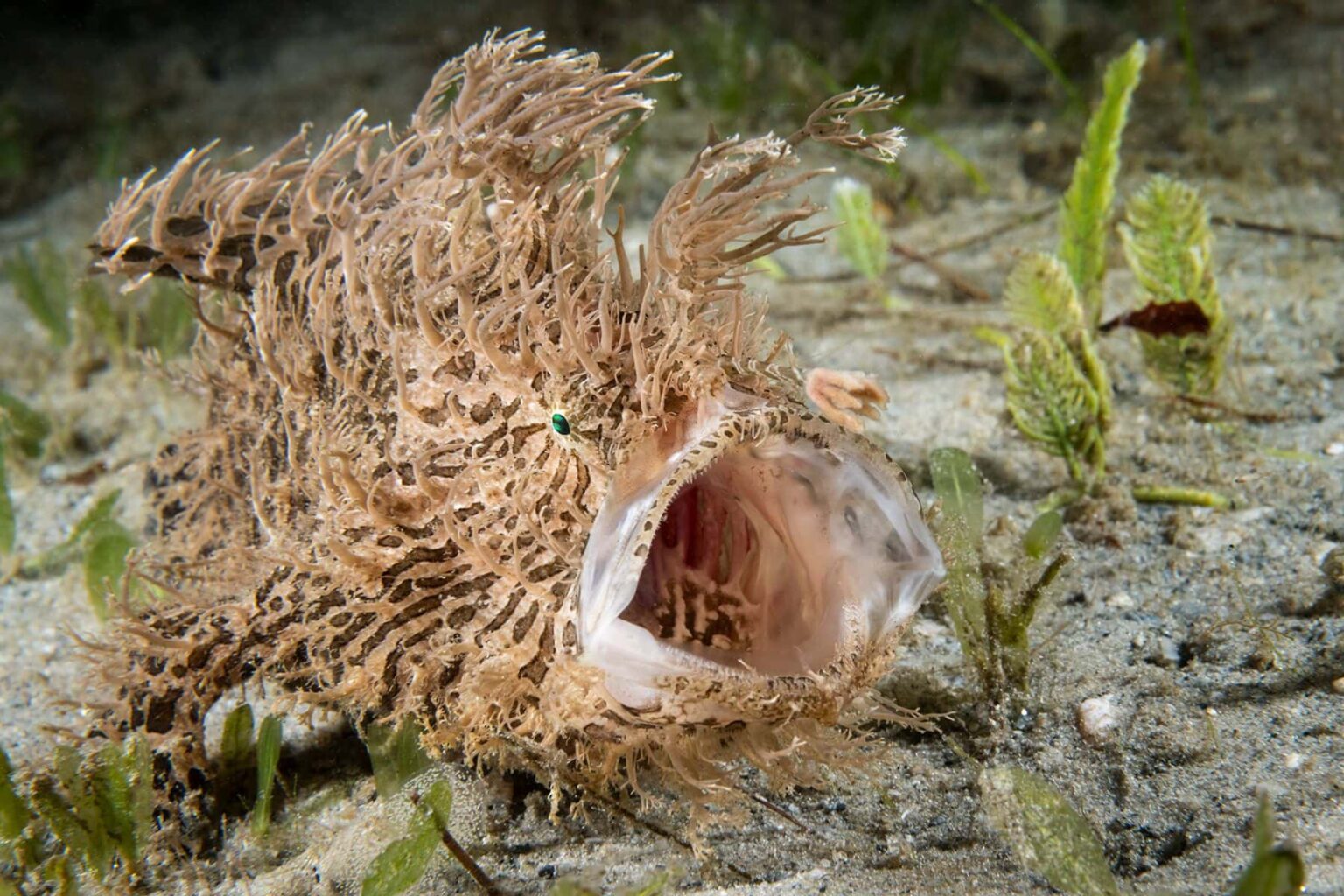
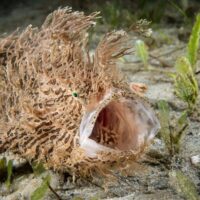
Its outstandingly clear water is replete with dozens of species of nudibranchs, seahorses, frogfish, and pipefish, along with other bizarrely shaped fish like bright-winged flying gurnards, batfish, and small, toothy stargazers. This remarkable diversity makes the site a paradise for macro photographers, and all this beauty is accessible as a free and easy shore dive.
Shallow waters just over 20 feet (6 m) deep around the bridge pilings are easily accessible to both snorkelers and divers, but it’s vital to check tide charts and plan your dives to about an hour before and after high slack tide during the day.
Local dive shops offer tide tables and dive flags—a required safety precaution due to nearby high-traffic boat channels. The site also features small purpose-sunk shipwrecks and an 800-foot-long (245 m) boulder trail that serves as an artificial reef. Here you’ll find a variety of small marine life, and you may get lucky with larger visitors too, including sea turtles, eagle rays, and gentle endangered
Florida manatees.
Highlights:
- Spot exotic and odd creatures like nudibranchs, frogfish, batfish, stargazers, and flying gurnards.
- Enjoy a dynamic dive around shallow bridge pilings, shipwrecks, and an artificial reef boulder trail, all of which attract a huge diversity of marine life.
- Incredibly easy to access
Runners up:
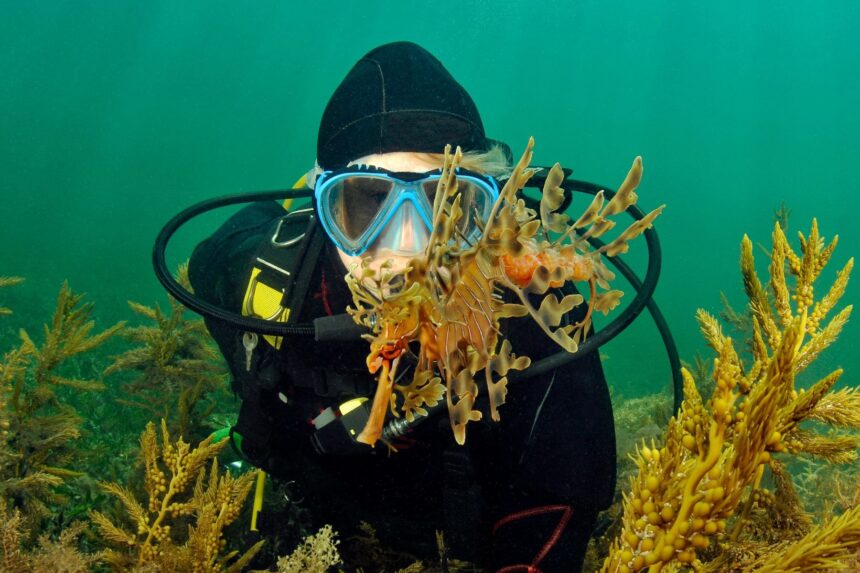
Rapid Bay Jetty, South Australia
Rapid Bay Jetty offers a beautiful and easy shore dive that gives you the chance to see the rare and mesmerizing leafy seadragon, as well as a variety of other marine life and colorful corals on the overgrown jetty pylons.
Secret Bay, Anilao, Philippines
Secret Bay, also known as Mainit Muck, attracts macro photographers and itty-bitty critter lovers from all over the world. Its black-sand slope is home to a wonderful variety of uncommon and unusual creatures, such as the famous wunderpus octopus, ghost pipefish, frogfish, bobbit worms, and blue-ringed octopus. It’s also great for night dives, when the waters are active with hunting crabs, shrimp, octopus, and squid.
3. Amos Rock, Tubbataha Marine Park, Philippines
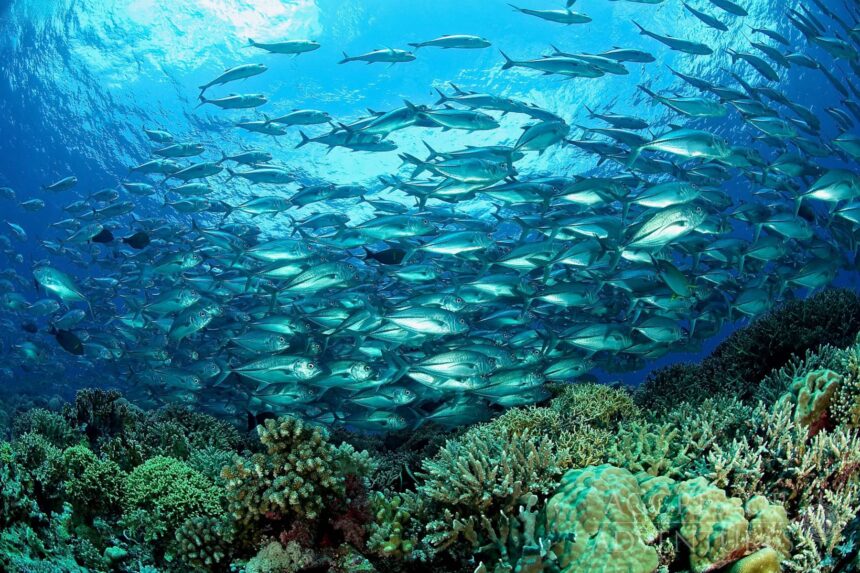
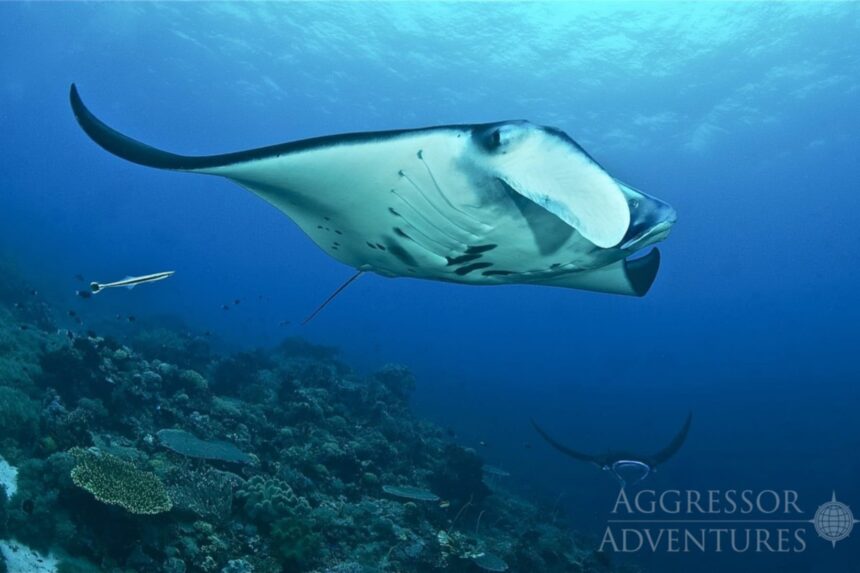


Best Dive for Pristine Reefs and Coral Diversity
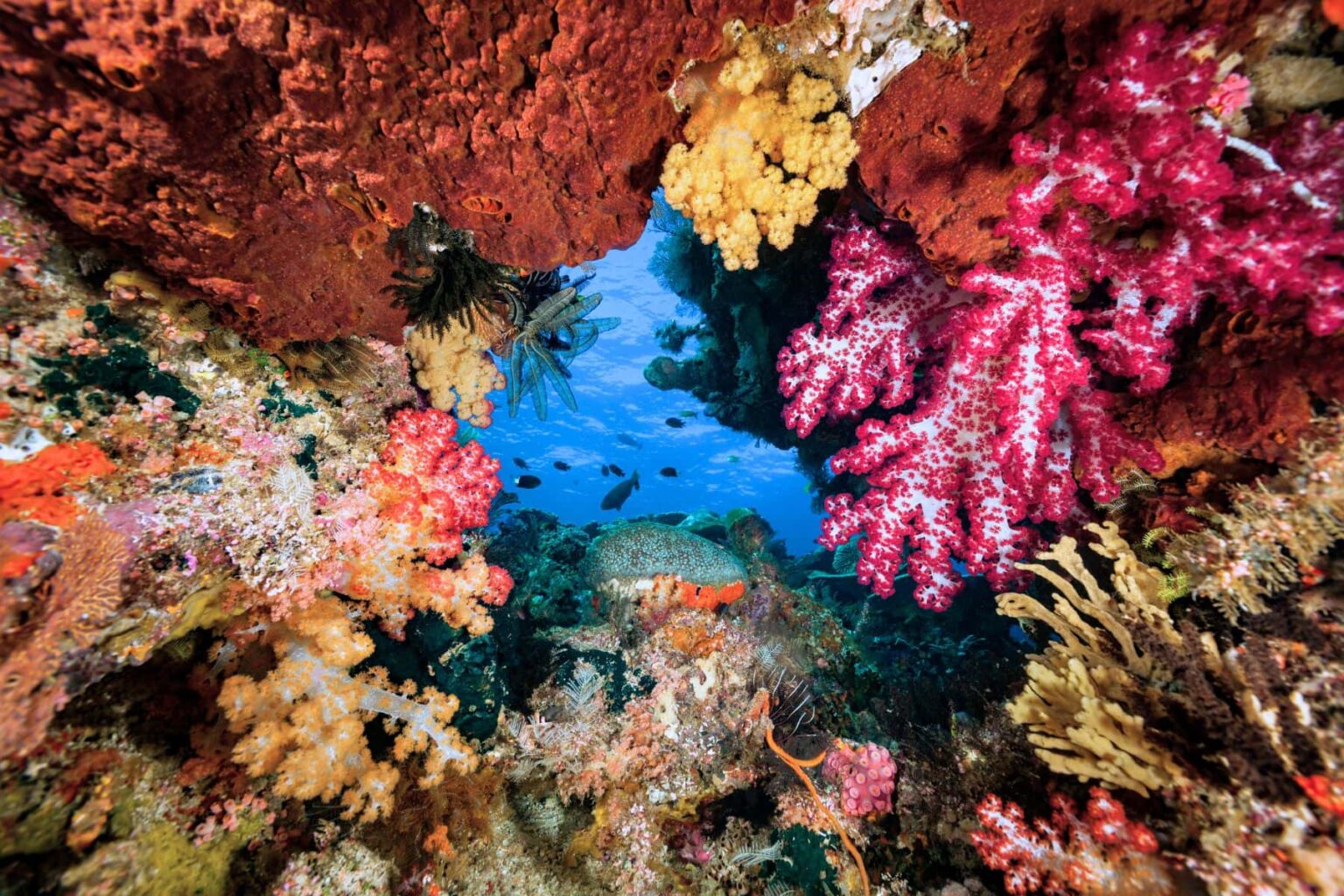
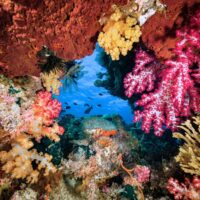
Featuring a stunning drop-off covered in a bright and diverse array of corals, including long whip corals, massive gorgonian fans, and tubular soft corals in vivid pinks and reds, Amos Rock is a true coral reef gem.
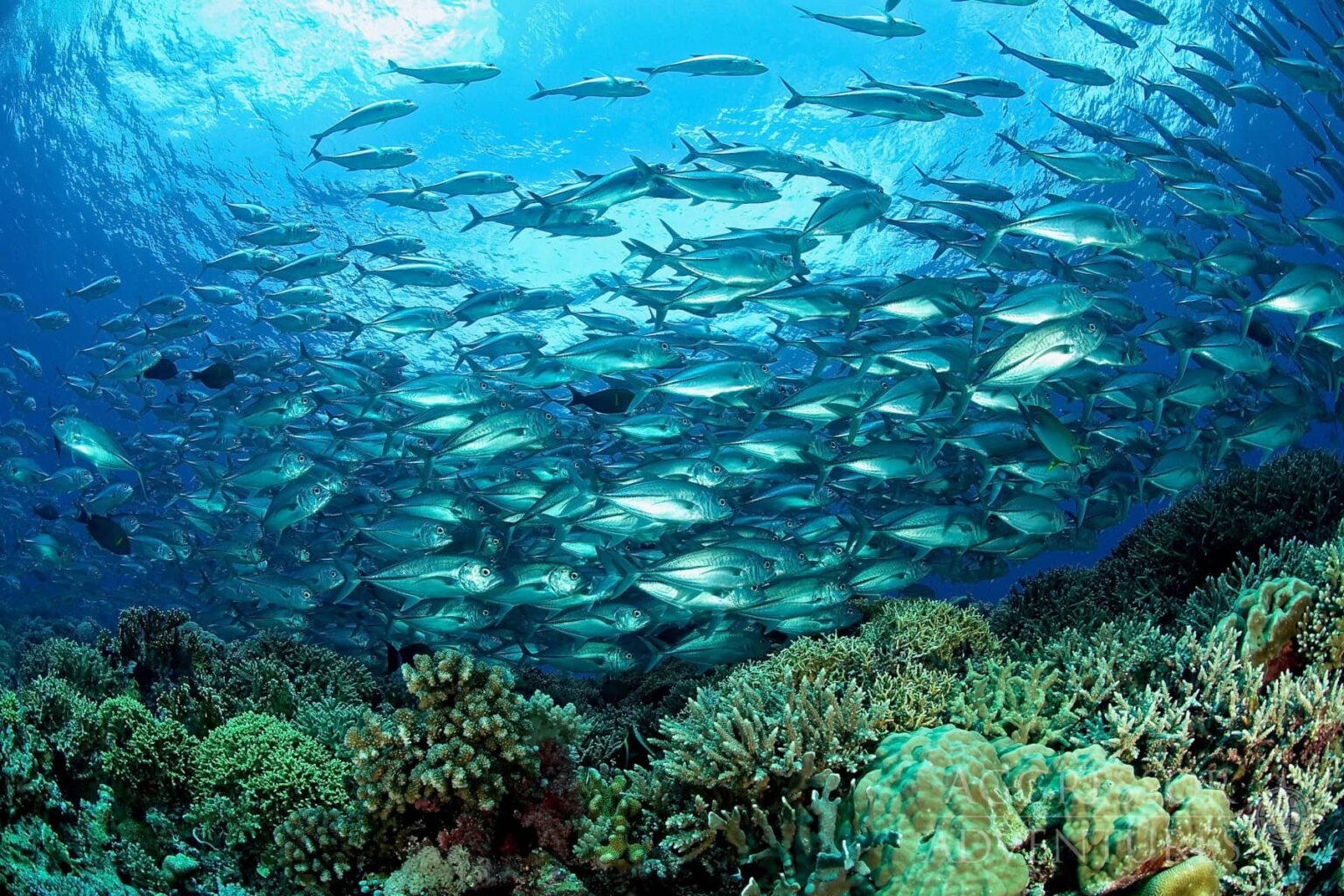
Located in a UNESCO World Heritage area in the Coral Triangle, this site sits on the North Atoll of Tubbataha Marine Park, known for its pristine reef formations and over 600 species of fish. Small, colorful fish like anthias, sea bass, and damselfish congregate around the corals and sea fans.
Watch also for larger fish, such as groupers, snappers, schooling jacks, Napoleon wrasse, and several shark species, including gray reef sharks, whitetip reef sharks, and occasional hammerheads.
Amos Rock and other dazzling dive sites in Tubbataha Marine Park are accessible via liveaboard from mid-March to mid-June, when the weather and water conditions are at their most ideal. Read more on Amos Rock and
other amazing dive sites around the Philippines here.
Highlights:
- Explore the colorful and diverse coral wall that plunges into the deep, providing a rainbow of scenery that would delight any underwater photographer.
- Observe clouds of small, colorful fish that hover around the reef structure.
- See large and impressive fish, such as groupers, snappers, jacks, and sharks.
Runners up:
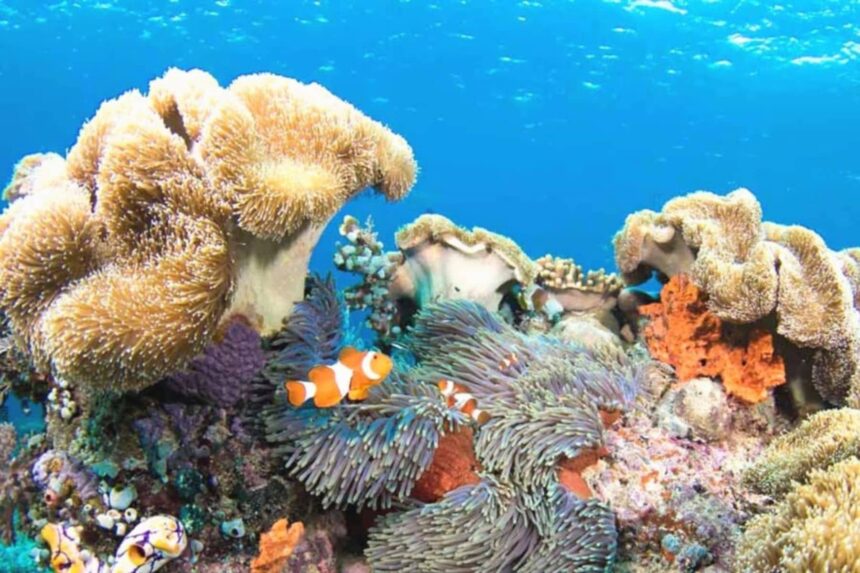
Wakatobi, Indonesia
Located in the heart of the Coral Triangle, it comes as no surprise that Wakatobi is the true epicenter of pristine reefs. Wakatobi is part of a protected UNESCO Marine Biosphere Reserve, so divers can expect breathtaking vistas of mesmerizing coral reefs and an abundant, colorful reef fish population to match.
The name Wakatobi is actually an acronym for the region’s four islands: Wangi-Wangi, Kaledupa, Tomia, and Binongko. The Wakatobi region is located southeast of Sulawesi and is relatively protected from wilder open-ocean currents.
This does mean that large pelagics are not commonly found in this area. However, diving here more than makes up for it with smaller reef fish, unusual critters, and countless nudibranchs.
Jardines de la Reina, Cuba
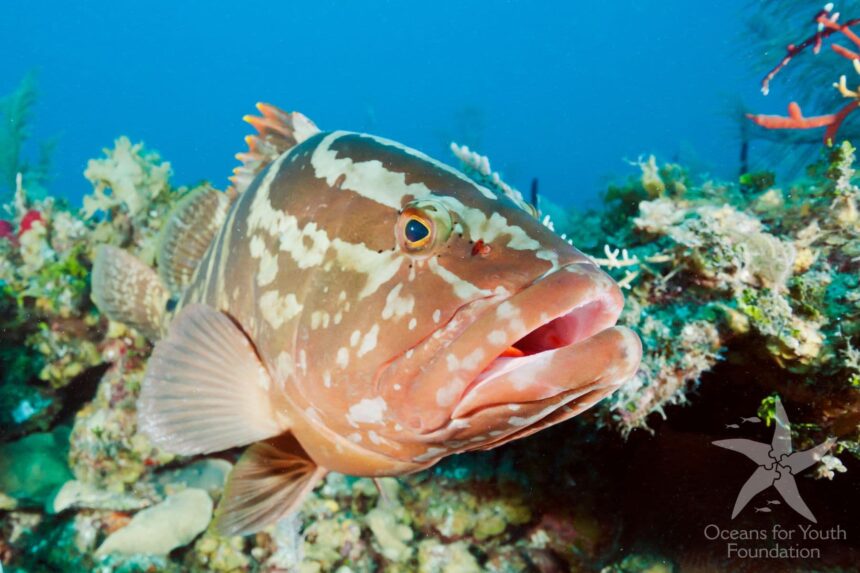
Jardines de la Reina, a pristine archipelago of coral and mangrove islands, is protected as a marine reserve and national park where commercial fishing is prohibited. Divers can enjoy more than 80 dive sites with little to no current, great visibility, and healthy coral reefs.
The park also hosts an abundance of sharks, including Caribbean reef sharks, silky sharks, and hammerhead sharks, as well as plentiful reef fish and sea turtles.
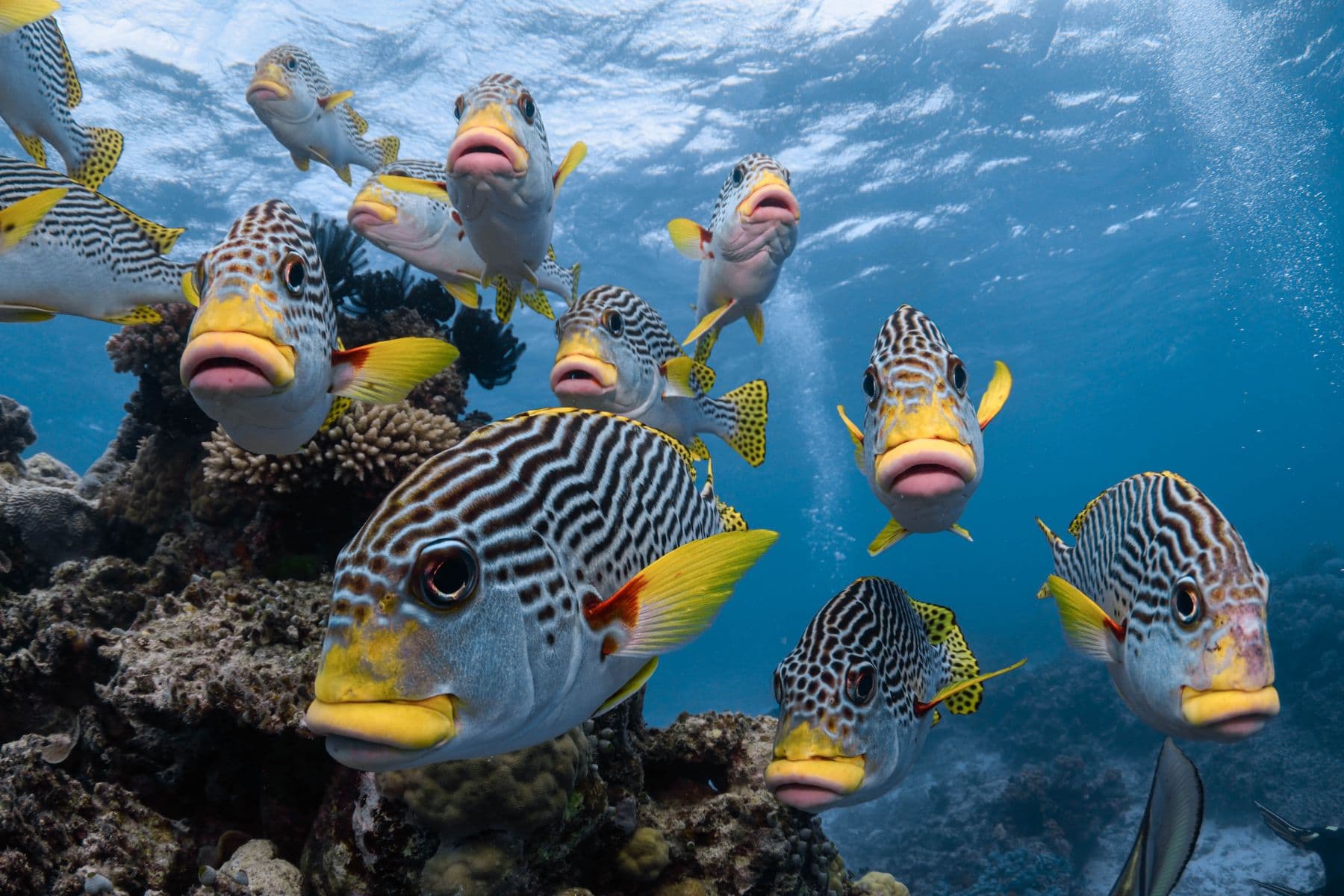
The Ribbon Reefs are a series of long, narrow reefs that form the outer edge of the Great Barrier Reef, offering a diverse and spectacular experience in the largest reef system on Earth. The reefs are home to vibrant coral gardens, as well as diverse species of reef fish.
Although many corals on the Great Barrier Reef have been facing severe bleaching events due to warming temperatures, the corals in the Ribbon Reef area have shown great resiliency and recovery due in part to cold-water currents that sweep these exterior reefs.
4. Cape Kri, Raja Ampat, Indonesia


Best Biodiversity Dive and a Marine Biologist’s Dream
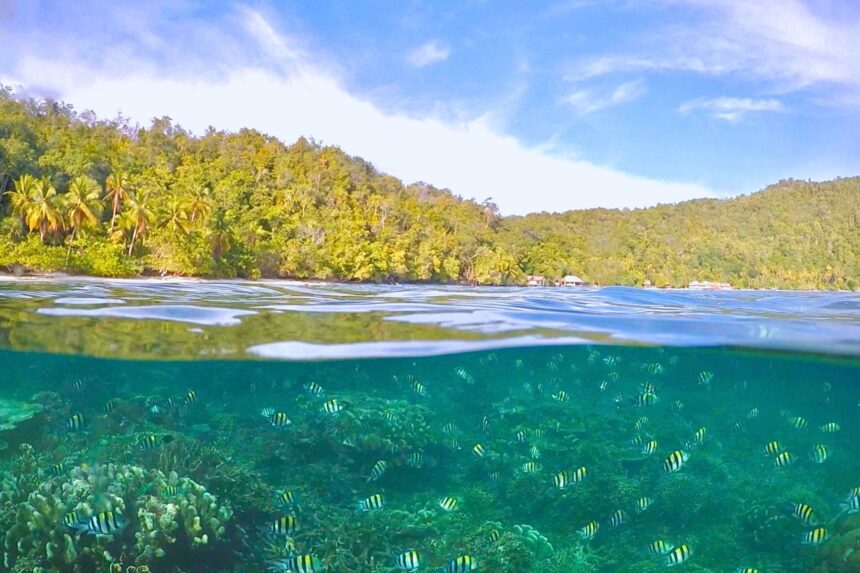
Famous for holding the world record for the highest number of fish species spotted in a single dive—an astounding 374 species—Cape Kri in the Coral Triangle is a vibrant hotspot for the full spectrum of marine life.
Located in the Dampier Strait, deepwater upwelling and strong ocean currents carry rich nutrients to the upper layers of the ocean, creating perfect conditions for a thriving ecosystem of corals and fish. Large pelagic life, including tuna, sharks, manta rays, and whales, comes here to feed.
The best time to visit Cape Kri is from October to April, with typically dry, sunny weather and good visibility. You will need a Raja Ampat Marine Park entry permit to dive at Cape Kri, which local dive operators or tourism offices can easily arrange.
Plan multiple dive days to explore more of the near-endless possibilities in the
Raja Ampat archipelago and across
Indonesia, or hop on a
liveaboard to maximize your dive time.
Highlights:
- See a guaranteed huge variety of fish, from small reef fish to large pelagic species, including Napoleon wrasse, groupers, sharks, rays, and sea turtles.
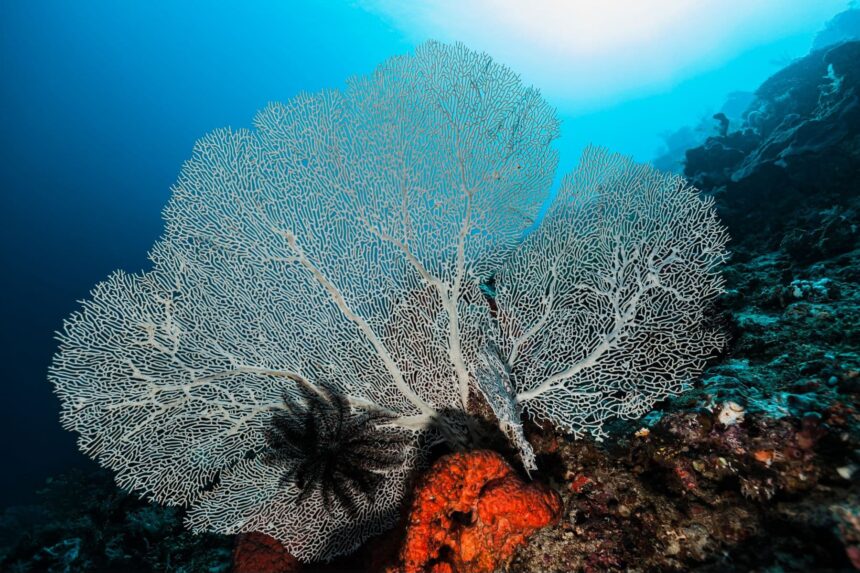
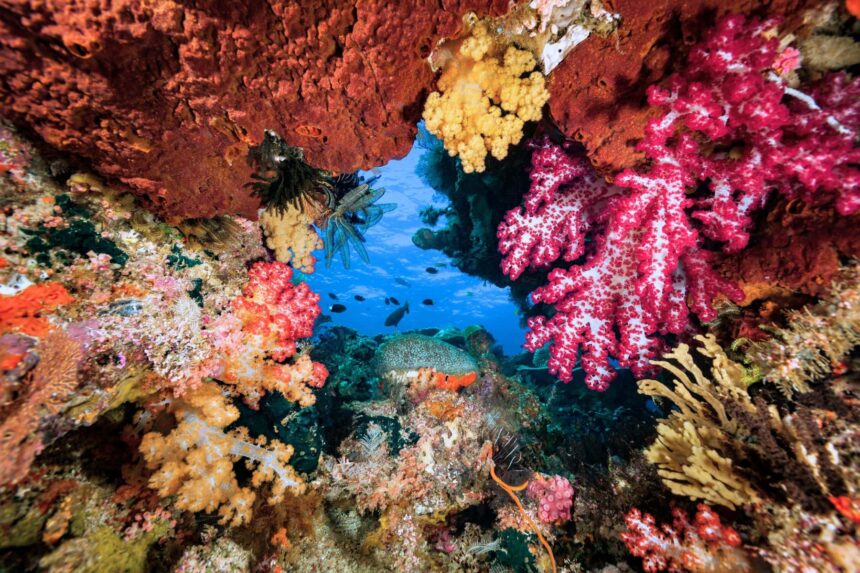
- Witness healthy, colorful, and diverse reefs, with hard and soft corals, sponges, and sea fans.
- Drift along strong currents that attract abundant marine life and create a dynamic, high-energy diving experience.
Runner up:
Atauro Island, Timor-Leste
This beautiful volcanic mountain island, also in the famous Coral Triangle, has some of the most pristine and diverse coral reefs and reef residents in the world. Likely sightings include sharks, manta rays, dolphins, turtles, and many colorful reef fish.
5. Wolf and Darwin Islands, Galapagos


Best Extreme Diving and Shark Hotspot
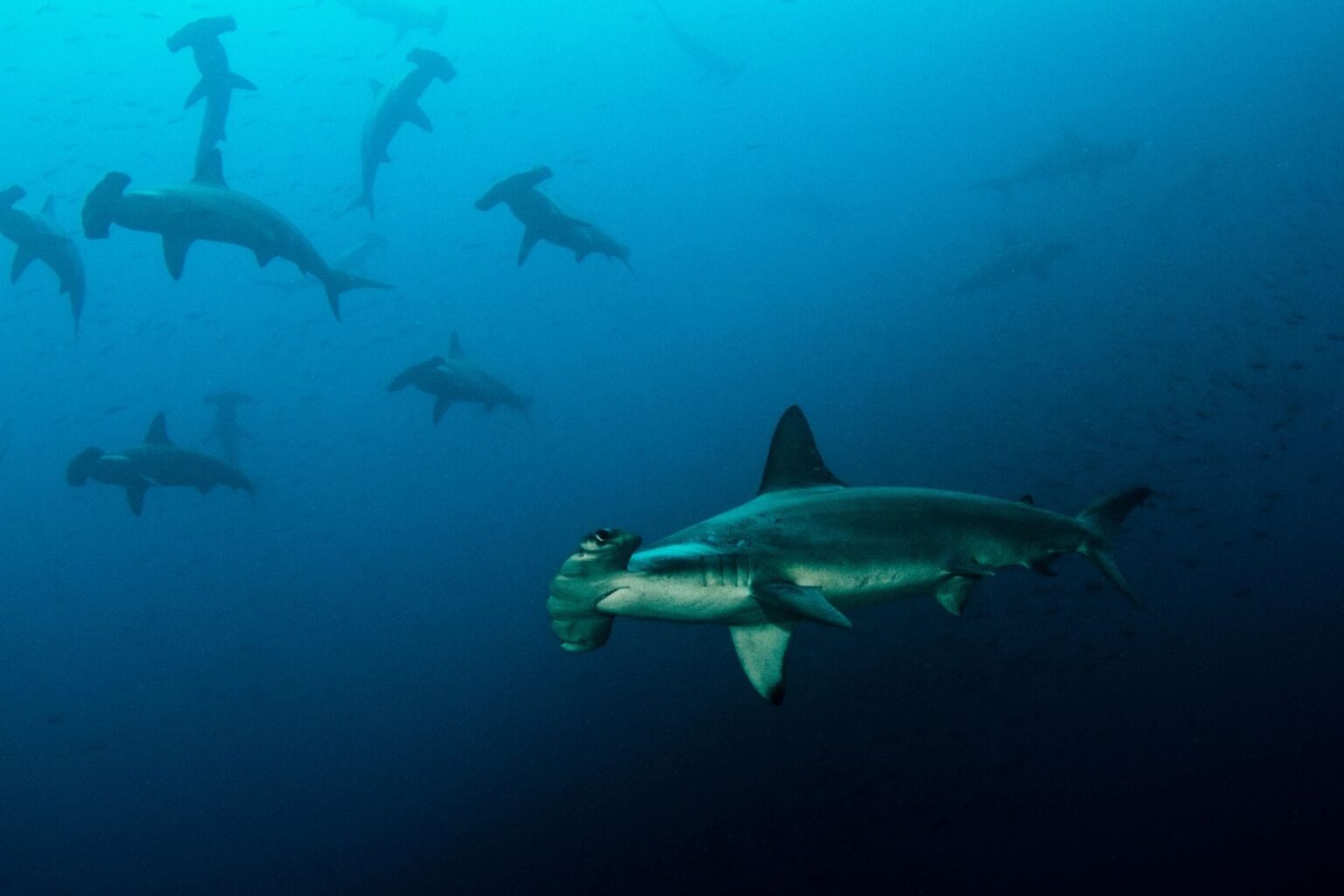
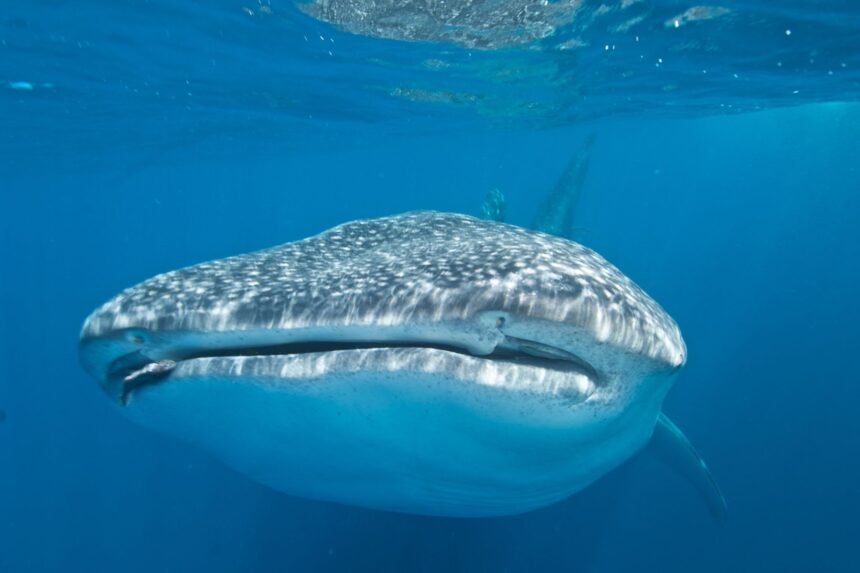
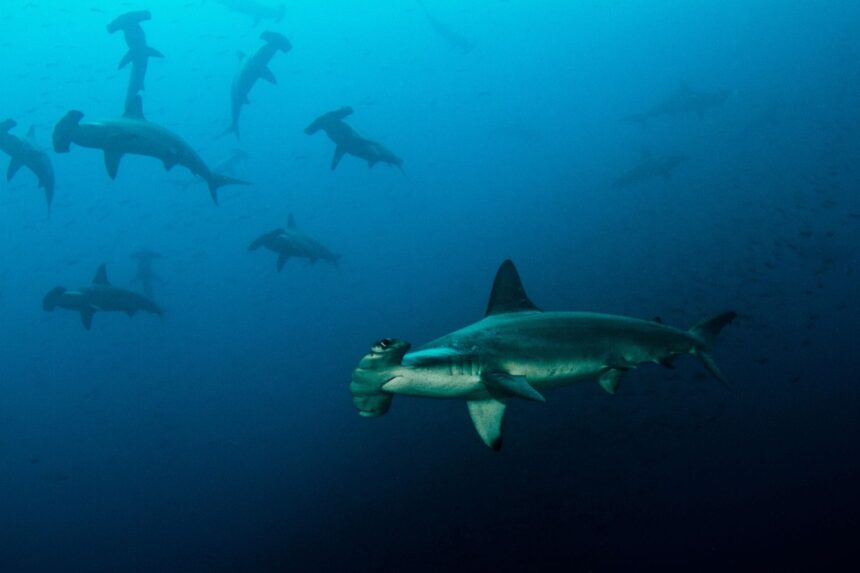
As a UNESCO World Heritage Site, replete with abundant wildlife and nonstop action, the Galápagos Islands offer a once-in-a-lifetime diving experience, where you can swim alongside playful sea lions, mola mola, schooling hammerhead sharks, and more in remote waters where cold ocean currents converge.
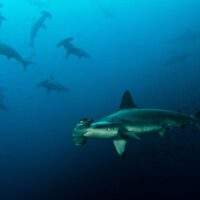
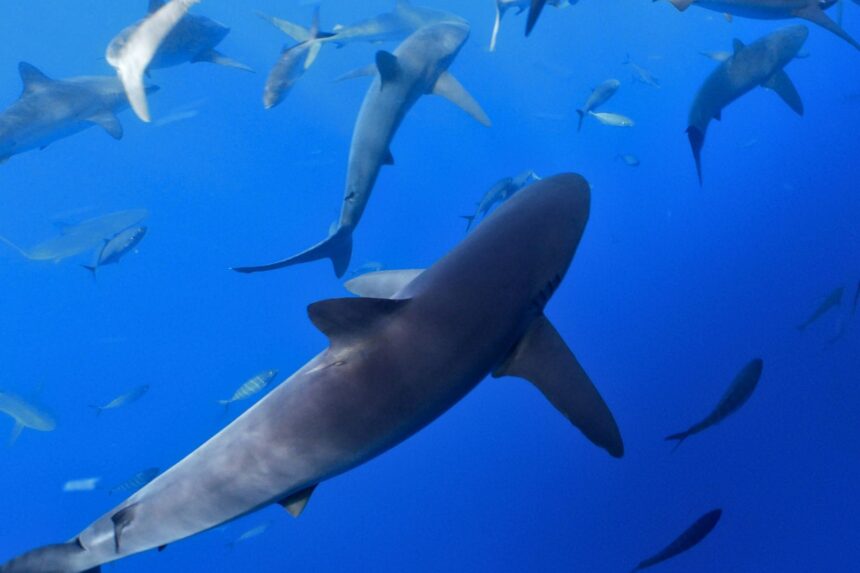
The most spectacular diving is found at Wolf and Darwin Islands, two remote outposts in the north of the archipelago. Here, you can encounter some of the largest and most diverse aggregations of pelagic fish and sharks in the world, including hammerheads, Galápagos sharks, silky sharks, whale sharks, tuna, jacks, dolphins, and more.
June to November is the dry season and the best time to visit, when visibility tends to be good for diving. Currents here can be unpredictable, and an advanced diving certification and comfort in strong currents is highly encouraged. Wolf and Darwin are only accessible via
liveaboard, so it’s important to plan a visit far in advance. Plenty of
other dive sites are worth visiting in the Galápagos too, many of which are less remote.
Highlights:
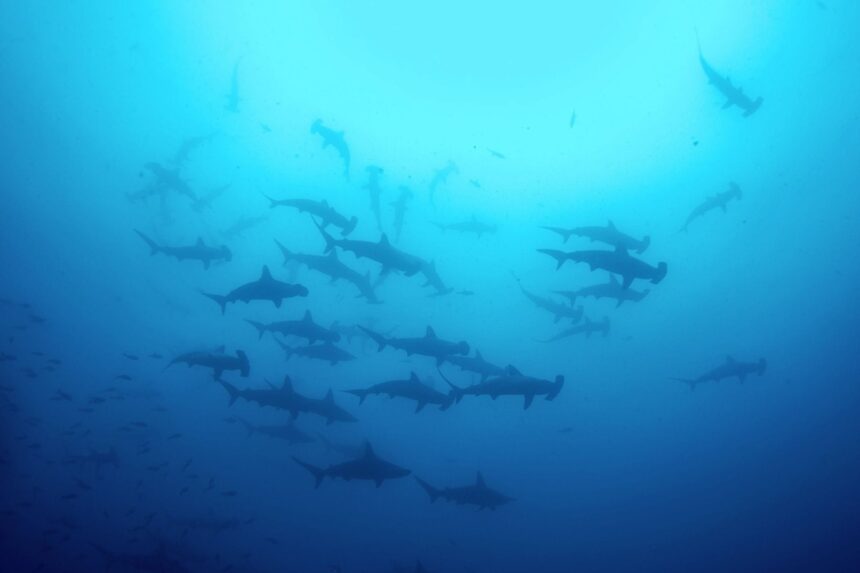
- Observe one of the largest shark biomasses in the world, with vast, graceful schools of hundreds of hammerhead sharks.
- See a variety of rays, including large schools of golden rays, manta rays, eagle rays, and stingrays.
- Enjoy the unique wildlife and dramatic landscapes of the Galápagos Islands, both on land and underwater, including many endemic marine birds and iconic marine iguanas.
Runners up:
Cocos Island, Costa Rica
Cocos Island lies 340 miles (550 km) off the coast of Costa Rica in pristine isolation. Accessible only via liveaboard, it’s a 36-hour trip each way to reach this UNESCO World Heritage Site and national park, where fishing and hunting are strictly prohibited.
The island is surrounded by deep waters that attract large pelagic fish, such as hammerhead sharks, whale sharks, manta rays, dolphins, and tuna. The island also has a rich biodiversity of tropical fish, sea turtles, and endemic plants and animals.
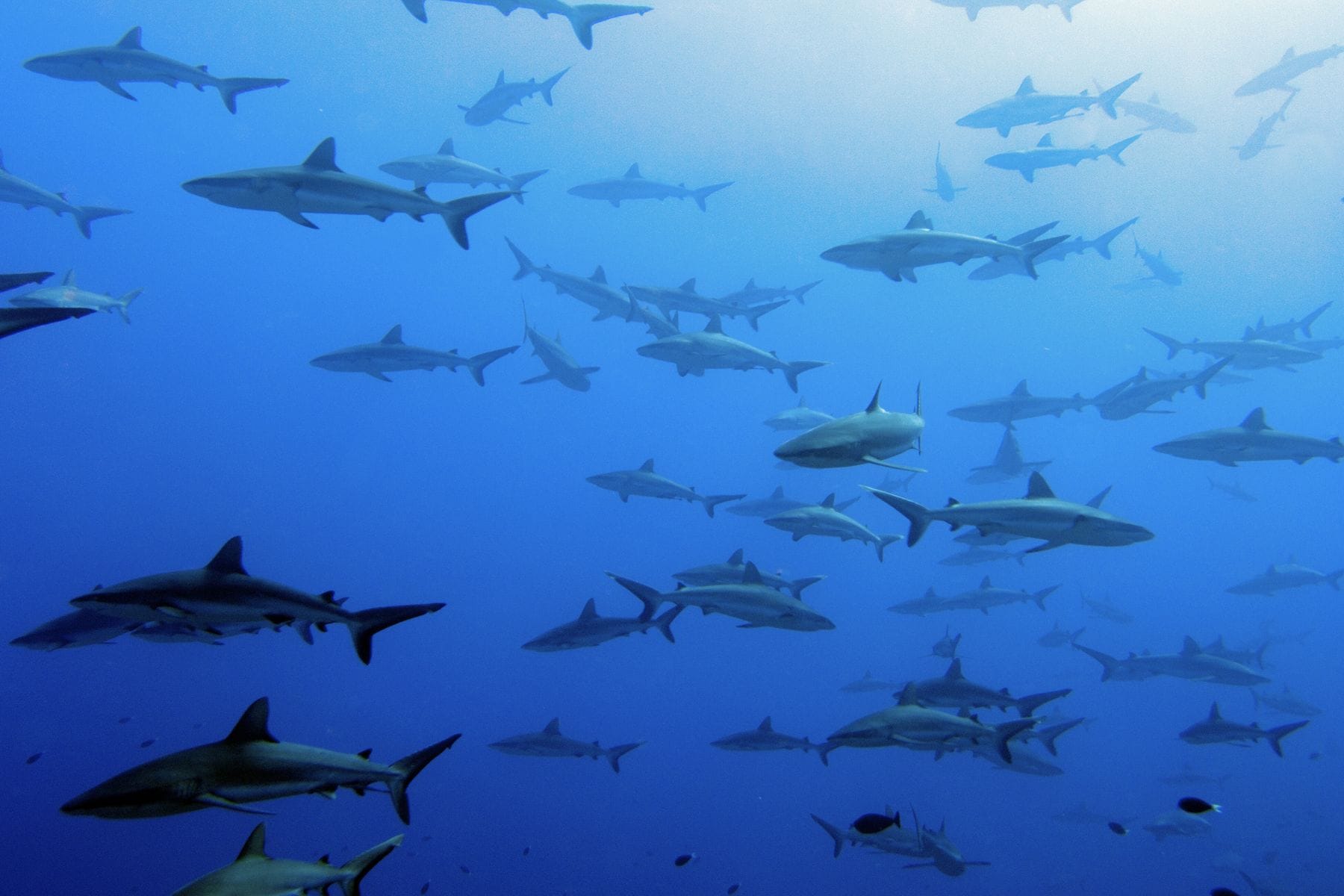
Famous for its huge aggregations of sleek predators, including walls of gray sharks, blacktips, whitetips, silvertips, and tiger sharks, along with giant clams and colorful coral reefs, South Pass is a UNESCO Biosphere Reserve that protects the rich diversity and abundance of marine life in the area.
Tiger Beach, Bahamas
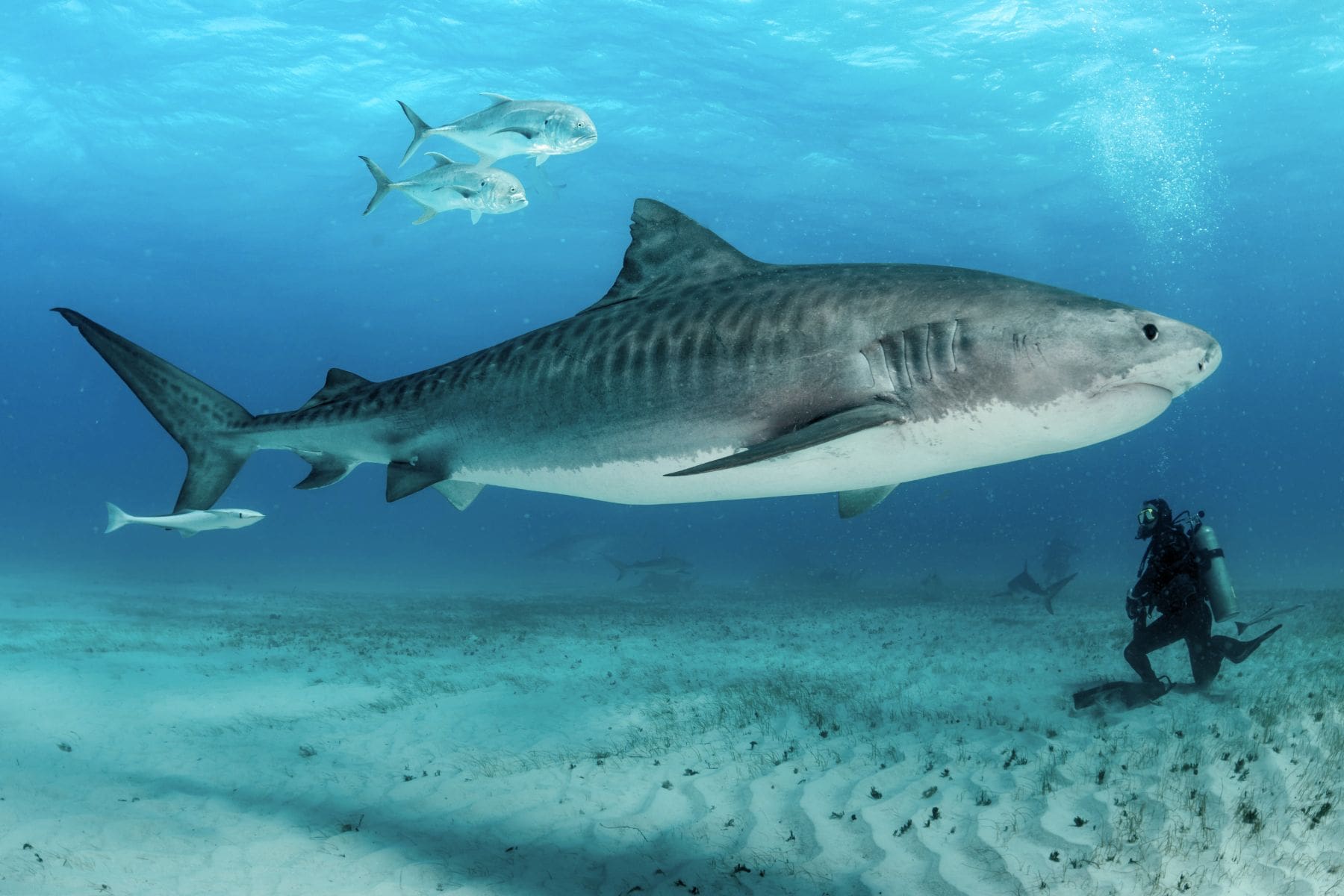
Tiger Beach is a breathtaking and thrilling dive site where you can have close encounters with one of the largest and most diverse shark populations in the world, including majestic and powerful tiger sharks, as well as lemon sharks, Caribbean reef sharks, and more.
6. The Great Blue Hole, Belize


Best Cave Diving Adventure
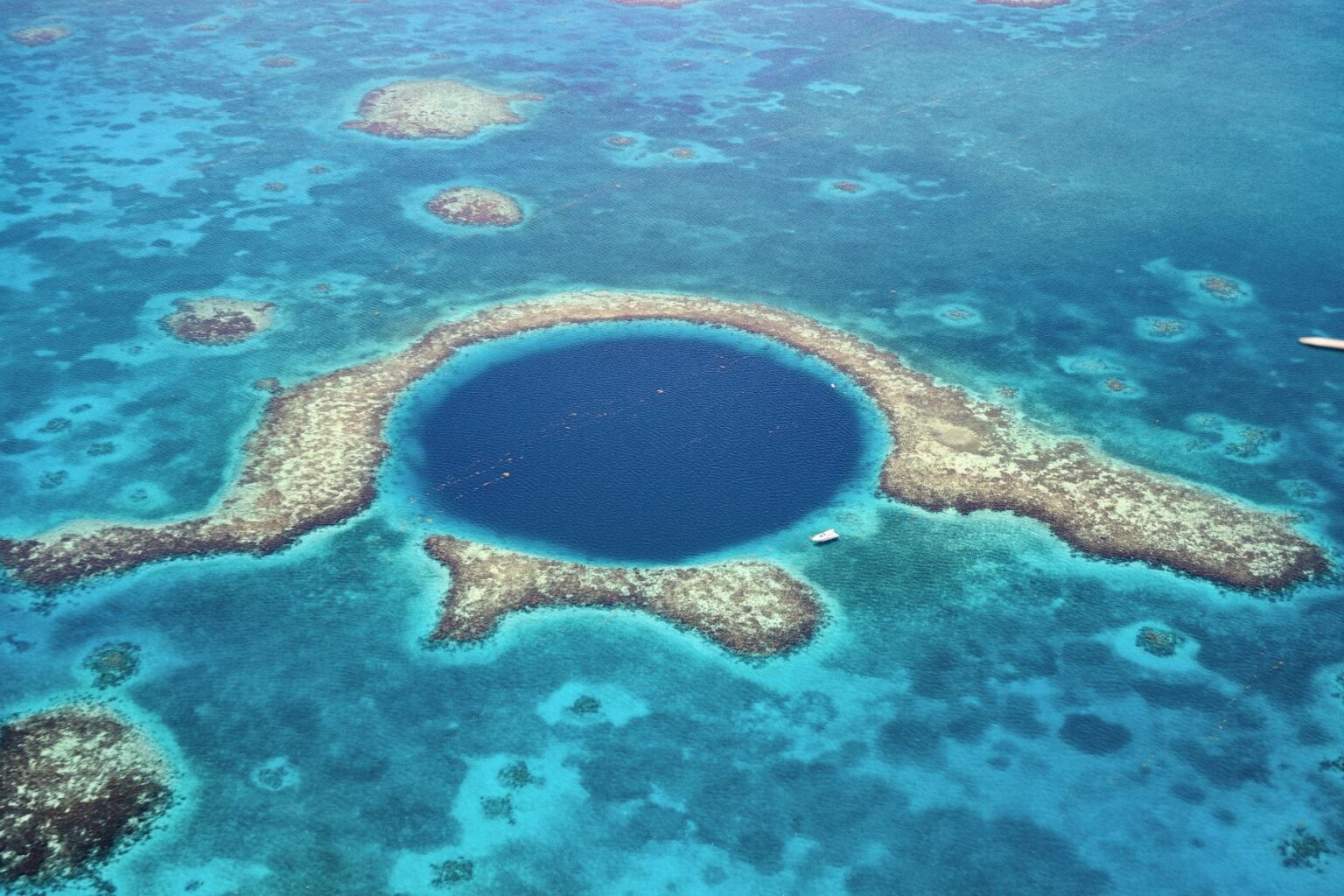
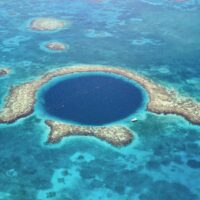
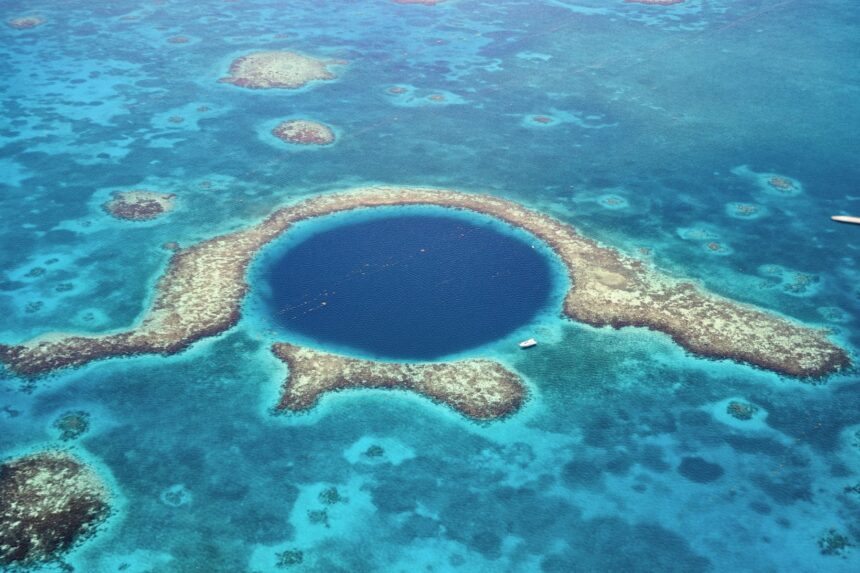
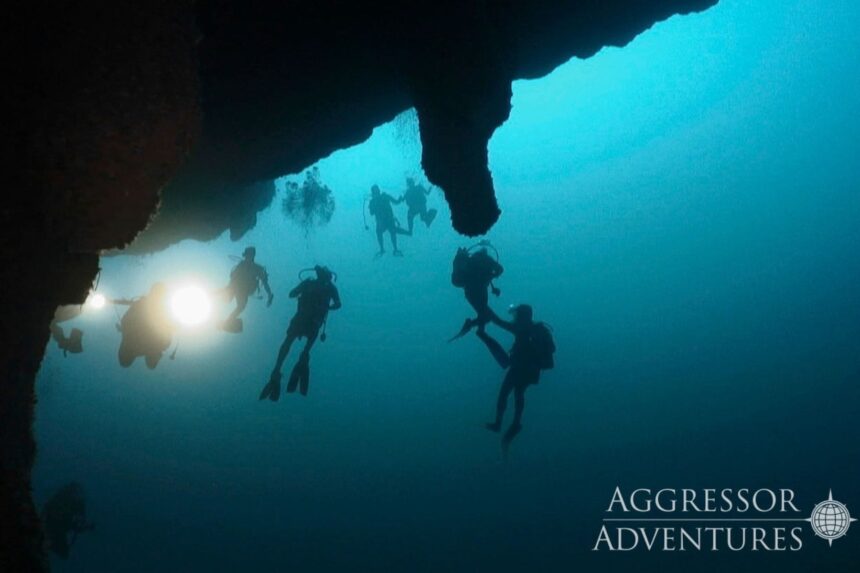
As the world’s largest sinkhole, at 984 feet (300 m) across and 407 feet (124 m) deep, the Great Blue Hole in Belize is a magnificent and mysterious dive into ancient eras. Descend into the deep blue void and witness the silent grandeur of its geological formations.
The Great Blue Hole was formed thousands of years ago as a limestone cave that collapsed and flooded, creating an incredible underwater cavern where you can explore huge stalactites and stalagmites in a rich marine environment. Because it is an open sinkhole, you do not need to be cave certified to dive here.
The best time to dive at the Great Blue Hole is from November to March, when the weather is dry and sunny. The surrounding Lighthouse Reef, part of the Belize Barrier Reef Reserve System, is home to a rich diversity of coral and fish species, as well as turtles, rays, and dolphins. Check out
other sites across Belize for more unforgettable dives.
Highlights:
- Explore and appreciate intricate formations that reveal the history and geology of the site and changes in sea level over time.
- Encounter a variety of marine life, such as midnight parrotfish, Caribbean reef sharks, and juvenile fish species attracted by nutrients and plankton in the currents.
- Advanced technical divers can experience the thrill and challenge of diving in a deep, dark environment, where the water meets a layer of hydrogen sulfide at about 200 feet (60 m), creating a milky appearance.
Runners up:
Cenote Dos Ojos
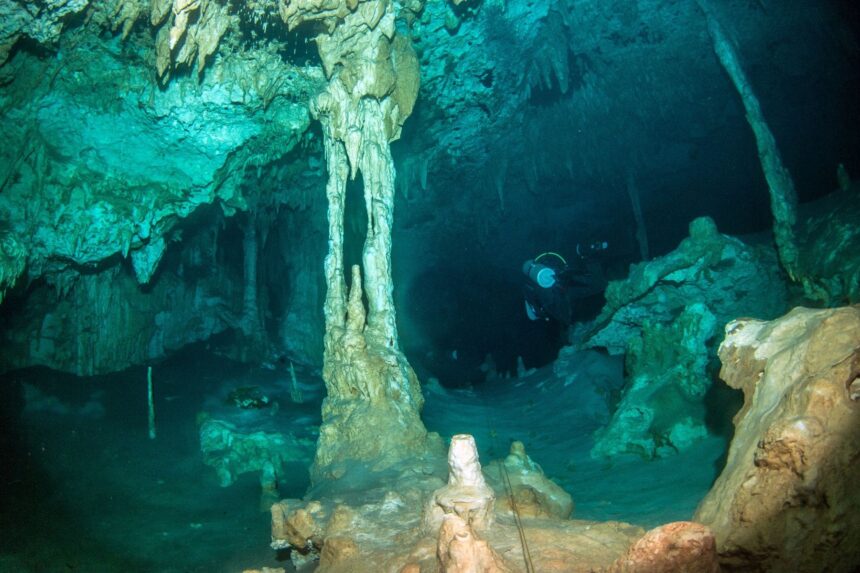
Cenote Dos Ojos is one of the most popular and beautiful freshwater sinkholes among the thousands of cenotes located on the Yucatán Peninsula. There are two different dive routes through the system. The Barbie Line takes you through a series of caverns filled with light and crystal-clear water, while the Bat Cave Line leads into a dark and mysterious cave where you can see bats hanging from the ceiling.
As one of the deepest and most challenging cave dives in North America, Eagle’s Nest Cave is part of a complex system of underwater caverns that reaches depths of over 300 feet (90 m) and is suitable only for advanced cave divers.
Along with many other intricate rooms and formations, the highlight is the Main Ballroom—a huge chamber that resembles an auditorium, with a stage-like platform and rows of seats formed by limestone.
7. Ari Atoll, Maldives

Best Dive Site for Manta Ray Encounters
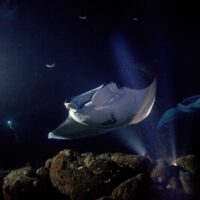
As home to the largest population of reef manta rays in the world, with over 10,000 individuals, the Maldives are a pelagic paradise that will leave you awestruck. Ari Atoll is one of the areas where divers can meet them year-round.
You can also encounter whale sharks, hammerhead sharks, and other majestic creatures in the surrounding reef landscapes, with an impressive diversity of marine life and phenomenal displays of planktonic bioluminescence.
Ari Atoll is suitable for divers of all levels, but some sites may require advanced skills and experience due to strong currents and depths. The best weather and conditions occur from December to April. However, manta rays and whale sharks can be found year-round at several locations, as well as many
other superb dive sites around the Maldives.
Highlights:
- See large aggregations of manta rays feeding on plankton or cruising along the reefs, sometimes interacting with divers.
- Explore thilas (pinnacles) and kandus (channels) covered with bright corals and reef fish.
- Admire rare and exotic creatures, such as frogfish, leaf fish, ghost pipefish, and nudibranchs.
- Experience the magical and surreal atmosphere of glowing water at night.
Runner up:
Manta Diving, Kona, Hawaii
nn
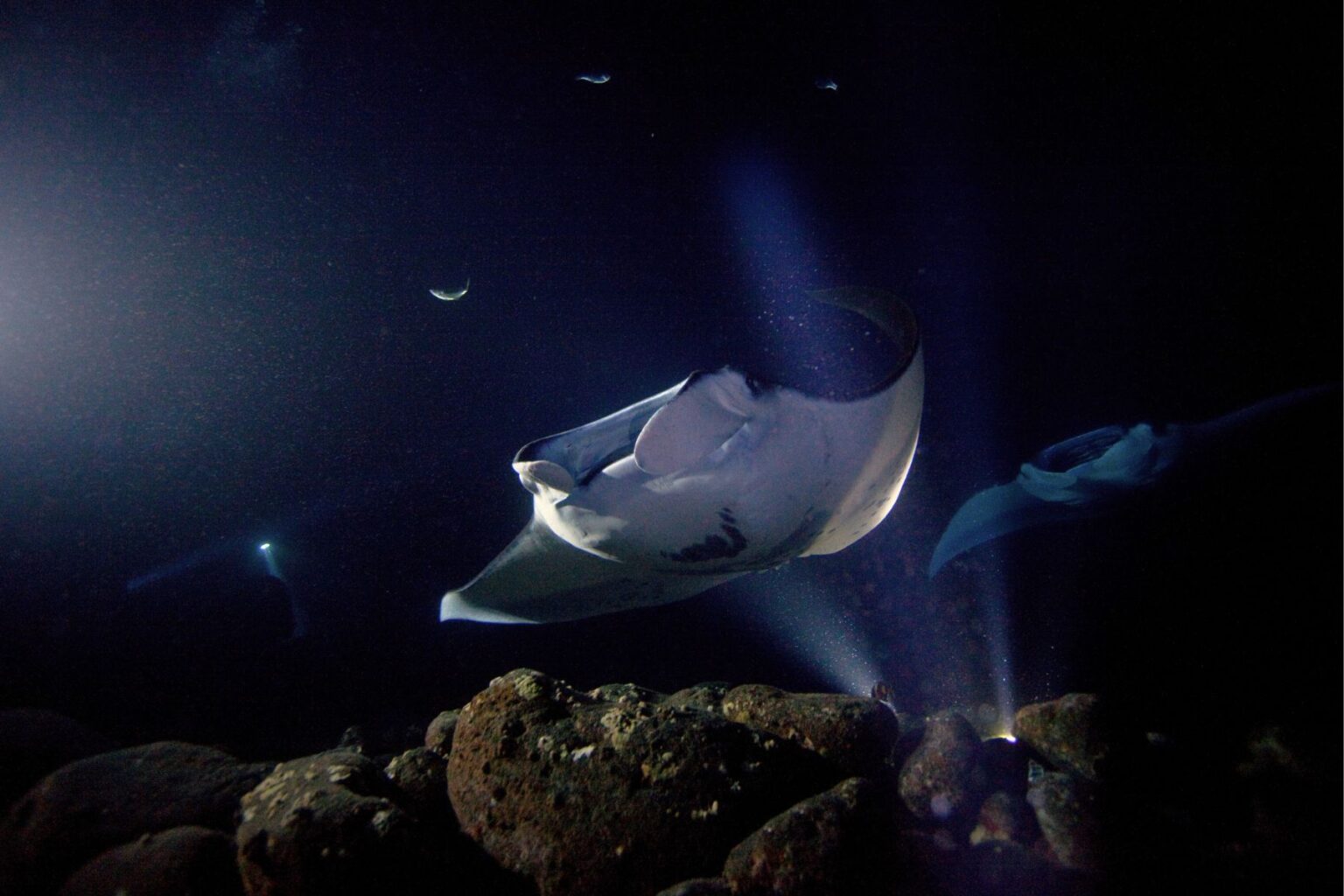
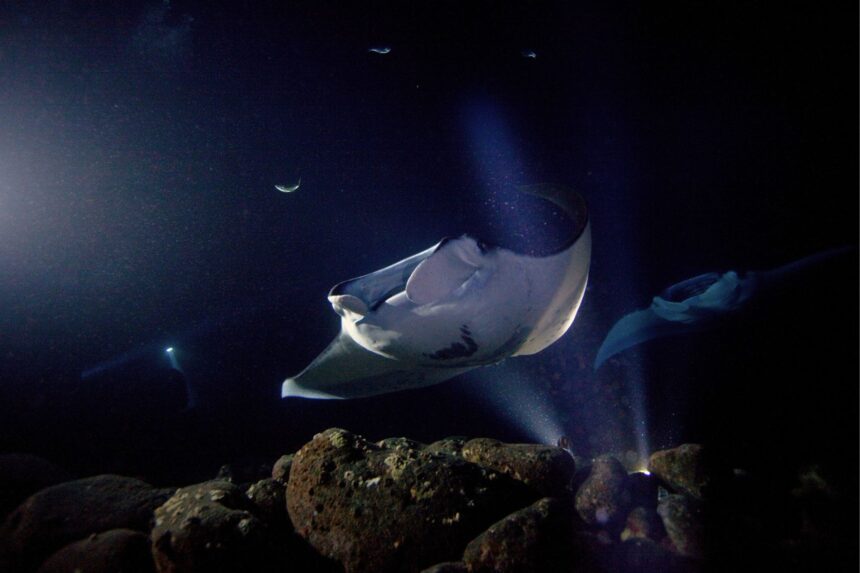
This coastline hosts a resident group of reef manta rays that divers can meet during night dives, where the gentle gliding giants swoop through artificial lights that attract plankton. This is an unforgettable, up-close and personal experience with up to 30 manta rays found year-round at established viewing sites.
8. Roca Partida, Socorro Islands, Mexico


Best Dive for Whale Shark and Megafauna Encounters
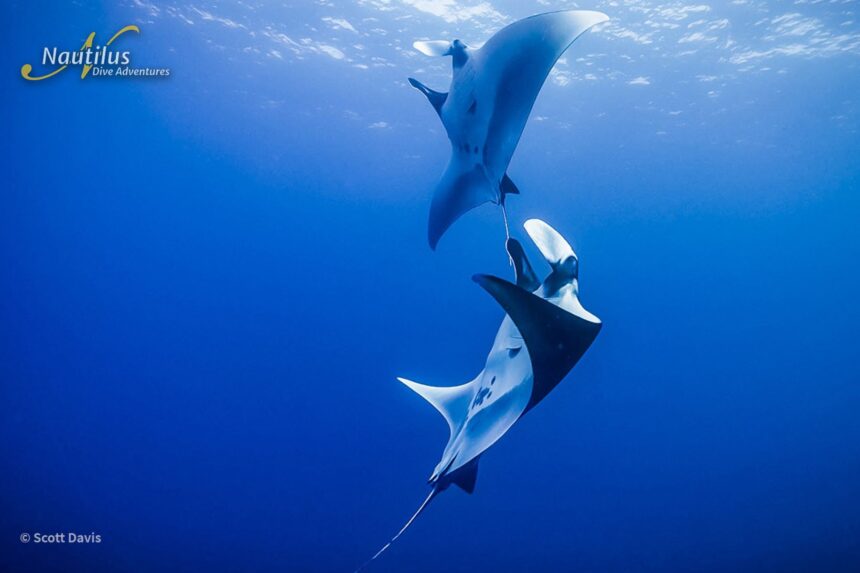
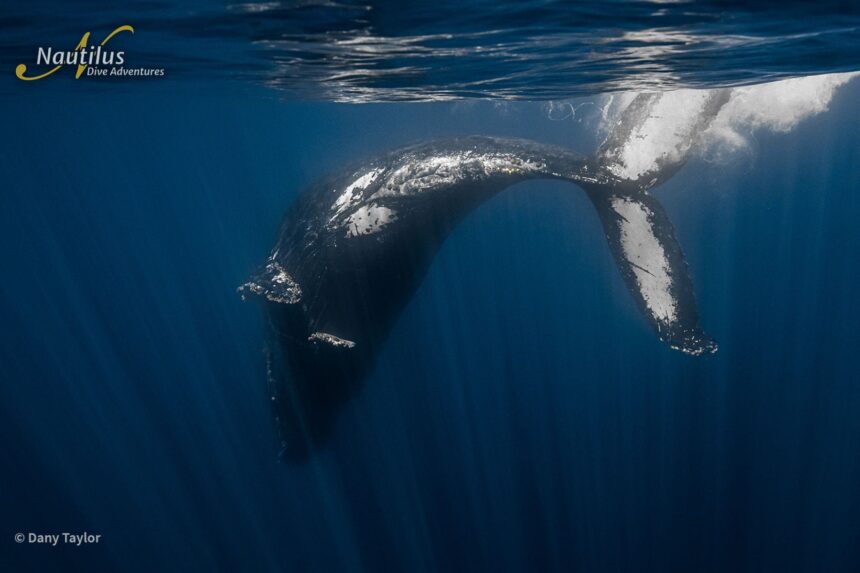
As a magnet for iconic marine megafauna including whale sharks, humpback whales, dolphins, manta rays, and several species of sharks, Roca Partida delivers a high-adrenaline dive experience in Mexico’s natural aquarium.
This tiny rock rising from the depths of the Pacific Ocean, about 60 miles (100 km) west of Socorro Island, is part of the Revillagigedo Archipelago, a UNESCO World Heritage Site. This remote and exposed site attracts a rich diversity of pelagic species.
Roca Partida is accessible via liveaboard, with the best conditions occurring from November through May. Occasionally strong currents make this dive site suitable for experienced divers.
Highlights:
- Meet massive whale sharks cruising along reefs and pinnacles feeding on plankton, most active from November to January.
- See up to 30 curious manta rays, which can be encountered year-round.
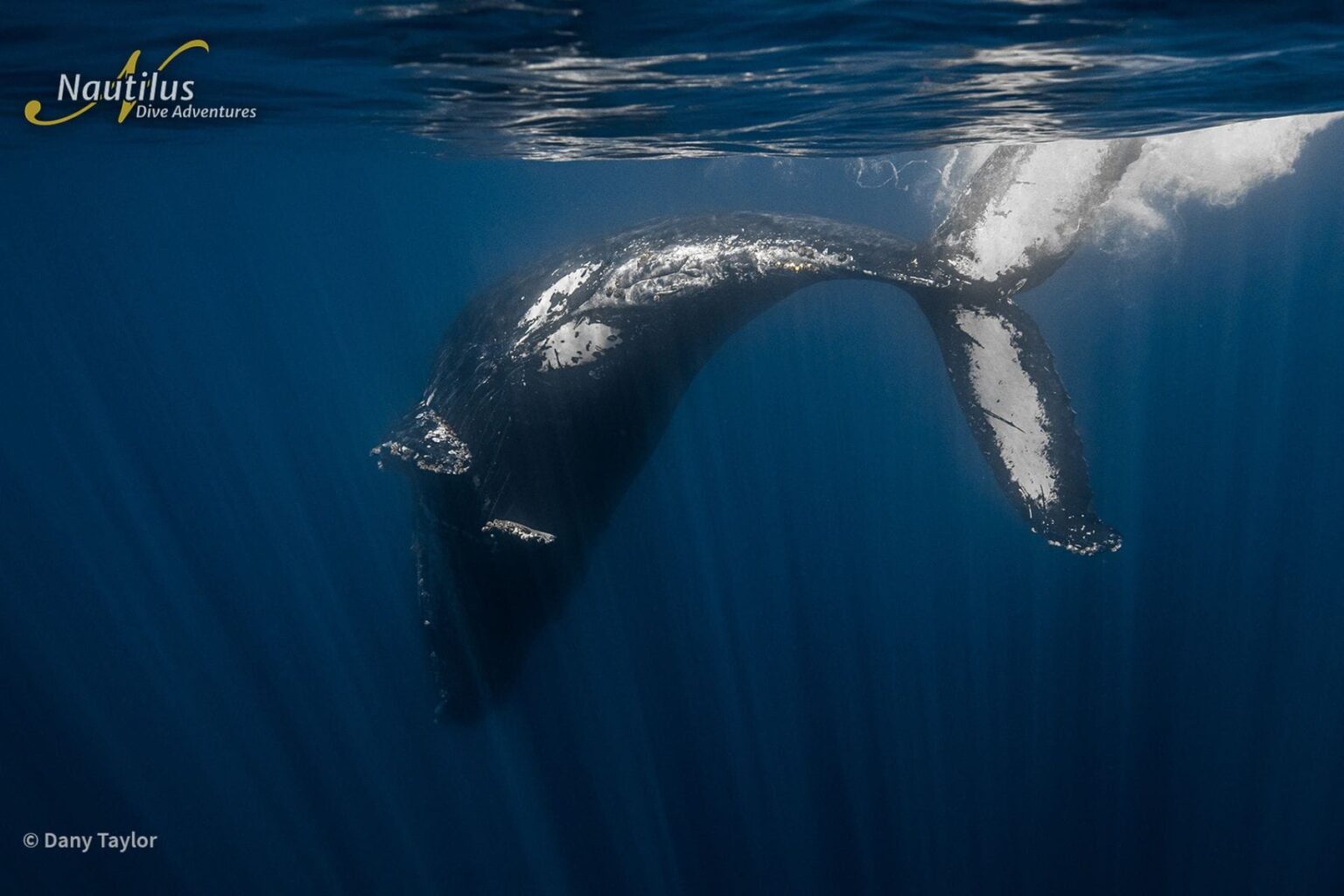
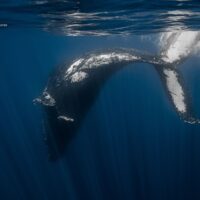
- Experience the humpback whale season from February to March, with the chance to hear their songs underwater and occasionally swim alongside them.
- Witness large schools of hammerhead sharks circling the rock from February to April.
- Enjoy year-round shark encounters, including silky, Galápagos, whitetip, silvertip, and tiger sharks.
Runner up:
Richelieu Rock
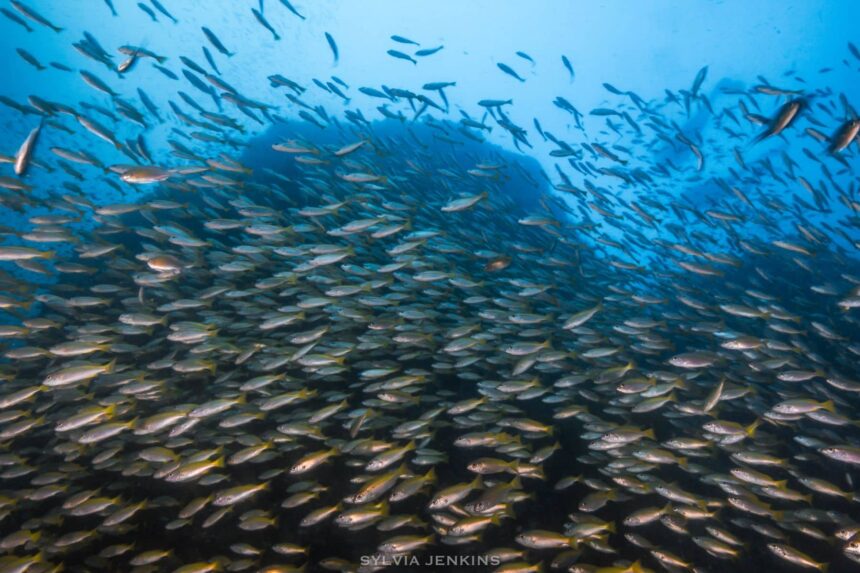
The solitary pinnacle of Richelieu Rock is located in the open ocean, where it attracts whale shark aggregations, especially from February to April, due to the abundance of plankton, fish eggs, and coral eggs released during coral spawning events. Unprecedented aggregations of up to 420 individual whale sharks have been sighted at this location.
9. Thistlegorm Wreck, Red Sea, Egypt
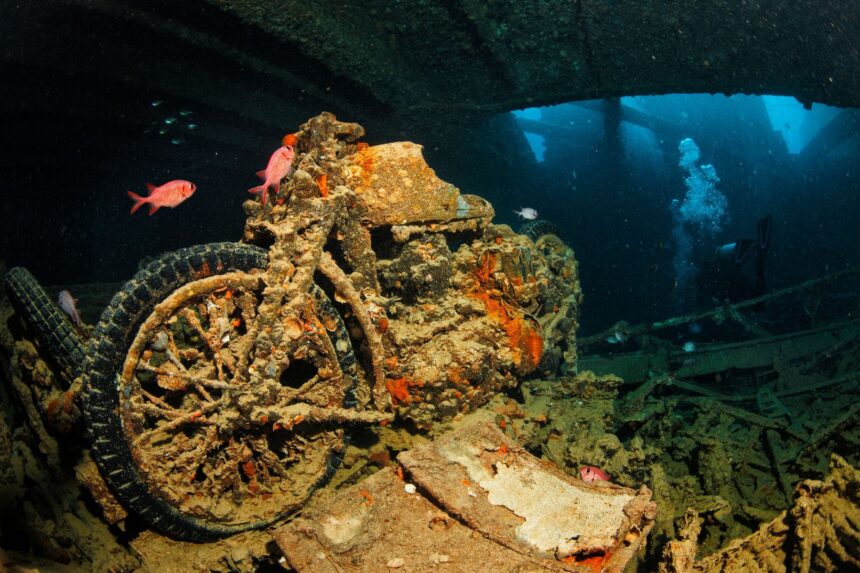
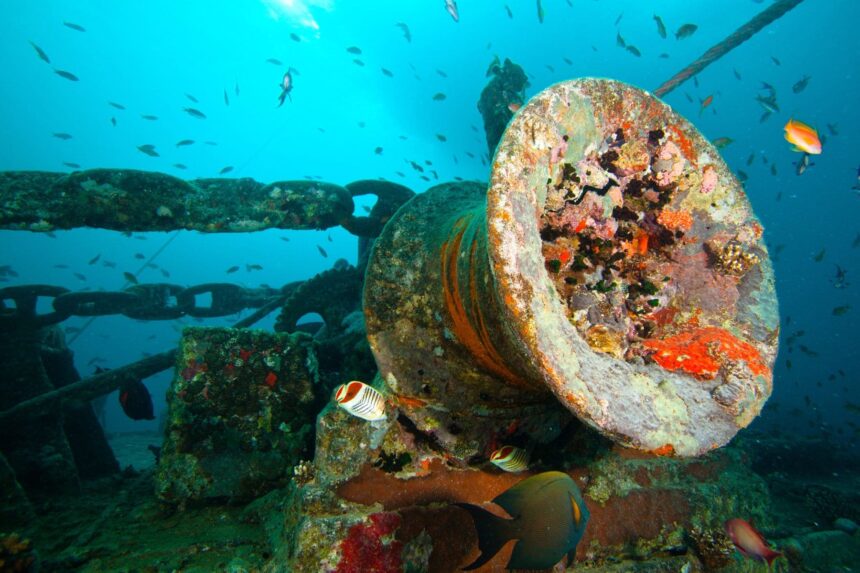


Thistlegorm wreck
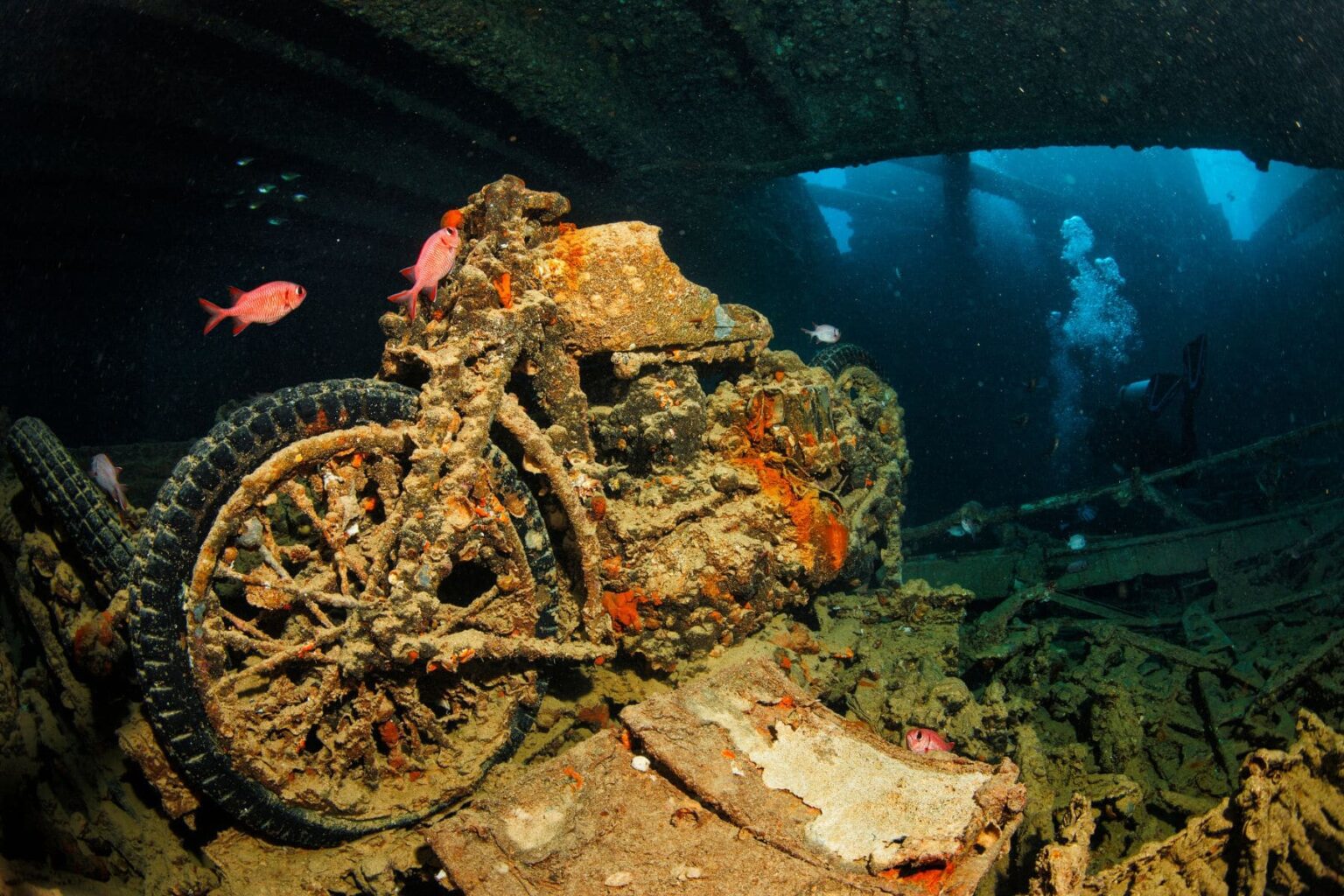
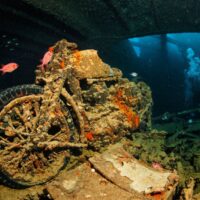
The Thistlegorm wreck is one of the most well-known and well-preserved wrecks in the world, with artifacts from the WWII era. The Thistlegorm, a British cargo ship sunk by German bombers in the Red Sea in 1941, holds a treasure trove of artifacts still intact inside its hull.
Divers can see trucks, motorcycles, tanks, trains, rifles, boots, and more across the ship’s four decks and holds. The wreck is encrusted in colorful corals, sponges, and anemones. Marine life includes moray eels, groupers, lionfish, barracudas, nudibranchs, and more.
The wreck is accessible by liveaboard or day boat from Sharm El Sheikh or Hurghada, with the best conditions occurring from October to May. Be sure to explore more—world-class
dive sites in the Red Sea are known for more than shipwrecks too.
Highlights:
- Rich and well-preserved WWII maritime archaeological site
- Explore the anti-aircraft gun and machine gun on the stern, plus locomotives and stacked motorcycles in the hold
- A vibrant layer of marine life now covering the wreck, turning it into an artificial reef
Runner up:
Yongala Wreck, Australia
Covered with an incredible diversity and abundance of marine life, the Yongala shipwreck is a 360-foot (110-meter) long steamer that sank in 1911 during a cyclone. The wreck now acts as an artificial reef that attracts pelagic fish, sharks, rays, turtles, and even whales.
Explore the exterior of the wreck to see its masts, and the outline of the ship, as well as the colorful corals, anemones, and nudibranchs that cover it. Penetration is not allowed as it’s still a grave site for those who lost their lives in the wreck.
10. Silfra Fault, Thingvellir National Park, Iceland
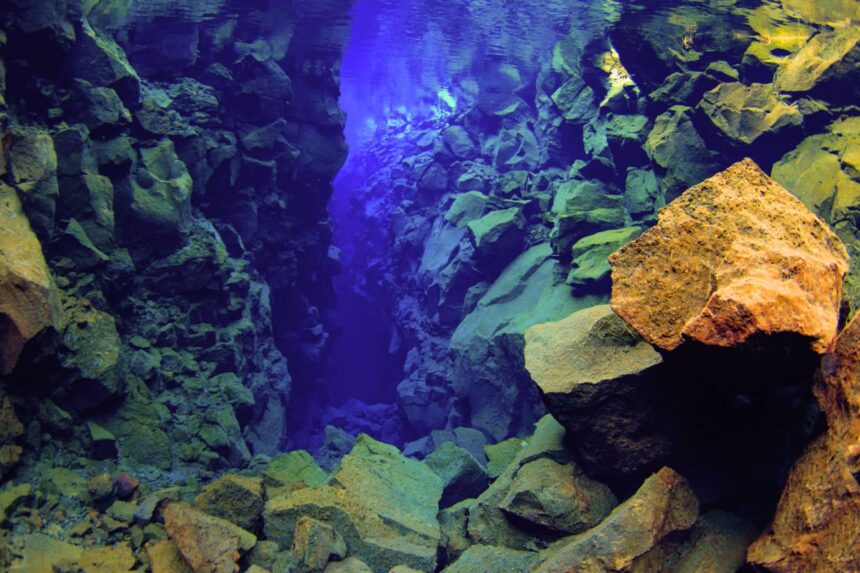
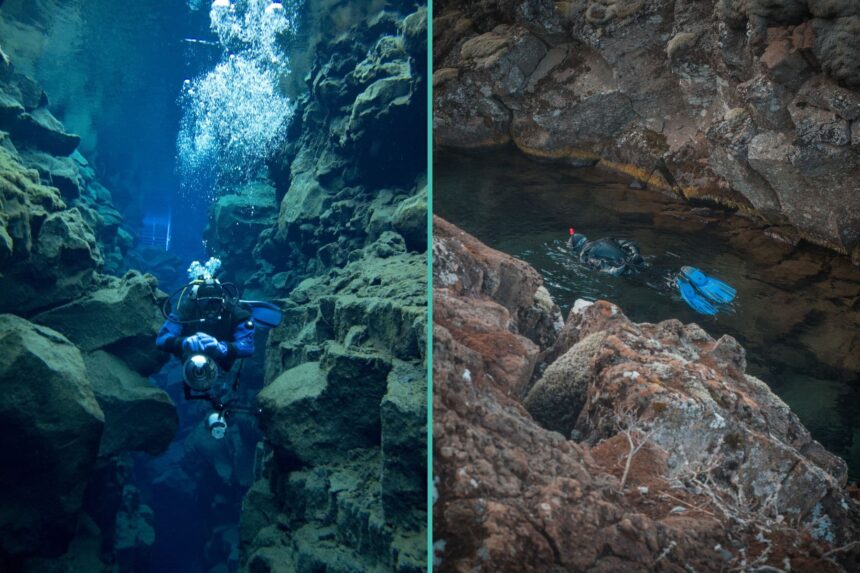


Silfra Fault
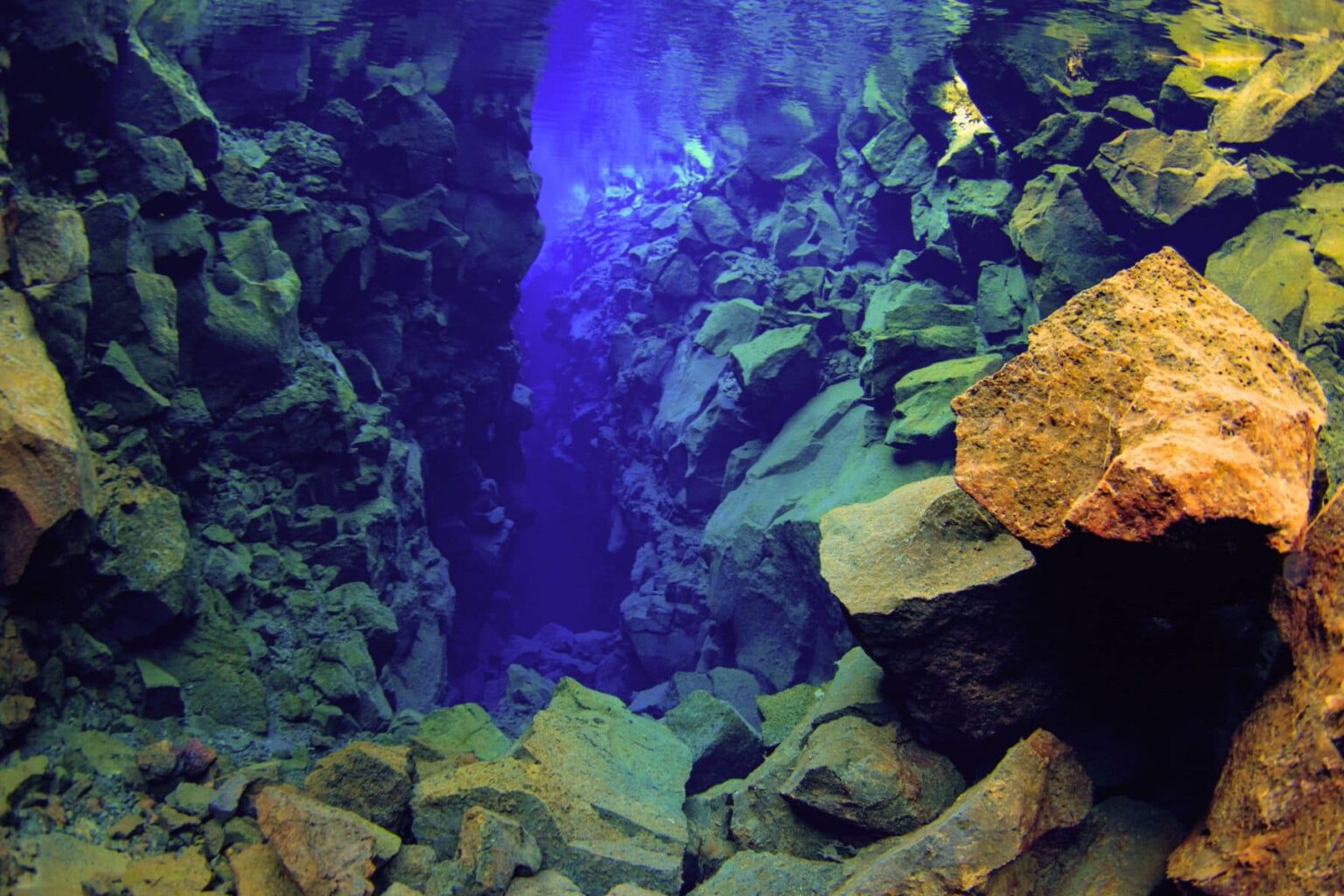
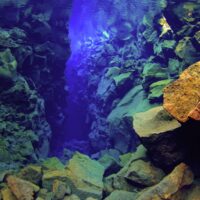
The Silfra Fault is the world’s only location where you can directly dive or snorkel in a crack between two tectonic plates, all in beautifully clear glacial meltwater. In the rugged landscape of Þingvellir National Park, a fissure between the North American and Eurasian plates formed Silfra in 1789 due to tectonic activity.
Perpetually cold, 36°F (2°C) meltwater that has been filtered through porous lava rock for decades offers over 325 feet (100 meters) of visibility underwater. Divers can take in deep blues, green algae, and dark volcanic rock walls in this submerged geological wonder.
Visit from May to September for the best conditions and relatively warmer air temperatures. A drysuit certification is required for divers, though snorkelers are also welcome, with drysuits provided by dive operators.
Highlights:
- The continental plates are visible on each side of the fissure and can be touched simultaneously while swimming between them. The fissure also widens by about 2 cm per year.
- The Silfra Cathedral, a 100-meter-long section of the fissure reaching depths of up to 75 feet (23 m), offering striking visibility and dramatic rock formations.
- The Silfra Hall, a narrow section leading into the Cathedral, featuring colorful algae and a ceiling crack that lets in natural light.
11. Painted Cave, Santa Cruz, Channel Islands, California, USA


Best Diving in an Underwater Forest
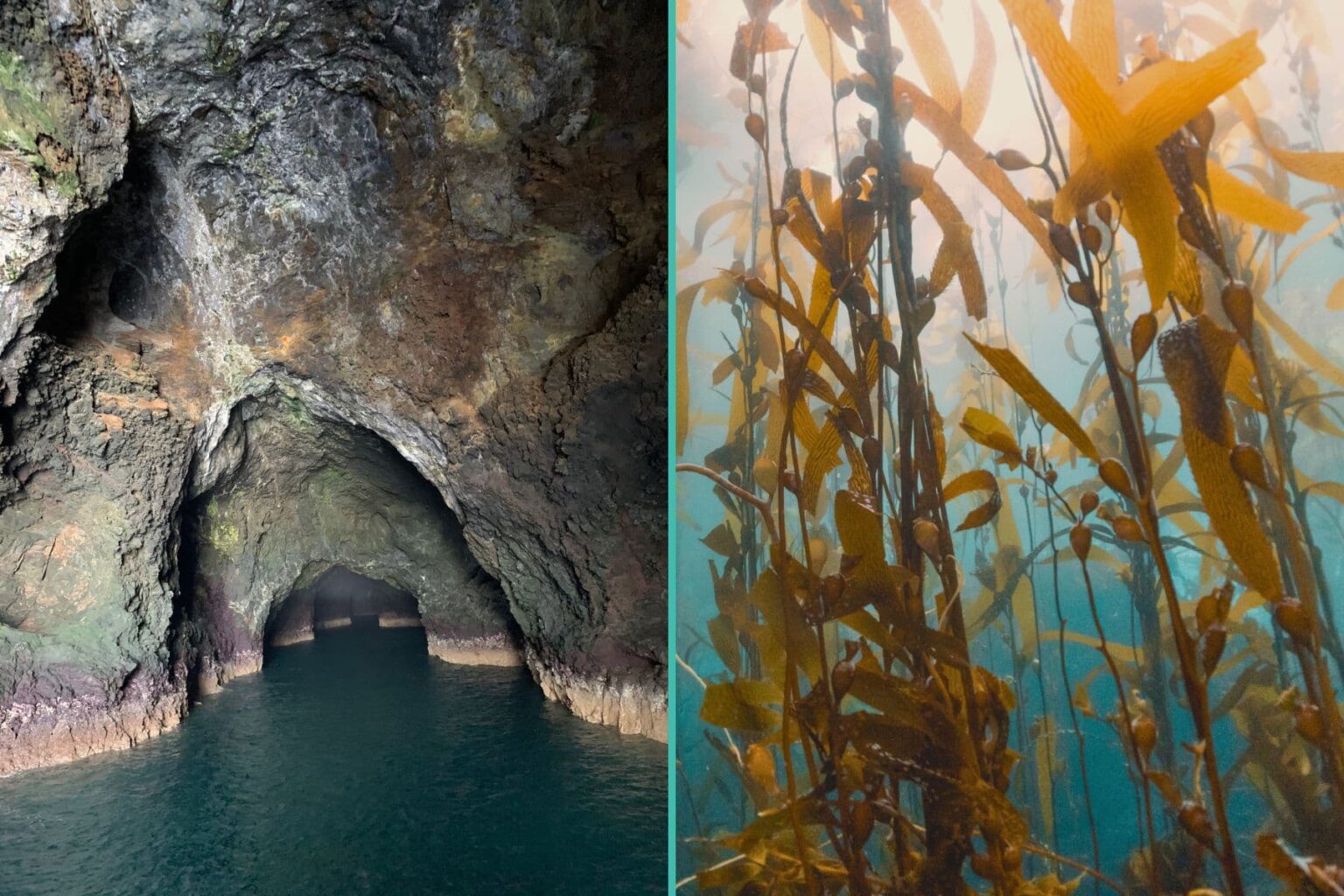
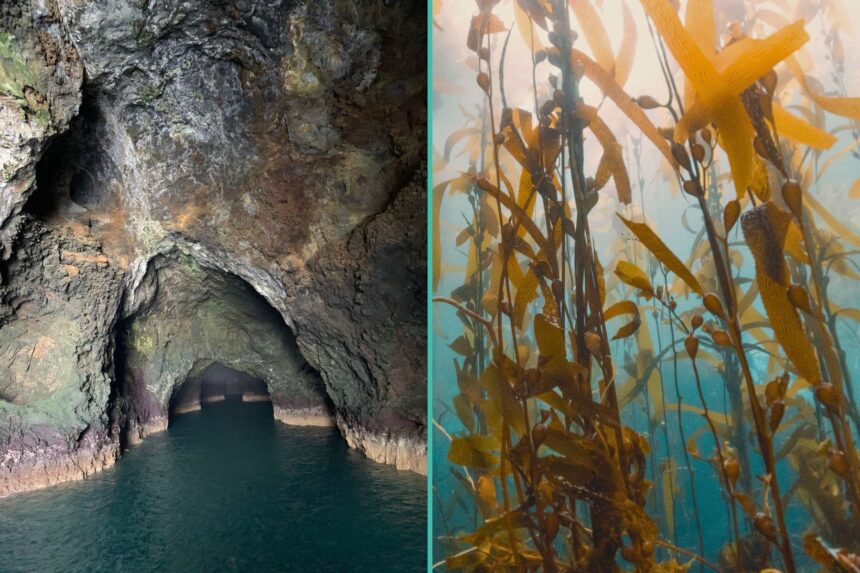
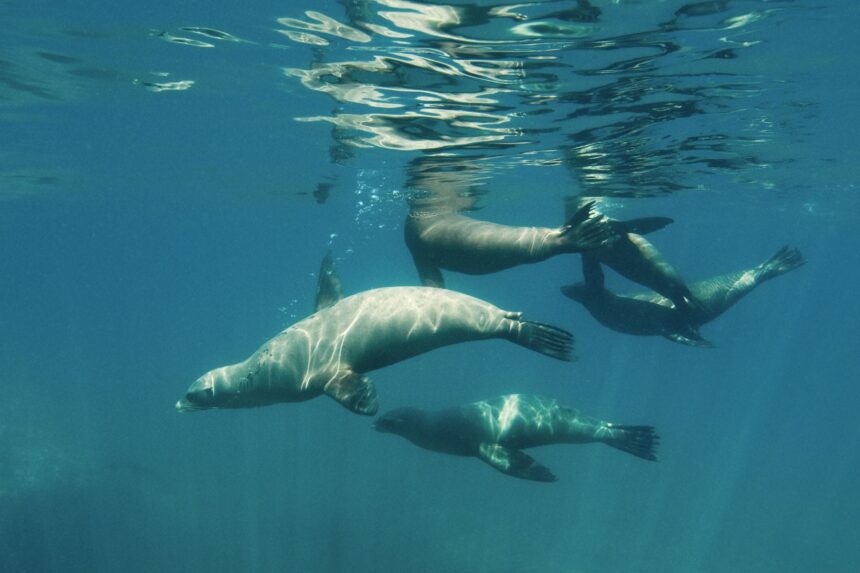
The spectacular Painted Cave is one of the world’s largest sea caves and offers an inspiring dive through thick, lush kelp forests within Channel Islands National Park. The cave entrance is surrounded by a waving emerald kelp forest, one of the most productive and diverse ecosystems on the planet, though it has been in decline in many areas of California.
The kelp forest provides shelter and food for many fish and other creatures, such as barracudas, trevallies, batfish, rockfish, lingcod, sculpin, lobsters, crabs, and octopus. You can also encounter sea lions, harbor seals, dolphins, and whales, which sometimes visit the cave.
The best time of year to dive here is from May to October, during dry and sunny weather, which is also the peak season for whales and dolphins feeding around the islands. Good conditions are needed to enter the cave, as strong currents may sweep the entrance, and the interior can be dark and narrow.
You need an advanced certification and a dive light to dive safely and avoid damaging the cave walls and its inhabitants.
Looking for more? There are plenty of other
dive sites across California where you can experience dense kelp forests and other habitats.
Highlights:
- Painted Cave is a massive sea cave measuring 1,227 feet (374 m) long, 100 feet (30 m) wide, and 160 feet (50 m) tall, with several chambers extending deep into the basalt cliff.
- The cave gets its name from the colorful lichens and algae that adorn its walls. The interior is also covered with sponges, anemones, and corals, creating a vibrant underwater landscape with shades of red, green, yellow, and purple.
- The cave and surrounding kelp forest host a rich diversity of marine life, and you may even hear the loud barking of sea lions inside the cave.
Runner up:
Bowen Island, Vancouver, Canada
Bowen Island lies across the Howe Sound from Vancouver and has several captivating dive sites accessible by boat. One of the best-known is the Cape Roger Curtis Lighthouse, which has a rocky wall covered with soft corals, sponges, and sea stars.
The site also features a dense bull kelp forest, whose delicate golden-brown blades can grow up to 100 feet (30 m) long, providing a shelter and feeding grounds for inhabitants such as rockfish, lingcod, and greenlings, as well as seals, sea lions, and dolphins. Depth ranges from 30 to 130 feet (9 to 40 meters) and it’s suitable for advanced divers.
12. Museo Atlantico, Lanzarote, Spain


Best Dive for Life-Supporting Underwater Art
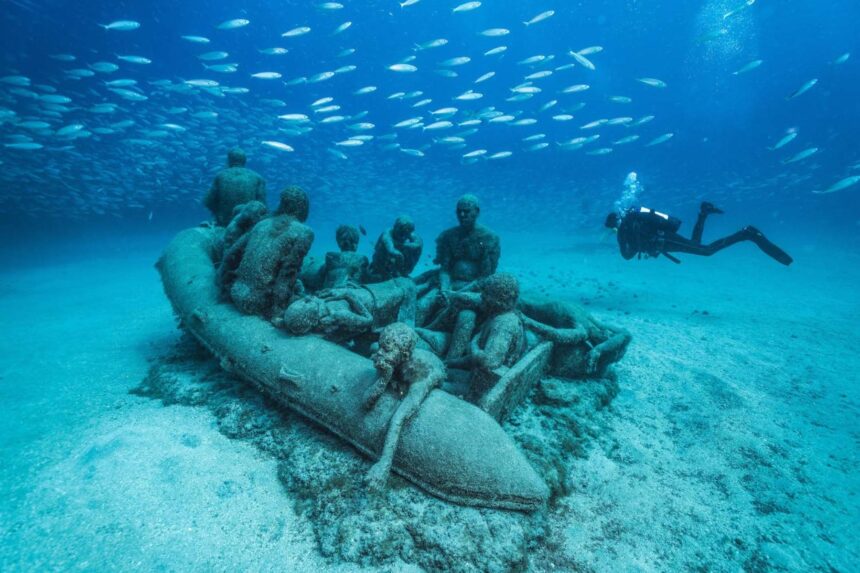
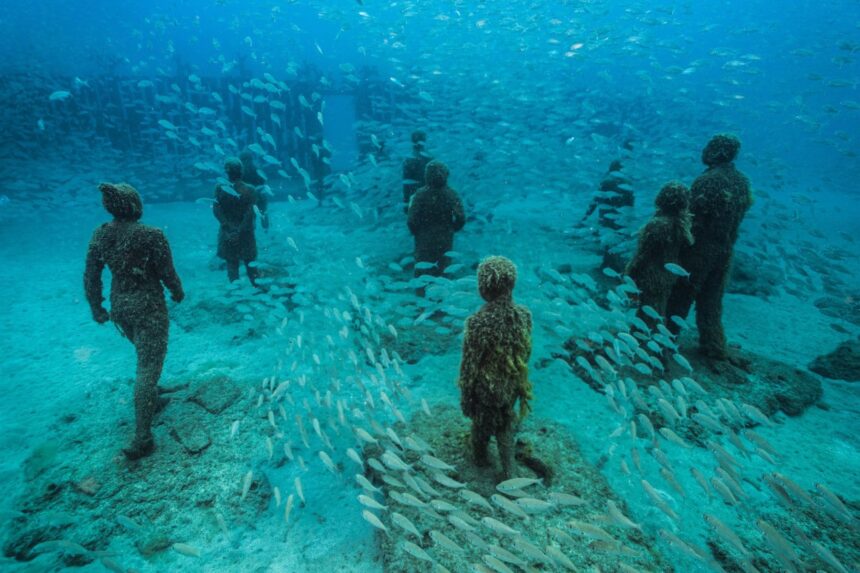
As the first underwater European museum, with over 300 sculptures, Museo Atlántico is a truly unique and inspiring dive site. The artist Jason deCaires Taylor, known for creating art that functions as artificial reefs to attract and protect marine life, produced numerous sculptures depicting various scenes of contemporary society, such as refugees, selfies, politicians, and bankers.
The sculptures are arranged in 12 installations at a depth of 40 to 50 feet (12 to 15 meters). These statues provide hard substrate for corals and sponges to colonize and for small reef fish and other fauna to inhabit, creating opportunities for dazzling, one-of-a-kind marine photography. Diving conditions are generally mild year-round and suitable for all skill levels.
Highlights:
- The Rubicon: A group of 35 human figures walking toward a wall, representing a barrier or portal to another world. The models are residents of Lanzarote.
- The Raft of Lampedusa: A reference to the refugee crisis, depicting a boat of people in distress seeking safety, inspired by Théodore Géricault’s famous painting.
- Los Jolateros: A group of children in small brass boats, representing a traditional craft of Lanzarote and symbolizing hope and optimism.
- The Human Gyre: A circular installation of 200 life-size sculptures representing the relationship between humans and nature and the cycle of life.
Runners up:
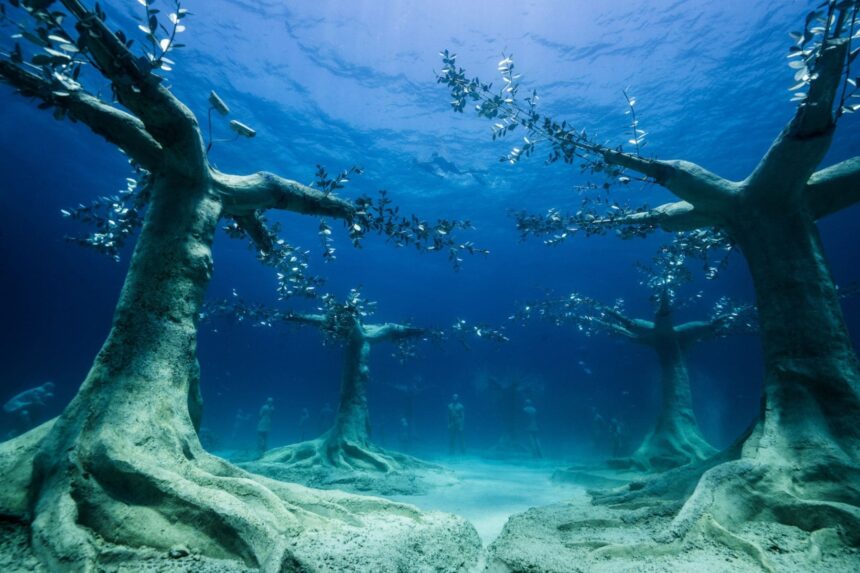
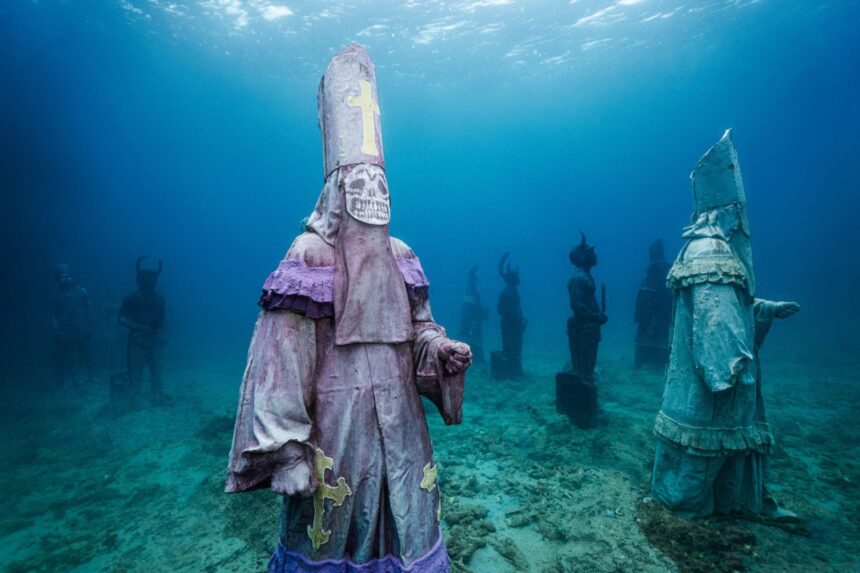


Jason deCaires Taylor has underwater art installations across the world, with major sites including the Coral Greenhouse and Ocean Sentinels in Australia, and
Each installation features unique sculptures and spectacular underwater scenery, offering a distinctive experience while exploring these dive sites.
13. Millennium Atoll, Kiribati
The Most Extreme Remote Diving on a Coral Atoll
Home of one of the most pristine, remote, and diverse coral reef systems in the world, Millennium Atoll is a dream dive destination near the island nation of Kiribati. Part of the Southern Line Islands, which are considered to be among the most intact marine ecosystems on the planet, the atoll has close to 100% coral cover and hosts 600 species of fish, 13 species of whales and dolphins, and 360 species of coral.
It is also home to some of the largest and healthiest populations of sharks in the world, as well as other large pelagic animals such as manta rays, eagle rays, dolphins, and whales. The atoll is a natural laboratory for studying the effects of climate change on coral reefs, as it experiences periodic bleaching events but also has a remarkable ability to recover and adapt.
However, there are very limited dive expeditions to this area, so divers must book ahead of time with all proper paperwork, documented experience, equipment, and medical clearance. This extreme remote diving is not for everyone, but it is an unmatched opportunity for the most intrepid travelers who seek discovery and a challenge. Truly once-in-a-lifetime.
Highlights:
- See a spectacular variety of corals and fish in one of the most remote coral reefs on Earth.
- Encounter reef sharks, silky sharks, occasional tiger sharks, and other large pelagic marine life in clear water.
- Learn firsthand about the resilience of the reef in the wake of climate change.
The list goes on…
The different dive sites we have chosen above are guaranteed to amaze you and leave you with stories and memories of a lifetime (and hopefully photographs too) of these one-of-a-kind underwater adventures.
Each site that made this list is a true gem of the underwater world that merits exploration, admiration, respect, and excitement. That said, it only scratches the surface of all the places to discover in our beautiful aquatic biosphere. Keep exploring!
 Take a moment to look at this.


Timor-Leste is very underrated diving spot. I think the place should reign number of one I doubt.