














The demand for commercial divers is expected to grow 37 percent between 2014 and 2024, according to the U.S. Bureau of Labor Statistics. The need for specialty divers is rising at an even more dramatic rate, and several experts report that current demand for specialty divers far outweighs the supply. You would need to be highly trained and certified and be in good physical and mental health condition to succeed as a specialty diver. If you believe that you would like to move from the standard diving jobs like instructing and working as a tour guide, read on and explore the world of specialty diving careers.
Underwater Welding
Underwater welding is one of the diving specialties with a high demand for divers. To qualify for training as an underwater welder, a diver is generally required to have a commercial diving certification and a welding certification. Then additional training is given to help the divers to learn the ropes. These certifications may require significant investment, and some students finance their education by seeking out student loans. Underwater welders usually work in the construction industry, and they can be deployed in installations such as underwater bridges and inland dams.
Offshore Saturation Diving
Saturation divers work are involved in construction and demolition work hundreds of feet below the sea surface. Some offshore saturation divers are welders, but their work differs from that of standard underwater welding because it involves diving hundreds of feet below the water surface. Saturation diving jobs usually involve very delicate tasks, and divers depend on pressurized air for breathing. Usually, divers stay for weeks on end in saturation systems on ships, rigs or barges, and they commute to their workplaces through pressurized diving bells. These precautions are necessary to prevent divers from getting decompression sickness. Saturation divers are usually employed by the petroleum industry, and divers can be employed to do anything from maintaining and disassembling oil rigs, wells and pipelines to tightening bolts in hydraulic jacks.
Maritime Archaeologist Jobs
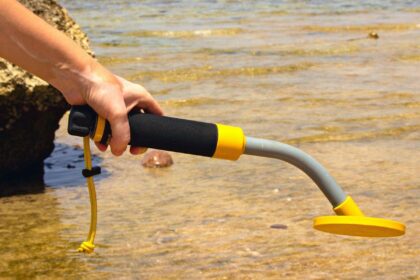
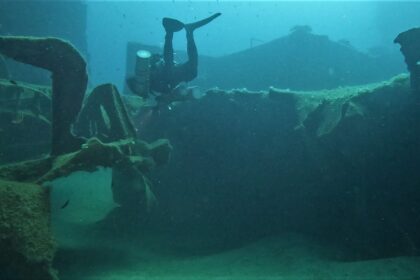
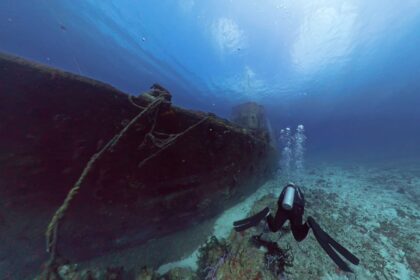
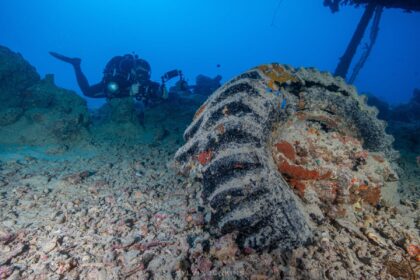
Maritime archaeologists earn a living by exploring archaeological remains under the water surface. Such archaeologists dive in wrecks, lakes, harbors and similar places. To qualify for such jobs, a diver needs to enroll for an archeology course, usually an M.A in archaeology or anthropology. In addition, the diver needs to be a proficient scuba diver with the relevant certifications. Archaeologist divers are given additional training in using a variety of sensing equipment. The divers usually work out of a variety of locations, including on barges and inland camps. The divers usually stay in the same place for weeks at a time. The divers typically work in teams for long hours each day. Maritime archaeologists enjoy the thrill of discovering details about ancient civilizations, shipwrecks, artifacts and similar items of historical value.
Marine Research And Conservation Diving
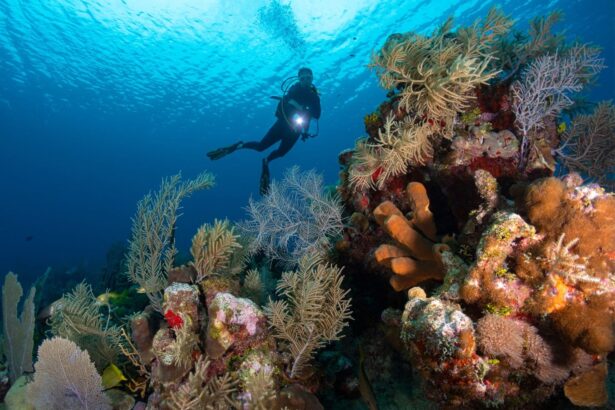
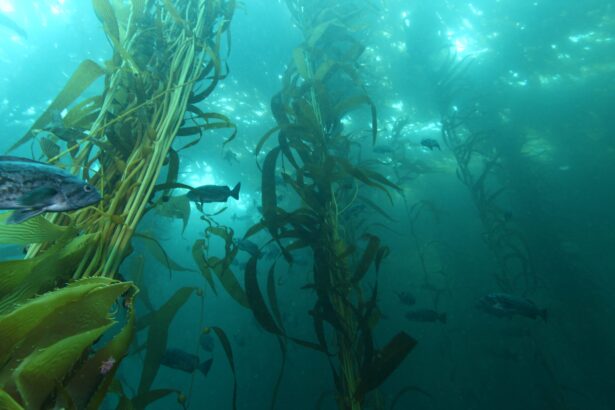
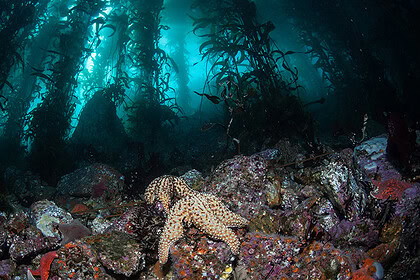
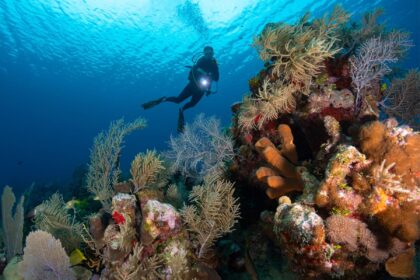
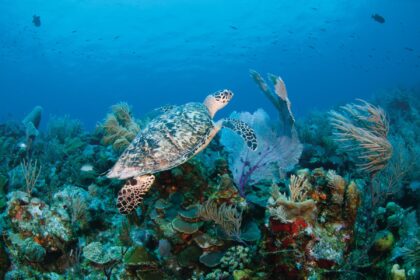
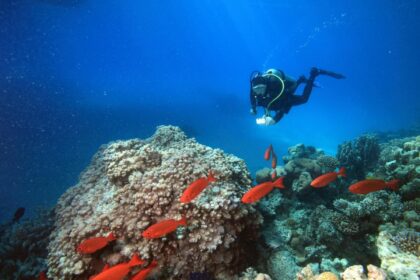
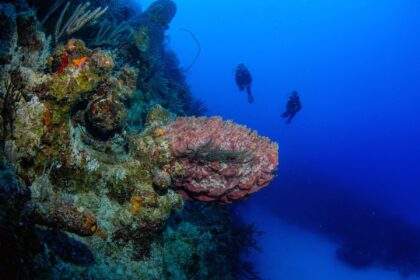
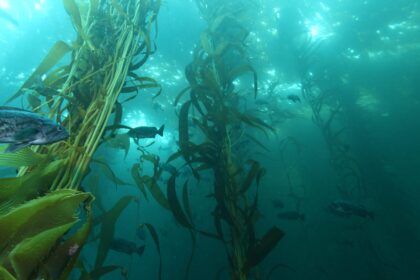
Marine research and conservation divers use their diving skills to protect the world’s oceans and lakes. Tasks done by such divers include restoring damaged coral reefs, measuring biodiversity, turtle and fish surveys, culling invasive underwater plants, and shark conservation. To qualify as a conservation diver, you need to have an Open Water qualification and other specialty qualifications like coral Coral Reef Research Diver certification. Marine conservation divers can intern and work with organizations like Global Vision International, Tropical Reef and Conservation Centre, and Blue Ventures. The divers have the satisfaction of helping conserve the planet, and many divers who participate in such dives enjoy their work so much that they go on to volunteer for similar programs.
Commercial diving can be a demanding and satisfying profession. Currently, the demand for specialty divers far outweighs the supply. Divers who need to move on from regular scuba diving careers have a wide variety of specialties available.
 Take a moment to look at this.