























Waterproof cameras vary widely in real-world performance, and not all models deliver the same image quality, usability, or durability once you are in the water. Differences in sensors, stabilization, controls, and housing design can significantly impact results, especially when shooting at depth or in low-light conditions.
At DIVEIN, our team has more than 15 years of experience diving across Southeast Asia, the Caribbean, and the Red Sea, testing dozens of waterproof cameras from budget action cams to advanced compact systems. Each model was evaluated in real ocean conditions using consistent criteria, including image quality at depth, low-light performance, ease of use with dive gloves, and durability over multiple dive trips. Based on this hands-on testing, we selected the best waterproof cameras for 2026, covering options for snorkelers, recreational divers, and travel-focused setups to help you choose the right camera for your needs.
Olympus Tough TG-6

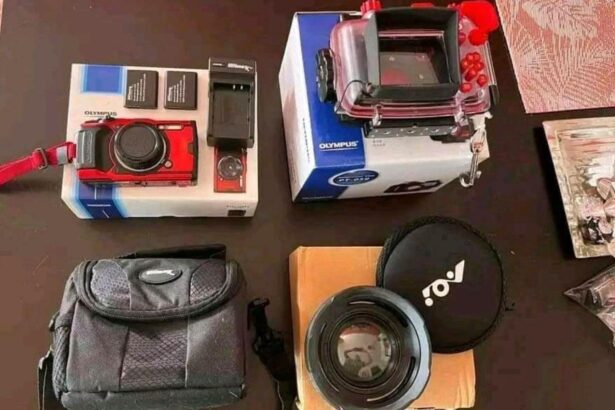
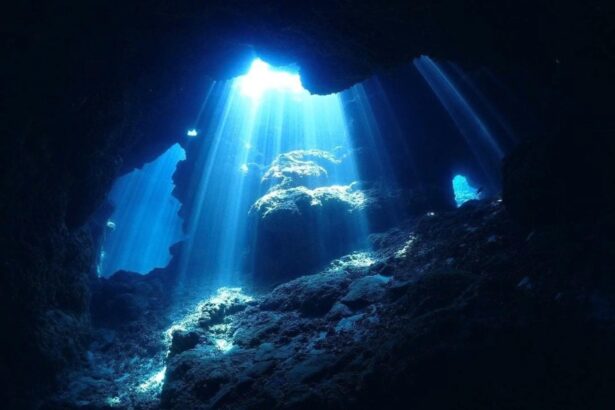
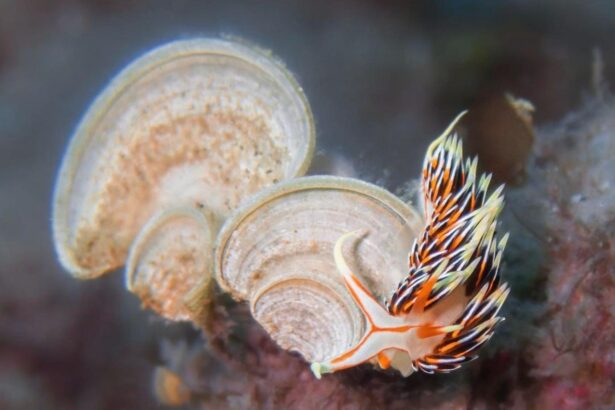
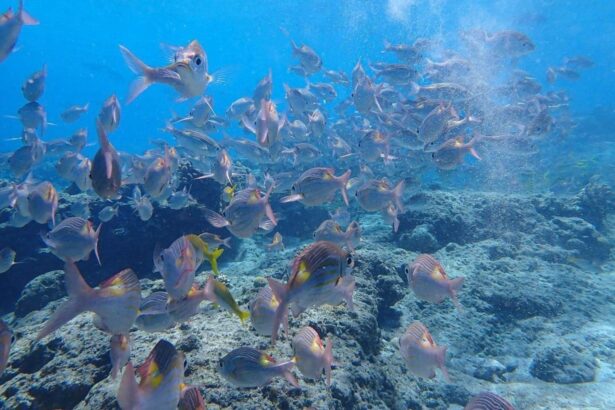
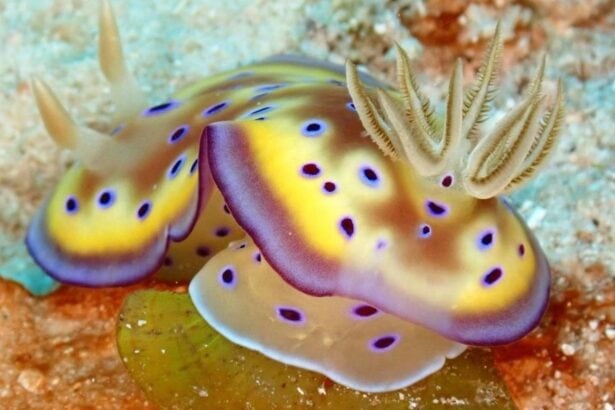


Olympus Tough TG-6 Underwater Camera review
If you’re looking for an exceptionally durable and reliable waterproof camera, the Olympus Tough is a good choice. This underwater camera’s unique selling point is that it’s waterproof, shock-proof, crushproof, and freezeproof.
Besides its durability, it also takes excellent photos and can capture a water drop in 4K resolution. The Olympus Tough’s zoom can extend up to eight times, so small details in the distance are easy to capture. Image quality, even without editing is vivid and bright.
The Olympus TG-6 has a very unique lens that allows incredible macro photography without any external lens. The microscope mode allows focusing from as close as 1 Inch and while this camera doesn’t have a full manual mode, you can actually get professional shots with this tiny compact.
Perfect for shallow dives, snorkeling, and swimming with five underwater shooting modes, the Tough underwater camera is also suited to other outdoor pursuits.
One of the most durable picks on the market, this underwater camera is a great choice for shallow dives, snorkeling, and people who want a camera they can take anywhere.


Buyer’s Guide: Finding the Best Waterproof Camera
Before heading to the shop in order to buy a high-quality waterproof camera, first, you need to make sure you’re knowledgeable enough to distinguish a high-quality camera from an ordinary one. And in order to get this kind of knowledge, you need to be aware of a few crucial steps that will impact your buying decision positively.
And in the following section, you’ll find out what matters and what doesn’t…
Budget for a Waterproof Camera
First and foremost, you need to determine your budget. Skipping this step will result in over-spending. And this is something you perhaps want to avoid. Once you’ve taken care of this step, you can proceed to determine the features your camera needs to encompass…
Waterproof Camera’s Variable Aperture
In other words, this leaves a considerable impact on your pictures’ quality. Typically, a variable aperture lens is printed on the camera’s body or adjacent to the lens. And it’s represented like this “f/2.0 – f/3.0.” In this example, you can see the minimum and the maximum range of the variable aperture lenses. The wider the lens of a waterproof camera, the better the photo quality you’re going to experience.
Waterproof Depth
It’s crucial to know the purpose of the waterproof camera. If you’re planning to scuba dive, then you need to ensure the camera you’re about to buy comes with quite an extended depth range. For example, the high-quality cameras are extended up to 30 meters below the water surface. Some exceptions can go even further, up to 40 meters underwater. Whereas, if you’re merely planning to surf with the camera attached to your board, you don’t need to strive for extensive water depth.
Zoom on a Waterproof Camera
When zooming is brought to the discussion, you need to look at the type of zoom each camera is designed with. Our suggestion is to go with optical zoom since it provides you with more features and improved qualities compared to the digital zoom. Next, you need to determine the capability of the zoom camera. If you would like to capture long-distance photos with a clear expression of the details, then make sure you go with at least a 10x zoom on your waterproof camera.
Megapixels
The best waterproof cameras have a high count of megapixels. This critical feature is widely known to the audience. However, also widely neglected. Megapixels are one of the significant parts of a high-quality image. The more megapixels your waterproof camera features, the brighter and lively your photos will be. Don’t neglect this factor.
Video Resolution
When it comes down to video resolution, you need to know the higher it is, the better. Today, 4k resolution cameras bring the best video images and quality on the market. It will undoubtedly leave you highly impressed. And in fact, most of the cameras that feature such kind of video resolution, aren’t so frightening expensive. Yet, they aren’t the cheapest.
If you don’t have the budget for a 4k resolution, there’s nothing wrong with 1080p cameras. It still provides an outstanding pixel and quality, and it’s sure to leave you impressed for the budget you’re spending.
Buyer’s Guide: How to Choose a Waterproof Camera
Choosing the right waterproof camera isn’t just about resolution or price. Underwater environments introduce unique challenges like light loss, color distortion, and movement, all of which affect image quality. Here’s what actually matters when selecting a camera for snorkeling or diving.
Budget
Waterproof cameras range from affordable point-and-shoot models to high-end compacts and action cameras.
If you’re a casual snorkeler or traveler, a budget-friendly camera will get the job done. For divers or those looking for higher-quality footage, spending more typically means better sensors, improved low-light performance, and stronger video capabilities.
Sensor Size
Sensor size has a major impact on image quality, especially underwater. Larger sensors capture more light, which improves detail, dynamic range, and color accuracy.
This becomes increasingly important as you descend, since water absorbs light and reduces visibility. Cameras with larger sensors perform significantly better in deeper or low-light conditions compared to smaller-sensor models.
Megapixels
Megapixels determine image resolution, but more isn’t always better. Extremely high megapixel counts can actually reduce low-light performance on smaller sensors.
For most users, anything in the 12 to 20 MP range is more than enough for sharp images and video capture.
Aperture
Aperture controls how much light enters the lens. A wider aperture (lower f-number) allows more light in, which improves performance in darker underwater environments.
This is particularly important for diving, where available light drops quickly with depth.
Depth Rating
Not all waterproof cameras are built for diving. Some are only rated for shallow water use (snorkeling or surface swimming), while others can handle recreational diving depths.
Always check the maximum depth rating and consider whether you’ll need an additional housing for deeper dives.
Zoom
Optical zoom allows you to get closer to subjects without sacrificing image quality, which is useful for marine life that you can’t physically approach.
Digital zoom, on the other hand, reduces image quality and is far less useful underwater.
Video Resolution
Most modern waterproof cameras shoot in at least 4K, with some offering higher resolutions and frame rates.
Higher resolutions provide more detail and flexibility when editing, while higher frame rates are useful for capturing fast-moving subjects or creating slow-motion footage.
Stabilization
Underwater shooting introduces constant movement from currents, buoyancy, and breathing. Good stabilization is essential for usable video.
Many cameras use electronic stabilization, while some offer optical stabilization. Action cameras in particular tend to excel here, making them a strong choice for video-focused users.
Battery Life Underwater
Battery performance is often shorter underwater, especially in cold water or when shooting in high resolutions.
Most cameras last between one to two hours of continuous use, but real-world dive conditions can reduce that. If you’re planning multiple dives per day, spare batteries are highly recommended.
Underwater Modes
Some cameras include dedicated underwater or dive modes that adjust white balance and color settings to compensate for the loss of reds and warm tones.
These modes can significantly improve image quality straight out of the camera, especially for beginners who aren’t editing footage afterward.
Macro Capability
If you’re interested in photographing small marine life, macro capability is important.
Cameras with strong macro performance can focus at very close distances while maintaining sharp detail, making them ideal for subjects like nudibranchs, coral textures, and small reef creatures.
Best Waterproof Cameras by Use
Not every waterproof camera is built for the same type of water activity. Some are optimized for deep diving and low-light conditions, while others are better suited for surface-level snorkeling or action-heavy video. Here’s how the top picks break down by use case.
Best for Diving
Cameras in this category are designed to perform well below the surface, where light is limited and color fades quickly. They typically feature larger sensors, better low-light performance, and stronger depth ratings. Many also support manual controls or advanced shooting modes, which become more important as you dive deeper.
If you’re planning to scuba dive regularly, this is where you should focus your attention.
Best for Snorkeling
For snorkeling, simplicity and portability matter more than advanced controls. These cameras perform best in shallow, well-lit water and are easy to operate without needing to adjust settings mid-swim.
They’re ideal for travelers or casual users who want good results without a learning curve.
Best Budget
Budget-friendly waterproof cameras prioritize ease of use and accessibility while still delivering solid image and video quality. They’re a good choice for occasional trips, beginners, or anyone who doesn’t need advanced features like manual controls or high-end sensors.
While they may lack some performance in low light or at depth, they still perform well in typical vacation conditions.
Best Action Cam
Action cameras are built for video-first shooting and excel in stabilization, mounting flexibility, and durability. They’re particularly well-suited for capturing movement, whether you’re freediving, swimming through reefs, or recording fast-paced underwater scenes.
They may not always match dedicated compact cameras in still image quality, but they offer unmatched versatility for video.
Frequently Asked Questions about the Waterproof Cameras
The best waterproof camera for scuba diving in 2026 depends on your experience level and budget. Compact rugged cameras like the OM System Tough TG-7 (successor to the TG-6) remain top choices for beginners and casual divers due to their ease of use and macro capability. Action cameras like the GoPro HERO12 Black are great for video but require a housing for deeper dives. For higher-end underwater photography, mirrorless cameras in dedicated housings offer the best image quality but come at a significantly higher cost.
Most modern GoPro cameras are waterproof without a housing, typically down to around 33 feet (10 meters). This is fine for snorkeling, swimming, and shallow freediving. For scuba diving beyond that depth, you will need a dedicated waterproof housing to protect the camera and maintain image quality.
A waterproof camera is designed to resist water to a limited depth without additional gear, making it ideal for casual use. An underwater camera typically refers to a camera system used for diving, which often includes a housing that allows it to go much deeper. In practice, many serious underwater photographers use standard cameras inside specialized housings rather than relying on built-in waterproofing.
Most waterproof cameras are rated for depths between 30 and 50 feet (10 to 15 meters) without a housing. This is suitable for snorkeling and shallow dives. For scuba diving, especially beyond recreational depths, you will need an underwater housing that can extend depth ratings to 130 feet (40 meters) or more.
A red filter is often useful for underwater photography, especially in blue water at depths between about 10 and 60 feet. Water absorbs red light quickly, so images can appear blue or green. A red filter helps restore more natural colors when shooting without artificial lighting. For deeper dives or more accurate color, using an external strobe or video light is more effective.
Yes, the Olympus TG-6 is still worth buying in 2026 if you find it at a good price. It remains one of the best compact waterproof cameras for underwater use, with excellent macro performance and solid image quality. However, the newer OM System TG-7 offers incremental improvements, so it is usually the better choice if prices are similar.
You can use a smartphone underwater, but only with a proper waterproof housing. Most phones are only water-resistant, not designed for submersion at depth. A quality housing can allow safe use for snorkeling or diving, but touchscreen functionality and image quality may be limited compared to dedicated waterproof or underwater cameras.
 Take a moment to look at this.


