
















Where to book

Diving on the Sea Hunter
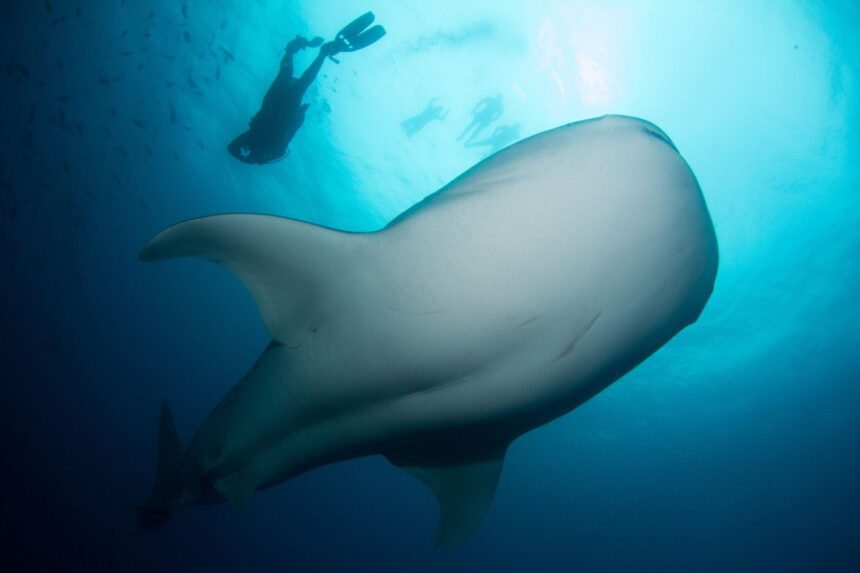
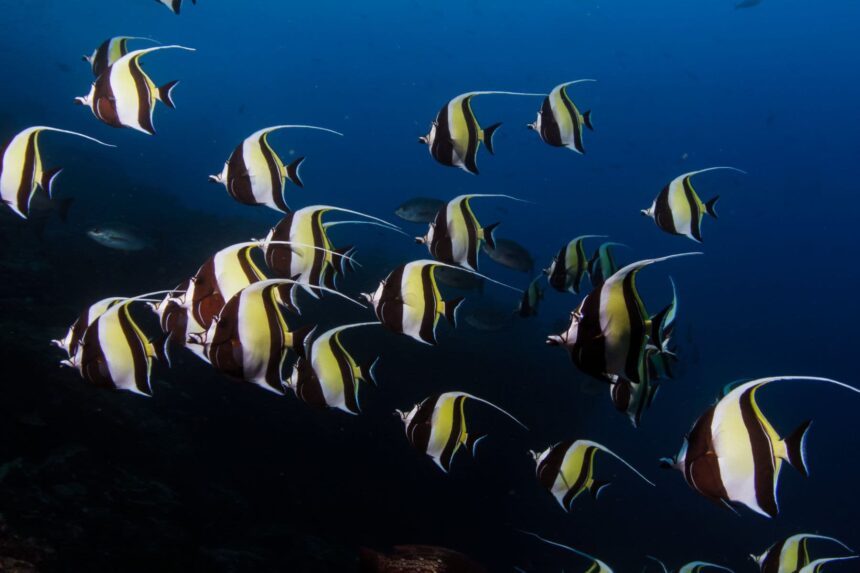
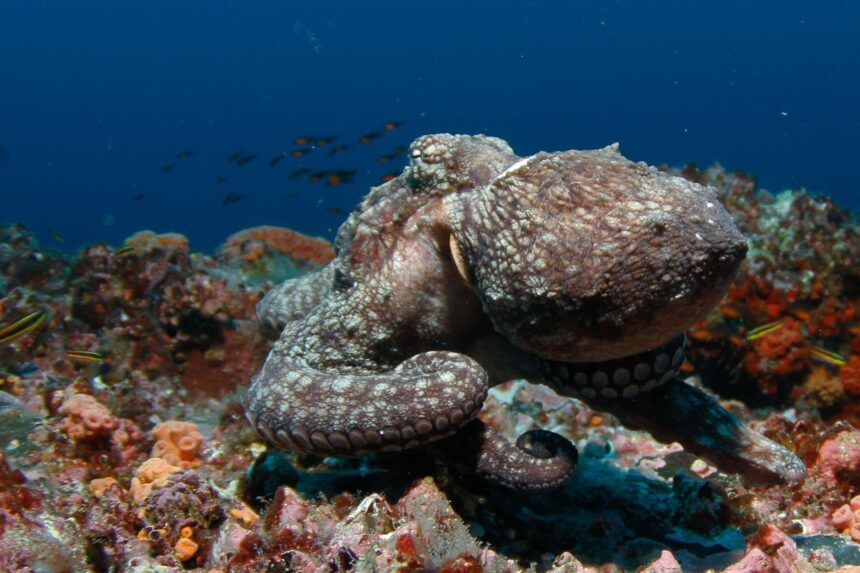
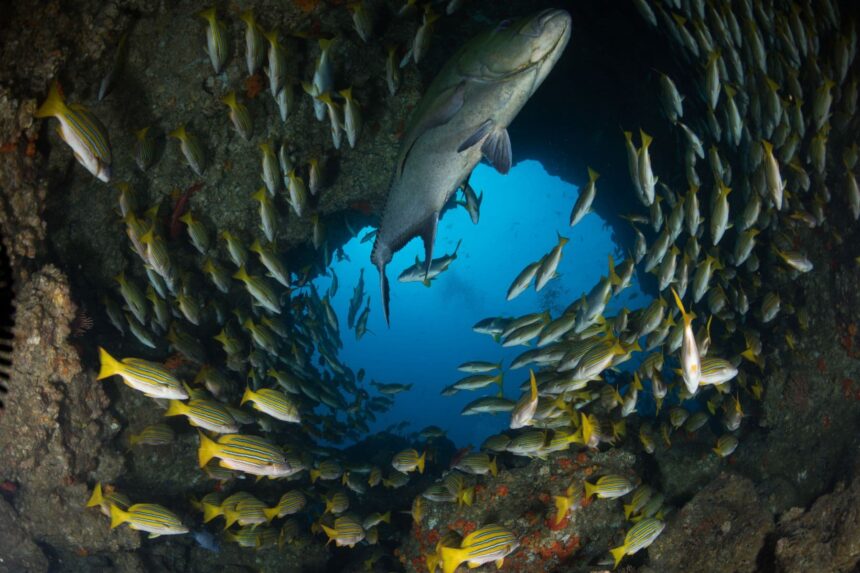


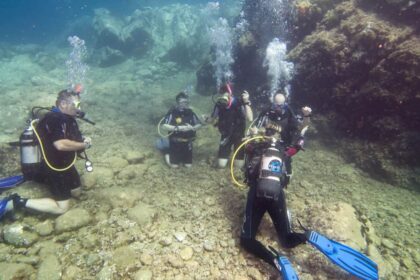
Diving from the Sea Hunter is a big treat, and not just because the boat is huge. Water temperatures range from 75 to 82 F (23 to 28 C). However, thermoclines can create greater fluctuations. The average annual air temperature is 80 F (27 C), so you’ll warm up quickly from chilly dives.
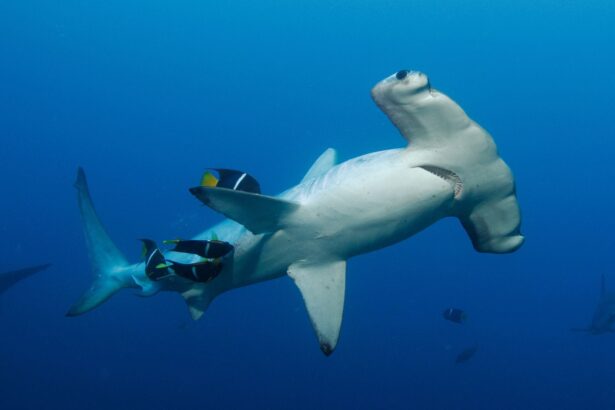
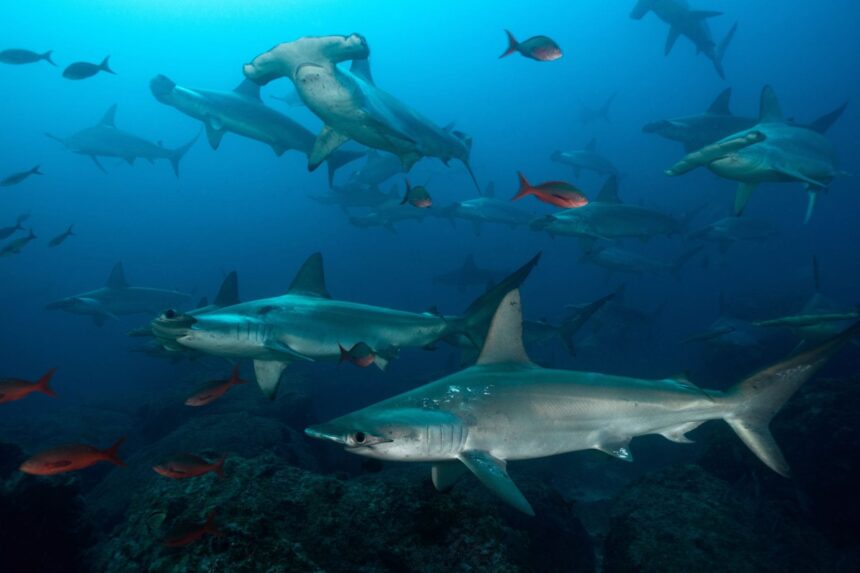
Underwater visibility can exceed 80 feet (23 m) during the dry season (December through June), but falls during the rainy season (May through November). Dry season divers have a much greater chance of seeing hammerhead sharks.
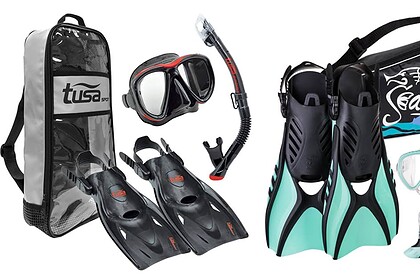
Trips are 10-11 nights, and you can count on up to 21 dives per trip, depending on depth, conditions, and optional excursions. A nitrox course is offered during the crossing, and since the Sea Hunter offers complimentary nitrox for those with certification, it’s a great time to make the investment. If you like to travel light, equipment rentals are available for a fee.
The boat departs for Cocos from the Puntarenas dock, about two hours away from San Jose. Sea Hunter assists with transportation from the international airport, maintains a list of recommended hotels in the area, and can arrange those accommodations for you. We suggest staying at one of these properties, as the boat transport service does not pick up from all hotels in San Jose.
Once you reach Cocos, two skiffs will zip you to and from the multitude of dive sites, and strive to use the ride to optimize topside wildlife watching and photogenic vistas. Dolphins and whale bait balls are favorites to see.
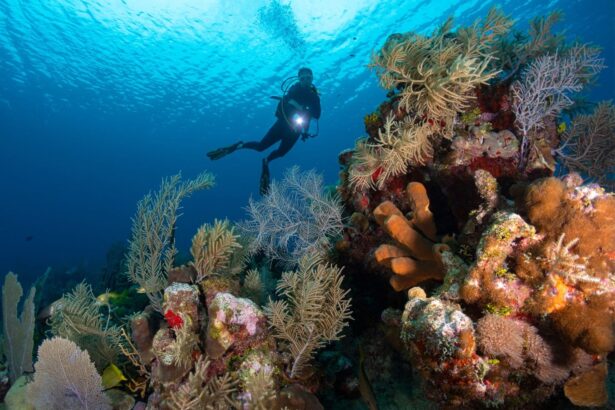
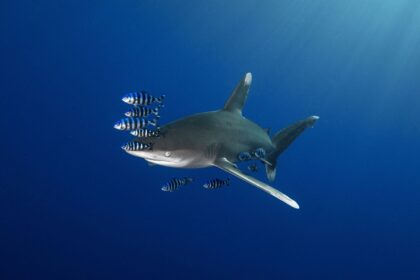
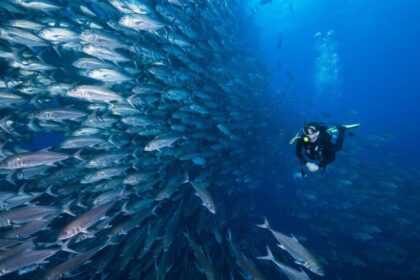
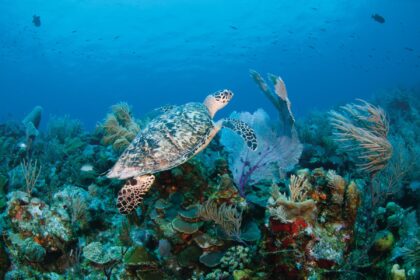
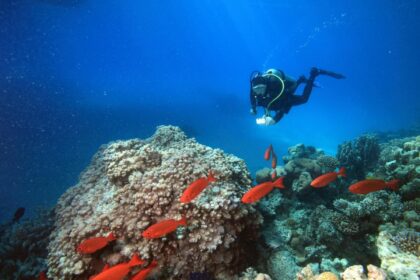
When it comes to dive sites, Alcyone is the star of Cocos Island, displaying virtually everything that the island has to offer, from schooling hammerheads to passing whale sharks. Note that both current and surge are infamously strong at Cocos Island, so divers should be experienced with and comfortable diving in frequently challenging conditions.
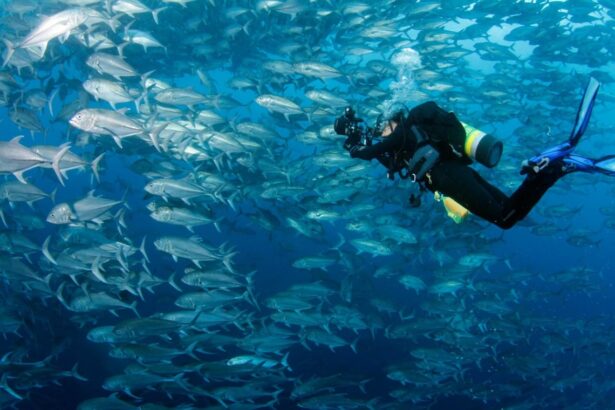
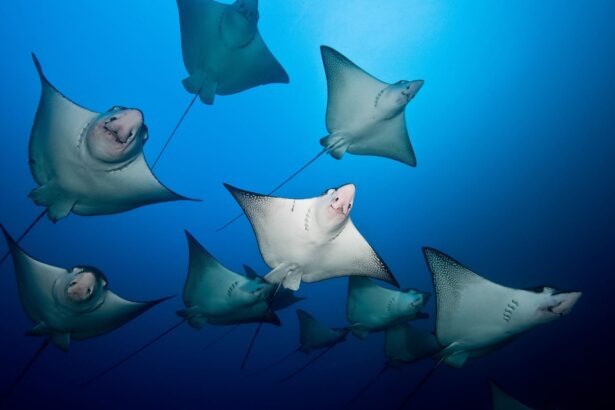
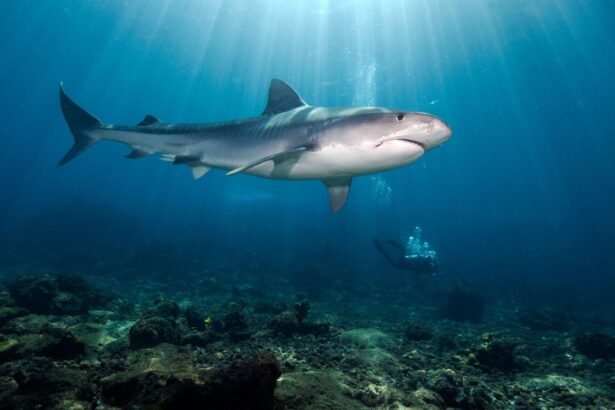
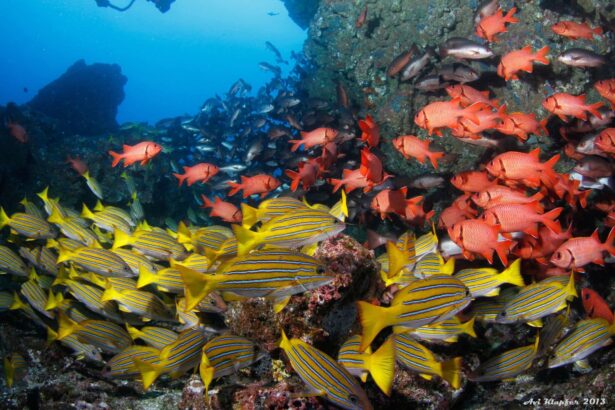
Visits to calmer sites yield schooling fish, rays, and occasional silvertip sharks, and the dive sites around the islet of Manuelita feature cleaning stations and the occasional tiger shark sighting.
Highlights:
- Marine biodiversity
- Dive site variety
- Complimentary nitrox (for certified divers)
Onboard the Sea Hunter
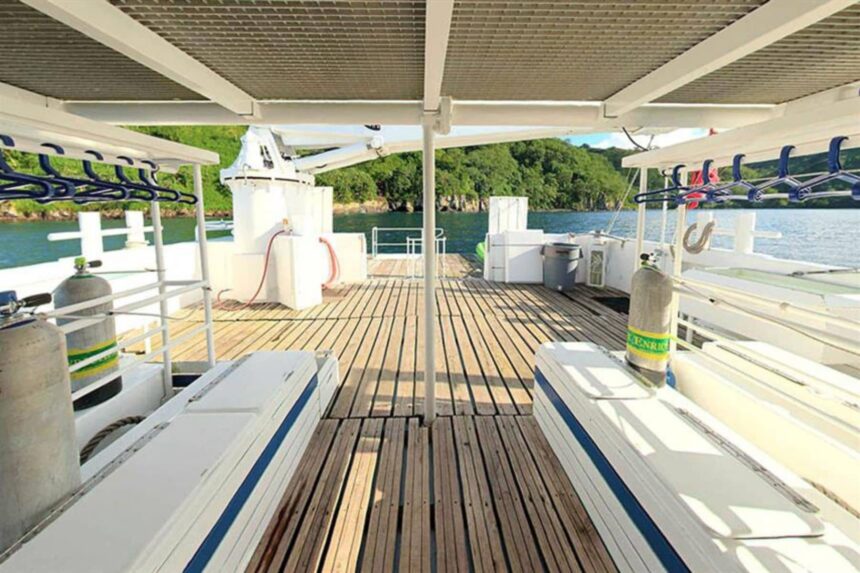
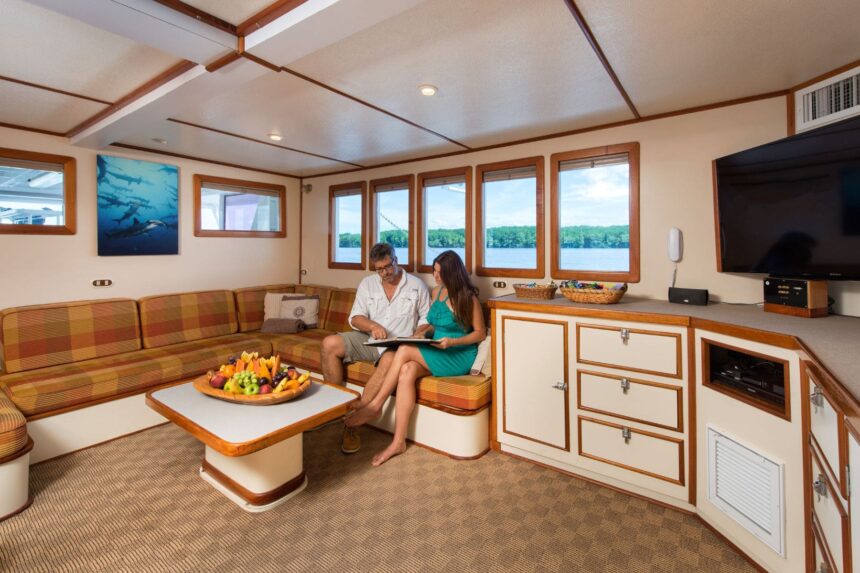
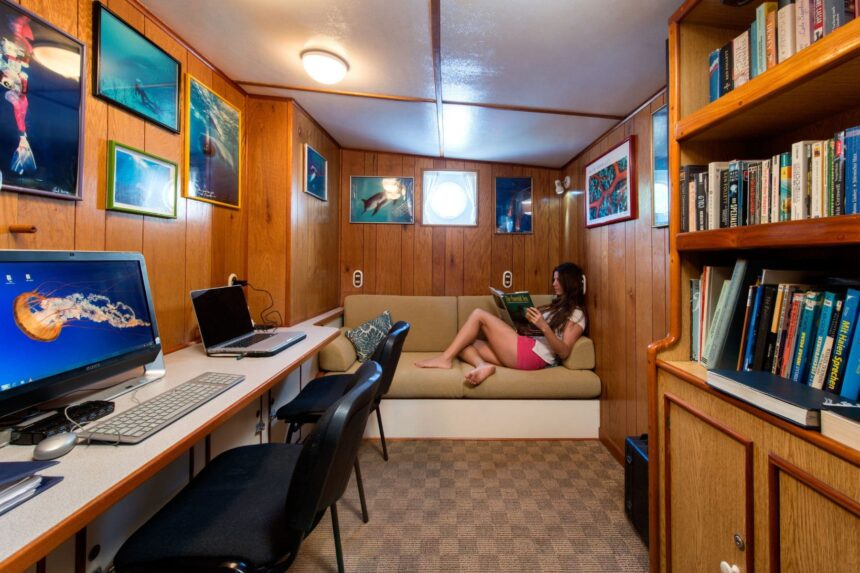
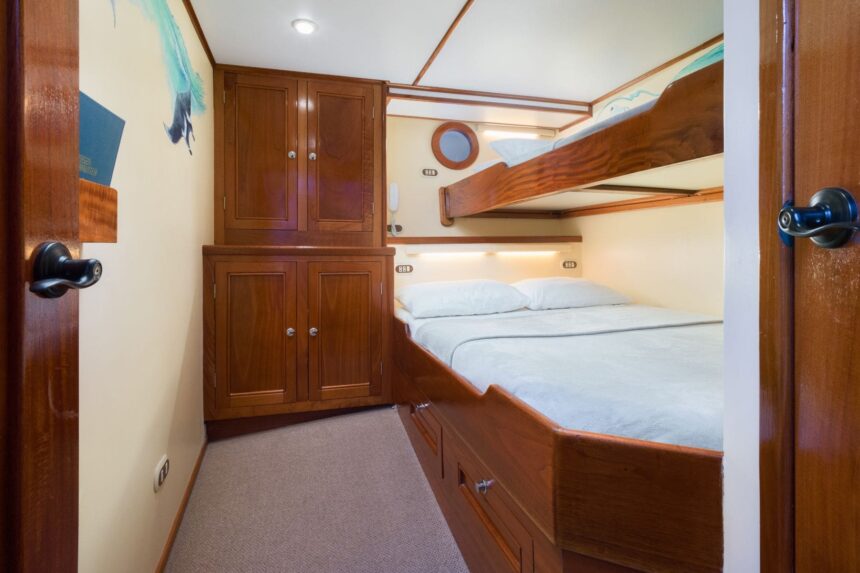
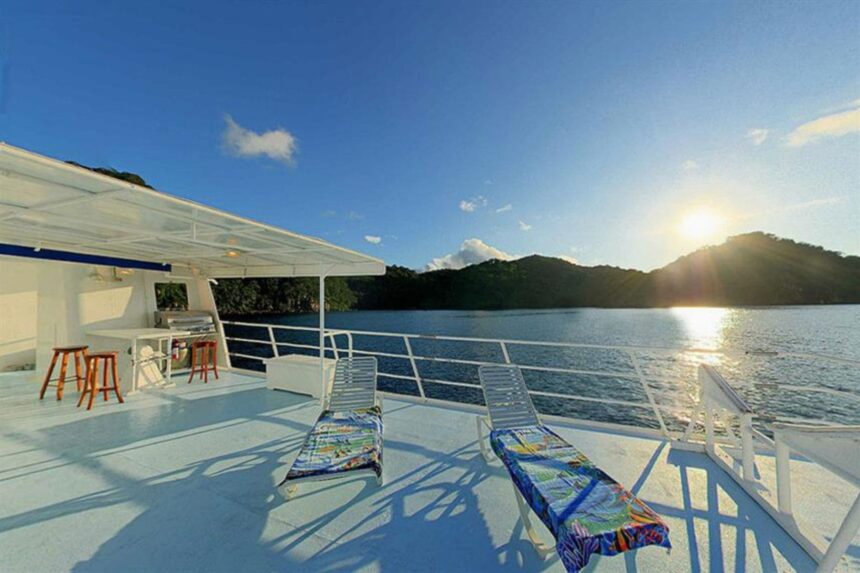


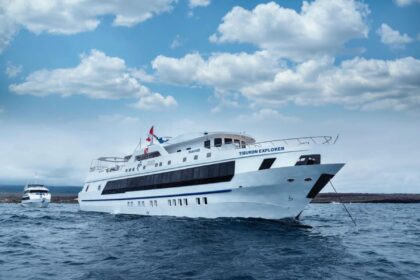
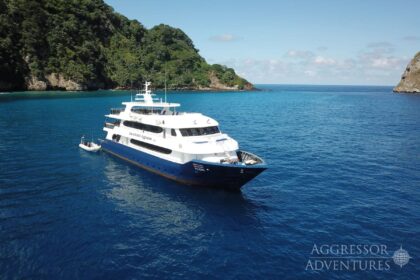
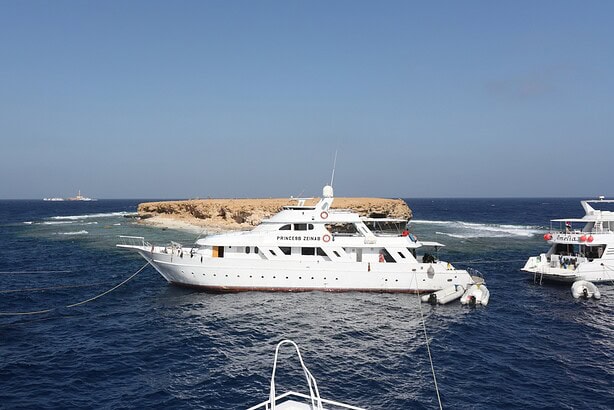
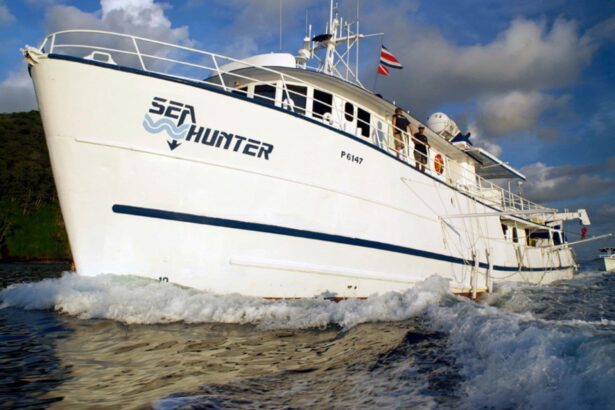
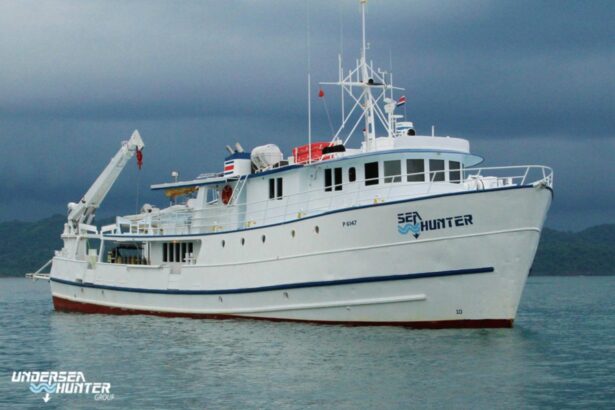
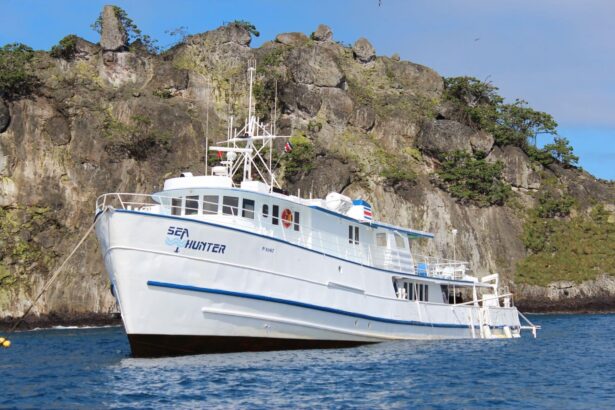
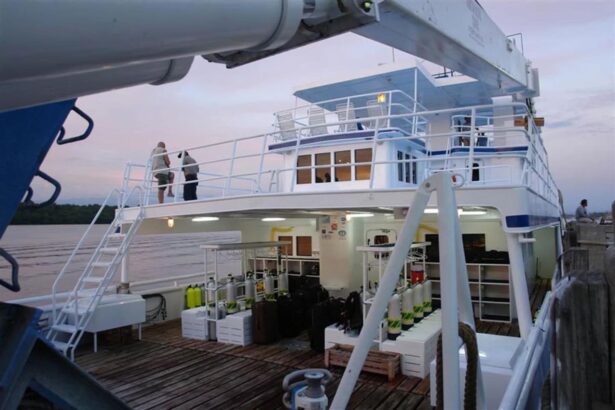
Originally built in 1980, the Sea Hunter has been rebuilt and remodeled many times, most recently in 2014. Designed as an oil industry support boat, the deck space is expansive and impressive. It is a sturdy 118 feet (36 m) long, and the main deck is a whopping 33 feet by 24 feet (10.3 m by 7.4 m).
The boat’s size usually means a steady voyage to Cocos Island from the mainland. The upper deck is ideal for sunning or alfresco dining and, at 1000 square feet (93 square meters), you have plenty of space to stretch out.
The vast dive deck is equipped with 20 personal dive gear storage boxes and 20 personal camera storage spaces with stabilized and surge-protected 110v outlets.
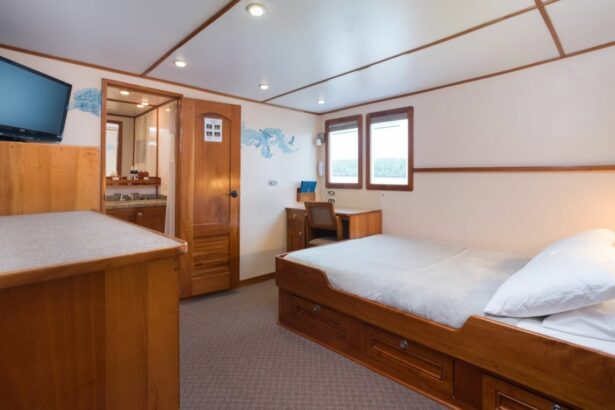
Inside, there are 10 cabins in multiple configurations. All cabins feature air conditioning, ensuites, and flatscreen TV/DVD players. Each room is aquatically themed with original artwork by the renowned artist in residence of the Schmidt Ocean Institute, Carlos Hiller.
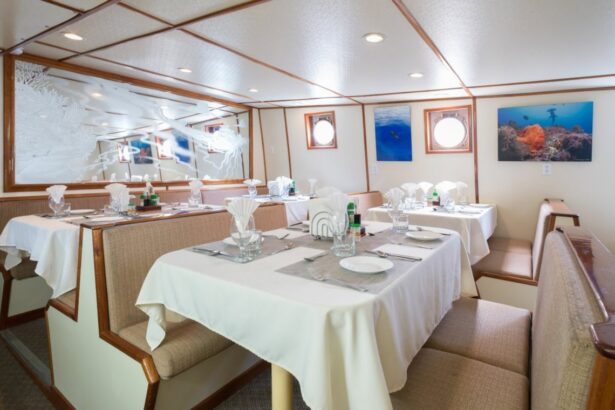
The primary dining area offers booth-style seating and a more casual lounge with a coffee table. With natural lighting and vibrant artwork, you will be recharged and refueled for remarkable dives. Next to the dining area is the computer room and library, which includes two computer workstations, a case of books, and a small couch.
No WiFi is available, but it is the perfect place to edit photos or study identification guides. A satellite phone is available for an additional charge to make and receive calls if you need to connect.
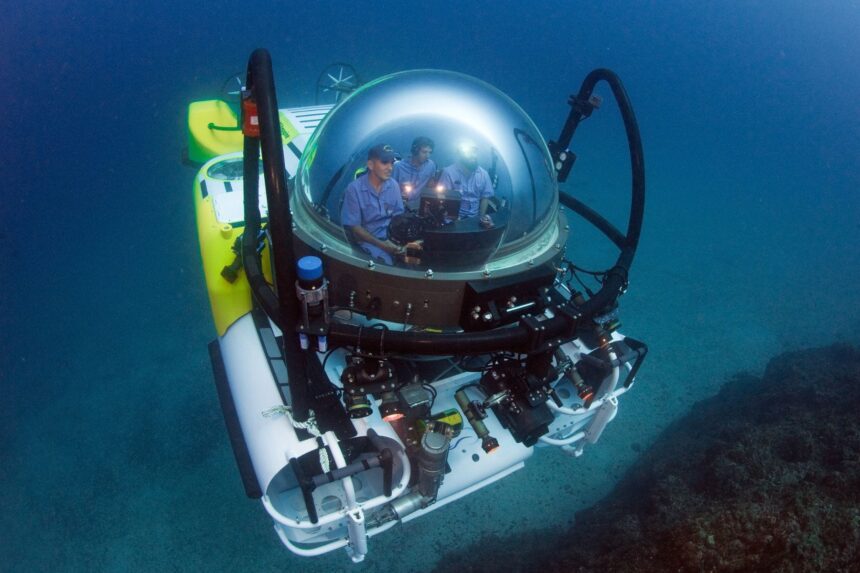
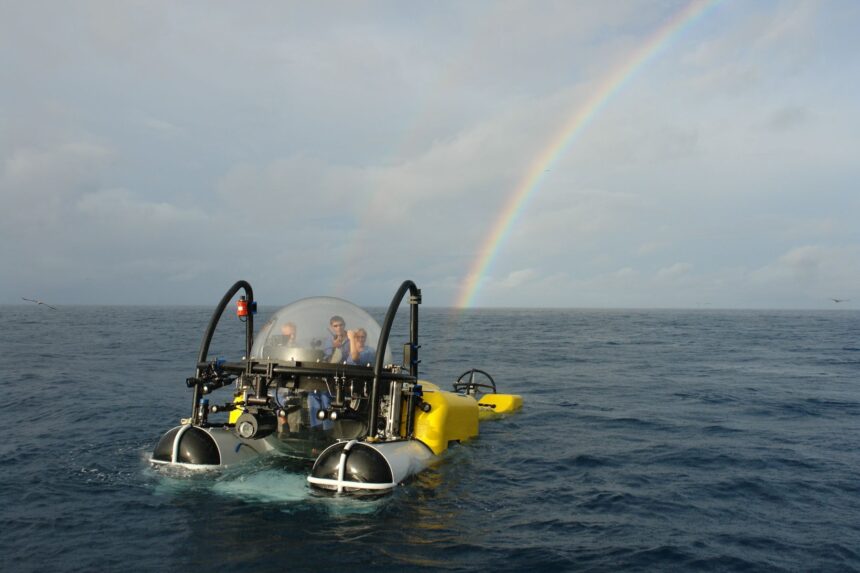
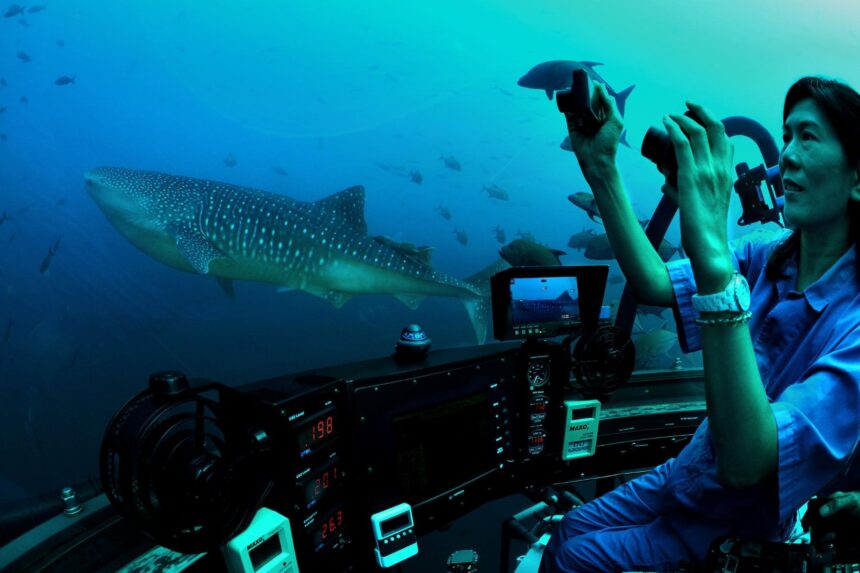
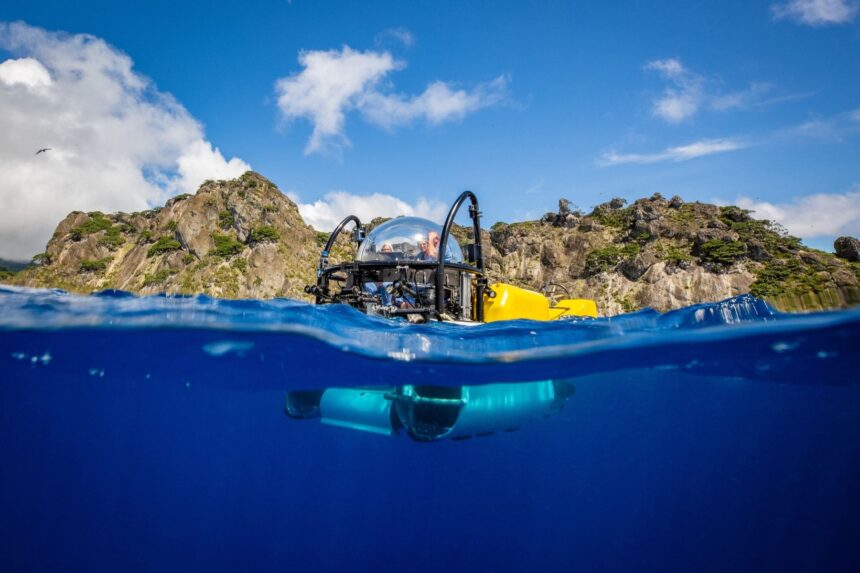


For non-diving excursions, you can opt to explore the depths up to 1,500 feet (450 m) in the onboard submersible, the DeepSee. Check with the Sea Hunter before booking if DeepSee is on your to-do list, as the submersible is sometimes on expeditions with other agencies like National Geographic. Electing to go on the submarine results in two missed dives and incurs a separate charge.
Likewise, the shore excursion to see the terrestrial wonders of Cocos Island results in one missed dive, but is well worth it. Pro-tip: bring binoculars if you plan on going ashore. Close to 100 species of birds can be spotted on Cocos Island, including endemic species. Binoculars will also give you an advantage when scanning the water’s surface for dolphins and whales.
- Bright cabins with original art
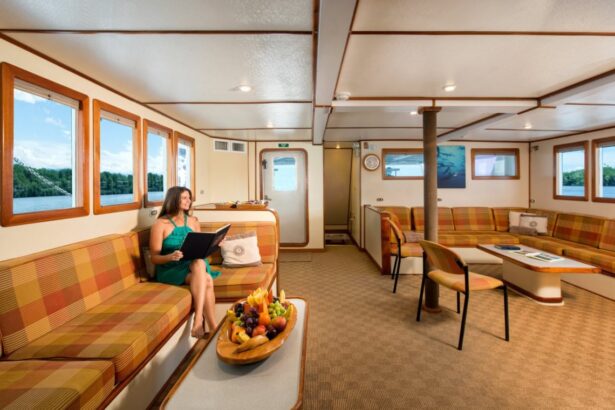
- Spacious decks and shared spaces
- A chance to plumb the depths in the DeepSee submersible
Dining on the Sea Hunter
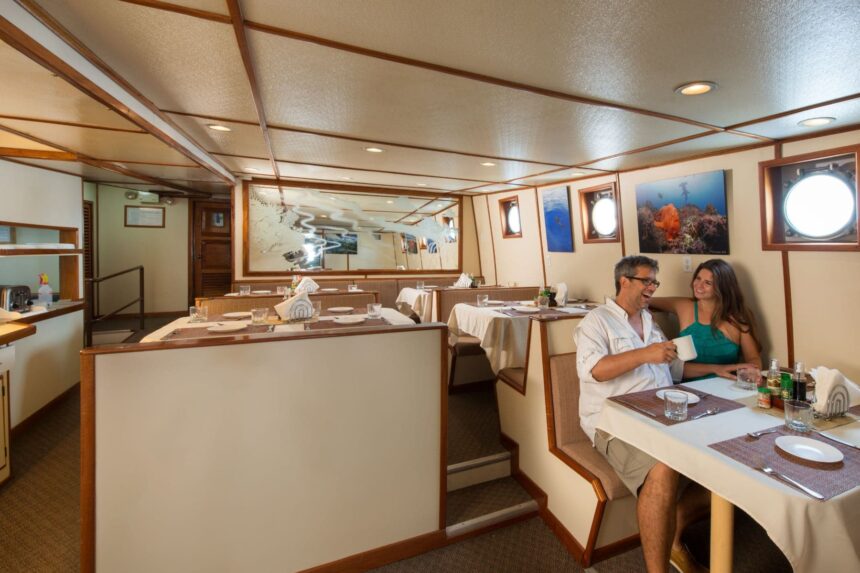
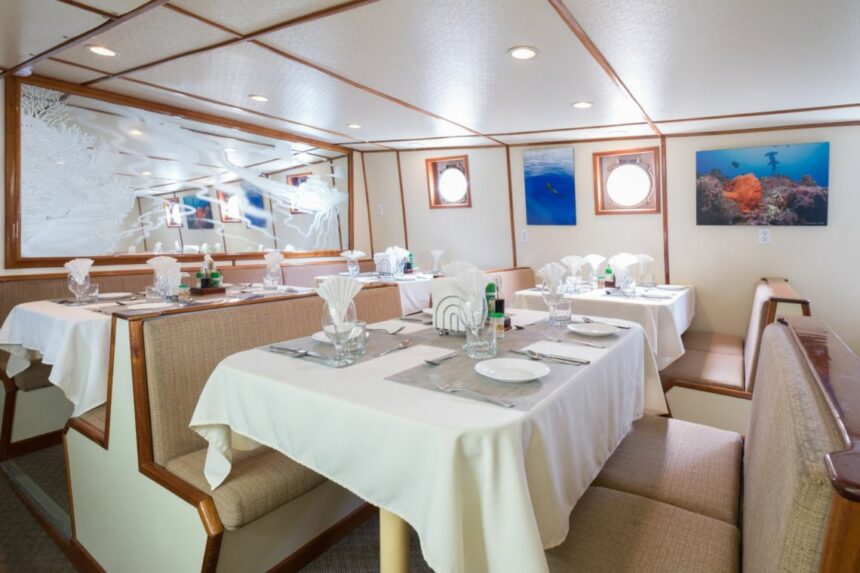
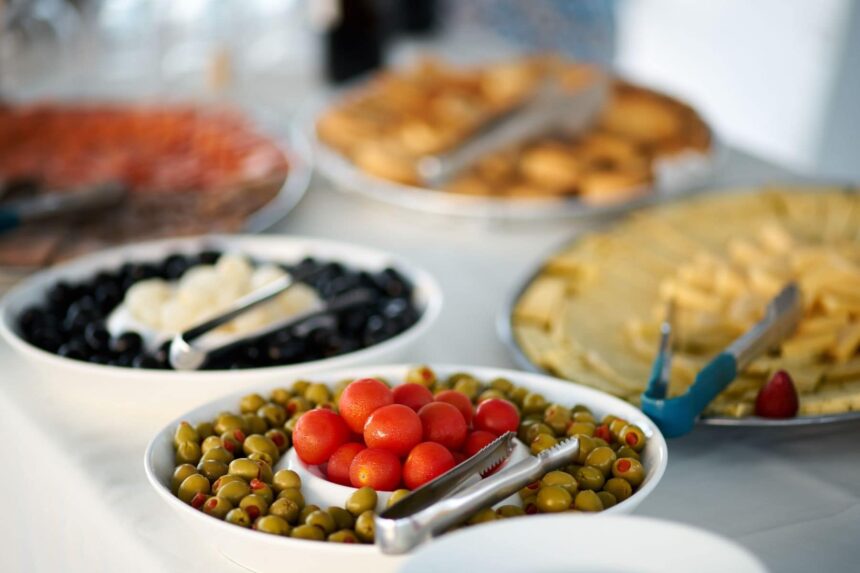


Roughly 10% of Costa Rica’s land is used in agriculture, resulting in exceptionally fresh ingredients on board. Meals are all served buffet-style, and tropical fruit is one of the stars. Cornucopia fruit bowls are constant fixtures. Salads are also plentiful and fresh.
Snacks such as cheese and crackers, tapas, and sandwiches are available all day. Dishes can be Costa Rican or international, with a strong American influence. Vegetarian and other special diets can be accommodated with advanced notice, as obtaining specialty items can be difficult.
To stay hydrated, water, coffee and tea are always available. Beer and soft drinks are also complimentary, and bottles of wine are available for purchase. Hard liquor is not provided on board, but passengers are welcome to bring their own.
Highlights:
- Local and fusion dishes
- Complimentary beer
- Fresh tropical fruit
Things we like:
- Dive site diversity and marine life
- Spaciousness onboard
- Submarine available for extra cost
Things we don't like:
- Land and submarine excursions result in missed dives
- Required park and other fees not included
- Limited adult beverages included
- No WiFi
 Take a moment to look at this.


