
















 Murex & Lembeh Resort
Passport to Paradise: The Stress-Free Way to Dive North Sulawesi with Murex & Lembeh Resort
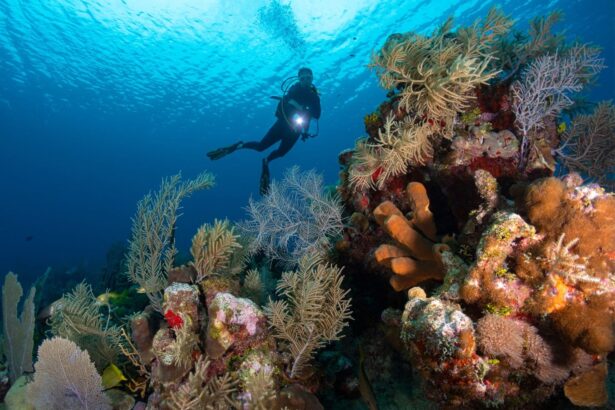
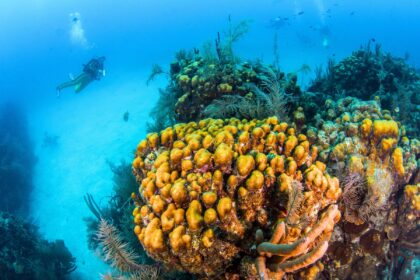
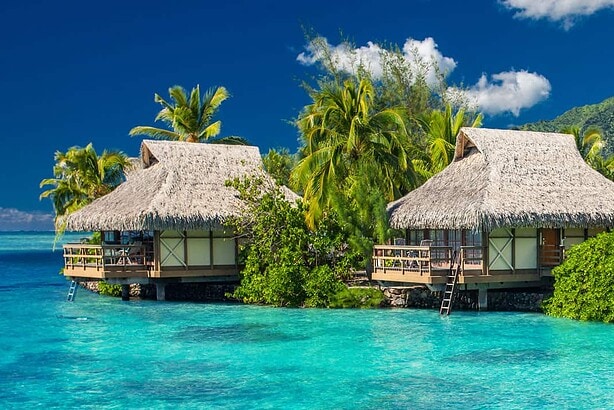
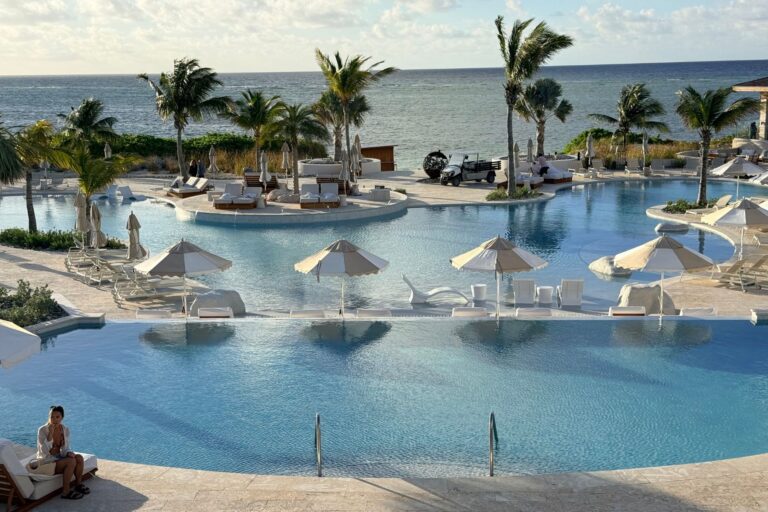
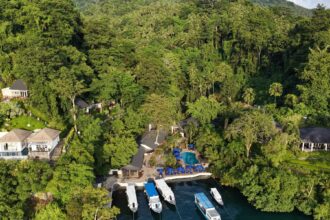
The Passport to Paradise program allows divers to visit Murex Bangka, Lembeh Resort, & Murex Manado resorts in Northern Sulawesi all within the same package. Dive the tropical reefs of Bangka, the world-famous muck diving in Lembeh Strait, and the turtle-frenzied walls of Bunaken National Marine Park.
 See here
Win Free Scuba Gear
We test new gear weekly and give most of it away to newsletter subscribers.
🤿 Join our newsletter to learn how you can get your hands on some free scuba gear!
New giveaways every month!


With over 17,000 islands scattered across the nutrient-rich waters of the Coral Triangle, Indonesia has long been revered as one of the world’s great diving destinations. One of the most famous diving hotspots is northern Sulawesi. Here, where three seas converge, divers encounter an unusual concentration of marine environments in one compact region: Manado Bay and Bunaken for walls, Lembeh Strait for world-famous muck diving, and Bangka for vivid soft-coral gardens.
Together, these three areas form one of the most varied and rewarding dive regions in the world. Few destinations offer such easy access to dramatic walls, rare macro life, vibrant reefs, and unusual critters within a single itinerary. It is this combination of biodiversity, contrast, and convenience that makes North Sulawesi one of the gems of Indonesia scuba diving.
What makes diving in North Sulawesi so good?
What makes North Sulawesi so good for diving is its range. In a single itinerary, divers can easily discover a variety of different dive sites and marine life. Geographically, it’s where the Celebes Sea, Molucca Sea and Pacific-influenced currents collide to create one of the richest corners of the Coral Triangle.
Manado Bay, Lembeh Strait and Bangka also have varied underwater topographies, so divers will discover different creatures and dive styles in each area. Waters are generally warm and calm, good for intermediate divers, and there are enough critters to keep any keen-eyed photographer entertained.
Manado Bay & Bunaken National Park
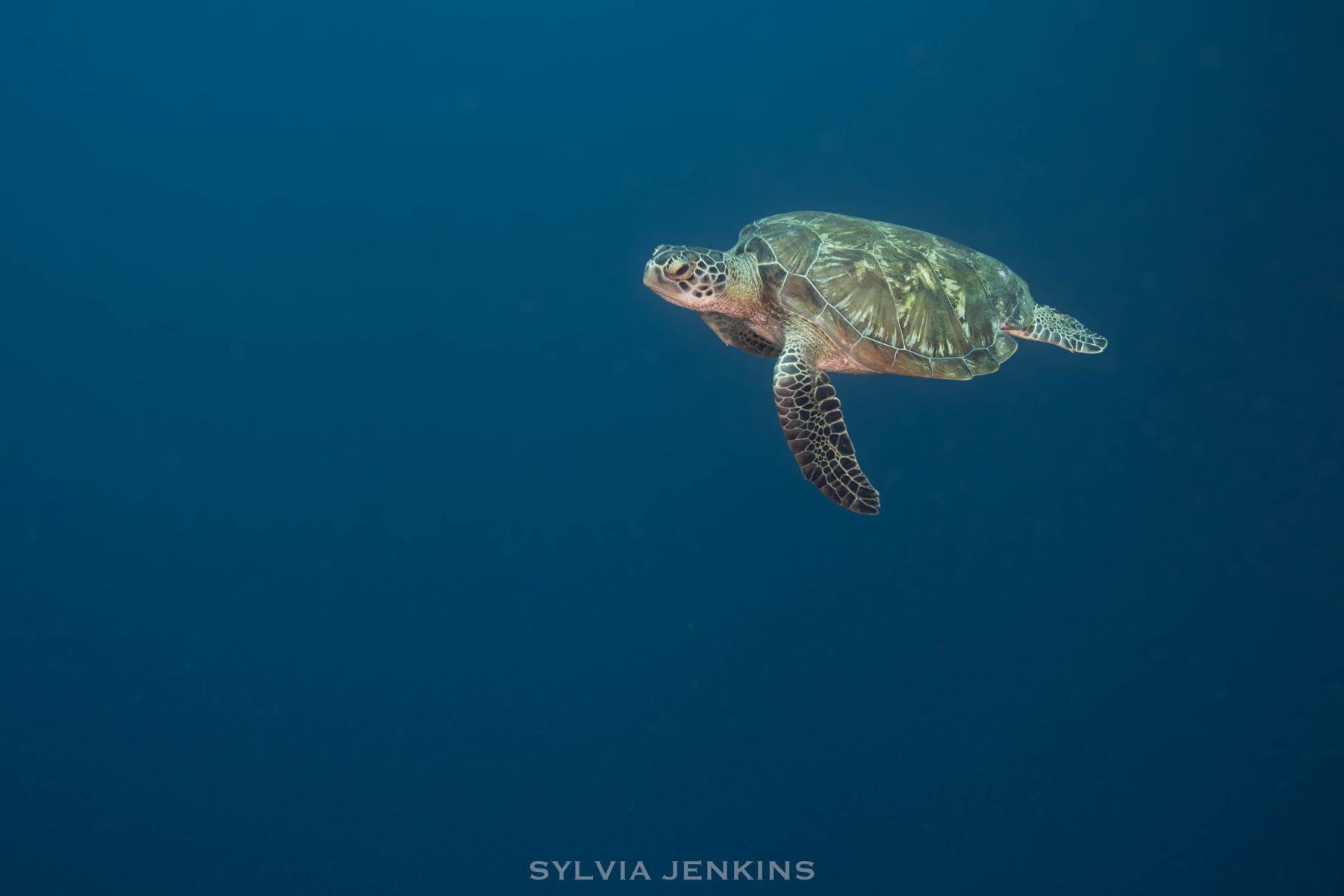
Manado Bay and Bunaken offer some of North Sulawesi’s most accessible and dramatic diving. Bunaken National Park is best known for steep coral walls, shallow reef tops, and lots and lots of turtles. Manado Bay offers a contrast with some offshore muck sites and a wreck dive. Its proximity to the main Manado airport means that many divers start their Sulawesi itinerary here.
Lekuan I, II and II, Bunaken Island
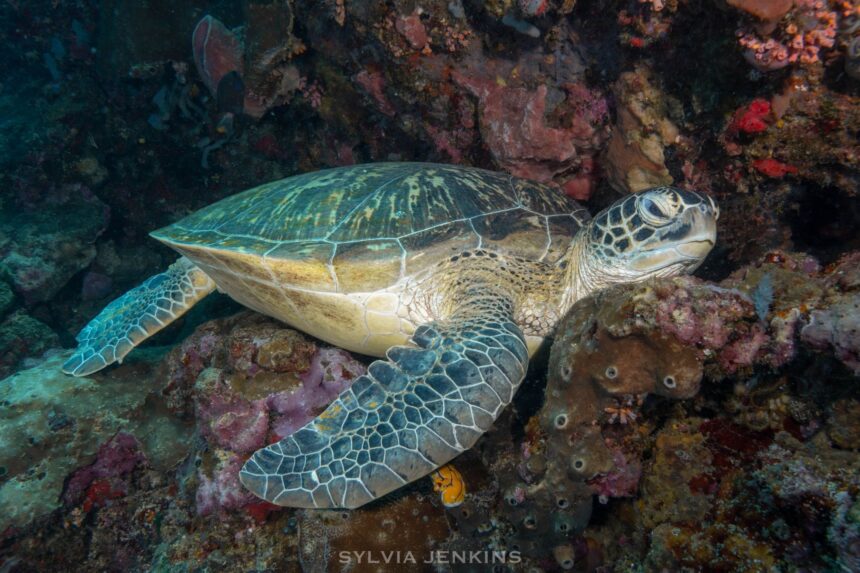
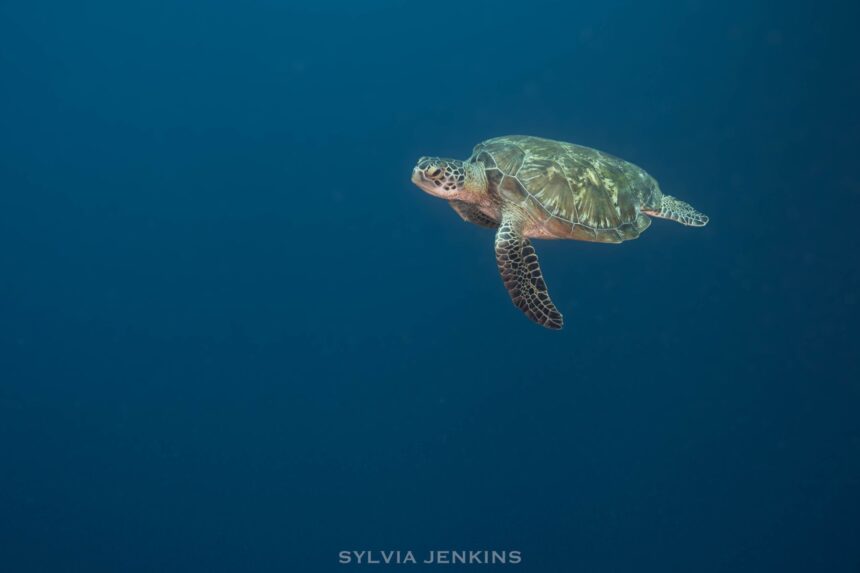
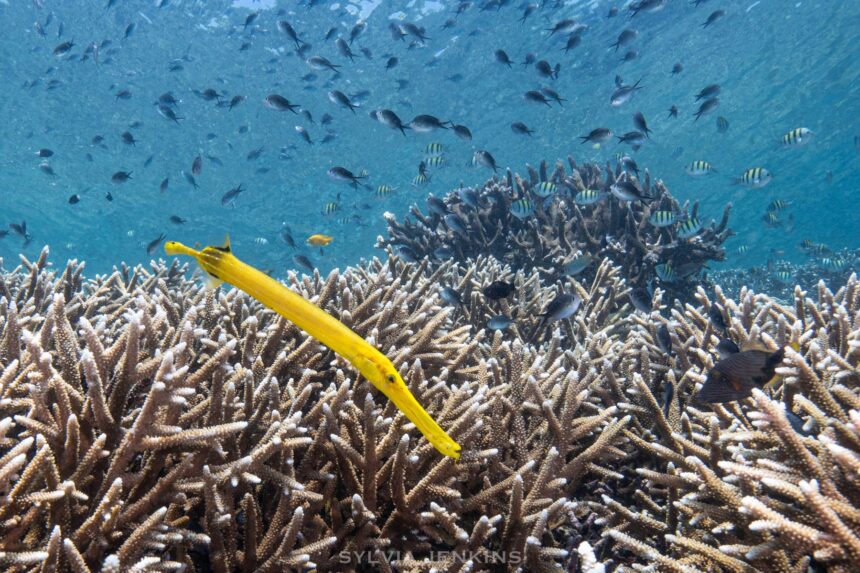


Lekuan I-II, three neighboring sites that sit along the southern side of Bunaken Island, are textbook examples of the wall drift dives in the national park. The shallow coral reef extends far from the island, so it’s a popular area for divers and snorkelers alike. The depth is beyond 130 feet (40 m), but there is plenty to see from 80 feet (25 m) and above, where visibility is good and there is plenty of life.
Things to See:
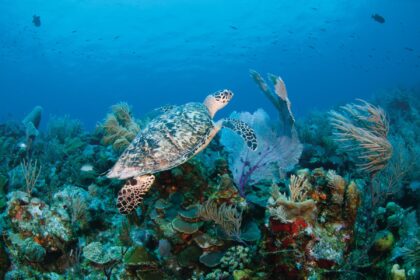
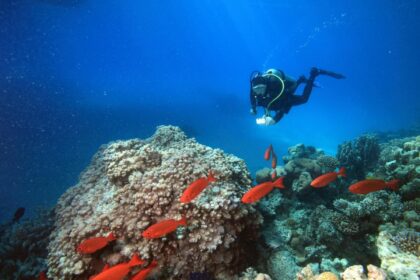
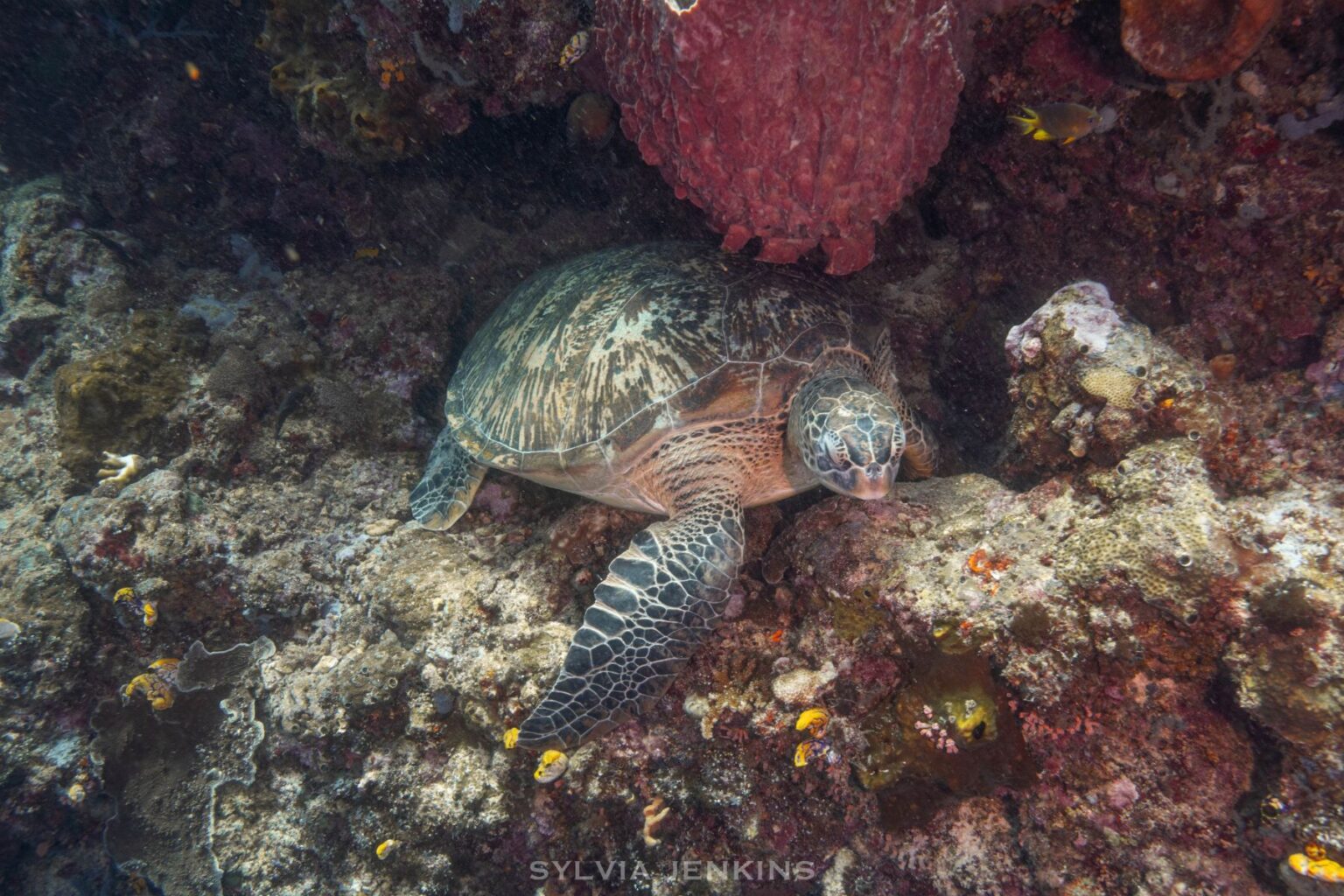
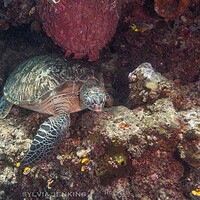
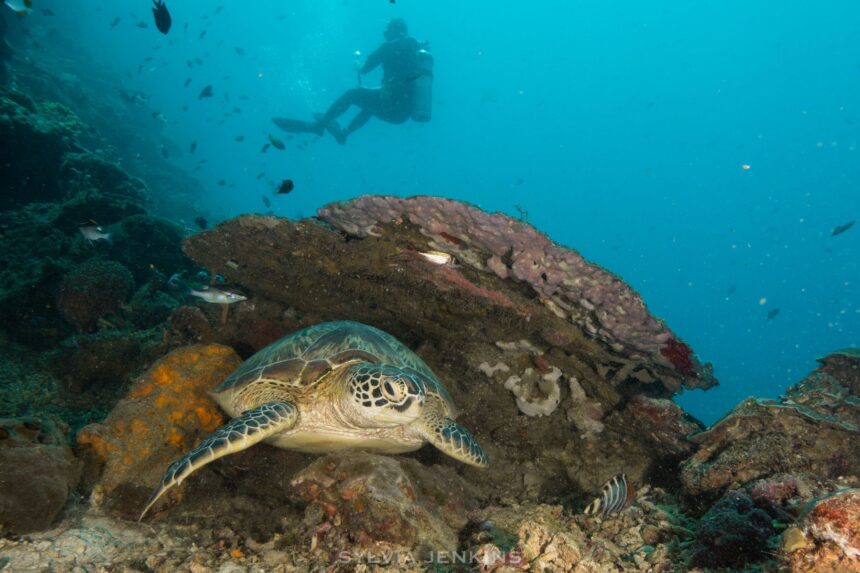
On a typical wall drift dive, photographers can capture dramatic fan coral, whip corals and huge barrel sponges. Turtles are very common here, often spotted taking a nap in a crevice or overhang. Off into the blue are more turtles, and perhaps below in the deep a shark or ray will pass by. Safety stops are spent on shallow reef gardens, with clusters of small fish swirling over hard corals.
Highlights:
- Classic Bunaken wall with shallow reef top
- Frequent green sea turtle encounters
- Excellent wide-angle scenery in good visibility
Type: Wall, drift, reef
Skill level: Intermediate
Access: Boat
Mandolin Reef, Bunaken Island


Mandolin Reef sits on the west side of Bunaken Island facing the neighboring Manado Tua island. A little different from your classic wall dive, Mandolin Reef has numerous overhangs, swimthroughs and small caves, all with colorful corals and sponges decorating the entrances. However, since currents can change swiftly, Mandolin is best suited to divers with good buoyancy and current awareness.
Things to See:
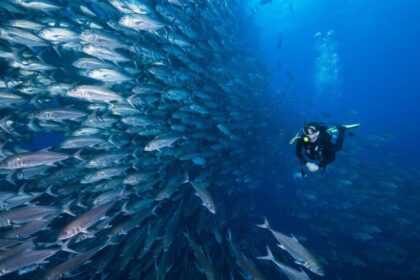
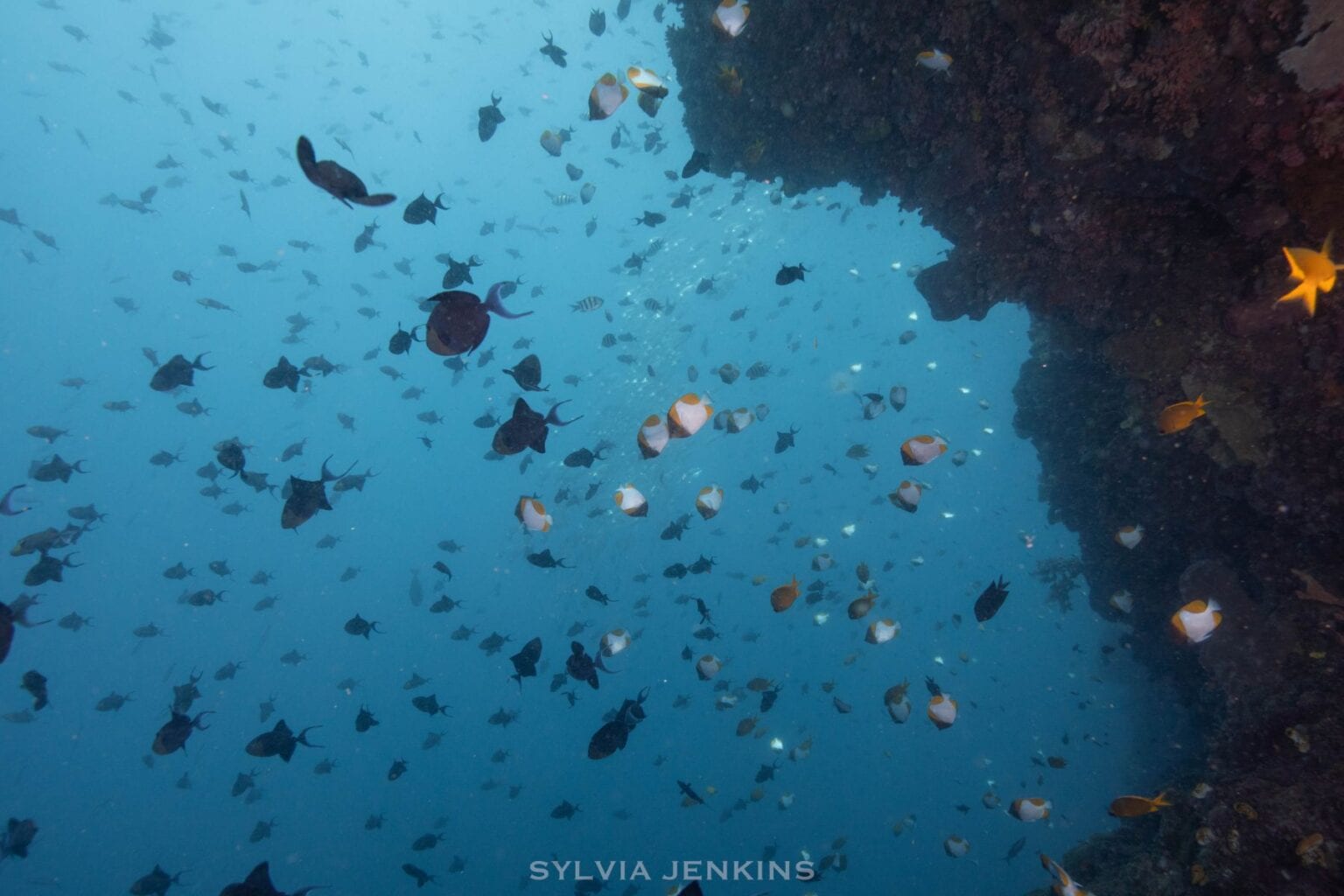
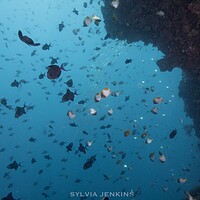
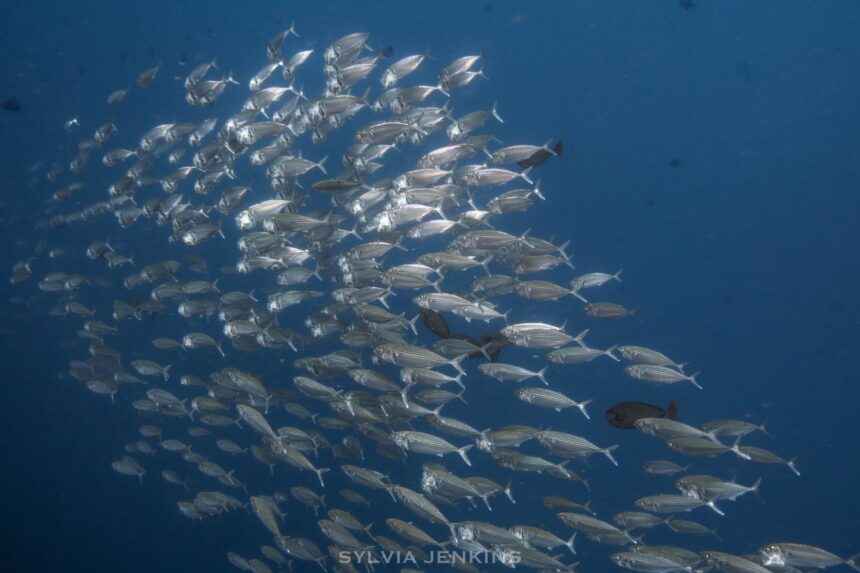
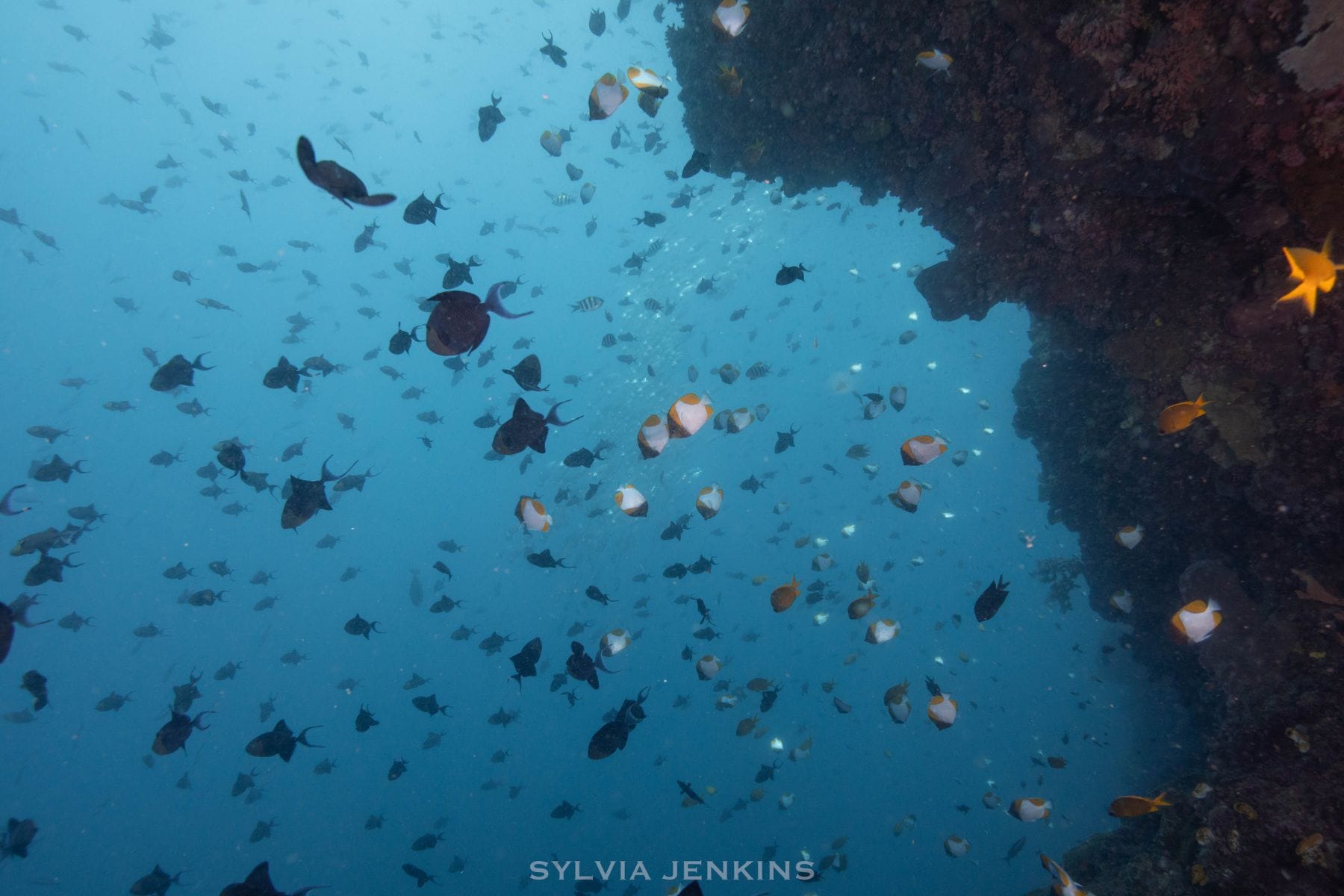
Mandolin is a dive where there is just as much happening on the wall as there is off. Along the reef, sponges, hard & soft corals and small caves shelter lobsters, nudibranchs, moray eels. Off into the blue, common sightings are schools of mackerels shimmering in the sunlight, constant clouds of red-tooth triggerfish, reef shark or even tuna passing by. Of course, sea turtles are found everywhere along the wall, and when the currents pick up you may find yourself bumping into one or two!
Highlights:
- Coral-covered wall with caves and overhangs
- Potential for strong current and pelagic action
- Schools of fish and pelagic in the blue
Type: Wall, drift, reef
Skill level: Beginner to intermediate
Access: Boat
Manado Tua
Manado Tua is the volcanic island neighboring Bunaken to the west. There are four main dive sites around this island, the most exciting being Tanjung Kopi or Negeri. These sites have strong washing-machine currents that will push and pull you in all directions. The dive usually follows a sloping reef and wall, with much of the action concentrated around current-facing sections. Recreational dives often take place around 50-100 feet (15-30 m), depending on conditions.
Things to See:
At Manado Tua there is always action in the strong currents, such as giant trevally, eagle rays, and reef sharks. Batfish and barracuda may pass along the wall. On the reef, smaller subjects such as nudibranchs, crustaceans, and reef fish add close-focus interest between big-fish moments. The site can be spectacular, but keep your wits about you as the currents can play tricks on you. Stay close to the guide, monitor depth and gas, and avoid chasing action into stronger water.
Highlights:
- Strong potential for big fish and pelagics
- Current-prone with exciting wide-angle scenes
- Macro life on the reef face
Type: Wall, drift, big fish
Skill level: Intermediate
Access: Boat
Manado Bay
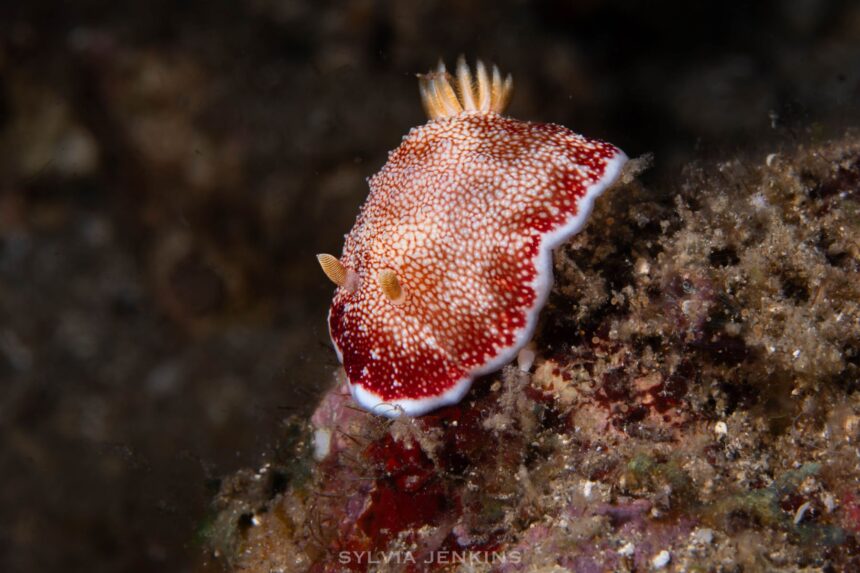


There are several dive sites scattered north and south of Manado City; where you go will mostly depend on the location of your dive shop and proximity. Generally these are shallow, maximum 50 feet (20m), sandy dives with outcrops of boulders and reefs. Since they are relatively close to the mainland, boat transfer time is short and these sites are good for afternoon and night dives.
Things to see:
Similar to Lembeh, expect to find colorful critters hiding in the sand or crevices of the reef. It’ll make a nice contrast to the large-scene energy of Bunaken, where here you have to hone in on the small stuff. Sightings include nudibranchs, emperor shrimp, eels, and octopus. If Bangka is your first stop around North Sulawesi, then Manado Bay it’s a good place to practice macro and get excited for all the weird wonderful things that’ll come at Lembeh.
Highlights:
- Easy shallow conditions, good for practicing macro photography
- Most sites just a short boat ride or even a shore dive
- Good for night diving
Type: Sandy macro
Skill level: Beginner
Access: Shore or boat
Honorable Mention: Molas Wreck
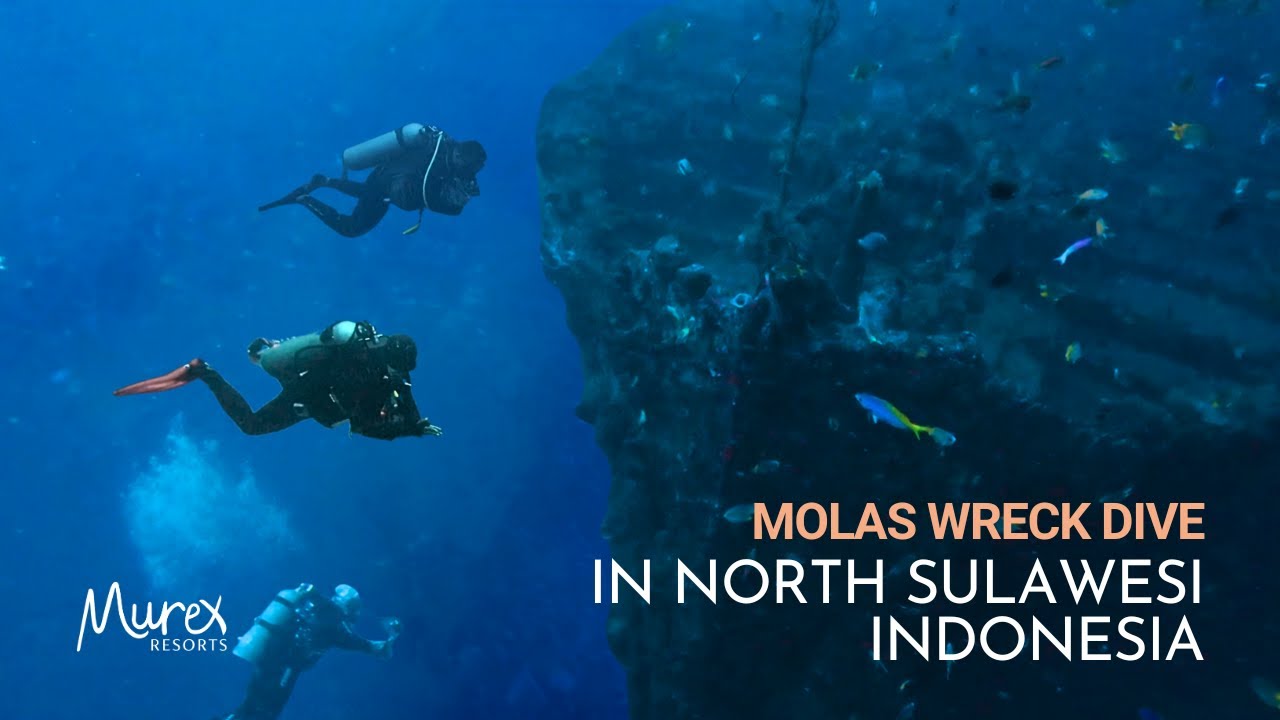
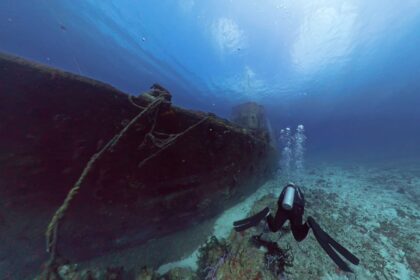
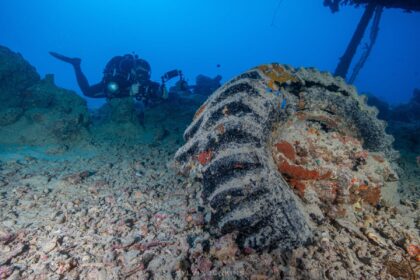
Although not in the top dive sites of the area, it is an impressive wreck and one of the few in North Sulawesi. The wreck lies on a sandy slope near Molas, north of Manado, with the shallower section starting around 72 feet (22 m) and dropping to 130 feet (40 m). Although its identity is debated, it can be described as a World War II-era steel cargo or merchant ship.
Things to See:
Strikingly different from the local muck sites or friendly turtles, Molas Wreck has an intriguing atmosphere. Coral growth, sponges, and whip corals cover parts of the structure, while batfish, sweetlips, groupers, trevally and wrasse use the wreck as shelter.
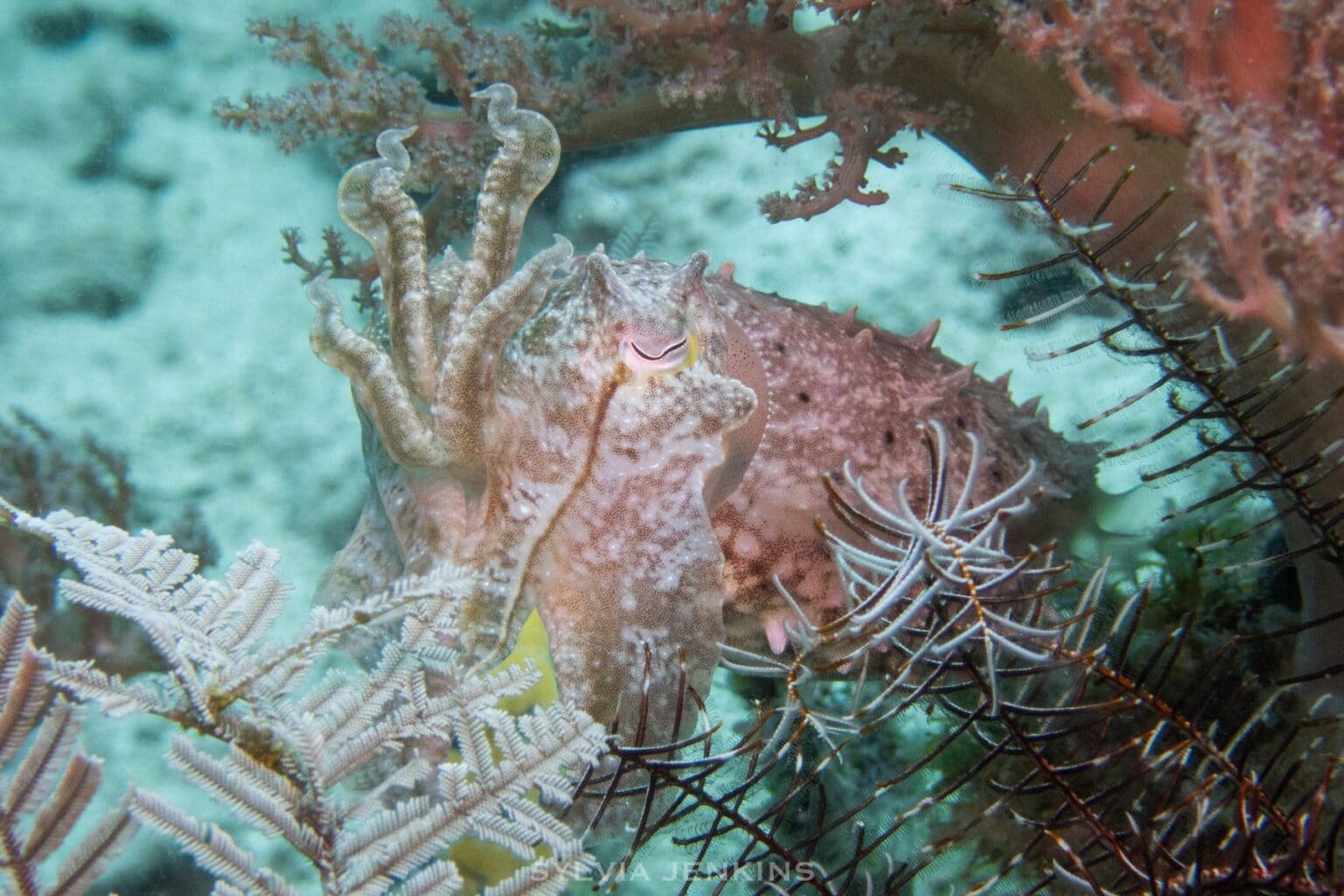
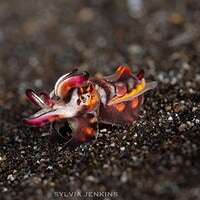
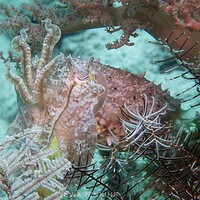
Around the sandy slope, divers may also find nudibranchs, cuttlefish, gobies, jawfish, and garden eels, giving the dive a wreck-meets-muck character. The Molas Wreck is usually not a regular stop for local dive shops, so if you want some contrast and history, be sure to ask your dive guide.
Highlights:
- Manado Bay’s signature wreck dive
- Deep World War II-era cargo or merchant shipwreck
- Artificial reef with sponges, corals and resident fish
Type: Wreck, deep, reef
Skill level: Advanced
Access: Boat
Bangka Island
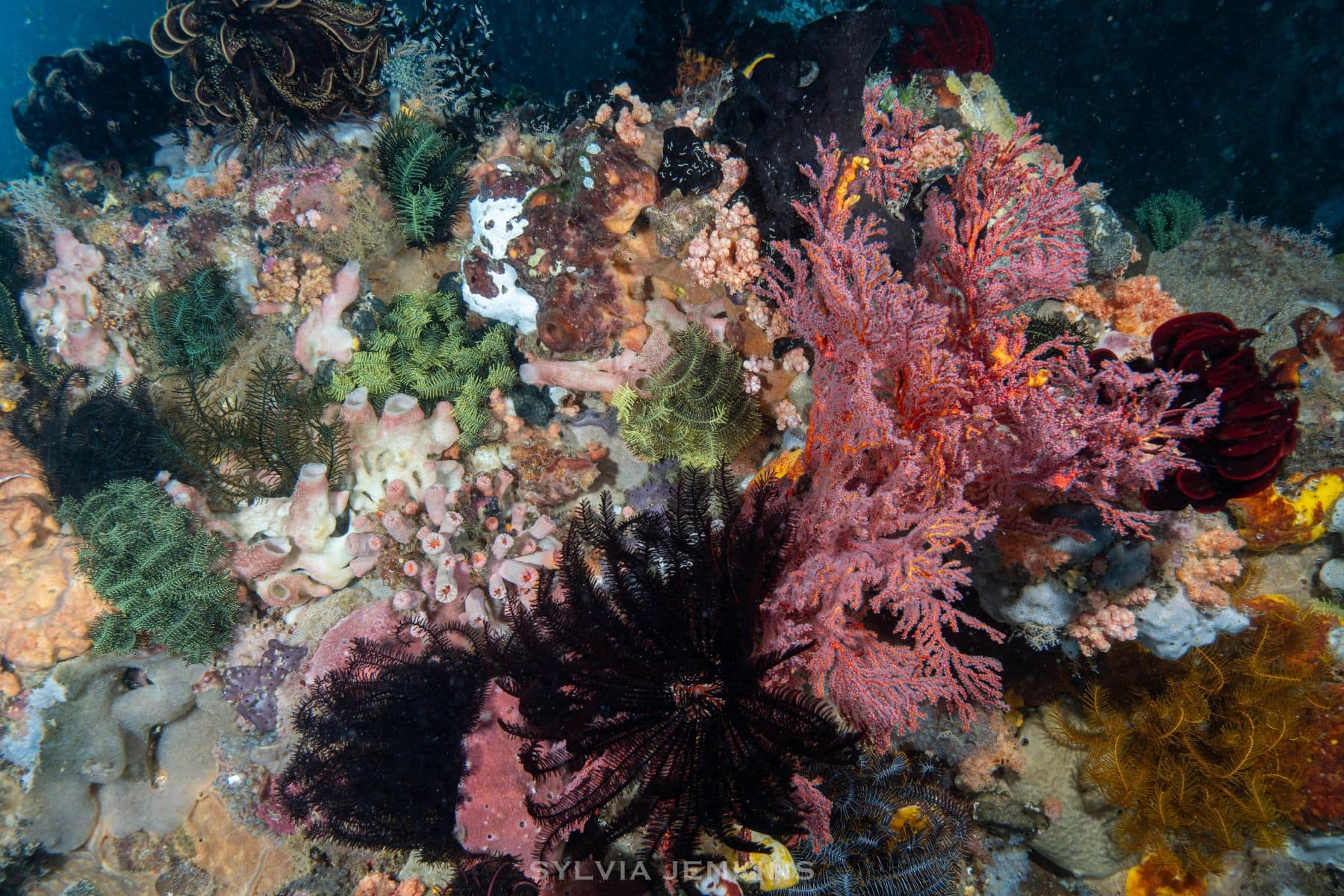
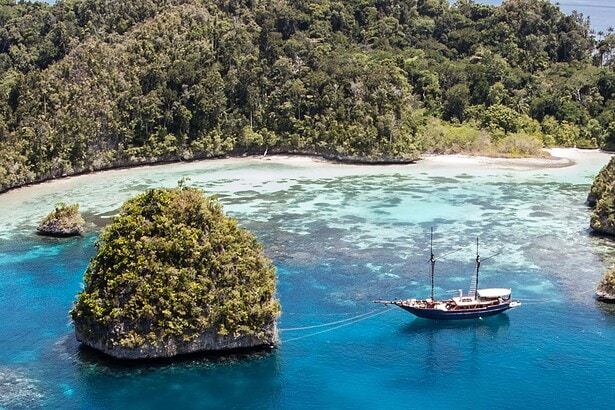
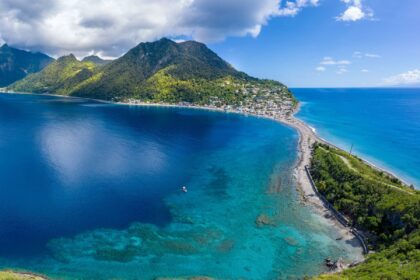
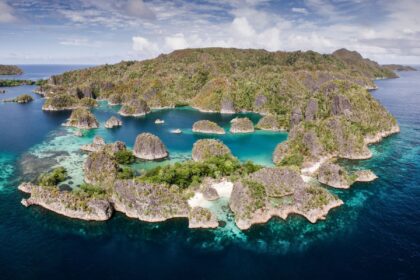
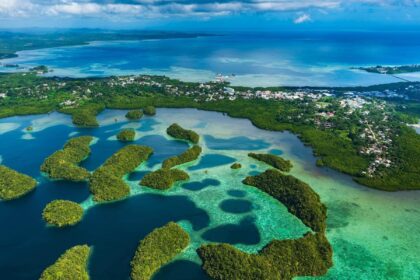
Located 9 miles (15 km) off the Northern tip of Sulawesi, Bangka is a small, quiet destination renowned for its pristine white-sand beaches and world-class scuba diving. With a little bit of everything, from macro to turtles, to exotic frogfish, Bangka’s calm conditions are well-suited to scuba divers searching for that serene tropical island vibe. The dive sites here are spread across ones at Bankga Island,some at the smaller neighboring islands, and along the coastline of North Sulawesi.
Batu Mandi, North Sulawesi
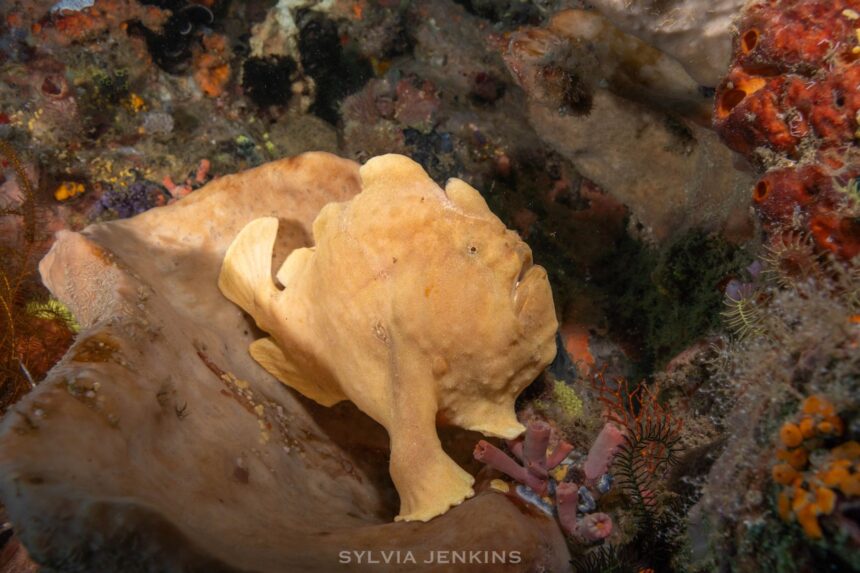
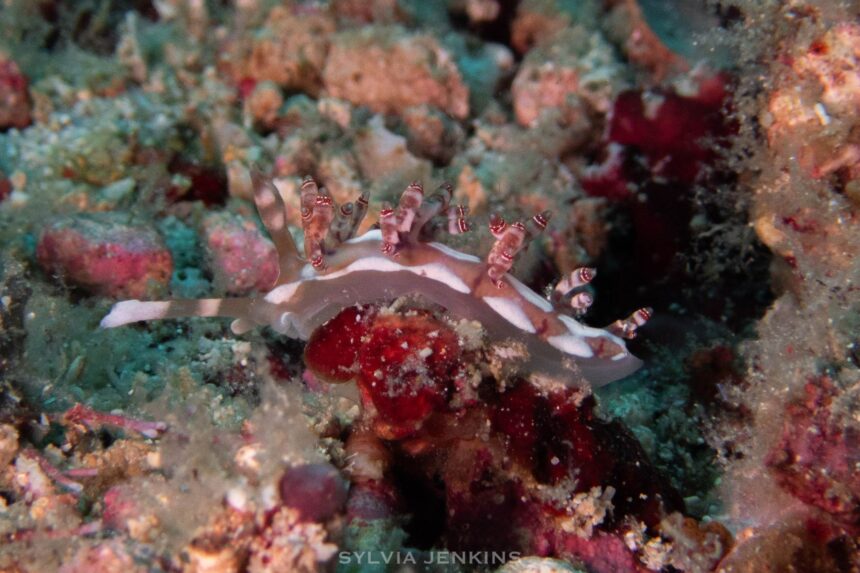


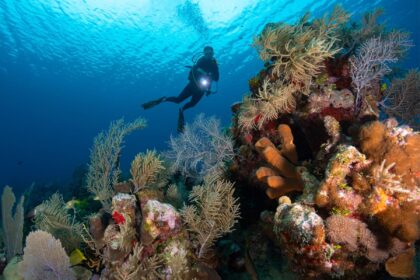
Batu Mandi, the mainland mirroring the southern tip of Bangka, is a worthwhile site for divers who love coral-covered rock formations, currents, and color. The name is often associated with a series of submerged boulders and reef structures where soft corals, sponges, and sea fans thrive in moving water. The dive itself is around 65-100 feet (20-30m), and if there are mild currents, you can just drift one way.
Things to See:
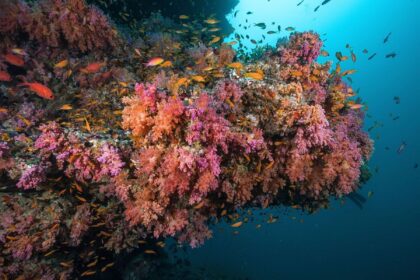
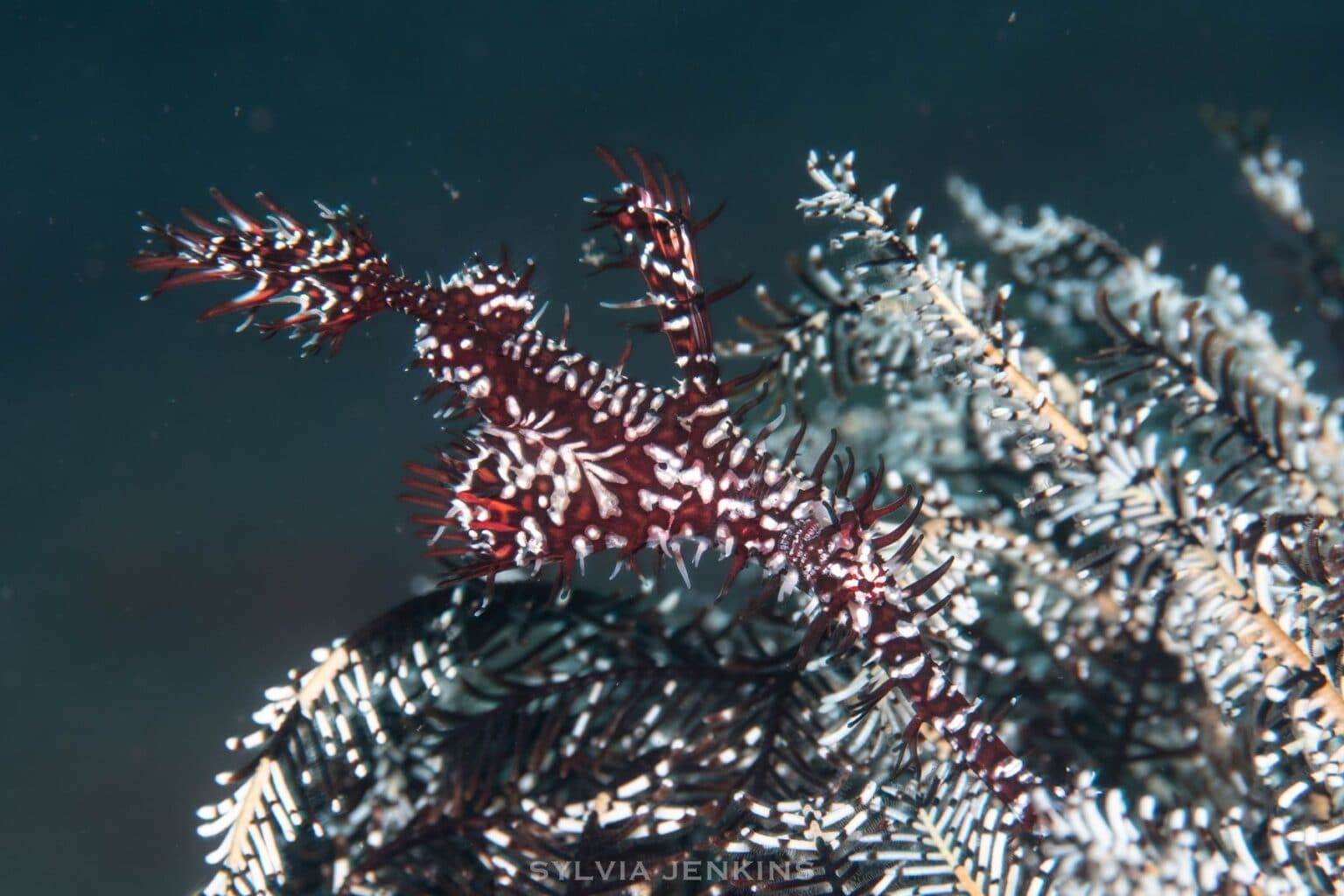
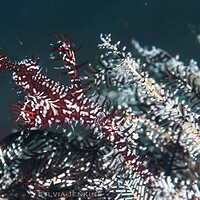
Batu Mandi’s rocky features and mini walls create a layered reef scene, full of marine life diversity. Along the walls there are lots of fluffy soft corals, anemones, and sponges and, on the gravel-like bottom, large fans and whip corals. This variety brings with it giant frogfish, mantis shrimp, nudibranchs, ornate ghostpipefish, and even the occasional turtle.
Highlights:
- Boulder and reef formations with strong coral growth
- Colorful variety of reef fish and macro life
- Multi-layered site, with different subjects at each stage
Type: Reef, boulder, drift
Skill level: Intermediate
Access: Boat
Busabora, Bangka
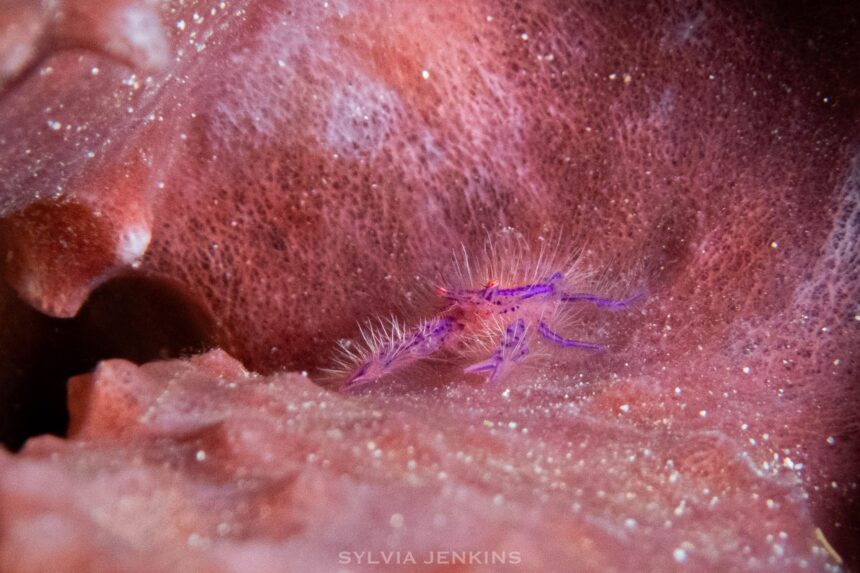
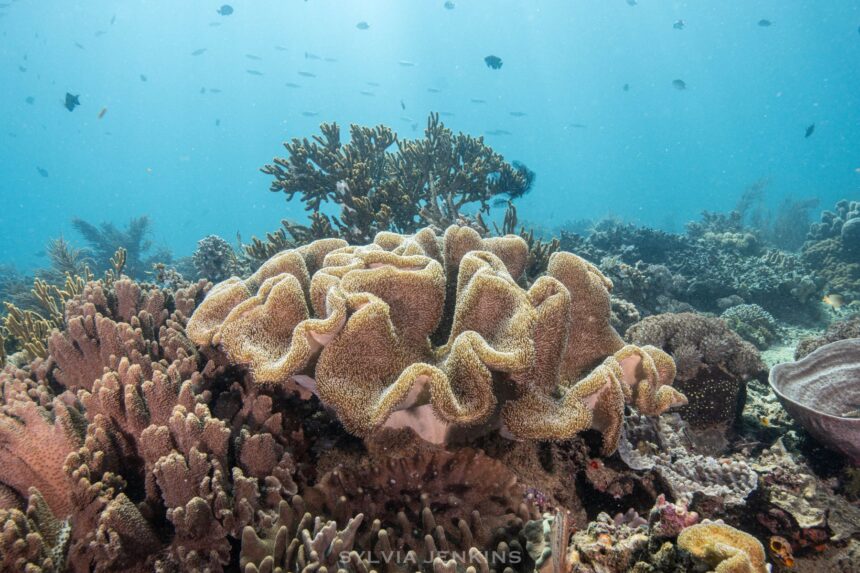


Busabora is on the southwestern side of Bangka Island, close to Busabora Beach. Contrasted to some of Bangka’s more exposed pinnacles, Busabora combines sloping reef, sandy patches, coral blocks and macro-rich habitat. The currents are mild here, but that can mean reduced visibility of 20-30 feet (6-10 m). It is usually dived by boat, though nearby resort house-reef access may also be possible depending on the operator.
Things to See:
Busabora is a good place to see a little of everything that Bangka has to offer. Zigzag across the sloping sandy bottom and you can find nudibranchs, frogfish, stonefish, crocodilefish, shrimps, and other camouflaged macro life. Then come shallower to the reef, where snappers, sweetlips, reef fish and schooling fish gather.
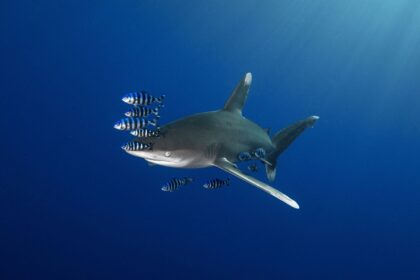
In the right current, the site can also produce larger encounters such as turtles, eagle rays, reef sharks, humphead wrasse and barracuda, making it a strong choice for divers who want macro detail without giving up the chance of bigger marine life.
Highlights:
- Southern Bangka slope with sand, coral blocks and reef structure
- Good macro potential, including frogfish, stonefish, and nudibranchs
- Interesting contrast to Bangka’s more exposed pinnacle dives
Type: Reef slope, macro, mixed reef
Skill level: Beginner to intermediate
Access: Boat; possible house-reef style access depending on operator
Tiga Batu, Southeast Bangka
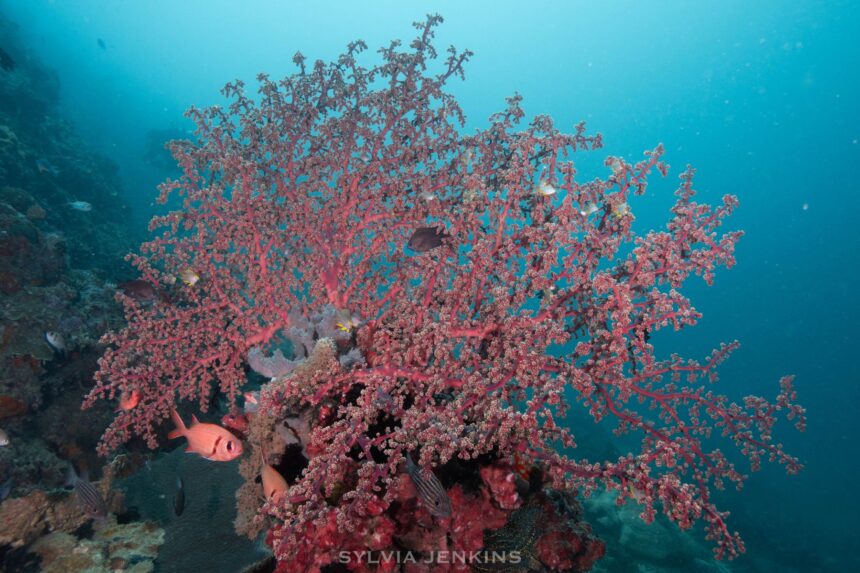
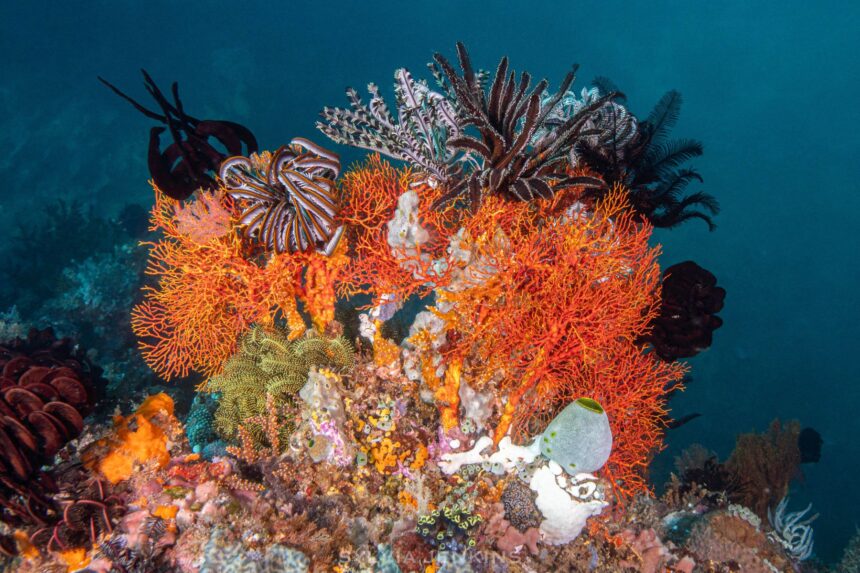


Tiga Batu translates roughly as “three rocks,” which corresponds to the three submerged pinnacles that step down from shallow water into a deeper reef. The first pinnacle starts around 15 feet (5 m), the next at 65 feet (20 m), and the third at 100 feet (30 m), giving the dive a natural multi-level profile. It is normally dived by boat and can be suitable for intermediate divers, though current and depth can make some routes more advanced.
Things to See:
Tiga Batu is a strong Bangka wide-angle site, with coral-covered pinnacles, reef fish and open-water movement when the current is running. Hard corals, soft corals, and smaller reef fish cluster around the first rock, then descend gradually toward the deeper pinnacles. Sweetlips, scorpionfish, nudibranchs, shrimps, and octopus may hide in corners and sheltered pockets. Watch the blue for schooling batfish, trevally, and other passing fish using the pinnacles as a current break.
Highlights:
- Shallow-to-deep route on a three-pinnacle topography
- Coral-covered rocks with reef fish, nudibranchs, and octopus
- Good wide-angle scenery when visibility and current cooperate
Type: Pinnacle, reef, drift
Skill level: Intermediate
Access: Boat
Batu Punteng, North Sulawesi Mainland

Batu Punteng is an offshore pinnacle off the northeastern corner of the North Sulawesi mainland, around 35-45 minutes from Bangka Island. Since it sits offshore and catches nutrient-rich water, conditions can bring both excellent fish life and variable current, making it best for intermediate divers and above. Some resorts will do transfers between Bangka Island and Lembeh Strait with a stopover at Batu Punteng.
Things to See:
Batu Punteng is a classic North Sulawesi pinnacle dive, with the rock acting like a magnet for reef fish and passing marine life. Descend onto coral gardens and sponges and swim around the structure while anthias, fusiliers, and other schooling fish move in the water column.
The soft corals and sea fans can be especially colorful when the current is feeding the reef, while the cracks and coral heads may hold scorpionfish, nudibranchs, shrimps, and other smaller subjects. It works well as a transition-style site between Bangka’s colorful pinnacles and Lembeh’s more critter-focused diving.
Highlights:
- Offshore pinnacle near Kalinaun Bay and Bangka Island
- Nutrient-rich water with coral gardens, sea fans and sponges
- Large schools of reef fish such as red-tooth triggers or moorish idols
Type: Pinnacle, reef, drift
Skill level: Intermediate
Access: Boat
Lembeh Strait
Lembeh Strait is one of the world’s most famous muck diving and macro photography destinations. Instead of dramatic reefs and bright coral walls, divers come here for black volcanic sand, rubble slopes, and small marine life that can be difficult to find anywhere else. The diving is often slow, shallow, and detail-focused, with expert local guides helping spot camouflaged animals. Lembeh is especially rewarding for photographers, naturalists, and divers who enjoy rare critters more than big scenery.
Hairball
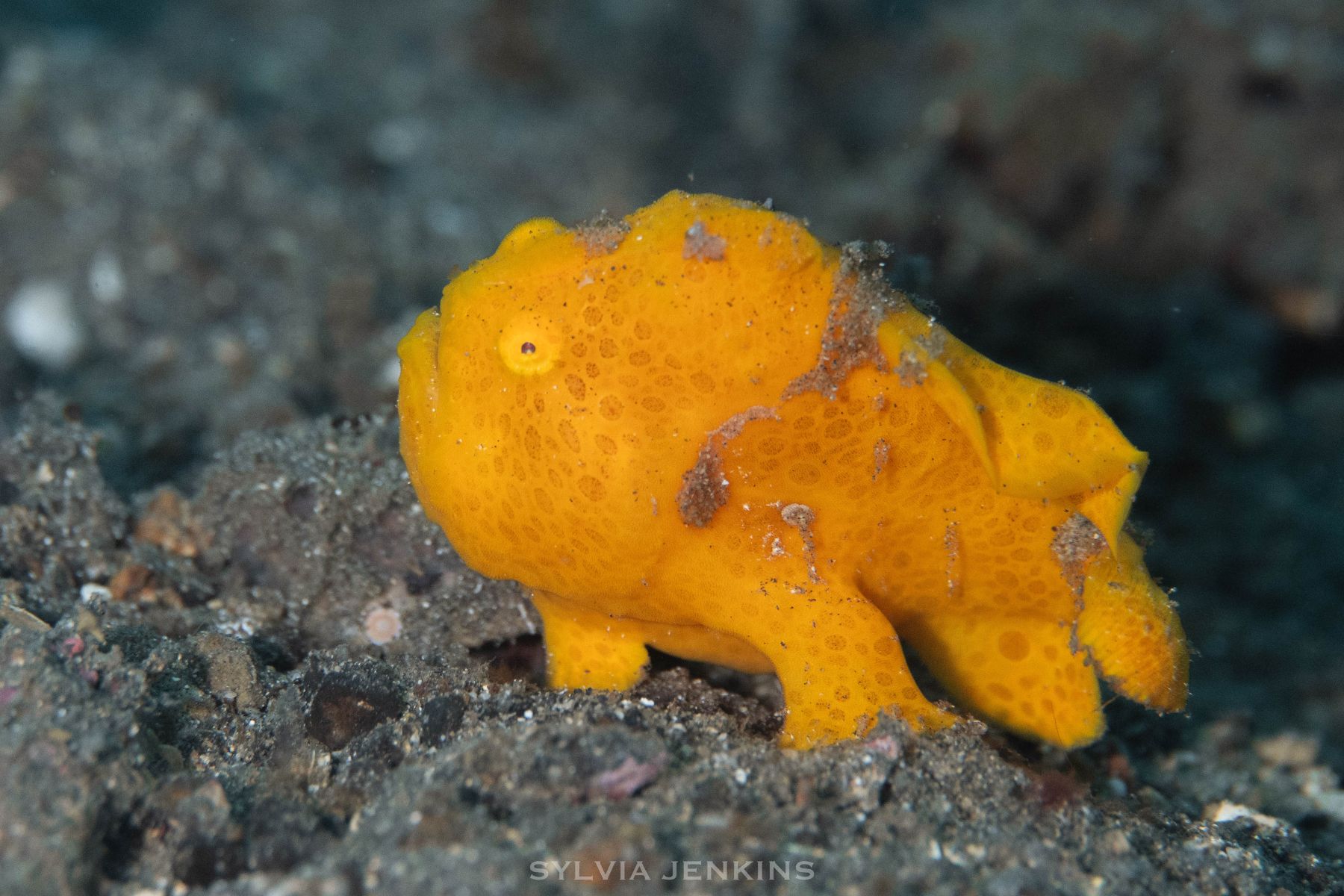
Hairball is one of Lembeh Strait’s most famous muck dives and a classic black-sand dive. Scattered across the volcanic sand are rocks, coral patches, and boulders, which are all great hiding places for macro critters. Although not visually dramatic like many of Indonesia’s coral reefs, don’t let that fool you. There are plenty of colorful and curious creatures hiding in the crevices and black sand.
Things to See:
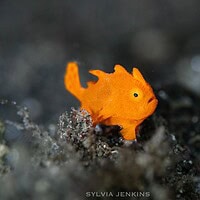
On your first muck dive, you might think there is little to see. But, like walking into a dark room, it will take your eyes a moment to see what’s really out there. A hairy frogfish becomes visible against the algae, a snake eel lifts from the sand, or a tiny shrimp appears on an urchin or anemone.
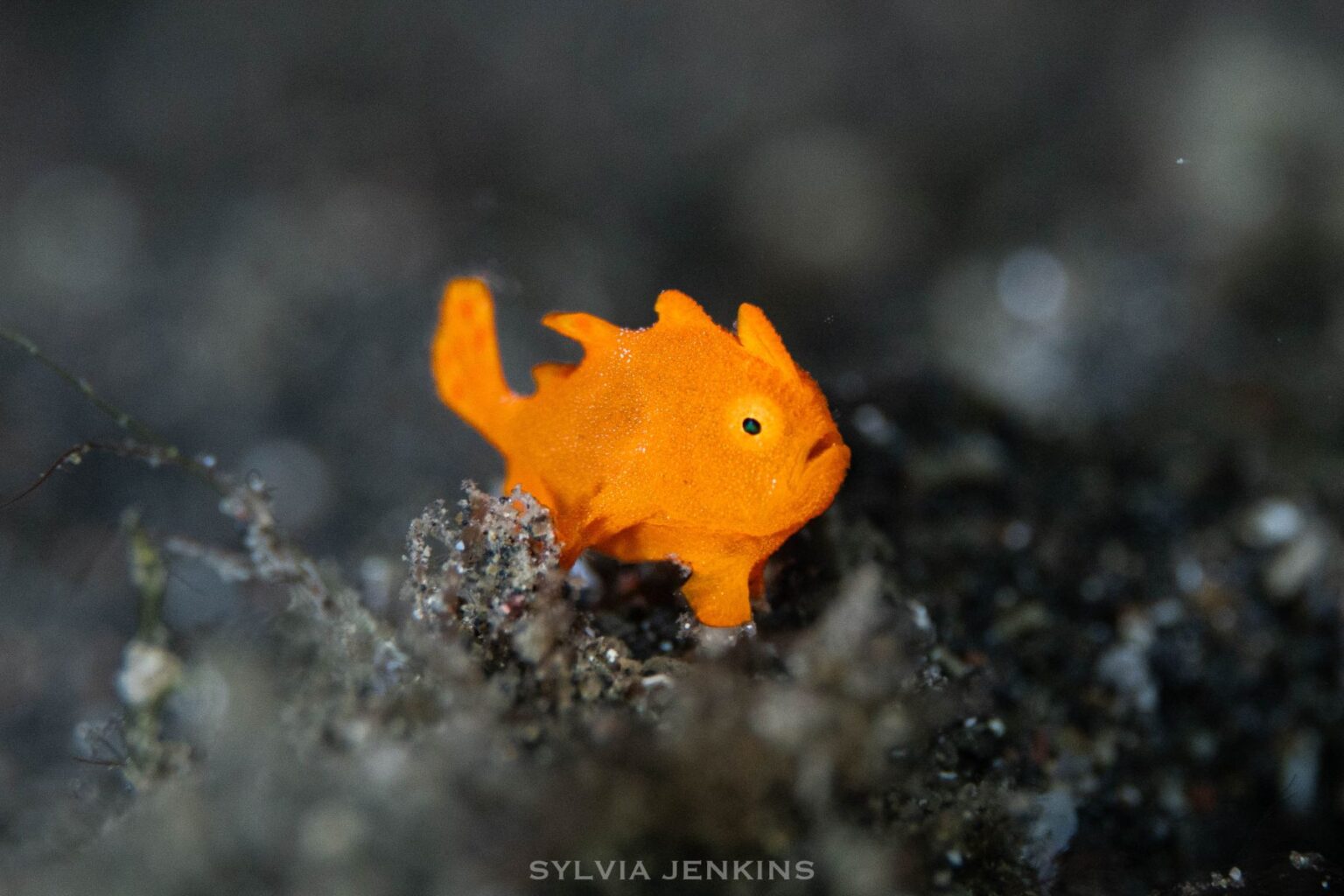
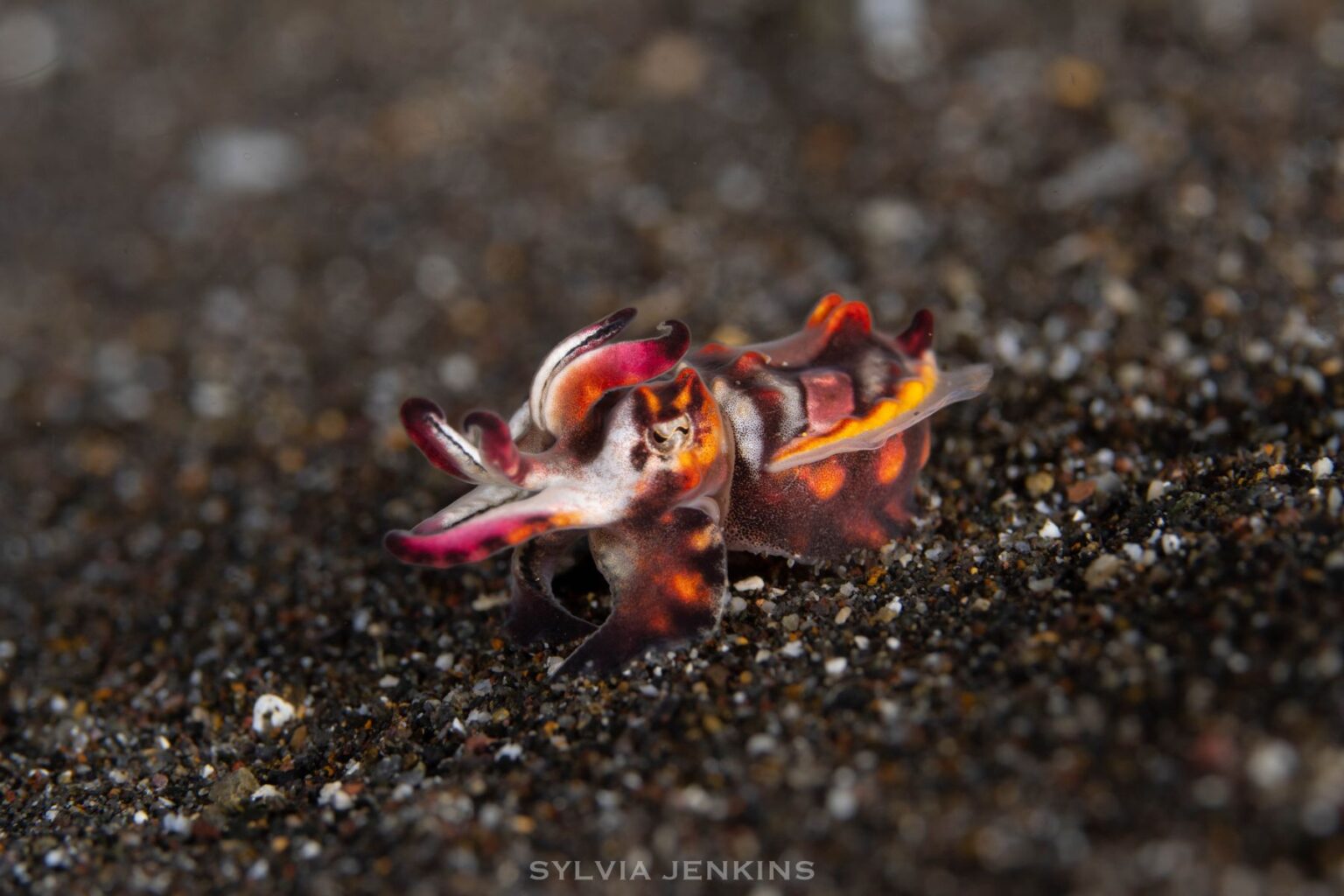
The site is known for its frogfish species, but it can also produce seahorses, ghost pipefish, cuttlefish, stargazers, flying gurnards, and nudibranchs. It is one of the best Lembeh sites for divers who want the pure muck-diving experience rather than a reef with occasional macro subjects.
Highlights:
- One of Lembeh’s best-known black-sand muck sites
- Strong potential for hairy frogfish and other rare macro subjects
- Great night dive site with potential for stargazers and Spanish dancers.
Type: Muck, macro, black-sand slope
Skill level: Beginner to intermediate
Access: Boat; possible house-reef access with some operators
TK 1, 2 & 3
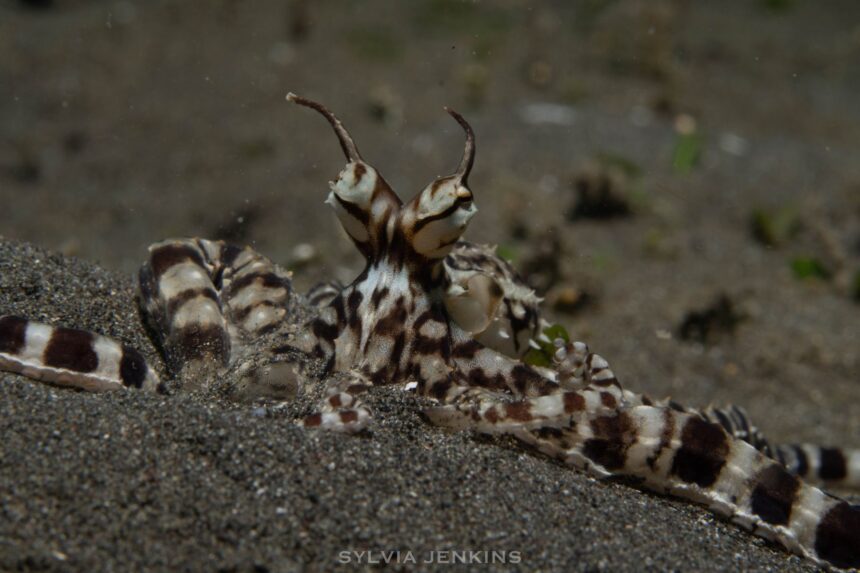
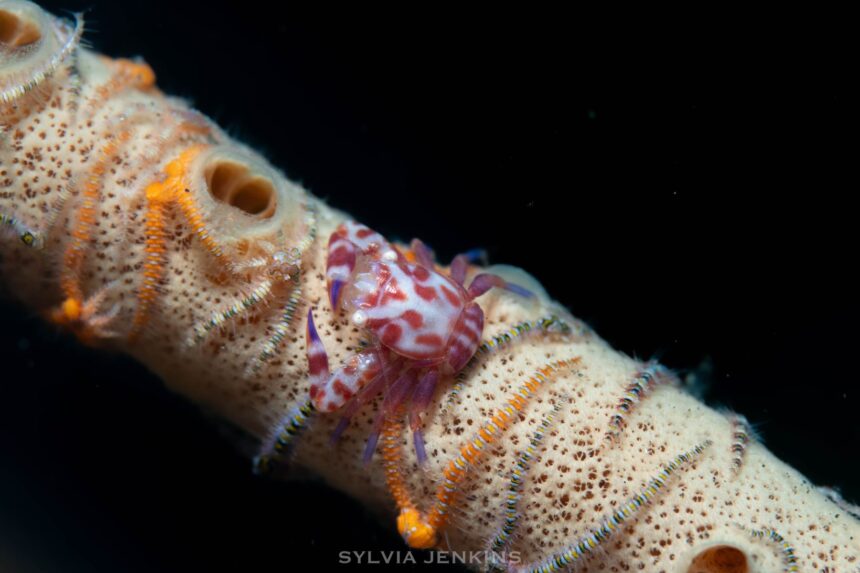


TK 1, TK 2 and TK 3 are a group of muck-diving sites in the Teluk Kembahu area of Lembeh Strait. “TK” is short for Teluk Kembahu, with Teluk meaning “bay” and Kembahu referring to the nearby village. With sloping black-sand bottoms, scattered rubble, and small bommies, these sites are among the most representative Lembeh dives. Starting at just 15 feet (5 m), they also offer plenty of bottom time.
Things to See:
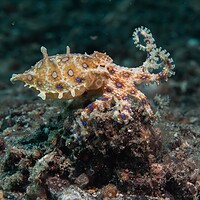
TK1-3 are all about patient critter hunting. Move slowly over the dark sand and rubble and the site starts to reveal the animals Lembeh is famous for mimic octopus, wonderpus, hairy frogfish, ghost pipefish, pipefish, cuttlefish, shrimp, and nudibranchs, and you can spot all of them here. This trio is often cited as one of the strongest muck areas in the strait, with low coral patches below about 40 feet (12 m) and rocky clusters in the shallows.
Highlights:
- Classic black-sand Lembeh habitat
- Excellent for mimic octopus, wonderpus, frogfish, and macro life
- Shallow-to-deep slope that can be adjusted to the dive plan
Type: Muck, macro, black-sand slope
Skill level: Beginner to intermediate
Access: Boat
Nudi Falls
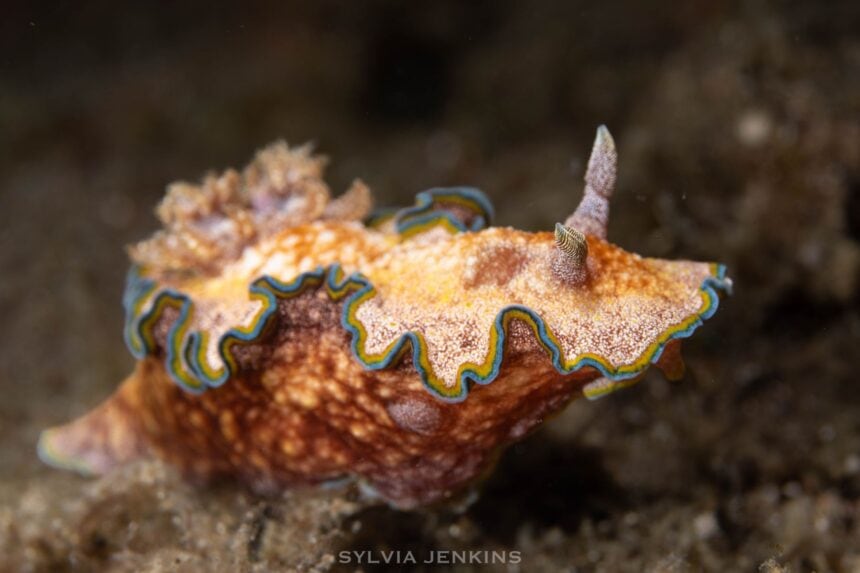
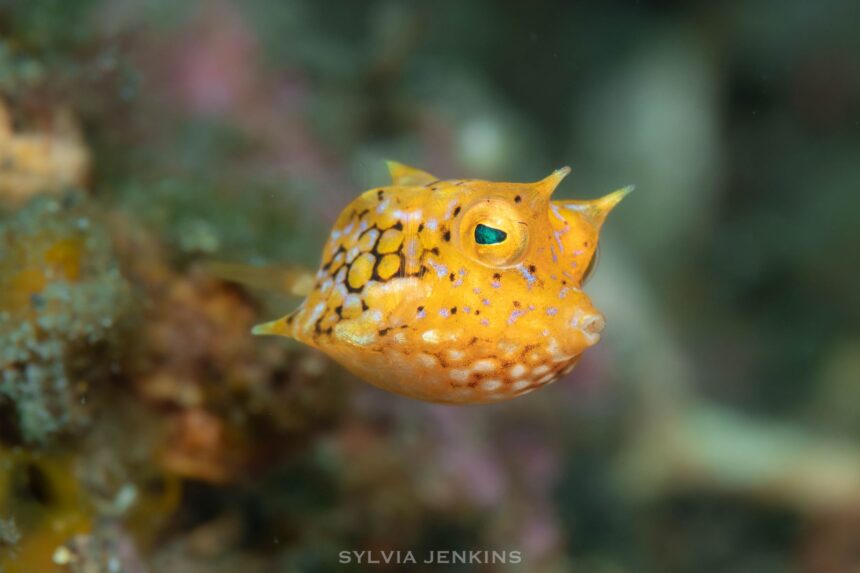


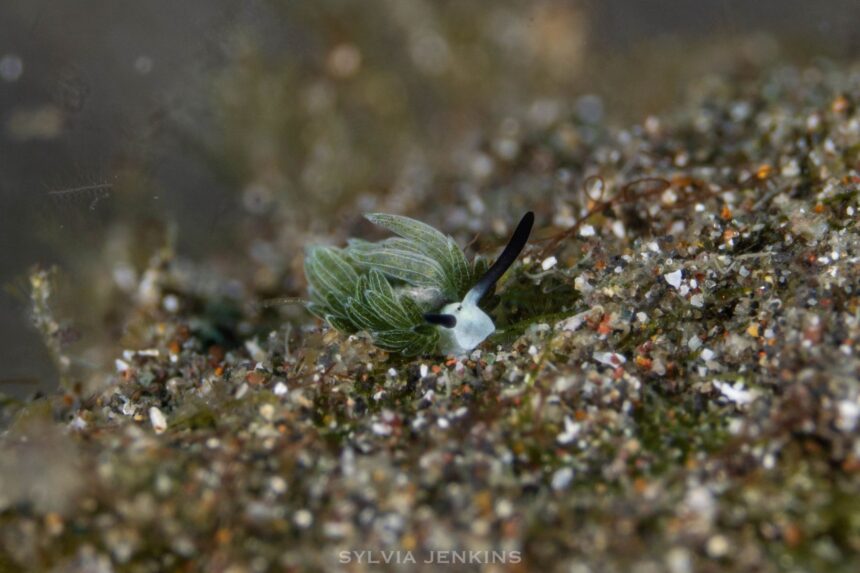
If colorful sea slugs are your thing, then Nudi Falls is your place. Not just an imaginative name, the Nudi Falls really does have a high concentration of nudibranchs, from the ethereal Flabellinas, to the crowd-favorite Chromodoris and the highly sought-after Shaun the sheep. The dive site itself is a sheer wall with rubble around its base of 66 feet (20 m), with soft corals scattered throughout.
Things to see:
Well, most obviously, are all the nudibranchs that are dotted primarily around the rocky bottom. This diverse dive site is home to ribbon eels, mantis shrimp, boxfish, and orangutan crabs. If you’re lucky, you can spot multiple pygmy seahorses on the site’s large fan coral.
Highlights:
- Sheer wall with rocky/sandy bottom
- Excellent for macro life, especially nudibranchs
- Large fan with multiple pygmy seahorses
Type: Wall and macro dives
Skill level: Beginner
Access: Boat
About North Sulawesi

North Sulawesi is a province in northern Indonesia, with Manado City as the gateway for most dive trips. The dive scene is spread across Bunaken, Lembeh, Bangka, and the mainland Manado coast. Accommodation ranges from dive-focused homestays to upscale resorts catering to photographers. Costs will vary widely due to comfort level, transfers, and how many regions you combine.
The best time to visit is generally during the drier months, from May to October, although diving is possible year-round. This is more relevant for Bunaken Marine Park and Bangka, where monsoon affects wide-range visibility. However the lesser visibility doesn’t affect the close-up action in Lembeh, so if you’re into macro photography, you can consider off-season to avoid the crowds.
Beyond diving, visitors can hike volcanic landscapes, explore local markets, or take island boat trips. If you are into photography, visit Tangkoko Nature Reserve, one of the oldest nature reserves in Indonesia. It’s almost 9000 hectares, and home to black-crested macaques, tarsiers, birdlife such as hornbill and other interesting rainforest animals.
The main consideration of a North Sulawesi dive trip is transfers between the different destinations. Depending on your budget, you might consider pre-arranged packages, such as the Passport to Paradise, where all accommodation, dives, and transfers are included.
 Take a moment to look at this.
