












































Traveling can be a rewarding experience, but it can also be full of mistakes. Whether you’re a seasoned traveler or just getting started, understanding common travel mistakes and how to avoid them can help make your next trip more enjoyable and successful.
- Not booking flights in advance.
Many travelers wait until the last minute to book flights, which can often lead to higher costs. To avoid this mistake, research the best time to book flights and compare prices. You may also want to consider signing up for travel alerts or newsletters to receive notifications of upcoming deals and discounts.
- Forgetting to pack essentials.
Whether you’re a light or heavy packer, forgetting items like your passport, phone charger, or clothing can be a costly mistake. To avoid this, create a packing list and check it twice. You can also use packing cubes or packing folders to help organize your items.
- Not researching the destination.
Many travelers don’t take the time to research their destination beforehand. This can lead to missed opportunities and wasted time. To avoid this mistake, research the best sights and activities, local customs, and places to eat.
- Not staying in touch.
It can be easy to get lost in the moment while traveling, but some travelers forget to stay in touch with loved ones back home. To avoid this mistake, make sure to keep in contact with those back home via text messages, emails, or phone calls.
- Not budgeting.
Not budgeting can lead to overspending and make it difficult to save money while traveling. To avoid this mistake, set a budget before your trip and stick to it. You can also research the cost of activities and attractions in your destination beforehand to help plan your budget.
By avoiding these common travel mistakes, you can save time, money, and stress, and make your next trip even more enjoyable. Bon voyage!
Luke of USA Rover
Backup Plan And Travel Insurance
We all make mistakes but some are more costly than others. Avoid traveling without a backup plan and some travel insurance. If your trip is canceled, you can seek reimbursement and if a worst case scenario occurs, you can get medevac transport home. It’s something that’s easy to avoid buying but it really can save your butt in an emergency.
Zach Lazzari of crossbordercoverage.com
Wrong Booking
What could be worse than arriving at the accommodation after a long-haul flight, in the middle of the night, and realizing that you’ve booked it for the wrong date? Probably not booking at all. You should always double check your arrival date as well as your departure date. On top of that, if at all possible, call ahead at your accommodations so you are aware of their check-in time as well as informing them if you will be arriving really late at night.
Olivia-Petra Coman of blog.inreperta.com
Burn Out
It’s great to want to maximize your trip and take in as much as you can, but this can lead to overbooking and missing something you planned, or fatigue from not just taking a day off to rest. Remember to continue to take care of yourself on your trip so you are your best self, and able to enjoy your adventure to the fullest.
Mark Joy of markjoyblogs.com
Weather Changes
We’ve all experienced being far from home and caught out in the rain with just shorts and a t-shirt regretting not bringing a rain jacket. Although when on holiday you might be forced to buy something and it’s easier to overspend on clothes if you don’t know the area. So it’s wise to pack smart and prepare for unexpected weather changes by bringing suitable clothing.
Be careful not to bring too much spare clothes, because balancing the trade off between overpacking and underpacking is an art, and it’s worth putting a bit of thought into it.
Payments At The End Of The Trip
The peak-end rule is a principle of psychology that states that people tend to remember the most intense or emotional moment of an experience (the peak) and the final moment of the experience (the end). The overall evaluation of an experience is influenced by how we felt during the peak and end of the experience, regardless of how long the experience lasted.
In the context of holidays, the peak-end rule can influence our overall enjoyment of the trip. For example, if the peak of our holiday is an incredible adventure or a memorable experience, and the end of the trip is positive and relaxing, our overall assessment of the trip is likely to be positive, even if there were some challenging moments during the trip.
It is important to keep the peak-end rule in mind when on a holiday, as it can help you ensure that the trip ends on a high note. Avoid waiting until the final day to pay for everything, this may leave you feeling a little bit salty on the trip home affecting your future memories of the experience..
Ciaran Coughlan of ciarancoughlan.com
Over Budget Spending

Spending too much money on clothes and gear is a huge travel mistake that we see people make. In camping, for example, lower cost tents are always available at similar quality to the big ticket item.
Research
One of the most common travel mistakes to avoid is not researching your destination. It’s important to learn about the history, culture, and social norms that are specific to an area before visiting a place. Knowing what to expect can help you avoid any cultural faux pas or embarrassing moments while traveling. Researching potential points of interest beforehand will ensure that you get the most out of your trip and don’t miss out on any amazing landmarks or attractions.
Safety and Security
Another mistake travelers make is failing to account for their own safety and security while abroad. Always research potential areas where it might be unsafe or unwise to visit due to high crime rates or other risks. Take precautions such as keeping all valuable items in a safe at their hotel, not venturing too far from safe neighborhoods late at night, and being aware of pickpockets in crowded places like markets and subways stations.
Unexpected Expenses
Budget-conscious travelers can also easily forget about planning for unexpected expenses when traveling abroad; however, this could potentially lead them into financial trouble if they fail to account for them ahead of time. Even if a traveler has done their research as mentioned previously, in order to figure out how much money they will need during the stay, having an emergency fund is always advisable. It’s important to consider whether or not they will need to convert their currency into the local currency of their destination. Some countries may require travelers to pay for certain services and items in cash, so planning can save time and money later on.
Aspen Peng of sswboardhouse.com
Planning Tool
Families planning to go on a trip usually have a lot of things to think about to have a smooth adventure. And it’s difficult to cram all the activities and sights everyone wants to do in a short amount of time especially if the family is going to a high traffic park like Disney World or Universal Studios. That’s why it’s a good idea to plan ahead and use a daily park planning tool that can help you save up to 3 hours waiting in lines and it’s a great tool to avoid paying extra on ride upgrades.
Micheal Belmont of The Park Prodigy
Done in Groups
One thing which I have noticed, especially with new solo travelers, is that they don’t all realize that overnight trips/tours are usually done in groups.
For example. I had one reader who was anxious to book an overnight tour to the Khao Sok National Park as she didn’t want to be out in the park alone.
However, I explained that generally these types of tours are booked in groups as it’s not economical or sustainable to book individual trips (unless otherwise stated/requested and they are usually saved for families and couples).
I also noted that these type of tours are actually great places for solo travelers to meet other people as they are staying together in closer proximity than would otherwise be normal.
Abigail, Owner of I’m Going On An Adventure
Luggage
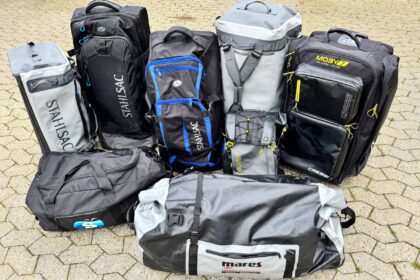
As a bag designer who obsesses over how best to pack, move around, and carry travel gear, one thing I notice about people who travel is how mobile, flexible, and quick they are. When travelers have cumbersome gear, not only does their energy get run down faster, but they aren’t able to make quick moves that can sometimes mean the difference between safety and sketchy, between opportunity and missed rides.
When traveling alone and hauling a big batch of luggage – even just a wheelie bag – a person is an obvious tourist; a potential mark for scams or worse. With a single bag, a backpack, the traveler looks much more like a local commuter than a rube.
When traveling alone, you have amazing flexibility to do what you want, when you want, but you lessen that flexibility with bad gear.. Struggling to haul you bag off a bus, not being able to catch the train because you’re dragging a wheelie bag, being held up or bumped off a plane because you bag was too big, all these things can mess up a trip. My big advice to anyone planning a solo trip is pack light in a small carry-on sized backpack.
Pack light, travel far, only take one bag.
Tys, Founder of Idea Mountain
 Take a moment to look at this.