







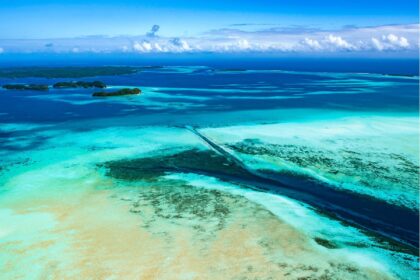
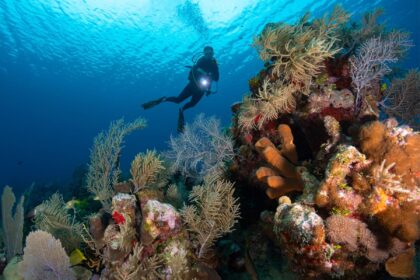
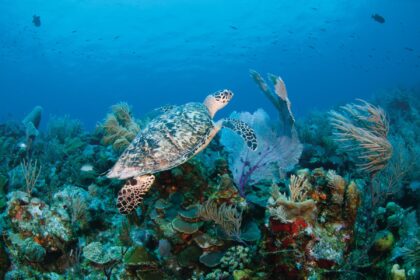
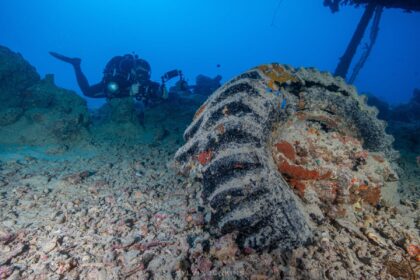


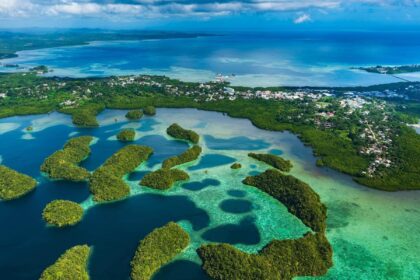







Sitting in the middle of the Mediterranean Sea, Italy has over 450 islands and numerous dive sites to explore. It is a great European destination to enjoy varied diving from both the extensive mainland coastline and from many of Italy’s islands. With dive sites suitable for novice and experienced divers, plus shallow sites accessible as a snorkeler, there is something for everyone.
Here are our top dive highlights in Italy:
- Aci Trezza, Sicily
Sicily is a fertile mix of geology and culture. Eruptions from its volcano, a glowing sun, generations of hard work, and wave after wave of civilizations storming through over the centuries — they all come together here, giving visitors a full-bodied travel experience in Sicily that engages all the senses.
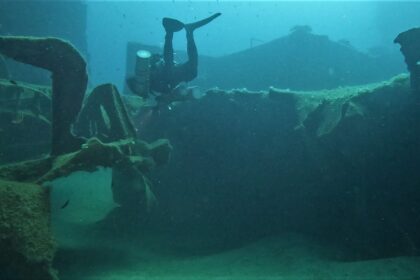
Sicily is the largest of the Italian islands and has dive sites rich in history. Aci Trezza, a marine protected area, is situated near Catania on the east coast of Sicily. These ‘Islands of the Cyclops’ are three column-shaped rocks just off the coast and provide striking volcanic rock formations underwater. The dives sites of Aci Trezza include a variety of wrecks to explore, dating from Roman times through to World War II. Seahorses can be seen at just a few meters depth and there is plenty of marine life to enjoy, including Gorgonian sea fans.
- Elba Island, Tuscany
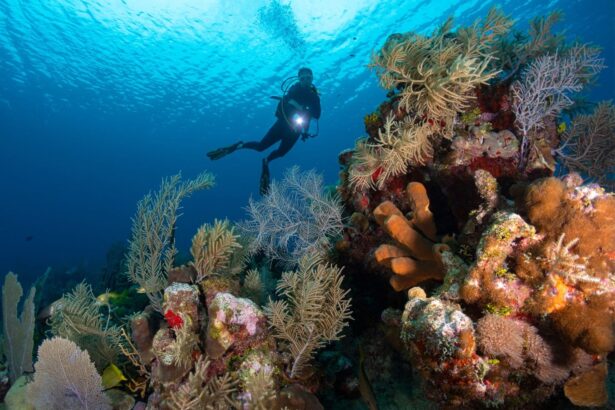
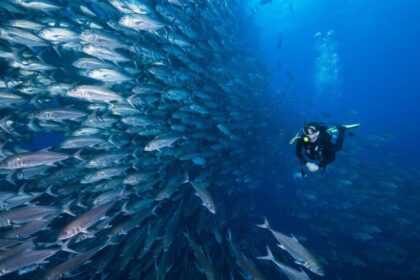
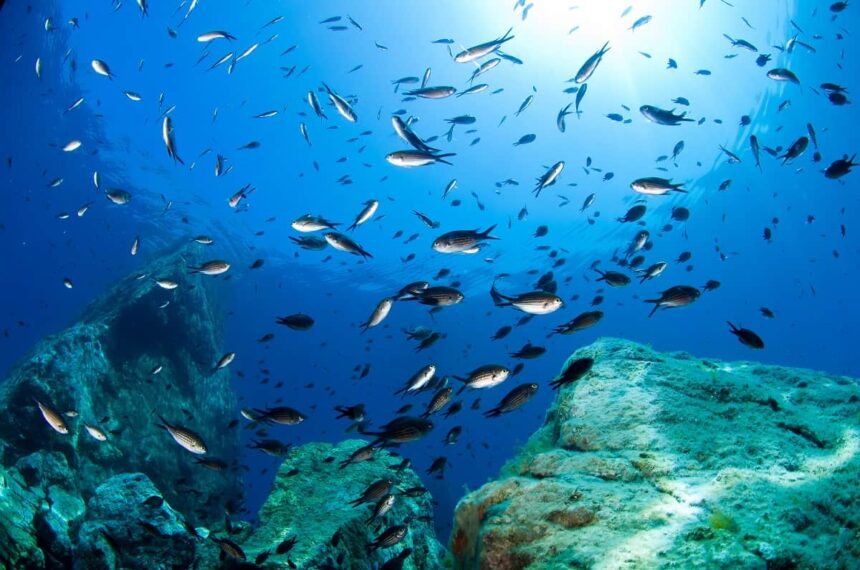
Elba Island, in the Tuscan Archipelago National Park, has a large number of Italy’s well-known dive sites and is one of the best Italian islands for diving. The island’s dive sites host plentiful large marine life including barracuda, conger eels, sunfish, dolphins, and whales. Smaller life is also present and includes threadworms, leopard snails, hermit crabs, and seahorses.
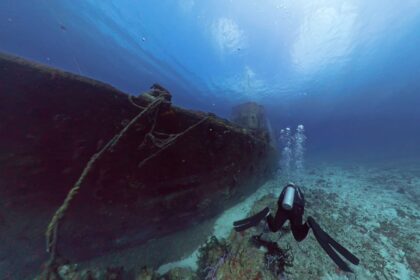
One of Elba’s most famous sites is the underwater museum, just off the coast and within the Corsican Canal. This underwater collection of statues depicts historical and mythological figures and is well worth visiting. The wreck of the Elviscott, off the southwest coast of Elba, is a shallow wreck dive at 12 meters depth with numerous shoals of fish and moray eels.
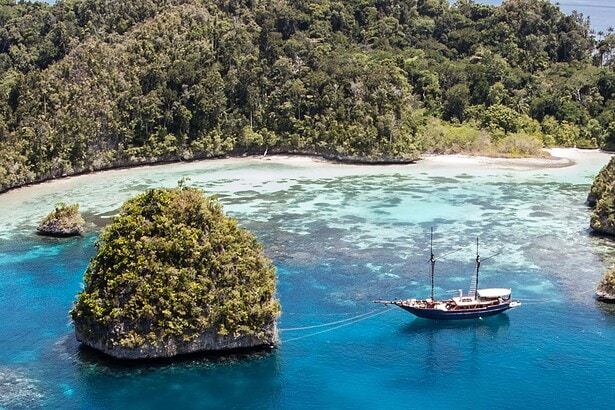
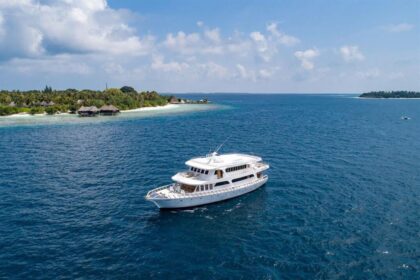
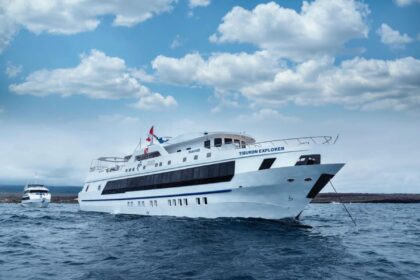
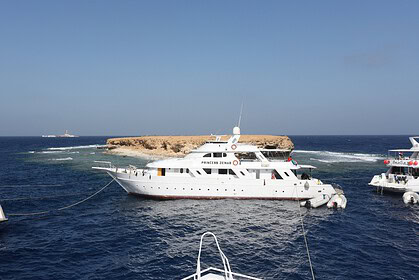
The Formiche della Zanca dive site has large numbers of red sea fans and Pianosa Island, just off Elba, is the place to go for eagle ray sightings. Liveaboard diving Italy offers the opportunity to explore the dives sites whilst sailing around the islands.
- Scoglio del Vervece, Sorrento
The 25 miles of marine and shore protected area of Punta Campanella in Sorrento is a highlight for divers visiting Italy. There is diving suitable for all divers and plenty of underwater features and abundant marine life to enjoy. At the small islet of Scoglio del Vervece, there is a 40-meter depth cargo shipwreck and an underwater bronze statue of the Virgin Mary at 12 meters depth. The islet’s marine life includes John Dories, groupers, sea bass, and a garden of gorgonian sea fans on its northern side.
Italy is a very diverse and culturally rich county so it is good to know some quotes about Italy, to avoid being a total amateur!
- Mitigliano’s Grotto, Sorrento
This karst formation on the eastern side of Mitigliano Bay is a cave dive for experienced divers, with a maximum depth of 20 meters. The entrance lies at 6 to 15 meters depth and the cave is 80 meters long, with divers needing to proceed single file after 40 meters distance. There are several air-filled chambers along the way and divers can surface in the chambers. Highlights include the rock formations and sightings of the brotula fish (Oligopus ater), a rare type of cavefish.
- Underwater Archaeology Park of Baiae, Naples
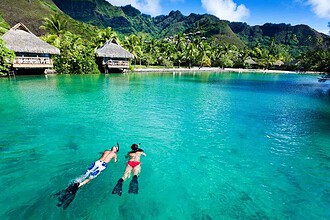
This protected marine reserve in the Gulf of Naples offers the unique opportunity to explore the remains of ancient villas, mosaics, and other Roman artifacts. There are a number of dive sites to explore with highlights including the Sunken Nymphaeum (a collection of Roman statues), spas, paved roads, fallen columns and more. The sites can also be explored easily by snorkelers.
- Saint Lucia, Rome
Rome also has great scuba diving and the Saint Lucia wreck is one of the best dive sites in the area. Located just off the coast of Rome, she was sunk during World War II and lies in two pieces at 44 meters depth. Her propeller and anchors are still intact and she is a popular choice for photographers. The wreck usually has good water visibility and abundant marine life.
Unlike some islands in the Caribbean, St. Lucia’s beaches are all open to the public. So, while there are plenty of beachside resorts, they don’t have exclusive access to the shore, meaning you’ll never have to face that terrible realization that the dreamy beach you’ve spotted is for resort guests only. That said, some resorts might restrict non-guests from using their sun loungers and beach bars.
To truly indulge yourself in Italy here are some Fun Facts About Italy that you should know before venturing on a holiday.
If you have limited time to visit the Italian capital, check this one day Rome itinerary to get the best experience.
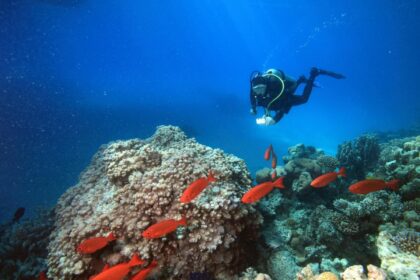
Scuba diving is possible all year, with summer water temperature reaching around 28 degrees Celsius and dropping to 10 to 13 degrees Celsius in winter, depending on the area/island. Whilst more marine life can be seen in summer, winter brings the opportunity to enjoy many dive sites without other divers’ present.
Check this out: Rome Travel Guide
The best time to visit Elba Island for eagle rays and seahorses is June to August. Sicily is best visited from May to October for the best water conditions.
This article was written by Kathryn Curzon, a diver, and writer for Liveaboard.com.
Also Read: Tourist Map of Italy
 Take a moment to look at this.