










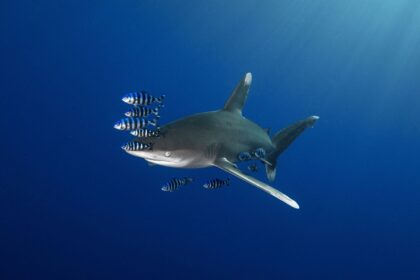











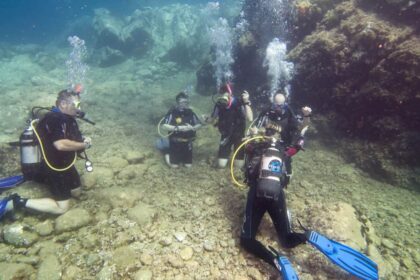
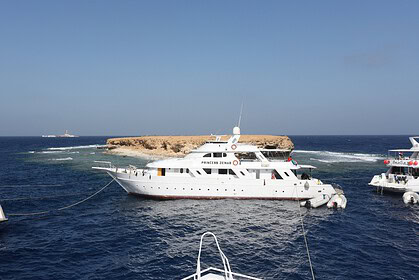


Shark cage diving continues to gain popularity each year as liveaboards become more affordable and events such as Shark Week highlight opportunities to dive with sharks around the globe.
It isn’t without controversy though and people have raised concerns that shark cage diving negatively impacts sharks and affects the surrounding environment. As the 30th anniversary of Shark Week begins in July 2018 and includes programmes about sharks at the premier cage diving destination Guadalupe Island, it’s time to take a look at the world and ethics of shark cage diving.
WHERE CAN DIVERS GO SHARK CAGE DIVING?
There are various destinations around the world where divers and non-divers alike can cage dive with sharks, mostly with great white sharks. The premier great white shark diving destination is Guadalupe Island and this unique island is visited regularly by the Shark Week film crews. Guadalupe liveaboard diving offers cage diving with great white sharks in clear warm water, where divers can spend many hours in the water with these iconic predators.
WHY IS CAGE DIVING CONTROVERSIAL?
People have raised concerns that cage diving is unsafe, for both people and sharks, because of incidents where a great white shark has entered a cage when divers were present. The other main concerns have been that chumming or baiting the water affects sharks’ natural behaviours and the surrounding environment long-term and that cage diving causes sharks to associate humans with food.
DOES CAGE DIVING AFFECT SHARKS NEGATIVELY?
Cage diving can affect sharks negatively, if it is conducted inappropriately and without concern for the sharks, divers and environment. For example, an operator that uses large amounts of chum and feeds the sharks numerous baits may alter both the sharks’ natural behaviours and the ecology of the surrounding area. Poor bait handling, such as wrangling a shark to make contact with the cage or encouraging a shark to become more active in bait pursuit, can harm the shark and encourage shark behaviours that are inappropriate for the situation.
Thankfully, those negative impacts can all be prevented by following cage diving best practices and committing to environmental protection. Doing so can turn great white shark cage diving into a valuable conservation tool for a species that needs all the help it can get.
HOW DOES CAGE DIVING CONTRIBUTE TO OCEAN AND SHARK CONSERVATION?
The cage diving industry contributes to shark and ocean conservation in a variety of ways:
Marine Reserve Fees
Some of the best shark dives in the world are within marine reserves and visitors support these reserves directly by diving there and paying marine reserve fees. Such reserves help protect fisheries and ocean biodiversity from the impact of human activities, and they provide unique study environments. Marine-park fees are often used to educate communities and tourists about issues such as sustainable fishing and shark conservation, whilst also providing local subsidies to preserve reefs.
Cage diving is no exception to this and divers at Guadalupe Island pay a fee that is used in the management and protection of both the Guadalupe Biosphere Reserve and sharks found there.
Shark Conservation Research
Cage dive operators often contribute directly to the protection of sharks by assisting in shark research programmes and scientific studies in the area they operate. Their vessels and equipment are a valuable tool used to conserve sharks for future generations to enjoy.
Sustainable Ecotourism
If great white sharks are to be protected long-term they need to be worth more alive than dead, to encourage communities and governments to protect them from being fished. The cage diving industry has contributed to the value of live sharks considerably by creating a profitable and sustainable shark ecotourism industry.
IS CAGE DIVING A VALUABLE EDUCATIONAL TOOL?
There is nothing quite like being eye to eye with a great white shark for the first time. It is life changing, and especially so for people who fear sharks and begin to understand their importance and true nature after spending time with them. Cage diving offers the perfect opportunity to introduce people to the world of these iconic predators, create incredible memories, and educate them about the importance of sharks and their conservation.
Operators at Guadalupe are required to provide information about the biosphere reserve to their clients and the passionate crews often educate their guests about sharks and how they can help protect them. Such educational encounters are long-lasting in the mind and often result in guests going home to share their positive experiences and take conservation action themselves.
DOES CAGE DIVING BENEFIT LOCAL COMMUNITIES?
Shark cage diving creates local employment opportunities, such as for local dive guides and crew, plus income for associated businesses including hotels, restaurants, tourism activities and local crafts in the surrounding area. All of which make sharks a valuable economic asset, alive rather than dead, and provide a strong incentive for local communities to protect their shark populations.
WHERE IS SHARK CAGE DIVING CONDUCTED RESPONSIBLY?
Shark cage diving practices at Guadalupe are a great example of how cage diving can be conducted well. There is a strict code of conduct for cage dive operators at Guadalupe to adhere to, that protects both the sharks and this unique Biosphere Reserve from harm. The code aims to ensure the sustainability and conservation of the reserve and to prevent any disturbance of the sharks’ natural behaviours. It includes rules about bait handling and shark interactions, plus requires operators to have a permit to perform cage diving there. Chum has been banned at Guadalupe since 2013 and only certain types of bait are permitted to be used.
HOW CAN DIVERS CHOOSE A RESPONSIBLE SHARK CAGE DIVE OPERATOR?
Guadalupe is a great choice to ensure divers are participating in responsible shark diving only but there are other destinations that also offer responsible shark dives. When considering destinations, key things to look for are:
- Customer reviews for the vessels at different destinations. A series of positive reviews is a great starting point to see if an operator is responsible and committed to best practices.
- Dive forum recommendations for different operators and eco-conscious vessels.
- An overview of shark dive operating procedures and conservation initiatives on operators websites.
If it isn’t clear from an operator’s website what their dive procedures are and if they contribute to shark conservation, speak up and ask. They will be proud to share their knowledge and environmental credentials.
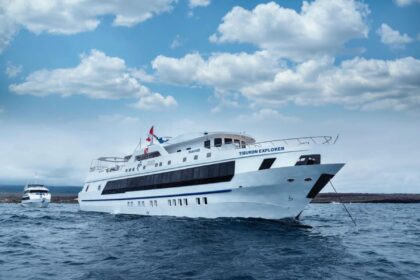
The following liveaboards operate at Guadalupe and contribute to conservation funds and/or are actively involved in shark conservation and environmental protection in the area:
- MV Horizon
- Nautilus Belle Amie
- Nautilus Explorer
- Nautilus Under Sea
- Solmar V
This article was written by divers and writers at LiveAboard.com
 Take a moment to look at this.