




































Tent
There is nothing like first-hand user experience, so check out internet forums and consumer reviews. Additionally, you might wish to “test drive” several camping tents on your initial outings by borrowing or renting them. You may really commit and purchase your own tent after you have a better understanding of what you want (and don’t want) in a tent.
You may test your equipment by going camping in your backyard to check if anything is missing. Additionally, it’s a fantastic opportunity for youngsters to experience “genuine” camping. Make time for it ahead of the “real” thing if you can.
Without a place to sit, unwind, and unwind as you enjoy time outside, a campground wouldn’t be complete. A foldable table is another item of beginner-friendly camping gear. You’ll also need chairs for your table. Choose items made of lightweight, synthetic materials that can dry fast in case of rain and won’t corrode if they become wet so that they won’t be too heavy to handle.’
Recommended by Alex Mastin, CEO and Founder of Home Grounds
Portable Blender
I highly recommend a portable blender as it makes it a lot easier to make delicious, affordable meals while travelling.
Recommended by Henrik Jeppesen, Founder of Every Country in the World
Lightweight Poncho

Aside from the obvious camping gear, like a tent, sleeping bag, etc., there’s one important item that can make or break the trip…
Rain gear is one essential piece of camping gear that a beginner or seasoned camper should never forget. Not only is camping and hiking in damp clothes unpleasant, but it can also cause health concerns in low temps, and wet clothes are heavier, making them harder to carry. A simple, lightweight poncho or rain jacket is all you need. Remember, you only have a few pairs of clothes when camping, so it’s important to keep them dry.
Recommended by Georgia McBroom, co-owner of CamperFAQs
Sleeping Bag
Camping is known to be the most intimidating adventure but that can be super cool with the right essentials. There are many things that you need while going on a camping trip, among which, a sleeping bag is the most crucial necessity. For sleeping, you have to consider the external factors of the place where you’re camping and what the forecast is like. Always remember that hotter climates can get frigid at night so it’s difficult to forecast the climate. For this reason, I would suggest you take multi-season sleeping bags, they are specifically designed to keep you warm in –6 Celsius and higher levels as well.
Recommended by Sean Harris, Managing Editor of FamilyDestinationsGuide
Head Lamp
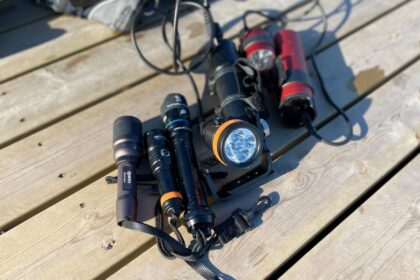
Other than a tent and sleeping bag, the one item I recommend beginners get is a headlamp. When it gets dark at night, having light to navigate around camp is critical for your comfort and safety. I can’t tell you how many times I’ve bonked into things or lost pieces of gear in the dark because I forgot to pack a flashlight. While a traditional hand-held flashlight is helpful, a headlamp frees up your hands to take care of camping tasks such as setting up a tent and cooking. There are tons of options for headlamps on the market. I’d recommend getting one that uses LEDs and can be adjusted to different levels of brightness. And remember, point them down slightly so you don’t shine the light in your friends’ eyes — a common camping foul.
Recommended by Chris Emery, Founder and Editor of Ordealist
Sleeping Pad
A camping tent is at the top of the list of beginner camping essentials for good reason – it’s your shelter from the elements. For car camping, get a spacious tent with enough room to sleep comfortably and get changed in. A three or four-person tent could be a great option even if there will only be one or two people sleeping in it.
Next, you’ll want a solid sleeping pad. Sleeping pads can make or break your camping trip by helping you get a good night’s sleep, so it’s one of the most important car camping essentials you’ll invest in. A good sleeping pad not only provides comfort from the hard ground but can also help keep you warm.
Finally, you’ll want a high-quality sleeping bag. The two main considerations you want to think about when choosing a sleeping bag are temperature rating and shape. A temperate rating of 20-40° is usually perfect for car camping depending on when and where you plan on camping. The shape is more of a personal preference. Rectangular bags will allow you to move around more while a mummy bag will be warmer and more lightweight.
Recommended by Kristen Bor, Founder of Bearfoot Theory Outdoor Blog
First-Aid Kit

One item that no novice camper should leave home without is a first-aid kit. Small injuries can happen at any time, especially if your camping adventure also includes hiking. Be sure to include a few wilderness-friendly extras such as aloe for burns and aerosol bug spray.
Recommended by Rex Freiberger, CEO of Gadget Review
Snacks
Every camper needs snacks and foods that will sustain them for outdoor activity. We are mindful in creating granola bars and snack bites featuring real food and raw ingredients from our earth. Our products are 100% USDA-certified organic, gluten free and Non GMO so it’s a healthful and delicious choice for adventurous camping trips.
Recommended by Kate Schade, Co-founder of Kate’s Real Food
Tarp and Rubber Mallet
Most campsites supply a picnic table, fire ring, and tent pad. Your tent should be pitched on the tent pad which is generally comprised of packed sand. This sand has a habit of getting all over your tent, and it can be difficult to pound your stakes into the ground.
Every first-time camper should have a tarp to put under their tent and a rubber mallet. The tarp will keep the bottom of the tent clean and protect it from abrasion. Make sure the tarp is slightly shorter than the tent. You don’t want any rain to collect on the tarp and flow directly under your tent.
The mallet will make it easy to pound the stakes into the ground. While you can use a rock, the mallet is easier and faster. On my first camping trip, I looked on with envy as my campsite neighbors made easy work of their stakes while I was pounding away with a small rock.
Recommended by Alison Watta, Owner Of Explorationsolo.com
RainGear
It depends on the climate where a person new to camping wants to go, but it’s important to ask “what if it rains?” Being prepared for that is critical because getting wet is not only uncomfortable, but potentially dangerous too if the temperature drops or the wind picks up during the rain storm. For this reason, I recommend a beginner think through how he or she will stay dry: stay dry sleeping (in a well-pitched tent), cooking (under a tarp strung up between trees above your stove), moving about the campsite (wearing a raincoat or poncho), and relaxing in a comfortable camp chair (also under a high tarp shelter). If there’s a chance of rain, remember to pack this essential rain gear when camping: a raincoat or poncho, tent with rainfly, and small tarp (with cord) that can be strung overhead.
Recommended by Jeff Carter, Director of Rockbrook Camp
Camping Chair
Though most camping sites supply a picnic bench and table, it’s still a good idea to pack a camping chair for places that are a bit more remote or an unusual campsite. It’s all well and good to have your tent, sleeping bag and sleeping pad but being able to sit comfortably off the ground is a luxury. It will also make eating lunch/dinner more enjoyable.
Tiffany Payne, Marketing Specialist at PharmacyOnline.co.uk
Plates and Utensils
Most beginners would not be used to eating out of packs or canteens and depending on how adventurous you are it’s always better to pack plates and utensils for your first time. Even if it isn’t your first time camping you should always have your own utensils, especially ones that you are comfortable with.
Joanne King, company director at ICMP
 Take a moment to look at this.