Hiking for beginners can be intimidating, but there’s really not much to it. You don’t need any special skills to hike, you just have to be able to walk and know where you are. It’s a great way to immerse yourself in nature, get a good workout in, and recharge your batteries. Hiking offers many health benefits, too, including help with weight management and stress reduction. Physical activity also decreases the risk of heart disease, hypertension and diabetes. If you are ready to start hiking, you are making an excellent choice for your overall well-being. Plus, getting started is easier than you might think. Here are some tips to make your hike safe and fun.
Pick A Hike For Beginners
The biggest mistake beginners make is overdoing it. They pick a hike that’s either too long or has too much climbing. If you’re just starting out, pick a hike under 5 miles with minimal climbing. If you want to do a longer hike, make a training plan in advance. Do an extra mile or two each week and build up to your target distance.
What To Eat Before A Hike
When you hike or engage in any physical activity, you generally need to consume more food and water than you usually would. Your body needs fuel before and during a hike to replenish your energy, and you also need food after a hike to help your muscles recover. Just as you would not drive a car empty, you don’t want to strap on your hiking shoes without eating and drinking enough first. Protein is best consumed about 20 to 60 minutes after a workout or strenuous hike because it will help repair and grow your muscles. Although protein is often associated with a workout, you want to avoid loading up on saturated fats and proteins before a hike, as they take longer to digest and could make you feel sluggish. Instead, focus on consuming easy-to-digest complex carbs.
Pick Hiking Gears For Beginners
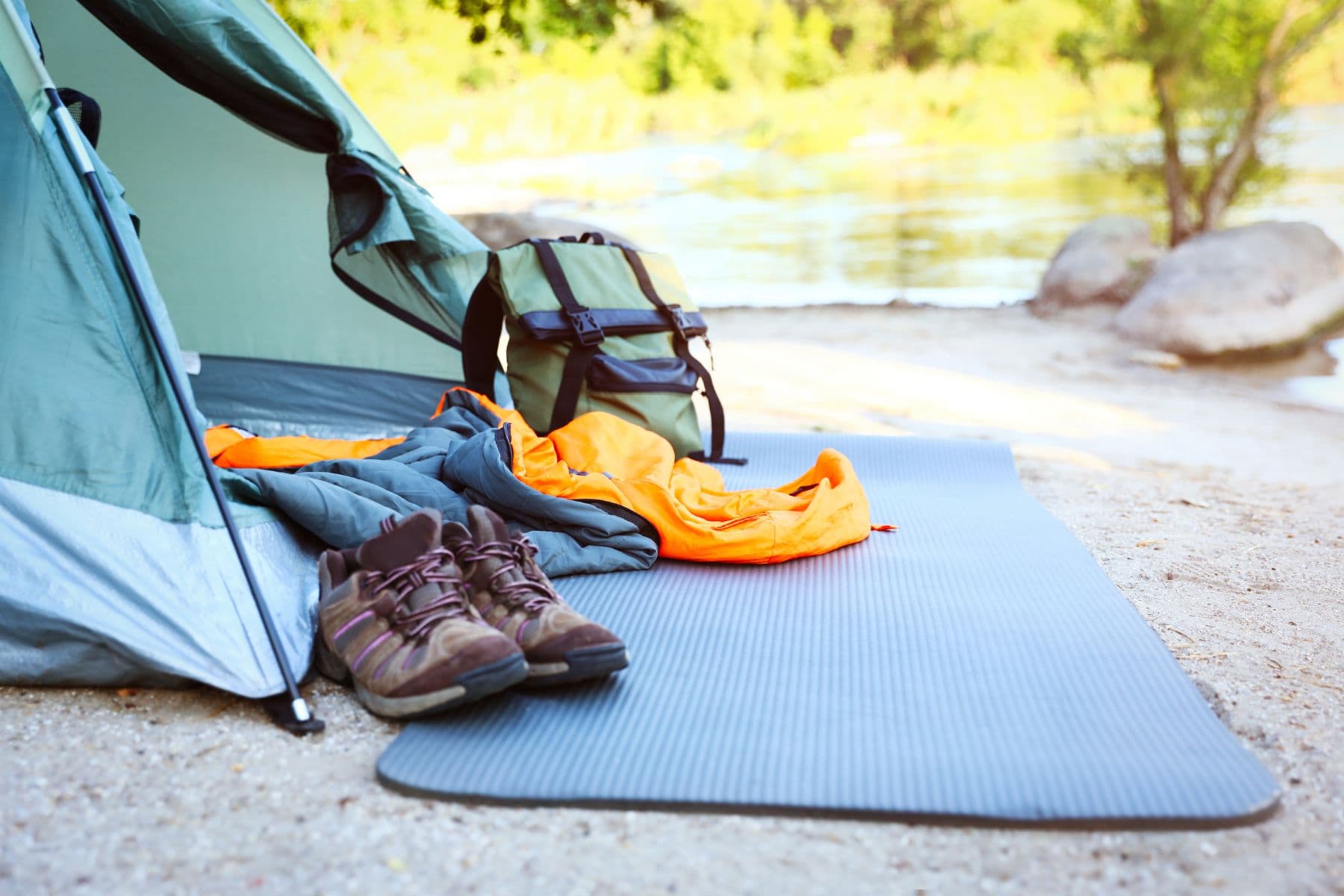
A typical mistake hiking beginners make is wearing jeans and regular clothes, which will get heavy and chafe if they get sweaty or wet. Wear wicking workout clothes, which are designed for being active. Long pants or tights are good for making sure your legs don’t get scraped up on bushes along the trail. Likewise, long sleeve shirts will protect you from the elements, but you can roll up the sleeves when it’s hot. Shoes are also important. A good pair of sneakers or trail runners is usually your best bet. If you have an old pair of hiking boots in your closet, it might be better to leave them behind if you haven’t worn them in a while, they could cause blisters.
Understand Your Map
A combination of electronic navigation and paper is a good route for hiking beginners. Understanding where you are and where you are going is key to enjoying your hike. To start, print out the hiking guide and map. If it’s raining, throw them in a Zip-Lock bag. Read over the guide, study the map, and have a good idea of what to expect. When you use an app, you’ll also want to make sure you download the maps for offline use. This ensures that you have the map even when you don’t have a cell phone connection. And here’s one last tip. Put your phone in flight mode before you hike. When a phone goes out of cell tower range, it drains a ton of battery by searching for a signal. Putting it in flight mode saves your battery.
Time It Right
Start your hike as early as possible. The later you leave it, the more crowds there will be. Conversely, if you’re scared to hike alone and want other people on the trail, leave at a popular time. It might be harder to park, etc. but you’ll have company.
Tell Someone
Tell someone where and when you’ll be hiking. It can be as simple as sending a text message with the hike web page and note that you’ll be back at a certain time. If something bad happens, this will increase your chances of being found dramatically.
Watch Your Feet
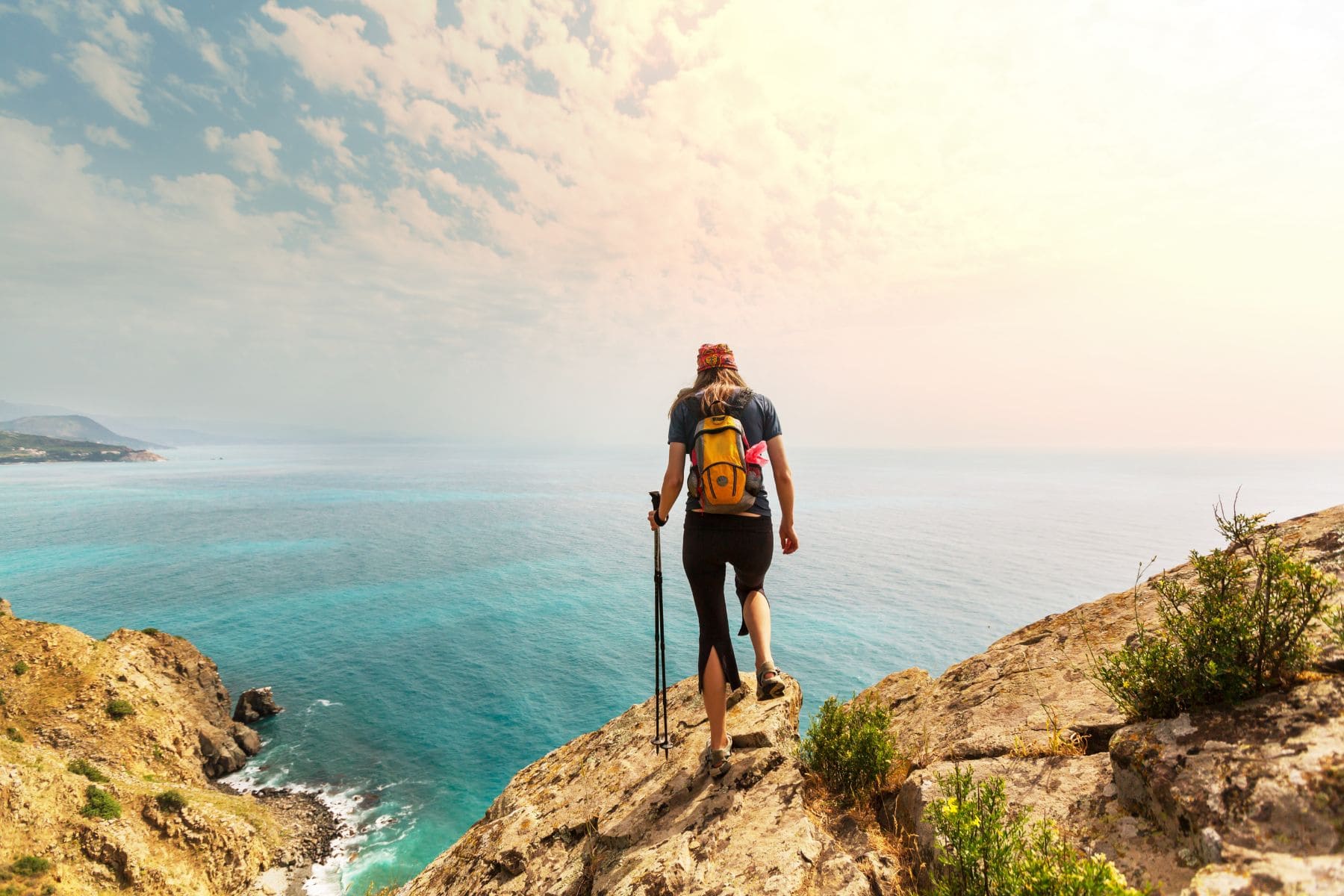
The biggest risk you generally have on an easy hike is stepping in the wrong place. This could mean twisting your ankle, slipping on a rock, tripping on a root, or worse, stepping on some poisonous wildlife. Just be conscious of where you are walking, especially if you are chatting, tired, or wearing headphones.
Don’t Fear Getting Lost
If you think you’re lost, the first thing you need to do is stop. Take a look at your guide and see if anything sounds or looks familiar. If not, just backtrack until your surroundings match what’s described in your guide. Getting lost hiking is something that happens to the best of us all the time, and is not a big deal. However, if you backtrack for a while and still don’t recognize anything, stop. See if you have a cell phone signal and try calling 911. You can also try texting to 911, which is available in some areas. If you are in an area that’s open, hang any bright clothing for aircraft and spell out HELP with sticks and rocks on the ground. If you’re cold, simply piling dead leaves on top of you will keep you warm. People have lasted 7-10 days without water, 60-70 without food.
Hiking Is Not A Race
In hiking, steady is better than quick. Conserve your energy, especially on a long hike. You never know what situation you’ll have to use your energy on later. Hiking at a comfortable pace is also a great way just to soak it all in. Enjoy the outdoors, enjoy the fresh air, keep your eyes open for wildlife, and have fun.
Recommended by Jack Kelly, CEO and Founder of Trusted Gifts
Don’t Do Too Much, Too Soon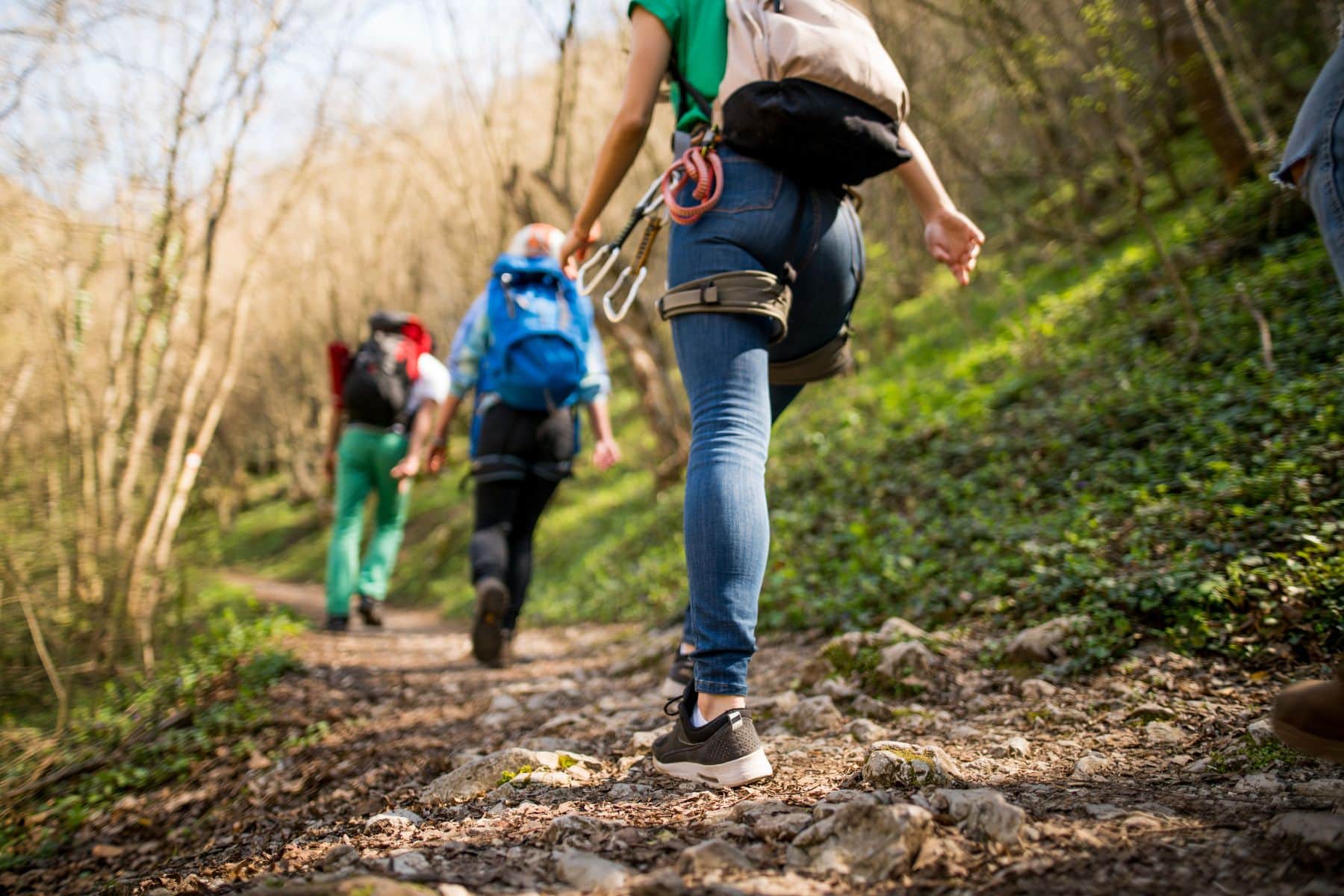
Start small and gradually increase the distance that you hike every single day. Don’t try to go too far too soon or you’ll end up doing more damage than good. Work your way up top long-distance hikes by going a little further every single day, and you’ll soon be surprised by how far you can actually walk.
Keep Things Fresh
Try to avoid following the same route all the time. Keep your hikes fresh, exciting, and challenging by choosing different routes as often as you can. Remember, it’s all about having fun so try different paths and new routes and challenge yourself every time you lace up your hiking boots and go for a hike.
Recommended by James of Own The Grill
Hydration and Preparation
My first tip is to switch out your water bottle with a hydration reservoir. With a reservoir you can carry more water in a much more comfortable way than if you packed a bunch of heavy bottles. Reservoirs take up less space and make hydrating on the go a lot easier and faster.
My next tip is to know the tick risk where you are hiking and don’t forget to do a thorough tick check when you’re done. Some hiking trails (like those here in New England) will post reminders at the trailheads of the risk, what to look out for, and how to stay safe against them, but not all trails do. I always make sure to spray myself down with some tick-repelling DEET before and during my hikes as well.
Recommended by Ashley of Mywanderlustylife.com
Some Guiding Principles
Be ready at all times. Be ready for the weather to change. Be ready for equipment breakdowns. Expect to get lost or take a wrong turn, causing your hike to take twice, three times, or 4 times longer than anticipated. Expect to require more food and supplies than you anticipated. Expect it to be colder, wetter, hotter, more tired, and sunnier than you anticipated.
Prepare to stay out after dark and spend the night in the woods. This doesn’t mean you have to bring a tent and sleeping bag with you on every trip, but you should have some gear or equipment that will help you overcome a night in the forest.
Have a strategy, a backup strategy, and an emergency strategy. Prepare to light a fire, patch a wound, bind an ankle, and call for assistance. Know where you’re going, what you’re capable of, and what tools you have.
If you follow all of the criteria above, hiking can be fun at any skill level and with almost any set of equipment. So if you respect all of those principles, you’ll almost certainly never have to deal with any of these circumstances.
Recommended by Sai Blackbyrn of CoachFoundation.com
Start Slow and Build on Your Ability
The first tip is to start modestly and pick a path that is appropriate for your fitness level. Choose a hike that is a bit shorter than the distance you can walk on a flat or paved surface ordinarily.
Calculate the time it will take to trek the path at a speed of about 2 miles per hour. After that, look at the elevation changes and add an hour to your expected hiking time for each 1000 feet gained. After a few outings, you’ll have a good idea of what distances and elevation variations suit you best. The second is to look at the weather forecast.
Check the weather in the days leading up to your hike, and again a few hours before. This will provide you with helpful advice on how to dress and what to bring. If bad weather is expected, you’ll have the opportunity to adjust your plans rather than being caught off guard on the route.
Recommended by Axel, the CEO of Tripplo
Bring The Right Gear
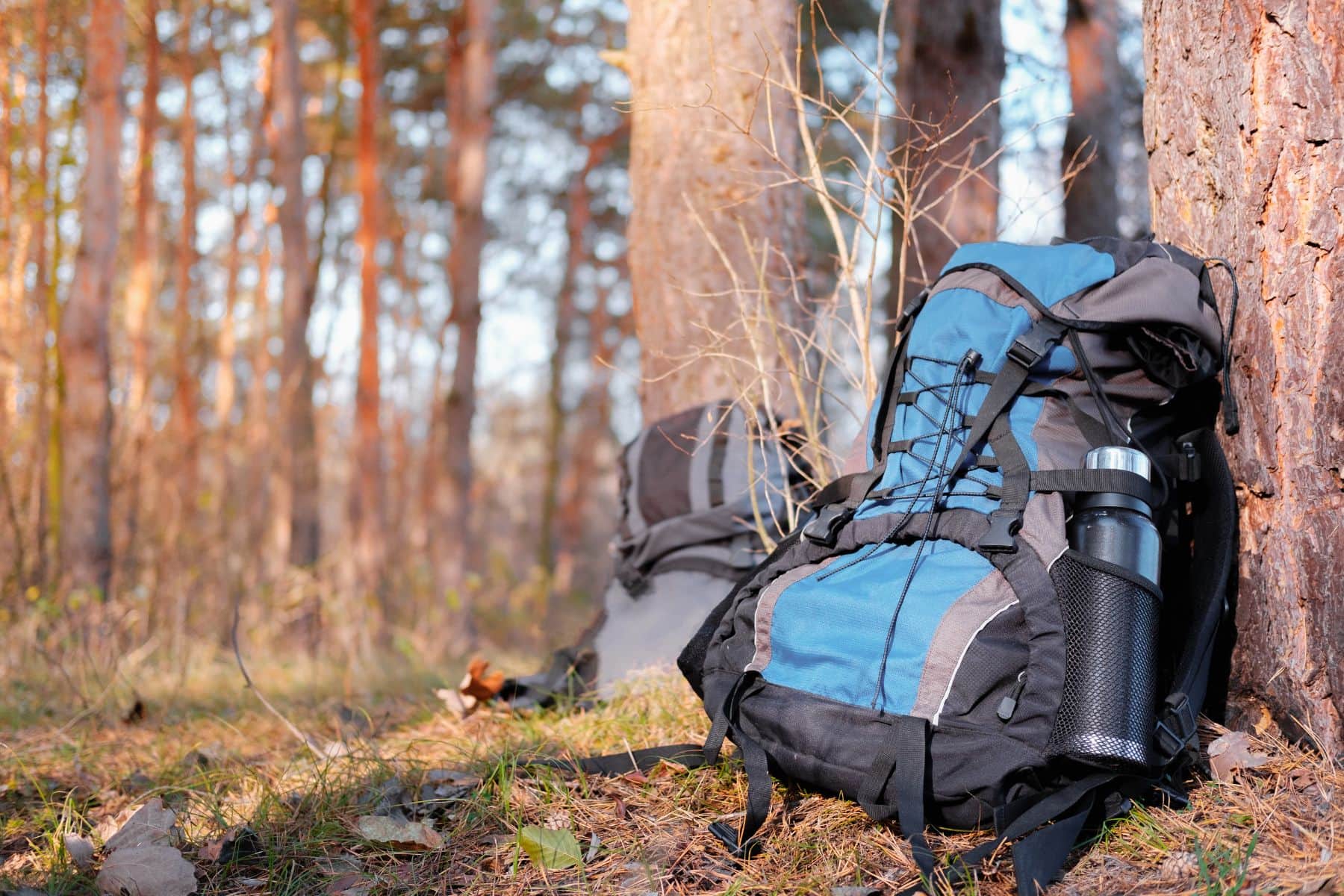
Day hiking is a great way to get outside and experience all that nature has to offer, without having to commit to an overnight trip. However, before heading out on your first day hike, there are a few things you should keep in mind.
First, start by choosing a trail that is within your fitness level. It’s important to pick a route that you feel comfortable completing, without pushing yourself too hard. Second, be sure to pack plenty of food and water. Even if you’re only planning on being out for a few hours, it’s always better to err on the side of caution and bring more than you think you’ll need.
Finally, make sure to dress appropriately for the weather conditions. Layering clothing is always a good idea, as the weather can change quickly when you’re out on the trail. By following these simple tips, you can get started with day hiking and enjoy all the benefits that come with it.
Recommended by Max Benz of Lieferservices.eu
Enjoy Nature
Day hikes are a great way to get out and enjoy the beauty of nature without having to commit to an overnight trip. But if you’ve never been on a day hike before, it can be hard to know where to start. Here are a few tips to help you get started.
First, make sure you have the right gear. A comfortable pair of shoes is a must, and you’ll also need a backpack with enough room for water, snacks, and a jacket. If you need a reliable fabric against extreme weather conditions during your hike, Gore-Tex products should be your first-hand of choice. If you’re hiking in an area with lots of trees, you may also want to consider bringing along bug spray and sunscreen.
Second, pick an easy trail to start with. There’s no shame in starting slowly – you can always work your way up to more challenging trails as you get more experience. Once you’ve found a trail you’re comfortable with, pay attention to the signs and markers so you don’t get lost.
Finally, don’t forget to enjoy yourself! Take some time to take in the scenery and maybe even snap some photos. Hiking is supposed to be fun, so make sure that’s your top priority. With these tips in mind, you should be ready for your first day hike in no time!
Recommended by Lisa Dietrich of Remotecanteen
Download and Save Offline Maps
One of the best hiking tips for beginners is to go with a friend or let people know about your plans, that way if anything happens to you on the trail then you’ll have someone to help you. This is a great way to start out as a new hiker.
It’s also a great idea to download and save offline maps on Google Maps, that way if you lose reception in the middle of nowhere you can still keep using the maps for navigation and GPS. This can be a big help if you’re hiking remotely or camping in the mountains and desert (e.g. Colorado or Utah), which are places where you might lose reception completely. This simple step has come in handy for me many times while traveling and hiking!
Recommended by David Leiter of The World Travel Guy
Pick The Right Hike!
When you begin hiking it is easy to get excited and overdo it. Picking a less than five miles hike with little climbing is always your best option if you are a beginner. If you want to do something longer it would be best to train in advance on a treadmill or do long walks around a park.
There are several apps that you can download to look for trails and pick the right one for you. Starting slow is the best chance you have of building the habit.
Recommendation Soji James of 1AND1 Life
Break In Your Gear
Wear a liner sock to prevent blisters: My greatest tip for avoiding blisters is to buy a pair of liner socks to wear inside your hiking socks. With two pairs of socks, you’ll find that your outer sock sticks to the inside of your shoes and the liner sock sticks to the surface of your foot. As you walk, any rubbing will take place between the two sock layers, as opposed to your outer sock and your skin. As an added bonus, the liner sock will help wick moisture away to keep your feet dry as you walk.
Break in your shoes before your hike: If you decide to buy new shoes for your hike, it’s important to break them in before setting out for your first trek. I recommend wearing them for an hour to start with and monitoring the condition of your feet over that time. If all goes well, you can gradually increase that time until you’re able to walk for several hours without developing blisters. If you don’t break in your shoes before setting off, you’re likely to develop blisters or feel pain from stiff shoes that have yet to mold to your foot shape.
Tell Somebody Where You’re Going
Odds are, you’re going to be totally fine, but it’s still best to prepare for those worst-case scenarios. In addition to bringing a phone with you on the hike (helps with navigation and can be life-saving in emergencies), tell a friend where you’ll be going. I recommend giving your friend a time at which they should panic if they haven’t heard from you; around four hours after you expect to finish the hike. If they haven’t contacted you by then, they should reach out to the authorities.
Recommended by Lauren Juliff of Never Ending Footsteps
Plan a Short Route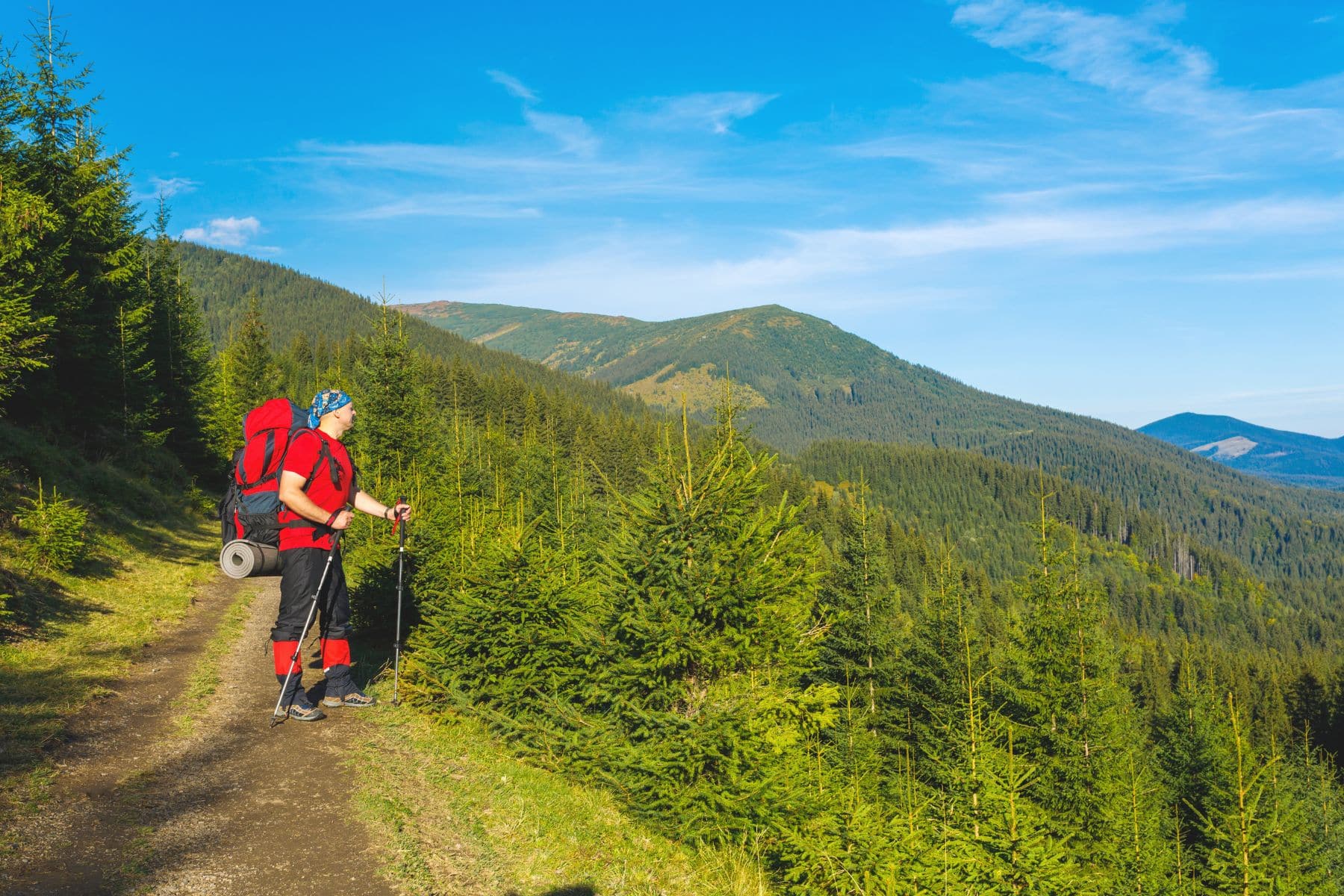
If you’re a beginner to day hikes and are intimidated by the distances involved, one of the best things you can do for your peace of mind is to plan a route that takes you on a relatively short loop. Aim for something that will have you back at home or at your car within an hour or two, with the option to hike it again if you’re up for it. Once you’re more experienced, you’ll probably find this monotonous and want to plan out longer routes that will let you see more natural beauty, but this is a great option for beginners, or for groups of mixed skill levels.
Recommended by Caroline Grainger, ISSA Certified Personal Trainer at FitnessTrainer Online Personal Trainers.
Pack Extra Clothes
When hiking, it can be cold at times. Be prepared for different types of terrain and weather conditions. You may need to carry extra layers depending on where you go. Make sure to dress appropriately too. In the winter months, you should bring layers that can keep you warm but allow you to stay dry.
Pack Enough Drinks And Food
Always make sure your pack has the right amount of space for your hydration and food. It is best to drink at least 50% of your body weight in ounces per day. With proper hydration, you can last much longer than you think you can. Plus, it’s always nice to eat something while you’re out enjoying nature.
Recommended by Fred Baker, the Senior Travel Editor of Travelness
Take a Wilderness First Aid class
Too many people go out into the woods, even for the day, with very little first aid experience. Doing this 2 day class, that is offered all over the US will give any day hike the confidence to deal with the most common safety issues in the outdoors.
Learn About Leave No Trace
Having knowledge of Leave No Trace ensures that we know how to act and interact with nature and keep it safe for future generations. You can take a short online class for free here: https://lnt.org/get-involved/training-courses/online-awareness-course/
Recommended by Retha of Roaming Nanny
Learn Trail Etiquette
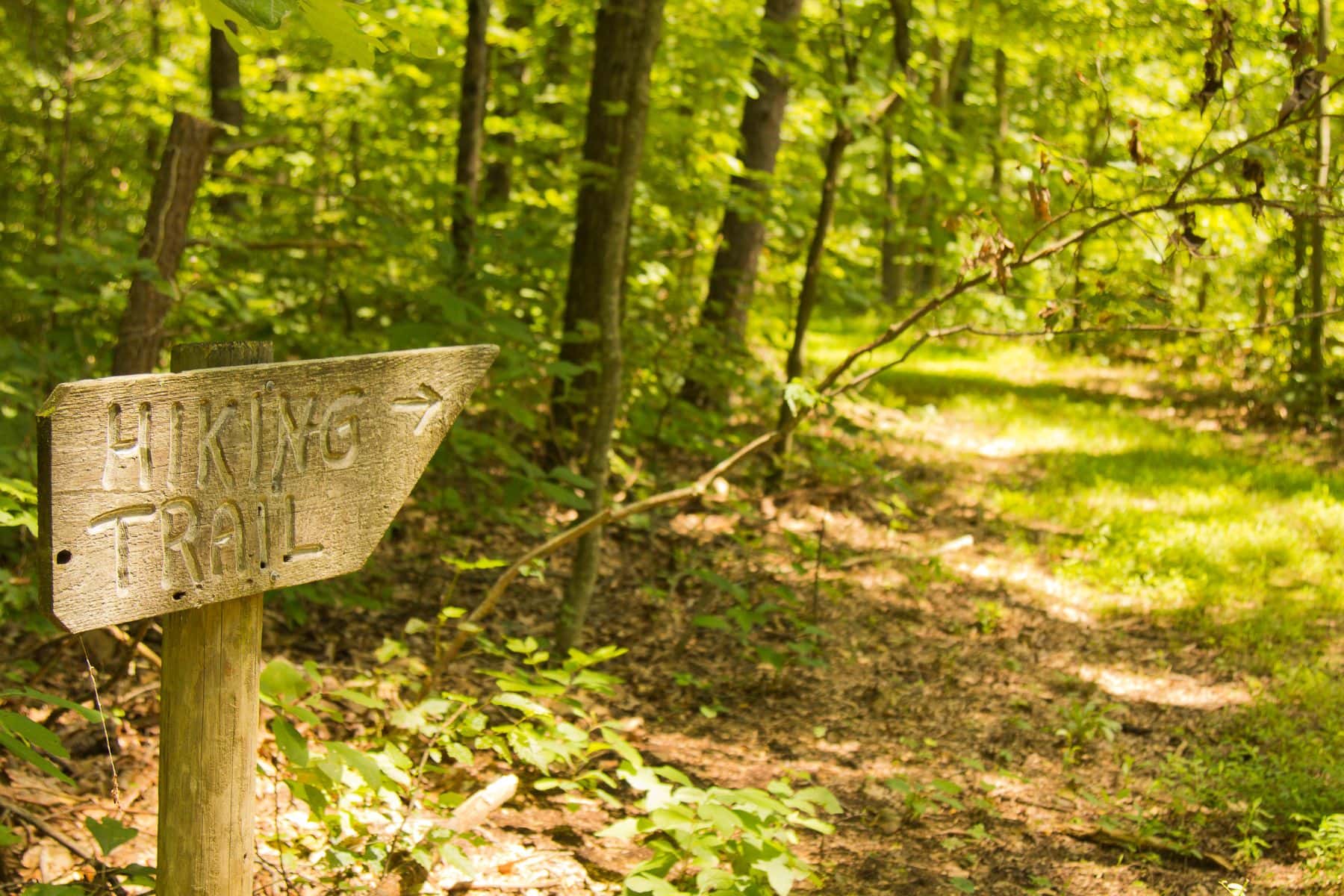
After spending a lot of time working on trails, I think trail etiquette is one of the most overlooked factors for day hikes. As more and more people flock outdoors, popular trails can get crowded. Remember a few simple rules to help everybody enjoy a great time in the outdoors.
The yielding rules. i.e. mountain bikers are supposed to yield to hikers, downhill hikers yield to uphill, and large groups yield to smaller groups.
- Use earbuds, not speakers. Nobody wants to hear your music in nature
- Leave only footsteps. Don’t move plants, rocks, trail markers, etc.
- Let me know if you have any questions or need anything from me.
Recommended by Olly Gaspar, of We Seek Travel
Easy to Remember Tips
There are several things to be mindful of when you first start hiking. Plan and pick an easier trail to hike on. Start easy and you can slowly build up for tougher hikes. Respect and be mindful of trail etiquette. Littering the trail is frowned upon as it may ruin the experience of other hikers.. And always carry your map.
Although you should stick to the trail or the group, it is better to bring it as a precaution. Also, ensure you are appropriately dressed. Avoid wearing casual outfits like jeans or sweatshirts. They will hinder your movement and get uncomfortable as you sweat.
Recommended by Isaac Robertson of Total Shape
Choose A Hike You Know
Pick a destination you are familiar with or are willing to do a little research on before going. Wear comfortable shoes and clothes specific to the weather conditions you are hiking in. Bring water, sunscreen, and a snack. Finally, I always recommend to all hikers, no matter the skill level, to bring a map (paper, cell phone picture, GPS) and always bring home everything you went onto the trail with.
Recommended by Charlie of Sierra Rec Magazine
Purchase Good Quality Hiking Boots
The most important part of hiking is to ensure you have purchased a good quality pair of hiking boots. This is so important as you need to be comfortable. Hikes can be hours long, and across tough terrains, so your boots need to be able to withstand this.
Recommended by Shakib of WAMA Underwear
The Best Way To have A Successful Day Hike Is To Be Well-Prepared:
When embarking on a day hike, there are a few basic things to keep in mind in order to make the most of the experience. First, be sure to wear proper clothing and footwear for the hike. Dress in layers, as the temperature can change throughout the day, and be sure to bring a raincoat or other form of weather protection if necessary such as sunscreen, hats, insect repellent, etc.
Be sure to choose an appropriate hike for your fitness level and experience, it’s important to know your limits and hike within your abilities. If you are new to hiking, start with an easy trail that is well marked and has minimal elevation gain, and be sure to research the area beforehand for any potential hazards.
When preparing for a day hike, it is important to bring along adequate supplies including water, food, and first-aid equipment. Additionally, it is helpful to plan your route in advance and to tell someone where you are going and when you expect to return. In order to stay safe while hiking, it is important to be aware of your surroundings and to take breaks as needed. If you are hiking in a group, be sure to stay together and keep an eye out for one another.
A day hike typically requires only modest gear, however depending on the duration and difficulty of the hike you may want to consider taking other equipment such as a map, compass (or GPS unit), headlamp, walking poles, binoculars, and of course a good backpack is very important to help keep your things organized.
When you go on a hike, it is important to remember that you are in a natural environment and should act accordingly. This means leaving no mess behind, respecting the wildlife, and not disturbing the natural surroundings. It is also important to be aware of your settings and take precautions against dangers such as snakes, bears, and falling rocks. By following these simple guidelines, you can help ensure that future hikers will be able to enjoy the same natural experience that you did.
Recommended by Ganga Raj Thapa, Founder and CEO of Nepal Hiking Team
 Take a moment to look at this.