






 BARE Wetsuit
BARE Reactive 7mm: Full-Body Warmth That Lasts
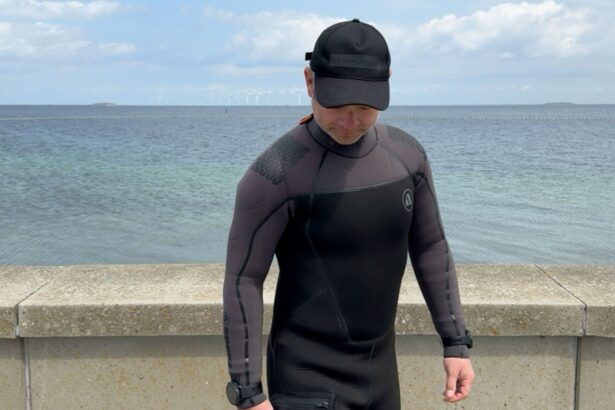
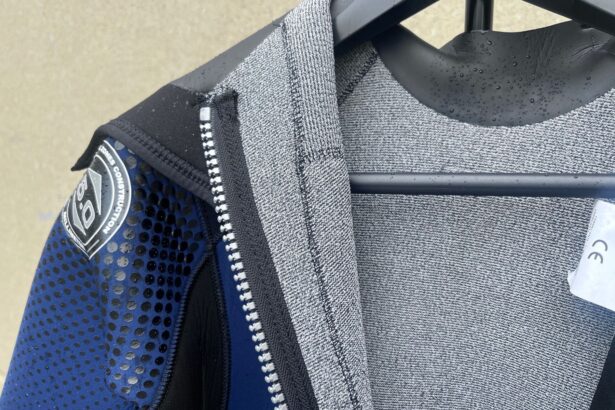
Bare's flagship suit runs warming graphene lining through the whole thing, not just the chest. We dove it in 50 to 60 degree water and our hands and feet actually stayed warm, two seasons in with barely any wear. Cold-water comfort that holds up.
 See here
Win Free Scuba Gear
We test new gear weekly and give most of it away to newsletter subscribers.
🤿 Join our newsletter to learn how you can get your hands on some free scuba gear!
New giveaways every month!

Build your dive bucket list
From the Great Barrier Reef to Raja Ampat — our editor-curated guide to the world's most spectacular dive destinations, with tips for every level.

Time to upgrade your dive computer?
We've tested every dive computer worth buying in 2026: Garmin, Shearwater, Suunto, Apple Watch Ultra, etc.
See the top picks before you upgrade or buy a new dive computer

10 wreck dives every diver should do
From WWII warships to ghost liners — the most spectacular wrecks on the planet, with dive plans and operators for each.

The World's Best Dive Sites
From the Great Blue Hole in Belize to Sipadan and Indonesia — our ranked list of must-dive sites worldwide, with depth, season, and difficulty notes for each.

Choosing the right scuba wetsuit directly affects how warm, comfortable, and focused you stay underwater, and not all wetsuits perform the same once you are at depth. Differences in neoprene thickness, material quality, and construction have a measurable impact on insulation, flexibility, and overall comfort, especially as neoprene compresses and loses warmth during a dive.
At DIVEIN, our team has logged thousands of dives in scuba wetsuits ranging from thin 2mm shorties in tropical conditions to thick 7mm suits in cold-water environments like the North Atlantic. Every model in this guide was tested on real dives, not in a lab, using consistent criteria including warmth at depth, flexibility when reaching valves and clips, ease of getting in and out on a moving boat, and how well seals hold up over repeated use. Based on this hands-on testing, we selected the best scuba wetsuits for 2026 to help you choose the right option for your diving conditions.
Bare Reactive 7 mm


Where to buy
Bare Reactive 7 mm Cold Weather Wetsuit review
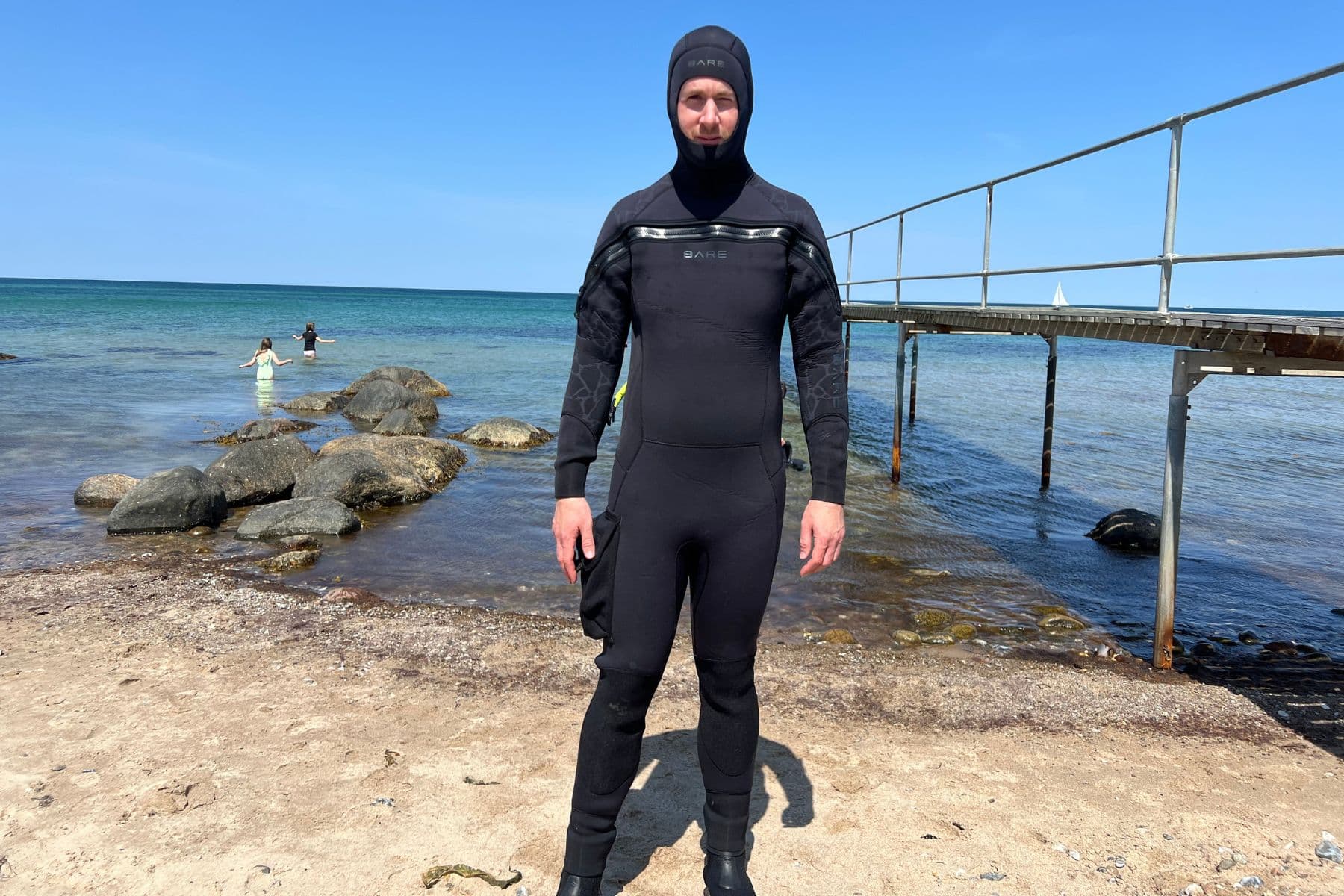
The BARE Reactive 7 mm wetsuit features comprehensive graphene Omnired lining throughout the entire suit, providing enhanced thermal retention compared to most cold-water wetsuits. Unlike the strategic thermal placement found in the BARE Velocity Ultra series, the Reactive uses thermal technology across the entire suit.
This approach is ideal for serious cold-water divers, technical divers, and those engaged in extended underwater work. The Reactive 7mm uses BARE’s advanced construction techniques and premium materials, targeting divers who prioritize thermal performance over cost considerations.
For diving in water below 60 F (15 C) or during extended periods underwater, the Reactive’s comprehensive thermal coverage provides noticeable advantages over conventional wetsuits.
Cressi Bahia Flex
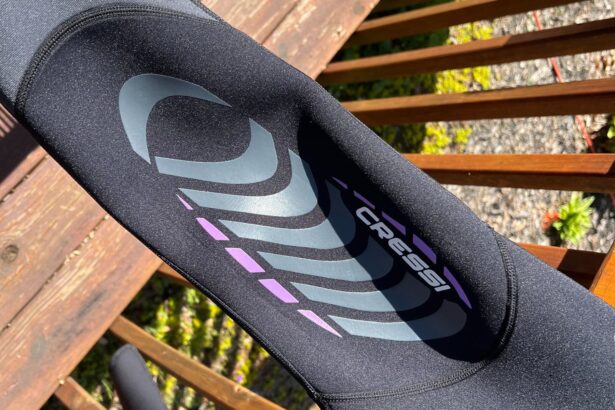
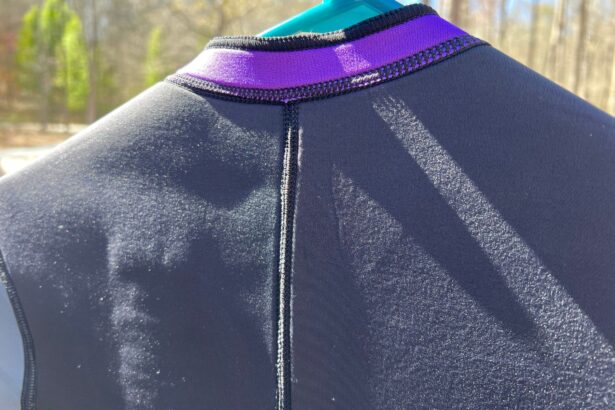
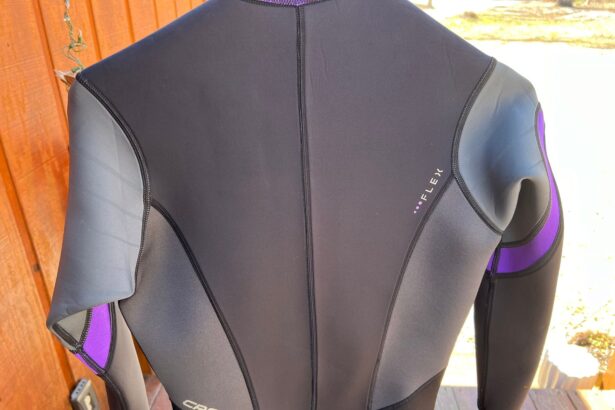
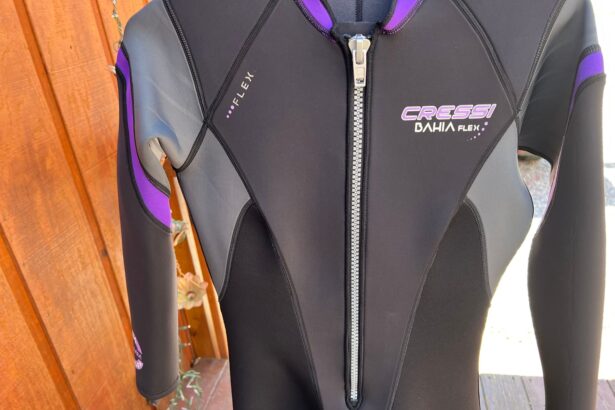


Cressi Bahia Flex Wetsuit review
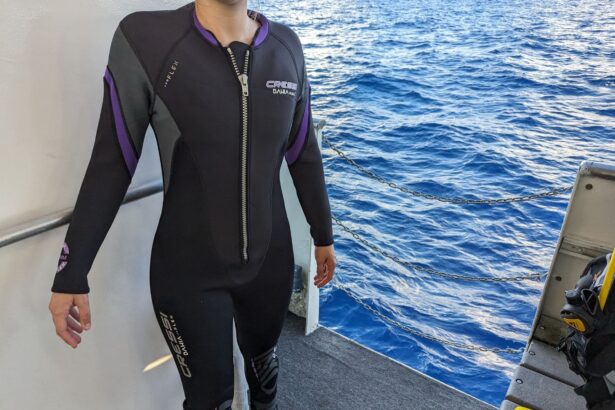
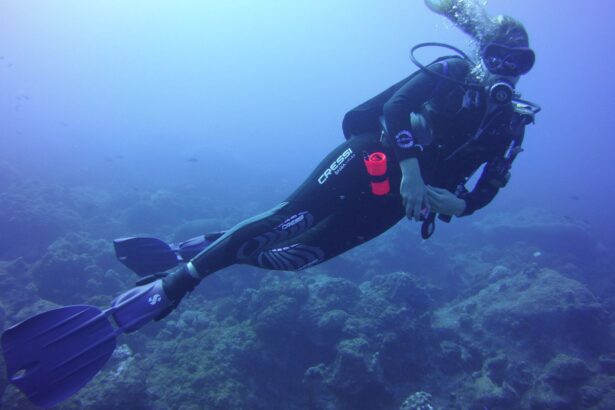
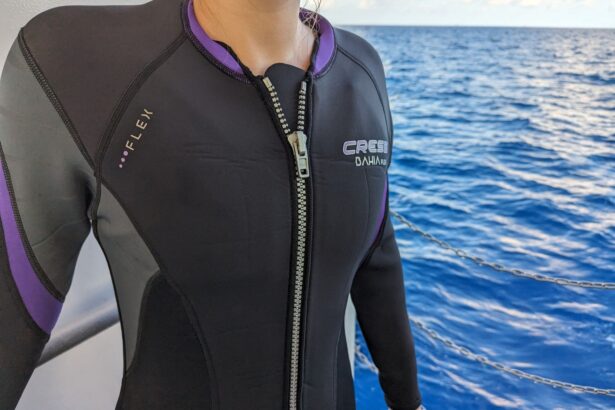
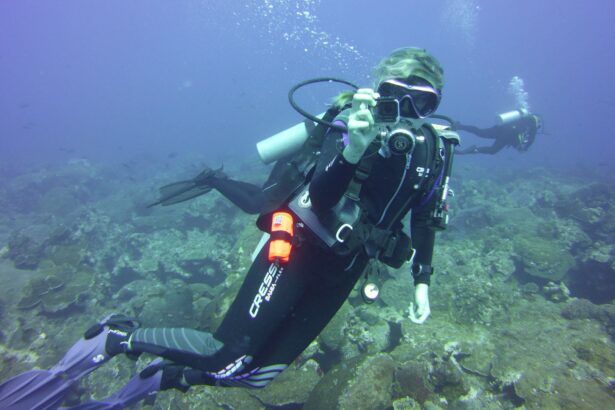
The Cressi Bahia Flex 3/2 mm is a reasonably-priced, comfortable women’s wetsuit for warm-water diving or other water activities. Designed to provide flexibility and a fit like a second skin, the Bahia Flex offers a great fit for a variety of body shapes and sizes.
Some of DIVEIN’s favorite features include the front-zipper and comfort of the Cressi Bahia Flex wetsuit—this stylish suit may just be our new go-to.
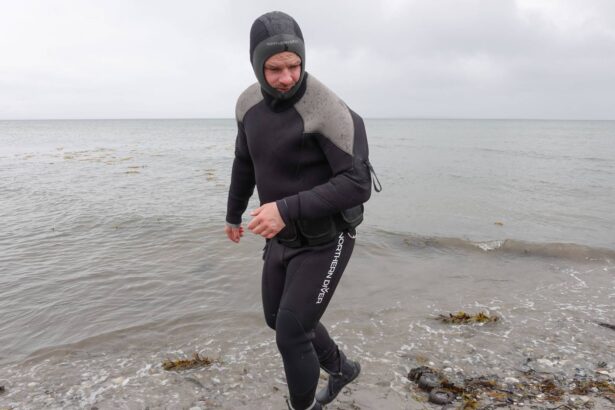
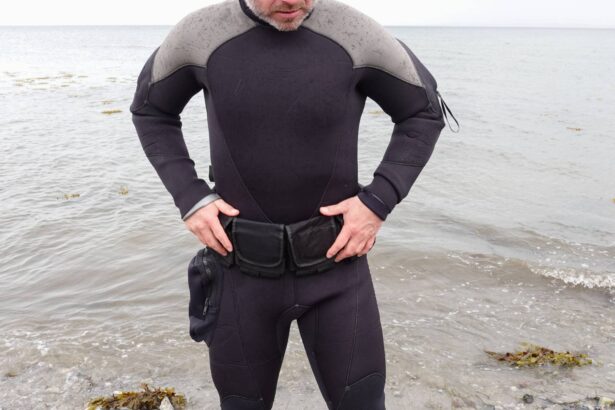
Northern Diver 7mm


Where to buy
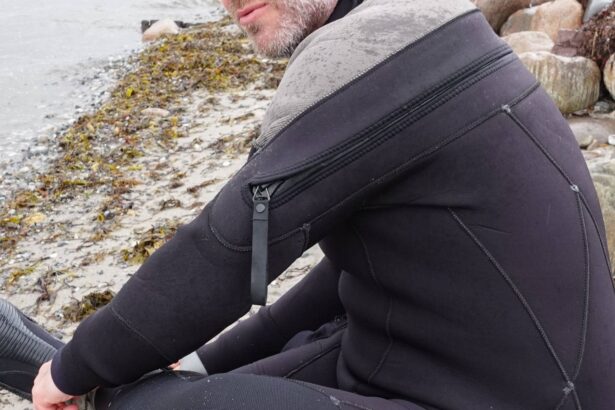
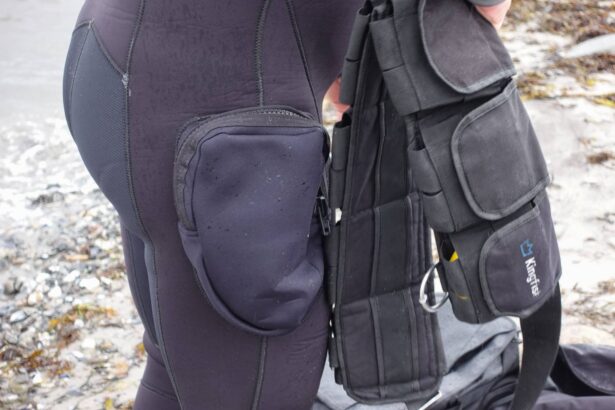
Northern Diver 7mm Cold Weather Wetsuit review
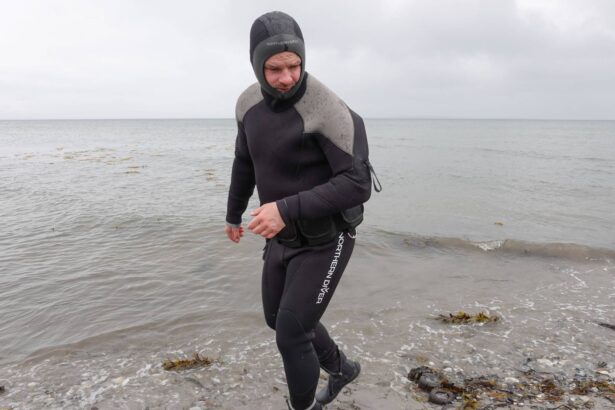
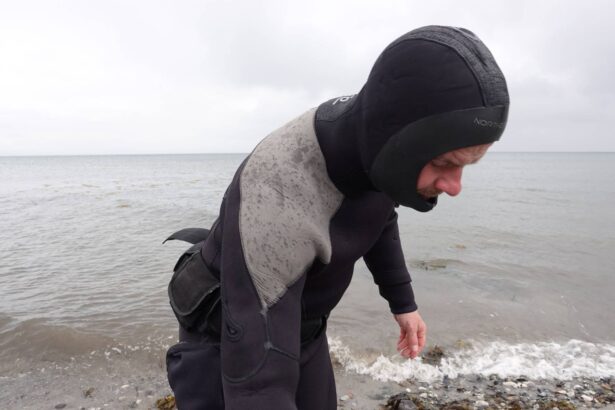
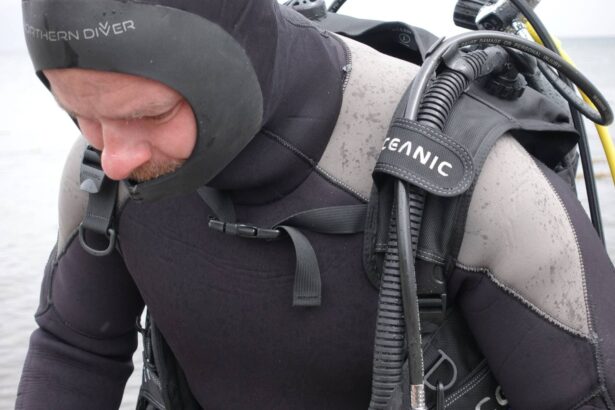
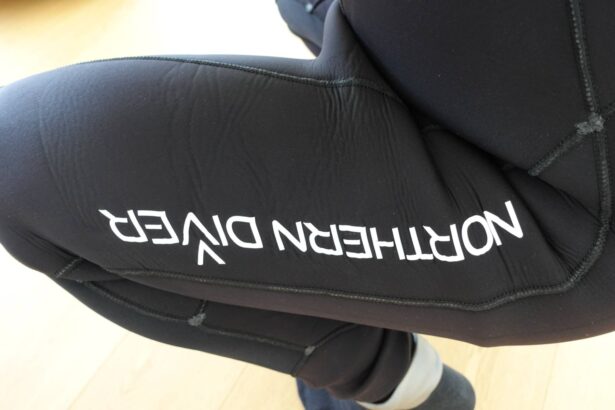
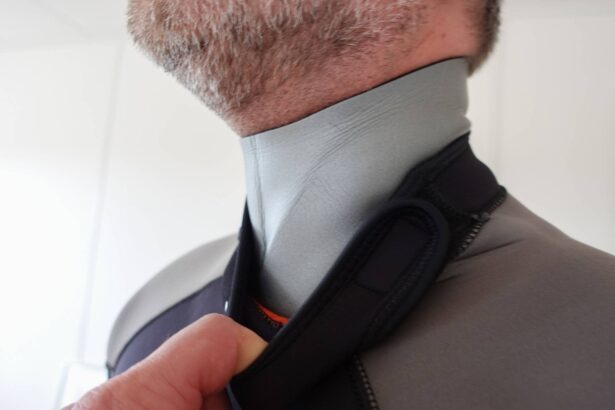
The Northern Diver 7mm Rear Entry Dry Wetsuit is a semi-dry wetsuit made with Northern Diver’s unique super-stretch DFN-Ultragrade neoprene making it comfortable and easy to move in. The inner Ti-Ax Thermacote Titanium lining adds extra warmth and even includes an anti-bacterial coating.
With an included hood and integrated side pocket, this suit is designed to serve scuba divers at a particular time of year, and aims to be a durable addition to avid divers or windsurfers (not to mention paddlers too).
With a double layer and semi-drysuit profile, it’s very warm, ideal for colder water temperatures and has enough stretch for good maneuverability.
Fourth Element Proteus II


Where to buy
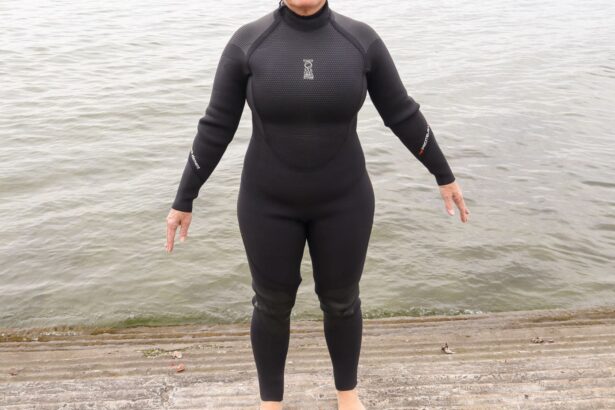
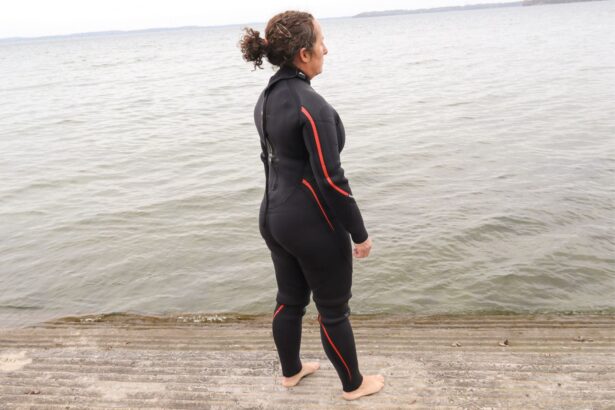
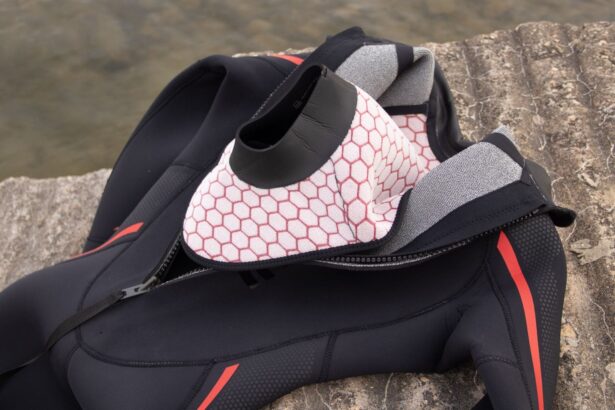
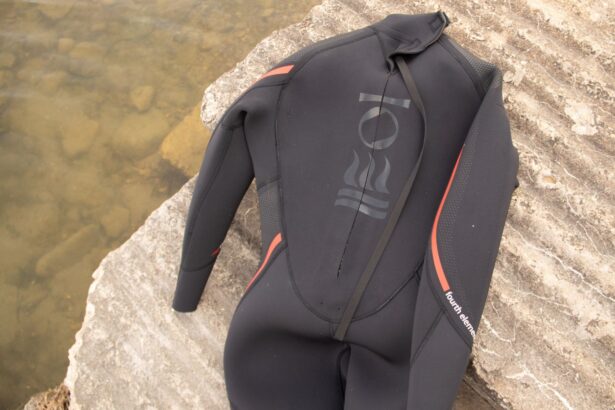
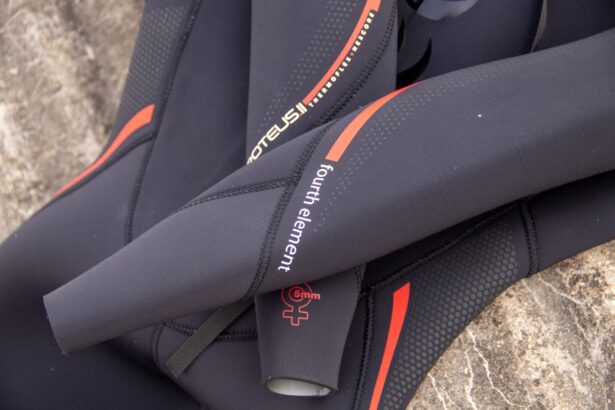
Fourth Element Proteus II Womens Wetsuit review
One of the warmest wetsuits on the market, the Fourth Element Proteus II will not let you down in chilly water. This 5 mm suit features a super-cozy—albeit somewhat constricting—Hydrolock inner neck seal and Glideskin wrist seals, which work together to keep water ingress to a minimum.
Fourth Element is known for eco-friendly bona fides, and the Proteus II fits right into this ethos. The suit uses a limestone-based neoprene with “Eco Carbon Black,” which in turn uses scrap rubber from tires.
Apeks ThermiQ


Apeks ThermiQ Wetsuit review
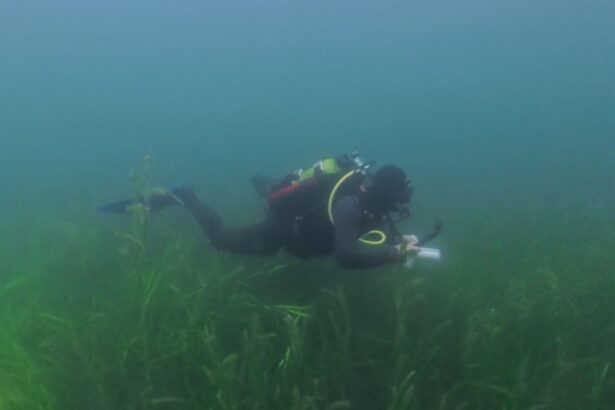
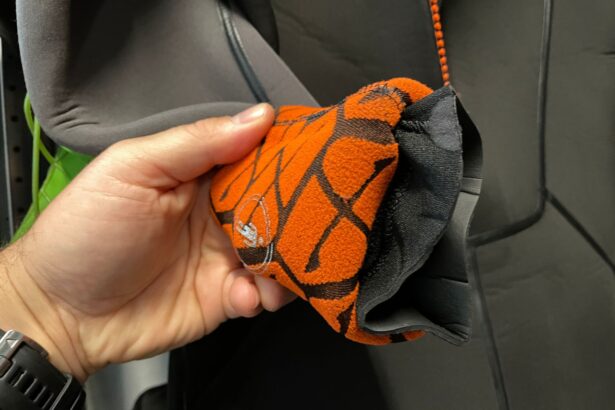
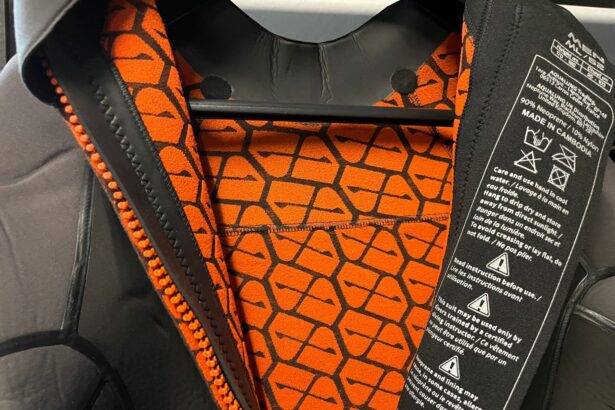
The Apeks ThermiQ 5 mm combines graphene fleece lining with heat-distribution technology to deliver thermal performance that exceeds expectations for its thickness. Using sustainable limestone neoprene and recycled materials, it targets environmentally conscious divers who are looking for thermal protection without a lot of bulk.
With double wrist/ankle seals and streamlined design, the ThermiQ 5 mm suits divers who prioritize mobility and thermal efficiency in temperate water conditions.
ScubaPro Everflex Yulex Dive Steamer
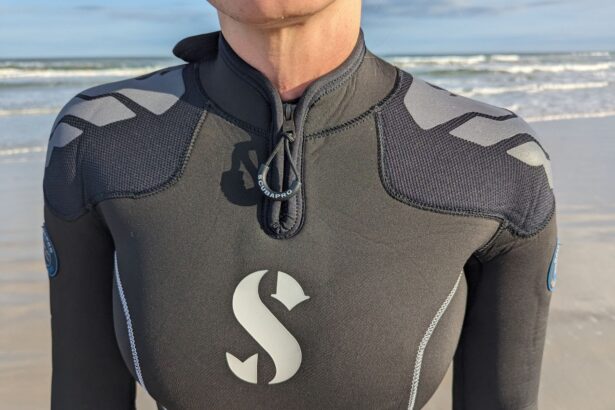
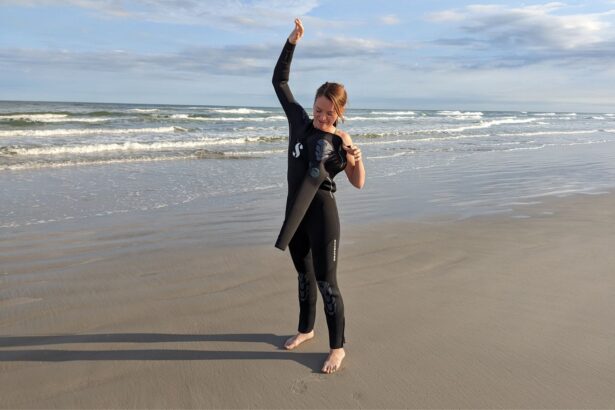
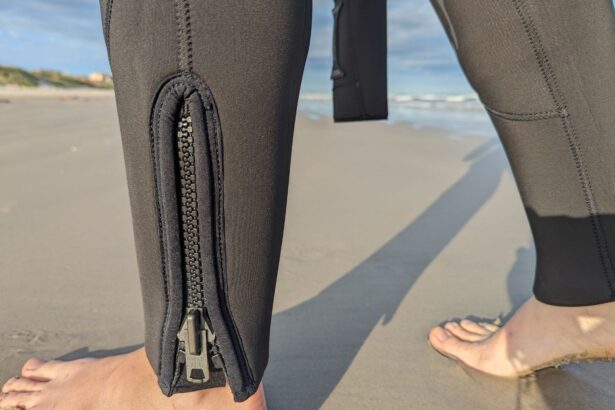
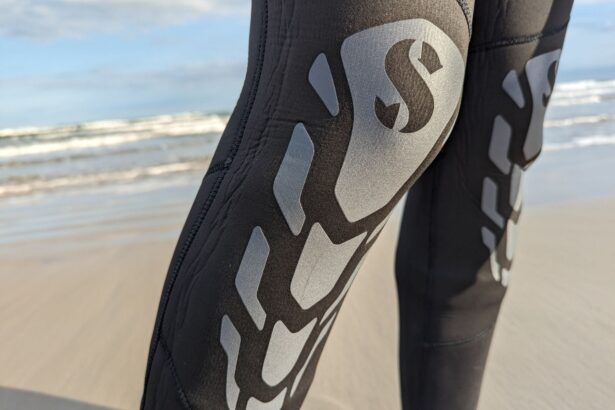
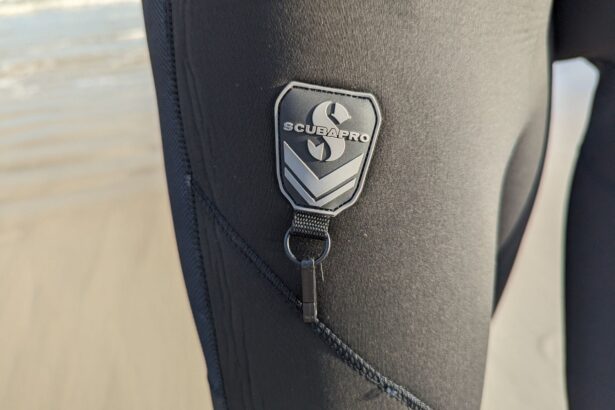
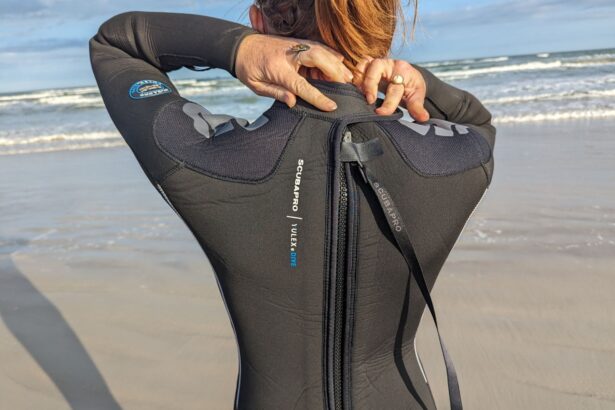
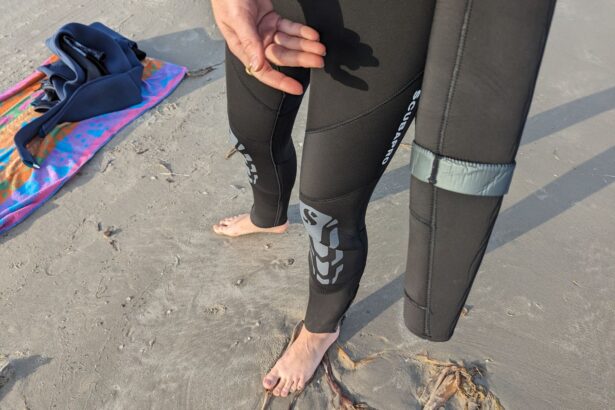
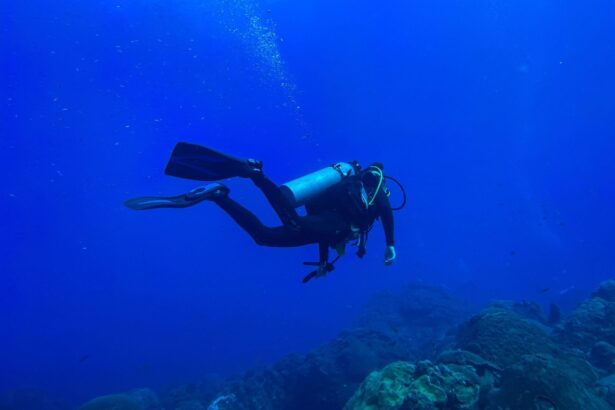


ScubaPro Everflex Yulex Dive Steamer Womens Wetsuit review
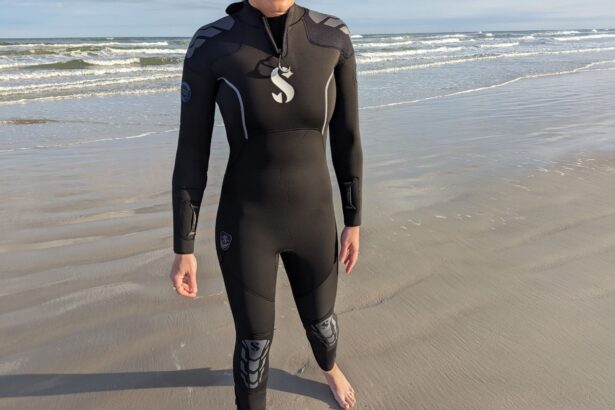
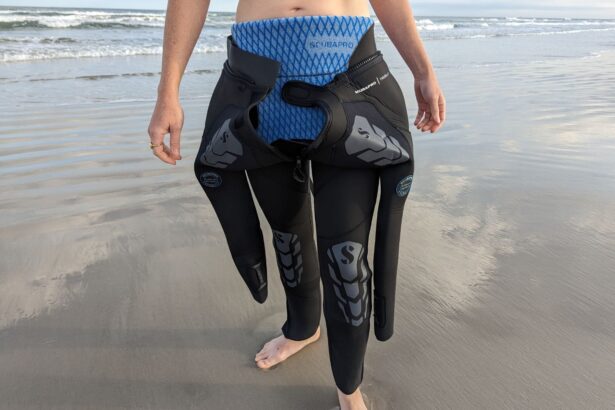
The ScubaPro Everflex Yulex Dive Steamer is an investment piece designed to last throughout your diving career. This wetsuit provides unmatched durability, a sleek style, and guaranteed warmth. Plus, this wetsuit is made from a plant-based rubber foam, which is better for people and for the environment than neoprene—a win-win.
Some of our favorite features include the variety of thicknesses and sizes available, the inner fleece lining, and the durability of this wetsuit.
Cressi Comfort 5 mm


Where to buy
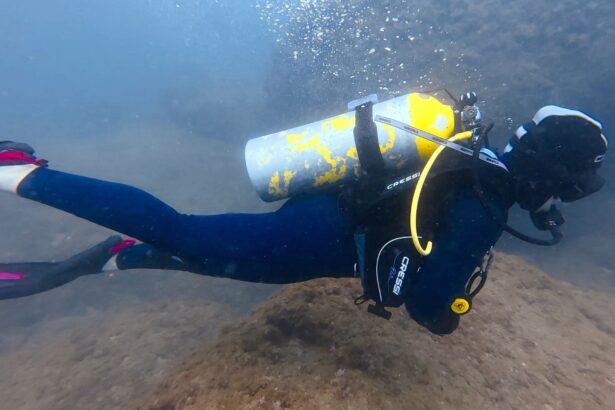
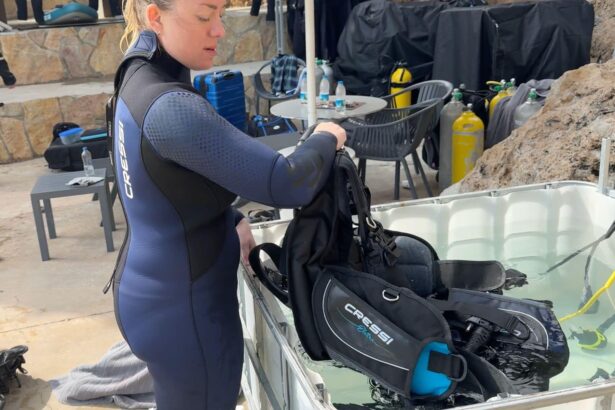
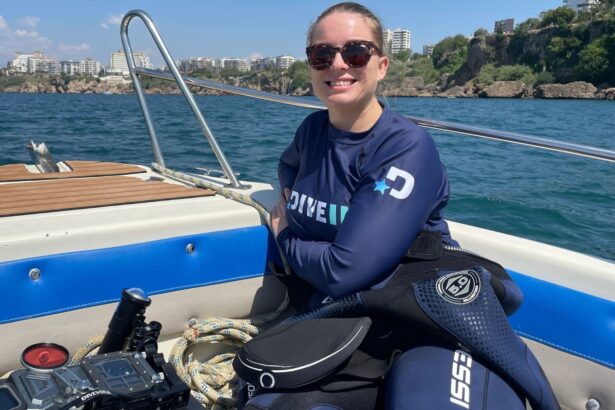
Cressi Comfort 5 mm Wetsuit review
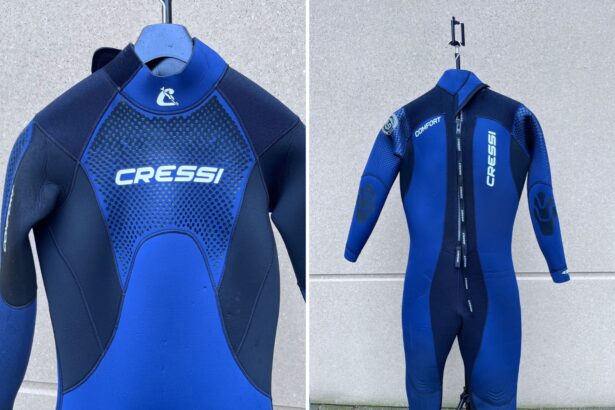
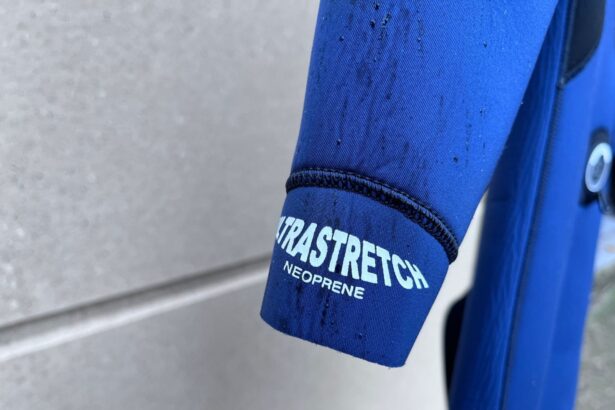
The Cressi Comfort 5 mm Lady wetsuit excels in the sweet spot between recreational comfort and reliable thermal protection. Made from high-quality 5 mm neoprene with premium ULTRA-SPAN and X-PLUSH linings, this suit offers superior insulation that’s surprisingly stretchy and easy to wear.
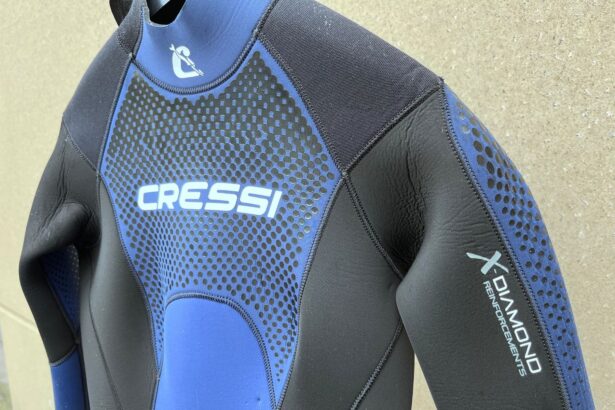
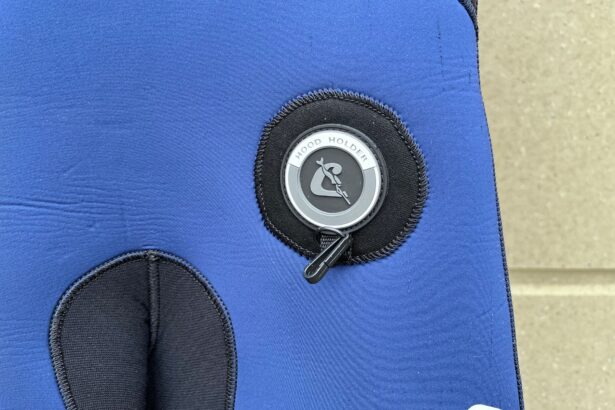
Strategic X-DIAMOND reinforcements protect high-wear areas, while the anatomical collar design and quality YKK zipper system ensure a comfortable, secure fit. The Cressi Comfort is ideal for female divers who frequent temperate waters and want a wetsuit that will move comfortably with them.
BARE Velocity Ultra 2.0 Semi


BARE Velocity Ultra 2.0 Semi Drysuit review
The BARE Velocity Ultra 2.0 8/7mm Semi Dry is a purpose-built wetsuit for cold-water diving, offering excellent thermal retention, reliable sealing, and all-around comfort.
With an Omnired Infrared lining in both the torso and hood, a 2 mm internal pullover bib, and front-entry dry zipper, it’s engineered to keep you warmer longer in temperatures as low as 50 F (10 C). Its flexible design, thoughtful fit, and wide range of size options make it a standout choice for divers who want performance without sacrificing mobility.
Aqualung XSCAPE


Where to buy
Aqualung XSCAPE Womens Wetsuit review
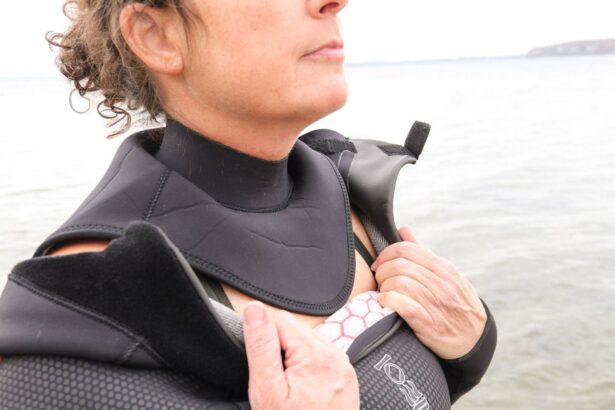
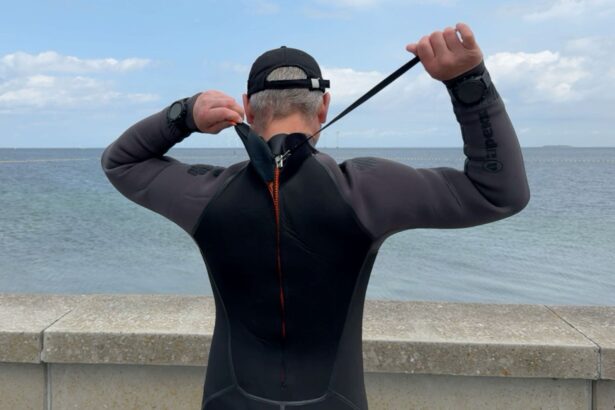
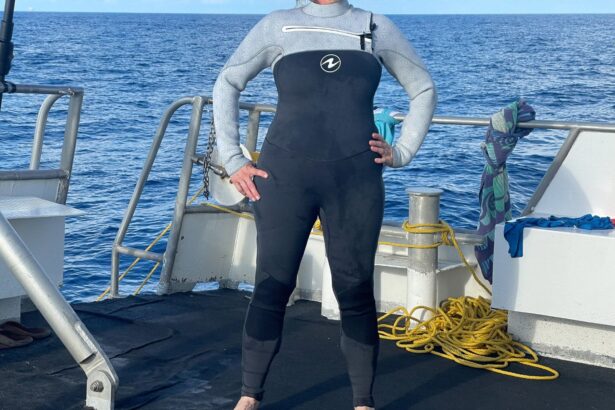
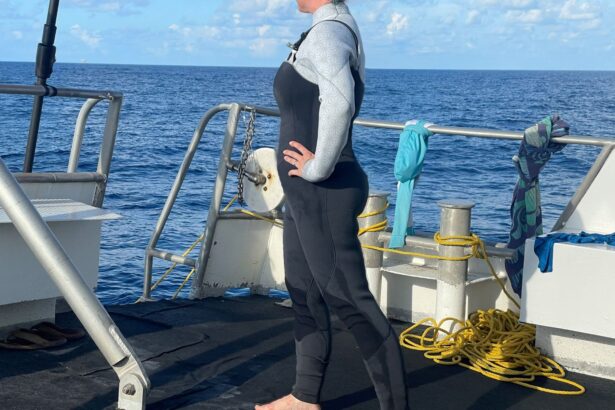
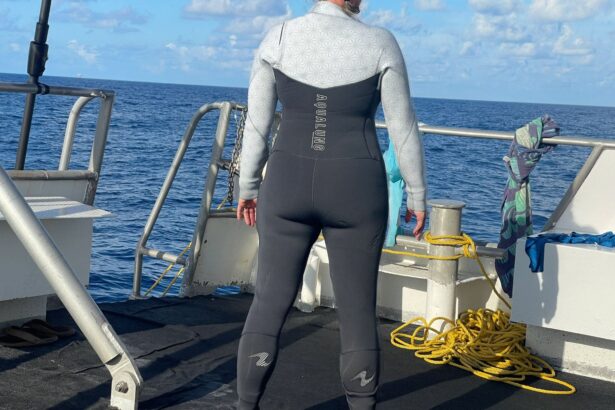
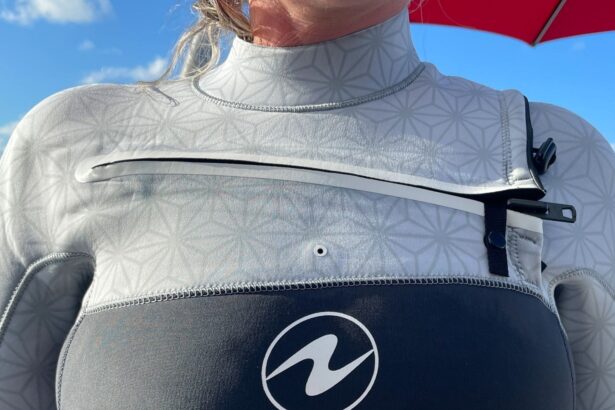
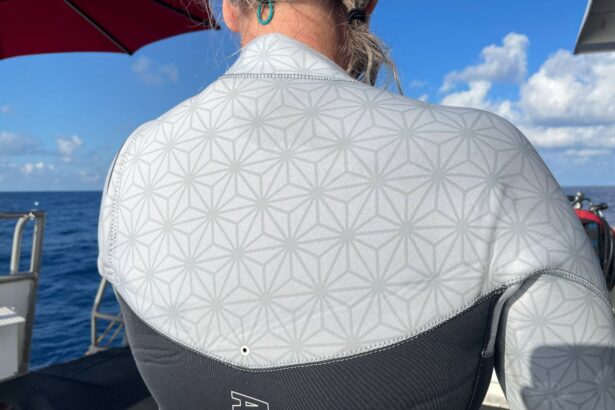
The Aqualung XSCAPE is simply a really beautiful, sleek wetsuit. It’s extremely flexible and comfortable when on—though donning and doffing the suit does take some help, thanks to the unique surf-style chest zip.
The fabric liner is made of Yulex, which is in turn made of recycled plastic bottles, thereby promoting sustainability. This suit is best for shore dives and for divers without stiff shoulders, as it can be difficult to get over the shoulders and through the neck entry point.
Some of DIVEIN’s favorite features include the surf-like style of the suit and the flexible material.
Cressi Balam
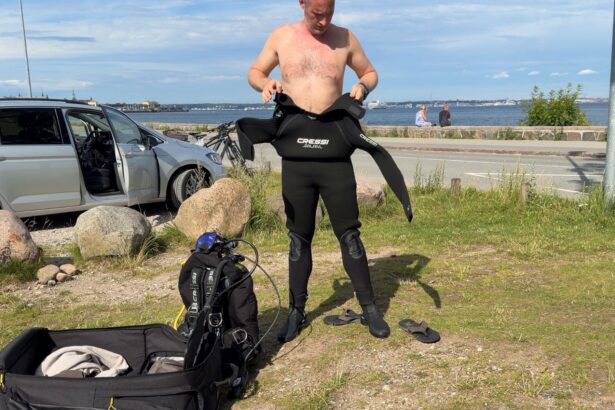
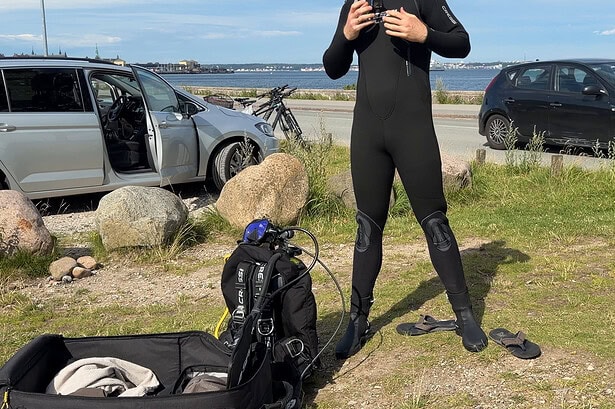
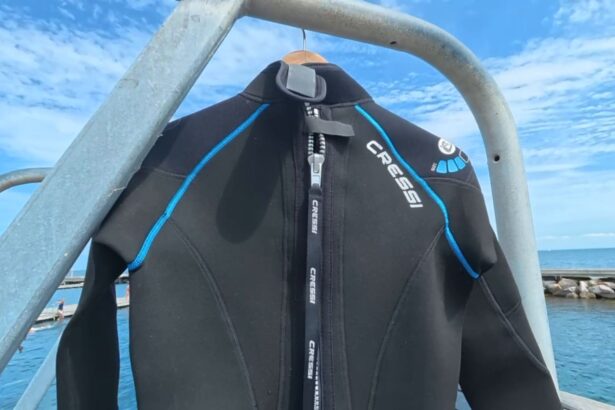
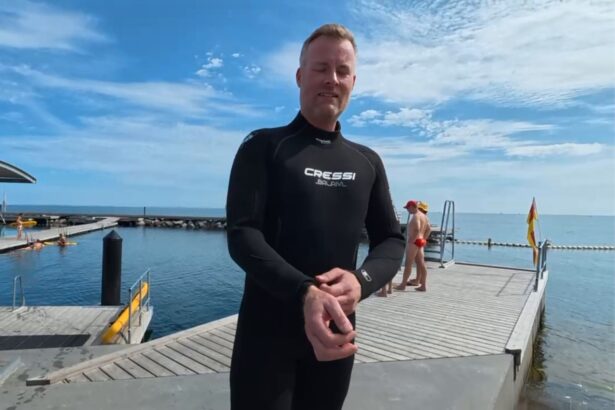
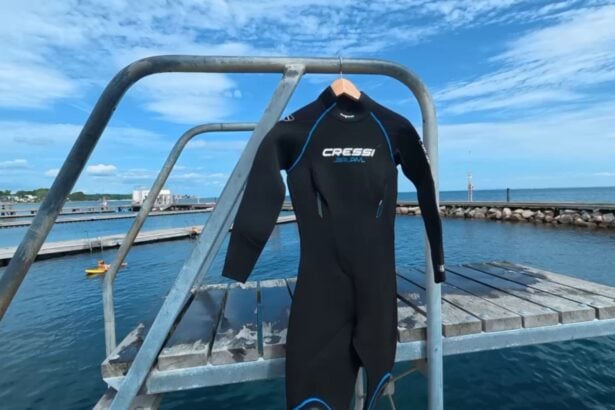
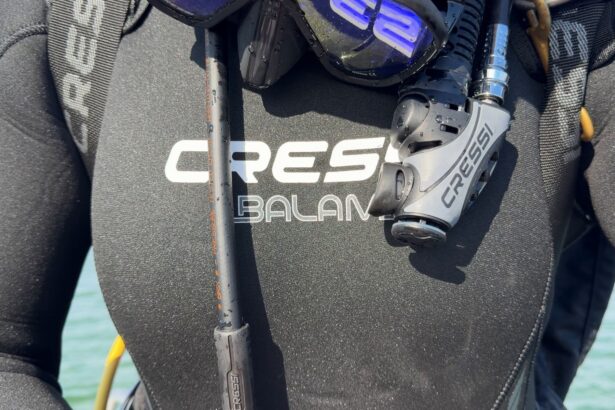
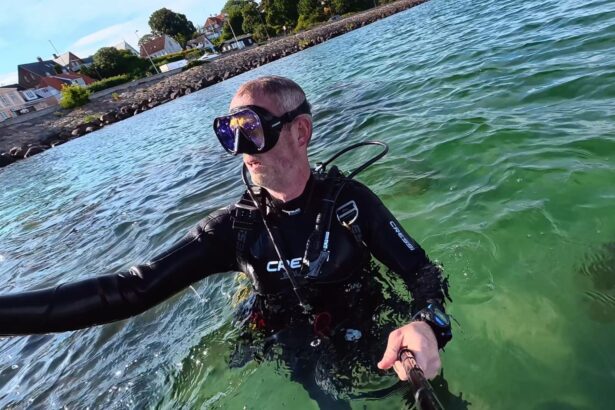


Cressi Balam Wetsuit review
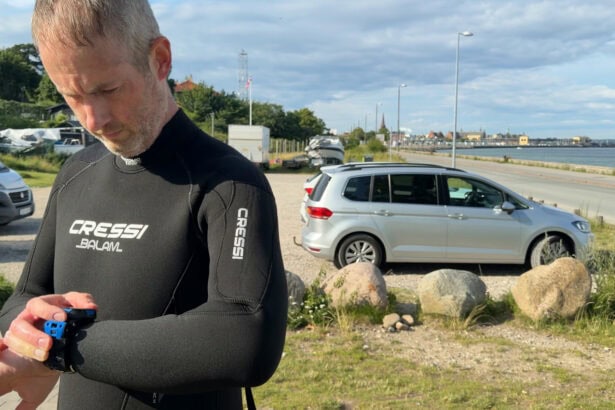
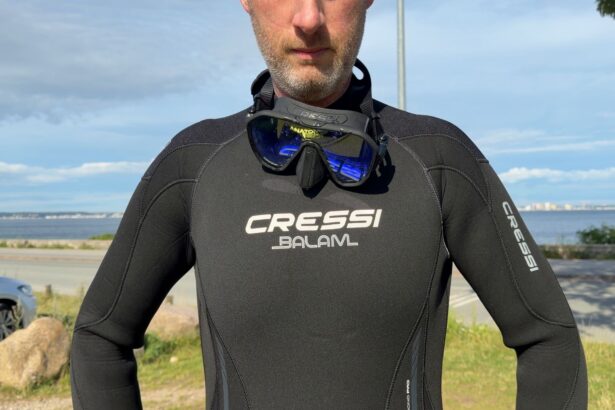
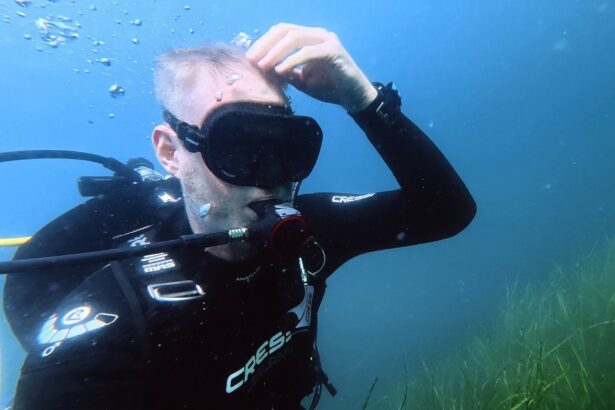
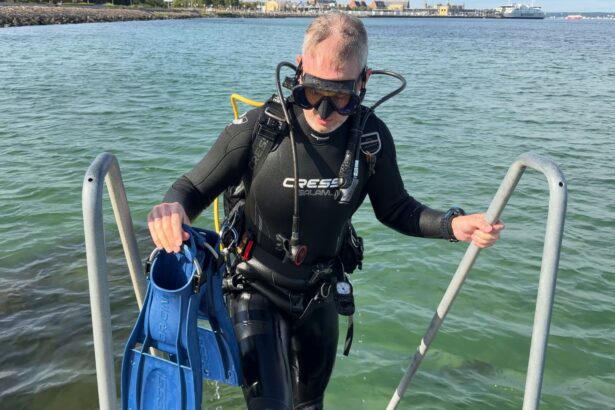
The Cressi Balam wetsuit is best for the diver who wants one full-length wetsuit for summer diving in cooler climates and warm-water trips abroad. We dived the 5mm through a northern European summer and stayed warm. No water flushed through the suit even though our size was not a perfect fit.
It is comfortable, easy to don and doff alone, and affordable. The Balam comes in 5mm and 2.5mm, each with a men’s and a women’s cut, in sizes from XS to 3XL for men and XS to XL for women.


Buyer’s Guide to Scuba Diving Wetsuits
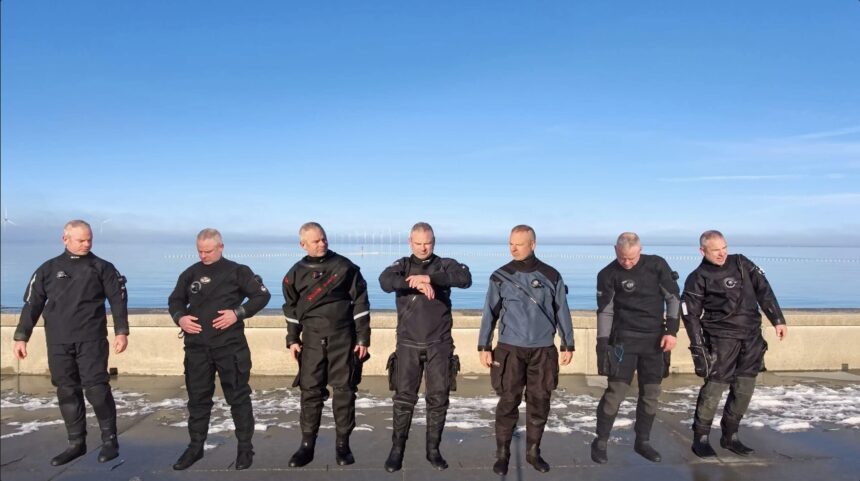
It’s easy to get tempted by the first sleek black wetsuit you set eyes on, but rushing into a purchase may mean you end up with an inappropriate suit for the kind of diving you do, or worse, a suit that doesn’t fit you at all. There are quite a few factors to consider when it comes to buying the right scuba wetsuit. Here’s a rundown of everything you need to consider before making a purchase.
Buy the right type of suit
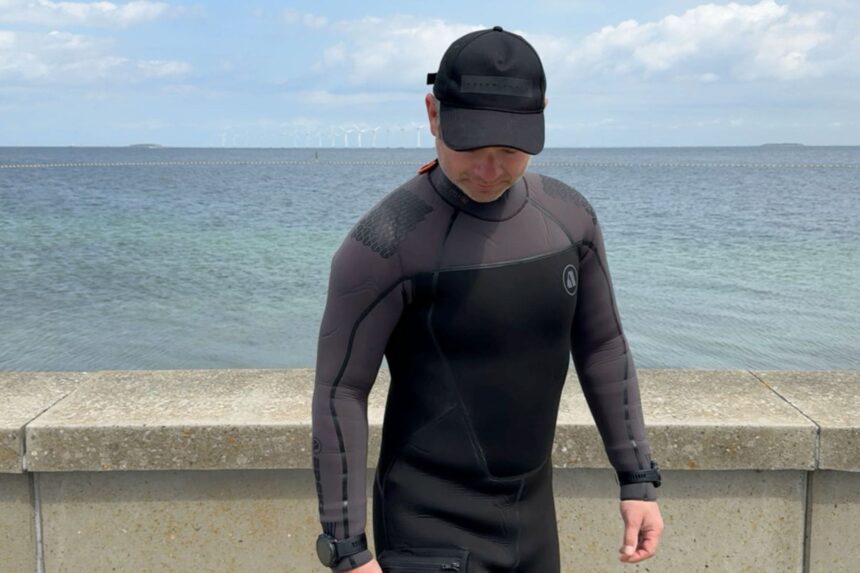
It may seem to go without saying, but there are lots of different types of wetsuits on the market. If you’ll use yours mostly for scuba diving rather than surfing, for example, make sure you buy one meant for that purpose.
Diving wetsuits are made of denser neoprene to keep you warm at depth. They’re also less stretchy than surf suits in order to ensure a tighter, warmer fit. Surf suits, on the other hand, are designed for flexibility and comfort at the surface.
Fit
rn
Fit is one of the most important considerations. A poorly fitting, loose wetsuit allows water to move in and out of the suit and will not keep you warm. A well-fitting wetsuit, on the other hand, traps a layer of water between the suit and your body, which heats up the water and keeps you warm.
Wetsuits should fit snugly on your body. A wetsuit that’s too loose will allow water to move in and out of the suit and won’t keep you warm. Choose a suit that’s too tight and you’ll feel like a piece of shrink-wrapped sausage and suffer from restricted movement. A well-fitting wetsuit, on the other hand, traps a layer of water between the suit and your body, which heats up the water and keeps you warm.
A note on fit: A lot of people think their wetsuit is way too tight forget that it will loosen up when it’s in the water. Check the individual manufacturer’s size guidelines carefully if you’re buying online.
For the most part, wetsuit sizes are based on height and weight, and many come in male and female specific versions—stick to these because women’s wetsuits have been cut for the female body and the same holds true for men’s suits.
Comfort
Before you buy, take a quick look at the online reviews. Do people praise the fit of the model you’re considering or are there consistent complaints about the same things? Comfort matters because you’ll probably spend a fair amount of time in your wetsuit when you’re on a dive trip. Plus, if you’re anything like us, you’re occasionally too lazy to take your suit all the way off during surface intervals.
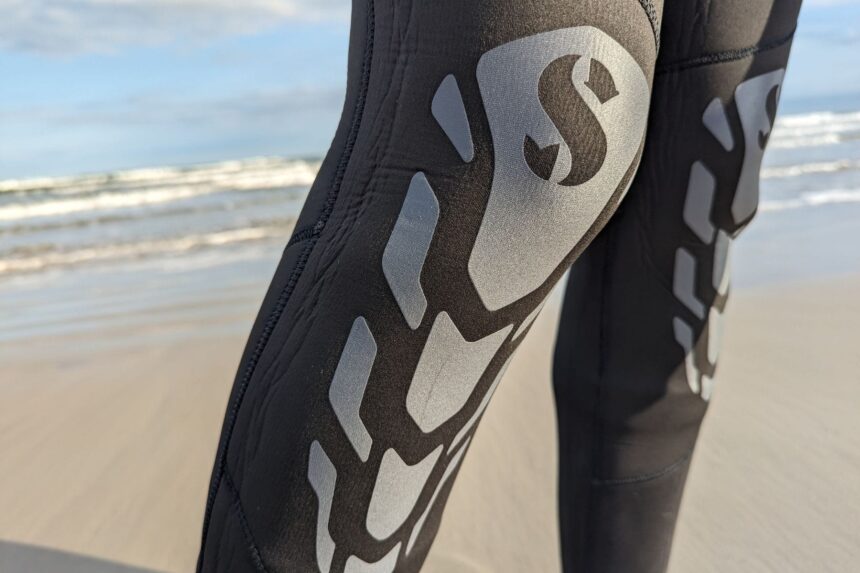
As a general rule, a right-sized wetsuit should be comfortable. But if comfort itself sits atop your list of priorities, look for a wetsuit with super-flexible panels of neoprene around the hips, knees, elbows, and crotch. Many manufacturers combine thicker neoprene on the torso with thinner neoprene in key areas to make the suit more comfortable.
Thickness & water temperature
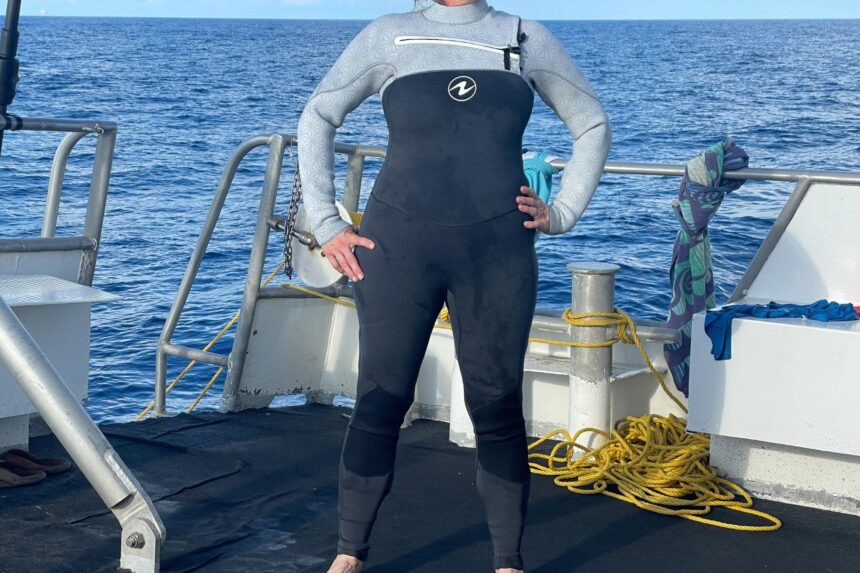
The thickness of a wetsuit is always measured in millimeters (mm). Warm-water suits range from 1 mm to 4 mm thick. while temperate-water suits are typically 4 mm to 6 mm. Cold-water suits are generally 7 mm or thicker. Brands often sell the same style and cut of wetsuit in 3, 5, and 7 mm versions.
Some wetsuits also come in two parts, i.e. “farmer John” overalls plus a long-sleeved jacket over the top. This means the diver has a double layer of neoprene over the chest and torso area.
The thickness of a suit is directly related to how warm it will be. Choose a suit that’s designed for the waters you’ll be diving in. You don’t want to sit on the boat sweating in a 7 mm suit when a 1 mm skin suit would have sufficed. Likewise, a 3 mm suit will not keep you warm enough in cold waters. For each of the wetsuits we’ve listed here, we have indicated which temperature range it’s suitable for.
Keep in mind that if you’re doing repetitive dives each day, such as on a liveaboard trip, you may want to get a bit warmer suit than you think you’ll need, as your body will continue to lose heat all day.
Also consider any water temperature changes that can occur where you’re diving. Some locations experience noticeable thermoclines, for example.
Remember too that neoprene compresses with depth thanks to all the tiny air bubbles inside the material. As you descend, your suit compresses and you lose both buoyancy and warmth.
If you’re looking for a bit of extra warmth without getting a new wetsuit,try using a neoprene or thermal rash vest. The latter option is great because it provides warmth without adding the extra buoyancy of neoprene.
Seals
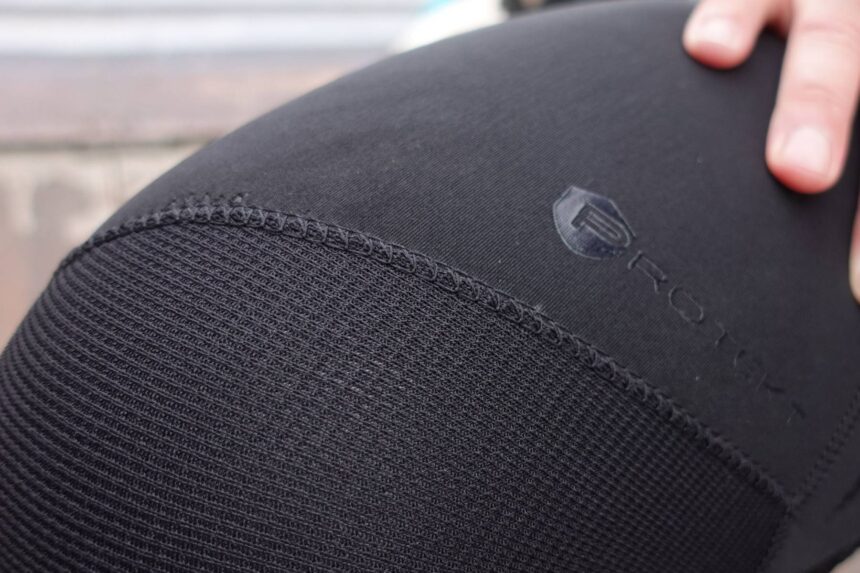
Seal and seams are more of a concern with cold-water wetsuits, where it’s important that the suit allows for as little water movement as possible. In terms of construction, look for several key buzzwords: flat-lock stitched, glued and blind stitched, and taped.
Flat-lock stitching is breathable and flexible, but not very watertight. Suits with this construction are “unsealed,” and best for warm water.
Glued and blind-stitched (GBS) seams create a sealed suit, wherein all the seams are first glued together, then sewn with a “blind” stitch where the needle doesn’t go all the way through the neoprene. This creates a highly water-resistant wetsuit.
Finally, taped seams mean that a strip of tape is applied over the inside (and sometimes outside) of the seam after stitching. This reinforces the seam and makes it even more water-resistant. The highest-end wetsuits, or ones that are sold as “semi-dry” suits, often feature both GBS and taped seams. These suits often also feature double seals at the ankles and wrists.

Just keep in mind that the better a wetsuit is sealed, the more expensive it is.
Entry system
There are several different entry systems when it comes to wetsuits: back-zip, front-zip, and chest-zip. Each has its advantages and disadvantages.
Back-zip wetsuits, with a long zipper running down the spine, are the classic design.

Pros:
- rn t
- Wide opening makes it easy to step in and out
- Lots of choices because it’s the most prevalent design
- Often more affordable than other types of suits
rn
t
rn
t
rn
Cons:
- rn t
- More water flushes in and out because the zipper isn’t watertight
- The back panel isn’t very flexible
- Can feel colder on the surface because of water circulation
rn
t
rn
t
rn
Front-zip suits have a straight vertical zipper running up the chest
.
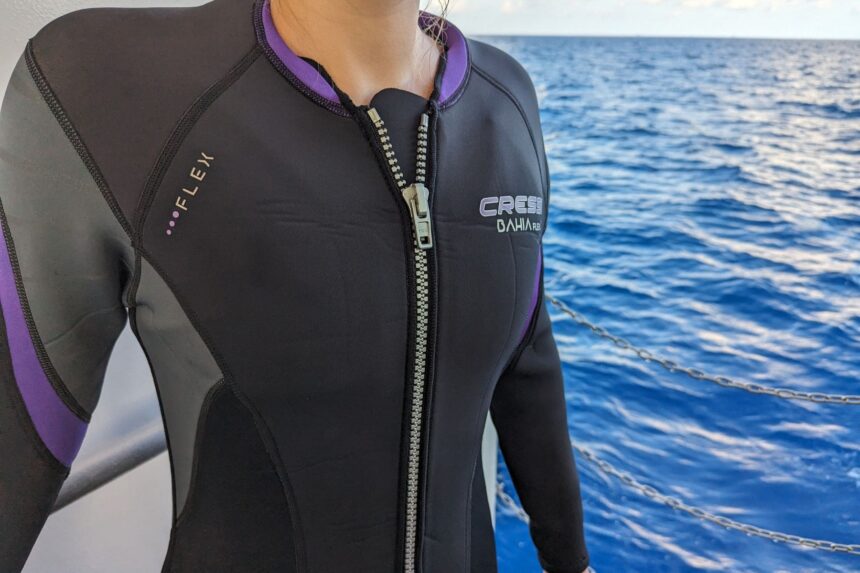
Pros
- rn t
- Easy donning and doffing
- Better seal than a back-zip
- Works best on thinner (2–3 mm) suits
rn
t
rn
t
rn
Cons:
- rn t
- Zipper on the chest can feel restrictive
- Can feel bulky under a BCD
rn
t
rn
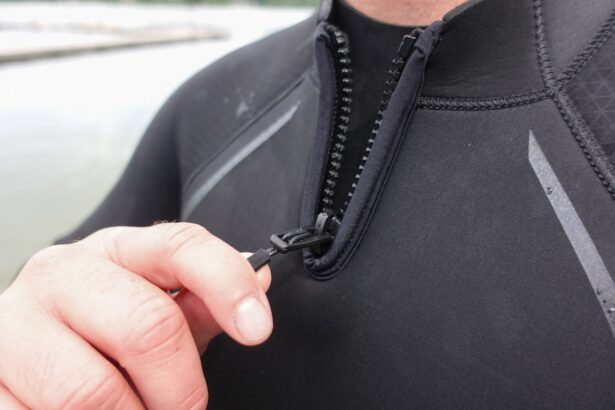
Chest-zip suits, with a horizontal or diagonal zipper across the chest, are usually semi-dry suits.
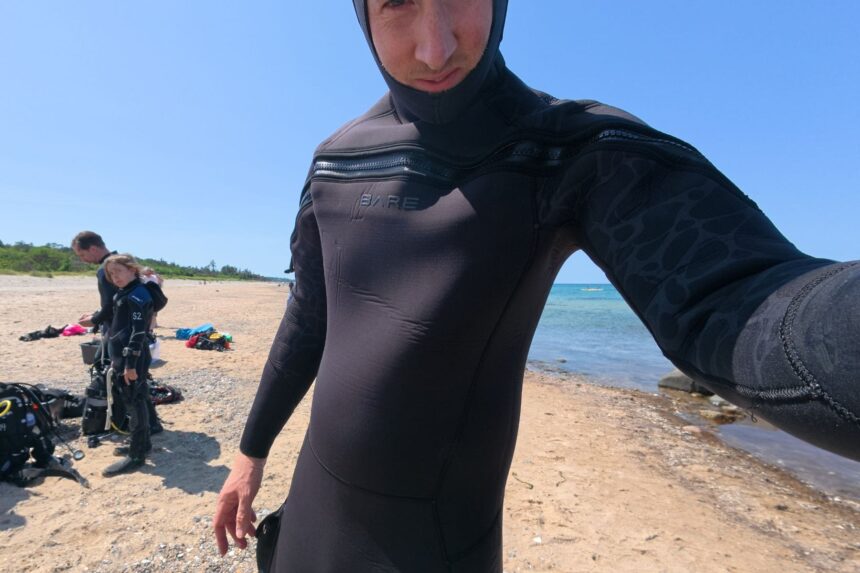
Pros:
- rn t
- Better seal/less water entry than back- or front-zip suits
- More flexibility in the shoulders
- Warmer overall than other suits
rn
t
rn
t
rn
Cons:
- rn t
- Harder to don and doff
- Zipper placement can feel awkward
- More expensive than traditional zip suits
rn
t
rn
t
Type of neoprene
Though the design and construction of most suits is quite similar, the type of neoprene the manufacturer uses makes a big difference when it comes to the quality and warmth of your suit. There are several different kinds:
- Oil-based neoprene: This is the standard. It’s durable and offers decent insulation, but compresses quite a bit at depth. It’s typically the most affordable and is a good choice as an entry-level wetsuit. This is what you’ll usually find in a dive shop for rentals as well.
- Limestone-based neoprene: This is a step up from oil-based products. These suits are made from calcium carbonate and feature a closed-cell structure—which translates to a warmer suit. They’re lighter, more flexible, and marketed as more eco-friendly. You’ll also pay more for these suits.
- Super-stretch/ultra-stretch neoprene: This is a softer, blended foam laminated with stretchy fabrics (like nylon-spandex) that gives the suit exceptional flexibility. It’s much easier to get on and off than traditional neoprene and allows for greater freedom of movement underwater. The tradeoff is that it can compress more quickly at depth and it tends to be less durable. Suits made with superstretch are often more expensive.
- Yulex: This plant-based alternative to traditional neoprene is made from natural rubber. The closed-cell structure provides good insulation and retains warmth underwater while remaining lightweight and flexible. Yulex is also more environmentally friendly, producing fewer greenhouse gas emissions during manufacturing. These suits are generally priced higher, reflecting both the sustainable materials and advanced manufacturing process.
Extra features
Finally, there are lots of extras when it comes to picking out a wetsuit.
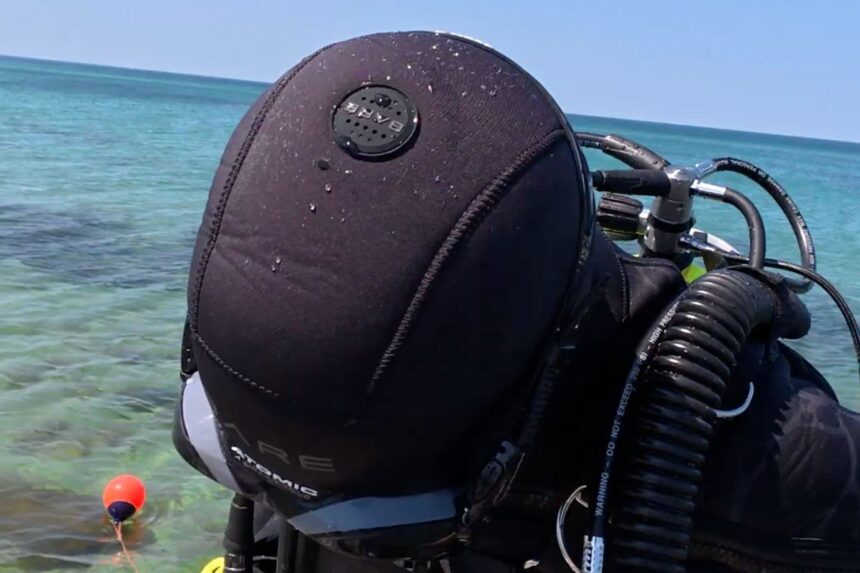
Do you want an attached hood or not? Attached hoods will let in less water, keeping you far warmer in temperate and chilly waters, but they’ll likely be too warm for tropical destinations. A separate hood or beanie is often a good compromise to keep your head warm.
In terms of durability, look for extras like reinforced knees and elbows. Padding there will go a long way to making your suit last.
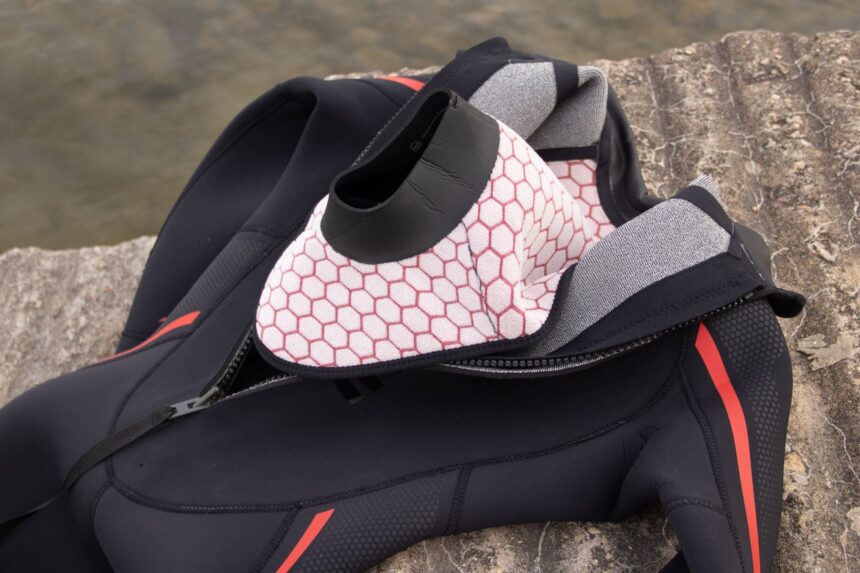
Finally, lots of premium suits offer fleecy, quick-dry, or extra-warmth inner linings. You’ll pay more for each of these, of course, but if comfort and warmth are the goal, they will deliver in both regards.
Wetsuit thickness depends on water temperature and your personal cold tolerance. For warm water above 82°F (28°C), a 1–3 mm suit or shorty is usually enough. In moderate conditions between 70–82°F (21–28°C), most divers use a 3–5 mm wetsuit. For cooler water between 60–70°F (16–21°C), a 5–7 mm wetsuit is standard, often paired with a hood or vest. Below 60°F (16°C), many divers switch to a 7 mm suit with layering or consider a drysuit for better thermal protection.
A scuba wetsuit should fit snugly like a second skin without restricting movement or breathing. There should be no large gaps, folds, or loose areas where water can circulate, as this reduces insulation. The suit should feel tight on land but not uncomfortable, and it will loosen slightly in the water. Pay close attention to seals at the wrists, ankles, and neck to minimize water flushing.
A wetsuit works by trapping a thin layer of water between your body and the neoprene, which your body warms for insulation. A drysuit keeps you completely dry by sealing out water and using air and undergarments for warmth. Wetsuits are simpler and better for warm to moderate conditions, while drysuits are designed for cold-water diving and provide significantly more thermal protection.
A quality scuba wetsuit typically lasts 3 to 5 years with regular use, though it can last longer with proper care. Factors like UV exposure, saltwater, frequent compression, and improper storage can shorten its lifespan. Rinsing with fresh water, drying in the shade, and storing it flat or on a wide hanger will help extend durability.
Back-zip wetsuits are the most common for scuba diving because they are easy to put on and take off. Front-zip and chest-zip suits offer better seals and reduced water flushing, which can improve warmth, but they can be harder to don. For most recreational divers, a back-zip wetsuit offers the best balance of convenience and performance.
You can use a surfing wetsuit for scuba diving, but it is not always ideal. Surf wetsuits are designed for flexibility and surface activity, while scuba wetsuits prioritize warmth and compression resistance at depth. As a result, surf suits may feel colder during dives, especially at deeper depths where neoprene compresses.
Yulex is a plant-based alternative to traditional neoprene that offers similar insulation and stretch with a lower environmental impact. Performance differences are minimal for most divers, though some may notice slight variations in flexibility or feel depending on the brand. Choosing Yulex over neoprene is often more about sustainability than a major performance upgrade.
A hood is recommended for colder water because a significant amount of heat is lost through your head. In water below about 70°F (21°C), many divers add a hood or use a wetsuit with an integrated hood for better warmth. In warm tropical conditions, a hood is usually unnecessary unless you want added protection from sun exposure or marine life.
 Take a moment to look at this.


Hi! This is quite a lovely and nice post. I appreciate this complete guide!
Seeking a half sleeve rubber dive suit from torso up size XOXO
Hi Art,
When you say, Rubber, do you mean Neoprene? This is usually the material Wetsuits are made of. It’s possible to get wetsuits that are just shirts and don’t cover the bottom part of your body.
Hi Pedro,
A wetsuit will always let in some water. So, you’ll have to look for something more in the line of a dry suie. I’m not aware of any made for kids though. Sorry, we couldn’t be of more help.
Hi I would like to get some info
My son is 11 year old he like to swim but he has son problem w the skin to be infected from the water
He has to be dry all the time
What do you recommend use for him
Hi Mick,
We didn’t see any good results in the titanium weaved products but did see a higher price and a larger impact on the environment.
I hear about neoprene with titanium weave for added thermal protection with less thickness. No trsted in your trial or just didn’t make it into the top group?
Mick
Hi Don,
It’ll never be a really comfortable dive, I’d suggest you go for a dry suit: https://www.divein.com/drysuits/
I live in the Northwest USA where the water is quite cold (50’s in the summer and 40’s in the winter). Is there any wet suit at any price that will keep me warm down into the 40’s? Otherwise I have to go with a dry suit.
Thanks!
Don
I live in Colorado and my job requires me to be in the water during winter the water reaches freezing temps. Which suit would be best? Would I need to buy more than one for summer winter etc?
Hi
Check out neosport and henderson. They have a wide size selection.
Only issue is getting g your hands on before buying.
Hi Karen,
Oh, but they do, but this is a known issue in the industry. I hear many women yelling out about this, but we still haven’t seen many changes to sizes or shapes.
i am a size 20 uk aprox, i have trouble finding a wetsuit to fit = do large ladies not dive?
That’s a very common issue. I had this issue as well when I was younger. It’s really hard to recommend one that will fit. Try looking into a custom fit model, and if you can find a model that will fit your budget.
My son had the Rebel Scubapro large that was excellent but he has outgrown it. He had it from the age of 10 to 13. He tried on the Extra Large one but although it fits length ways built for a far more heavily built person. Really struggling to find a teens wetsuit for a skinny boy here in the UK.