



































The first time most people try an adventure sport, preparation looks like buying the right clothing and turning up. The second time, after something went wrong or felt harder than it needed to, preparation looks considerably more deliberate.
Experienced adventure sports participants are not more cautious than beginners. They are more specific. They have learned which pieces of kit genuinely change the experience and which are padding around the edges, and they make their investments accordingly. The difference between a beginner’s kit list and an expert’s is usually not the volume of gear. It is the precision of it.
Eye protection sits in an interesting position on this spectrum. Beginners frequently underestimate it or skip it entirely. Experts treat it as non-negotiable. The gap between those two positions is usually bridged by one bad experience that did not need to happen.
What Beginners Get Wrong
The most common error beginners make with adventure sports preparation is treating all equipment categories as equally important and then cutting corners on the ones that seem least glamorous. High-quality boots or a technical jacket feel like obvious performance investments. Sports glasses feel optional.
This calculation misses something important. Visual impairment during an adventure activity does not just reduce performance. In many disciplines it introduces genuine risk. A trail runner who cannot see the terrain clearly because glare is overwhelming their unprotected eyes is making decisions on incomplete information. A cyclist descending at speed in late afternoon sun with road glare and no eye protection is operating in conditions where reaction time and terrain reading are already at a premium.
Beginners also tend to assume that standard sunglasses cover this adequately. They do not. Fashion sunglasses are designed for urban and casual environments. The frame does not sit close enough to the face to reduce wind exposure. The lens coverage does not extend far enough into the peripheral field. The nose bridge shifts during movement. The lens tint is not matched to the specific conditions of the activity. All of these shortcomings that are acceptable for a walk through a city park become meaningful liabilities during an intense outdoor session.
What Experts Get Right
Experienced adventure sports participants treat sports glasses as discipline-specific equipment rather than general eyewear. They choose lens tints matched to the environments they actually train in. They know whether photochromic or interchangeable lenses suit their activity pattern. They check that the frame is rated for the level of impact their discipline realistically involves. And they treat the fit of the frame, specifically whether it stays in place during intense movement, as a primary consideration rather than an afterthought.
The other thing experienced participants understand is that eye protection requirements vary considerably between disciplines, and what works for one does not automatically transfer to another.
Trail Running and Road Running
The eye protection demands of running are underestimated almost universally by people new to the sport. Wind exposure across a long run dries the corneal surface progressively. Glare from wet roads and low sun creates sustained visual strain over a session that accumulates into fatigue by the final miles. Debris and insects at running pace reach the eye with considerably more force than at walking pace.
Sports glasses for running need to stay in place through head movement, elevation change, and the impact of a running stride. Frames with rubber nose bridges and temple grips do this more reliably than standard frames with smooth contact surfaces. Lightweight construction matters more for running than for most other disciplines because the weight of the frame becomes perceptible over a long session in a way it does not during a brief outdoor activity.
Photochromic lenses suit trail running particularly well because the light conditions change rapidly as terrain moves between exposed hillside and woodland canopy. A lens that adjusts automatically removes one variable from an environment that already involves plenty of them.
Cycling
Cyclists face some of the highest sustained UV and glare loads of any outdoor sport. Road surfaces reflect glare intensely in wet conditions. Long descent speeds mean wind and debris reach the eye at velocities that make unprotected riding genuinely uncomfortable and risky. Eye protection for cycling is treated as standard kit by experienced riders in a way that no equivalent assumption applies to beginners.

Wraparound frame designs dominate cycling eyewear for a reason. They reduce peripheral light intrusion and maintain the protective seal around the eye that open-sided frames cannot provide at speed. Ventilated lens designs that reduce fogging are relevant for any climbing effort where the temperature difference between the rider and the surrounding air is significant.
Interchangeable lens systems earn their place in cycling more than in most other disciplines because road and trail cyclists regularly move between conditions that call for different lens tints within a single session. A high-contrast lens for an overcast morning that transitions into direct sun by the afternoon is a scenario where having the right lens option available changes the experience meaningfully.
Water Sports: Where Swimming Glasses and Specialist Eyewear Matter
Open water swimming, triathlons, kayaking, and surfing each have specific eye protection requirements that are more specialised than land-based disciplines.
Swimming glasses are the obvious starting point for any water-based activity, but the choice of swimming glasses is less straightforward than it appears. Lens tints for outdoor open water swimming should account for reflected glare from the water surface. Mirrored or polarised lens options in swimming glasses designed for outdoor use provide considerably better visual comfort in bright conditions than clear lenses designed primarily for pool use. The seal fit matters as much as the lens quality because a pair that leaks undermines everything else.
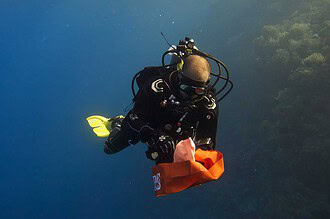
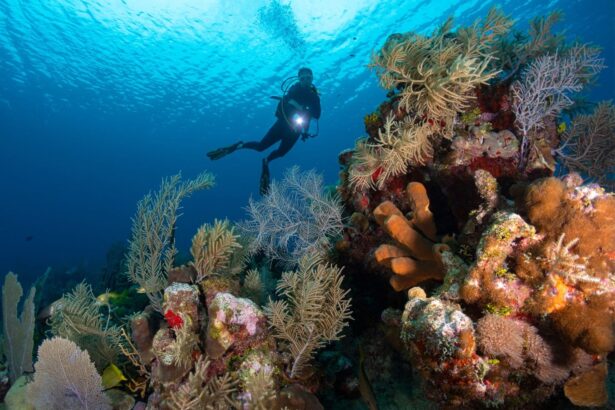
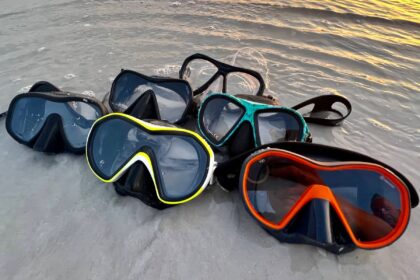
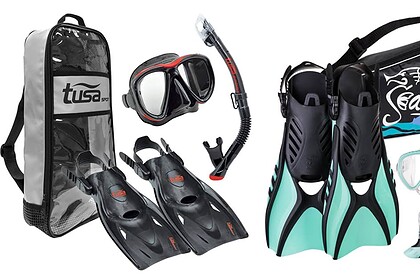
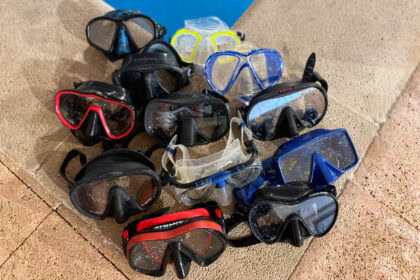
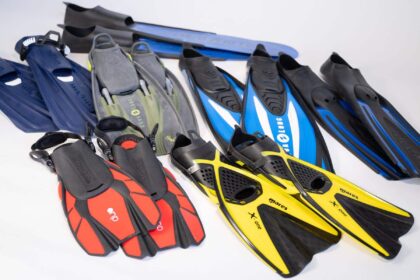
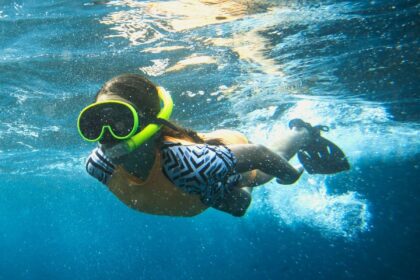
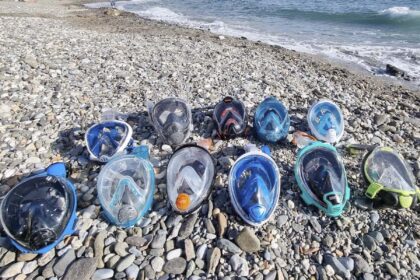
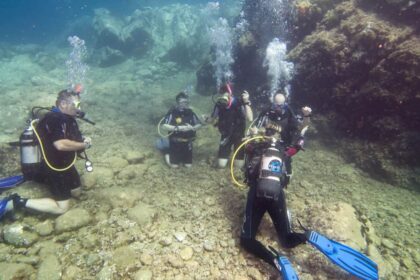
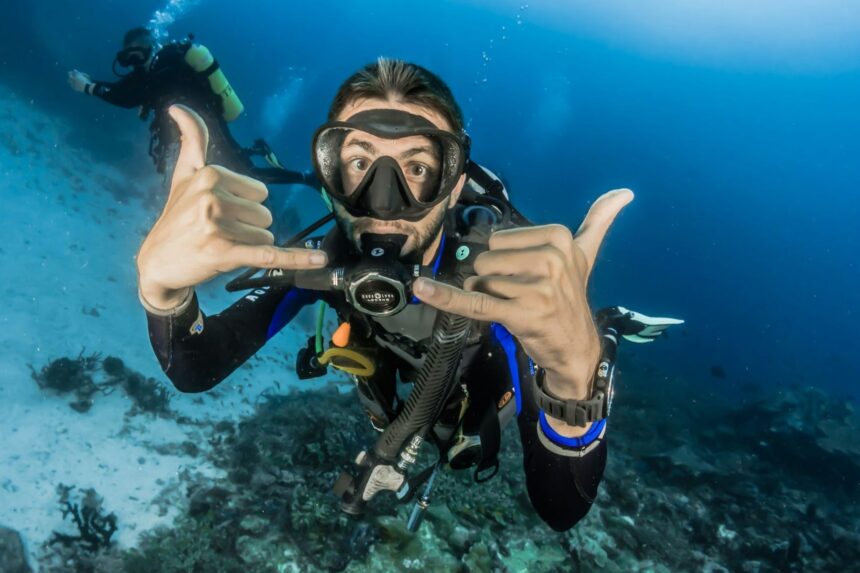
For diving and snorkelling, the equipment moves into specialist diving gear territory that overlaps with medical-grade optical requirements for prescription wearers. Prescription lenses can be incorporated into dive masks in standard minus powers, and corrective lenses that adhere inside a standard mask provide an option for those with complex prescriptions. This is a detail many beginners with vision correction do not know to investigate, and the difference between diving with and without correction is significant enough that it is worth raising with a diving equipment supplier before the first session.
Kayaking and paddle sports create a specific combination of water glare, wind, and splash that makes polarised sports glasses the most practical choice. Polarised lenses remove reflected glare from the water surface, which is the dominant visual challenge in most paddle sport environments. A strap attachment that secures the frame regardless of what the water does provides the retention that standard temple arms cannot reliably manage in an active water environment.
What to Check Before the First Session
Regardless of discipline, a few things are worth confirming before going into an adventure sport environment without adequate eye protection.
The UV rating on any sports glasses should be UV400. This is non-negotiable for any outdoor activity with meaningful sun exposure, and it is worth checking the specification rather than assuming it from the price or the brand.
Lens impact resistance matters for any activity involving speed, potential falls, or contact with equipment. Polycarbonate lenses meet the relevant impact standards and are the appropriate choice for most adventure sports. Standard CR-39 plastic lenses are not impact-rated and are not appropriate for high-risk environments.
Frame retention during movement should be tested before the session rather than discovered as a problem during it. Any frame intended for active use should stay in position through head movement, bending, and the kind of incidental contact that adventure sports routinely involve.
For anyone who wears prescription glasses in daily life, investigating prescription sports glasses options before defaulting to contact lenses for outdoor activities is worthwhile. The conditions that make sports glasses most valuable, wind, water, debris, and UV exposure, are exactly the conditions in which contact lenses are most problematic. Prescription sports glasses remove both problems simultaneously rather than solving one while accepting the other.
The Investment That Pays Off Quickly
The cost of quality sports glasses is modest relative to most adventure sports equipment. A pair of appropriate, well-fitted sports glasses with the right lens for the discipline costs less than a session of technical coaching, less than most technical apparel items, and considerably less than the consequences of an avoidable eye injury or a day’s session cut short by sustained eye strain.
The experienced adventure sports participants who treat eye protection as non-negotiable are not being overcautious. They have simply arrived at the same conclusion that most people reach eventually, and they got there before it was necessary rather than after.
 Take a moment to look at this.