


Choosing the right snorkeling fins directly affects how efficiently and comfortably you move through the water, and not all fins perform the same once you are dealing with current or longer swims. Differences in blade stiffness, foot pocket design, and materials have a measurable impact on propulsion, fatigue, and overall control, especially for beginners and travelers using compact gear.
Over the past 12 years running, our team has tested more than 20 pairs of snorkeling fins across destinations from Thailand to the Caribbean. For this guide, PADI-certified instructors Torben Lonne and Christos Nicolaou evaluated each pair using consistent criteria, including propulsion, comfort, fit, packability, and overall value. Based on this hands-on testing in real snorkeling conditions, we selected the best snorkeling fins for 2026, covering everything from beginner-friendly options to high-performance travel fins.
Oceanic Viper 2


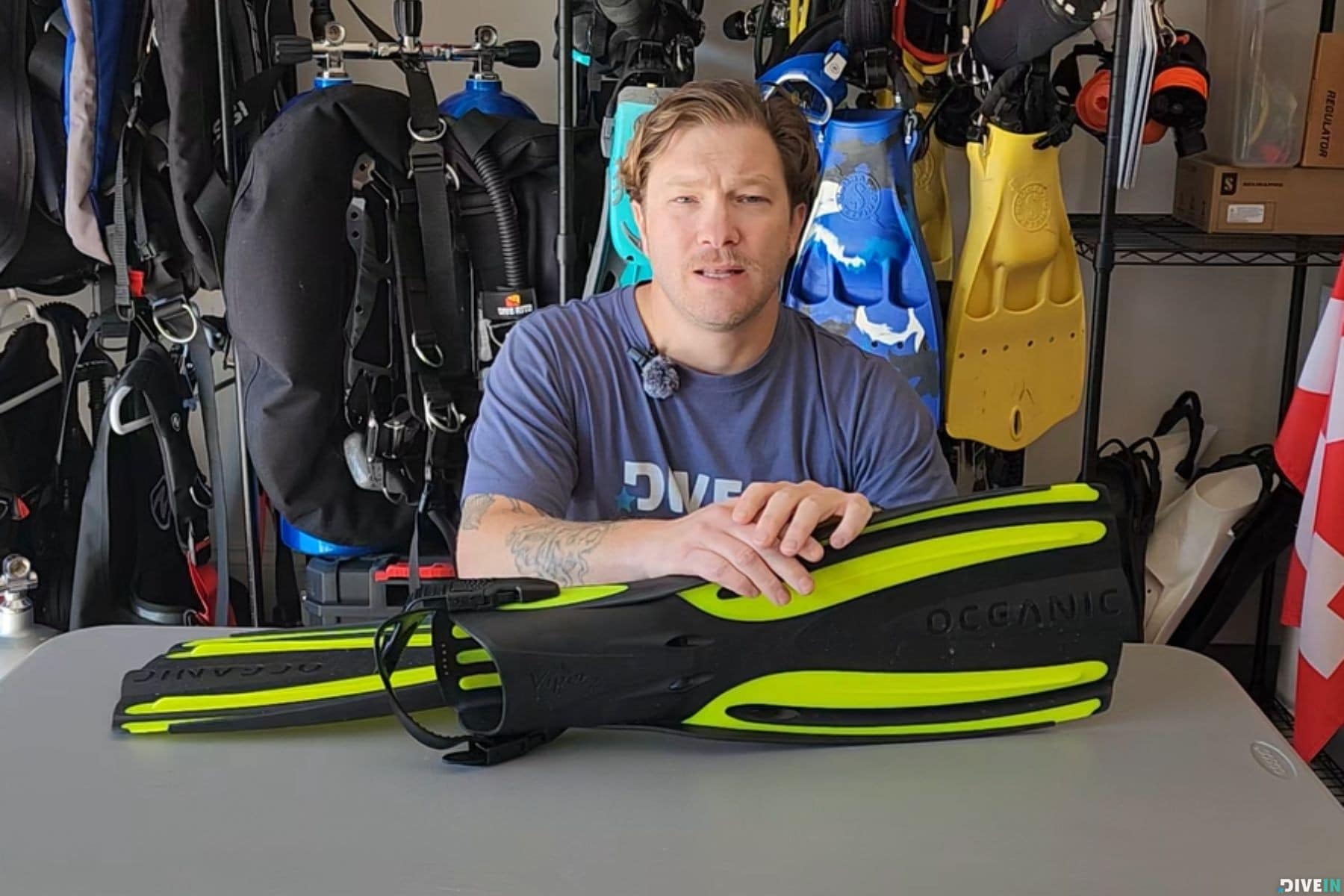


Oceanic Viper 2 Scuba Fin review
Oceanic is known for making quality dive equipment that serves a wide variety of divers. The one thing all of this equipment has in common is that it’s tough, rugged, lasts a long time, and won’t break the bank. The Oceanic Viper 2 fins are no exception.
Traditional paddle-style fins with a little bit of shine, the Oceanic Viper 2 fins are a great addition to your personal dive locker, and are excellent for divers who travel to warm waters.
Adjustable heel straps with a quick-release button make getting these fins on and off a breeze. With availability in five colors, you’re sure to stand out on your next dive trip.
Let’s dive in and take a closer look at the Oceanic Viper 2 fins.

Oceanic Accel


Where to buy
Oceanic Accel Scuba Fin review
Lightweight and comfortable, the Oceanic Accel Open Heel Fins (dive boots needed) are a simplified take on scuba fins for recreational divers. Additionally, these are also ideal for snorkelers, beachgoers and travelers due to their portability.
Weighing less than 3lbs and with a maximum length of 21 inches, these fins can fit into backpacks and smaller bags. Although they are lightweight, the Oceanic Accel Open Heel Fins are designed to provide quite a bit of thrust, and their large, soft silicone straps are supposed to offer comfort and ease of use.
We had the neon yellow and aqua blue fins to test out.
ScubaPro GO Travel


ScubaPro GO Travel Scuba Fin review
The ScubaPro name is synonymous with quality. Divers love their regulators, BCDs, masks, and fins, including the GO Travel fins. They’re not as high performance as the Jet Fins; they’re not quite as powerful as the Seawing Supernovas; and maybe they’re not quite as innovative as the S-Tec fins, but they are lightweight and comfortable, making them a traveler’s dream.
Small enough to fit in your carry-on luggage and light enough to serve as a second set of fins on your trips, the GO Travel fins are perfect for frequent warm-water travelers. Also, being a barefoot fin, they’re great for scuba instructors and divemasters who spend a lot of time in the pool—not having to wear boots that corrode means you save money.
Let’s dive in and take a closer look at the ScubaPro GO Travel fins.
TUSA Solla


TUSA Solla Scuba Fin review
The Tusa Solla Fins use an angled blade design and durable, yet soft monprene material to make these both efficient and comfortable.
What the angled blade design does, is it makes scissor kicking push water more efficiently in line with your body’s direction. Instead of wasting propulsion up and down, kicking is less tiring. It works pretty well actually.
Thanks to the EZ strap, the open heel design is quite comfortable. The buckle makes it easy to adjust too.
With reinforced side rails and vents this pair of fins is a fine option for snorkelers in Caribbean waters where there can be stronger currents.


Snorkeling Fins Buyers Guide
Open Heel or Closed Heel
Depending on the type of snorkeling and location, you will want to choose either an open heel or closed heel fin.
Open heel fins are ideal for colder waters as you can wear booties with them. They are normally more powerful than closed heel fins but can be difficult to travel with.
Closed heel fins are more like a pair of shoes with flippers and you will not need booties for this style of fin. They are more suited for travelling and are easy to pick up and go.
Materials
Snorkeling fins are made using many different types of material. The majority are made using Monprene, Thermoplastics and almost all of them have some section made of rubber.
Fins like the the Viper 2s and Fugas have rubber foot chambers for example, which are soft and flexible.
Oceanreef Accels also have silicone straps, which is more durable than rubber, but equally as soft.
This material allows the fin to bend when finning while also maintaining its shape and rigidity to provide the necessary amount of power for propulsion.
Weight
Depending on their construction and the material used, fins can be heavier or lighter. Lightweight fins are more ideal for travel and for this reason we recommend lighter fins for snorkeling.
Blades
Another factor to consider when choosing a pair of snorkeling fins is the length and style of the blade.
Longer length blades will provide a more efficient use of energy as they have more surface area for propulsion. On the other hand shorter blades will be easier to transport and are more suitable for travel.
The style of blade is also important to consider. Curved, angled or rounder blades offer less energy consumption and are easier to use. Flatter blades with a more rectangular shape provide more propulsion but consume more energy.
The Tusa Solla fins are angled to make the kicking strokes more focus for more efficient propulsion.
Vented or not vented blade
The final thing to consider when choosing snorkeling fins is whether the blade is vented or not vented.
Vented fins have vents that help water pass through in order to help reduce the effort required while finning and reducing energy consumption over time. This makes them more efficient but can reduce power.
Non vented fins are generally more powerful but require more energy to use and for this reason can make you more tired in the water.
Frequently Asked Questions about the Snorkel Fins
Full-foot fins are better for most snorkeling because they are lightweight, compact, and designed to be worn barefoot in warm water. They are ideal for travel and casual surface swimming. Open-heel fins are bulkier and require booties, but they offer a more adjustable fit and better performance in colder water or rocky entry points. For the majority of snorkelers, full-foot fins are the best choice.
Yes, you can use scuba fins for snorkeling, but they are not always ideal. Scuba fins are typically heavier and designed for power and control underwater, which can feel excessive for relaxed surface swimming. Snorkeling fins are lighter and more efficient for gentle kicking at the surface, making them more comfortable for longer sessions.
Snorkeling fin sizing depends on the style and brand. Full-foot fins should fit snugly like a shoe without pinching or causing pressure points, while open-heel fins should be sized to accommodate booties. Always check the manufacturer’s sizing chart, as fit can vary significantly. A proper fit prevents blisters and improves efficiency in the water.
For snorkeling, the choice depends on comfort and kicking style. Split fins require less effort and are great for relaxed, energy-efficient swimming, making them a popular option for beginners and casual snorkelers. Paddle fins provide more power and control but require stronger leg effort, which is usually unnecessary for surface snorkeling.
Booties are not needed with full-foot snorkeling fins, which are designed to be worn barefoot. However, if you are using open-heel fins, booties are recommended for comfort, warmth, and protection, especially when entering the water over rocks, coral, or rough terrain.
The best snorkeling fins for travel are lightweight, compact full-foot fins that easily fit into a carry-on or suitcase. Short-blade fins are especially travel-friendly because they take up less space while still providing good propulsion. Flexible materials and quick-drying designs also make them more convenient for packing and repeated use on trips.
 Take a moment to look at this.


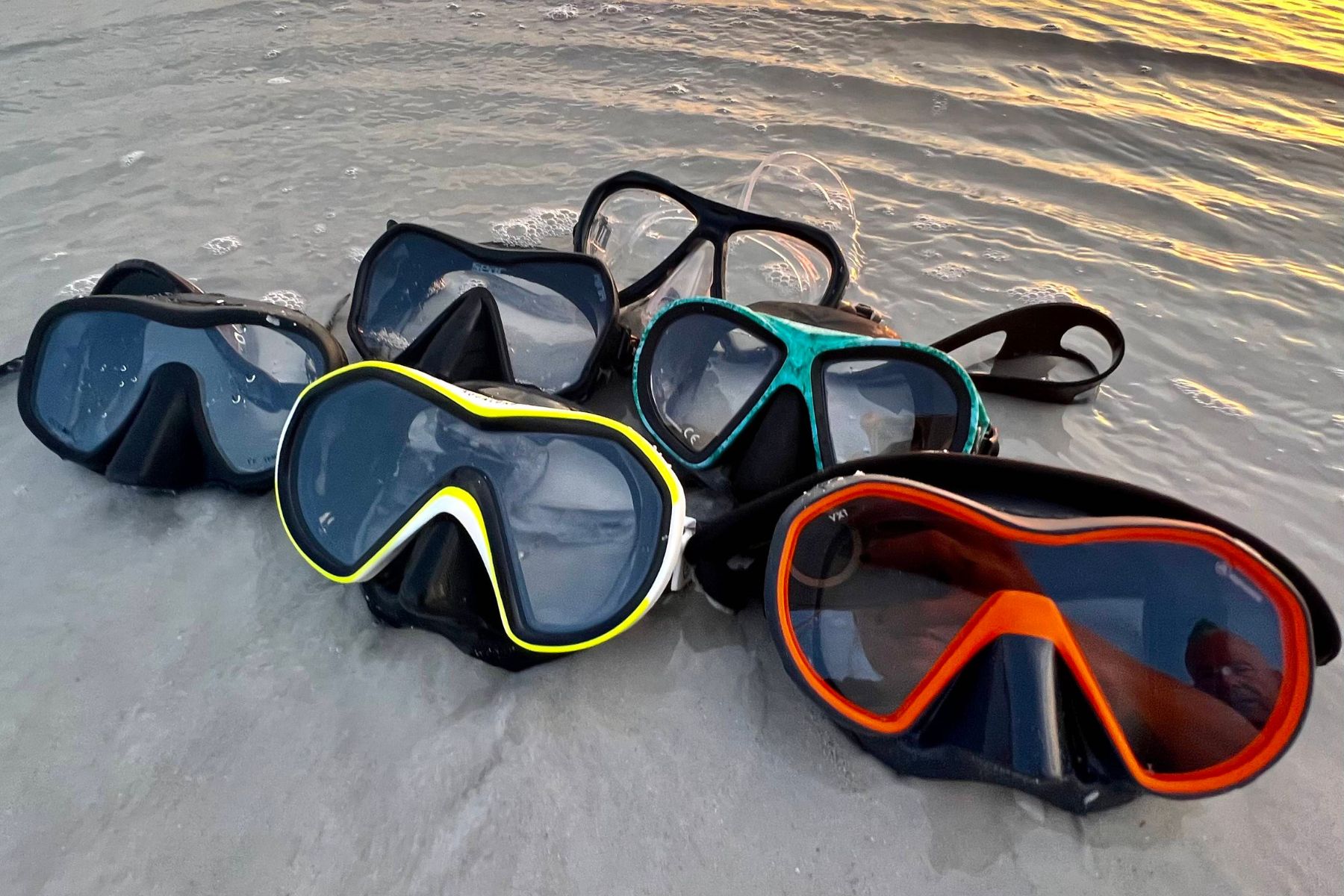

Another element that should be compared is if the fins will float to the top of the water if they come off or dropped while putting on.